
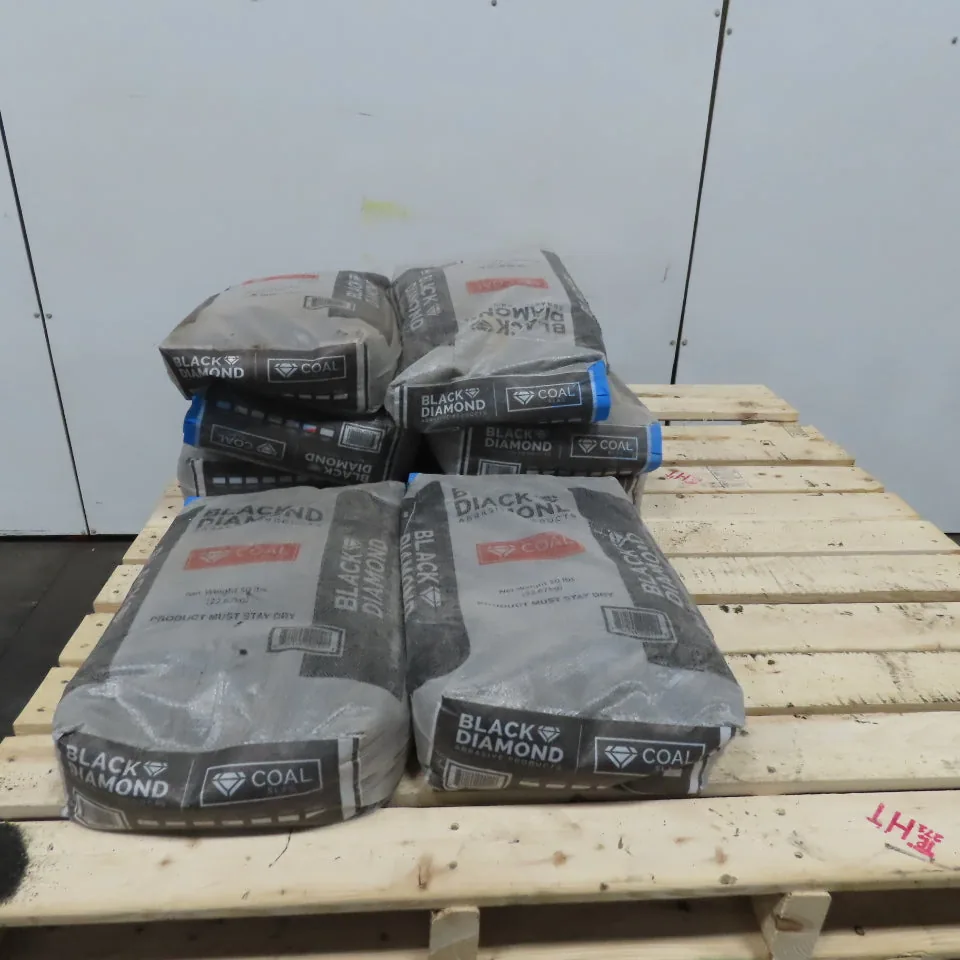
Black Diamond / various · Inert sand & gravel
Black Diamond Blasting Sand
United States · Black · grain 0.3 to 1.5 mm (sold by grit grade)
External link to plantedtank.net, opens in a new tab.
TL;DR, Black Diamond Blasting Sand
Black Diamond is coal slag, a by-product of coal-fired power generation that is sold as abrasive media for industrial sandblasting. Hobbyists who want a black substrate on a strict budget and accept the caveats.
Full specs
- Brand
- Black Diamond / various
- Country of origin
- United States
- Category
- Inert sand & gravel
- Colour
- Black
- Grain size
- 0.3 to 1.5 mm (sold by grit grade)
- pH target
- Neutral
- pH effect
- Neutral
- KH effect
- Neutral
- Ammonia release
- None
- Nutrient content
- None
- Buffering longevity
- Permanent
- Recommended water
- Any
- Difficulty
- 2 / 5
- Shrimp-safe
- No
- Best for
- Dark substrate on a tight budget
How it works
Black Diamond is coal slag, a by-product of coal-fired power generation that is sold as abrasive media for industrial sandblasting. The material is dark black, very cheap, and chemically resistant. Used carefully it works as aquarium substrate.
Best use cases
Hobbyists who want a black substrate on a strict budget and accept the caveats. Coldwater tanks (white cloud mountain minnows, hillstream loaches) where the dark substrate looks striking against pale fish.
Pro tips
If choosing black sand on a budget, CaribSea Tahitian Moon Sand or a dedicated aquarium-grade black sand from a reputable brand is the safer alternative. The cost difference per bag is small relative to the cost of livestock that might be lost.
Plants that thrive in this substrate
Hand-curated pairings based on the substrate category, not a relational query.
- Anubias Barteri NanaAnubias barteri var. nanaRhizome plant attached to hardscape, never touches the substrate so sand is perfect.
- Java FernMicrosorum pteropusAnother epiphyte, ties to wood or stone above the substrate.
- Vallisneria SpiralisVallisneria spiralisTolerates pure sand if root tabs are dosed near each crown every couple of months.
- Amazon SwordEchinodorus grisebachiiHeavy root feeder, needs root tabs every 2 to 3 months to thrive in plain sand.
Sources & further reading
Compare against another substrate.
Line up to four substrates side by side. Spec table, pH effect, ammonia release, nutrient content, shrimp safety.
Open the compare tool