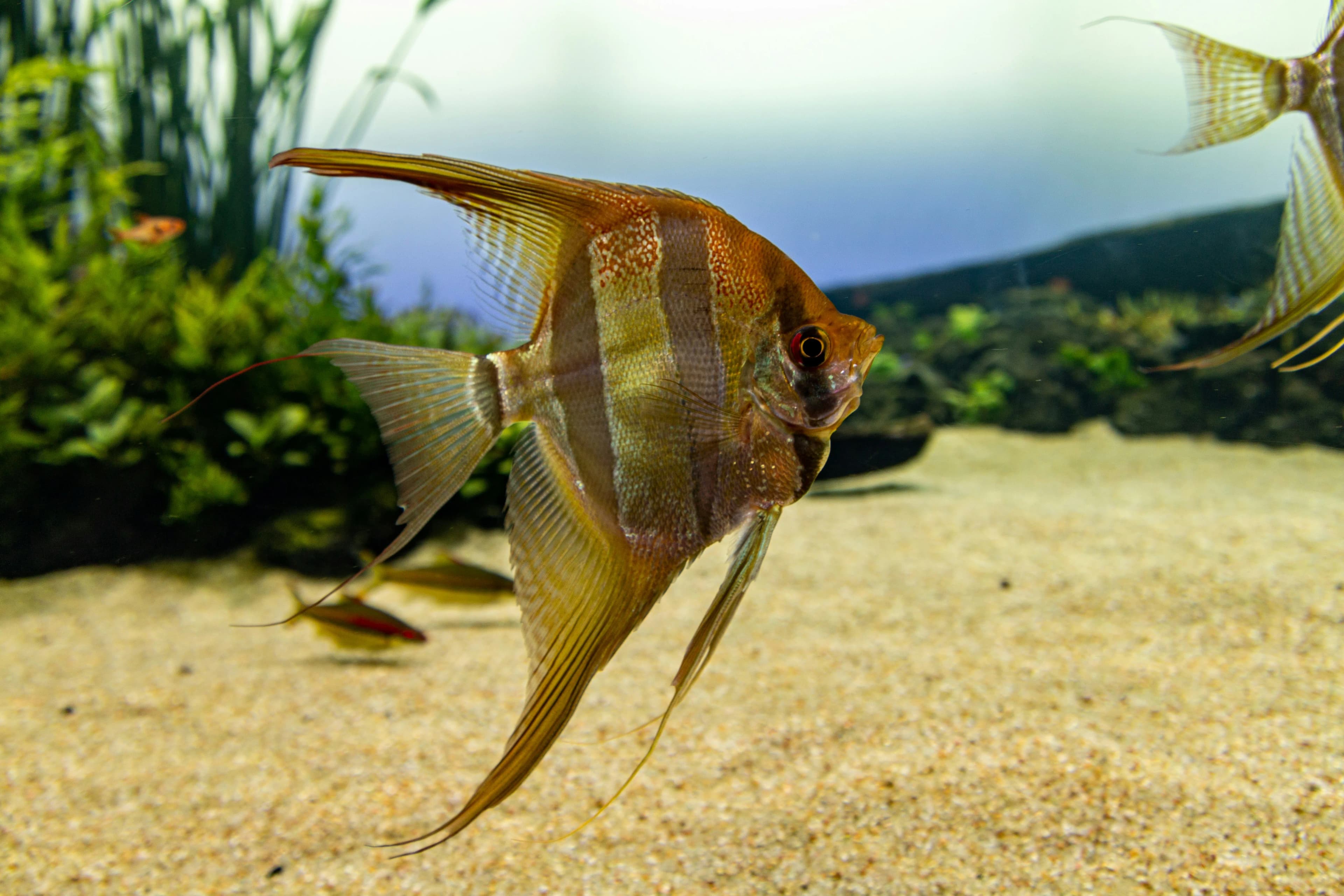
Fish
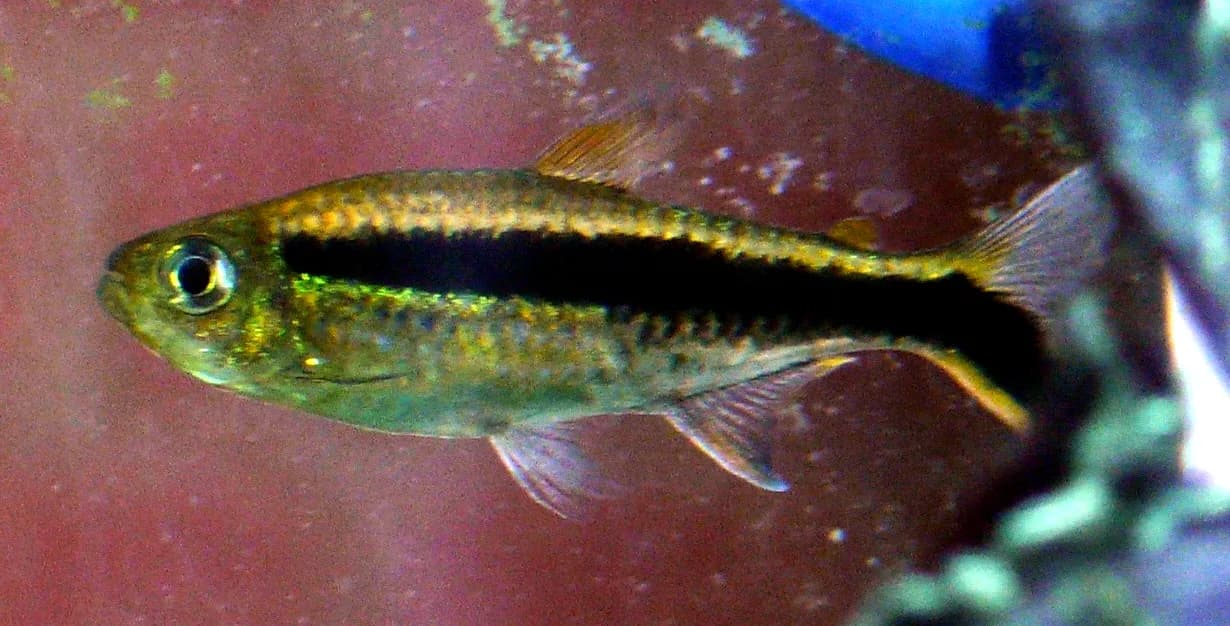
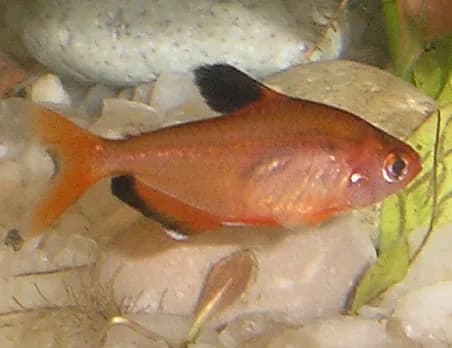
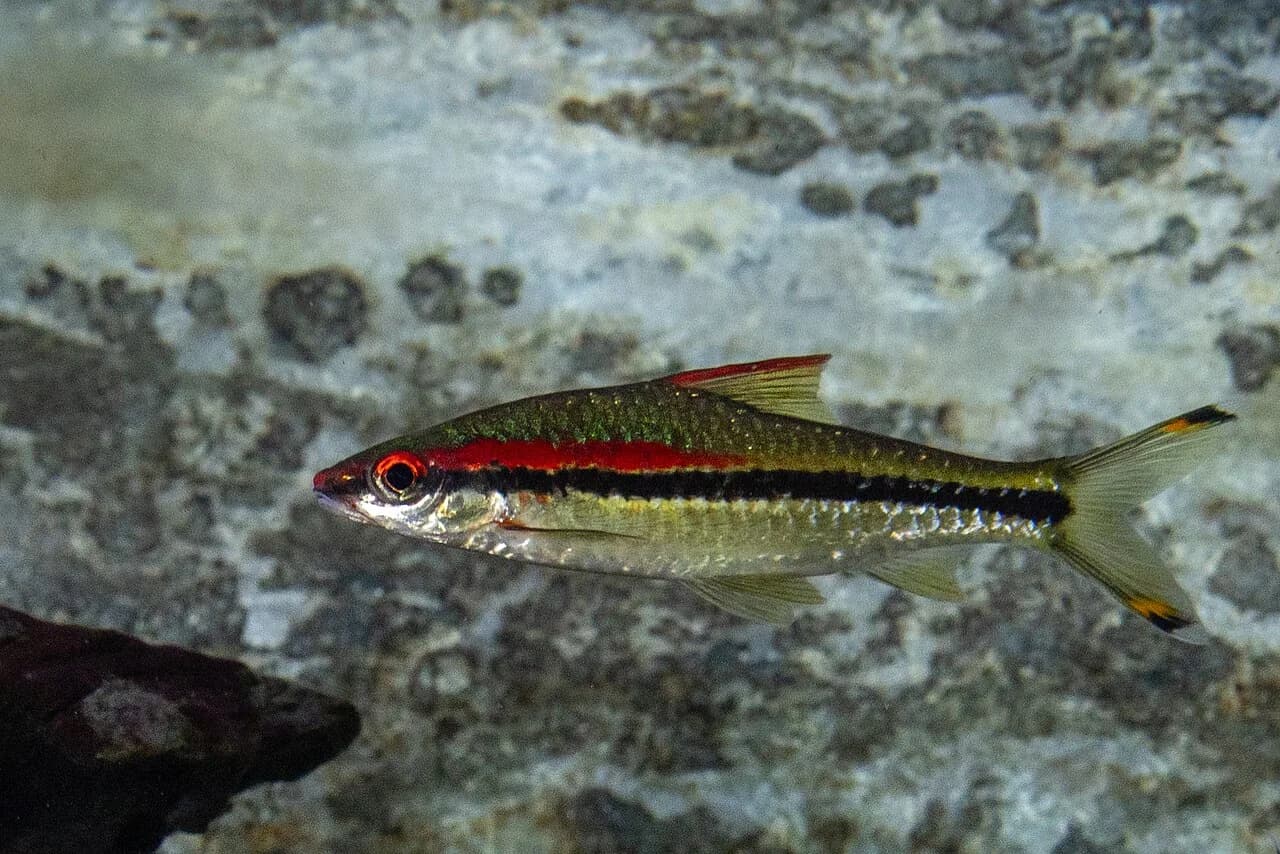
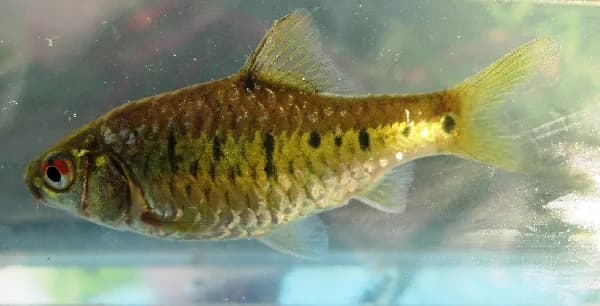
77 species profiled, schoolers, micropredators, algae crew, surface specialists and centrepieces. Parameters, group sizes, water column, plant and shrimp safety. Filter by what your water can hold; the catalogue tells you what fits.
Photo: Simon Infanger· Unsplash
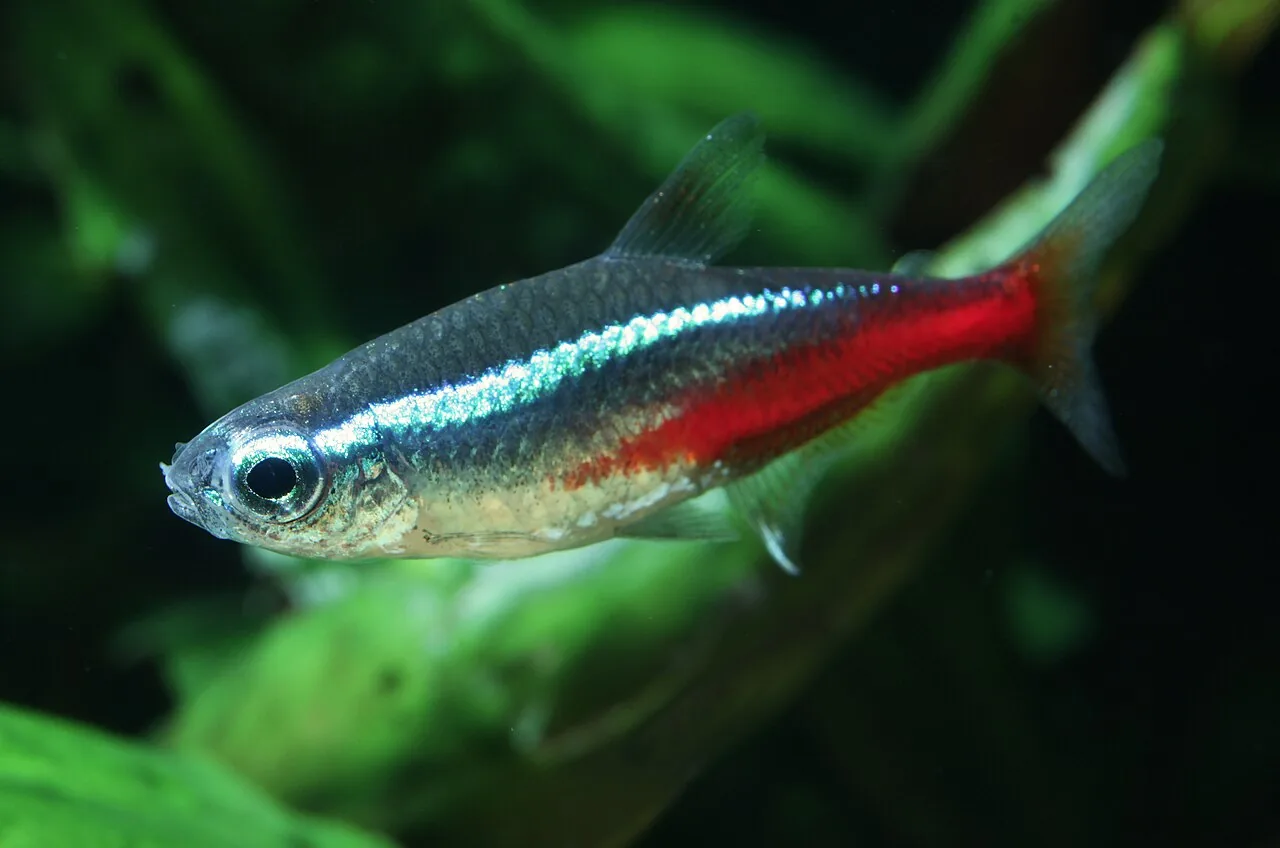
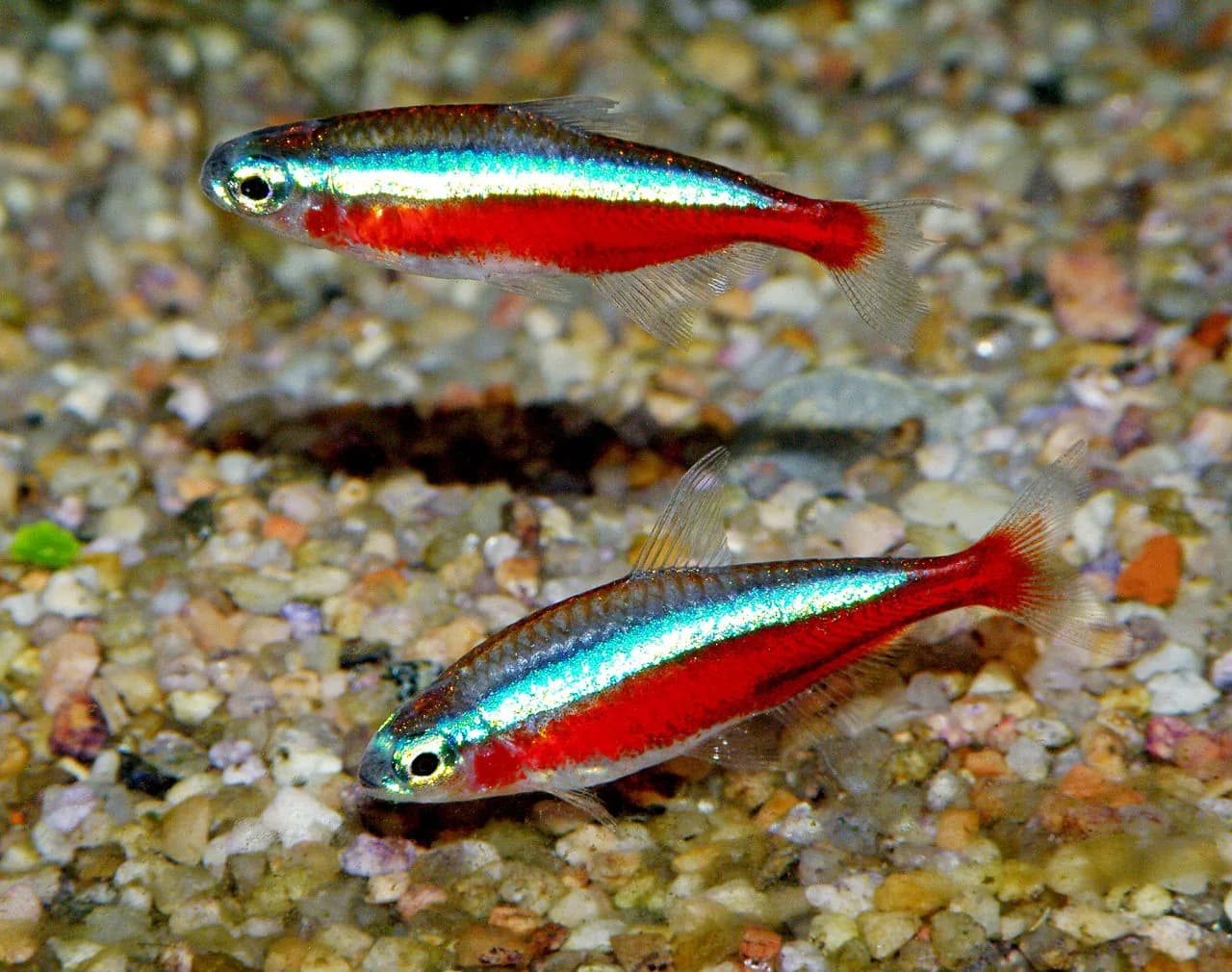
Paracheirodon innesi
Hardy beginner classic. Looks dull in bright tanks, dark substrate and floating plants bring out the neon stripe. Keep in groups of 10+ for natural shoaling behaviour.
Paracheirodon axelrodi
Brighter and slightly more demanding than the neon, prefers soft, warm, acidic water. Stunning in a dark-substrate Amazon biotope.
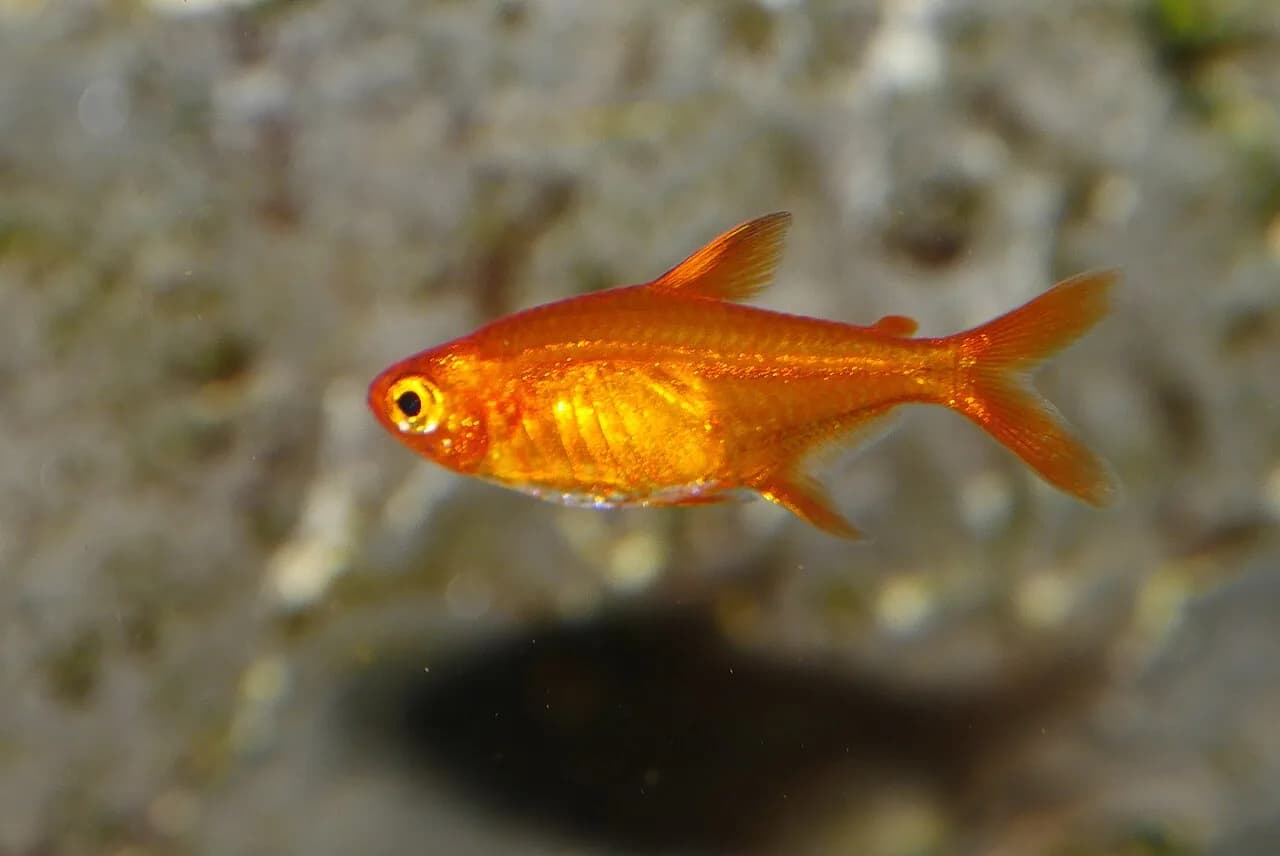
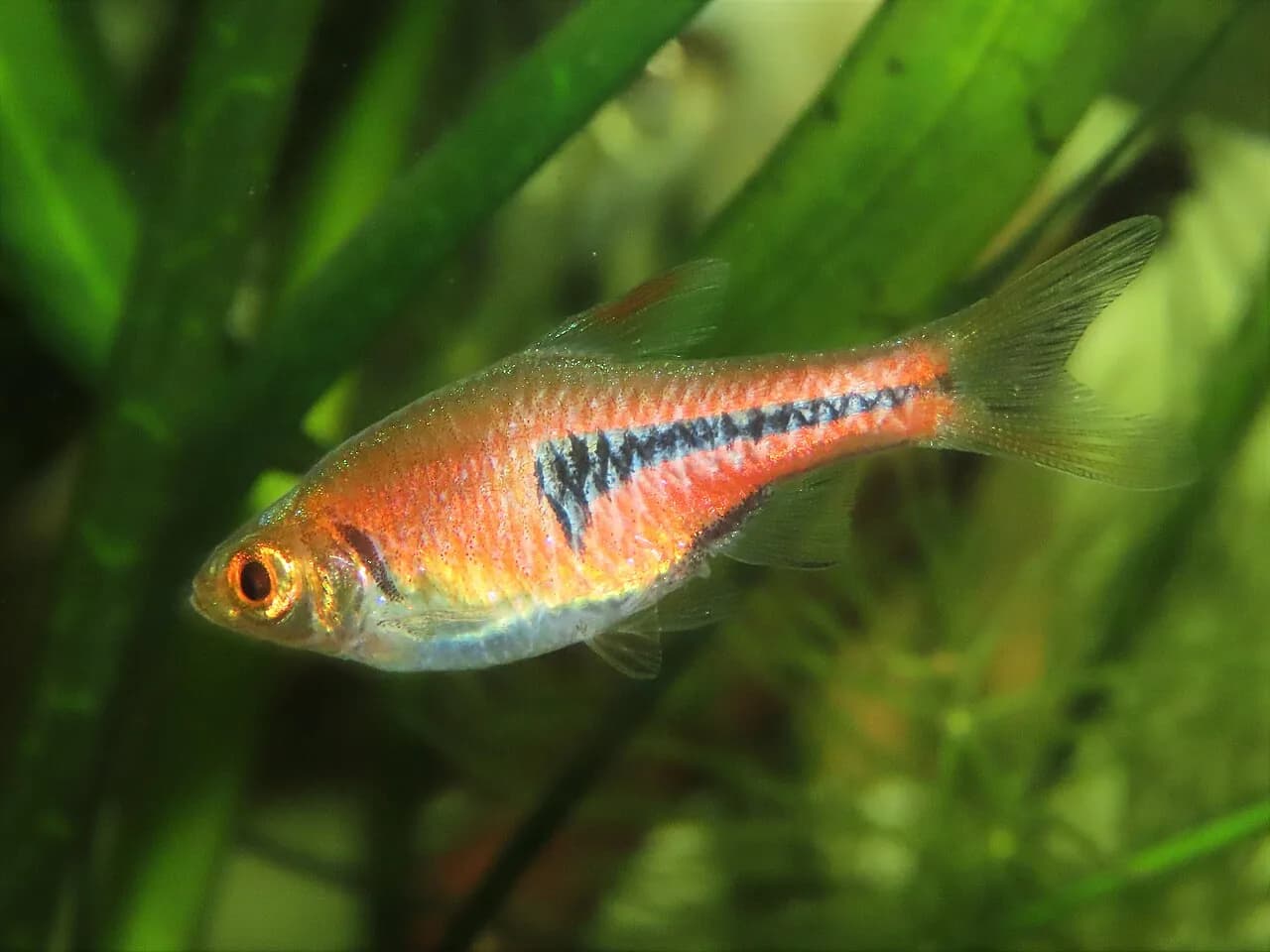
Hyphessobrycon amandae
Excellent nano-tank fish. Glowing orange colour pops against green plants and dark wood. Tolerates a wide pH range once acclimated.
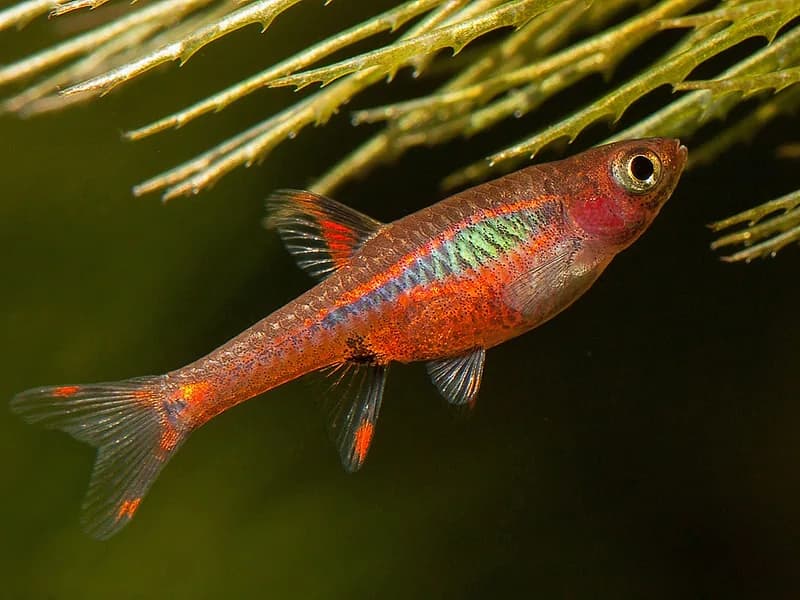
Boraras brigittae
True nano fish, shines in a planted blackwater scape with botanicals and tannins. Easily out-competed by larger tank mates; best as a species-only display.
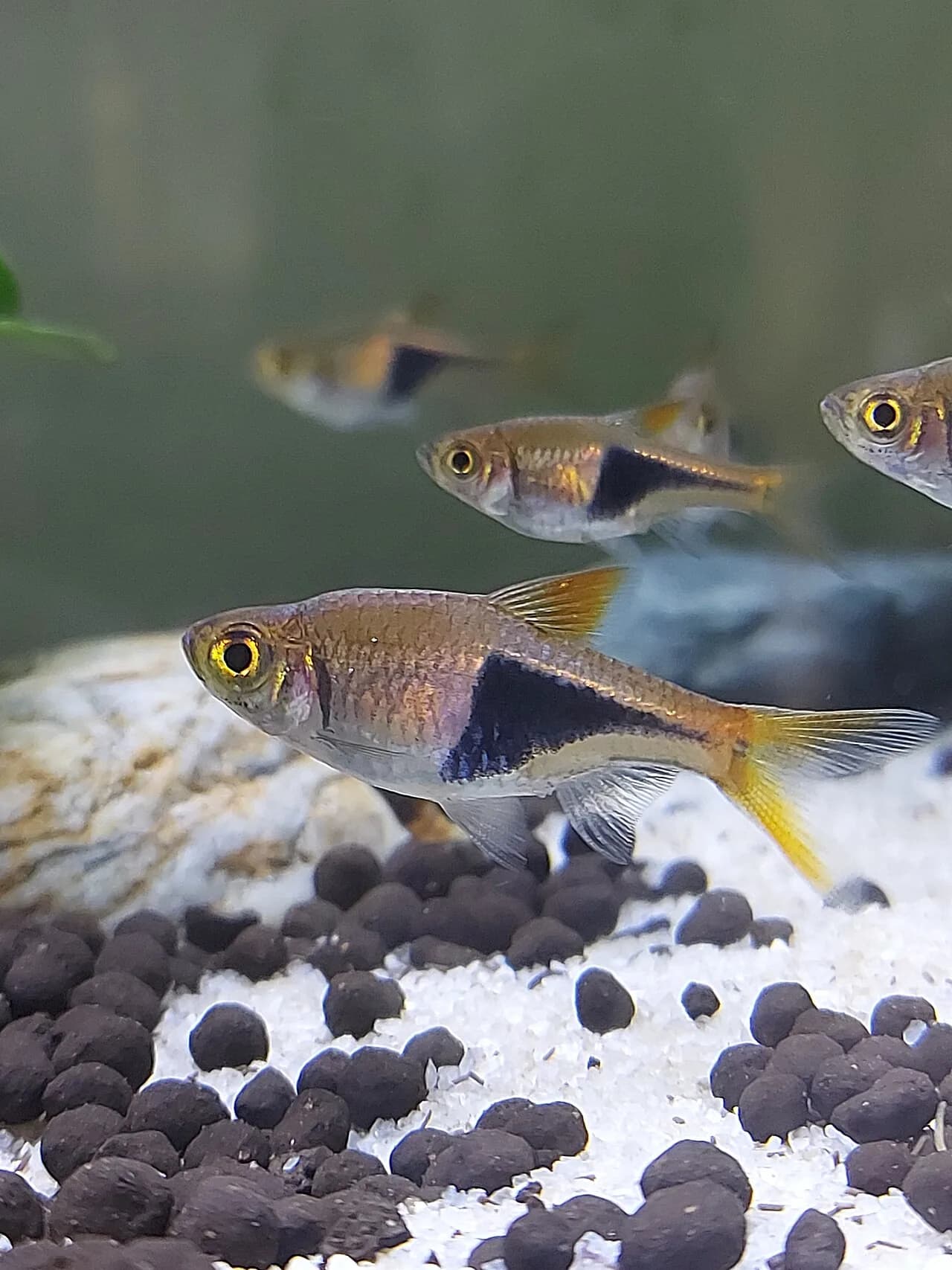
Trigonostigma heteromorpha
Bulletproof beginner schooler. The black wedge marking is iconic. Pairs well with rummynose tetras and corydoras in a community planted tank.
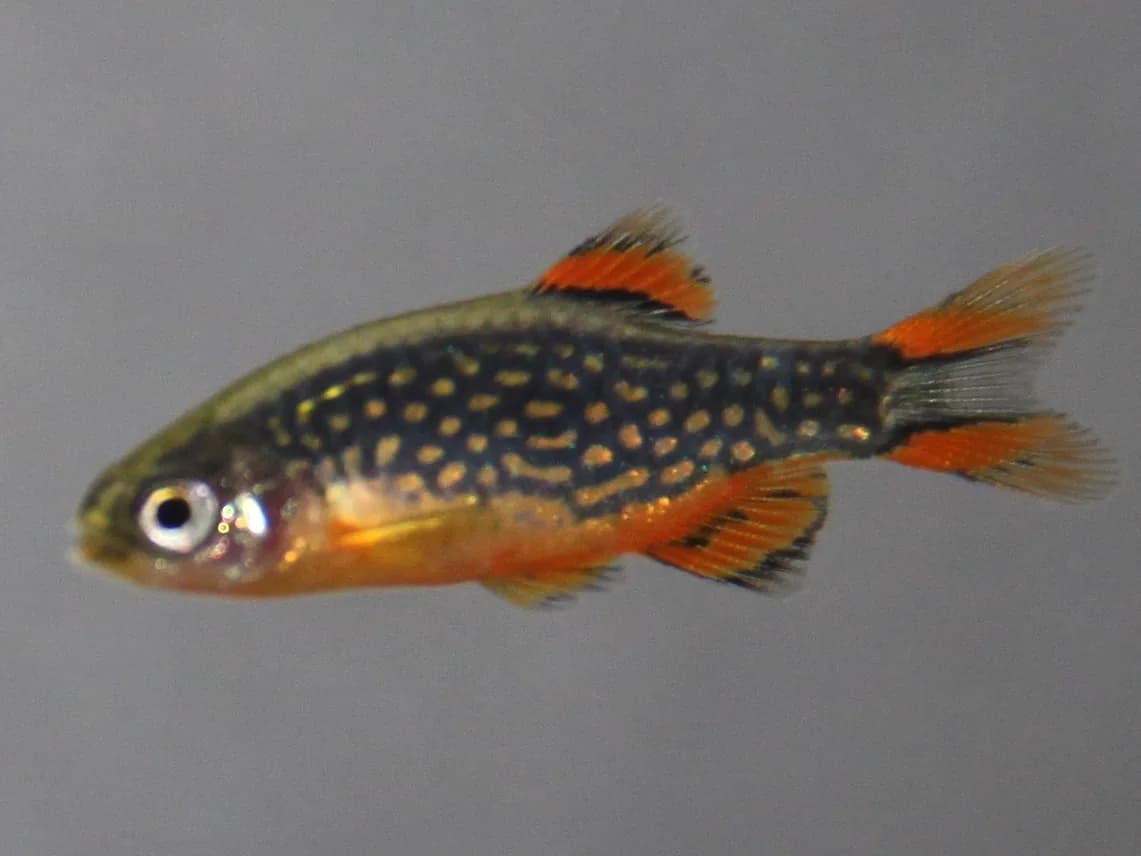
Danio margaritatus
Cooler-water nano gem, keep below 25 °C for best colour and lifespan. Males display brightest with females present and dense plant cover.
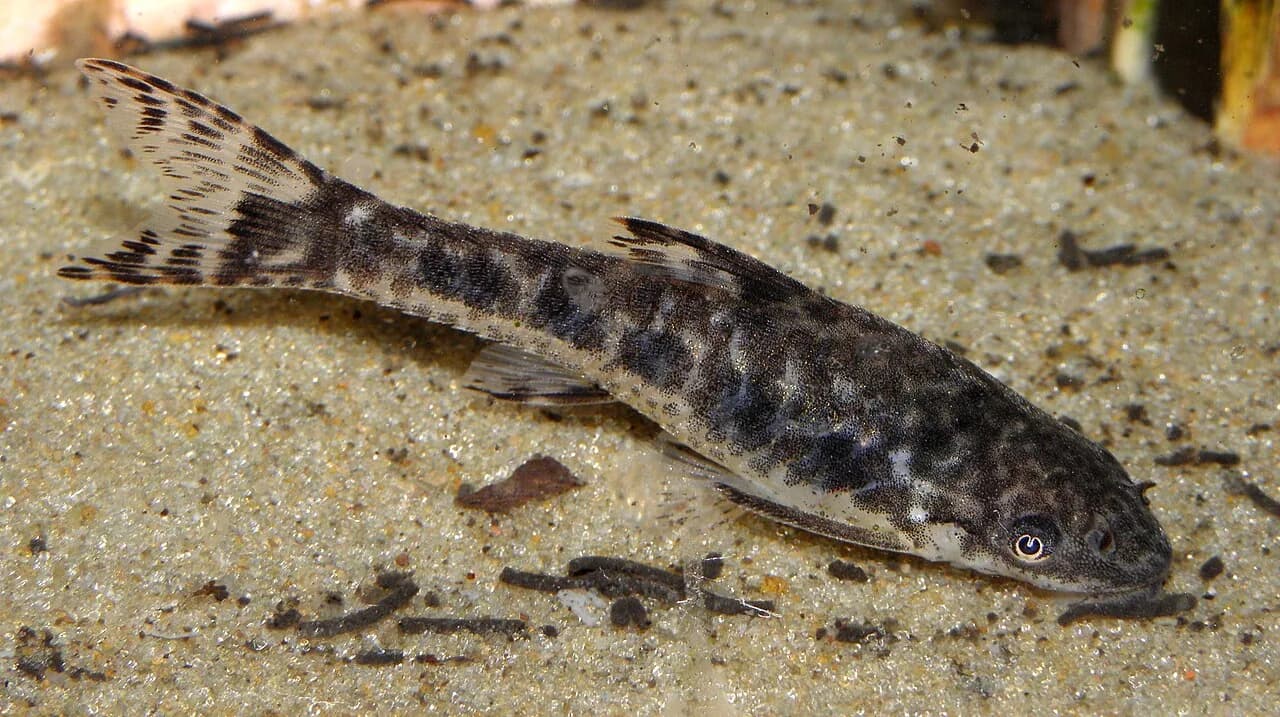
Otocinclus vittatus
Best biofilm/algae eater for planted tanks. Only add to a tank with established biofilm and soft green algae. Sensitive to stress, acclimate slowly.
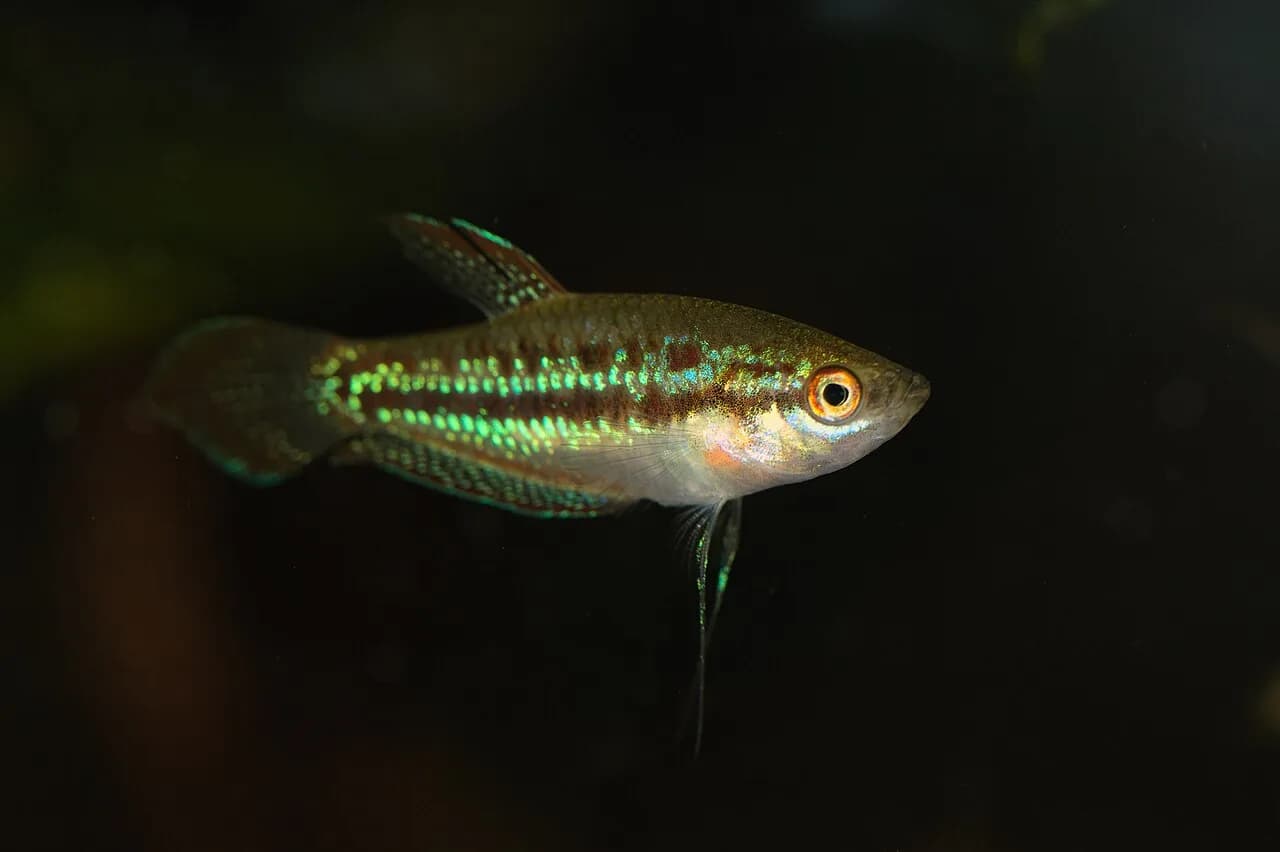
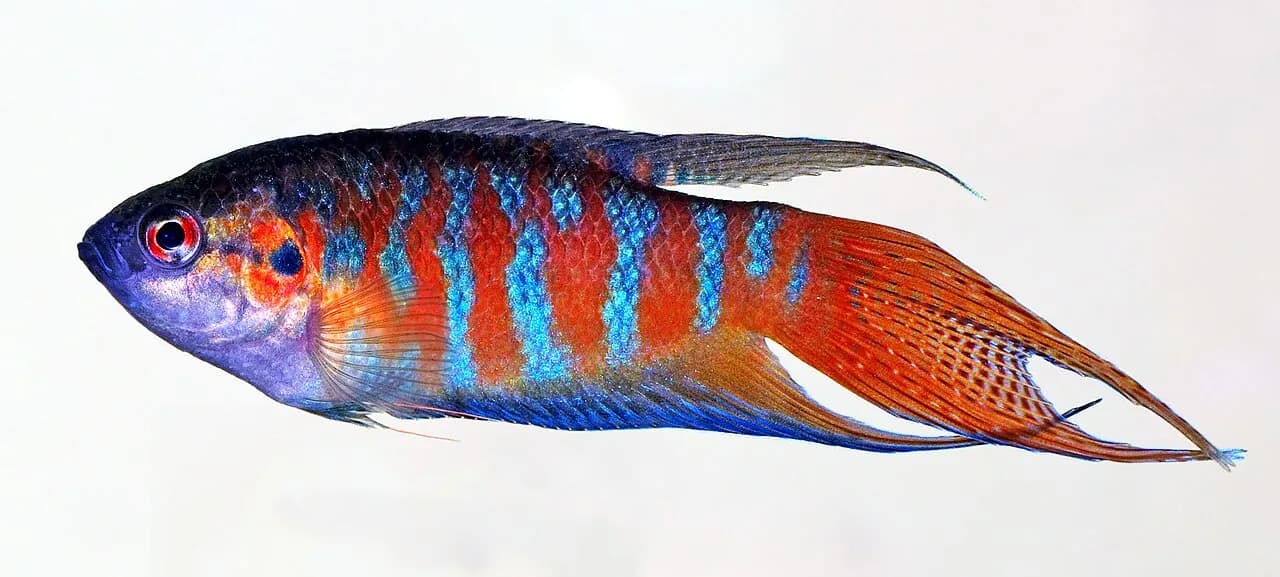
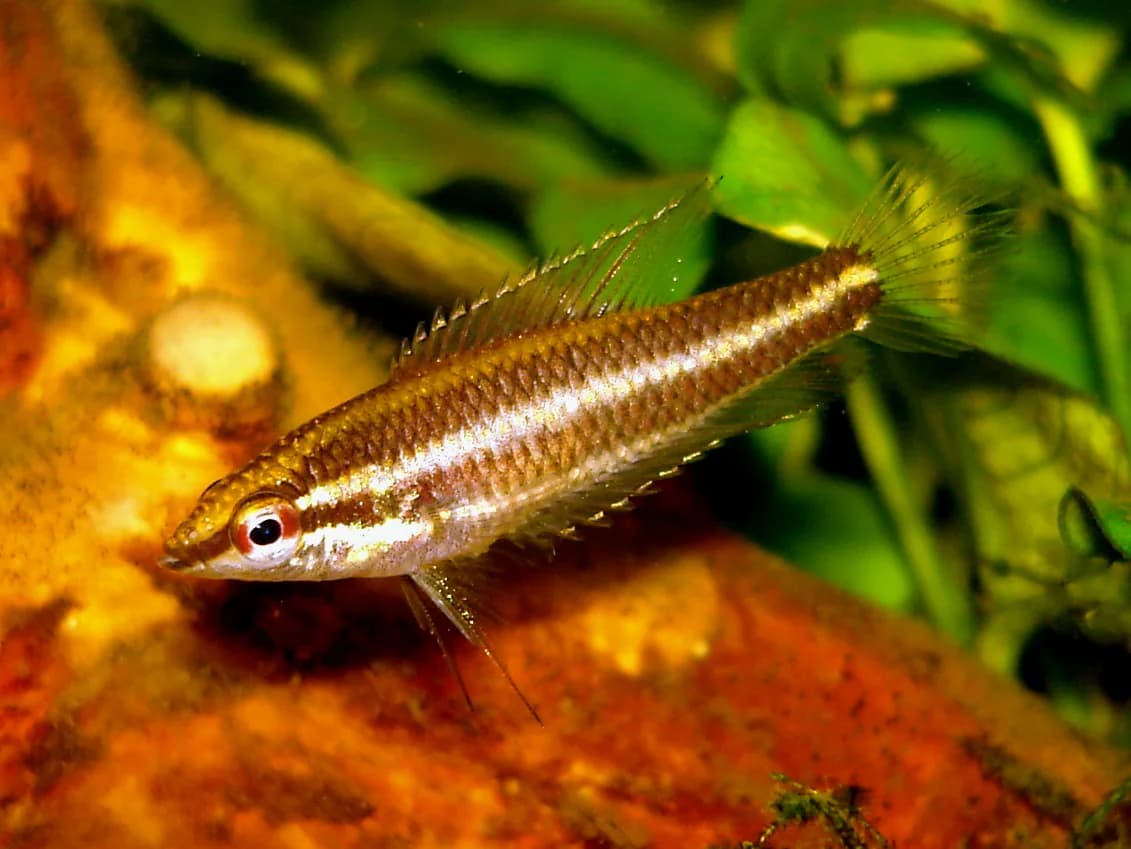
Trichopsis pumila
Labyrinth fish, surface access required. Makes audible 'croaks' from the swim-bladder, especially during courtship. Calm slow currents preferred.
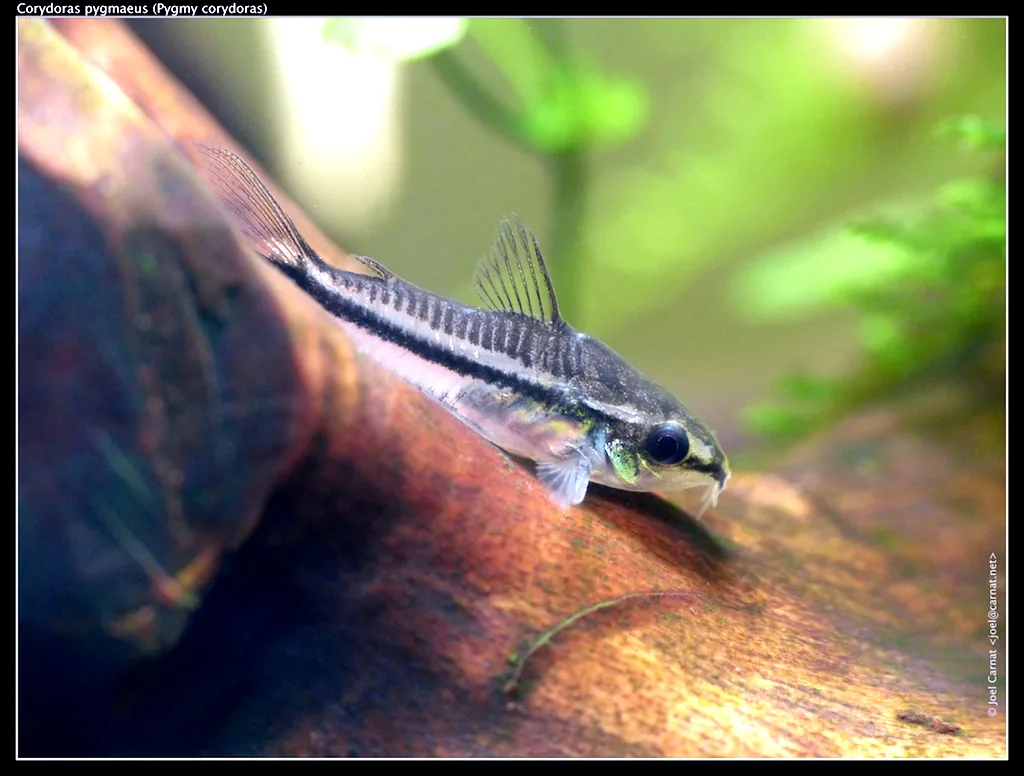
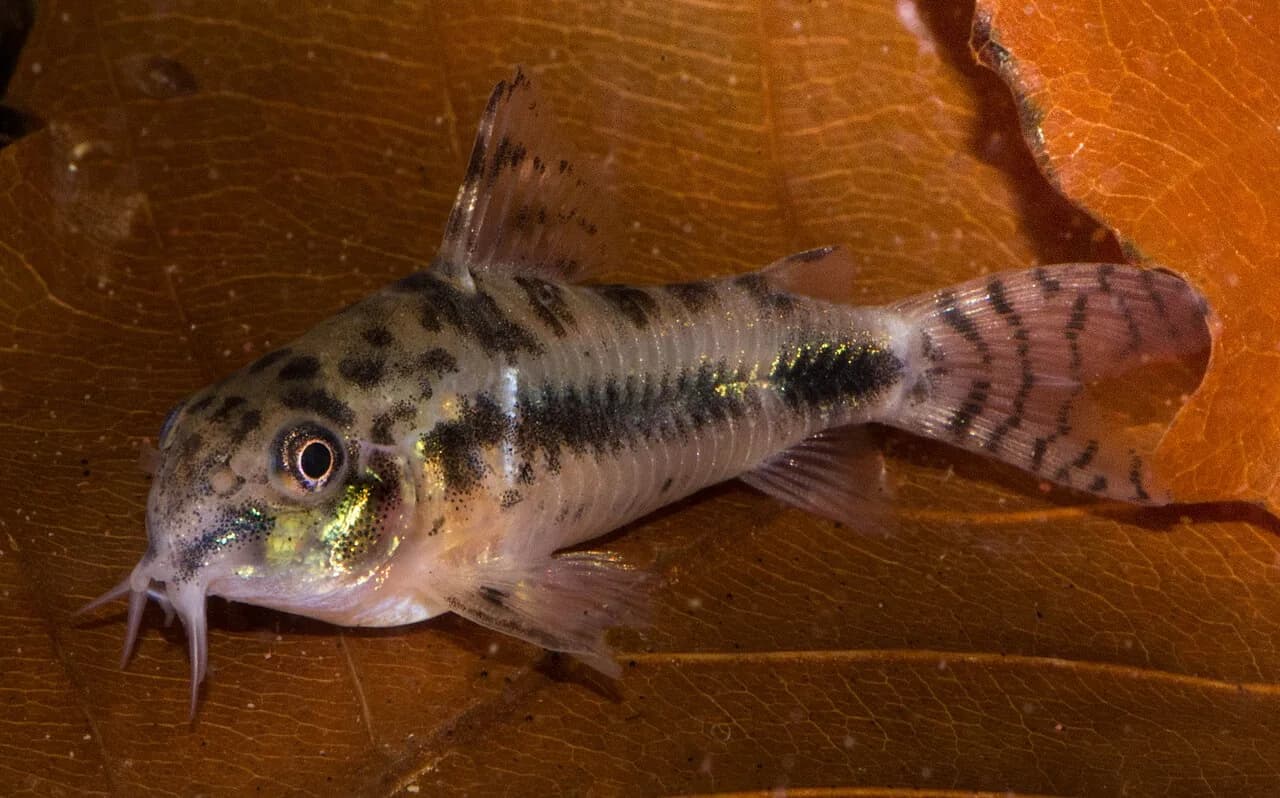
Corydoras pygmaeus
Unlike most corys, swims mid-water in tight shoals. Soft, fine sand substrate protects barbels. Combine with chili rasboras or ember tetras for a stunning nano scape.
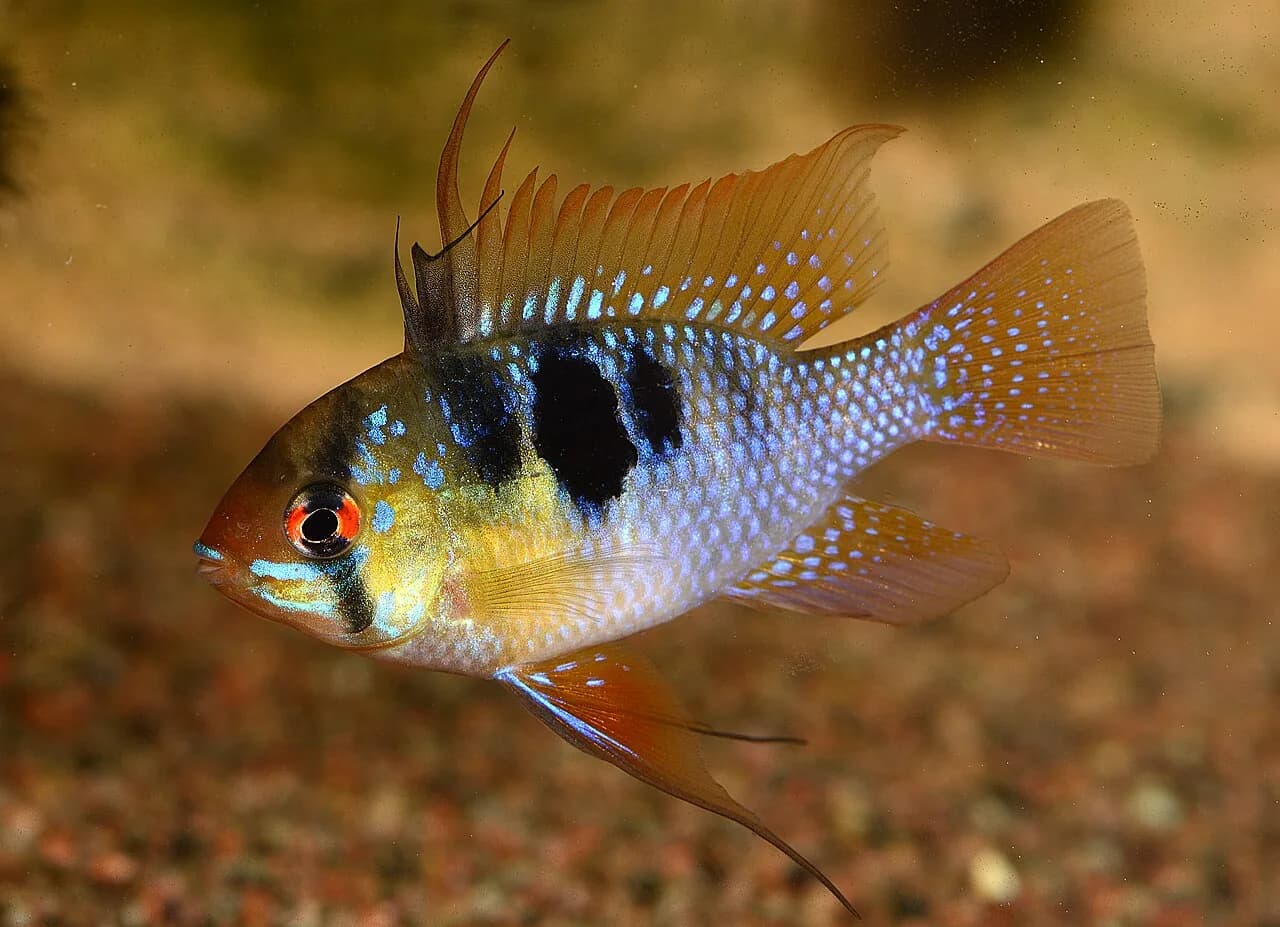
Mikrogeophagus ramirezi
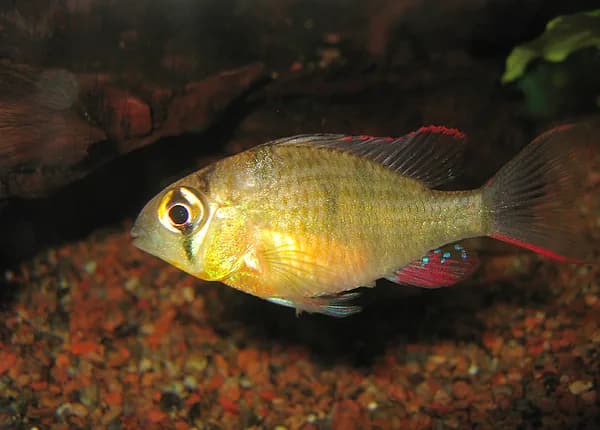
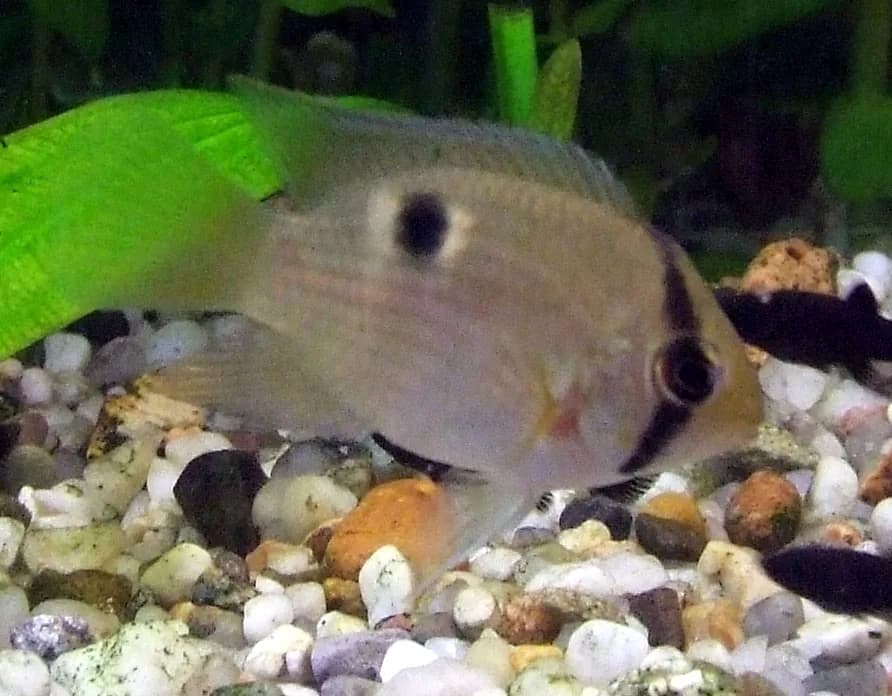
Centrepiece dwarf cichlid for a planted Amazon-style scape. Demands warm, clean, soft water; sensitive to nitrate. A flat stone makes a perfect spawning site.
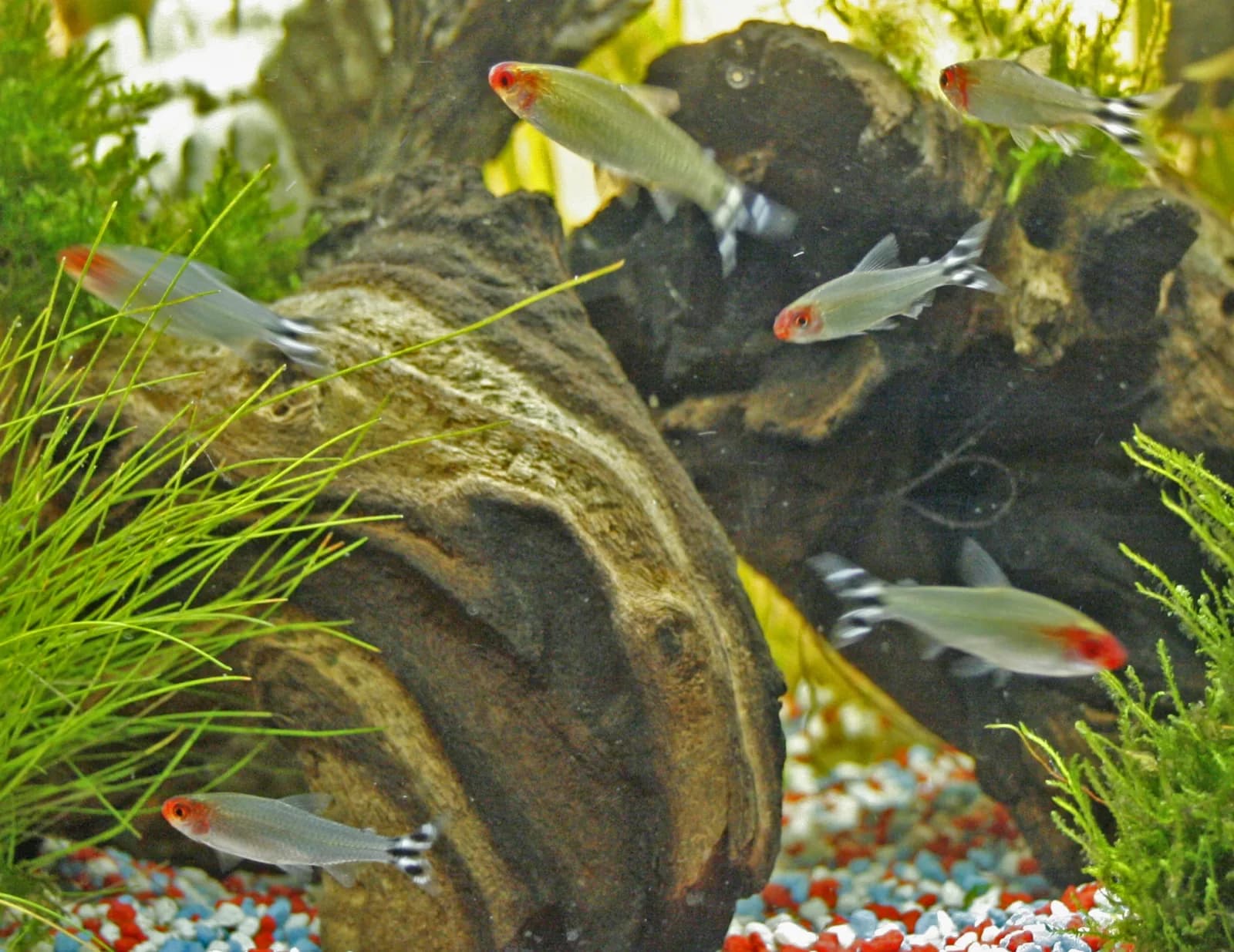
Hemigrammus rhodostomus
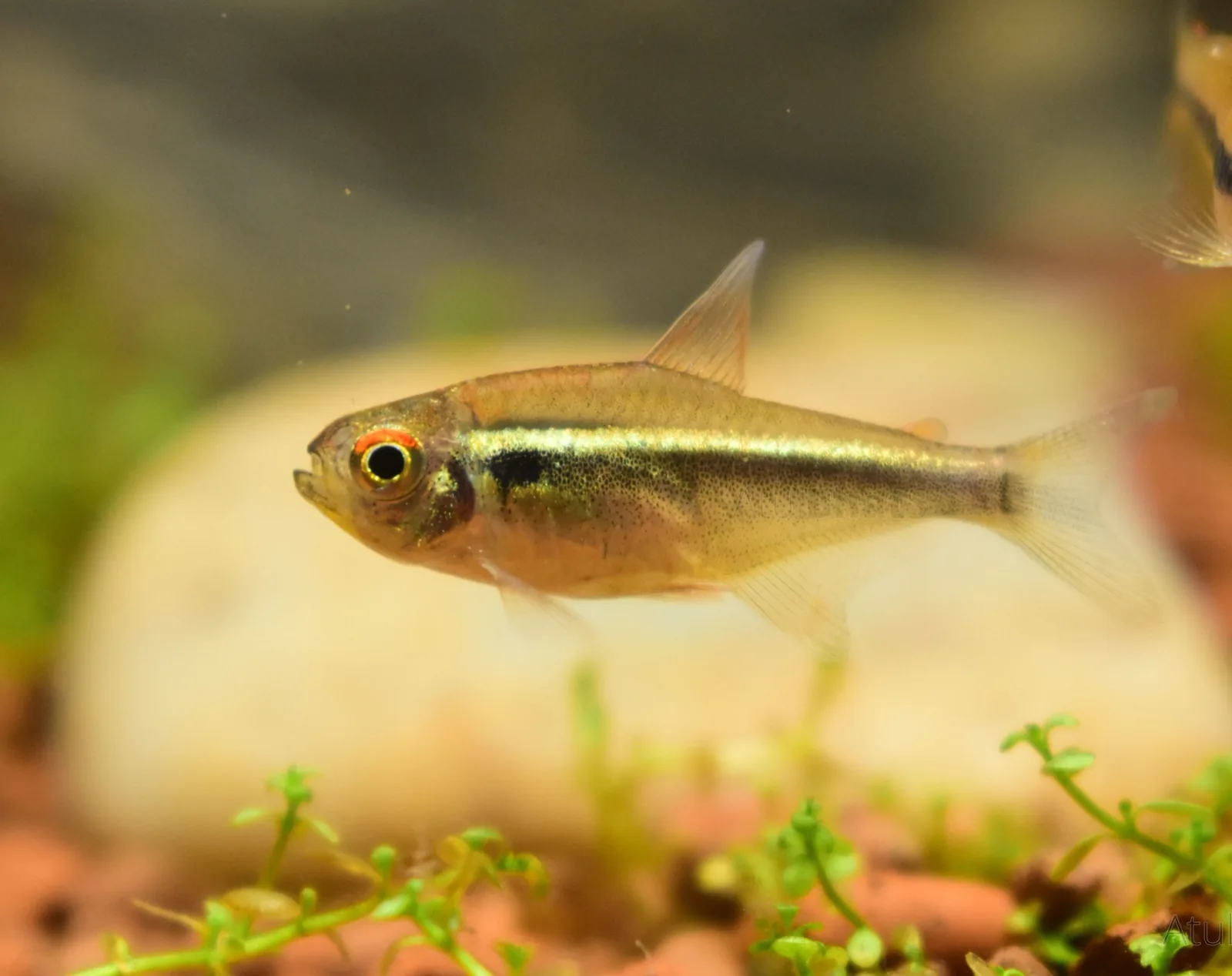
The benchmark schooling fish, moves as a single organism. Bright red nose is a real-time water-quality gauge: fades when stressed, glows when content. Wants clean, slightly soft water and the company of 10+ of its own kind.
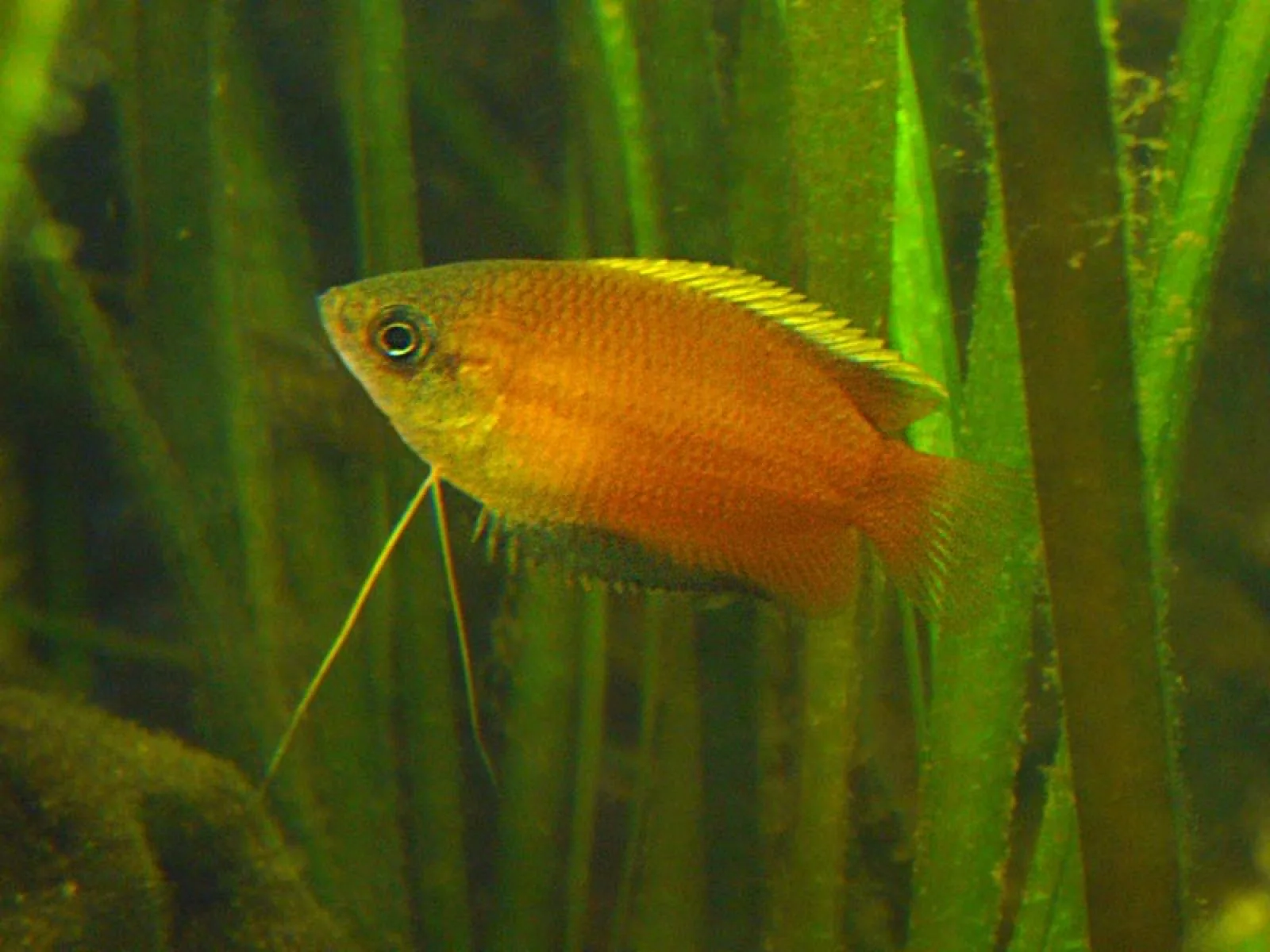
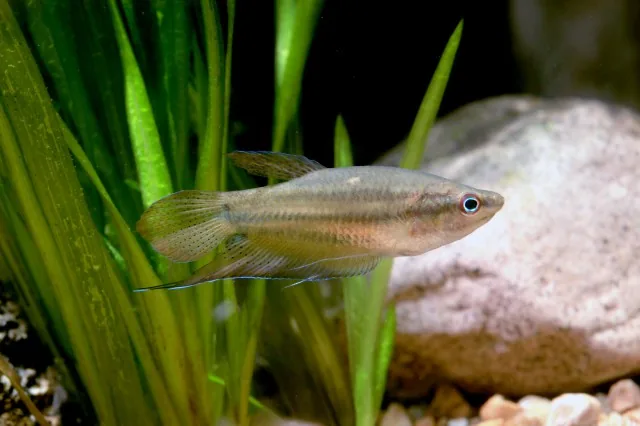
Trichogaster chuna
The truly peaceful gourami, unlike the unpredictable dwarf gourami it's often mistaken for. Males turn buttercup-orange in breeding colour; females stay pale beige. Labyrinth organ means surface access is mandatory.
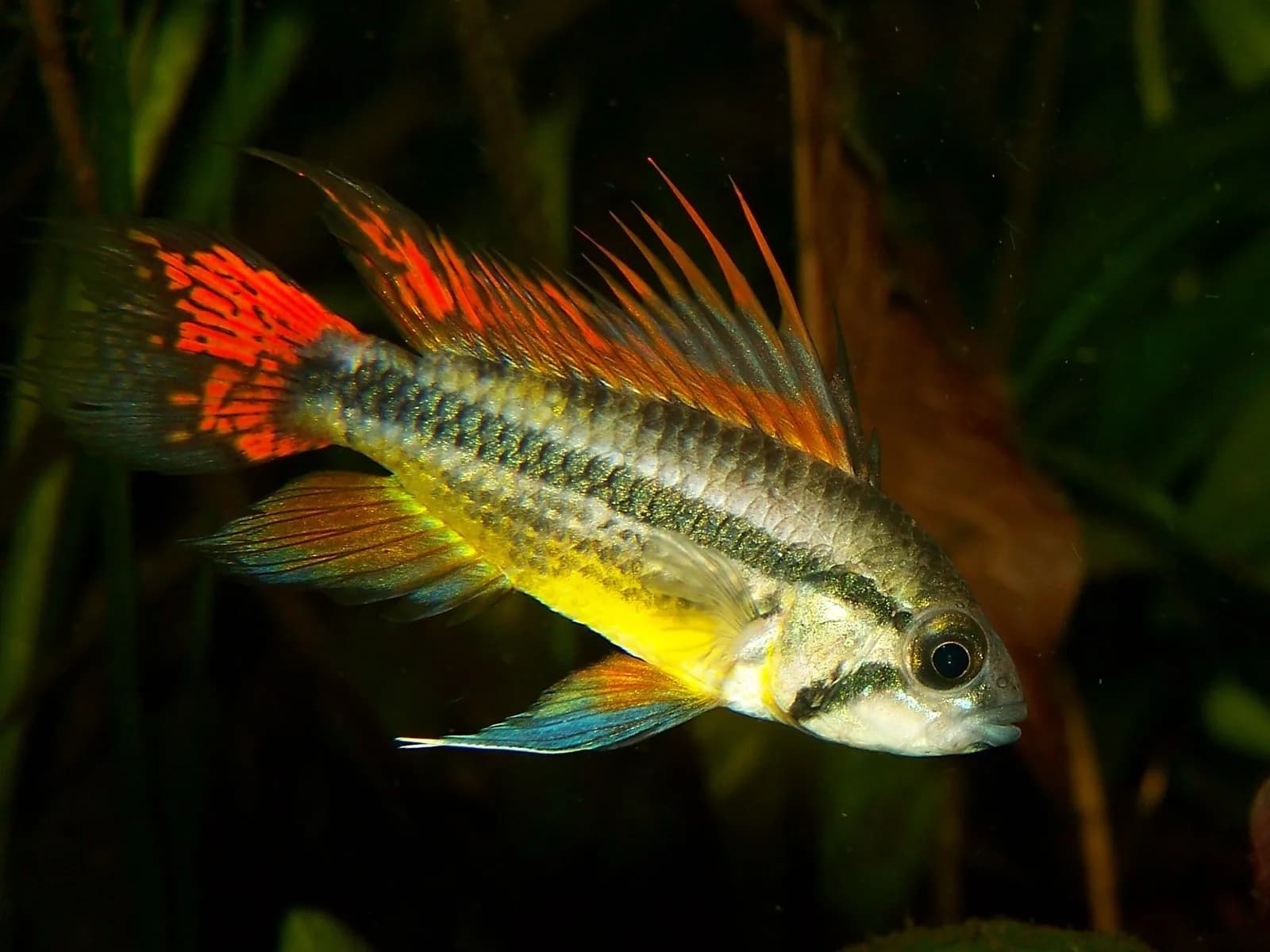
Apistogramma cacatuoides
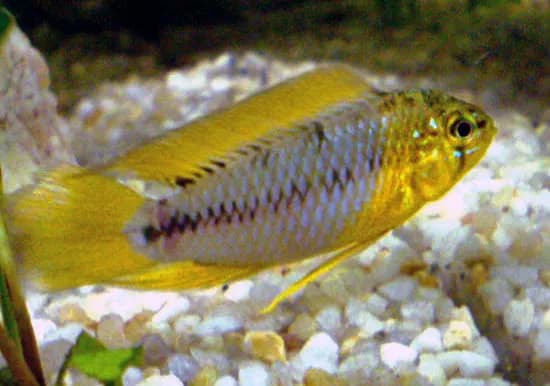
Far more forgiving than rams and just as charismatic. Males flare extended dorsal rays like a cockatoo crest. Harem-breeding species, give each female her own cave (half coconut shell, terracotta pot).
Pangio kuhlii
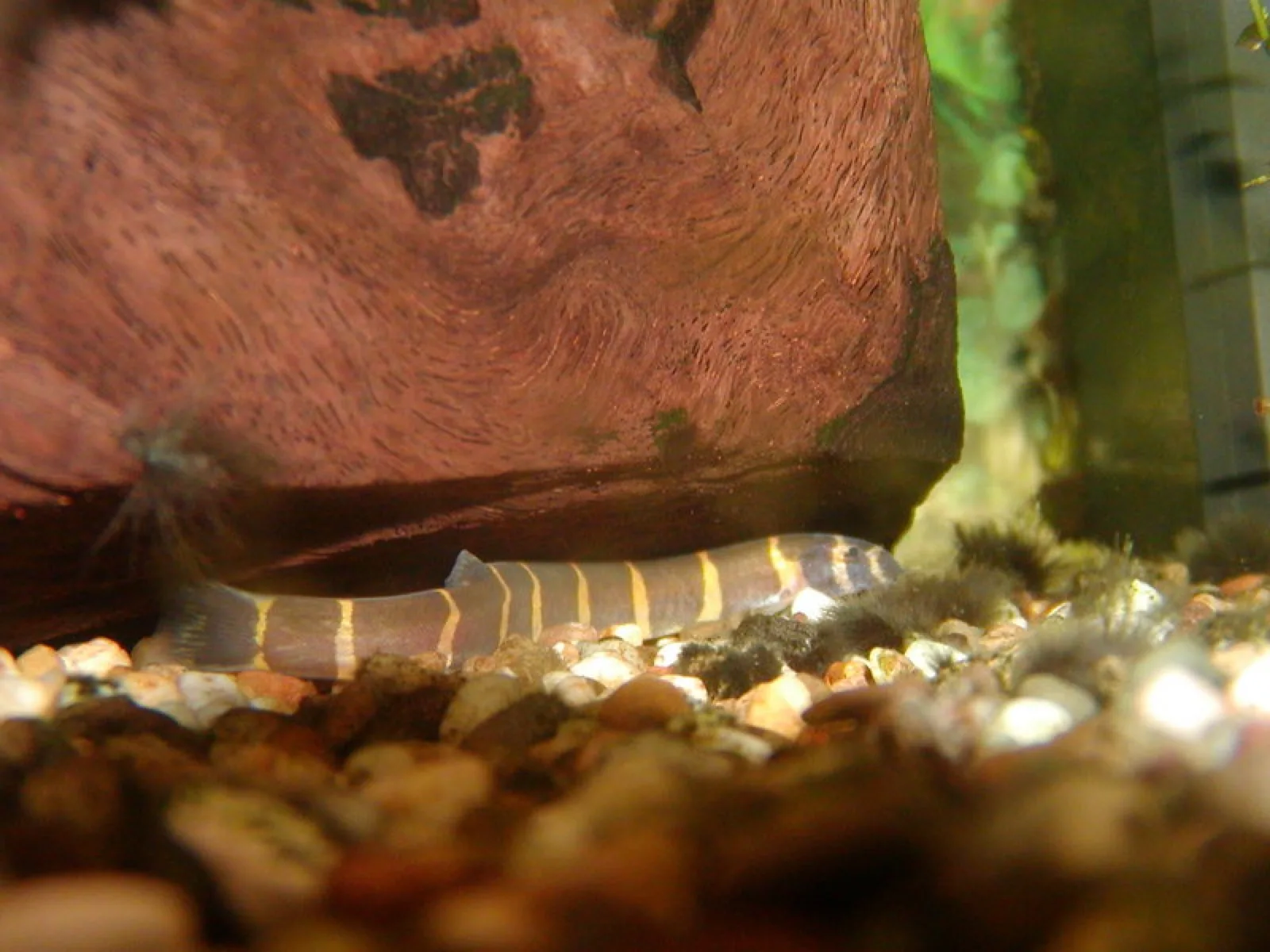
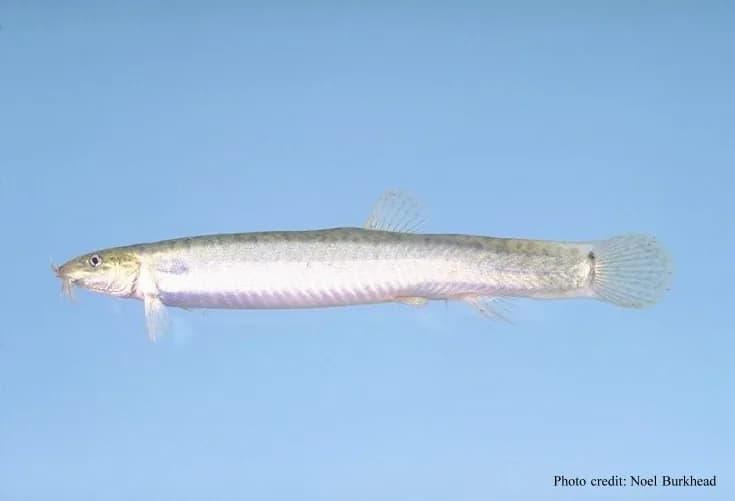
Tiny black-banded eels that hide all day and party all night. Soft fine sand is non-negotiable, they bury themselves into it. Tight-fit lid required: they will find any 2 mm gap and escape.
Corydoras sterbai
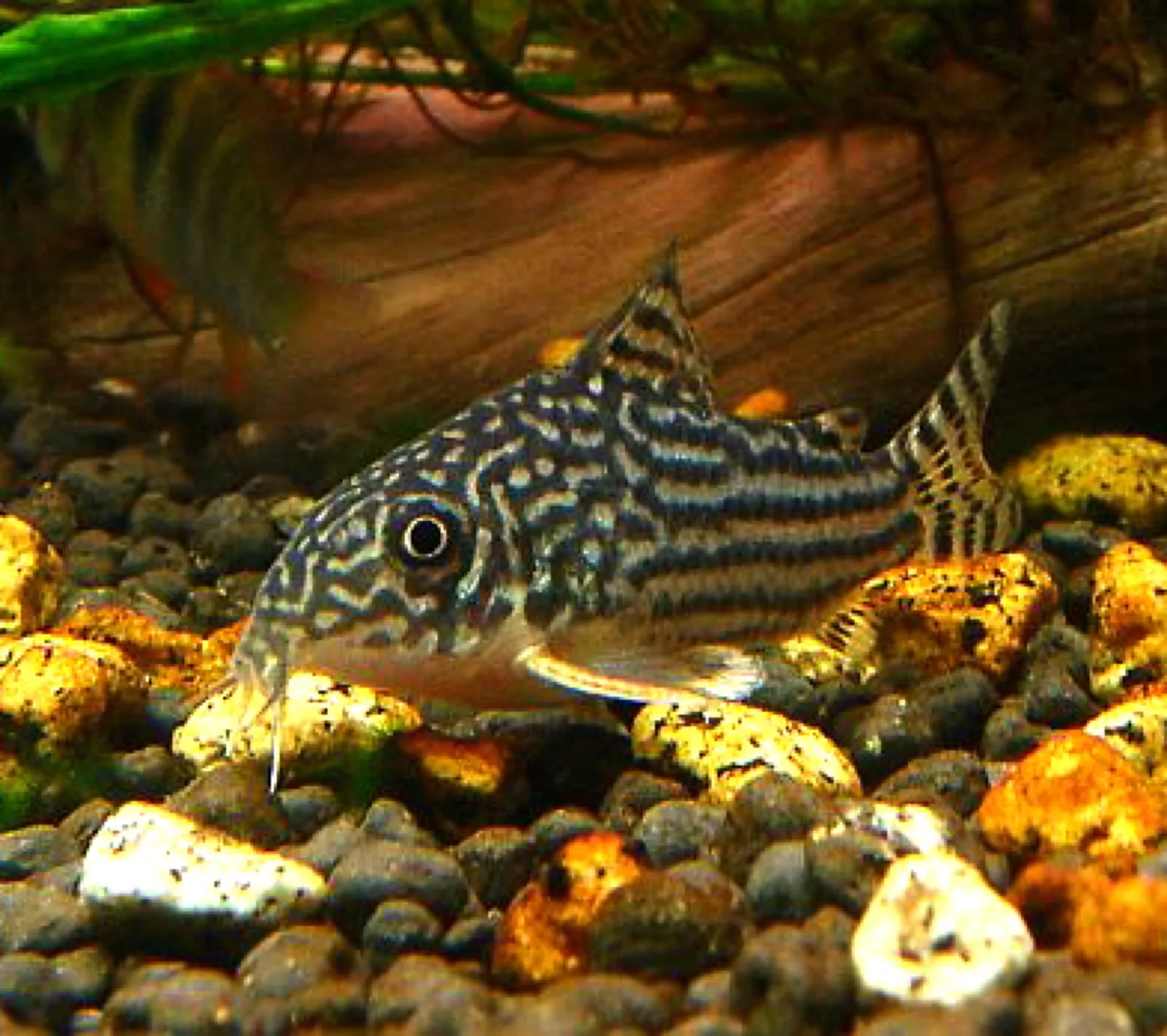
The heat-tolerant cory, the only one that genuinely thrives alongside discus and rams at 28 °C+. White spots on a dark body, orange pectoral spines. Soft sand substrate is essential.
Puntius titteya
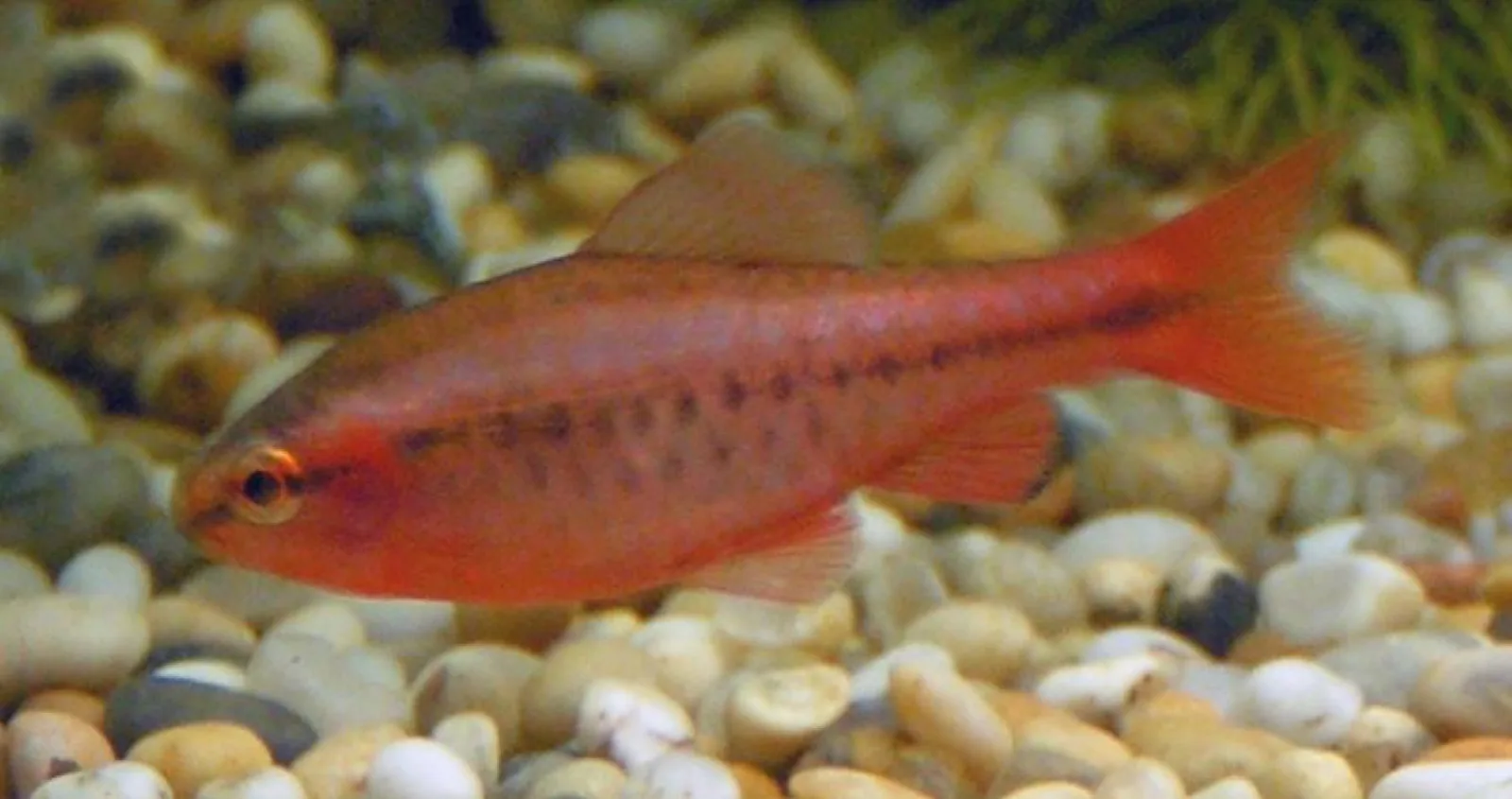
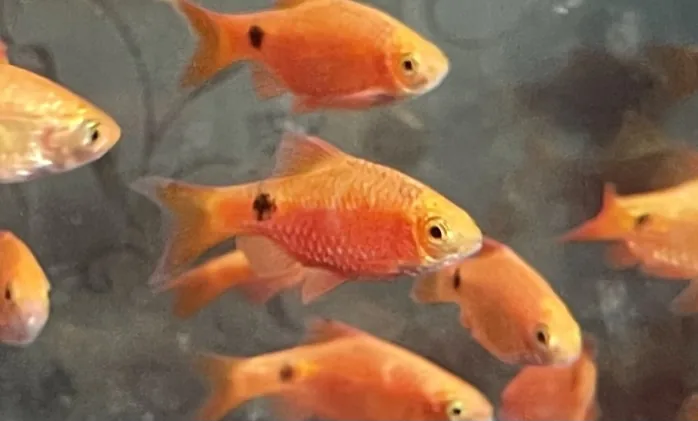
The peaceful barb, none of the fin-nipping baggage of tiger or rosy barbs. Males flush deep crimson in spawning colour; females stay pale gold. Wide parameter tolerance makes it a bulletproof community pick.
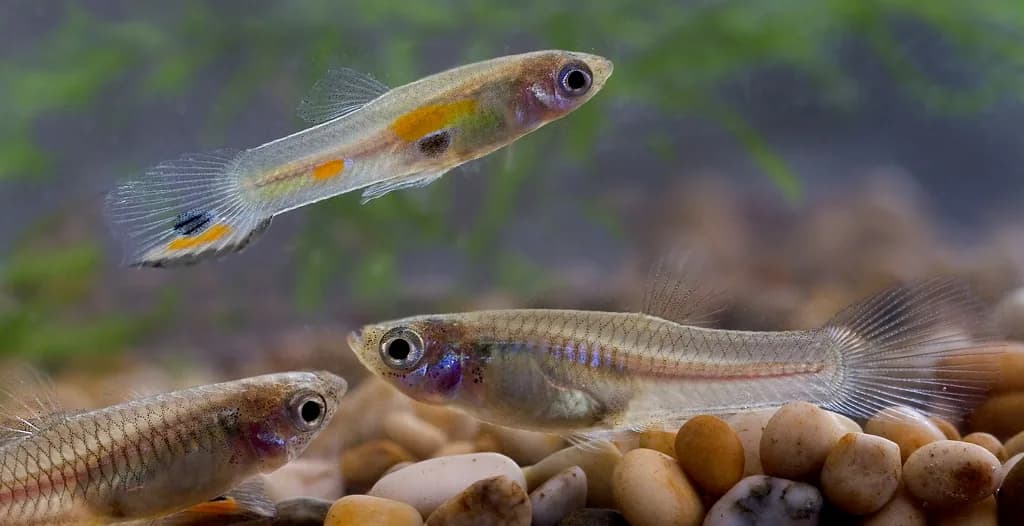
Poecilia wingei
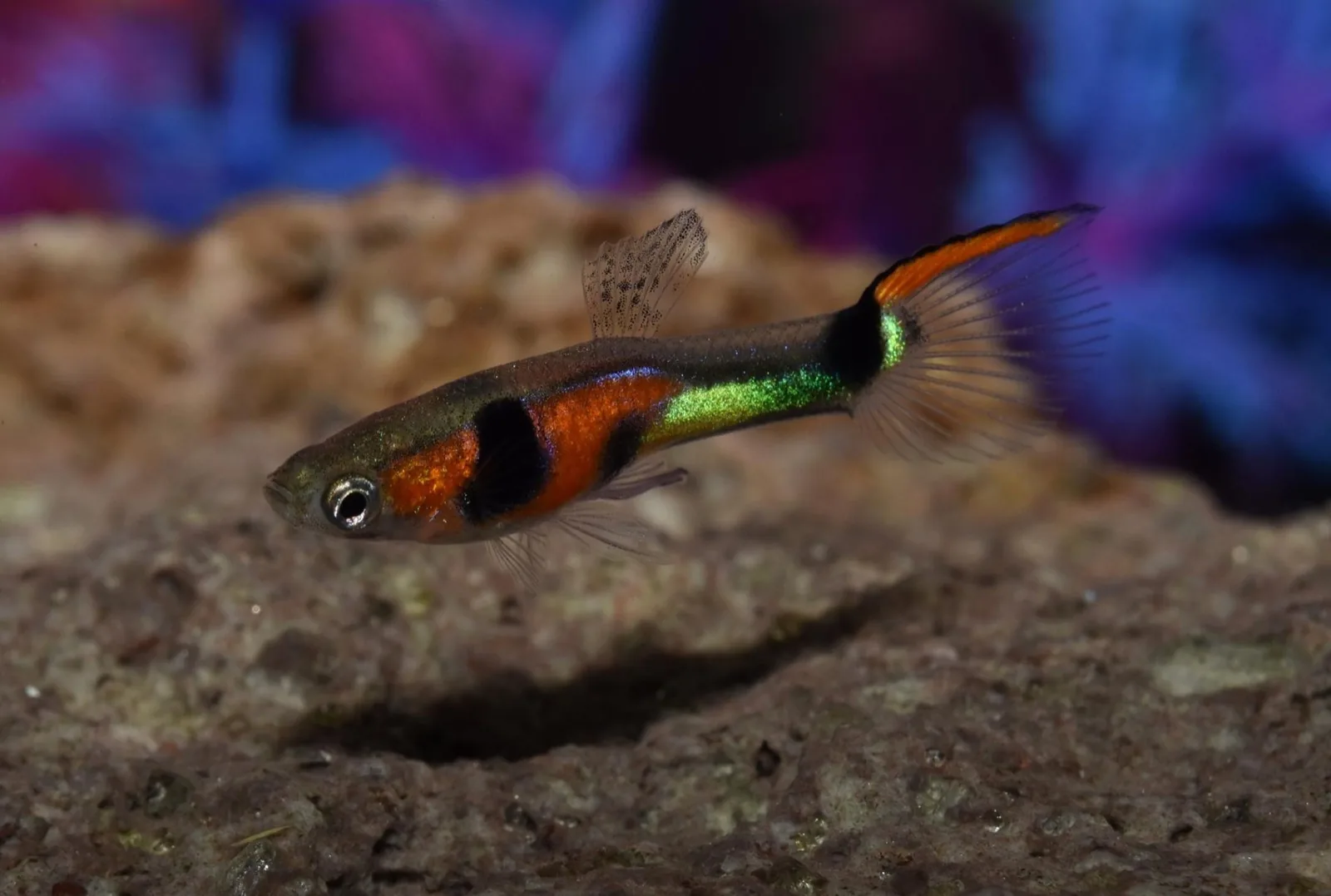
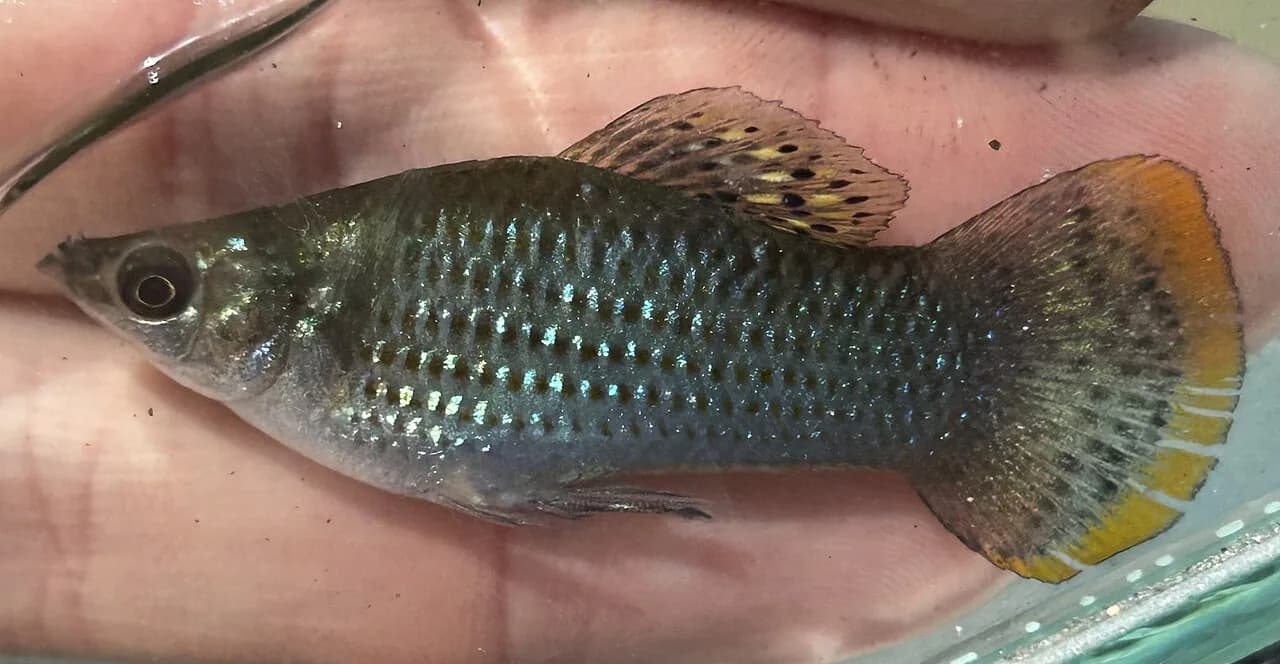
True wild-type Endlers (N-class) are a different species from common guppies, keep them apart or they hybridise. Hard alkaline water lovers. Breed prolifically: stock all-male groups if you don't want a population explosion.
Carnegiella strigata
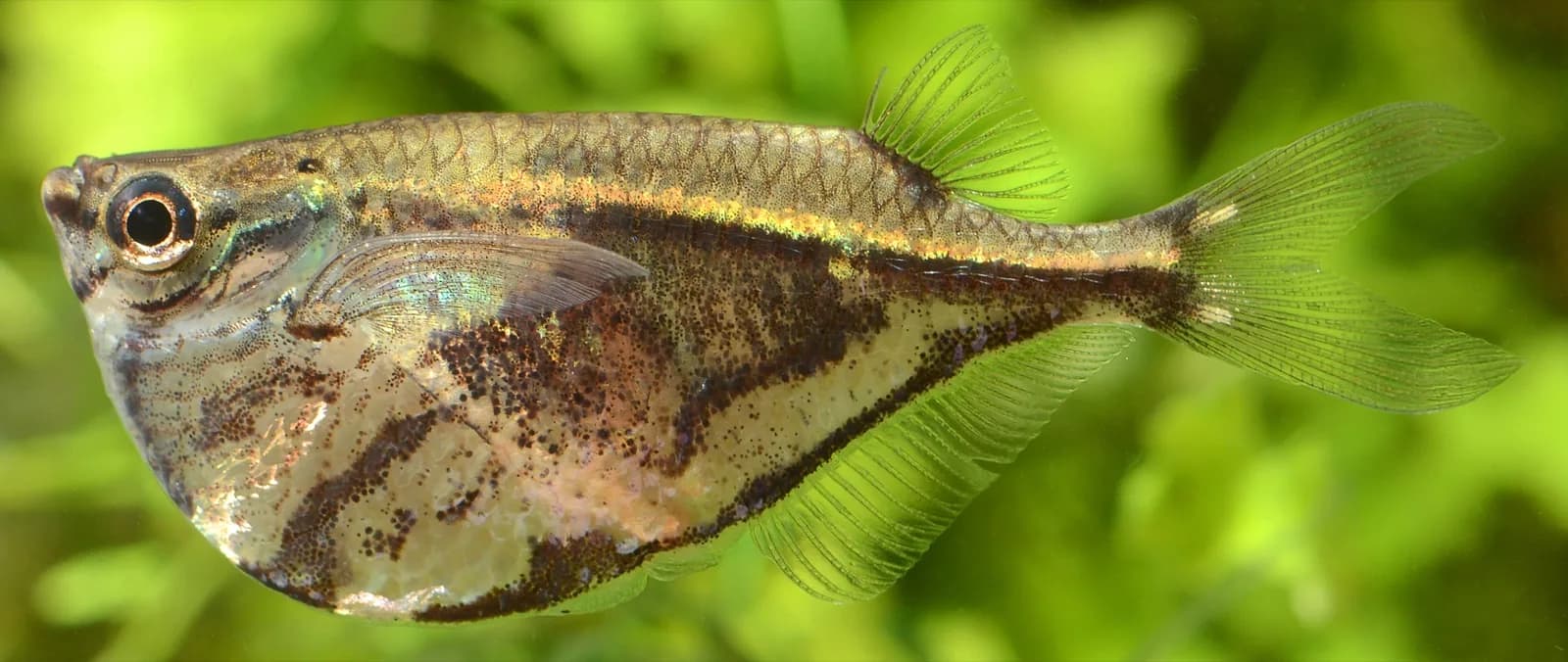
True surface specialist, the keeled chest houses enlarged pectoral muscles that let them 'fly' over the water to escape predators. Tight lid is non-negotiable: any opening becomes an exit. Best in a heavily planted blackwater tank with floating plants for cover.
Tanichthys albonubes
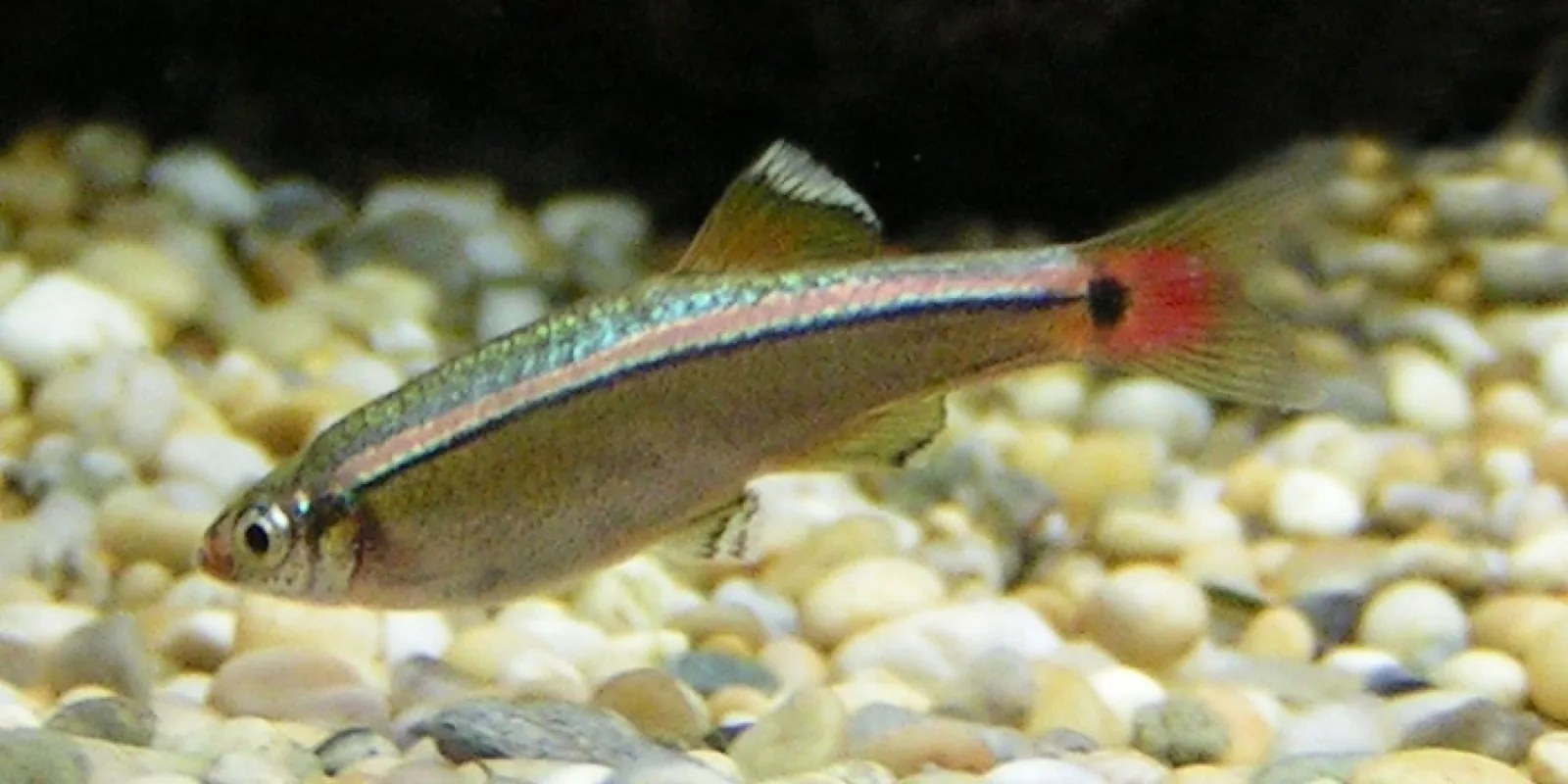
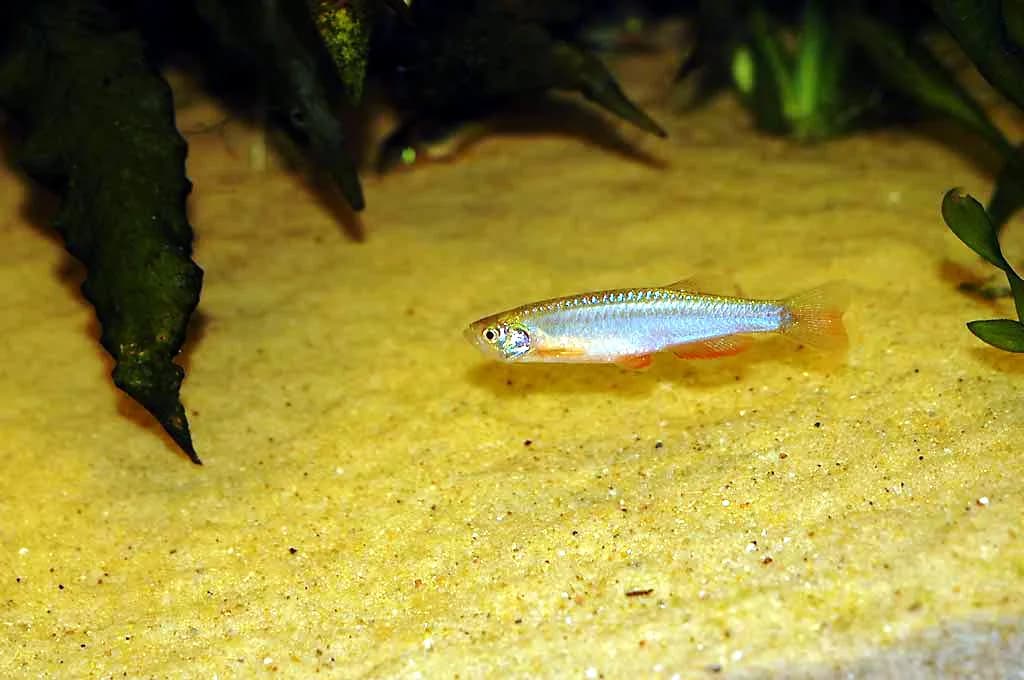
The unheated-tank classic. Once thought extinct in the wild, most stock is captive-bred. Cooler-water nano fish that displays brightest at 18–22 °C. Long-fin and 'meteor' variants exist; wild type stays most vigorous.
Moenkhausia pittieri
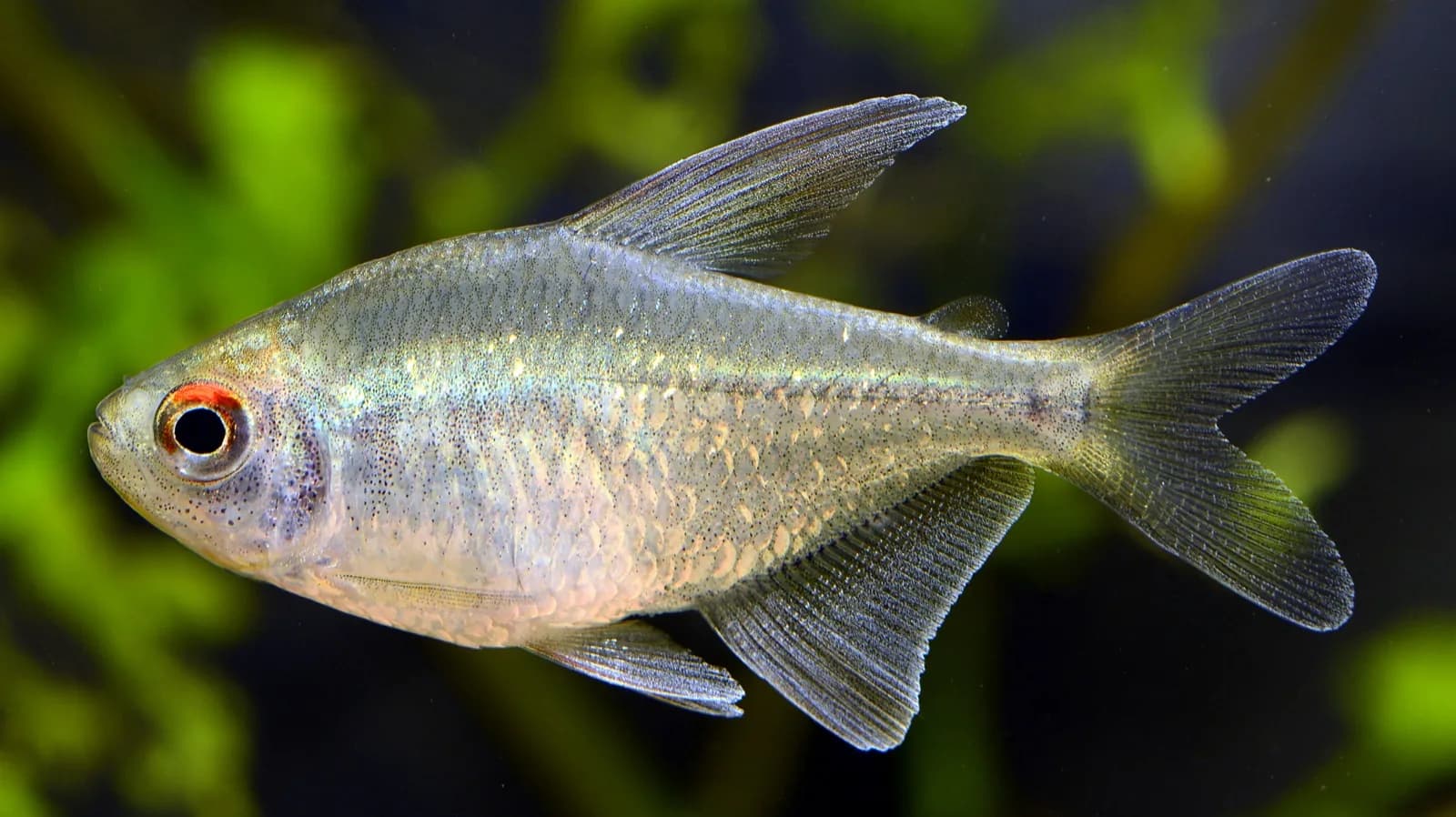
Iridescent silver-gold scales catch every angle of light. Plain juveniles transform into sparkling adults over 6–9 months. Males develop extended dorsal and anal rays. A planted-tank classic in the AGA showroom tradition.
Sewellia lineolata
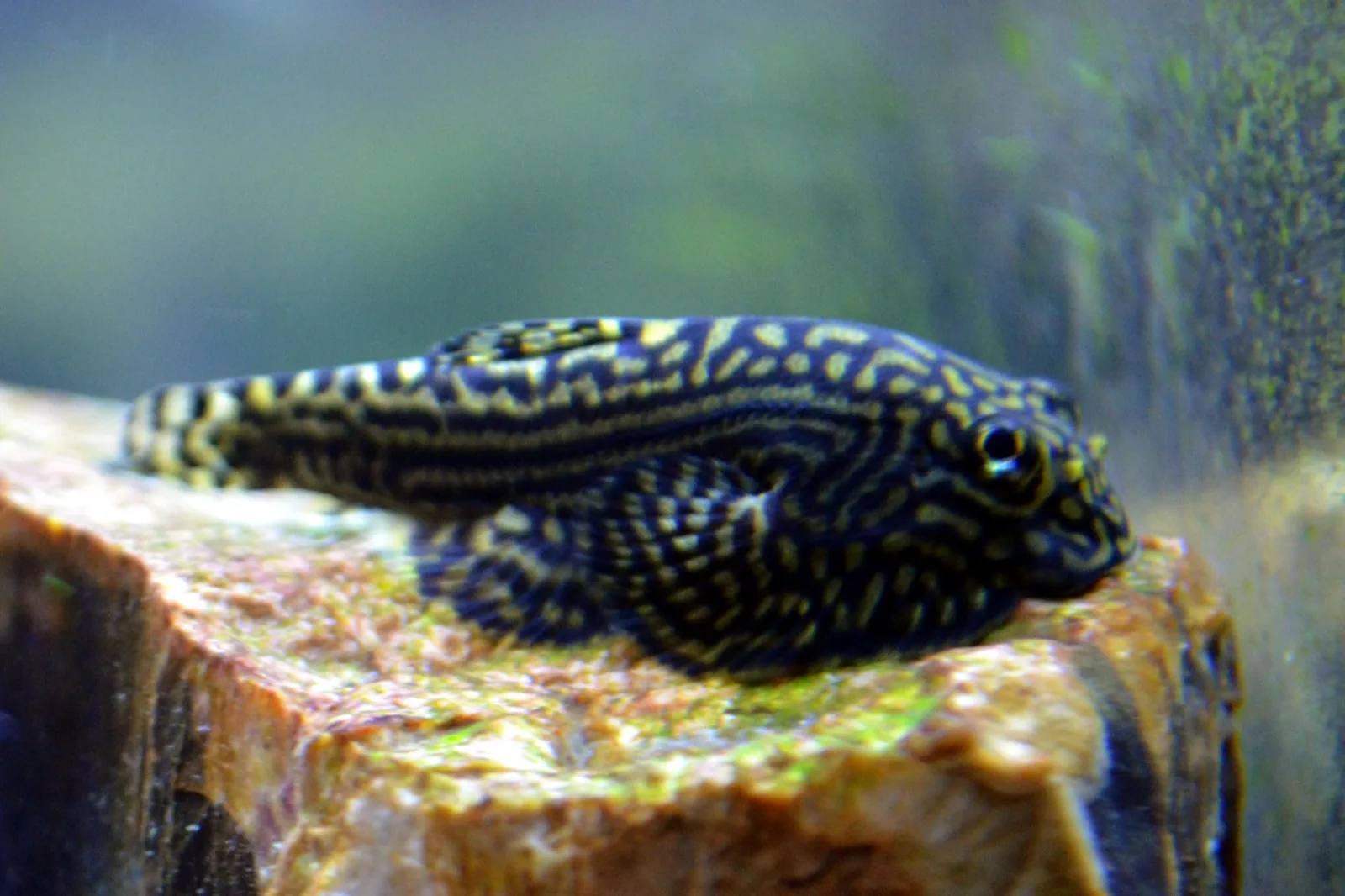
Built like a tiny stingray and adapted for whitewater streams. Needs powerheads creating real river-current flow and high dissolved oxygen. Smooth river rock and broad plant leaves are their grazing surfaces. Pair with kuhli loaches and otocinclus for a 'river bottom' community.
Iriatherina werneri
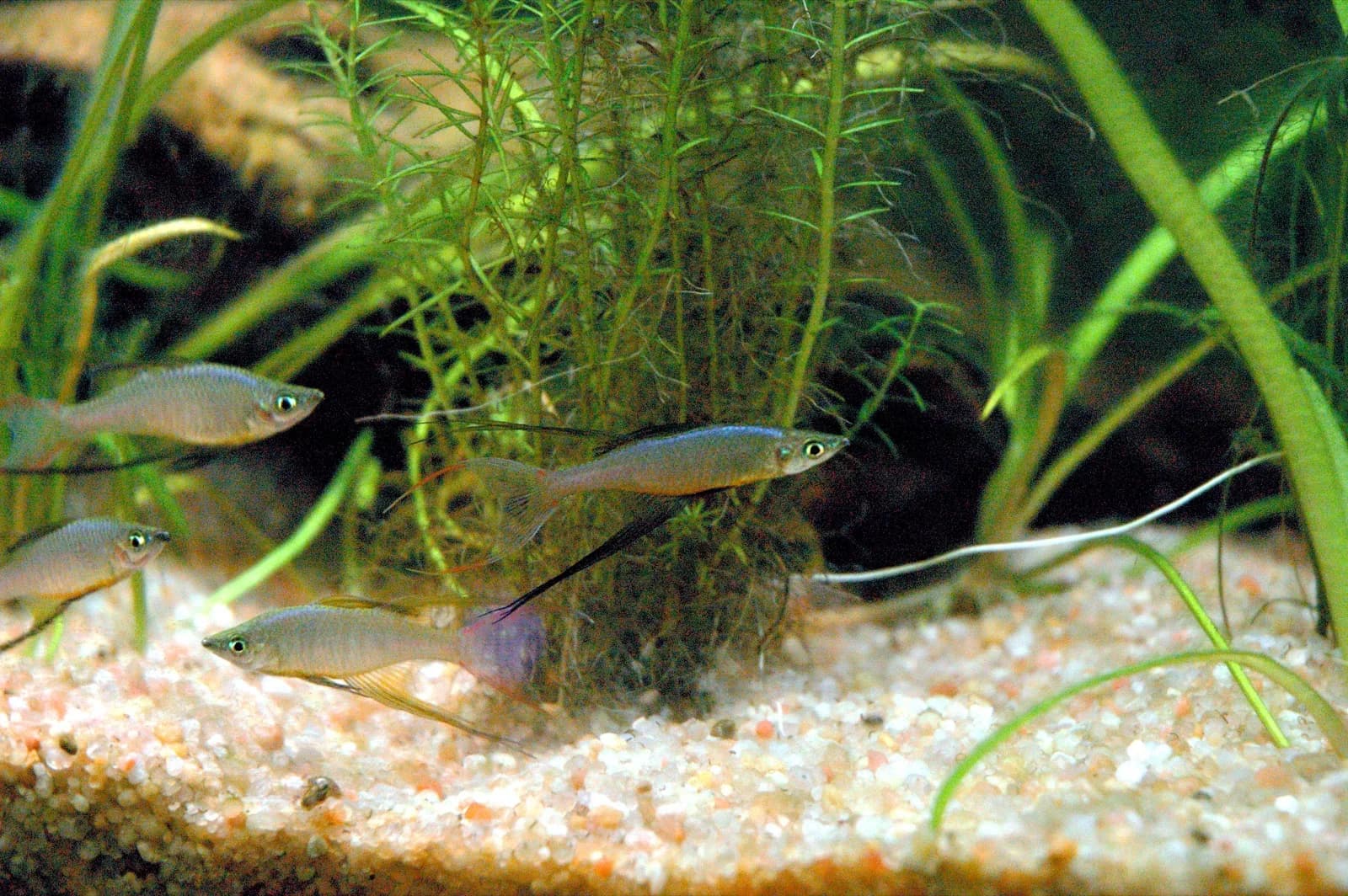
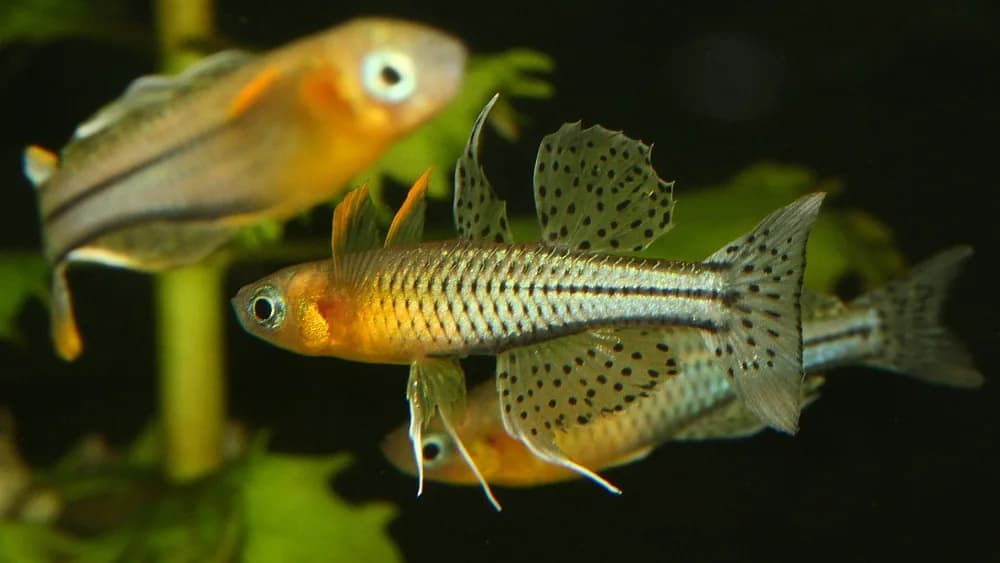
The peacock of nano rainbowfish. Males display extended threadlike dorsal and anal rays, fanned out in territorial display every few minutes. Wants warm tropical water and absolutely no boisterous tank mates, they retract and refuse to display.
Hyphessobrycon pulchripinnis
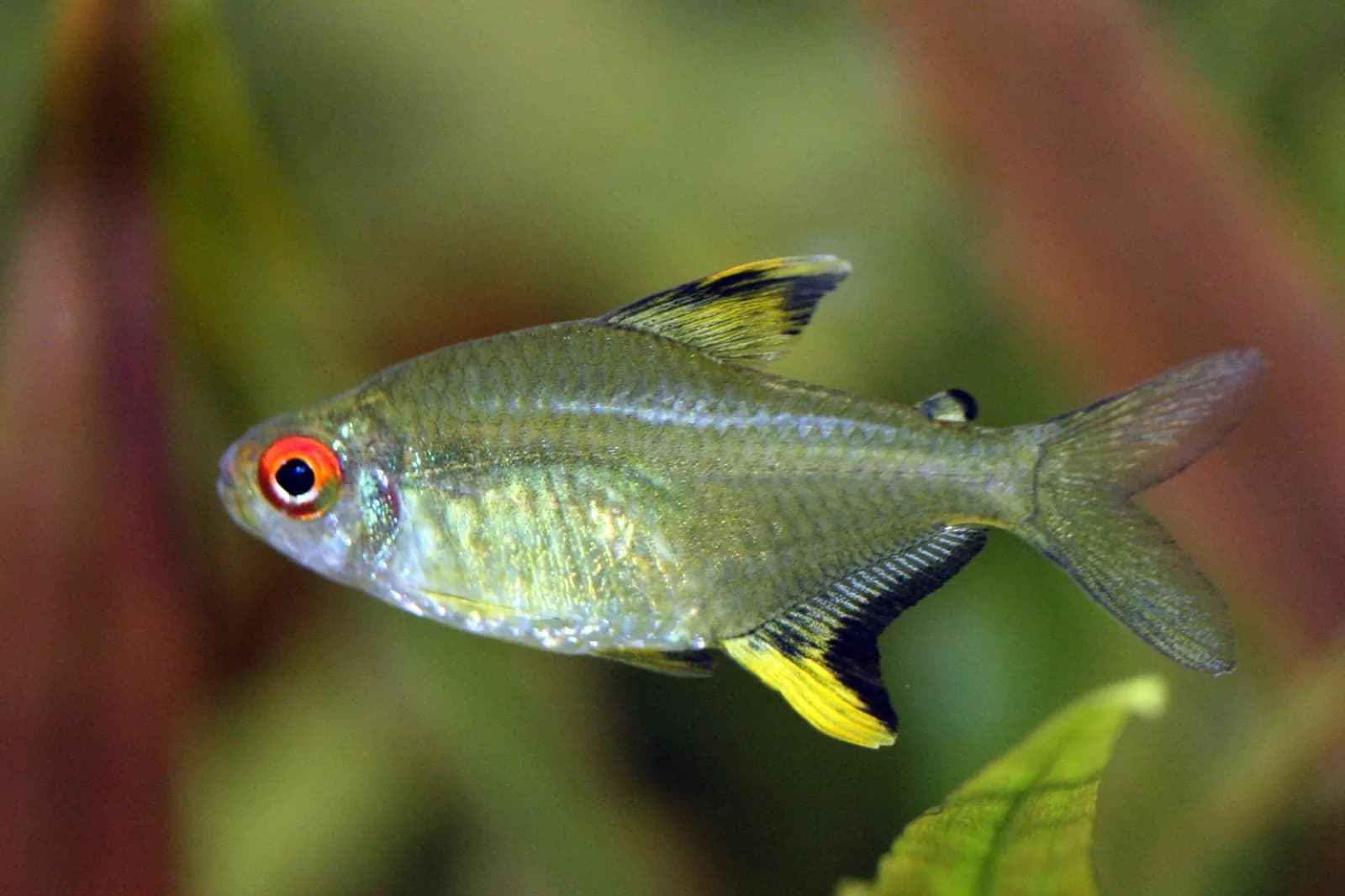
Buttery yellow body with black-and-yellow accented dorsal and anal fins. Brighter under dim lighting and dark substrate; washes out under bright lights. Long-lived and forgiving, a classic community starter tetra.
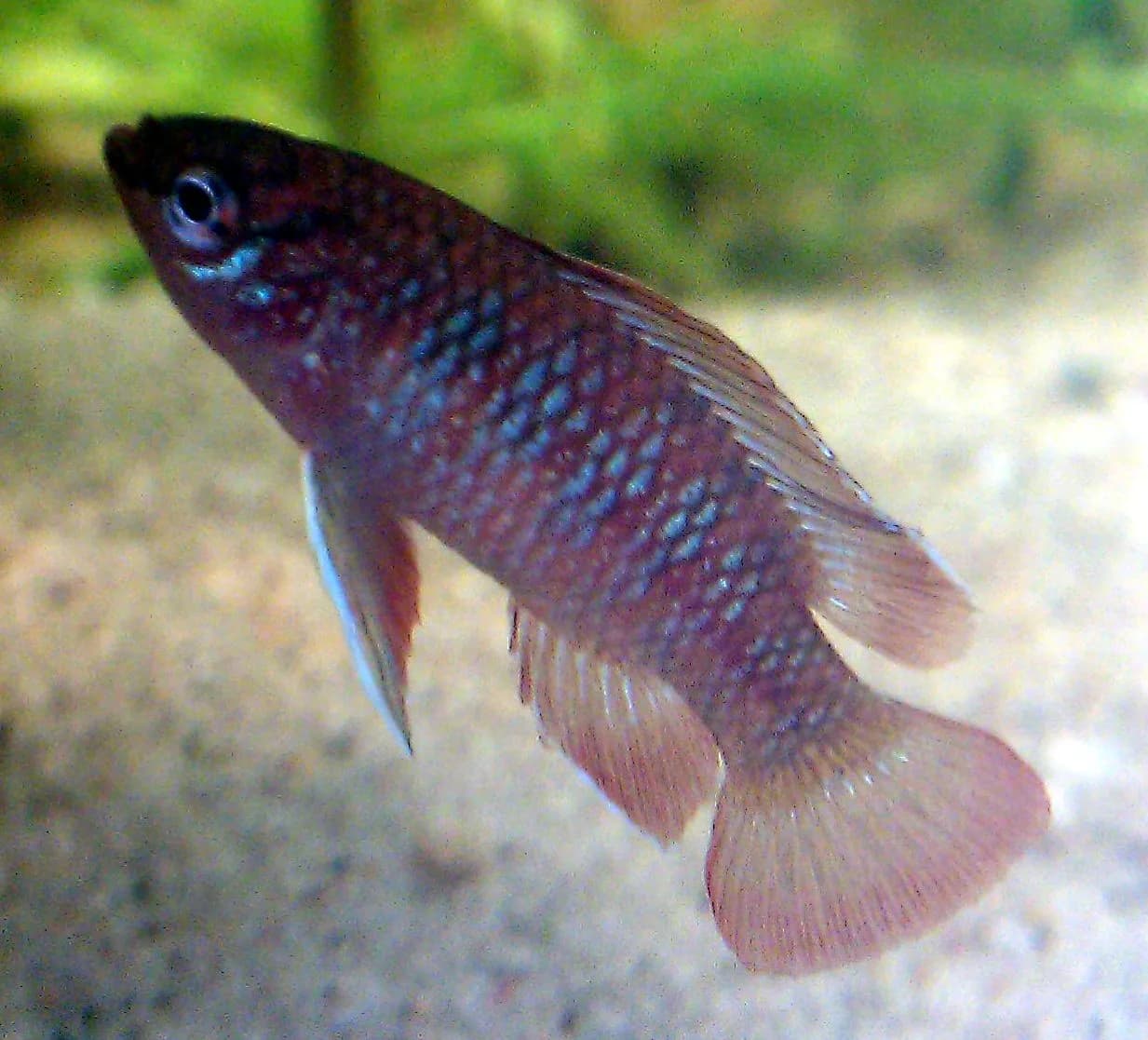
Epiplatys annulatus
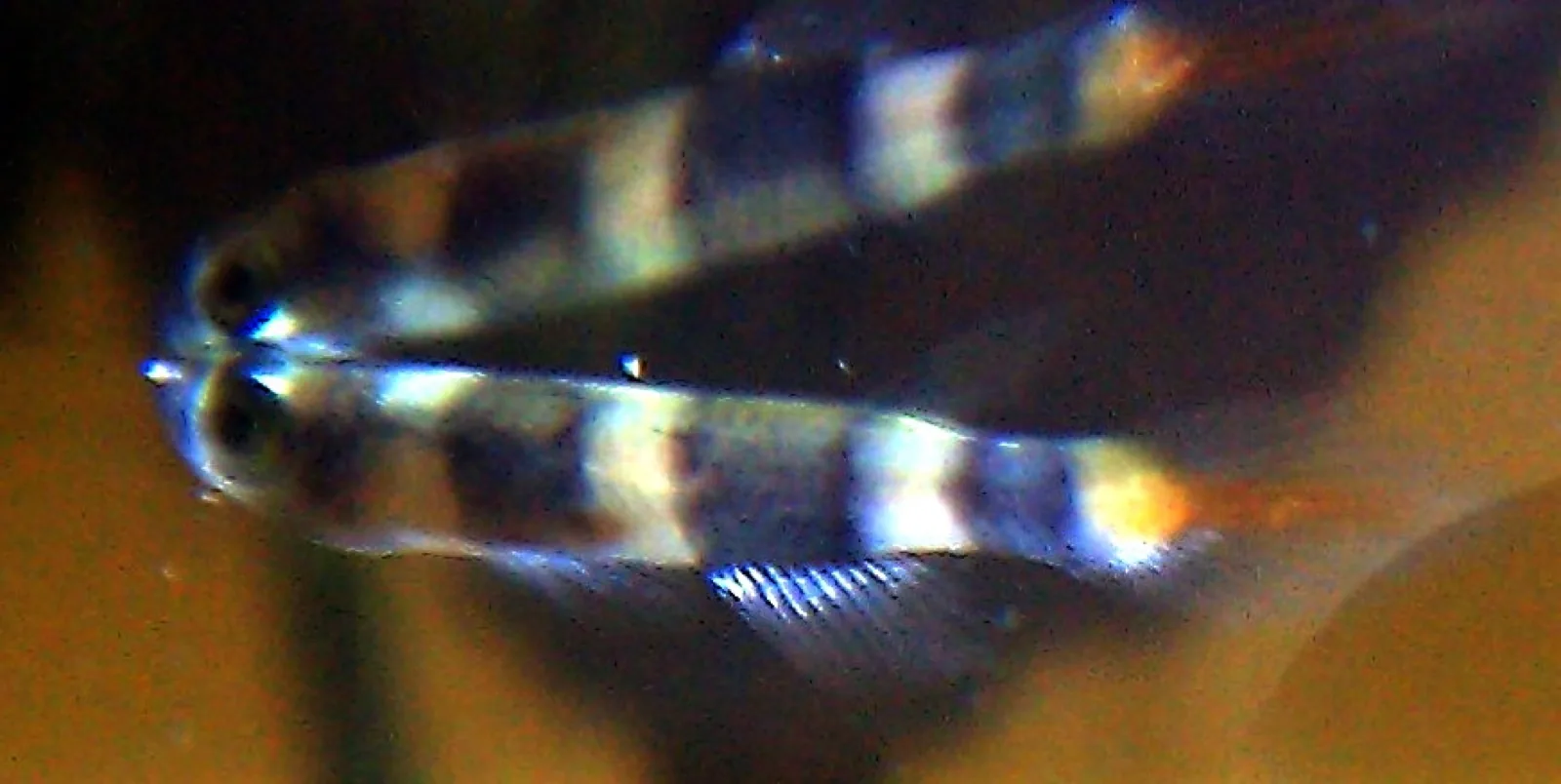
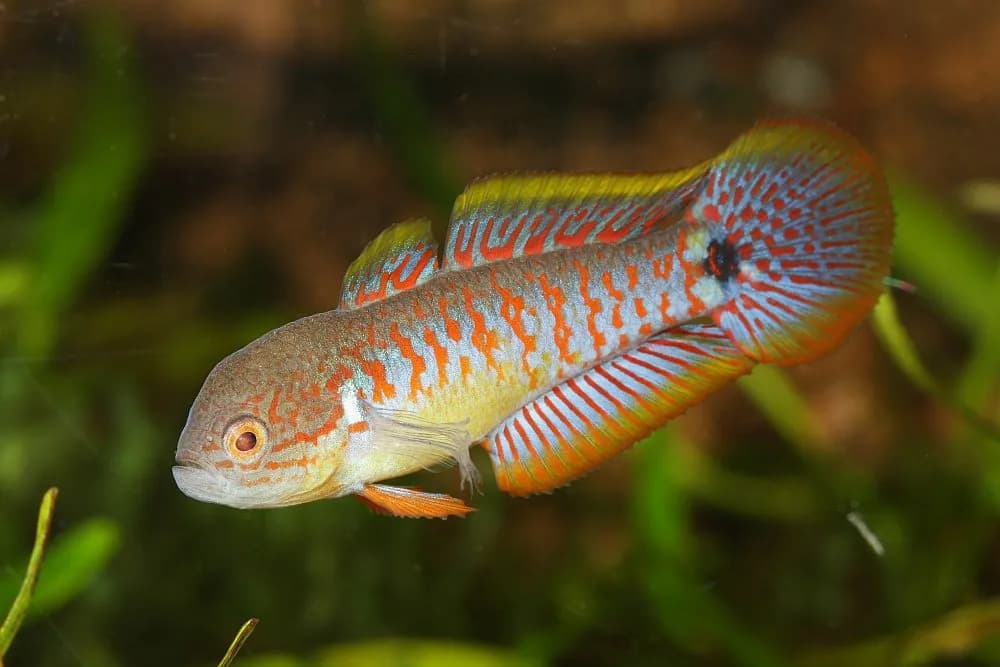
Tiny surface-dwelling killifish, black-and-cream barred body with a fan-shaped tail that glows orange in males. Strict surface dweller; needs dense floating plants and dim tannin-stained blackwater. Breed continuously among Java moss.
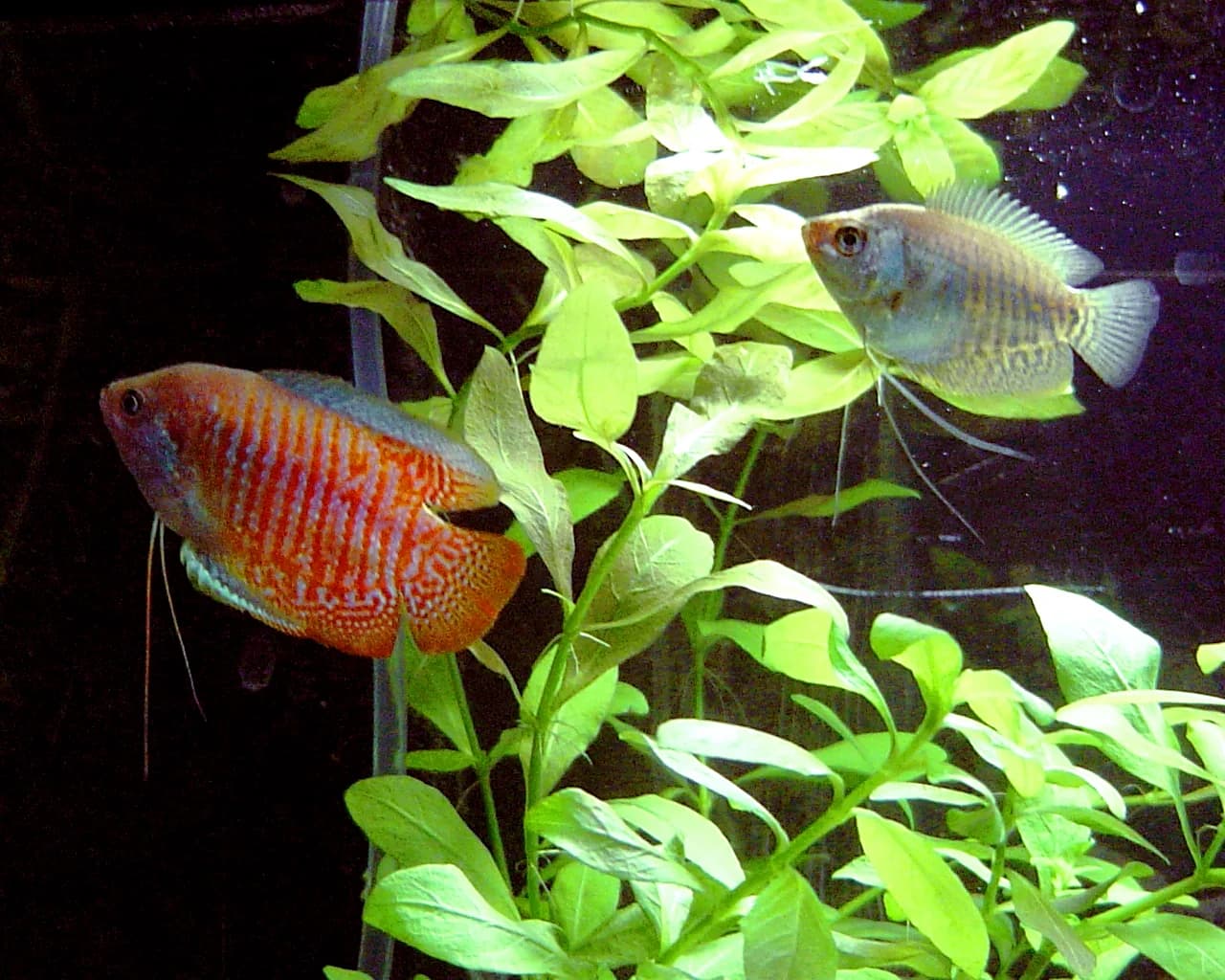
Trichopodus leerii
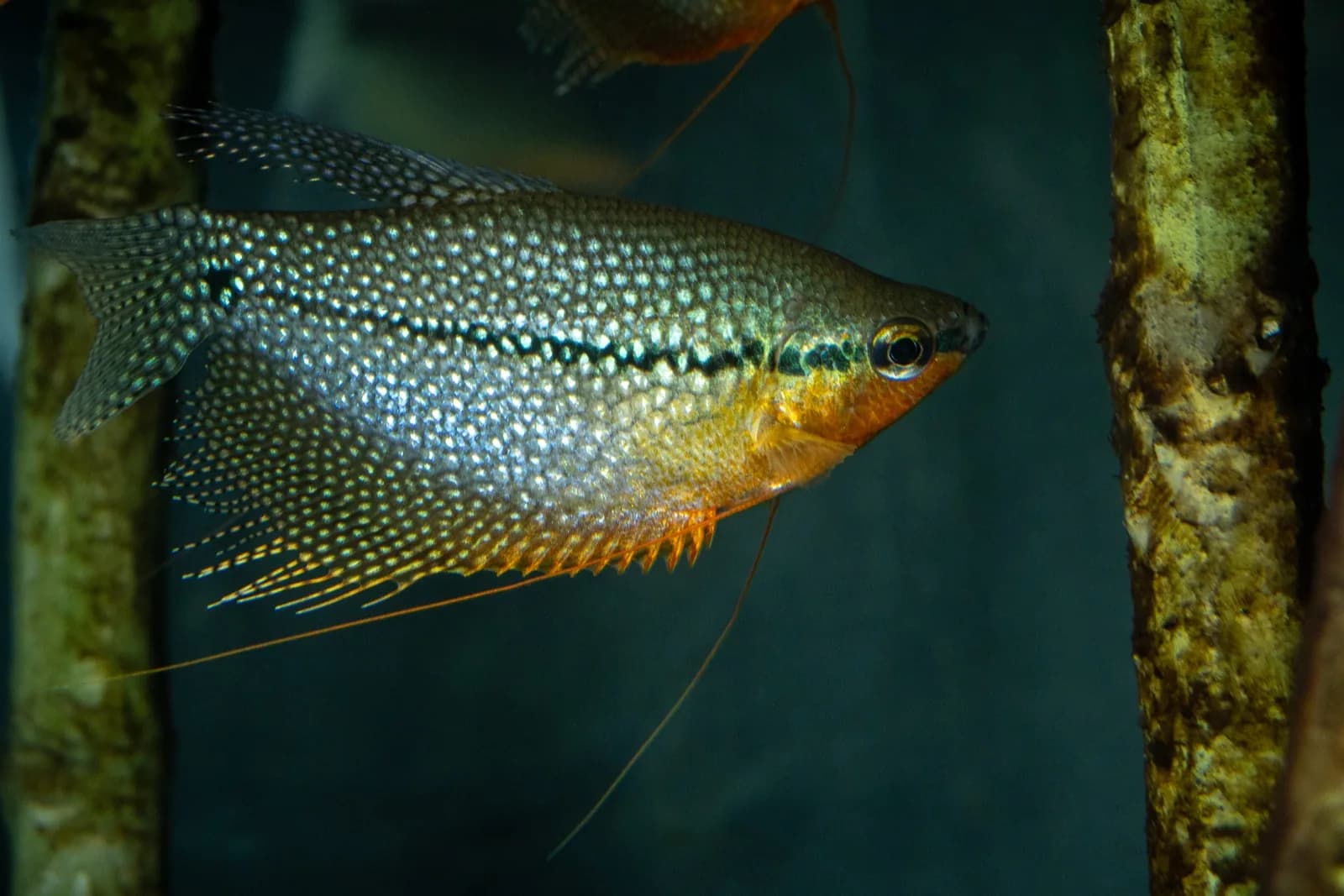
The centrepiece gourami, fully grown males develop coppery throats, extended pelvic feelers, and pearl-spotted bodies. Genuinely peaceful when kept as 1 male + 2 females. Needs a tall tank for vertical territorial display and surface access for the labyrinth organ.
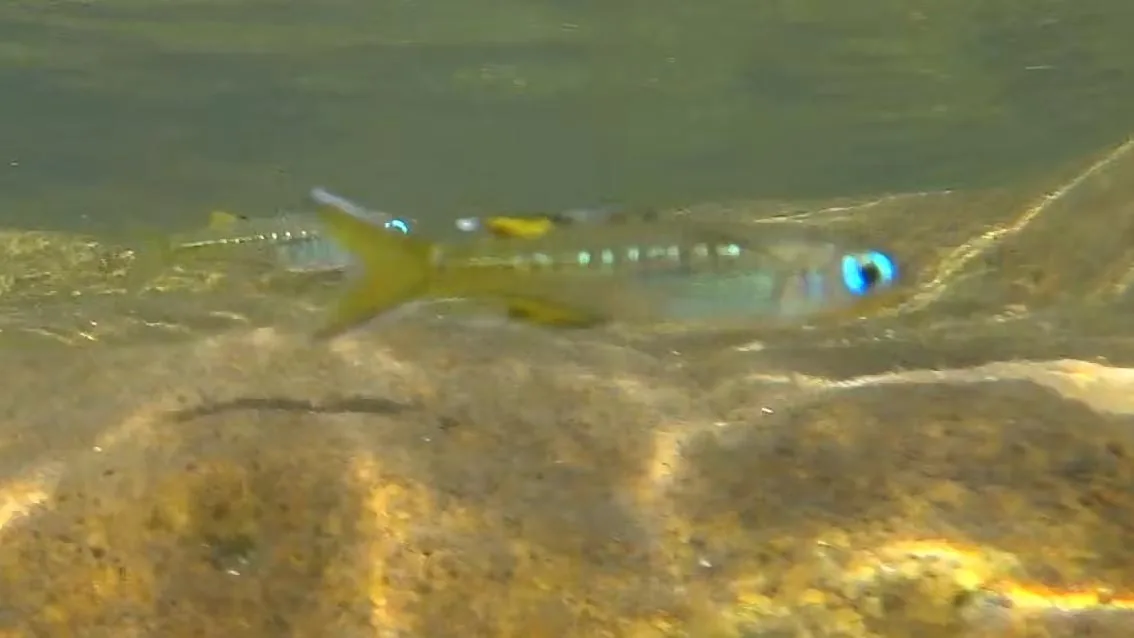
Pseudomugil furcatus
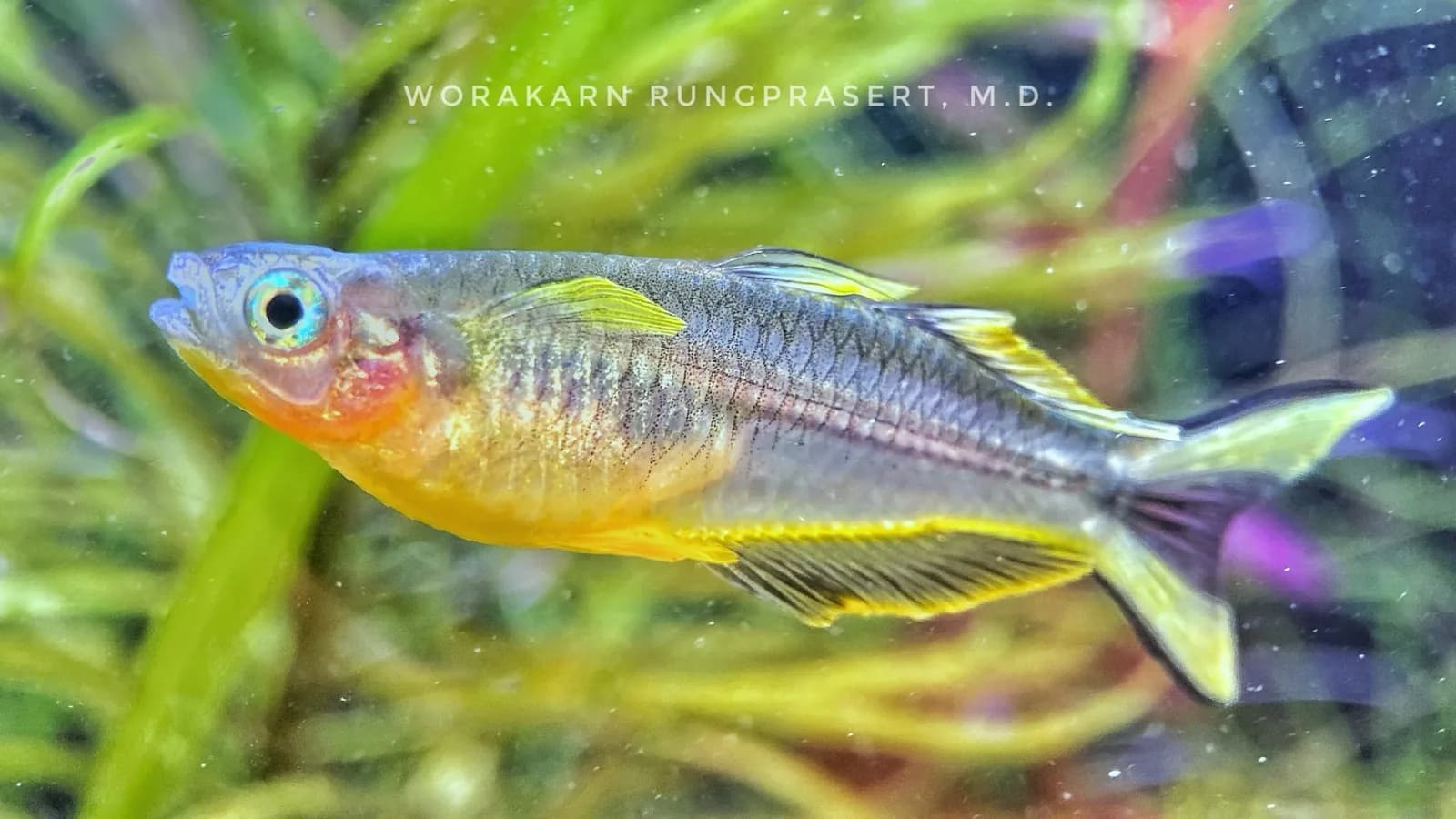
Tiny rainbowfish with electric blue eyes and yellow-edged forked tail. Males spar constantly with fins flared but never harm each other, pure display. Excellent for nano planted scapes with cherry shrimp and otocinclus.
Ancistrus cf. cirrhosus
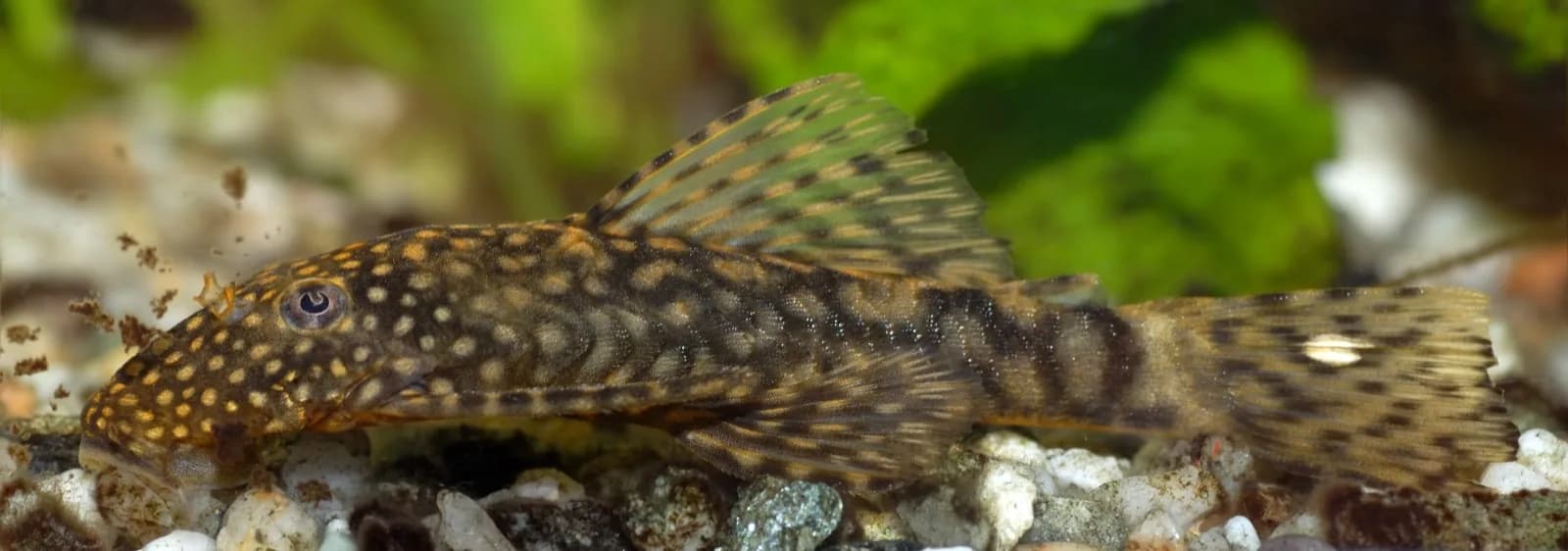
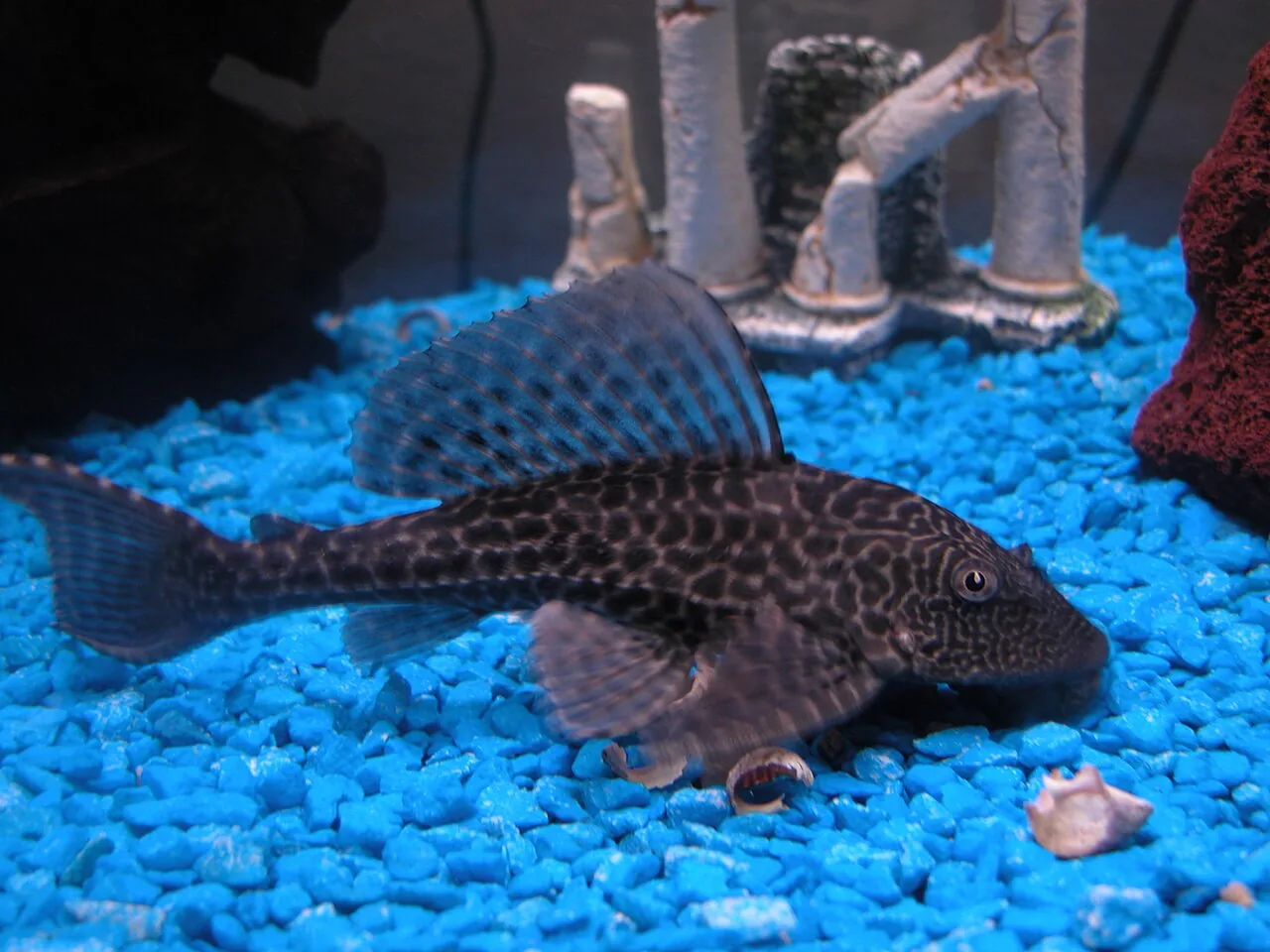
The 'bushy nose' pleco, males develop branched tentacle-like bristles on their head. Practical algae crew that actually eats algae (unlike common plecos). Stays small enough for a 100 L planted tank. Requires driftwood for digestion and cave for territorial security.
Hyphessobrycon herbertaxelrodi
Despite the name, not closely related to the common neon, different genus, different river basin. White-and-black horizontal striping with a greenish iridescence. Hardier and more tolerant than the standard neon, ideal for community tanks with stable parameters.
Crossocheilus langei
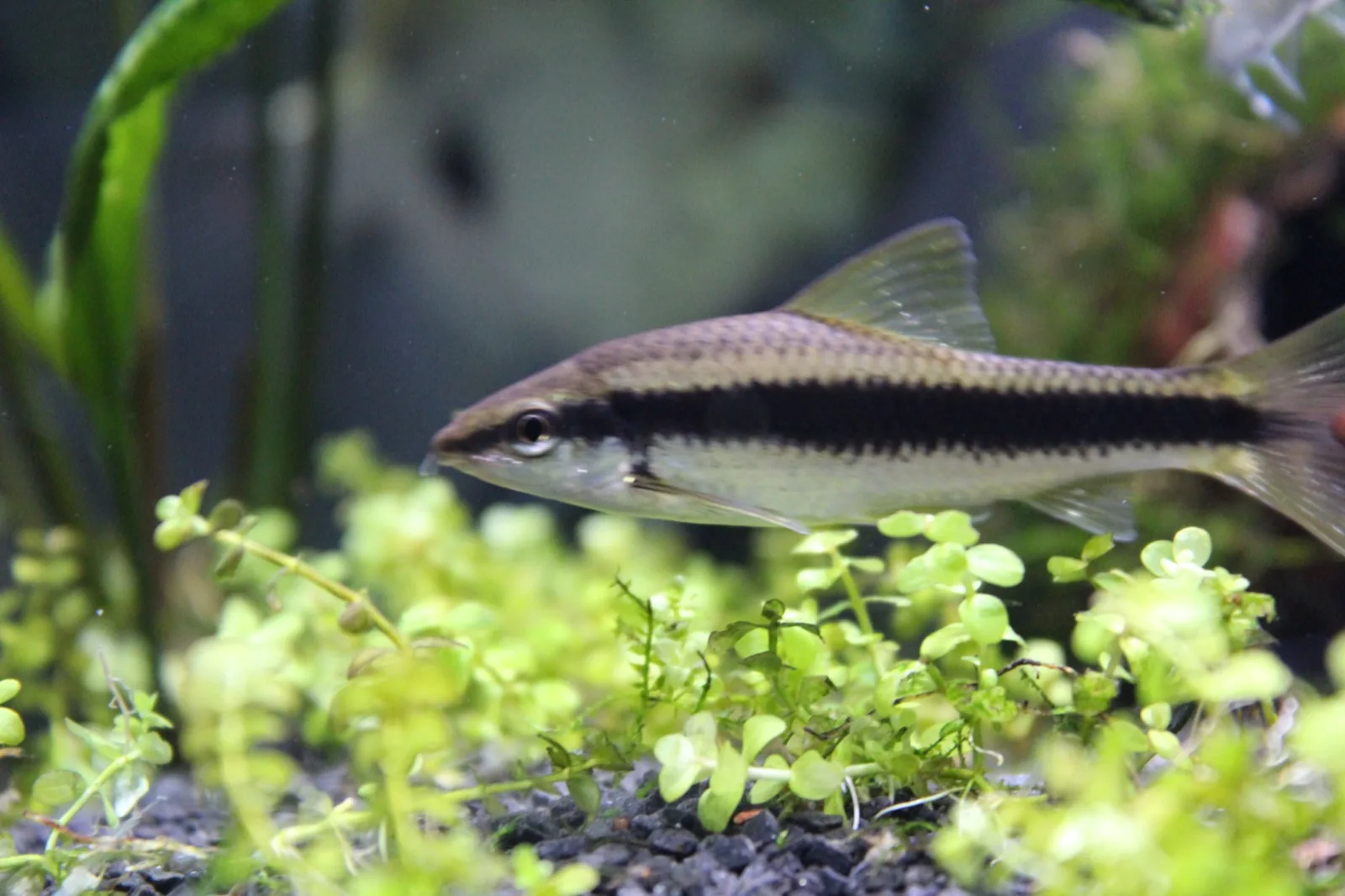
The legendary BBA eater. True Crossocheilus oblongus has a single solid black horizontal stripe extending into the tail; lookalikes (false SAEs, flying foxes) have either broken stripes or coloured fins. Buy from a knowledgeable source, misidentification is rampant in chain stores.
Nannostomus marginatus
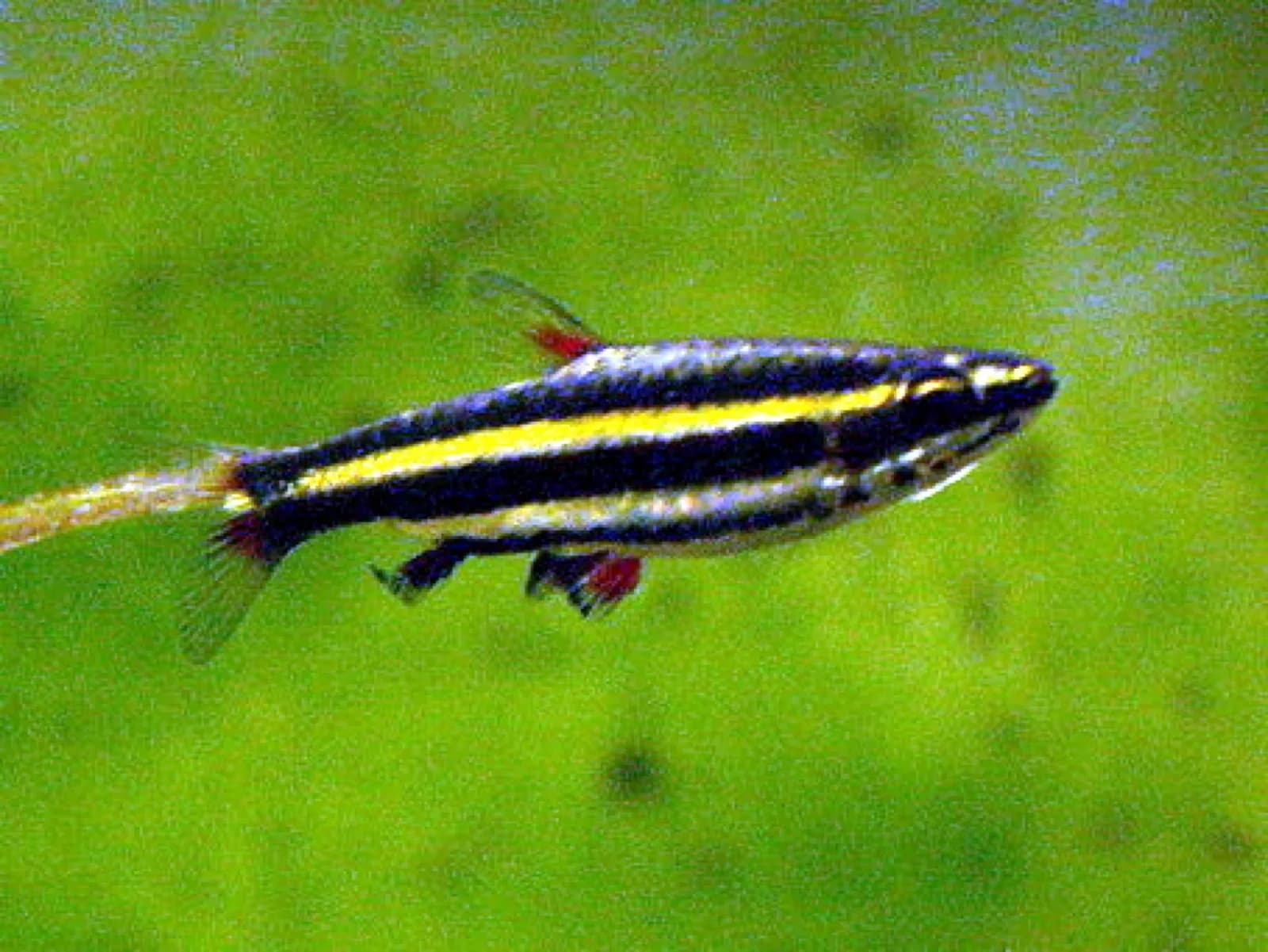
The smallest pencilfish. Three horizontal black-and-red stripes against a pale gold body. Holds itself horizontally, hovering mid-water rather than swimming actively. Loves blackwater conditions and dense plant cover. Goes pale at night, a distinctive 'sleep colour' that surprises new keepers.
Carinotetraodon travancoricus
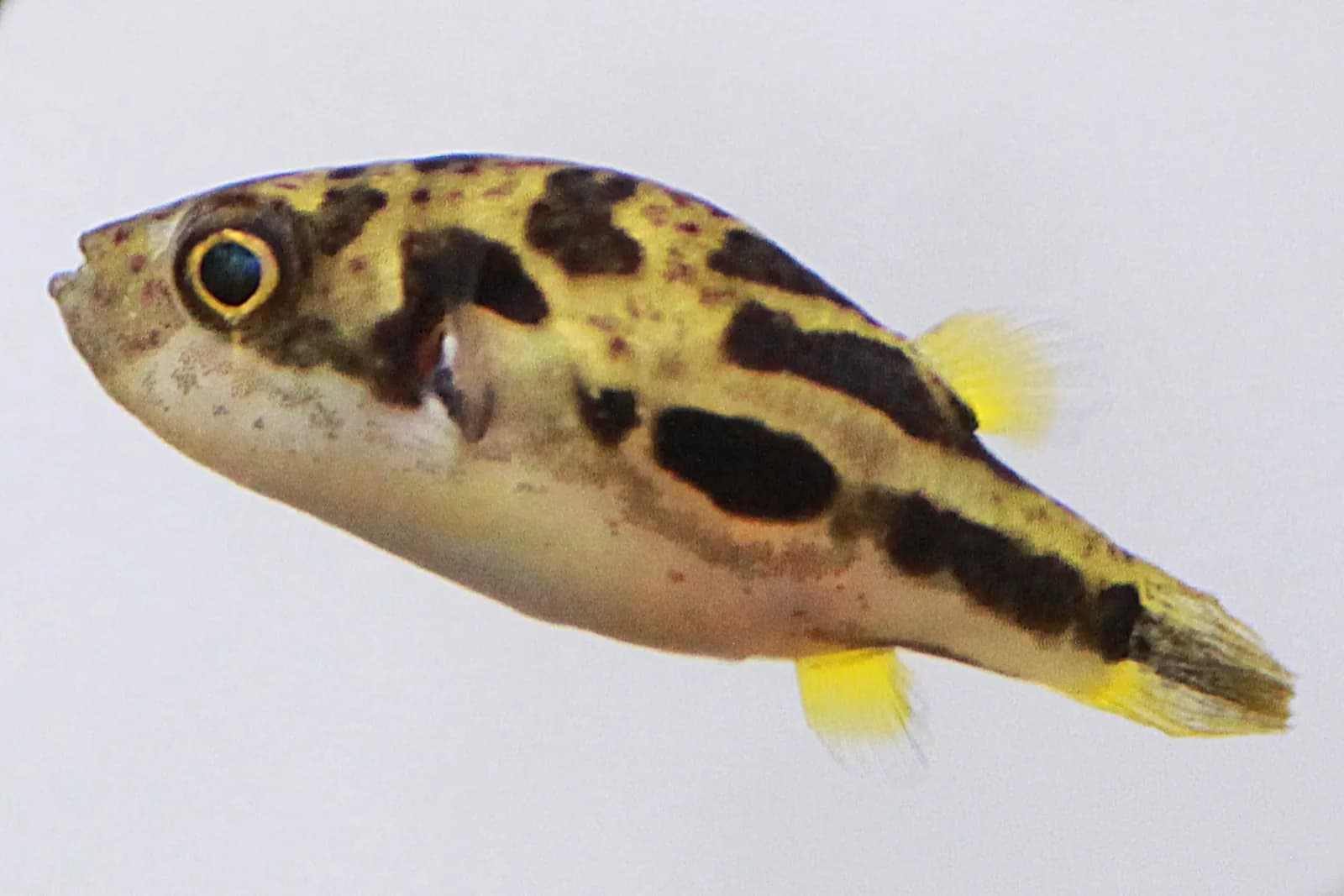
The smallest freshwater puffer, pea-sized with full puffer personality. Recognises and interacts with keepers. Snail-only diet means a parallel snail culture tank is essentially required. Each puffer has a temperament; some are docile, others territorial, observe individuals before adding tank mates.
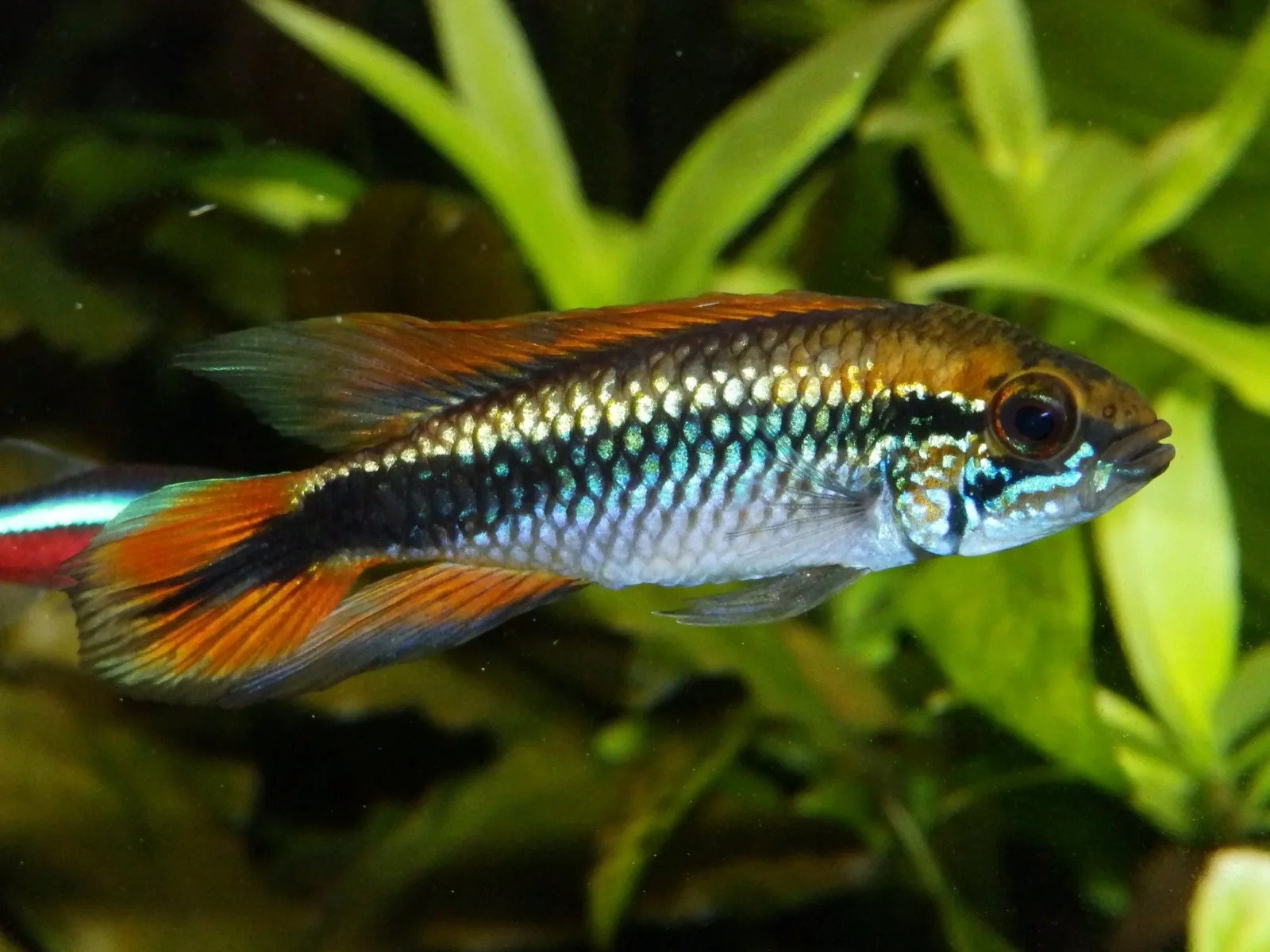
Apistogramma agassizii
The classic Amazon apisto, distinct from cacatuoides by its lyre-shaped 'sword' tail. Males come in numerous regional colour forms: 'Red Tail', 'Fire Red', 'Double Red', 'Tefé Blue'. Soft acidic water for best colour and breeding. Pairs beautifully with cardinal tetras for a complete Amazon biotope.
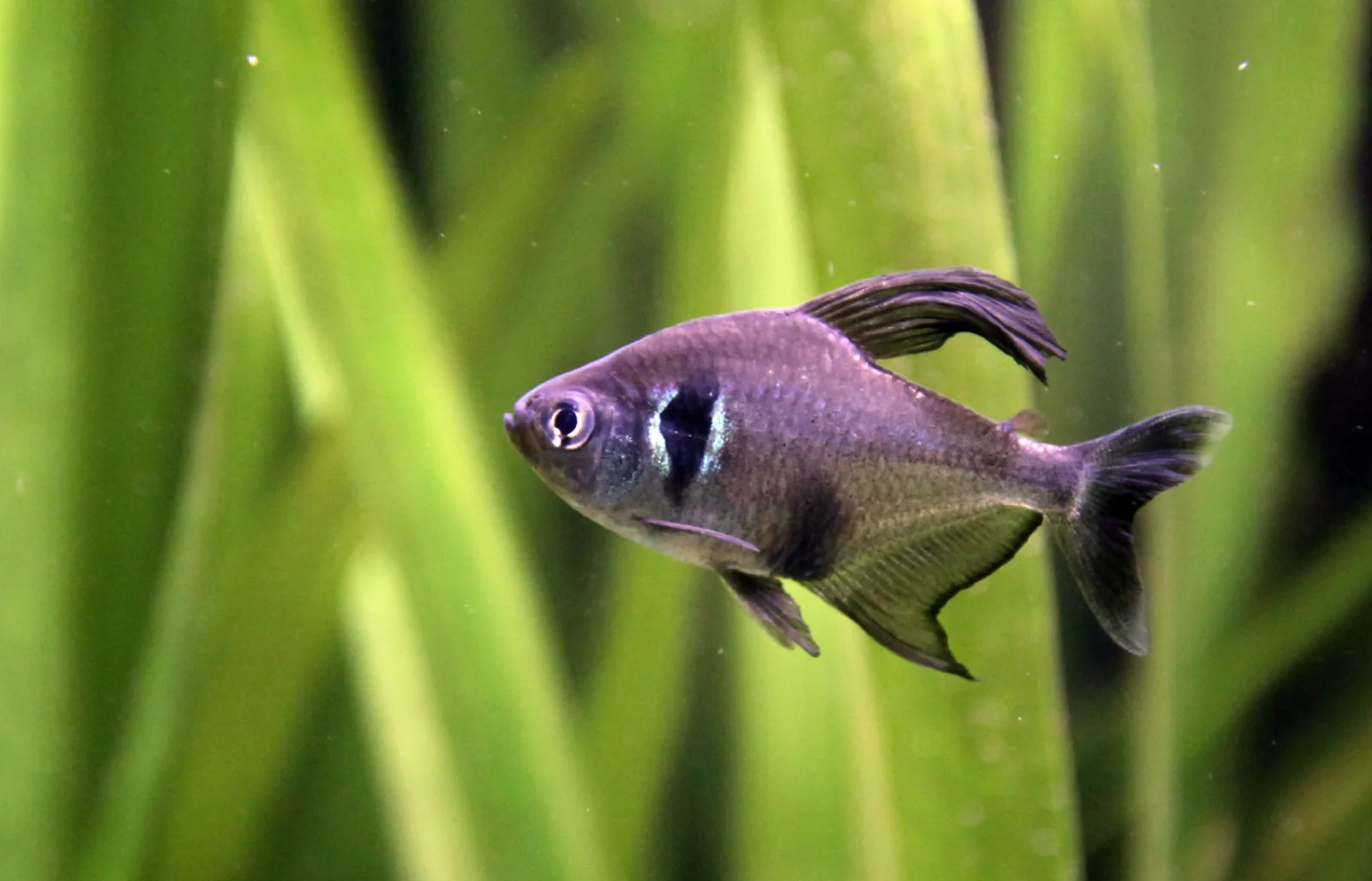
Hyphessobrycon megalopterus
Smoky grey-black body with a distinctive black shoulder spot ringed in iridescent blue. Males develop extended dorsal and anal fin extensions; females stay rounder with a red-and-black anal fin tip. Males perform fascinating fin-flaring displays to each other without real aggression.
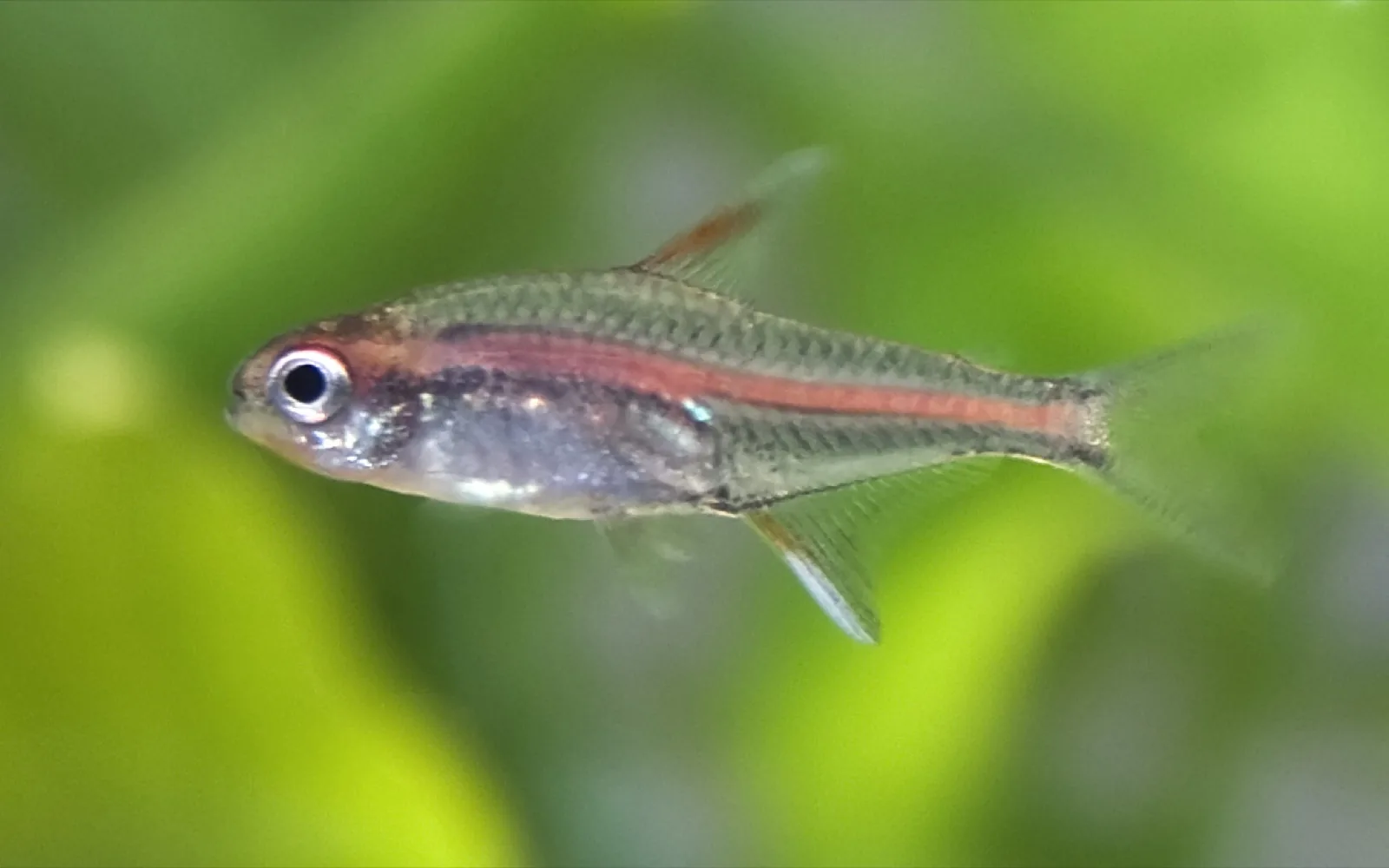
Hemigrammus erythrozonus
A horizontal neon-orange stripe glows against a translucent body, like a softer, warmer version of a neon tetra. Looks spectacular against dark substrate and tannin-stained water. More peaceful than rummynose, less demanding than cardinal.
Poecilia reticulata
The universal beginner livebearer, Cape Town tap water hits its preferred hard-and-alkaline window almost out the box. Keep 3 females per male to spread male attention. Drops fry continuously; if you don't want a population explosion, plant heavily or harvest fry weekly. Sensitive to soft acidic water, pair with rotala / blackwater set-ups at your peril.
Xiphophorus maculatus
Hardier and longer-lived than guppies, same hard-alkaline water, more colour variants (red wagtail, mickey-mouse, sunset, calico). 3:1 female:male ratio prevents male harassment. Bred so heavily commercially that beautiful colours sometimes hide a fragile constitution; buy from a local breeder where you can.
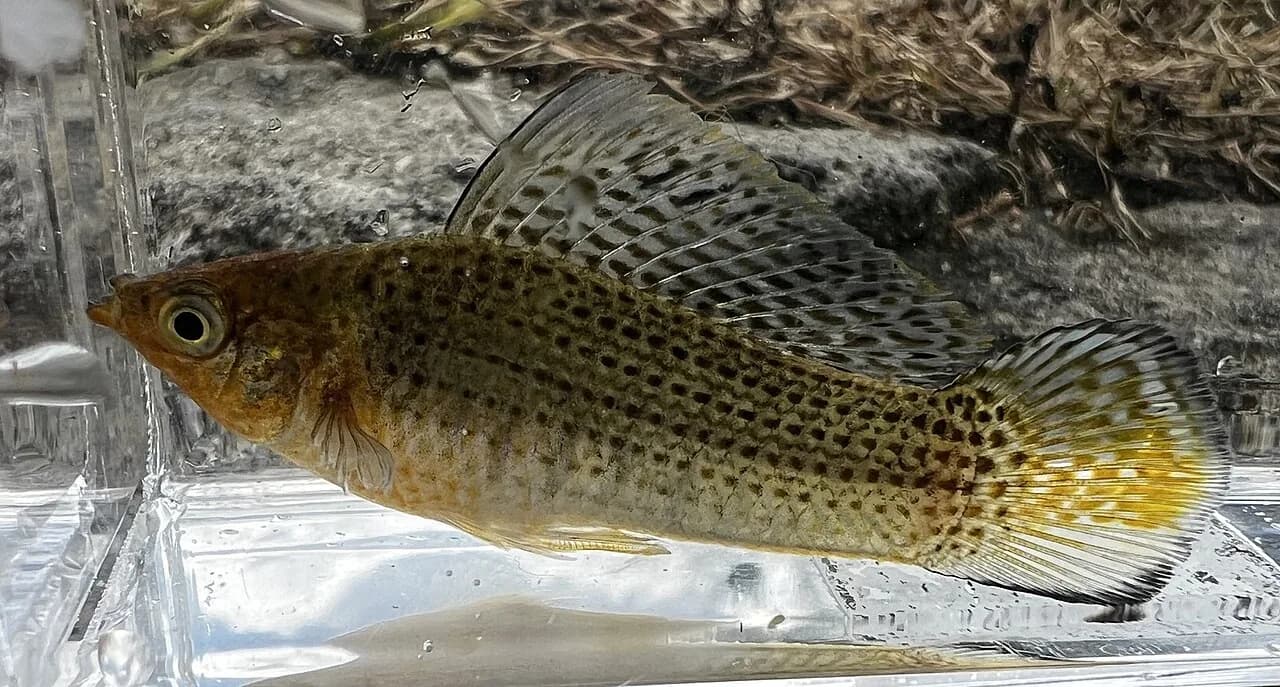
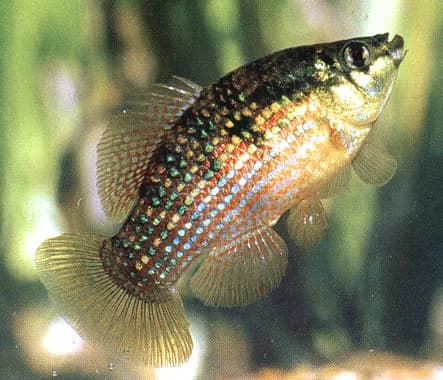
Poecilia latipinna
Big livebearer with a dramatic dorsal sail (males). Demands hard alkaline water, happiest with a teaspoon of marine salt per 5 L, though it'll do fine in just hard SA tap. Don't keep with soft-water tetras; the parameter mismatch breaks both. Males don't appreciate each other in confined tanks.
Xiphophorus hellerii
Males carry the namesake extended tail-fin sword that can equal body length. Active surface-loving livebearer, needs a hood or floating plants because they jump. Like all livebearers, prefers hard alkaline water; struggles in soft acidic blackwater set-ups. 3:1 female:male keeps the peace.
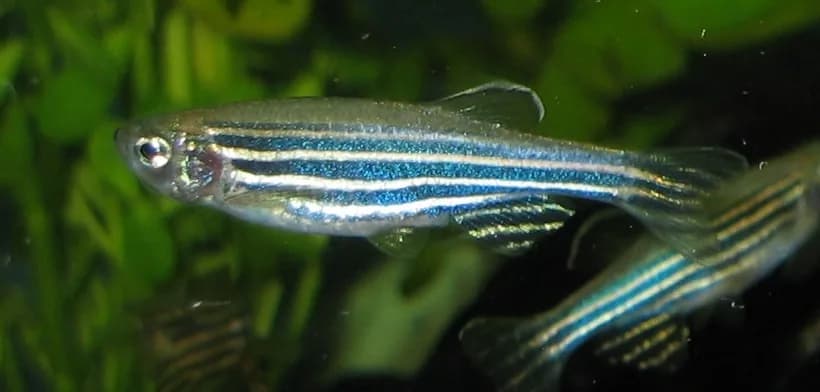
Danio rerio
Bombproof beginner schooler, tolerates 18–26 °C so it survives unheated tanks through Cape Town winters. Needs a long tank for the constant front-to-back darting; tall hexagons are the worst possible shape. Avoid pairing with slow-moving long-finned species (angels, bettas), they nip.
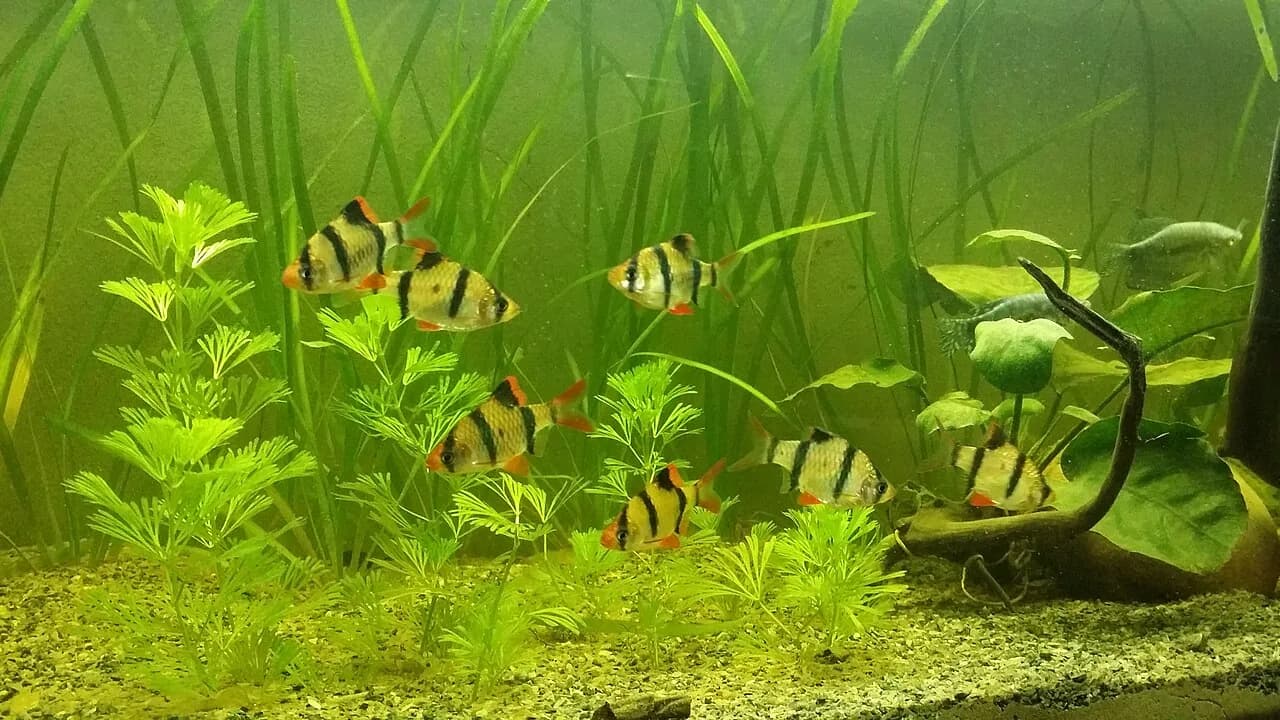
Puntigrus tetrazona
Iconic black-on-orange community fish, but only if you respect the bite. In groups under six they bully each other and any long-finned tank mate; in groups of 8–10+ they school internally and leave others alone. Never house with bettas, angels, or guppies, fins disappear within days.
Gymnocorymbus ternetzi
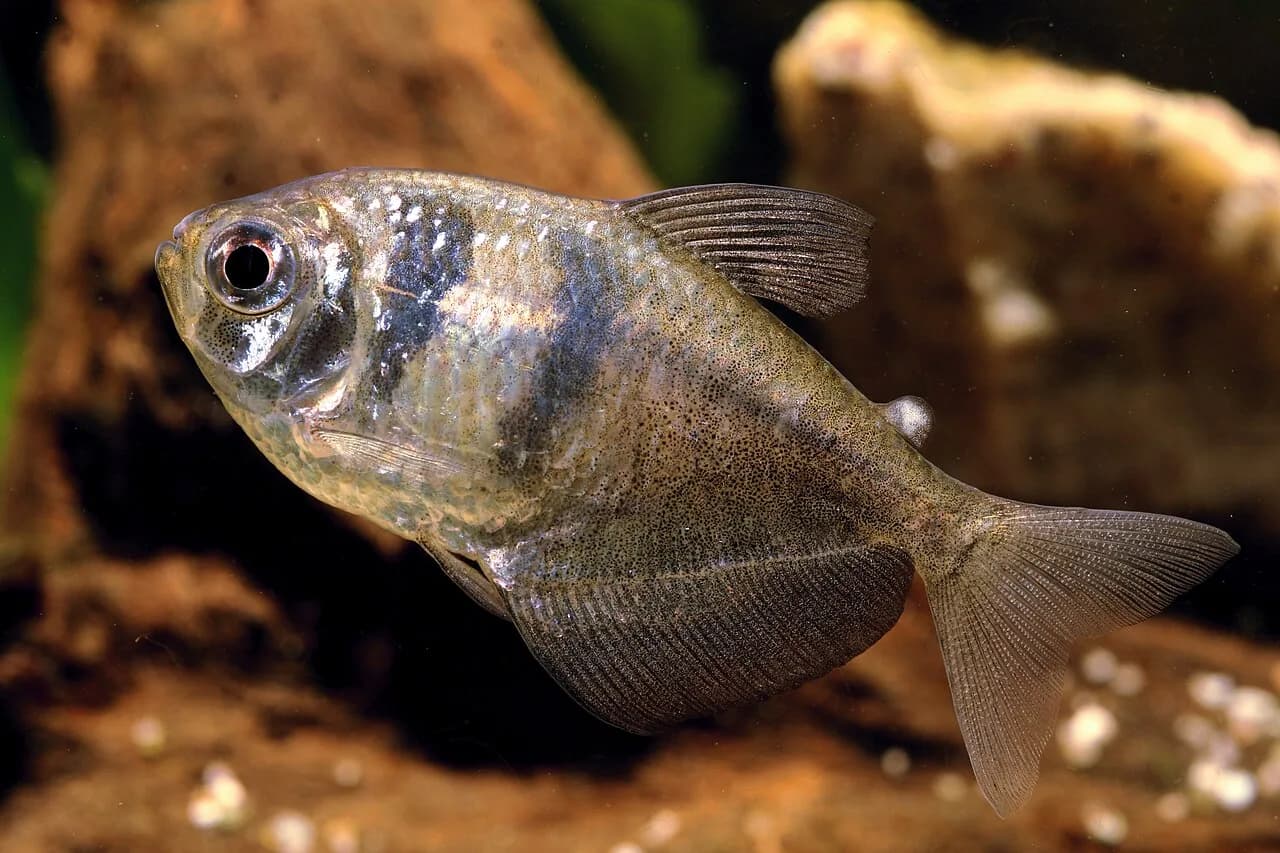
Tall-bodied tetra with two prominent vertical bars and a black 'skirt' anal fin. Fades to silver-grey in adulthood, buy the bold black juveniles knowing they'll mellow. Long-finned 'longfin' variant is widely sold but more prone to fin-rot in warm tanks. Avoid keeping with bettas or guppies.
Corydoras aeneus
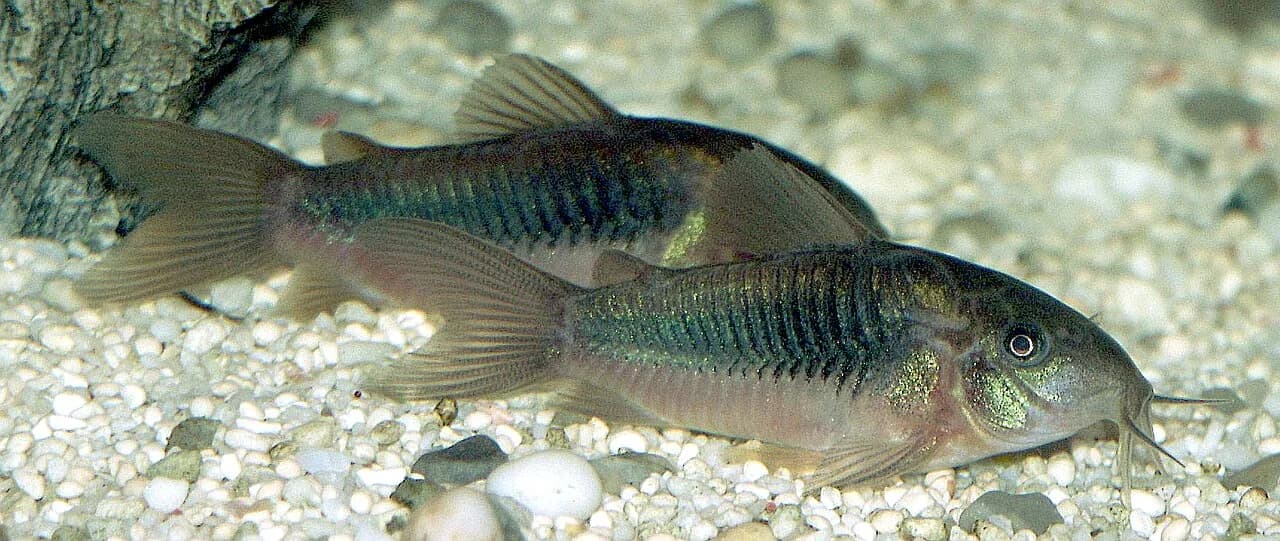
The default community catfish, hardier than sterbai or pygmy, available everywhere in SA, lives a decade. Smooth (not gravel) substrate so it doesn't damage its barbels. Always in groups of 6+; they're miserable as singletons. The albino variant is even more common but light-sensitive.
Pterophyllum scalare
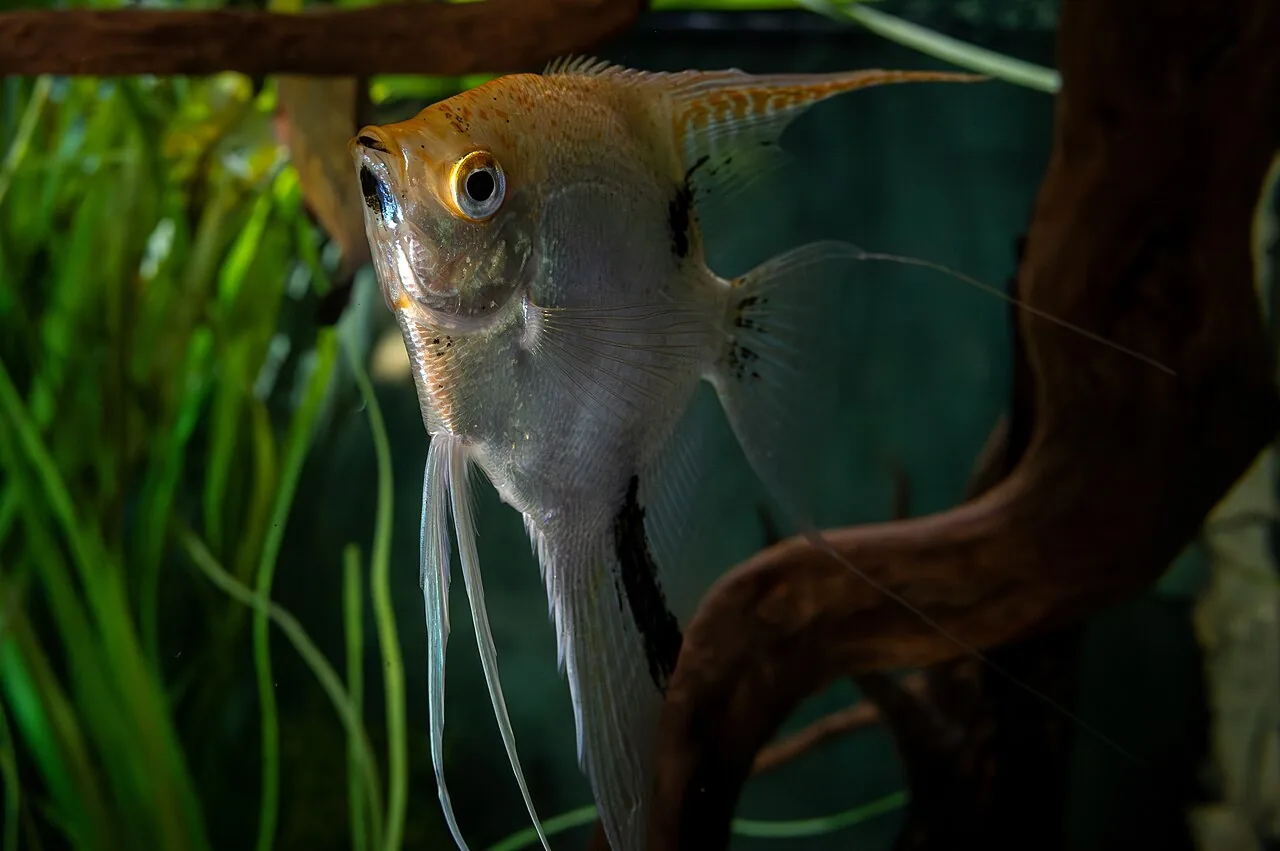
Statement cichlid, needs tank height for the trailing fins. Grow out in groups of 4–6 juveniles, then expect one pair to bond and dominate; rehome the rest before adult aggression starts. Will pick off neon-sized fish. Pairs with: rummynose, larger rasboras, congo tetras, corydoras.
Epalzeorhynchos bicolor
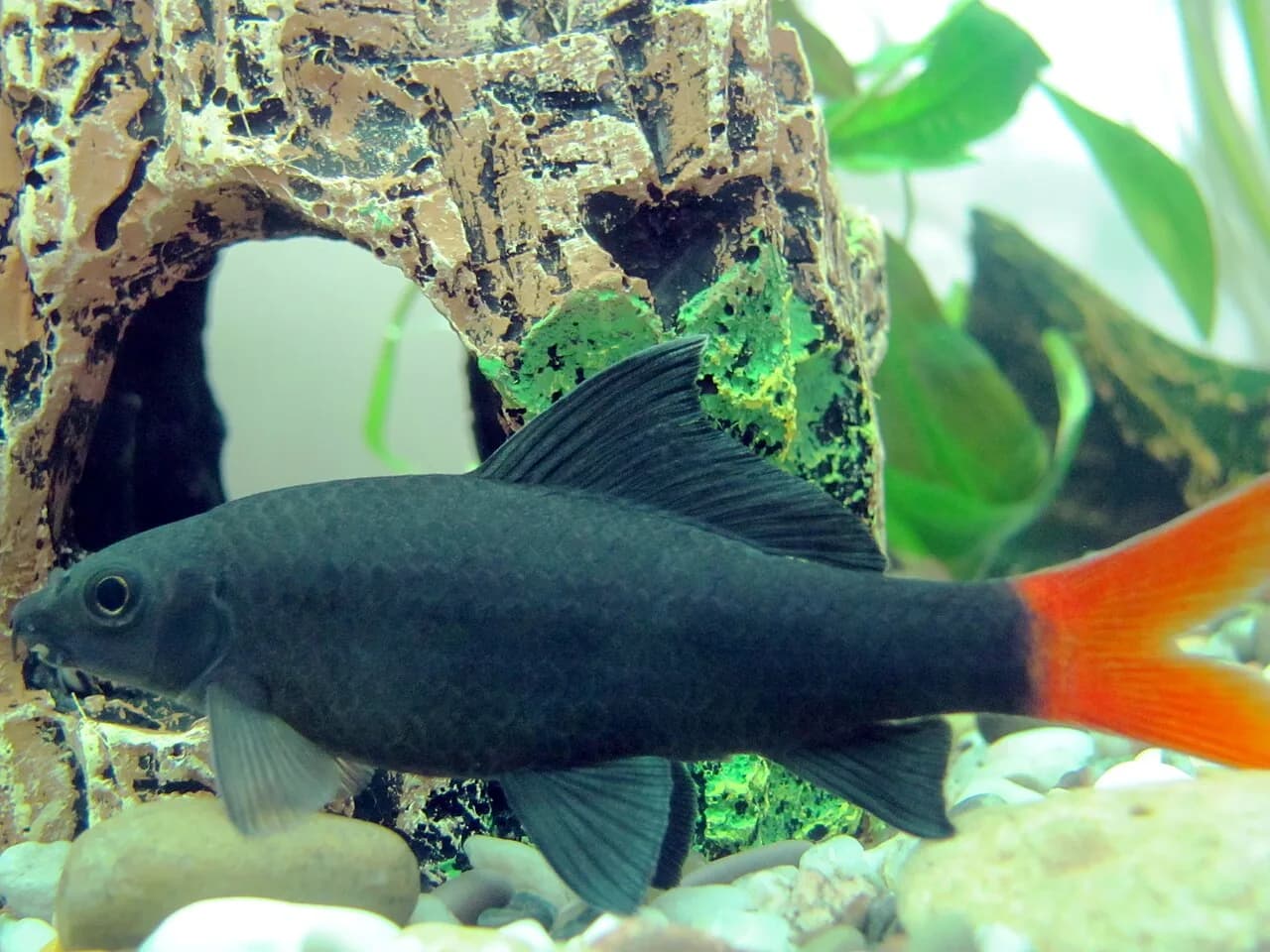
Jet-black body with a fire-red caudal fin, one of the most striking community fish you can buy. Strictly one per tank: they don't tolerate their own kind or anything else with a similar silhouette (rainbow shark, SAE, bottom-dwelling barbs). Wild populations are functionally extinct; every fish you see is commercially bred in Thailand.
Melanotaenia boesemani
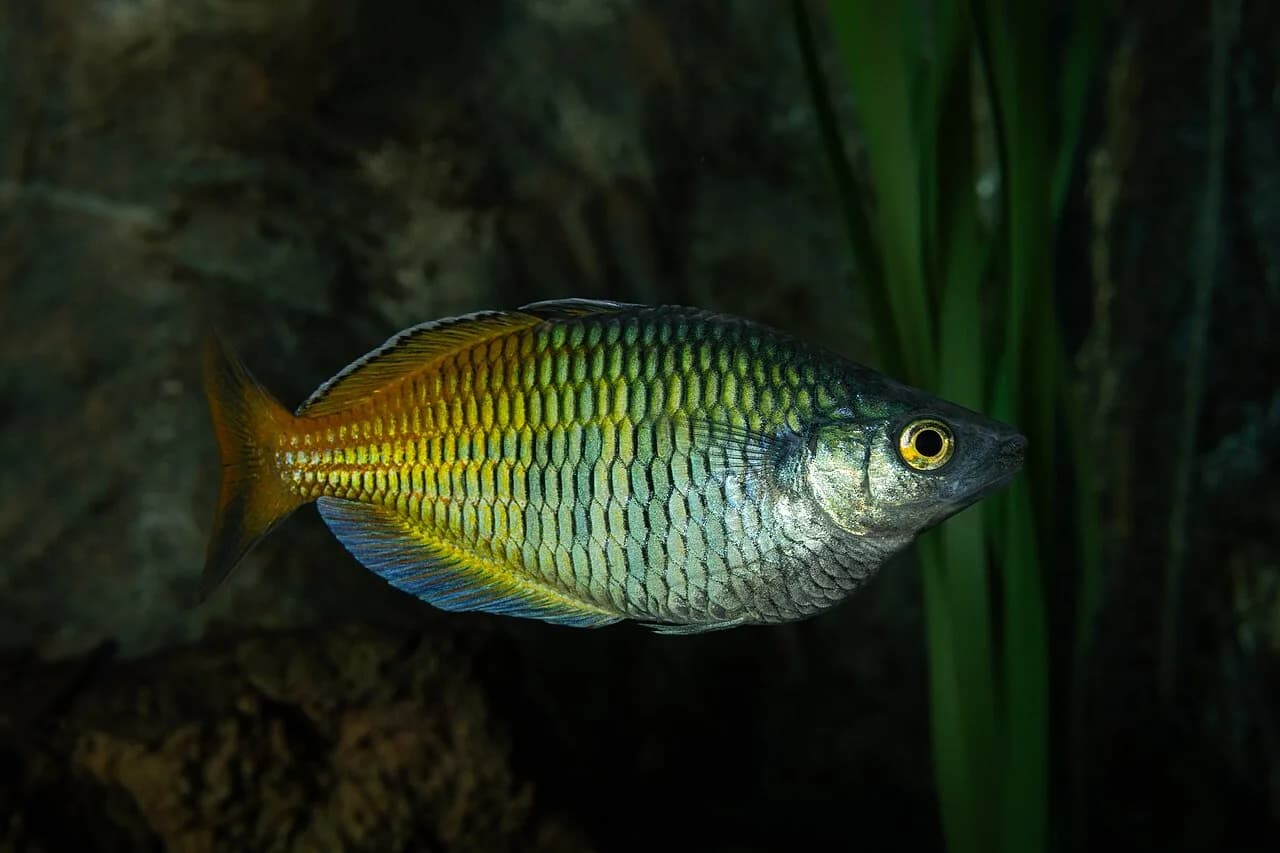
Half steel-blue, half tangerine, looks like two fish welded together. Males peak in colour when displaying to rivals, so keep at least three males in a group of six-plus. Wants hard alkaline water; do not try to push them into Amazon parameters.
Melanotaenia praecox
All the colour of a full-size rainbow in a nano-friendly package: iridescent blue body, neon-red fins. Side-lighting from the front of the hood makes the blue absolutely pop. Schools tightly and tolerates a wider parameter range than its bigger Melanotaenia cousins.
Mikrogeophagus altispinosus
The forgiving cousin of the German Blue Ram, happier in cooler, harder water and far more tolerant of beginner mistakes. Personality plus: pairs bond visibly, dig spawning pits, and stand their corner without bullying tankmates. The dwarf cichlid to start with.
Corydoras panda
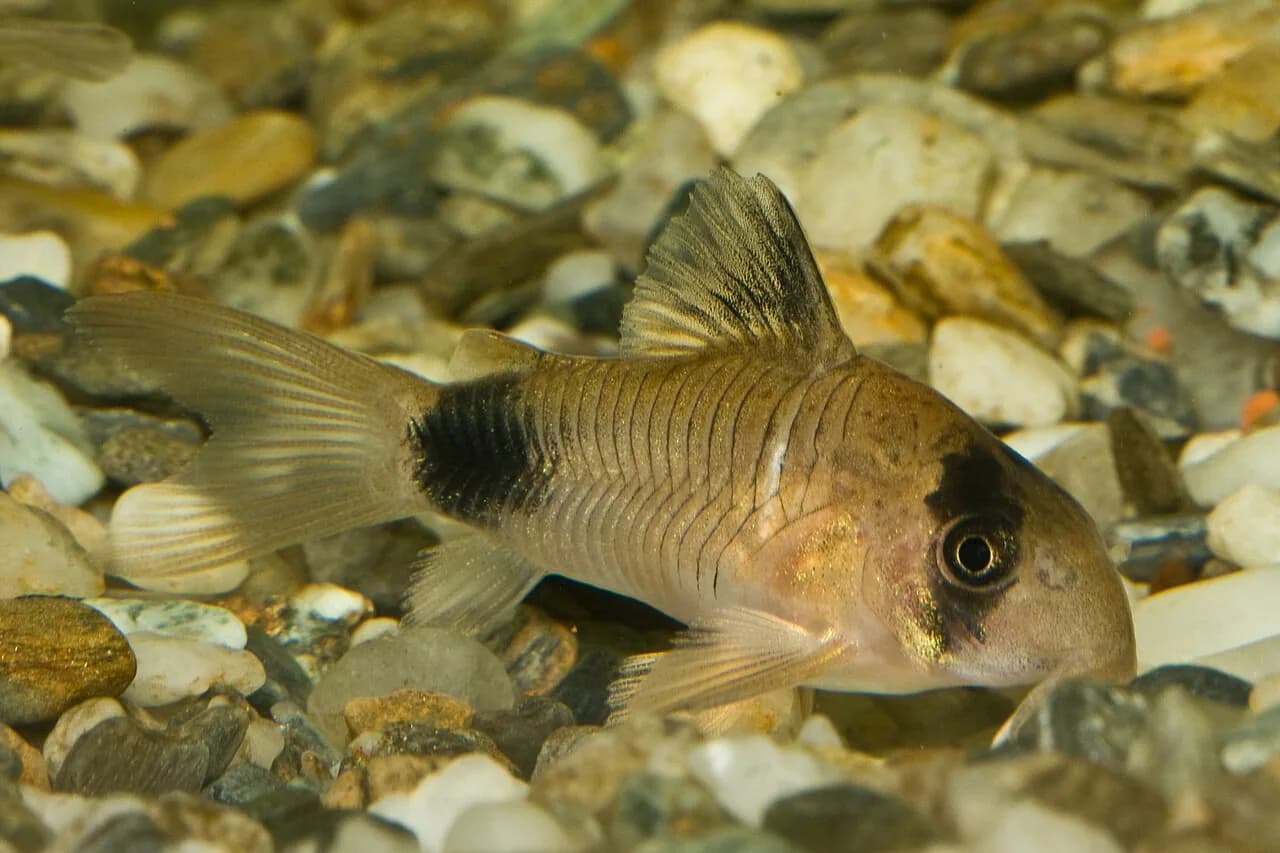
The cory that looks painted: cream body with black eye-patches, dorsal saddle, and tail base. Prefers cooler water than most tropicals, a perfect match for white clouds, Hillstream loaches, and Bolivian rams. Soft, smooth substrate is non-negotiable; sharp gravel shreds their barbels.
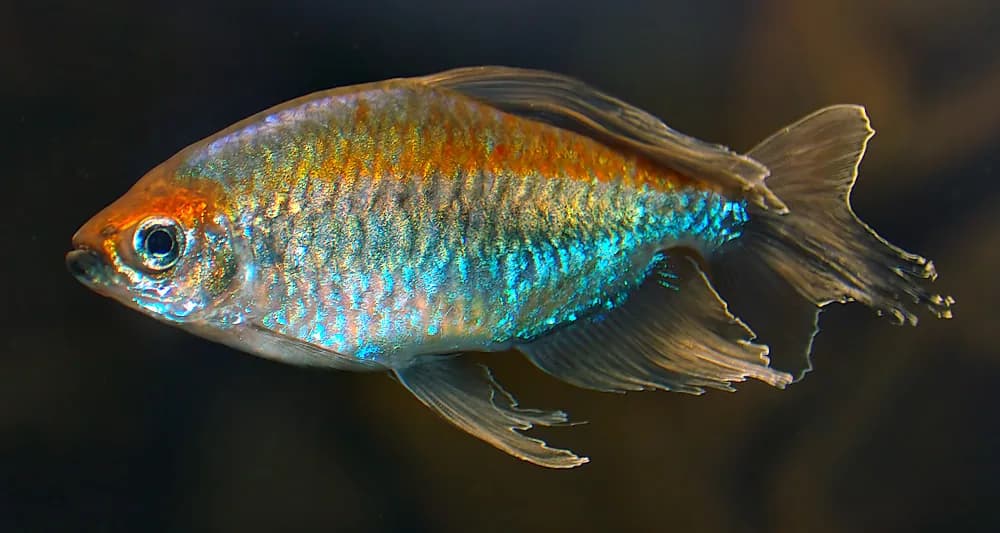
Phenacogrammus interruptus
Iridescent rainbow scales and males with flowing, ragged fin extensions, the showpiece of the West African tetra world. Skittish in small groups or sparse tanks; needs floating cover and a long footprint to display properly. Build the scape around them, not the other way round.
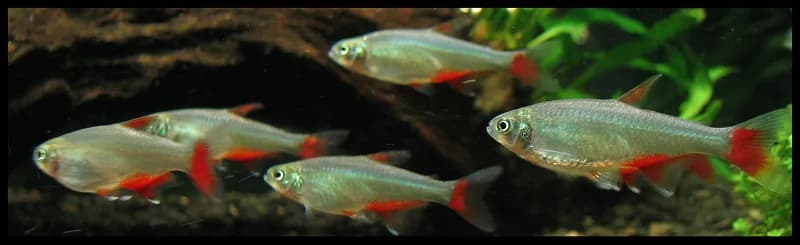
Aphyocharax anisitsi
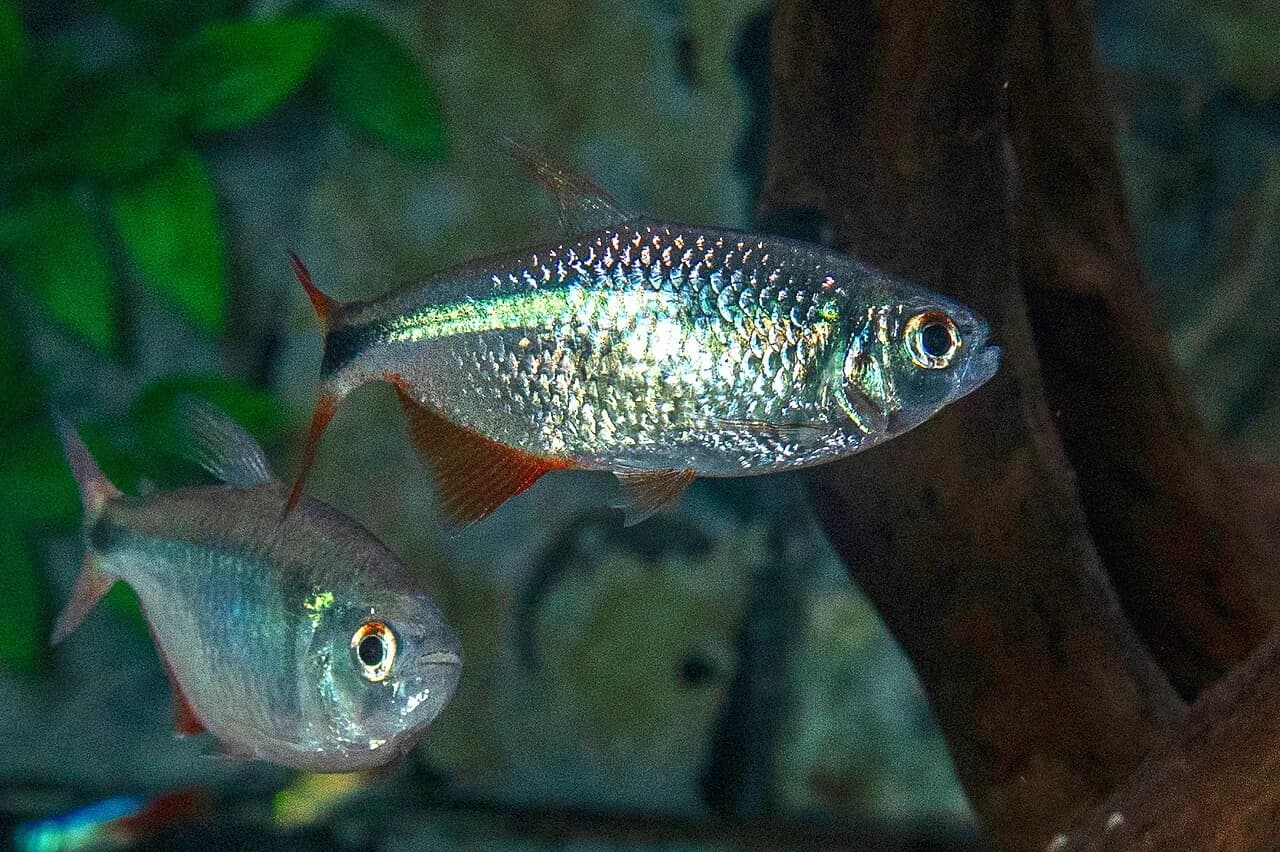
Silver bullet body, blood-red fins, and one of the most temperature-tolerant tetras on the market, comfortable in unheated rooms as low as 18 °C. Sprints in tight schools when kept eight-plus. Pairs unusually well with white clouds and other temperate-leaning fish.
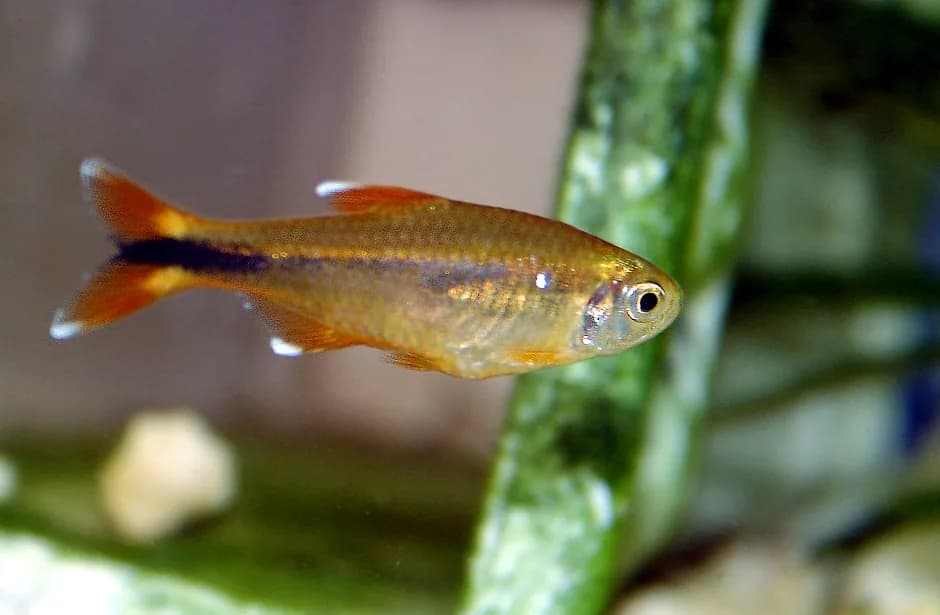
Hasemania nana
Warm copper body with chalk-white fin tips that flash as they swim, a different visual register from the usual neon-stripe tetra. Keep ten or more to dilute the mild fin-nipping behaviour; avoid long-finned tankmates like angels or fancy guppies.
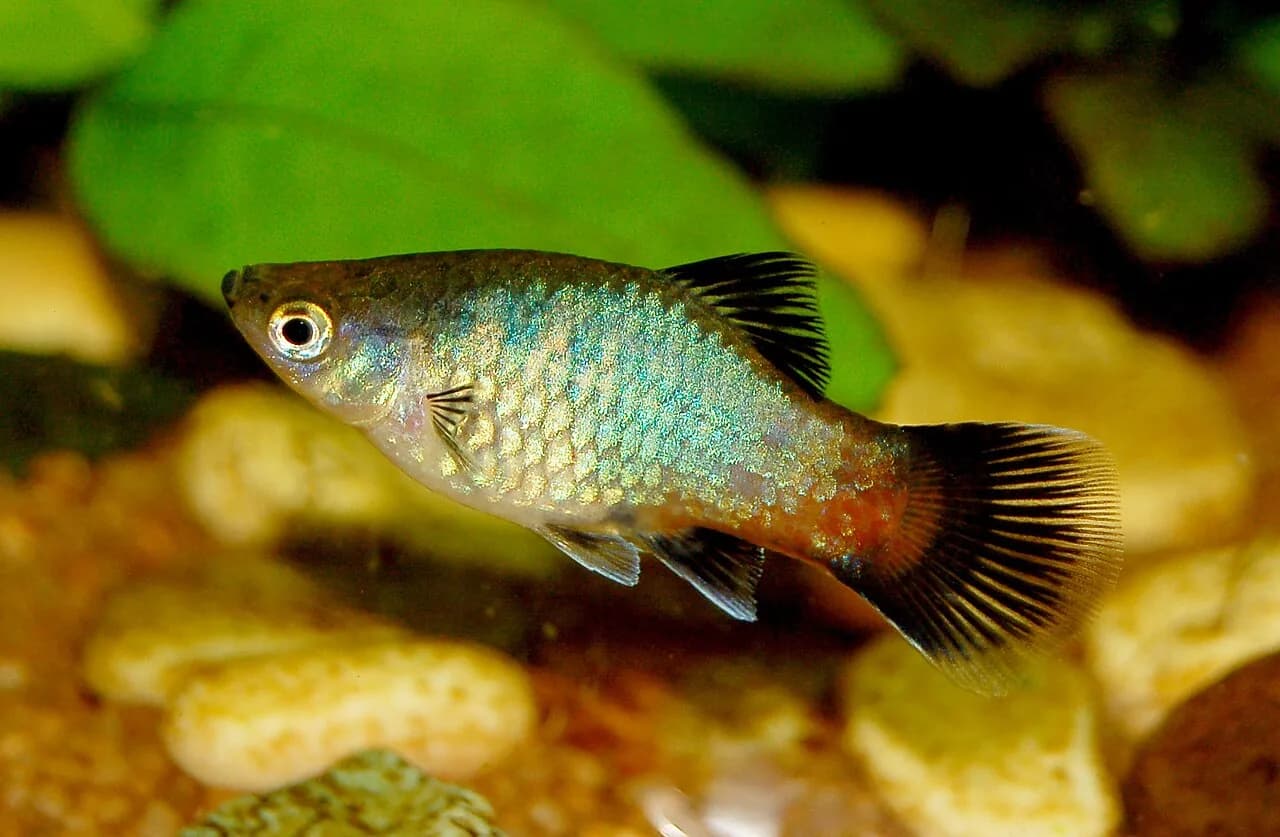
Trichogaster lalius
Centrepiece fish for a planted 60-cm cube, a labyrinth breather that thrives in still water with floating plants for bubble nest cover. Sadly prone to Dwarf Gourami Iridovirus; buy from quality breeders only and avoid the heavily inbred 'flame' and 'neon' strains if you can find a wild-type or honey instead.
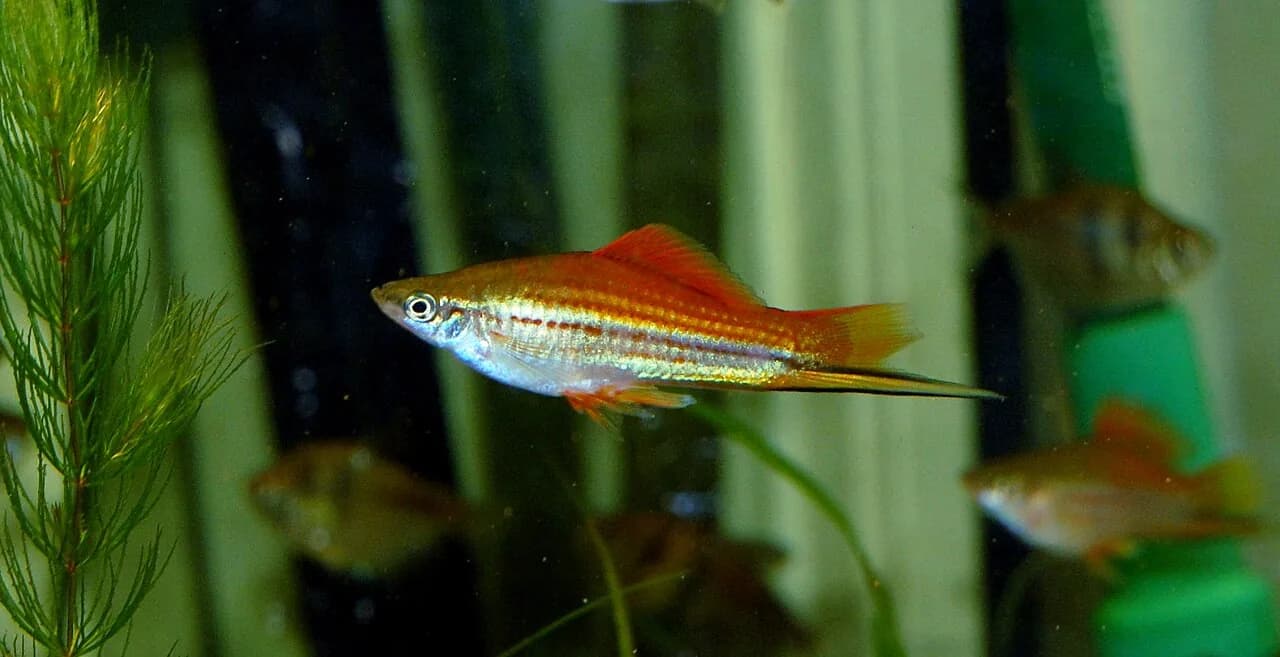
Macropodus opercularis
One of the original aquarium fish, kept in Europe since the 1860s. Stunning striped flanks, flowing fins, and a personality that does not tolerate other labyrinth fish. Cold-tolerant down to 16 °C, which makes them a rare unheated-tank centrepiece. Keep one, or a true bonded pair, never two males.
Dario dario
Tiniest cichlid-relative in the trade, males are vermillion red with neon-blue vertical bars, females stay drab beige. A planted nano with mossy hardscape and copepod-rich water is paradise; a community tank with tetras will starve them. Feed live, dose patience.
Trigonostigma espei
Slimmer, more orange version of the harlequin rasbora, with a slender pork-chop-shaped wedge instead of the harlequin's blocky triangle. Holds tighter shoals than the harlequin and looks stunning against tannin-stained water, the classic nano companion to chili rasboras and ember tetras.
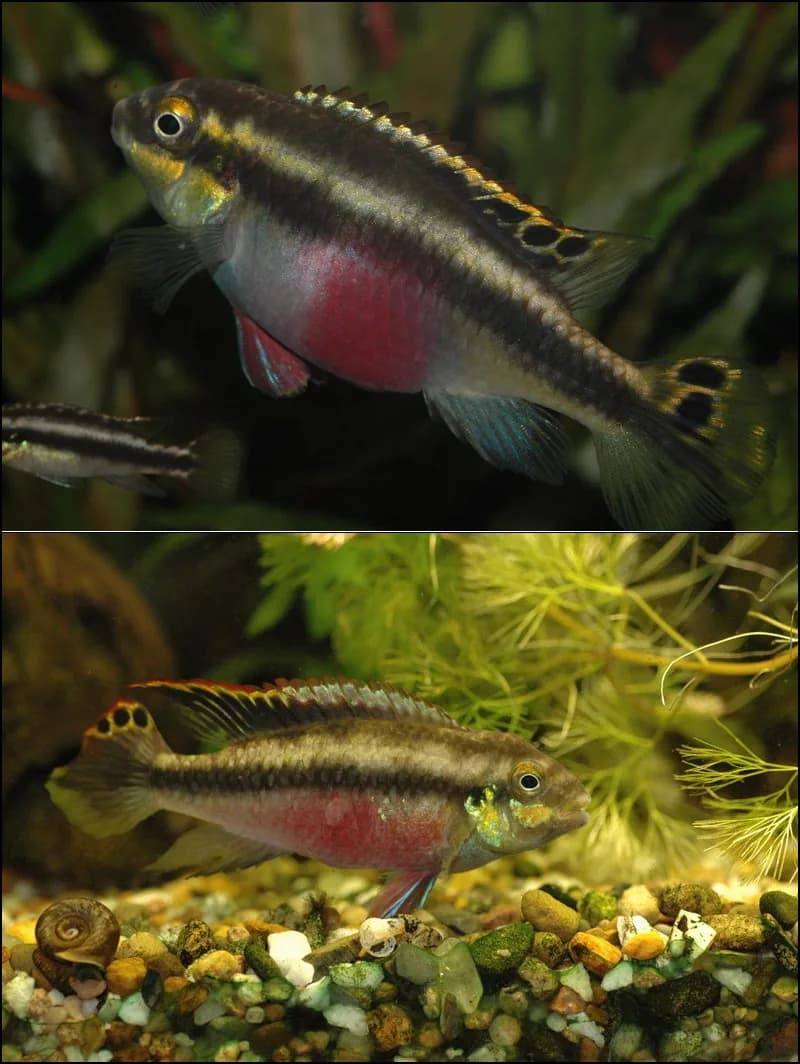
Pelvicachromis pulcher
The West African dwarf cichlid that built reputations, easy to breed, deeply personable, and a riot of plum, gold, and cherry colour when a pair are guarding fry. Give them at least one cave per fish plus a footprint long enough for tankmates to escape the breeding zone.
Pseudomugil gertrudae
A jewel of a nano fish, tangerine fins flecked with neon-blue eyes that glow in side light. Males fin-flick in slow-motion display, like miniature rainbowfish. Short-lived (often only 18 months) so keep continuous fry-friendly growth in floating moss to replace the colony naturally.
Betta splendens
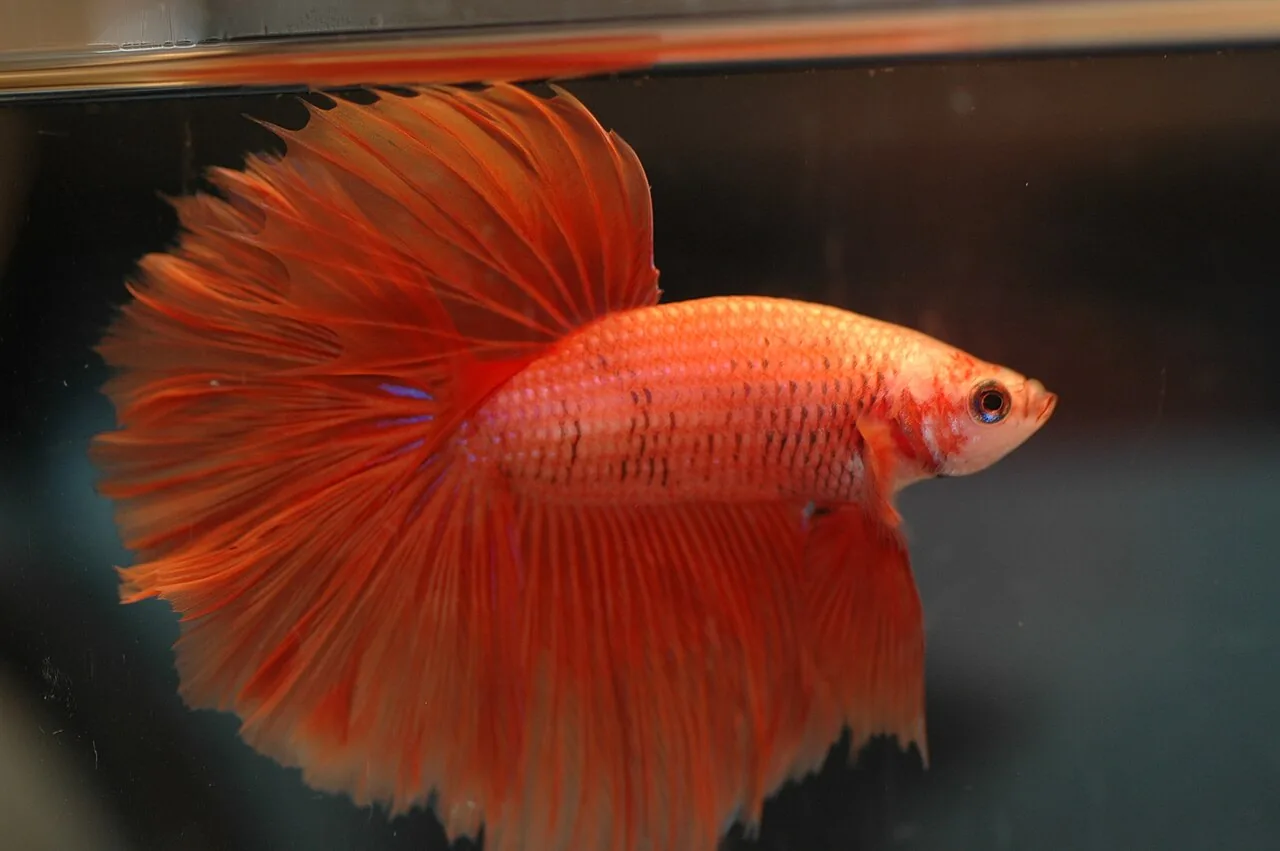
Centrepiece nano fish with personality and presence — the male's fins and colour are an aquascape feature on their own. Single males only; two males will fight. Filtered, heated, planted tank is the standard, not the unfiltered bowl.
Pristella maxillaris
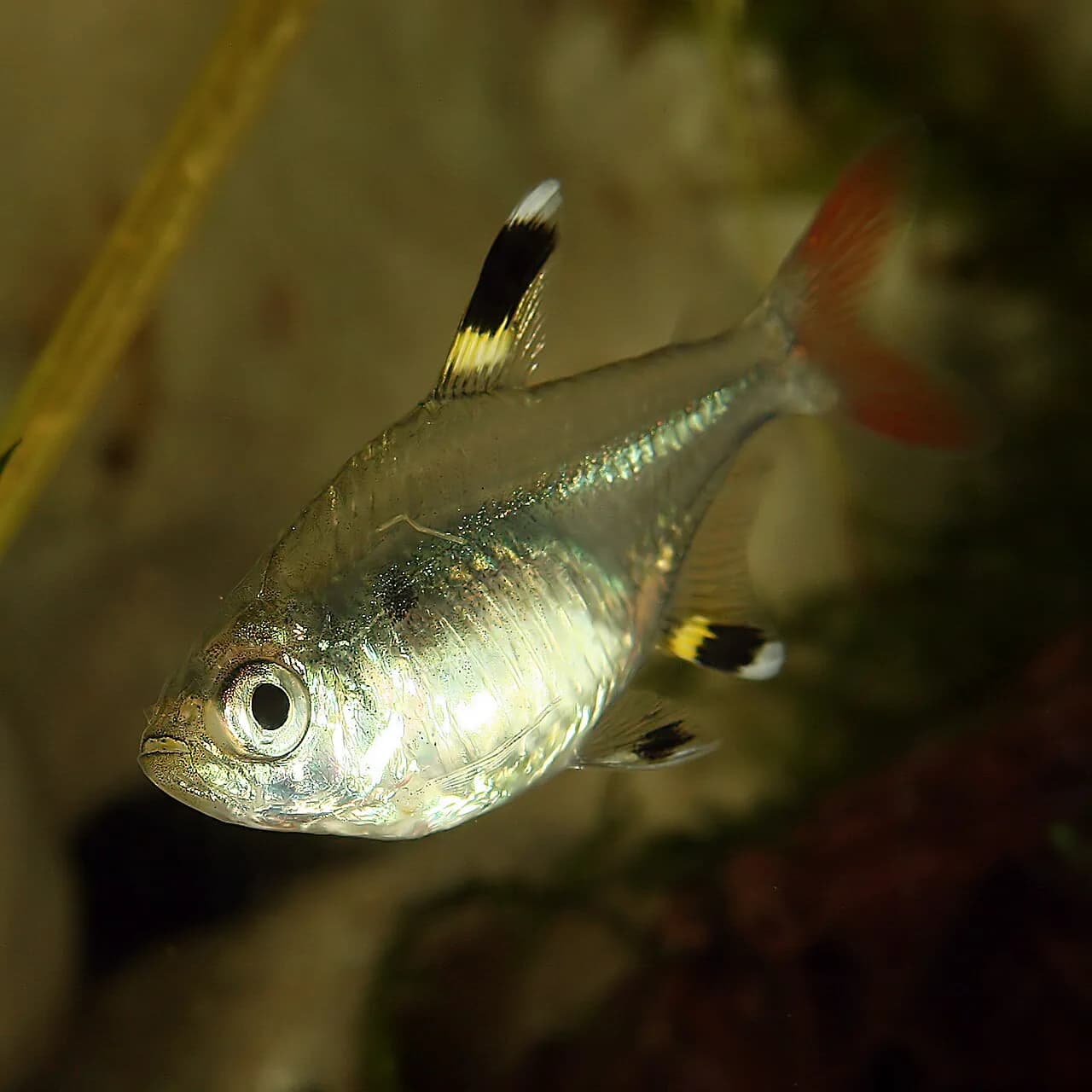
Also called the X-ray tetra for its translucent body and the yellow-black-white triangle on each fin. Tougher than the neon tetra and tolerates a much wider water-parameter range, the right call for hard-water tap setups.
Hyphessobrycon erythrostigma
A larger, deeper-bodied tetra with a distinctive red blotch over the gills — the namesake bleeding heart. Needs space and a proper shoal; kept in fours they become twitchy fin-nippers, kept in eights they school calmly.
Thayeria boehlkei
Holds an unusual head-up tilt at rest, with a black band running from gill plate to the lower lobe of the tail. The angle is distinctive in a planted tank and reads well against green backgrounds. Tougher than most tetras.
Hyphessobrycon eques
Deep red body with a black comma marking behind the gill and bold black-and-white fins. Known fin-nipper, never house with bettas, angelfish, or long-finned gouramis. A tight shoal of 10+ keeps the aggression internal.
Sahyadria denisonii
An active, river-system barb with a striking red-tipped tail and a black-and-gold lateral stripe. Endangered in the wild and protected by Indian export limits, captive-bred fish are the right purchase. Needs a long tank with flow.
Barbodes semifasciolatus
A cooler-water barb in metallic gold with black flecks, often confused with the China barb. Tolerates a wider temperature range than most tropicals, the right fish for an unheated room-temperature tank.
Pethia conchonius
Males flush a deep raspberry pink during display, especially in cooler water. Active subtropical fish that does best at room temperature — pairs well with white cloud mountain minnows and weather loaches in unheated planted tanks.
Botia almorhae
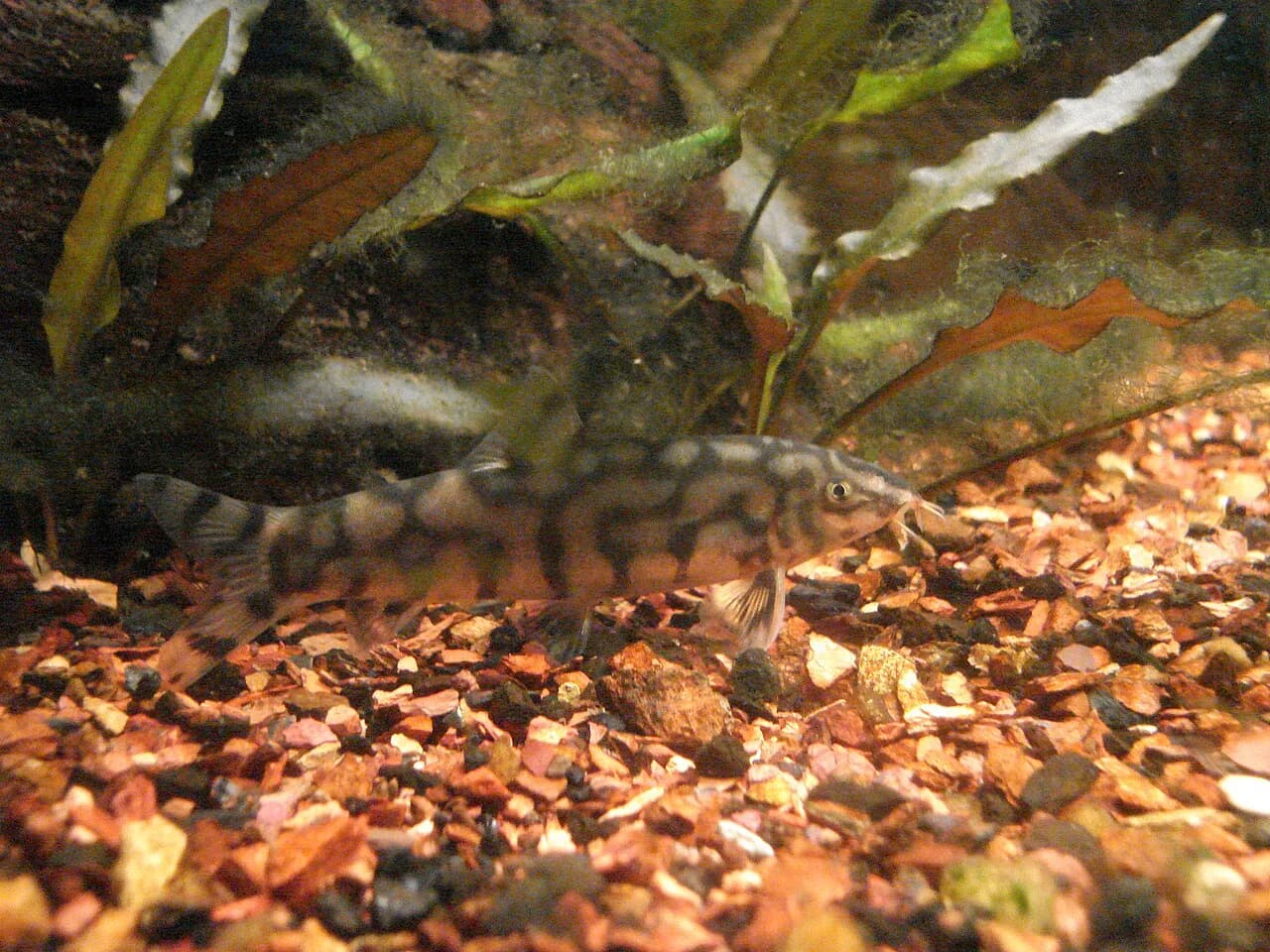
Named for the Y-O-Y-O pattern on the silver body. Highly social and visibly happier in groups of five or more, with regular play behaviour like chasing and rolling. The classic loach solution for a snail outbreak.
Panaqolus maccus
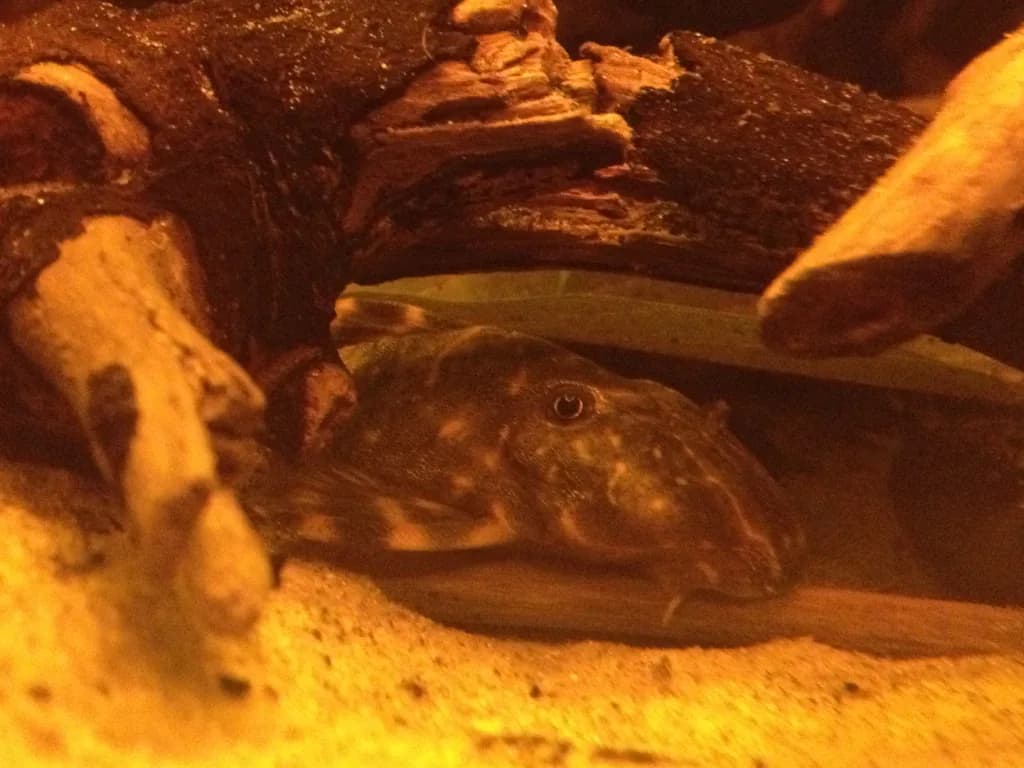
A small striped pleco that stays under 10 cm and actively rasps driftwood, which it needs for digestion. Almost always hides during the day, comes out at dusk. The right pleco for tanks too small for a common pleco.
Kryptopterus vitreolus
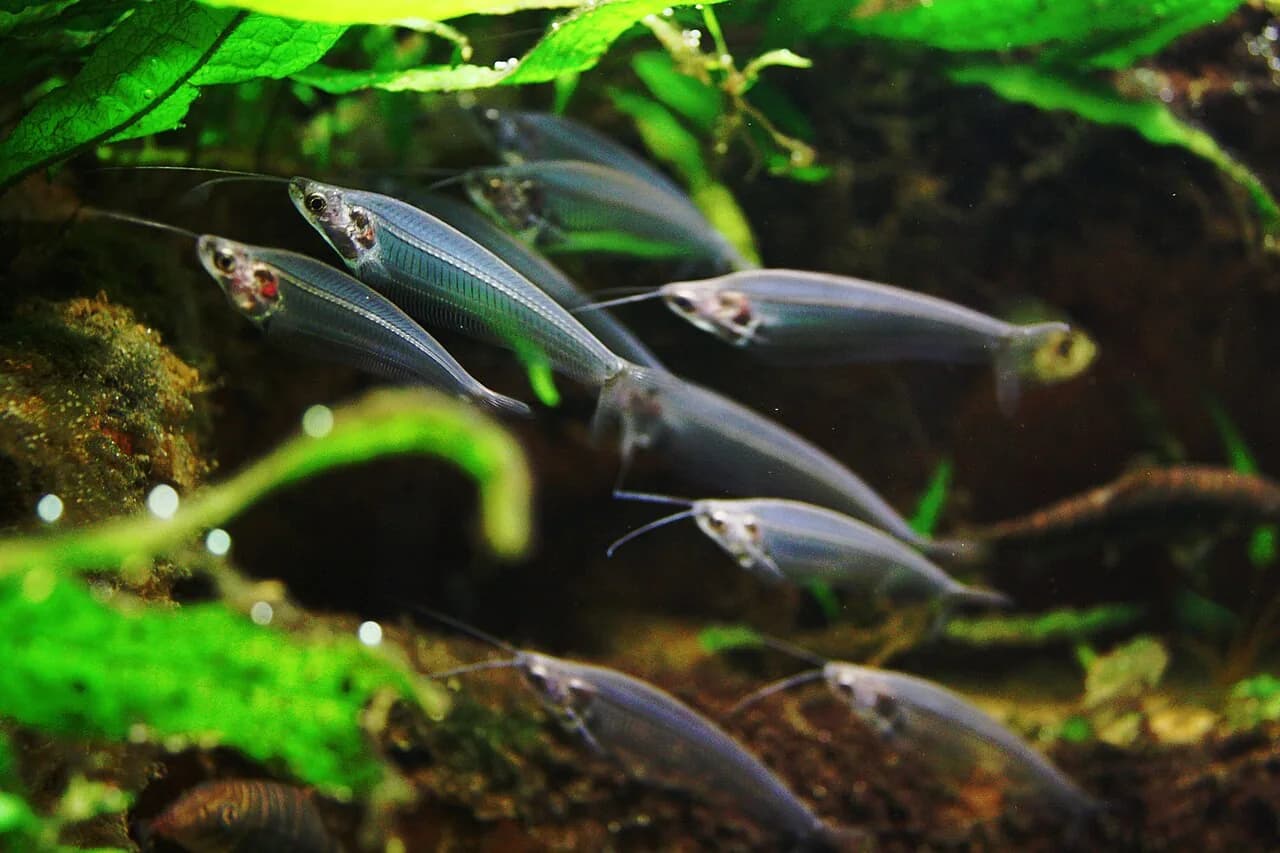
Completely transparent — only the silver swim bladder and the skeleton are visible. Shoals mid-water and refuses to come down to the substrate. Sensitive to water-quality swings and shy, never keep singly or in pairs.
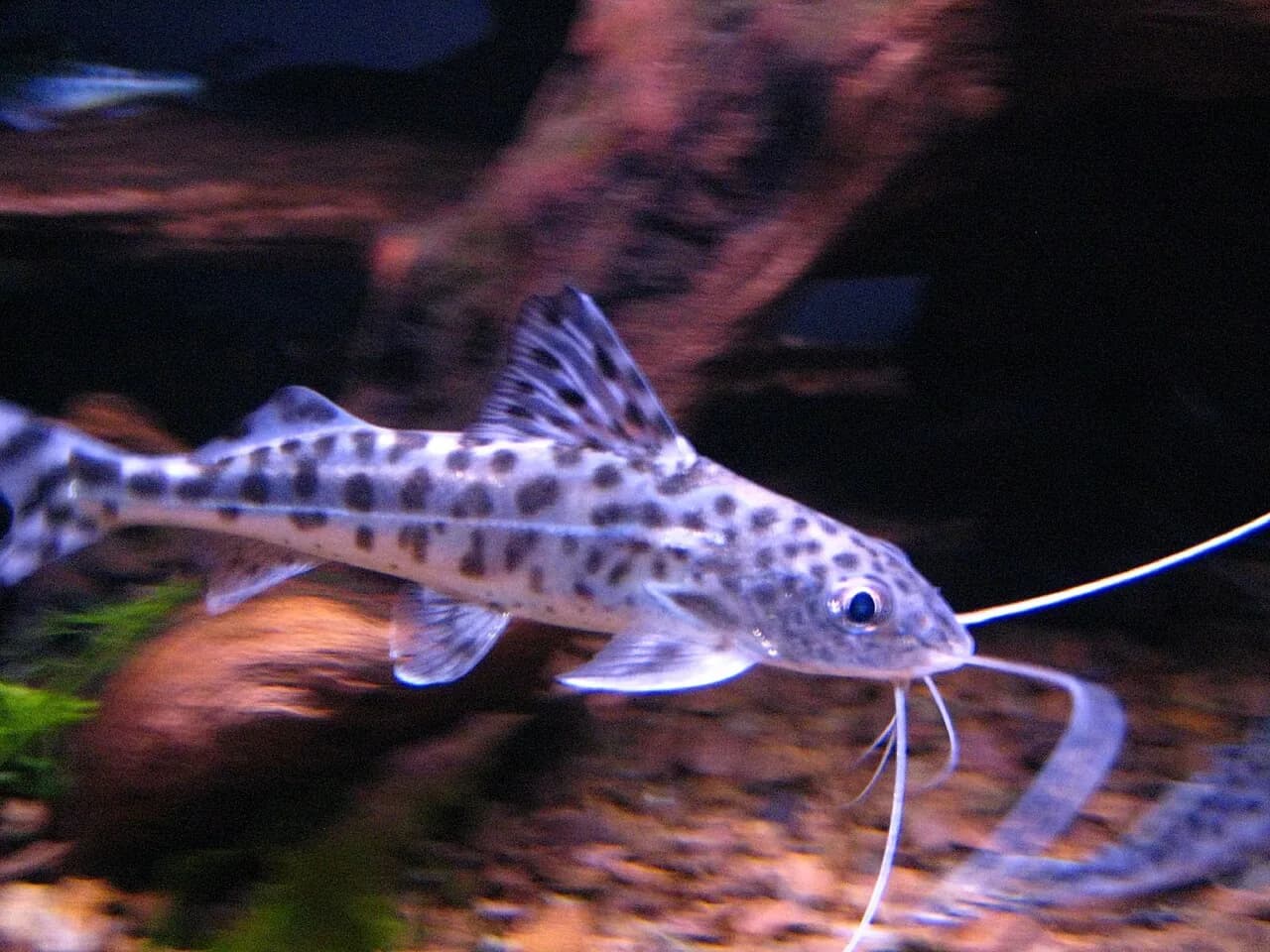
Pimelodus pictus
Silver body with sharp black dots, plus long barbels and pectoral spines that can catch in nets — net carefully with a coarse mesh or use a cup. Highly active and will eat any fish small enough to fit in its mouth, plan tank mates above 5 cm.
Sphaerichthys osphromenoides
An expert-only gourami that demands blackwater — soft, acidic, tannin-stained, warm and still. Mouthbrooder. Pairs poorly with most community fish; best in a single-species blackwater biotope with botanicals and floating plants.
Parosphromenus deissneri
A peat-swamp specialist that needs pH 4 to 5 water and live food to thrive. Stunning when displaying — males flare into red, blue, and gold barring. Single-species blackwater tank only, do not mix with community fish or even shrimp.
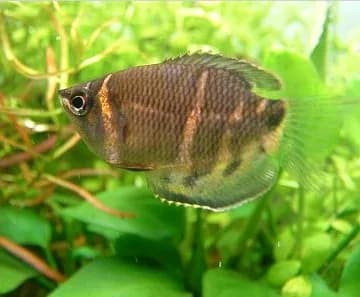
Trichopsis vittata
Named for the audible croaking sound males make when displaying. Hardier than sparkling gourami and tolerates a broader range of parameters. The right nano gourami for a peaceful community of small tetras and rasboras.
Boraras merah
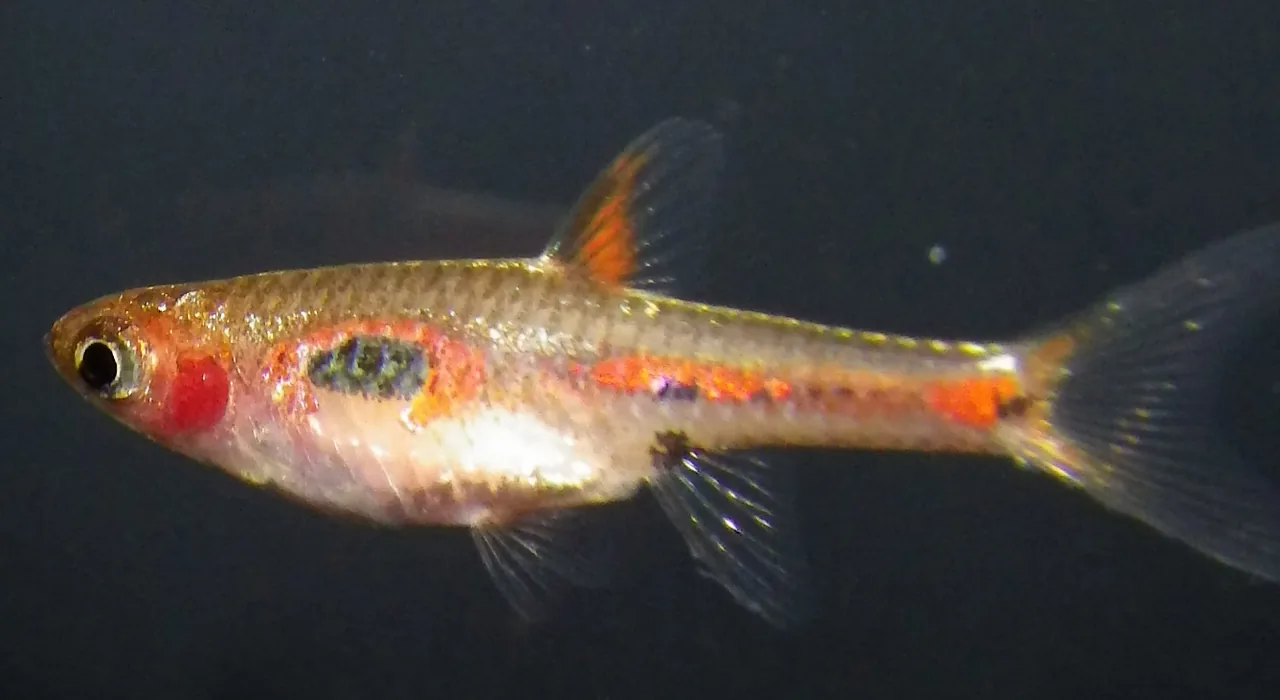
A tiny blackwater Boraras with bright red-orange flanks broken by sharp black blotches — like a phoenix marking. Tighter shoals than chili rasboras when comfortable. Nano blackwater biotopes only, never mix with anything over 4 cm.
Boraras maculatus
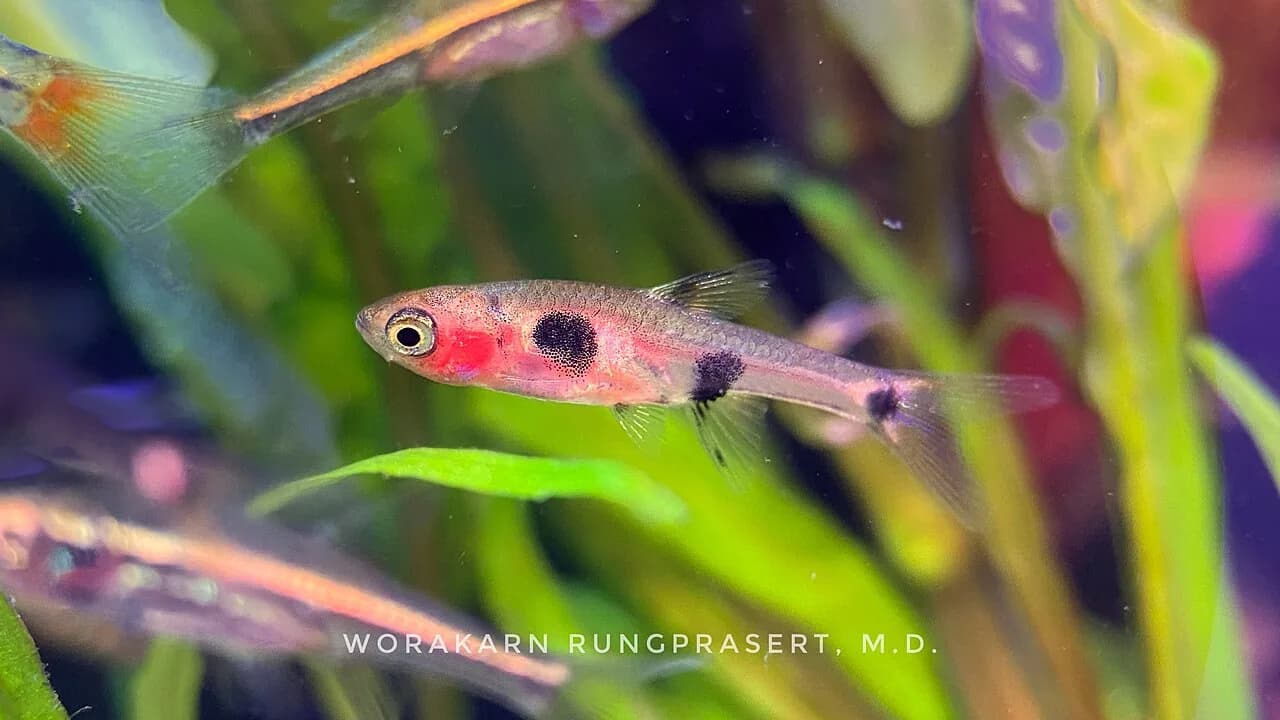
Distinguished from other Boraras by the three sharp black spots — one at the gill, one mid-body, one at the tail base. Slightly more tolerant of harder water than chili or phoenix rasboras. Reads brilliantly against tannin-stained water.
Parambassis ranga
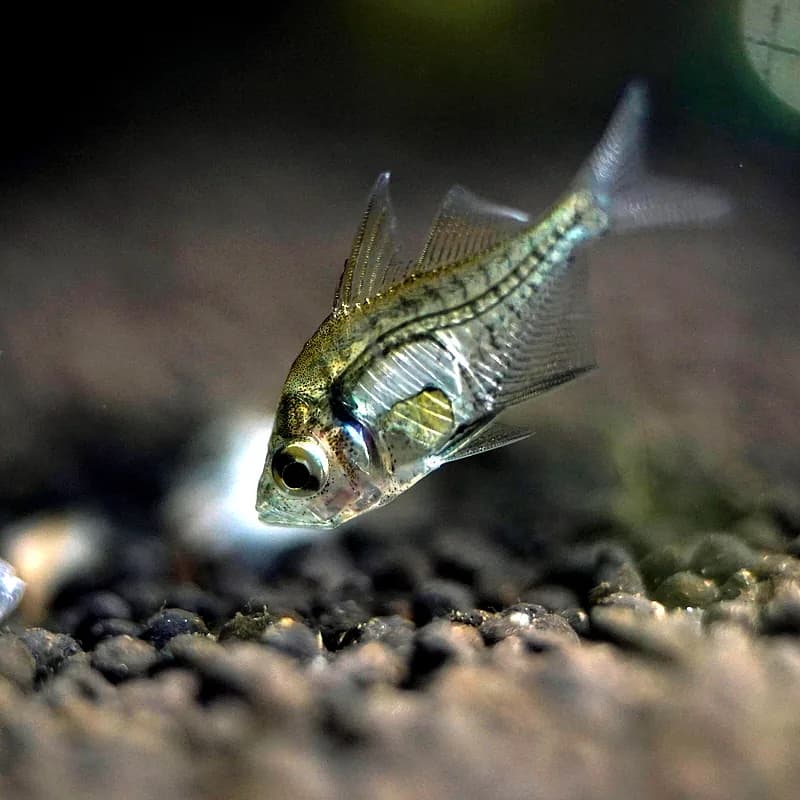
Genuinely transparent like the glass catfish, with the skeleton clearly visible. Strictly freshwater despite some shops keeping them brackish. Never buy dyed ("painted glass") specimens — the injection process kills most fish.
Aplocheilus lineatus
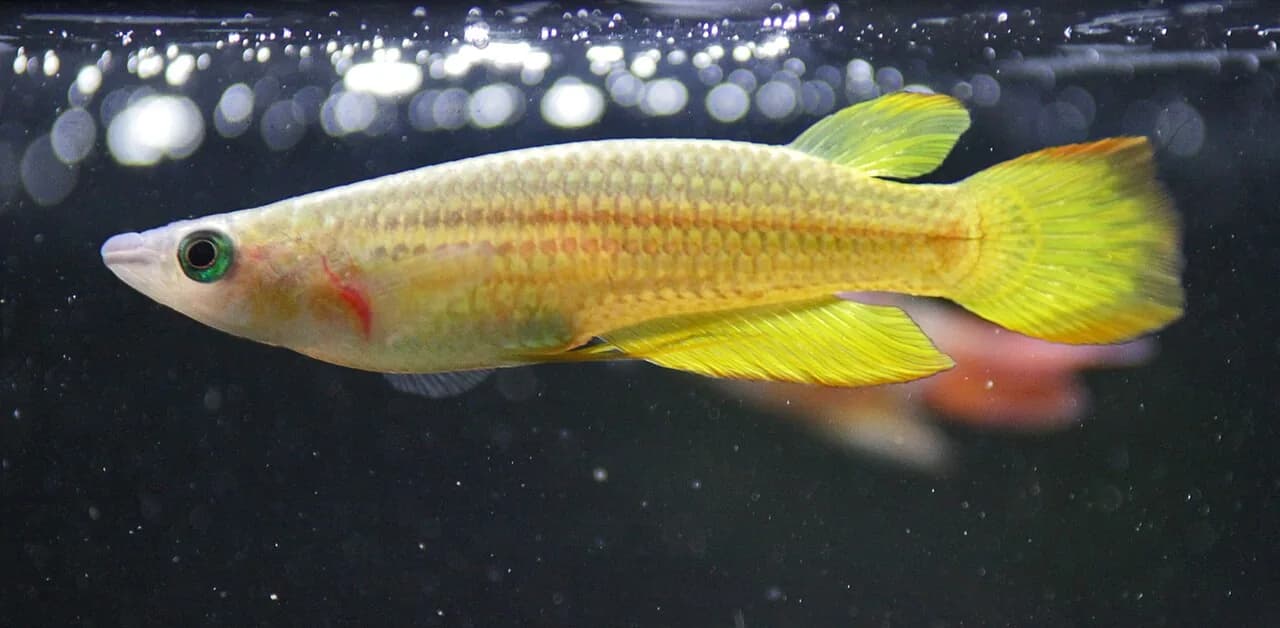
A surface predator with metallic gold flanks and bright red fins. The hardier of the popular killifish, not annual like Nothobranchius. Will eat any fish small enough to fit — keep with mid-sized tank mates above 4 cm, never with neons or shrimplets.
Misgurnus anguillicaudatus
Also called the weather loach — barometric pressure changes set them swimming wildly. Cold-tolerant, suits unheated room-temperature tanks alongside goldfish or white cloud minnows. Eel-like and burrows into substrate, sand is kinder than gravel.