Care at a glance
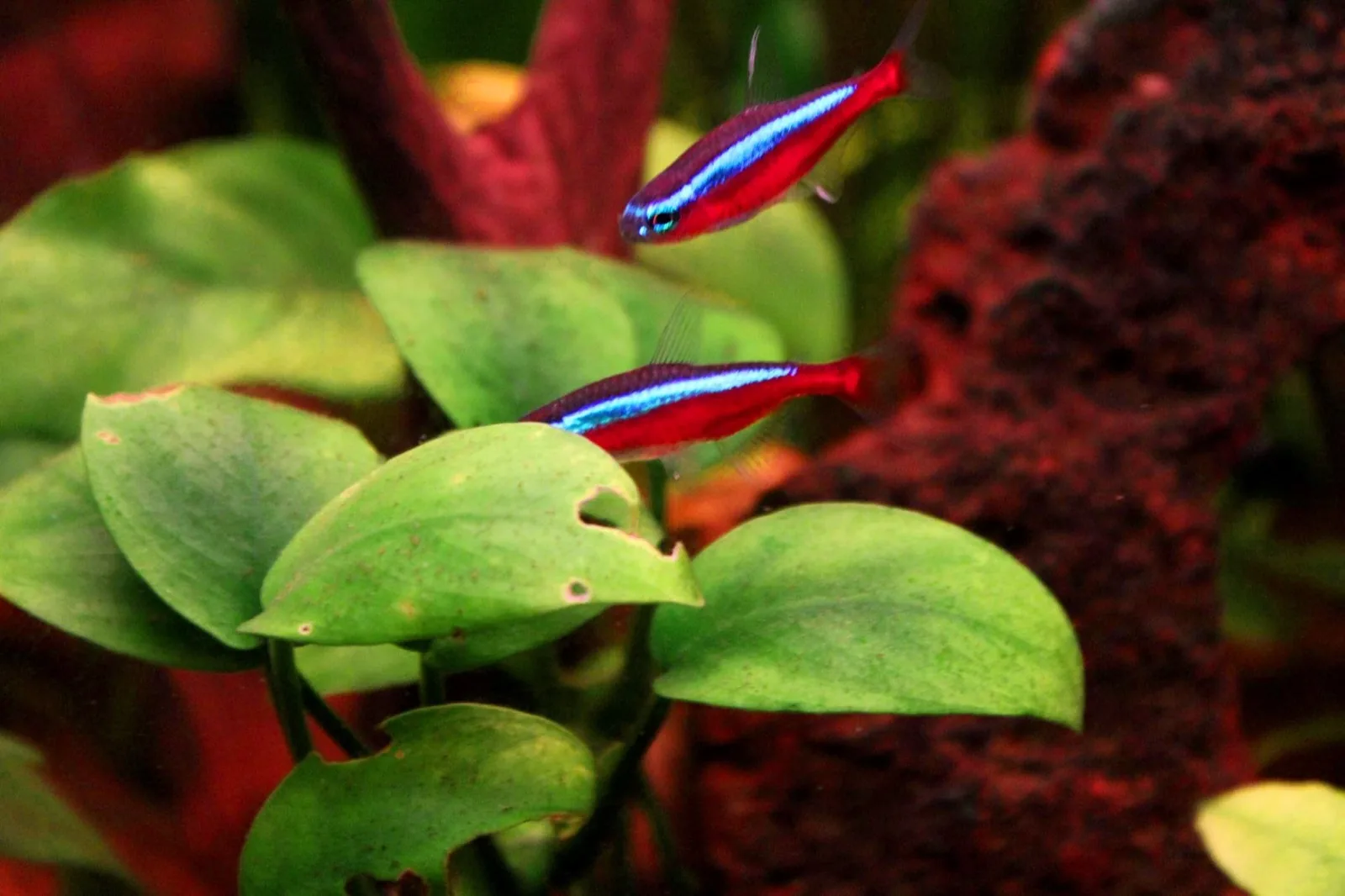
Brighter and slightly more demanding than the neon, prefers soft, warm, acidic water. Stunning in a dark-substrate Amazon biotope.
By Mike ElmiraUpdated 2 min read
Part of our complete guide to aquarium fish for the planted tank.

Paracheirodon axelrodi
Brighter and slightly more demanding than the neon, prefers soft, warm, acidic water. Stunning in a dark-substrate Amazon biotope.
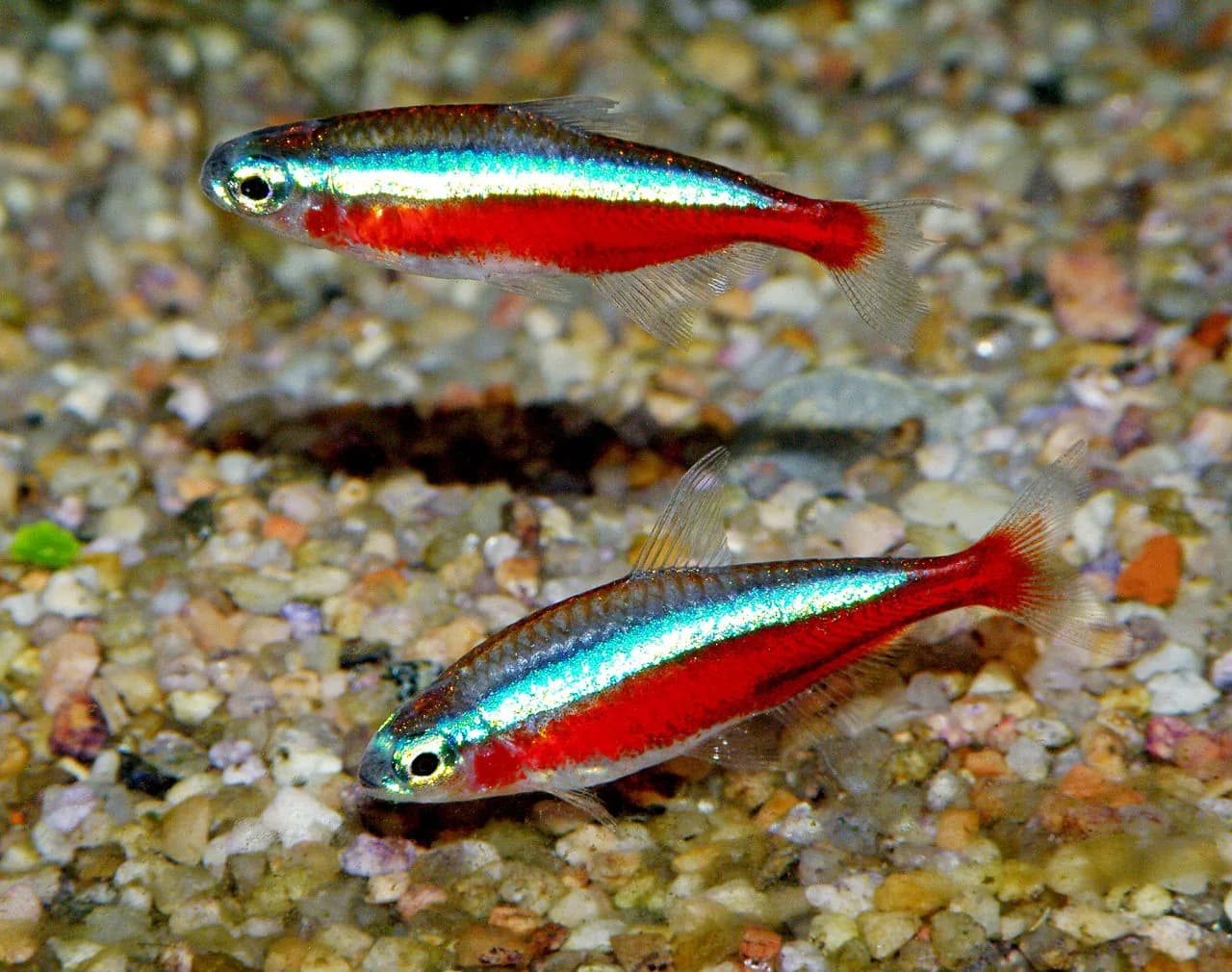
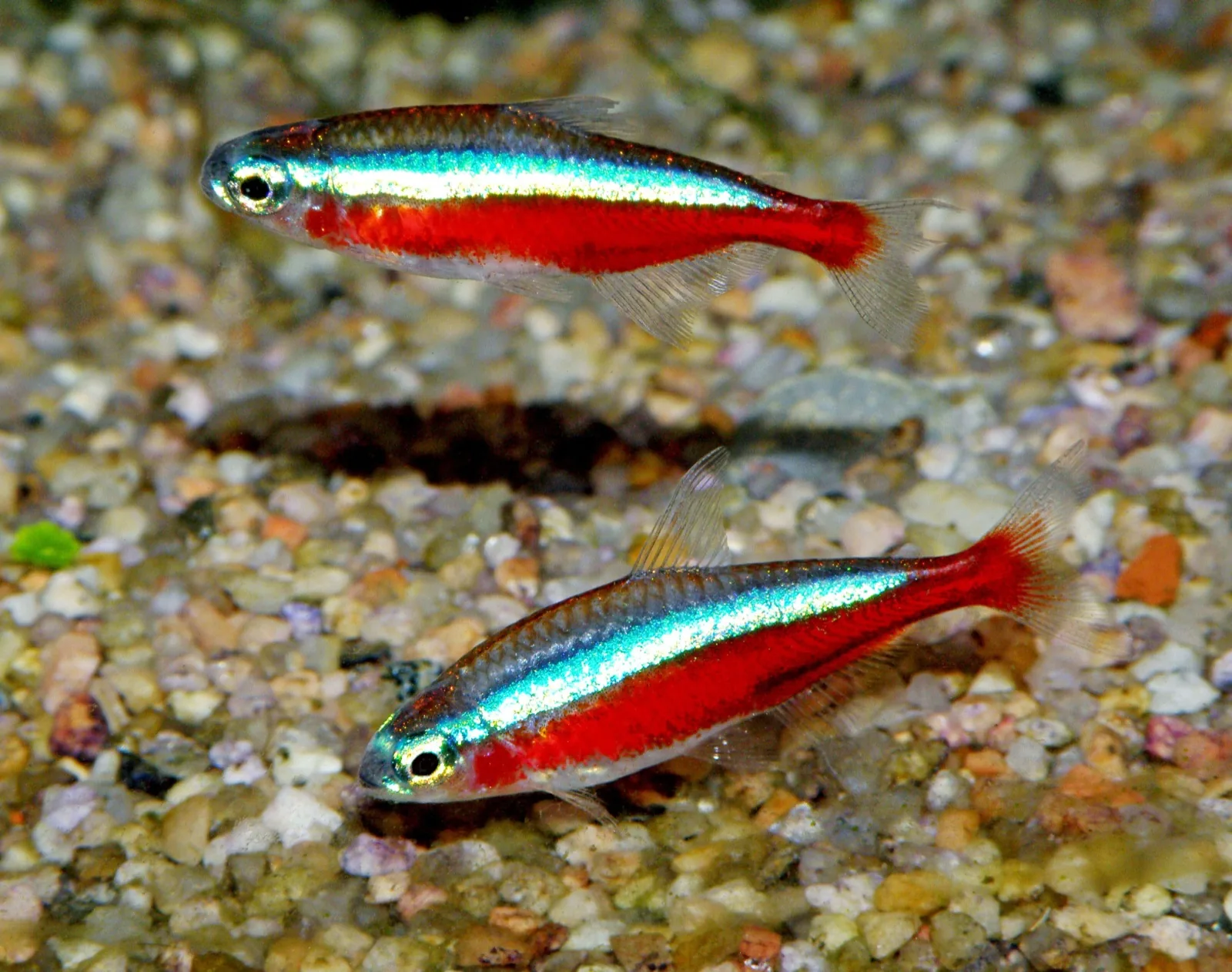
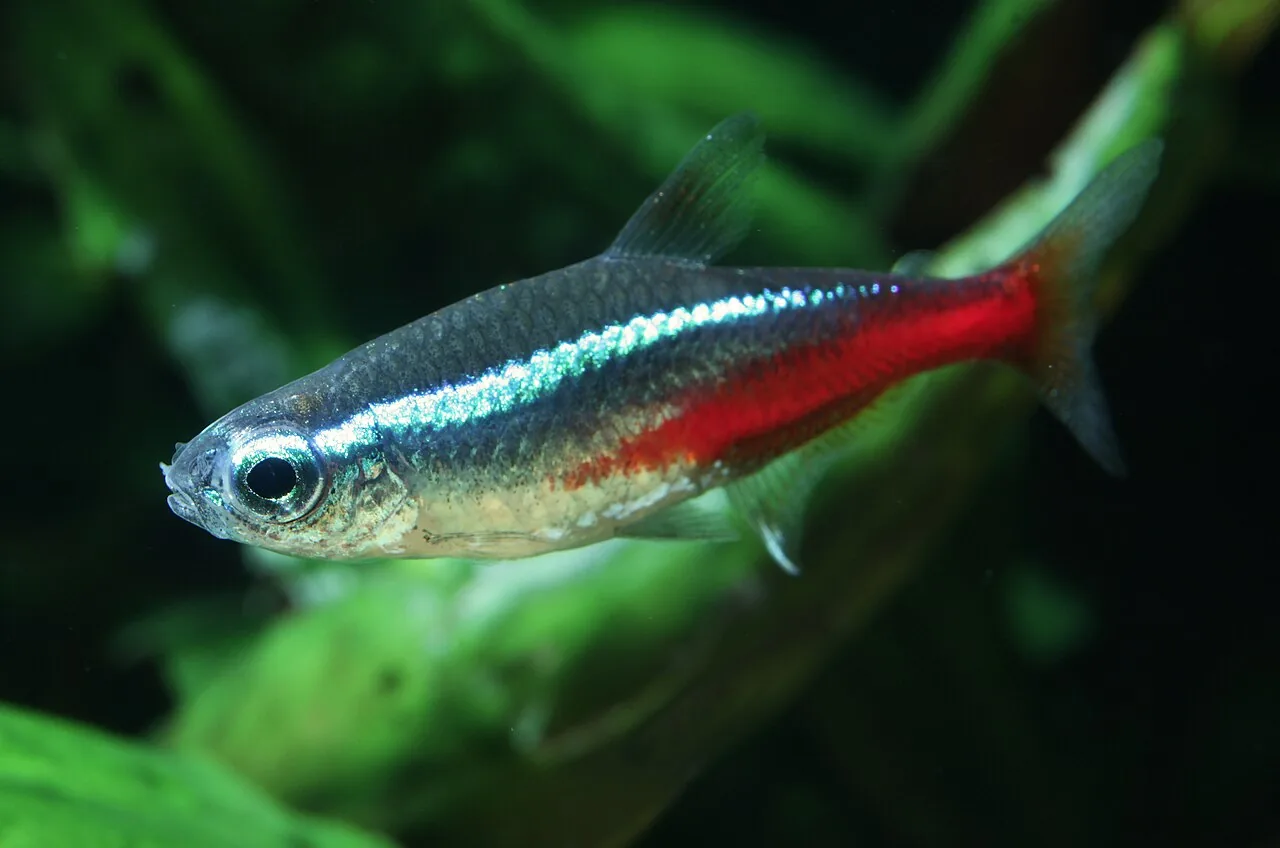
Cardinal Tetra (Paracheirodon axelrodi) reaches 4–5 cm as an adult and needs a minimum tank of 75 L. Native to Upper Orinoco and Rio Negro basins, it lives in the mid water column with a peaceful temperament. Aim for 23–27 °C, pH 4.5–6.5, and 1–6 dGH hardness. Lifespan is 4–6 years with good care. Keep cardinal tetra in groups of 8+, yes schoolers need numbers to display natural behaviour. Diet: omnivore, Micro pellets, frozen daphnia, baby brine shrimp, finely crushed flake. Plant-safe: Yes. Shrimp-safe: Mostly (may eat shrimplets).

Care at a glance
Brighter and slightly more demanding than the neon, prefers soft, warm, acidic water. Stunning in a dark-substrate Amazon biotope.
By Mike ElmiraUpdated 2 min read
Part of our complete guide to aquarium fish for the planted tank.
The parameters that decide whether cardinal tetra fits in your tank.
Mid
Yes
Group of 8+
Characidae
Omnivore
Micro pellets, frozen daphnia, baby brine shrimp, finely crushed flake.
4–6 yrs
Hard
Tannin-stained streams of the upper Rio Negro, Brazil
Upper Orinoco and Rio Negro basins
Tank-mate safety and the species this one is documented to thrive (or fail) alongside.
Corydoras (sterbai, pygmaeus), apistogrammas, German blue rams, hatchetfish, otocinclus.
Hard-water community fish (livebearers), aggressive tetras (serpae), angelfish (will eat them).
Hard-won lessons from the tank.
Stable RO water + remineraliser + tannins is the secret. Once acclimated to a proper blackwater tank, cardinals live 5+ years. If buying from a chain store, ask when they arrived — fish 'fresh in' have the worst survival; wait two weeks.
Species 'axelrodi' honours Herbert R. Axelrod, the American ichthyologist and aquarium publisher.
What can go wrong and how to spot it.
Failure modes, in order of how dramatic the fix is.
More sensitive to swings than neons. Susceptible to ich during transport (cold-shocked fish). Less prone to NTD than neons but not immune.
Cardinals are NOT just 'better neons' — they're more demanding water-wise. A neon-tetra-easy tank will see cardinals die slowly over months. Match the water to the fish.
The practical routine, read top to bottom.
Same as neons but warmer (24–27 °C) and softer/more acidic. Catappa leaves and alder cones are practically required. Co-stock with similar blackwater species.
4 weeks. They ship stressed — give them dim, quiet QT with tannins and minimal handling.
Where it comes from, how it behaves, and the variants you'll see at retail.
Where it lived before it came home.
Upper Rio Negro and Orinoco basins (Venezuela, Colombia, Brazil). Extremely soft, acidic blackwater (pH down to 4.0, conductivity <30 μS/cm). Dense leaf litter and submerged tree roots.
Small crustaceans, fallen ants and other terrestrial insects, biofilm.
Project Piaba (Brazil) is one of aquarium's success stories — wild harvest funds rainforest preservation. Buy 'wild Brazil' cardinals when possible.
How they pair, reproduce, and grow.
Females are visibly fuller-bodied when in spawning condition. Males slimmer with slightly more vivid red. Often difficult to sex with confidence outside breeding condition.
Notoriously difficult in home tanks — needs very soft (~1 dGH), pH 4.5–5.5, tannin-stained water, very dim lighting, and meticulous parameter stability. Egg scatterers. Most cardinals in the trade are still wild-caught from Brazil's Project Piaba sustainable fishery.
The named cultivars and the lookalikes worth flagging.
Wild type. No widely accepted cultivars.
Direct answers to the questions search engines and AI assistants surface most often about this species.
Cardinal Tetra (Paracheirodon axelrodi) needs a minimum tank of 75 L. They live in the mid water column and should be kept in groups of 8+, so a longer footprint matters more than depth.
Target 23–27 °C, pH 4.5–6.5, and 1–6 dGH hardness. Acclimate slowly when moving them between water sources.
Shrimp safety: Mostly (may eat shrimplets). Plant safety: Yes.
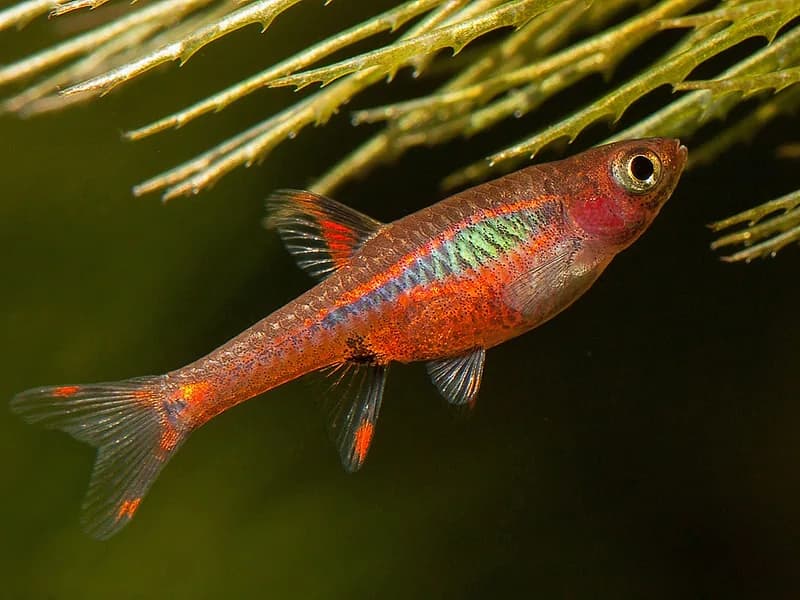
Cardinal Tetra are omnivore. Micro pellets, frozen daphnia, baby brine shrimp, finely crushed flake.
On Fin & Stem's 1–5 difficulty scale this species rates 3/5. Intermediate, stable parameters and a mature tank matter. Breeding difficulty: hard.
Typical lifespan in a well-maintained tank is 4–6 years.
A planted tank is a system. Pair this fish with one entry from each other pillar to plan the whole scape.