Care at a glance
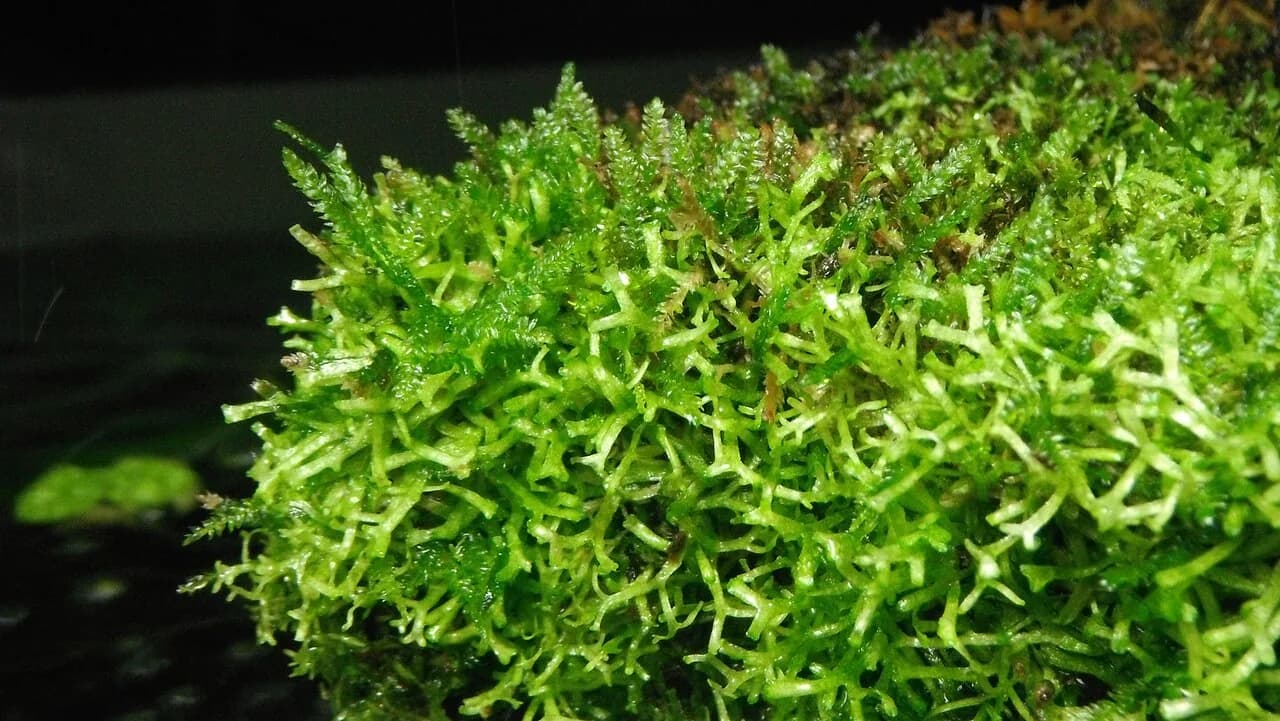
The default beginner moss. Tolerates almost anything but messy when left untrimmed. The shrimplet nursery of choice, dense fronds trap food and biofilm.
Updated 2 min read
Part of our complete guide to aquatic mosses.

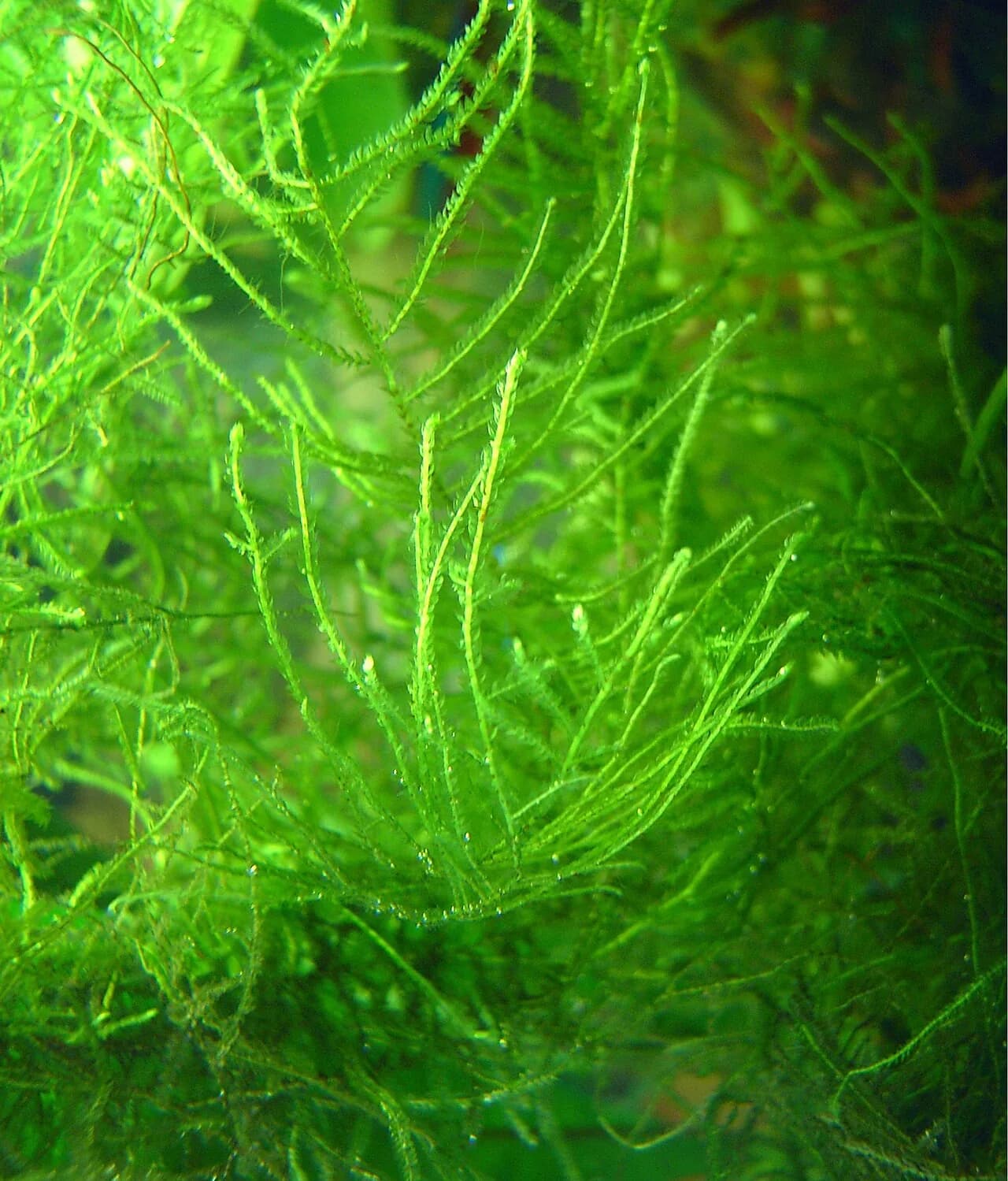
Taxiphyllum barbieri
The default beginner moss. Tolerates almost anything but messy when left untrimmed. The shrimplet nursery of choice, dense fronds trap food and biofilm.
Java Moss (Taxiphyllum barbieri) is a moss aquatic moss native to Southeast Asia. Light: low to medium. CO₂: none to optional. Growth rate: fast. Target 18–30 °C and pH 5.5–8.0. Attach via wood, stone, mesh, free-floating. Typical use: general use, walls, trees, caves, shrimp tanks. Trimming: Every 2–4 weeks once established
Care at a glance
The default beginner moss. Tolerates almost anything but messy when left untrimmed. The shrimplet nursery of choice, dense fronds trap food and biofilm.
Updated 2 min read
Part of our complete guide to aquatic mosses.
The parameters that decide whether java moss fits in your tank.
Hypnaceae
Moss
Wood, stone, mesh, free-floating
General use, walls, trees, caves, shrimp tanks
Every 2–4 weeks once established
Tropical stream margins and waterfalls of Southeast Asia
Southeast Asia
Tank-mate safety and the species this one is documented to thrive (or fail) alongside.
Weighing it against something similar? Compare Java Moss head to head:
Hard-won lessons from the tank.
The ultimate beginner moss. Excellent shrimp nursery — dense fronds trap biofilm for shrimplets. Don't overthink placement; tie a small layer to wood, walk away, return in 2 months to a lush carpet. Trim hard every 6–8 weeks to prevent the inner core from dying and detaching.
What can go wrong and how to spot it.
Failure modes, in order of how dramatic the fix is.
Hair algae and BBA stick to old fronds. Solution: trim back hard rather than try to clean — moss regenerates fast.
1) Tying it too thick — inner layer dies from no light. 2) Confusing it with Christmas moss when buying. 3) Letting it grow unchecked into floating mats.
The practical routine, read top to bottom.
Wrap loosely around wood/stone with cotton thread or fishing line. Press a thin layer rather than a thick clump — light penetration matters. Within 4–8 weeks it attaches via rhizoids and the thread can be cut.
Tolerates almost any aquarium condition. Higher light = denser growth.
Where it comes from, how it behaves, and the variants you'll see at retail.
Where it lived before it came home.
See where the Java Moss and every other species comes from on the species world map.
Streams and humid environments across Southeast Asia. Often growing on submerged wood, rocks, or as a creeping mat.
Grows above water with smaller, slightly darker fronds. Easily transitions both ways.
The named cultivars and the lookalikes worth flagging.
No formal cultivars. Visible variation in shipped 'Java moss' is largely due to growing conditions and possibly mixed species.
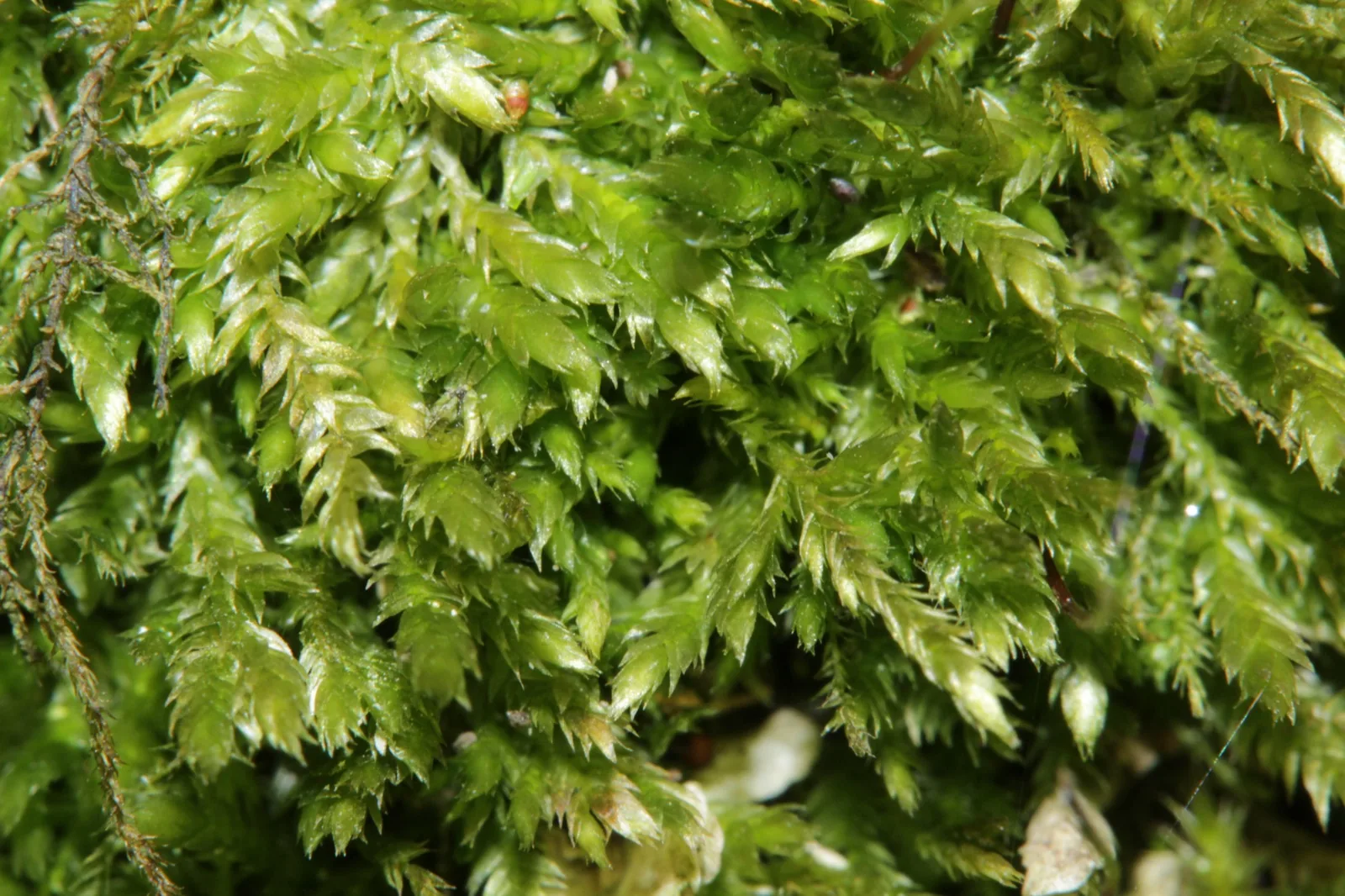
True Taxiphyllum barbieri is what most aquarists call 'Java moss'. Many retailers sell Vesicularia dubyana under the same name. Both look similar; T. barbieri is the more common true Java.
Vesicularia dubyana (sometimes called 'Singapore moss' or sold as 'Java moss'). Different genus, similar appearance and care.
Direct answers to the questions search engines and AI assistants surface most often about this species.
Attachment: Wood, stone, mesh, free-floating Typical aquascaping use: General use, walls, trees, caves, shrimp tanks
CO₂: none to optional. Light: low to medium. Growth rate: fast.
Java Moss (Taxiphyllum barbieri) tolerates 18–30 °C and pH 5.5–8.0. Flow: low to high.
Every 2–4 weeks once established
Difficulty: 1/5. Almost unkillable, a solid first-tank choice.
A planted tank is a system. Pair this moss with one entry from each other pillar to plan the whole scape.