Care at a glance
Grows straight up in twisting columns, a distinctive look. Sensitive to high temperatures; struggles above 26 °C long-term.
Updated 1 min read
Part of our complete guide to aquatic mosses.

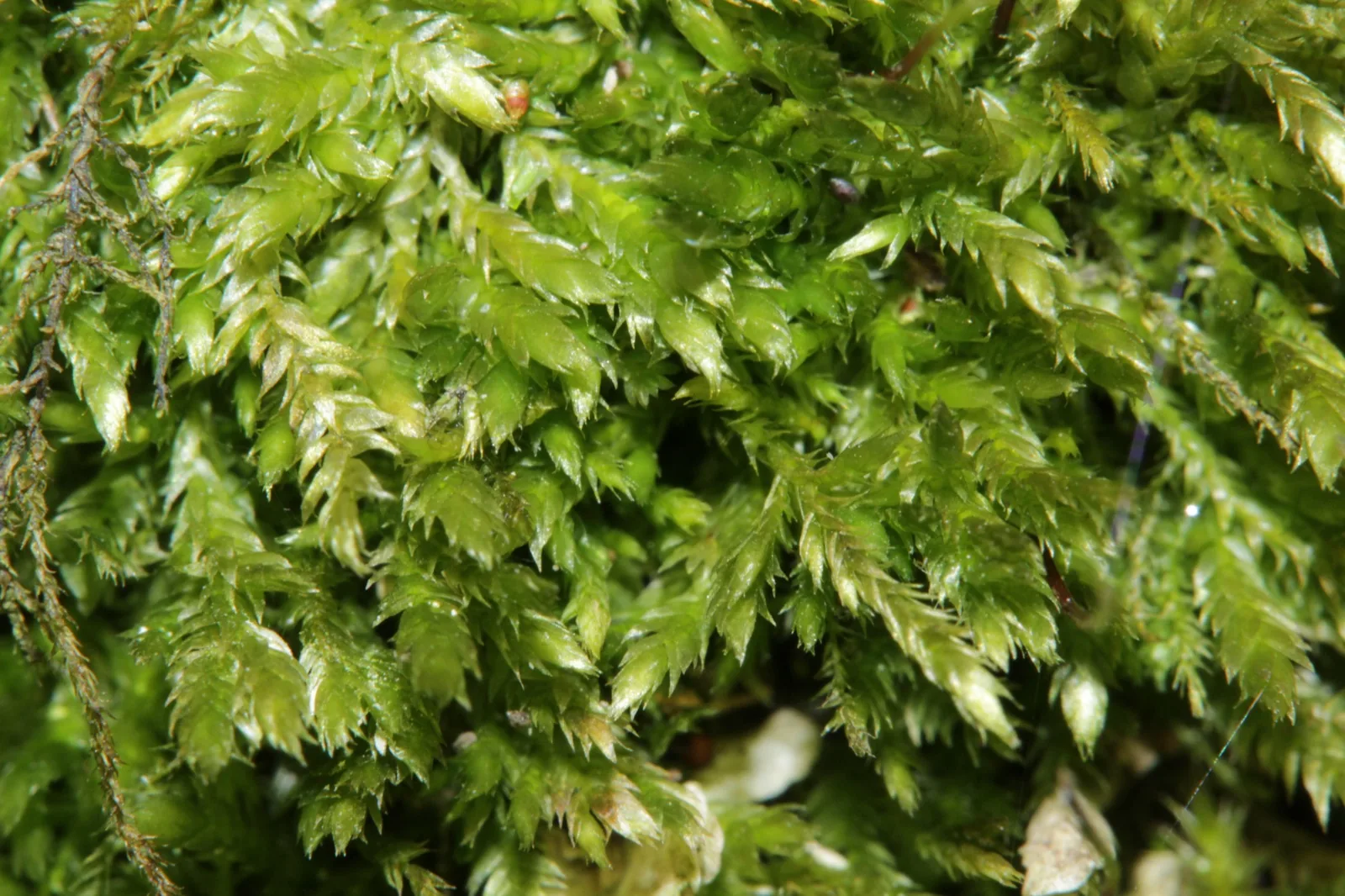
Taxiphyllum 'Flame'
Grows straight up in twisting columns, a distinctive look. Sensitive to high temperatures; struggles above 26 °C long-term.
Flame Moss (Taxiphyllum 'Flame') is a moss aquatic moss native to Asia. Light: medium. CO₂: recommended. Growth rate: slow to medium. Target 20–26 °C and pH 5.5–7.5. Attach via wood, stone, grows vertically. Typical use: tall, flame-like accents on driftwood. Trimming: Trim sides to keep the upward 'flame' shape
Care at a glance
Grows straight up in twisting columns, a distinctive look. Sensitive to high temperatures; struggles above 26 °C long-term.
Updated 1 min read
Part of our complete guide to aquatic mosses.
The parameters that decide whether flame moss fits in your tank.
Hypnaceae
Moss
Wood, stone, grows vertically
Tall, flame-like accents on driftwood
Trim sides to keep the upward 'flame' shape
Damp shaded banks of Southeast Asian streams
Asia
Tank-mate safety and the species this one is documented to thrive (or fail) alongside.
Weighing it against something similar? Compare Flame Moss head to head:
Hard-won lessons from the tank.
Outstanding background or 'underwater grass' effect. Plant 3–5 small clumps spaced 4 cm apart at the rear of the tank — they grow upward to form columns. Trim sides only; never the top, or you lose the flame.
What can go wrong and how to spot it.
Failure modes, in order of how dramatic the fix is.
Algae attaches less than other mosses due to its upright structure exposing less surface to the water column.
1) Keeping it too warm — it suffers above 26 °C long-term. 2) Trimming the top — destroys the flame shape. 3) Tying flat — won't develop upright habit.
The practical routine, read top to bottom.
Attach to vertical surfaces or in tight clumps at the base — upright growth shows best from a small base.
Sensitive to high temperatures (>26 °C stunts and yellows it). Medium-high light maintains intense colour and upright habit.
Where it comes from, how it behaves, and the variants you'll see at retail.
Where it lived before it came home.
Streams across tropical Asia.
Less commonly grown emersed — upright habit is mostly submerged.
The named cultivars and the lookalikes worth flagging.
Only the 'Flame' selection — no further cultivars.
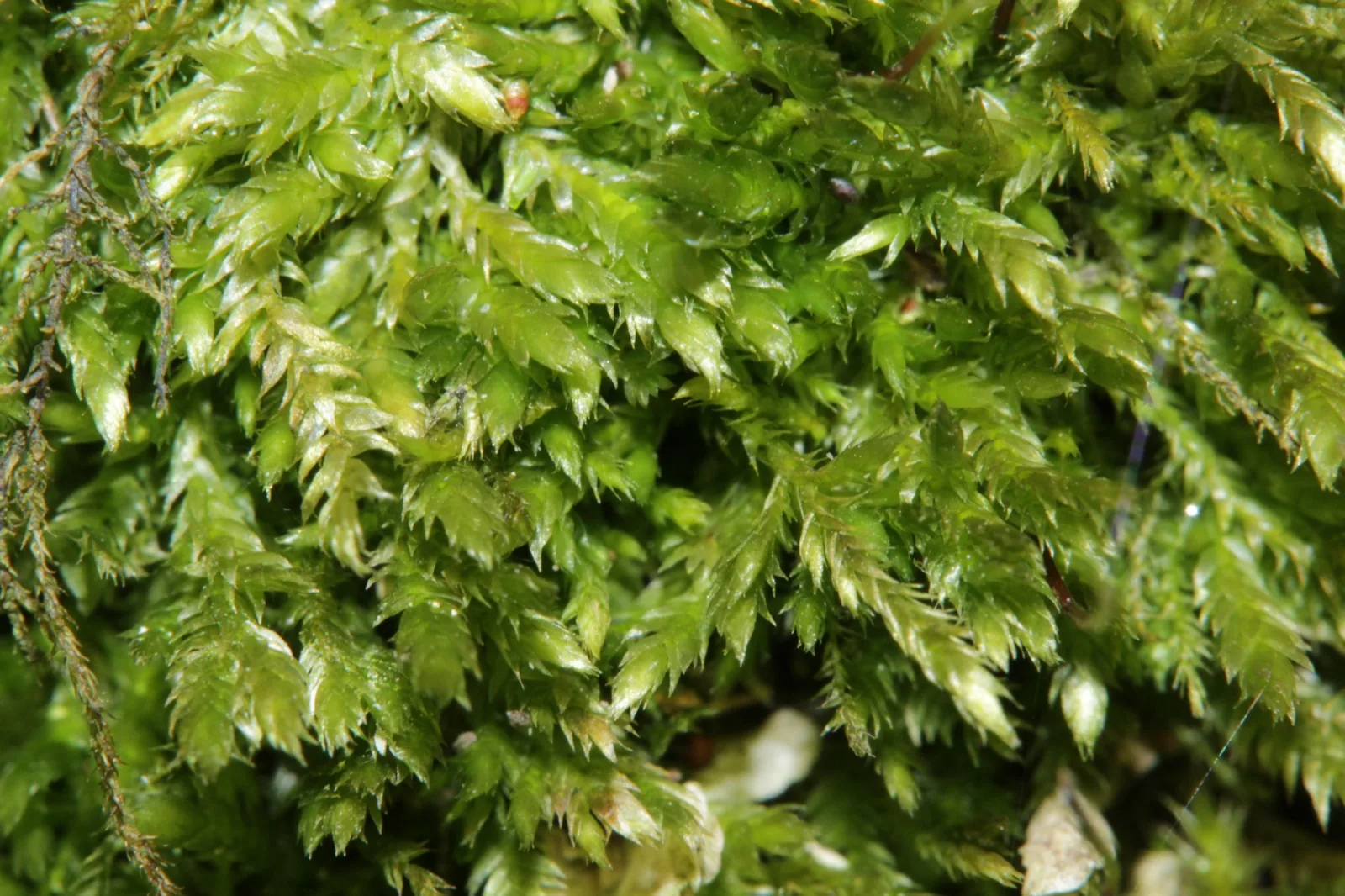
Unique upright twisting growth — fronds spiral upward in flame-shaped columns.
Peacock Moss, Spiky Moss — all Taxiphyllum cultivars.
Direct answers to the questions search engines and AI assistants surface most often about this species.
Attachment: Wood, stone, grows vertically Typical aquascaping use: Tall, flame-like accents on driftwood
CO₂: recommended. Light: medium. Growth rate: slow to medium.
Flame Moss (Taxiphyllum 'Flame') tolerates 20–26 °C and pH 5.5–7.5. Flow: medium.
Trim sides to keep the upward 'flame' shape
Difficulty: 3/5. Intermediate, stable parameters and a mature tank matter.
A planted tank is a system. Pair this moss with one entry from each other pillar to plan the whole scape.