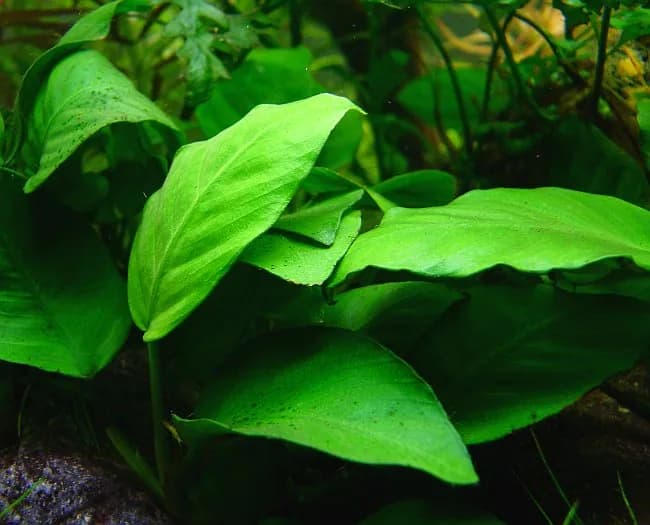
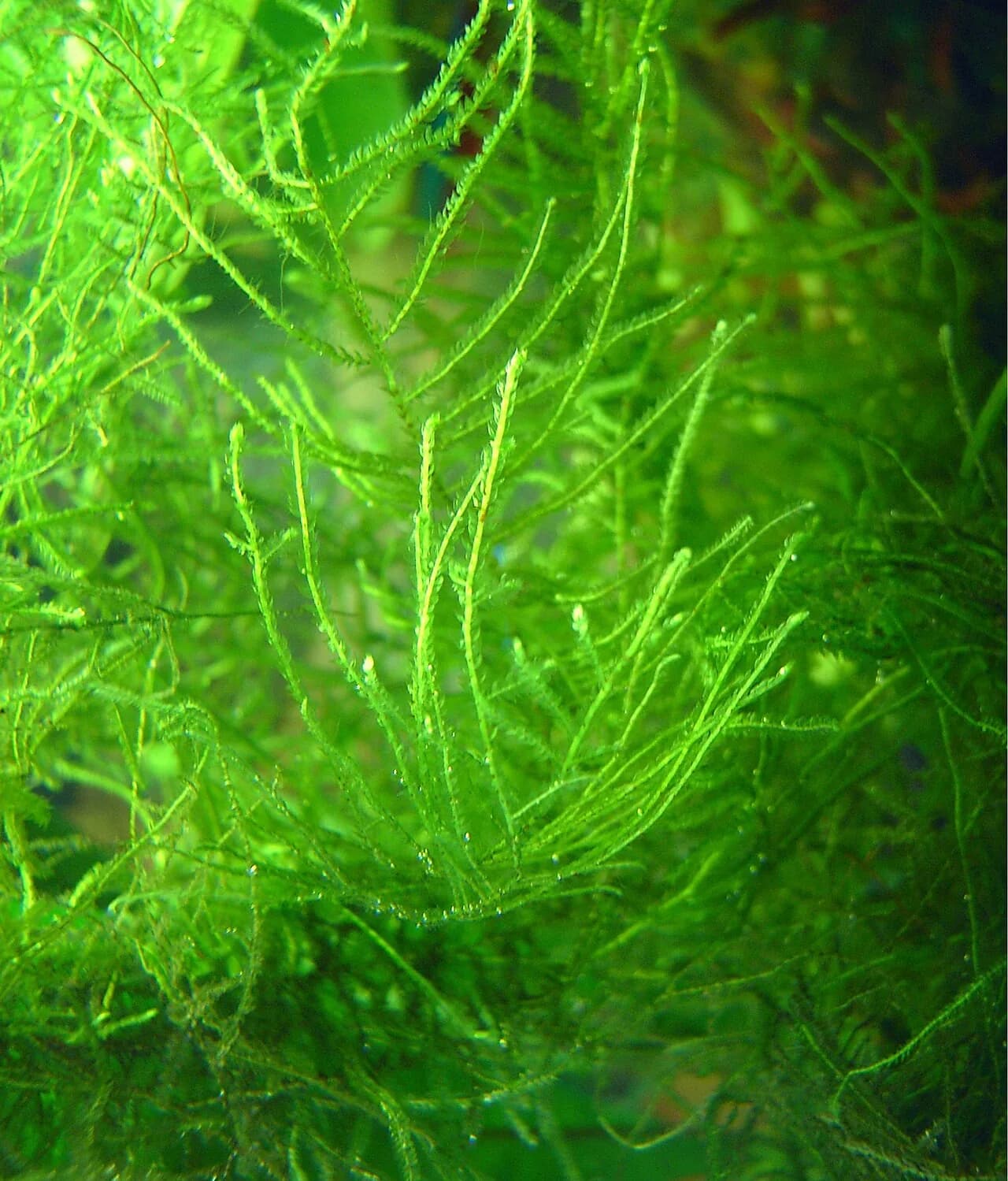
Fin & Stem logo
Red Cherry Shrimp (Neocaridina davidi)
Shrimp

Red Cherry Shrimp

Neocaridina davidi

Taiwan (selectively bred)Beginner

TL;DR, Red Cherry Shrimp

The perfect beginner shrimp. Stable parameters matter more than perfect numbers. Calcium for moulting (cuttlebone, GH+, mineral stones) is essential.

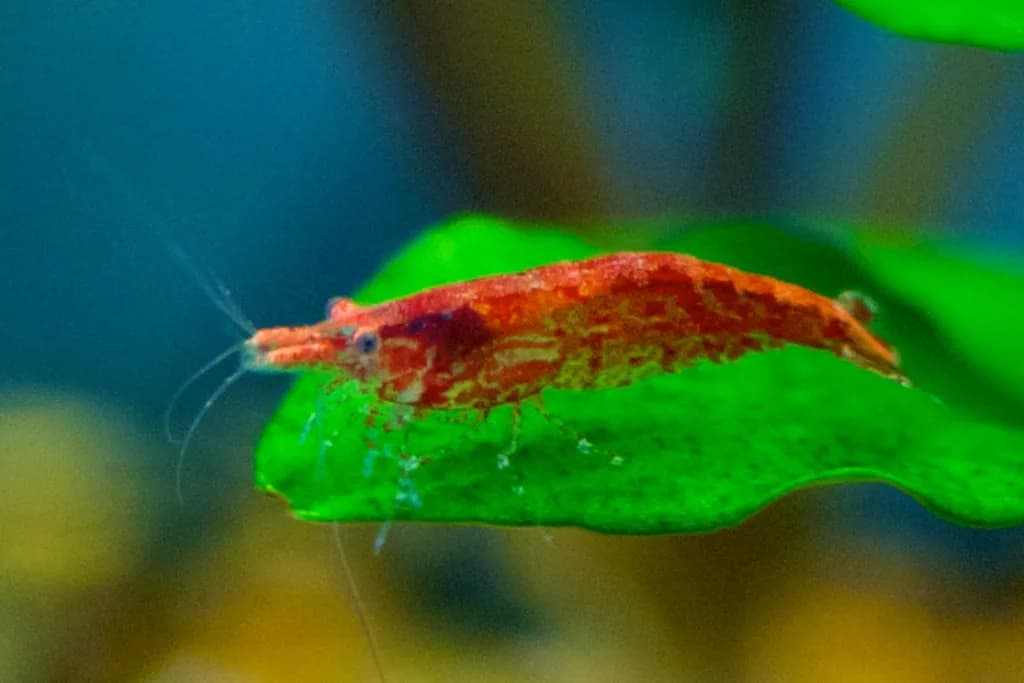
Red Cherry Shrimp (Neocaridina davidi) reaches 2.5–3 cm and needs a minimum tank of 20 L with a colony of 10+. Native to Taiwan (selectively bred). Aim for 18–28 °C, pH 6.5–8.0, 6–15 dGH, and 150–250 ppm TDS. Lifespan: 1.5 years. Breeding: very easy, colony breeds without intervention. Diet: omnivore / detritivore, Biofilm, algae, blanched veg, sinking pellets, calcium-rich food for shell. Plant-safe: Yes. Tank-mates: Nano fish only, chili rasbora, ember tetra, otocinclus.

  • Colony10+
  • Plant-safeYes
  • Tank-mate safeNano fish only, chili rasbora, ember tetra, otocinclus

Care at a glance

The perfect beginner shrimp. Stable parameters matter more than perfect numbers. Calcium for moulting (cuttlebone, GH+, mineral stones) is essential.

By Updated 2 min read

Part of our complete freshwater shrimp guide.

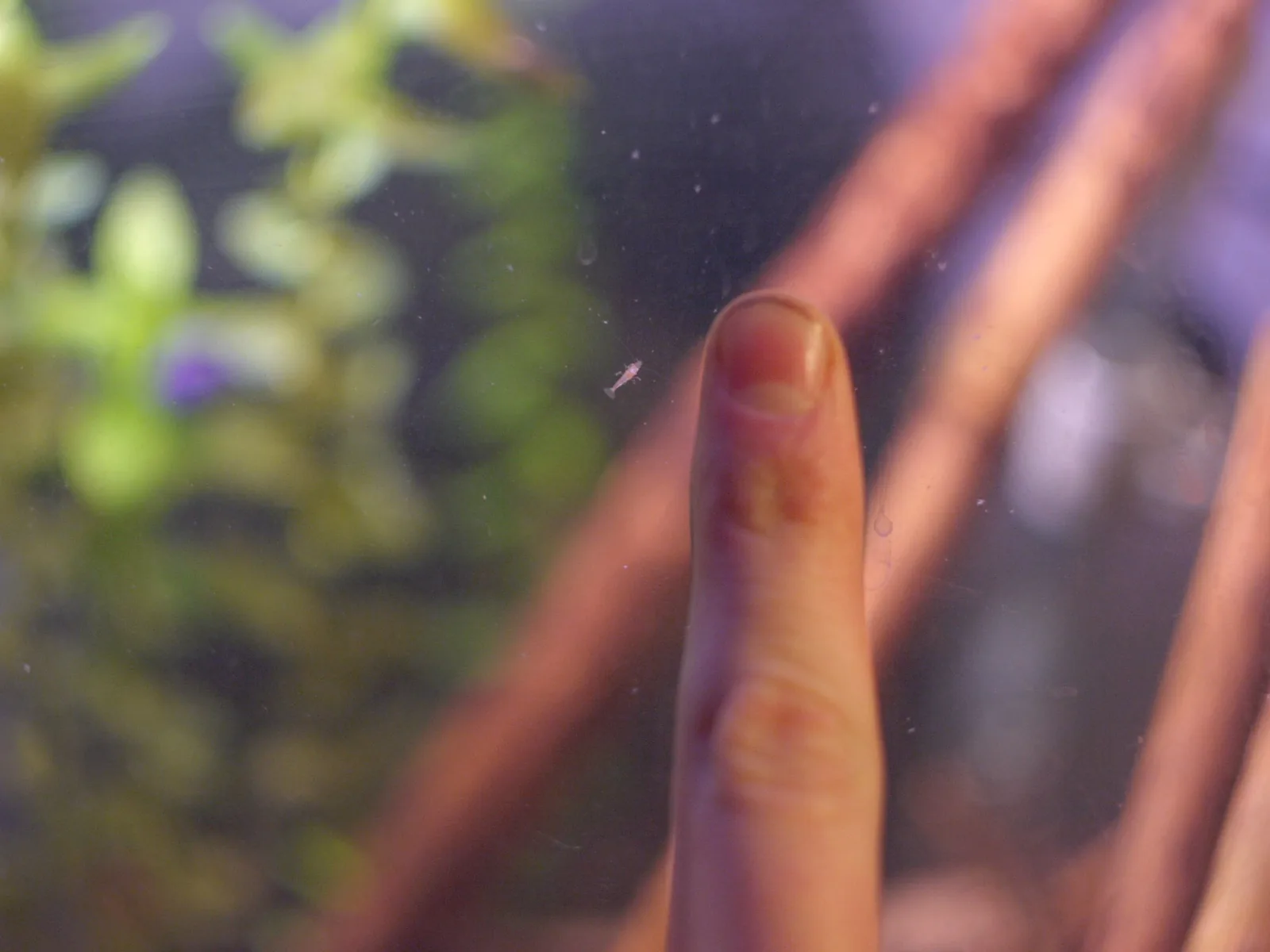
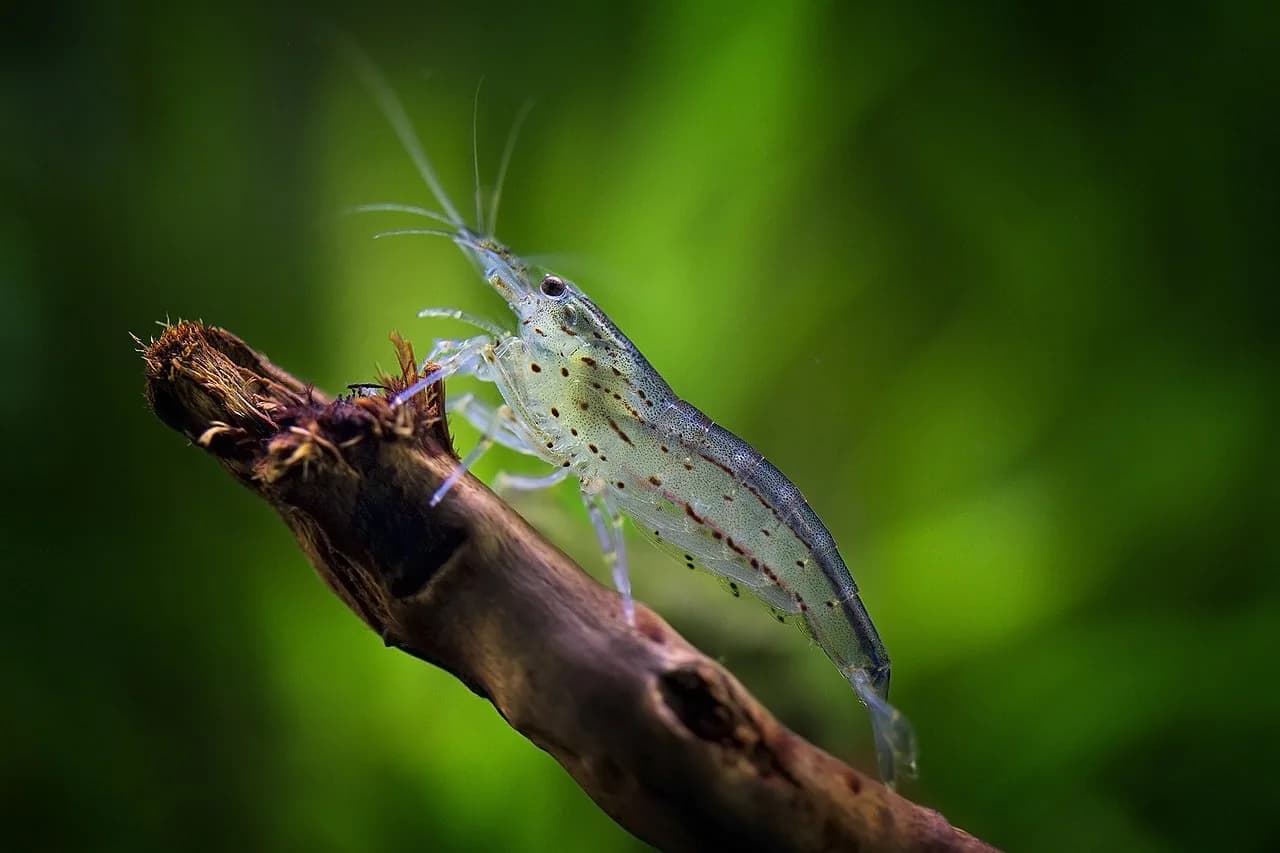
Red Cherry Shrimp (Neocaridina davidi)
TheJammingYam ( talk ) · CC BY-SA 3.0Source
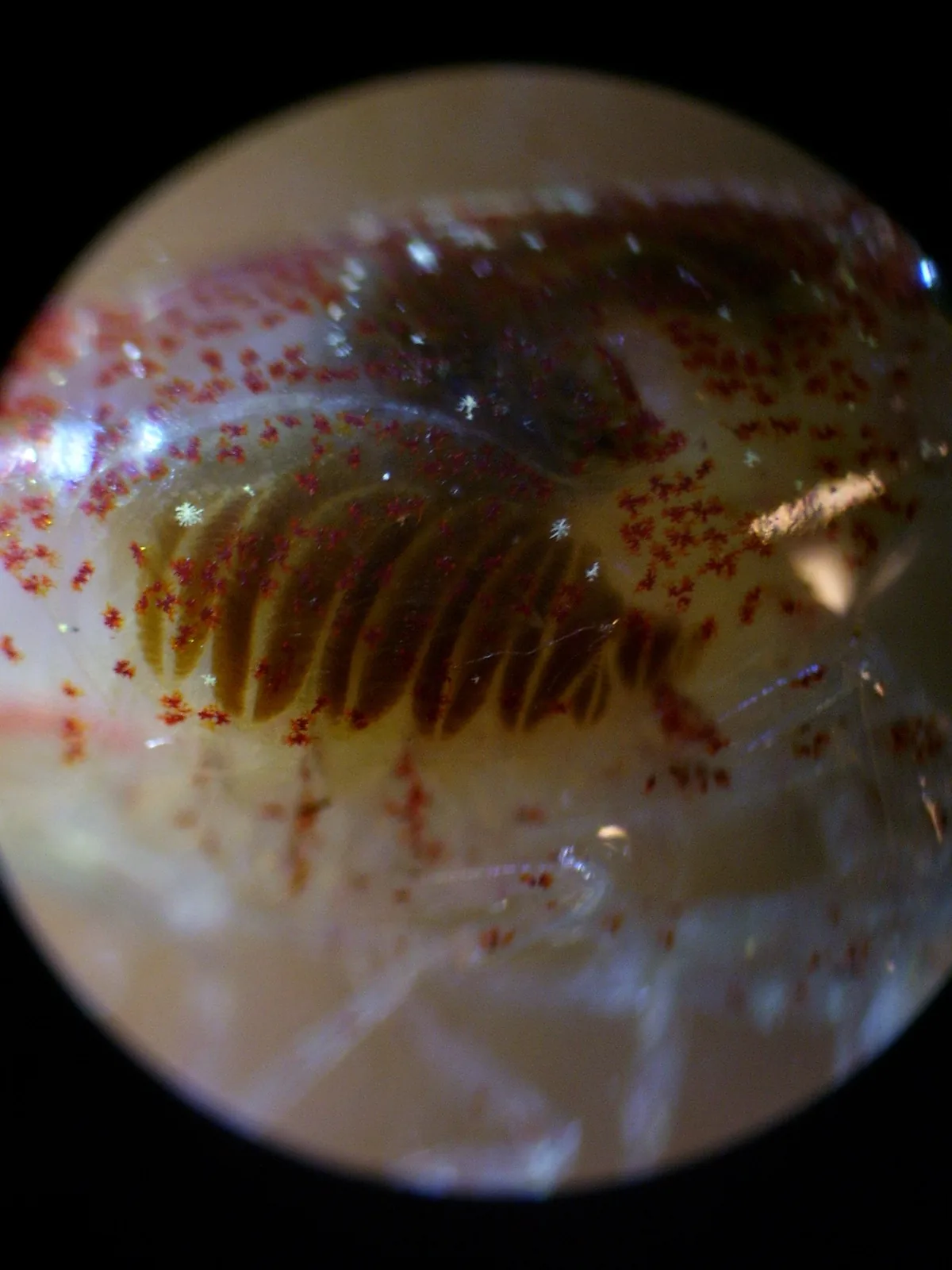
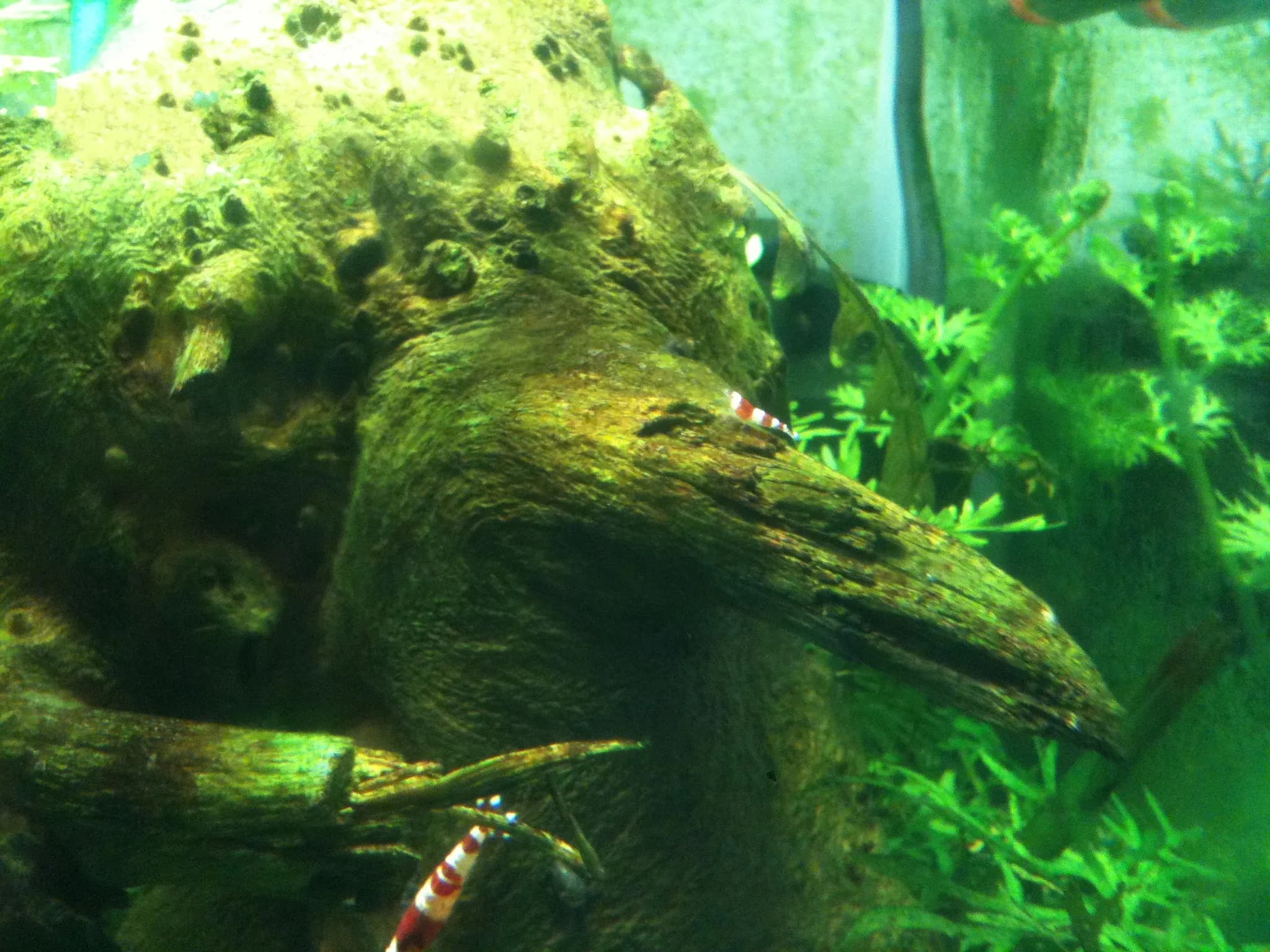
Red Cherry Shrimp (Neocaridina davidi)
Sean Murray from Edinburgh, Scotland · CC BY-SA 2.0Source
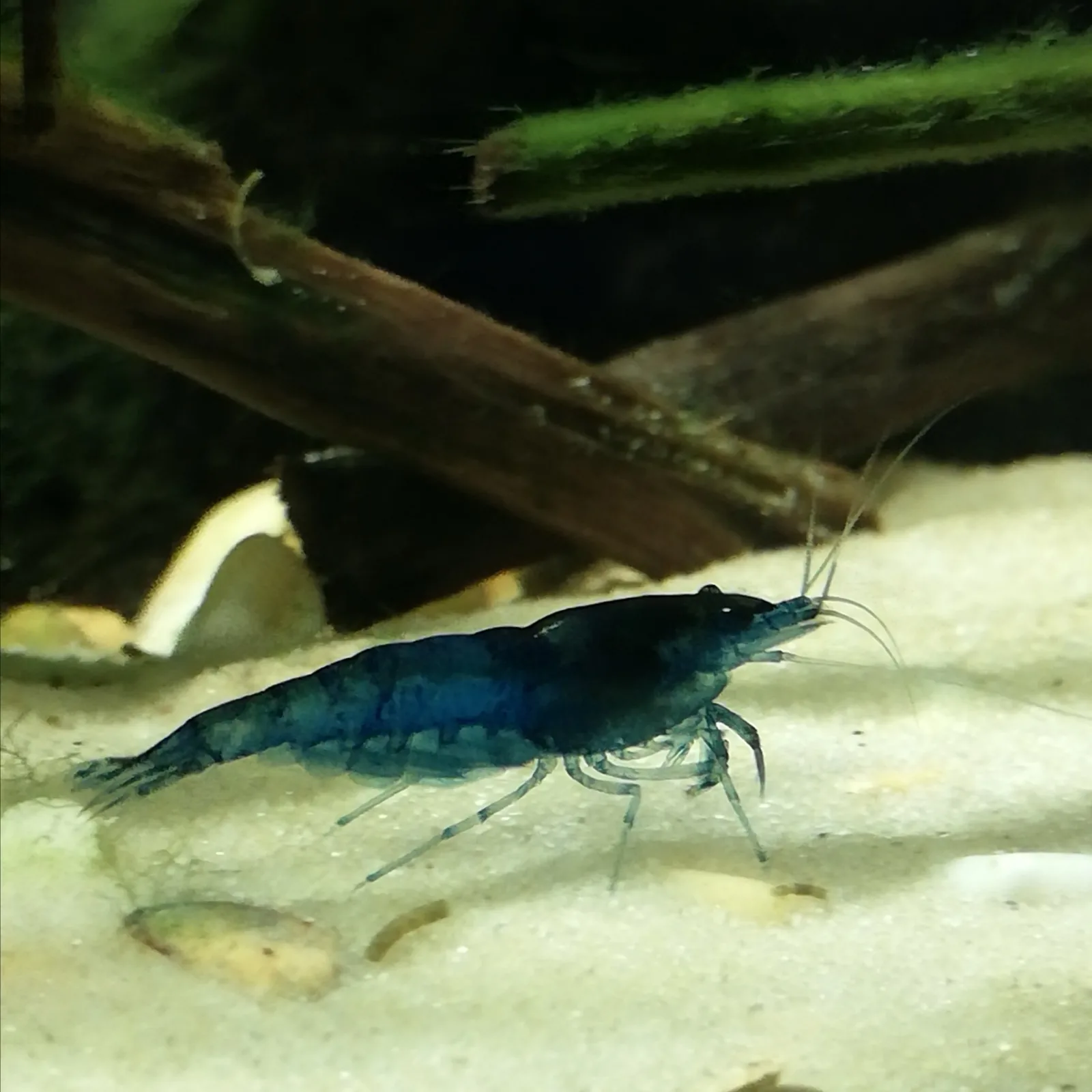
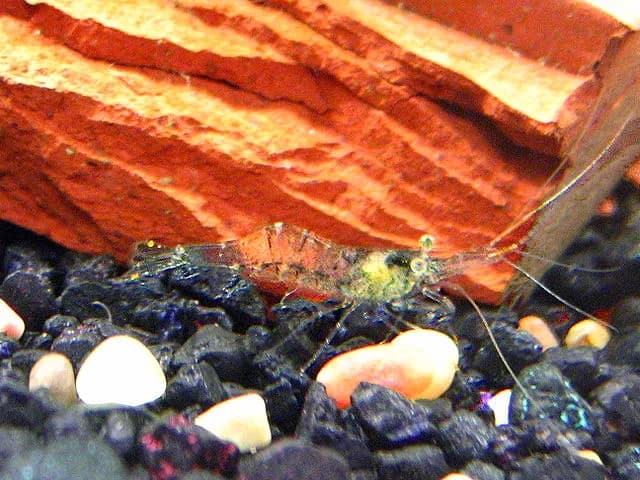
Red Cherry Shrimp (Neocaridina davidi)
J C D · CC BY 3.0Source
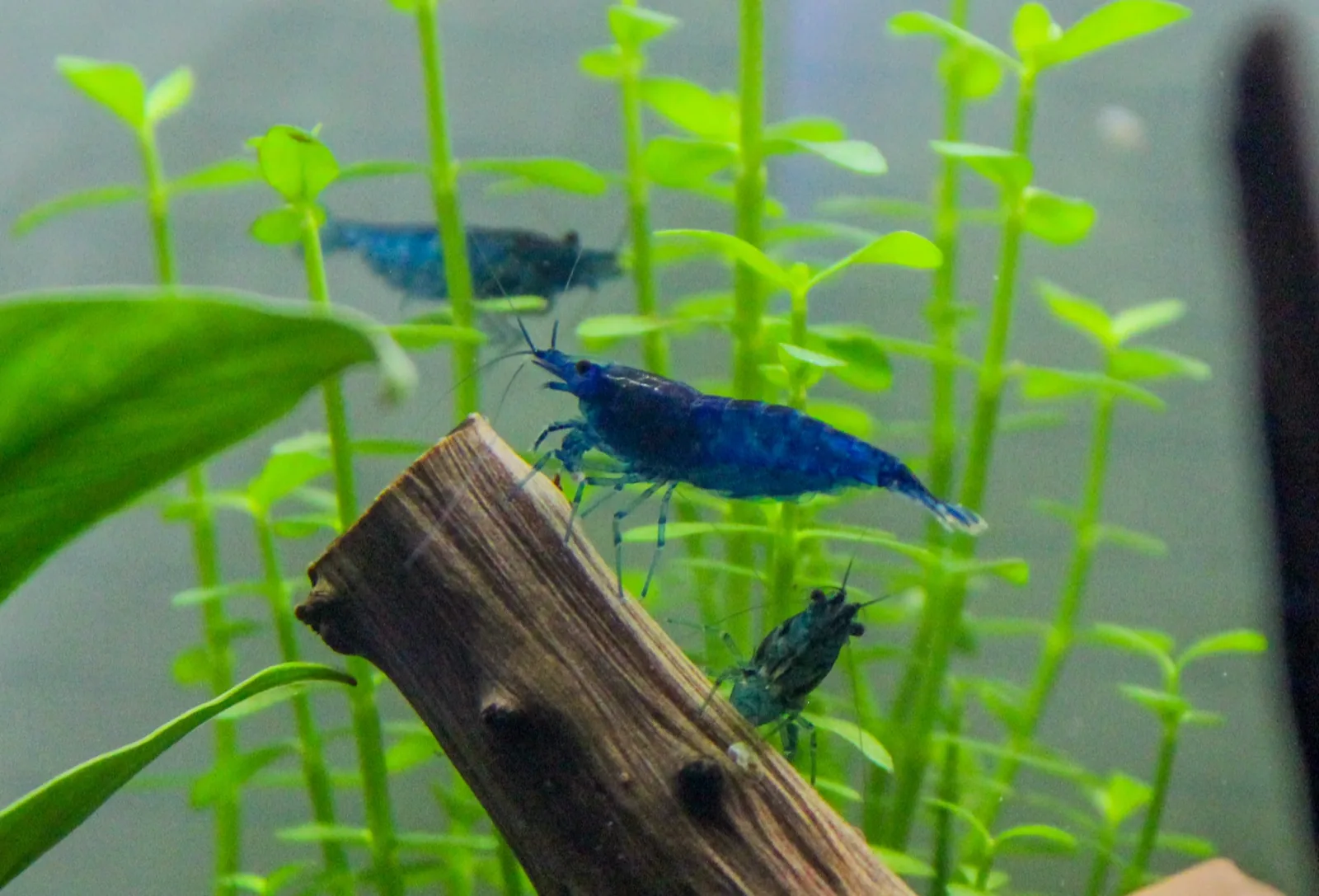
Red Cherry Shrimp (Neocaridina davidi)
Roth 1312 · CC BY 4.0Source
Red Cherry Shrimp (Neocaridina davidi)
TonyZimbinski · CC BY-SA 4.0Source

Hero photo by TheJammingYam ( talk ) · CC BY-SA 3.0 · Wikipedia

Tank fit

The parameters that decide whether red cherry shrimp fits in your tank.

Parameters

Temperature18–28 °C
15 °C20 °C25 °C30 °C
pH6.5–8.0
4.05.06.07.08.0
Hardness6–15 dGH
0 dGH5 dGH10 dGH15 dGH20 dGH25 dGH
Adult size2.5–3 cm
035810
TDS150–250 ppm
50 ppm150 ppm250 ppm350 ppm500 ppm
FlowLow to Medium
Still
Low
Medium
High
V. high

Profile

Colony minimum

10+

Diet

Omnivore / detritivore

Biofilm, algae, blanched veg, sinking pellets, calcium-rich food for shell.

Clean-up crew
Strong
Breeding

Very easy, colony breeds without intervention

Lifespan

1.5 yrs

Habitat

Cool weedy streams of Taiwan and southern China

Taiwan (selectively bred)

Who it lives with

Tank-mate safety and the species this one is documented to thrive (or fail) alongside.

Good tank mates

Best species-only. With caution: chili rasboras, ember tetras, otocinclus, sparkling gouramis — these may eat tiny shrimplets but adults survive.

Avoid

ALL cichlids, all loaches, all bettas, larger tetras, anything carnivorous over 3 cm. Bigger Neocaridina colour morphs (will crossbreed and revert to wild).

See full compatibility cross-reference

Pro tips

Hard-won lessons from the tank.

Drip-acclimate over 2 hours minimum — shrimp die from rapid parameter shifts. NEVER use any copper-based medication in the tank — even residual copper from medicated fish foods kills shrimp. Cuttlebone in the tank slowly dissolves to provide calcium. Keep colonies pure (one colour morph per tank) — mixed Neocaridina lose colour within generations.

Things to watch for

What can go wrong and how to spot it.

Things to watch for

Failure modes, in order of how dramatic the fix is.

Health

Diseases

Vorticella (white fuzz at the rostrum tip) — treated with salt baths or commercial parasite treatments. Bacterial infections (cloudy white body) — usually fatal. Most issues come from copper poisoning (medications), pesticides, or unstable parameters.

Common mistakes

Common mistakes

1) Adding to an uncycled tank — ammonia kills them fast. 2) Copper in fish food or medications. 3) Skimping on hiding spots for shrimplets — they get eaten or stressed. 4) Mixing colour morphs and losing the colour line.

How to care for it

The practical routine, read top to bottom.

  1. Tank setup

    20 L+. Stable parameters matter more than perfect numbers. Cycle the tank fully (8+ weeks) before adding. Inert substrate (sand, gravel) or active soil — both work. Lots of moss for shrimplet hiding. Indian almond leaves provide biofilm and tannins. Sponge filter — never an intake without a guard or shrimplets get sucked in.

Background

Where it comes from, how it behaves, and the variants you'll see at retail.

Show background

In the wild

Where it lived before it came home.

Native rangeTaiwan
Origin · Taiwan (selectively bred)

Originally Taiwan/Vietnam, but the red-cherry strain is purely selectively bred. Wild Neocaridina davidi are mottled brown.

Behavior & breeding

How they pair, reproduce, and grow.

  1. Stage 1
    Telling them apart

    Sexing

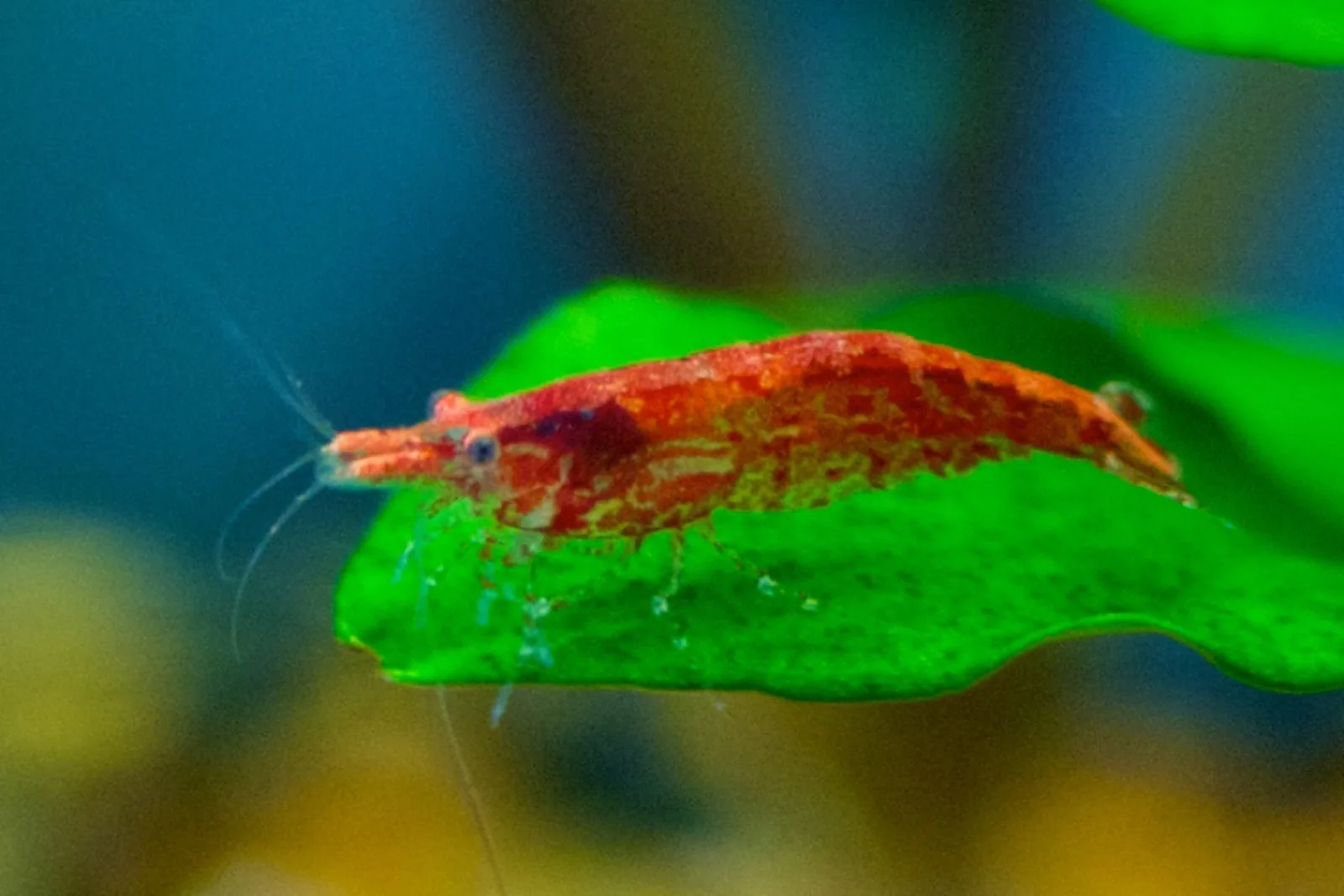
    Females are larger (up to 3 cm), deeper coloured, with a 'saddle' (yellow eggs visible through the carapace behind the head) and a curved underside (visible 'belly' for carrying eggs). Males are smaller, slimmer, paler.

  2. Stage 2
    Molting cycle

    Molting

    Every 3–6 weeks. Discarded exoskeletons (clear, intact) are normal — leave them in the tank for shrimp to eat (recovers calcium). Failed molts (stuck half-out) usually indicate calcium deficiency or stress.

  3. Stage 3
    Life stages

    Lifecycle

    Eggs (~20–30) carried by female under tail for 30 days. Tiny shrimplets emerge ready-to-go (no larval stage). Mature at 3 months. Average lifespan 1.5 years; with excellent care up to 2 years.

Variants & identification

The named cultivars and the lookalikes worth flagging.

Color grades / variants

Lowest to highest: Wild → Cherry (light red, transparent) → Sakura (deeper red, some transparency) → Fire Red (solid red body, clear legs) → Painted Fire Red (PFR — solid red including legs and antennae). Higher grades are more expensive and breed truer.

Frequently asked questions

Direct answers to the questions search engines and AI assistants surface most often about this species.

What tank size do Red Cherry Shrimp need?

Minimum tank: 20 L with a colony of 10+. Red Cherry Shrimp (Neocaridina davidi) reach 2.5–3 cm as adults.

What water parameters do Red Cherry Shrimp need?

Target 18–28 °C, pH 6.5–8.0, 6–15 dGH, and 150–250 ppm TDS. Mature, cycled, low-nitrate water is non-negotiable.

Are Red Cherry Shrimp safe with fish?

Tank-mate notes: Nano fish only, chili rasbora, ember tetra, otocinclus. Plant safety: Yes.
How do Red Cherry Shrimp breed?

Breeding: Very easy, colony breeds without intervention. In a stable colony of 10+ adults you will see berried females naturally once parameters and food are right.

What do Red Cherry Shrimp eat?

Diet: omnivore / detritivore, Biofilm, algae, blanched veg, sinking pellets, calcium-rich food for shell. Algae-eating rating: 4/5.

How long do Red Cherry Shrimp live?

Typical lifespan: 1.5 years.

Sources & further reading

Cross-references

Build the rest of the tank.

A planted tank is a system. Pair this shrimp with one entry from each other pillar to plan the whole scape.