Plants
68 species profiled, beginner Anubias and Java Fern through Cryptocoryne, sword plants, carpets, high-tech stems, bulbs and floaters. Light, CO₂, substrate, and propagation in one place. Filter by what your tank can support.
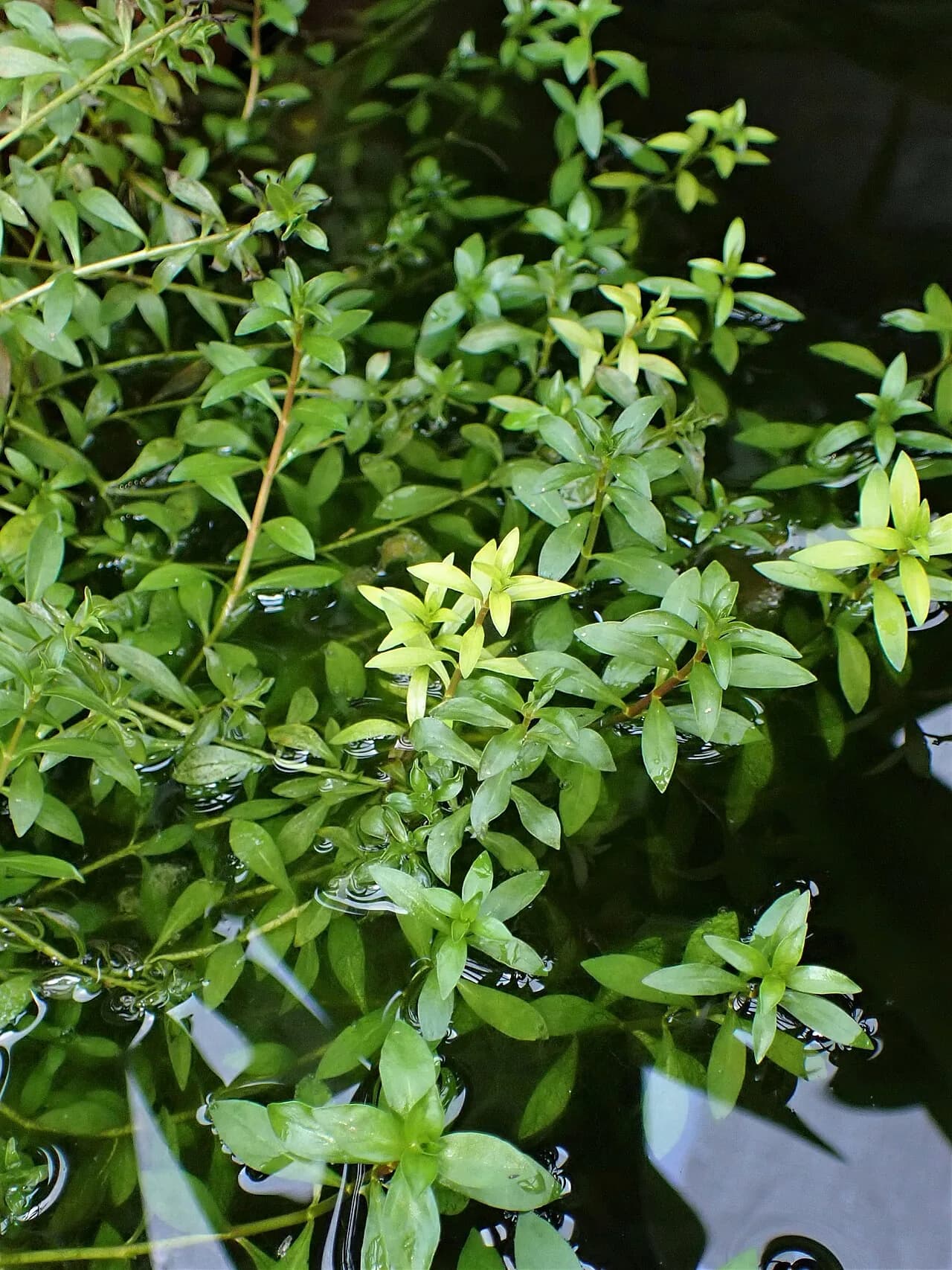
Photo: Jerry Wang· Unsplash
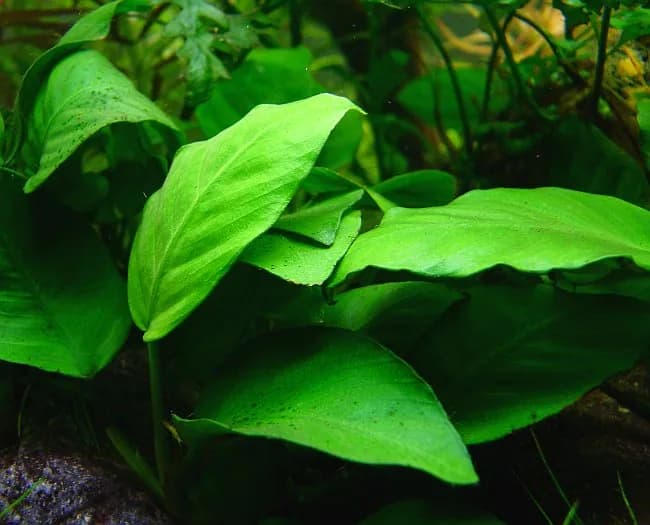
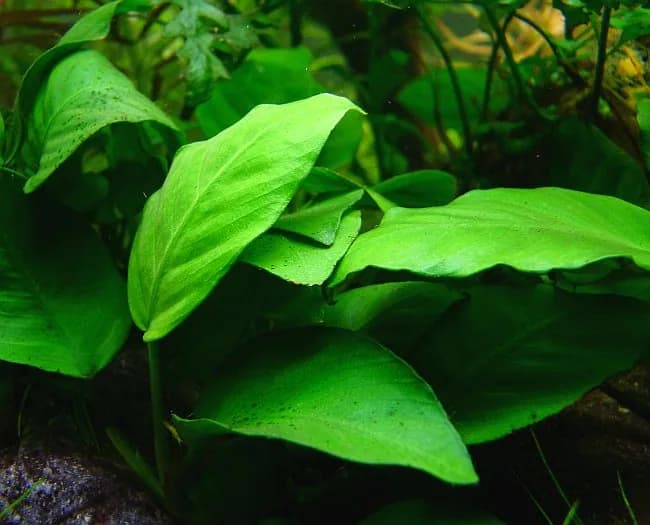
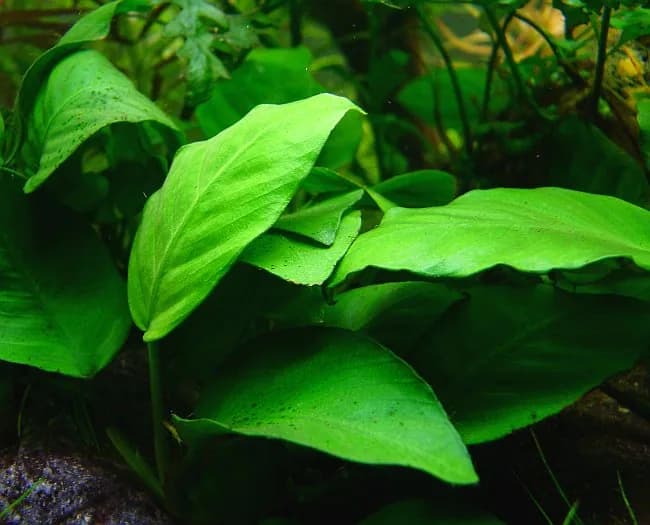
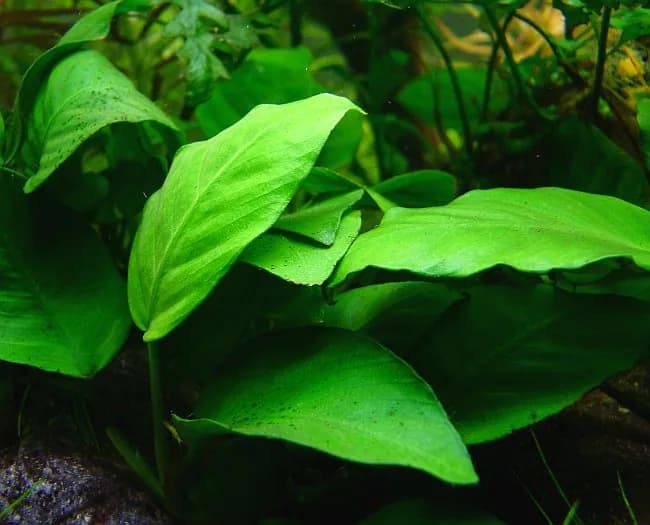
Anubias barteri var. nana
Almost impossible to kill. Tie or glue to hardscape, never bury the rhizome. Susceptible to Anubias rot if rhizome is damaged; trim brown leaves at the base.
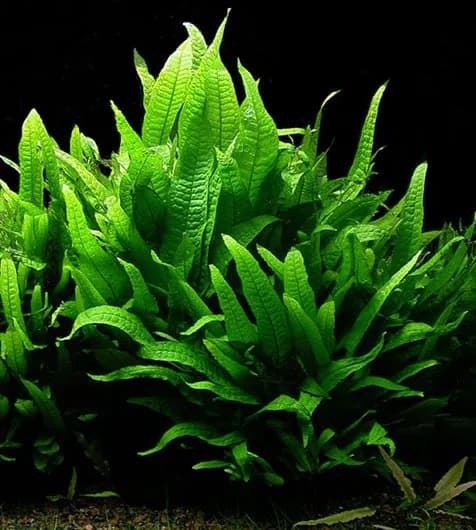
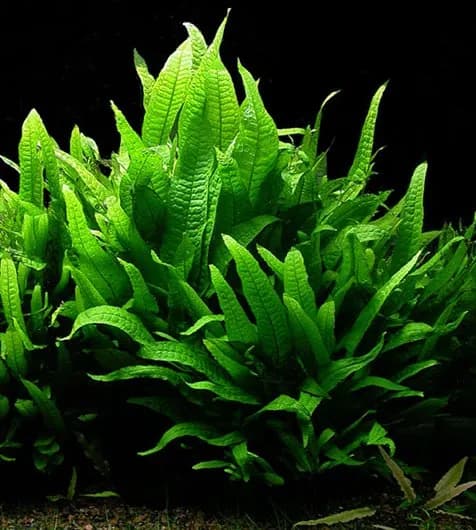
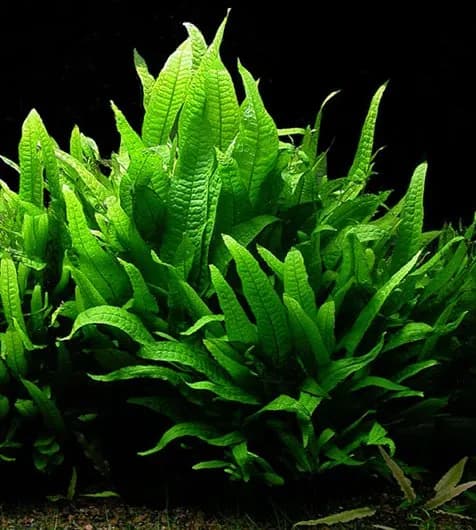
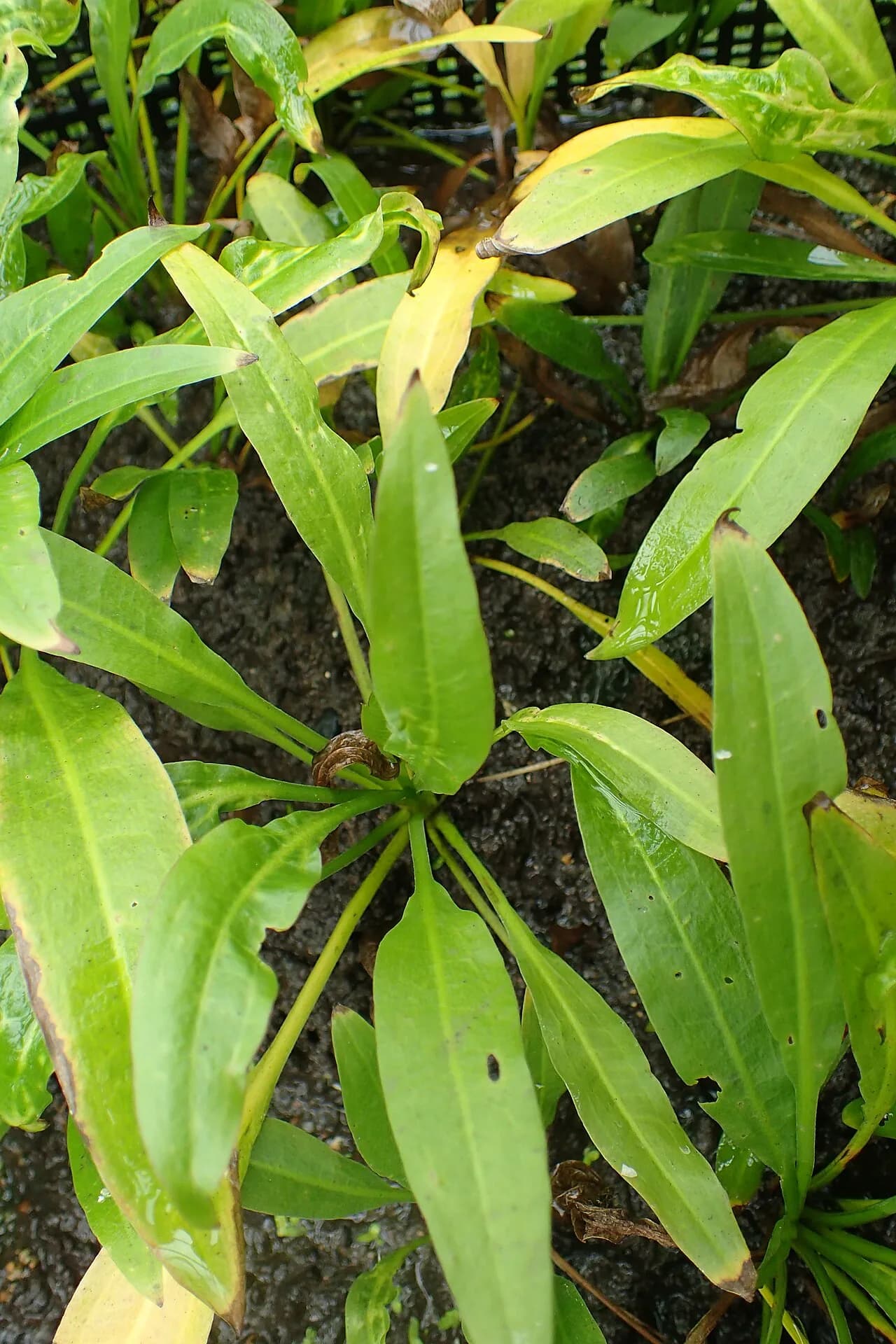
Microsorum pteropus
Sturdy and forgiving. Produces baby ferns on leaf tips that can be detached and replanted. Black spots can indicate nutrient deficiency or melt, increase trace dosing.
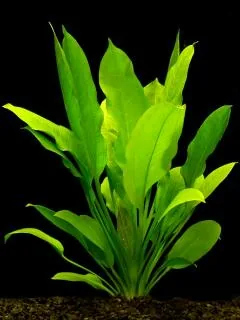
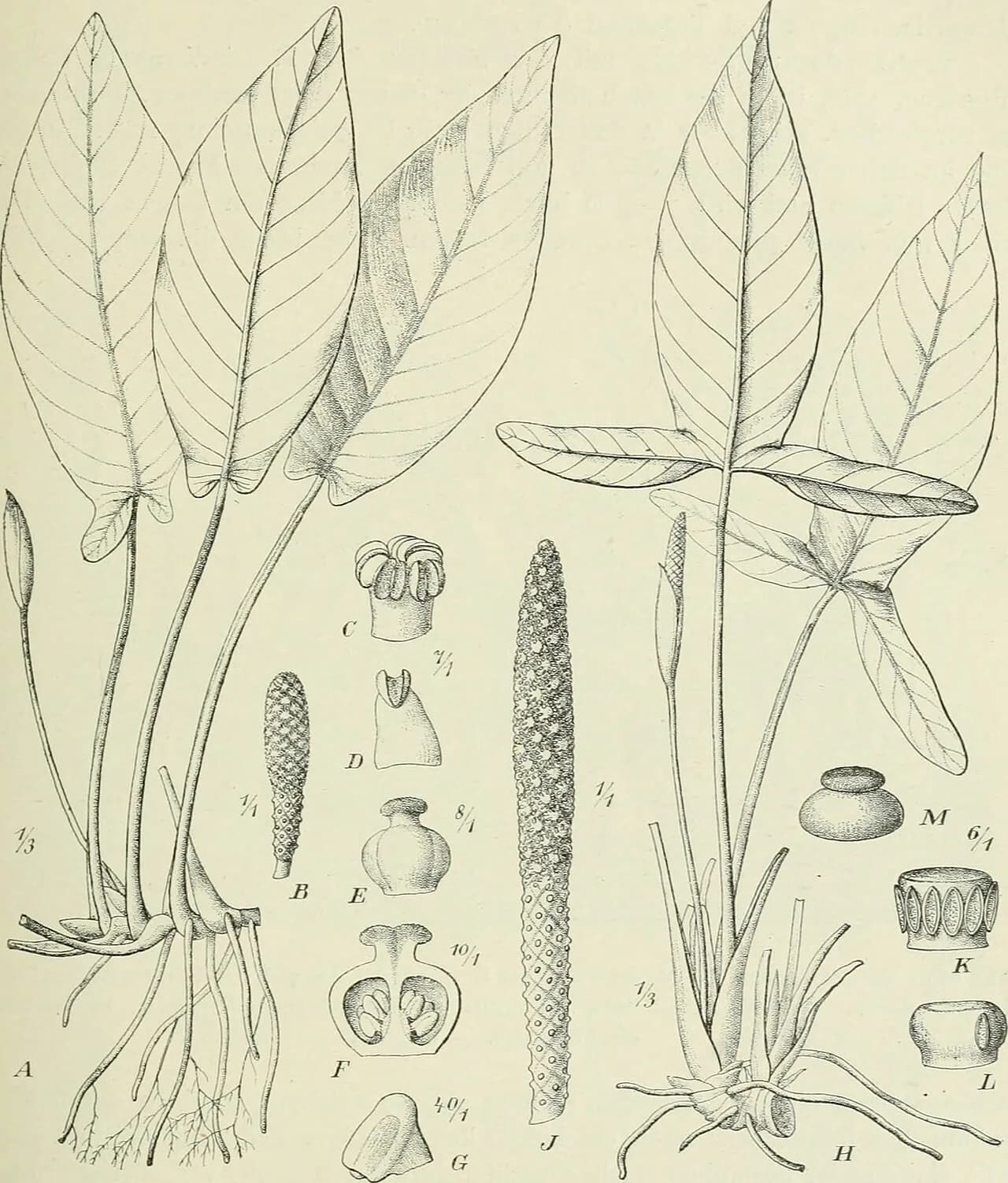
Echinodorus grisebachii
Statement background plant. Heavy root feeder, root tabs are non-negotiable. Single plant fills a 60 cm tank corner within 6 months.
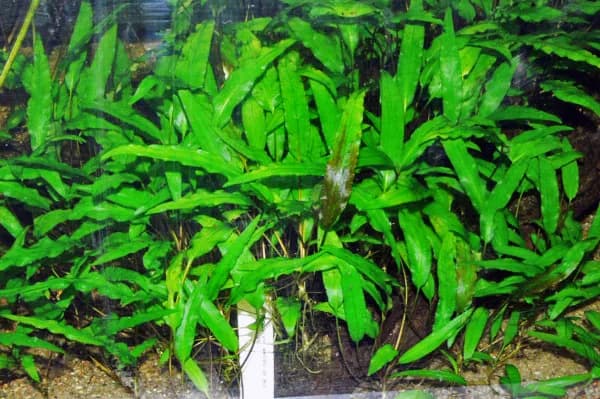
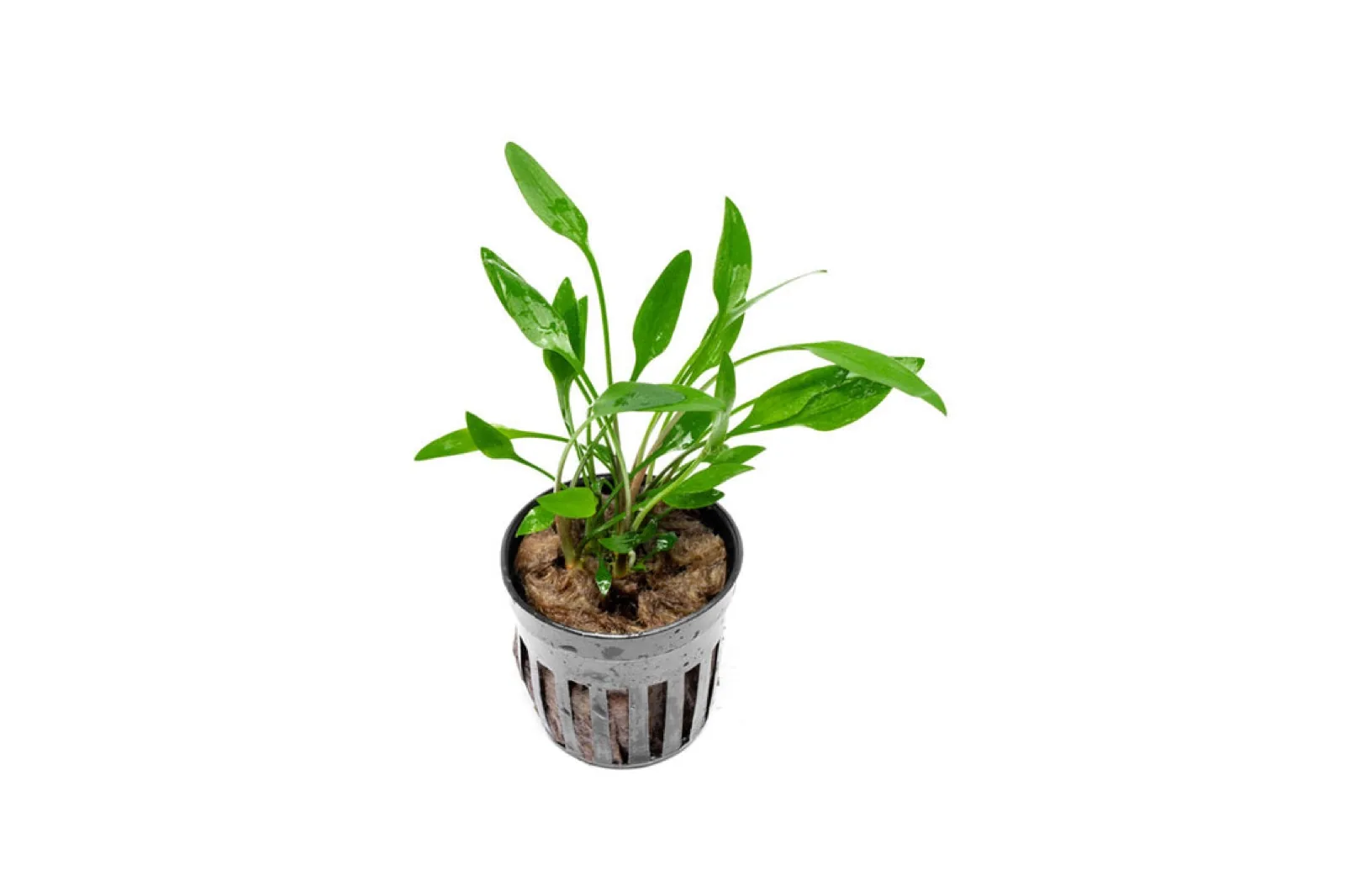
Cryptocoryne wendtii
Goes through a famous 'crypt melt' when first planted or moved, leaves dissolve, the plant regrows from the roots stronger than before. Don't pull it out.
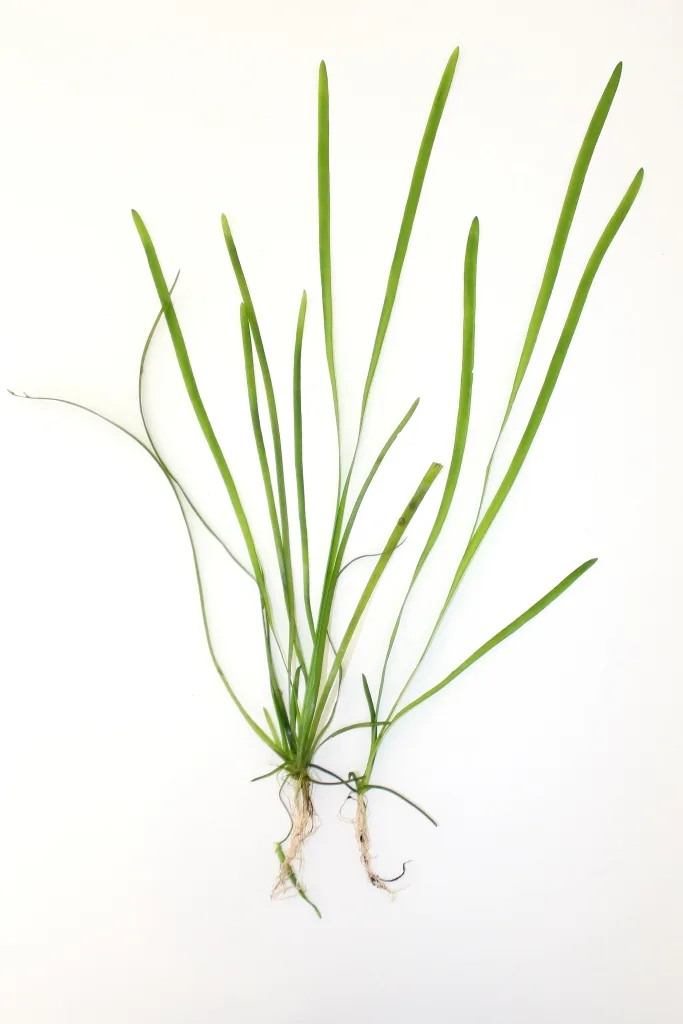
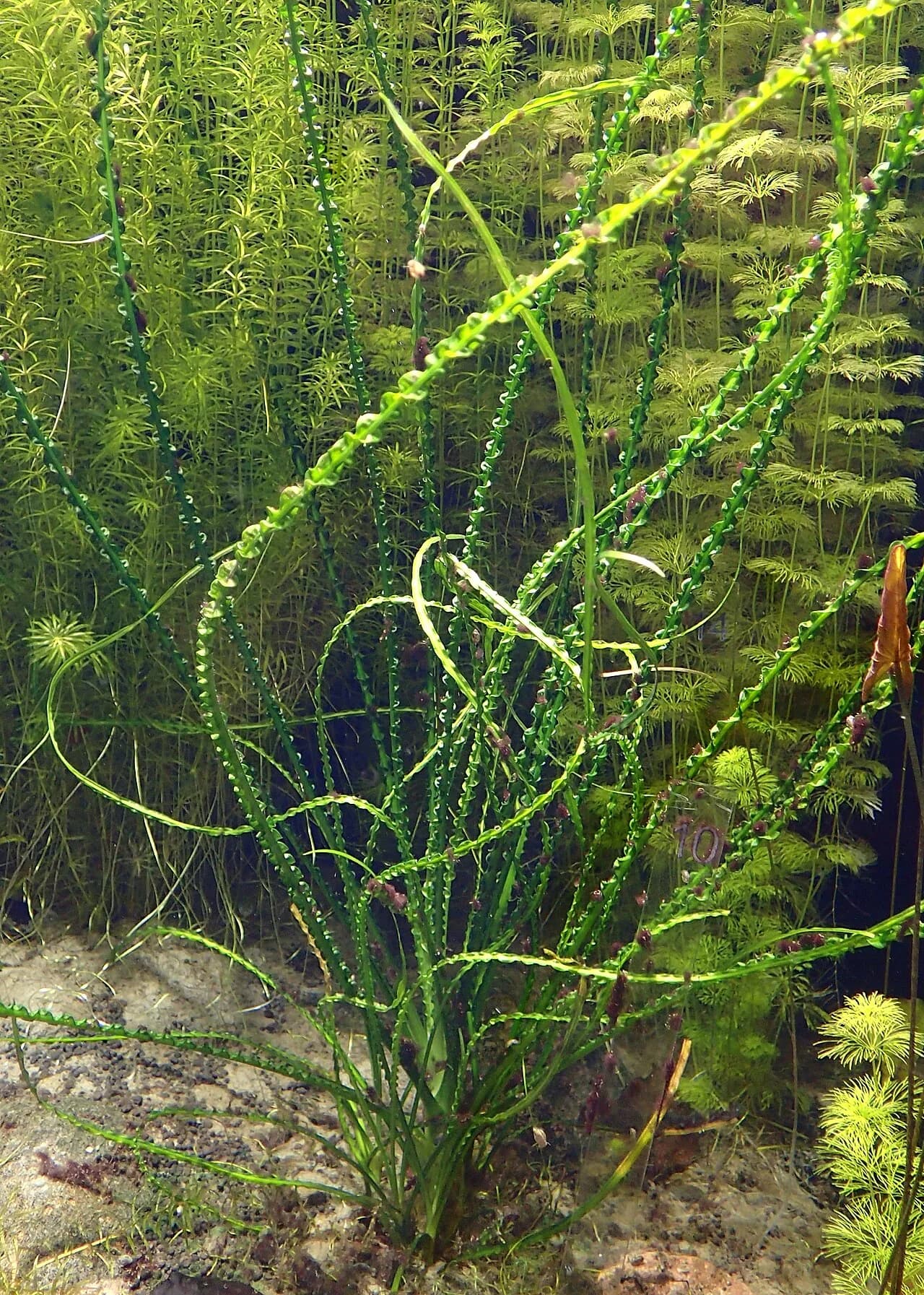
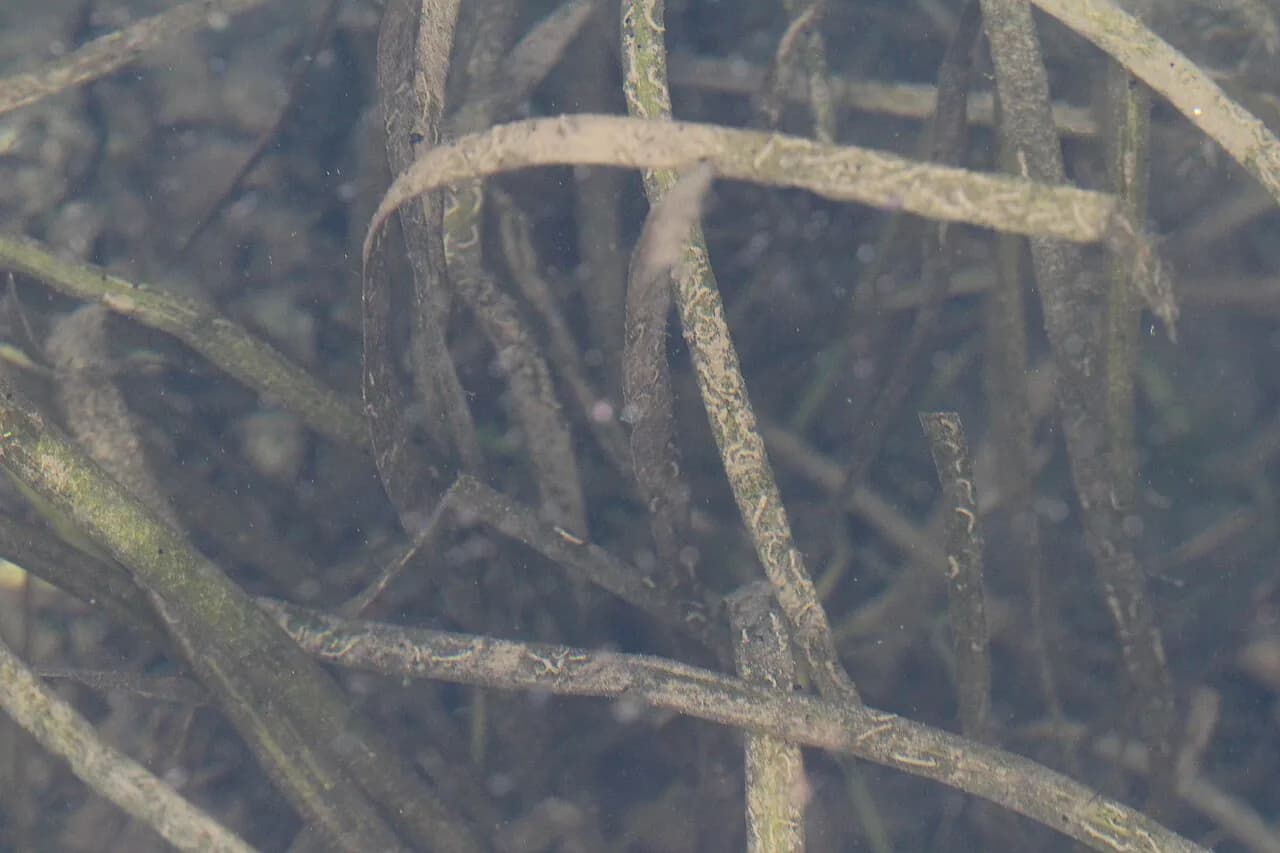
Vallisneria spiralis
Carpets the back of a tank in long, curving ribbons. Sensitive to liquid carbon (Excel/Easy Carbo), will melt. Snip runners to control spread.
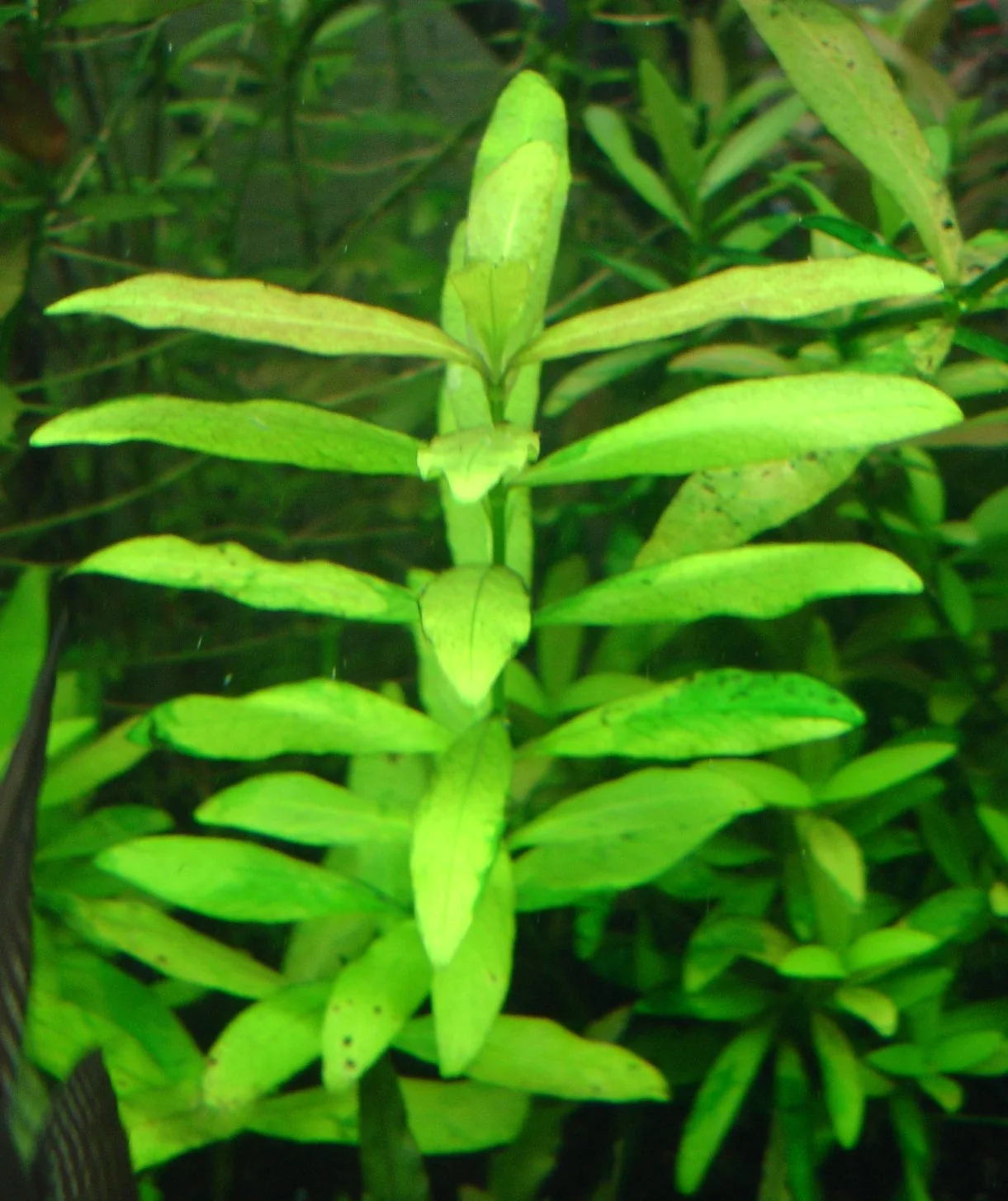
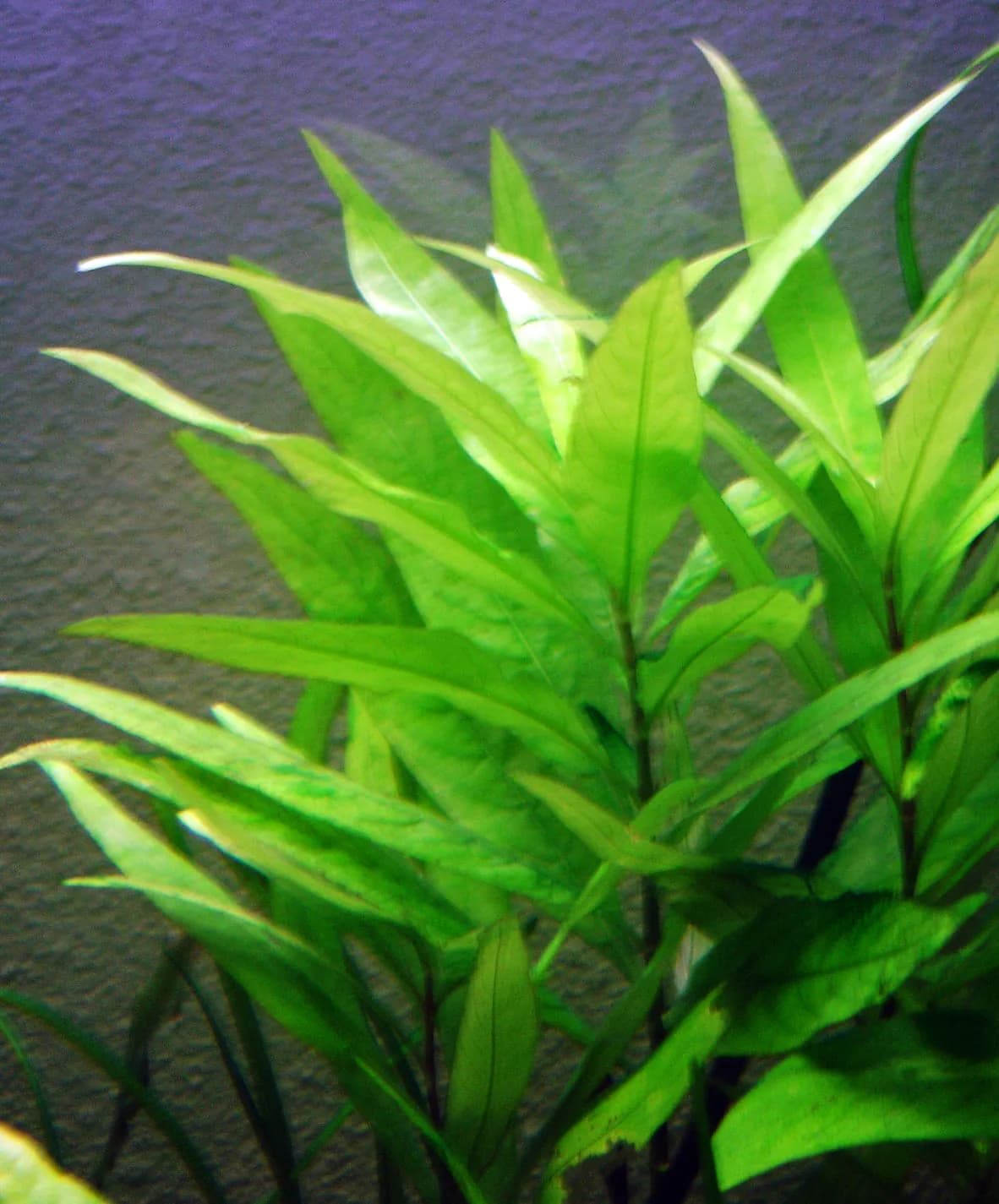
Hygrophila polysperma
Nutrient sponge, use it to outcompete algae in new tanks. Banned/invasive in several US states (check local rules before sourcing).
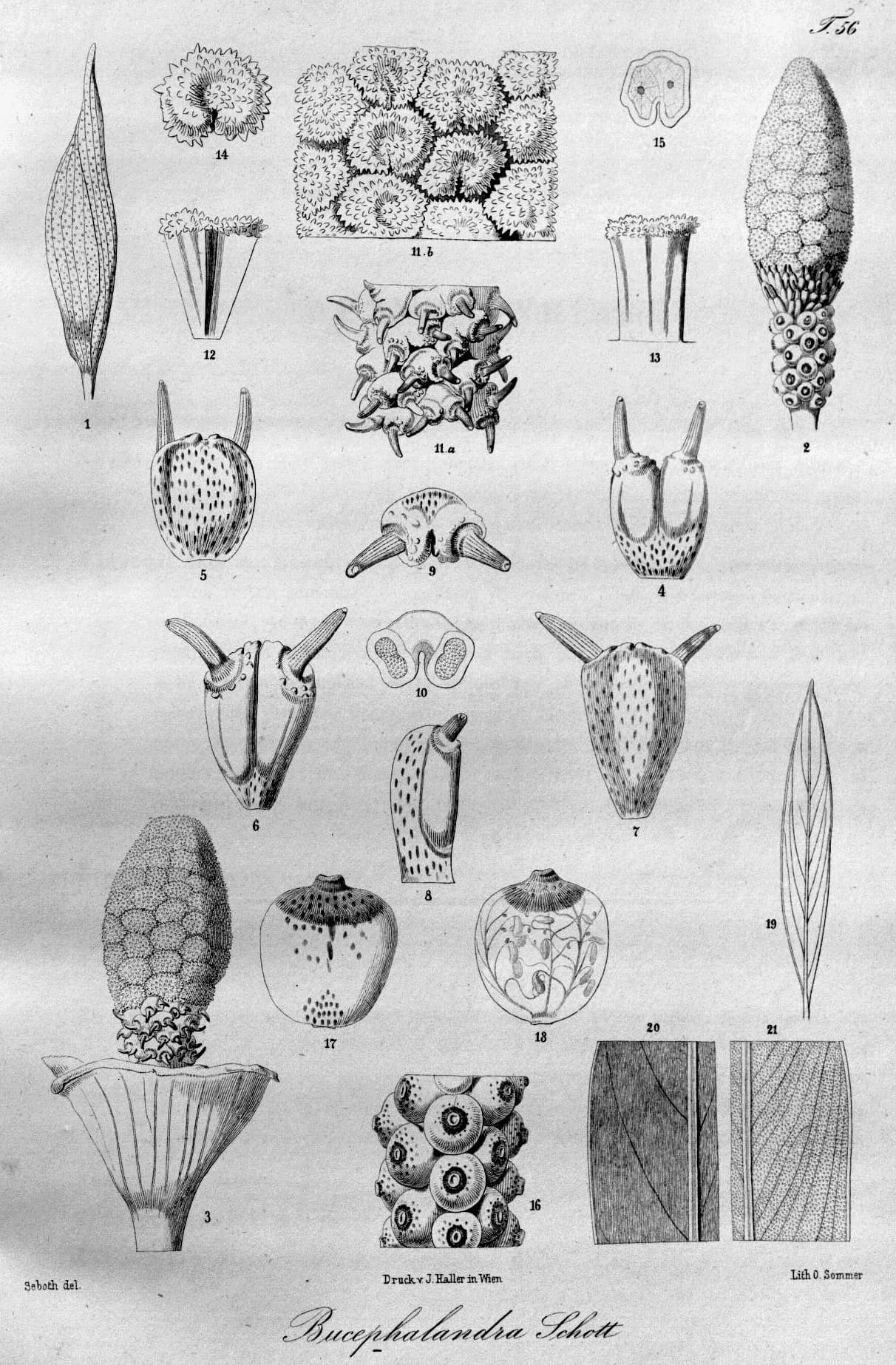
Bucephalandra sp.
Premium hardscape plant, over 200 named cultivars. Flowers underwater. Sensitive to large water-parameter swings; established rhizomes are nearly bulletproof.
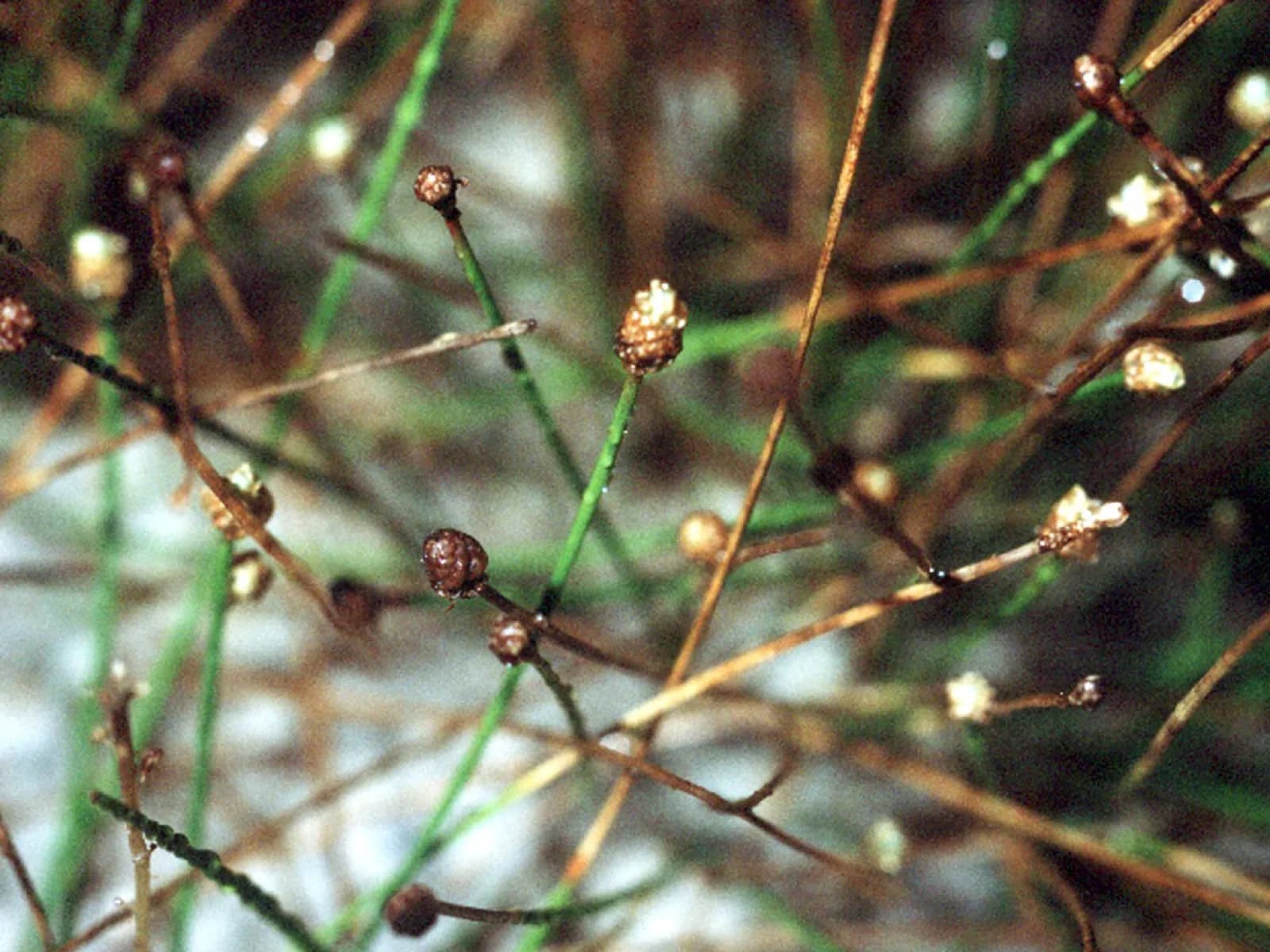
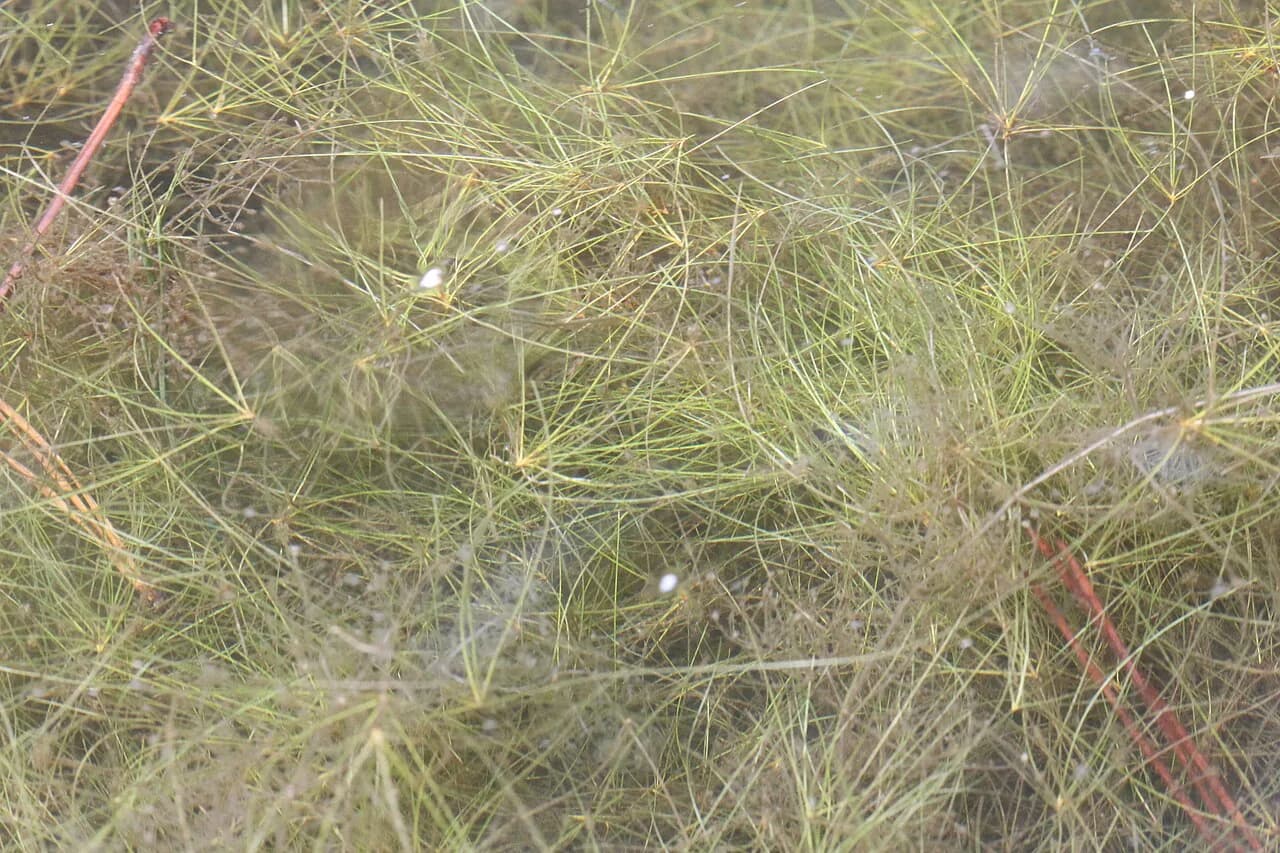
Eleocharis parvula
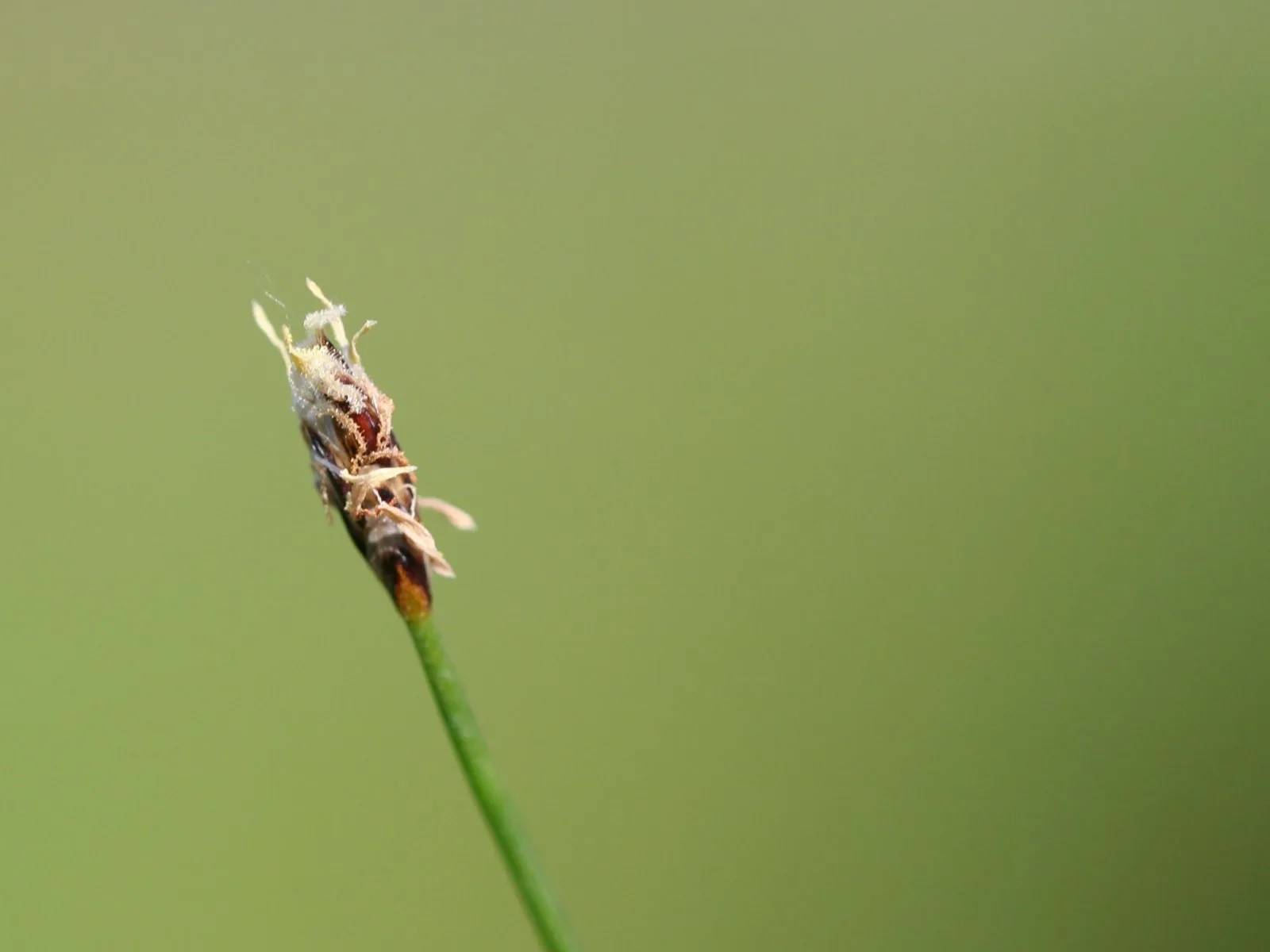
Best beginner carpet plant. Trim short after planting to encourage horizontal runners. CO₂ dramatically speeds carpet formation.
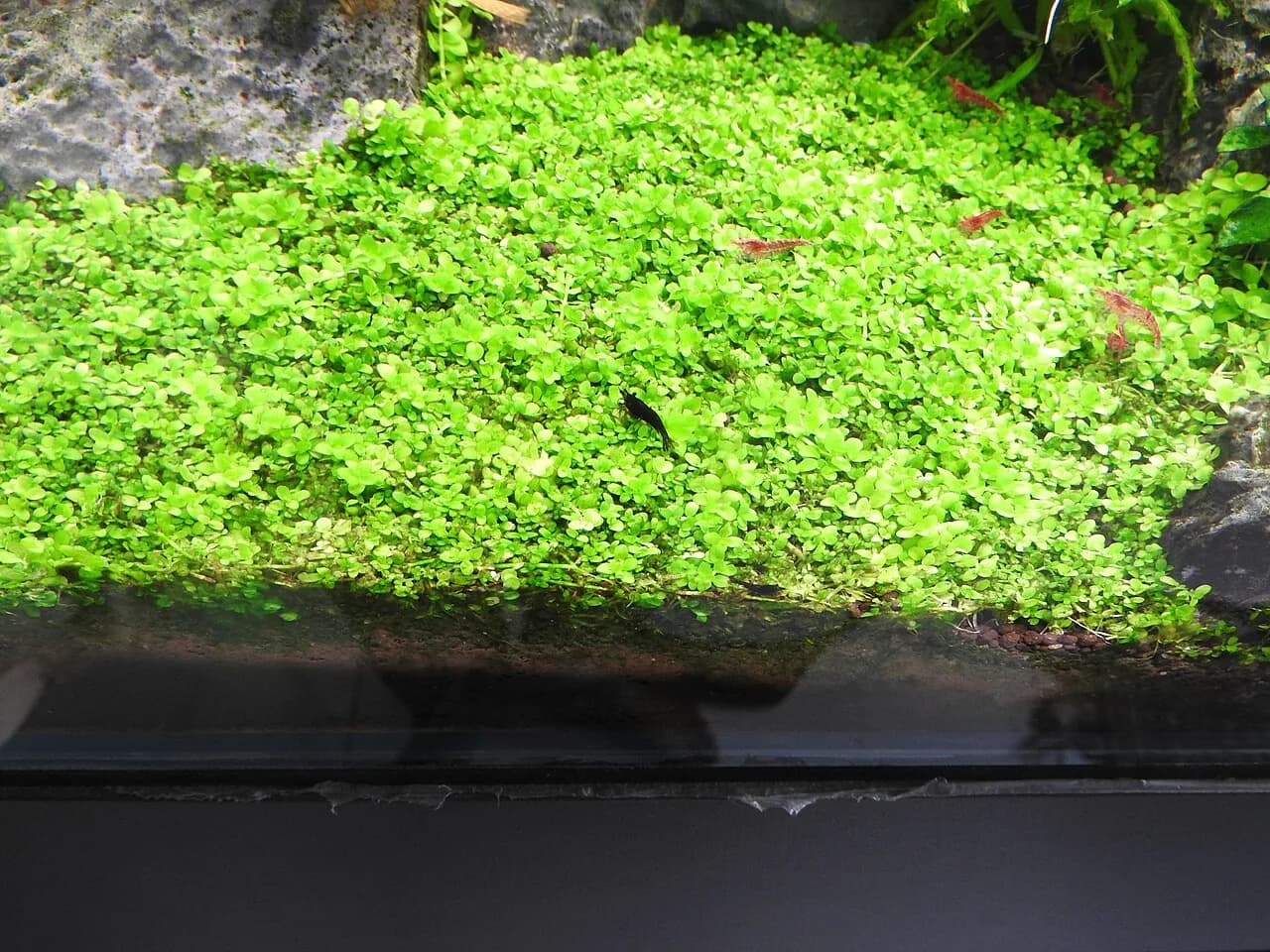
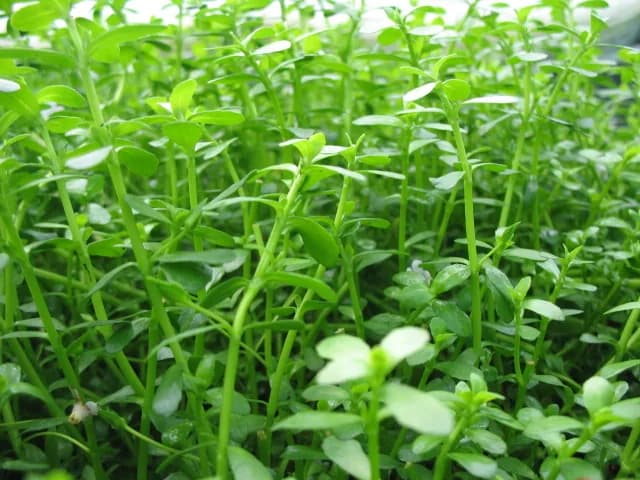
Micranthemum tweediei
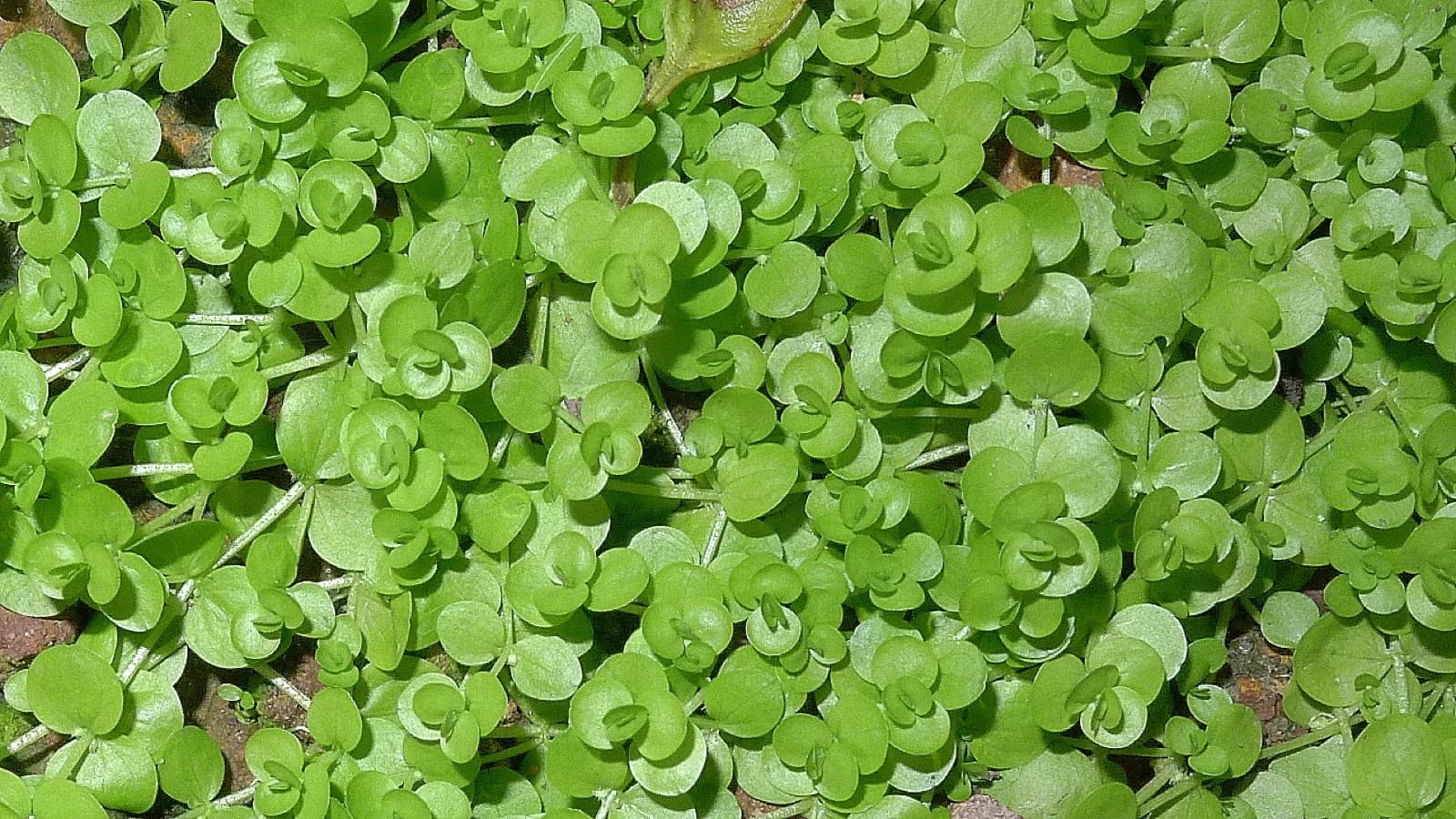
Easier than HC 'Cuba' with similarly tiny round leaves. Plant in tiny clumps 2–3 cm apart for fastest carpet. Pearls heavily under CO₂.
Rotala rotundifolia
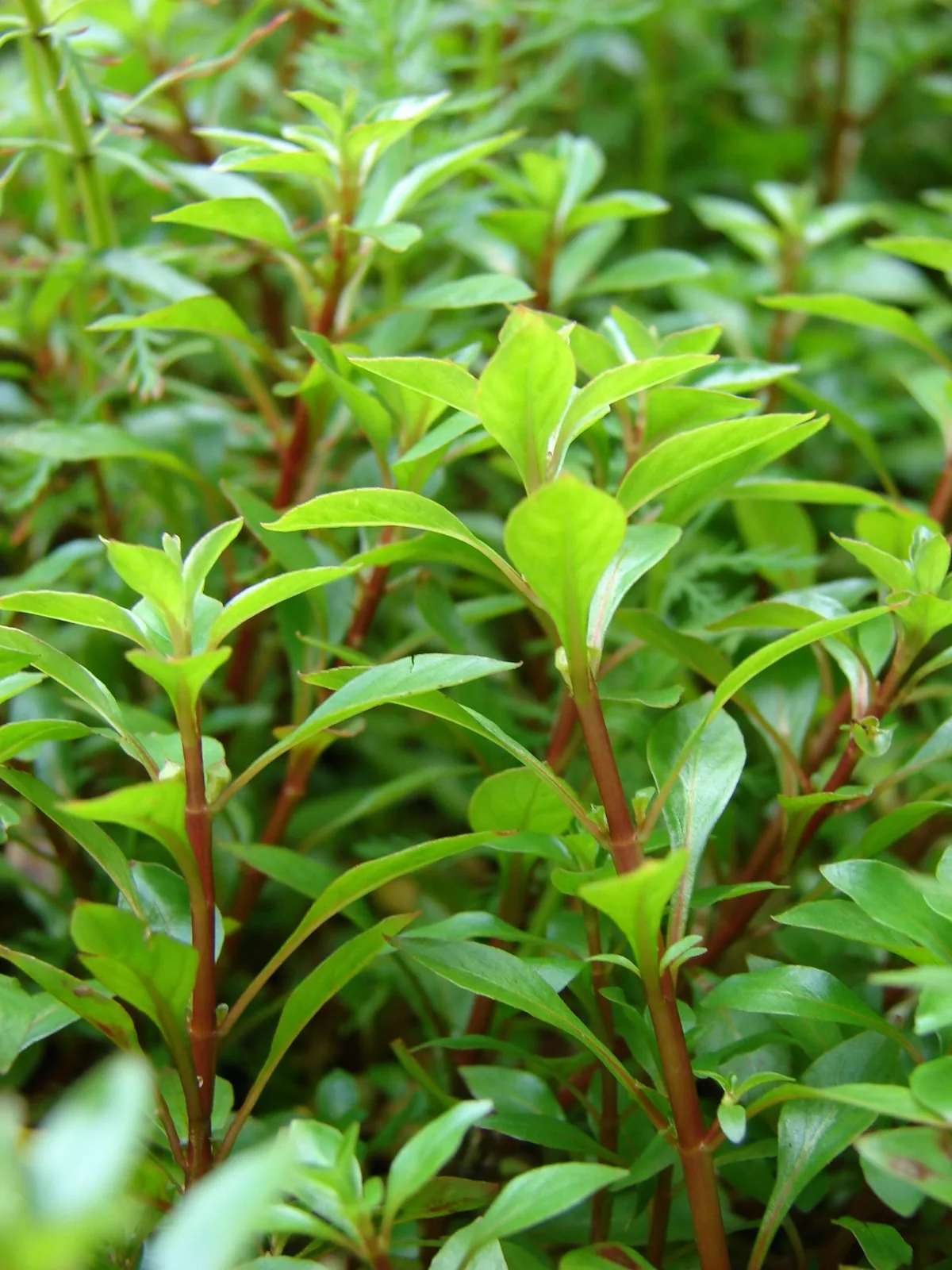
Bushy red/pink background plant under high light. The basis of most 'Dutch street' aquascapes. Stem tops replant readily, pinch and replant for density.
Ludwigia repens
The easiest red stem plant. Green-pink under medium light, deep red under high light + iron. More forgiving than Rotala, tolerates harder water and skipping CO₂. Top-and-replant for density.
Staurogyne repens
The easiest 'carpet without CO₂' plant. Compact rosette of small bright-green leaves that branches and creeps horizontally when trimmed. Much more forgiving than Monte Carlo or HC Cuba, great low-tech alternative.
Hemianthus callitrichoides 'Cuba'
The smallest aquatic plant in the hobby. Forms a fine-textured emerald carpet that pearls aggressively under CO₂. High-tech only, without CO₂ and 60+ PAR it melts. Dry-start method is the most reliable path to a complete carpet.
Pogostemon helferi
'Little star' in Thai, the curly star-shaped leaves are unmistakable. A statement midground plant that bridges foreground and background. Demands stable parameters; CO₂ keeps the compact star shape. Lithophyte tendency, attach to porous stone like Bucephalandra.
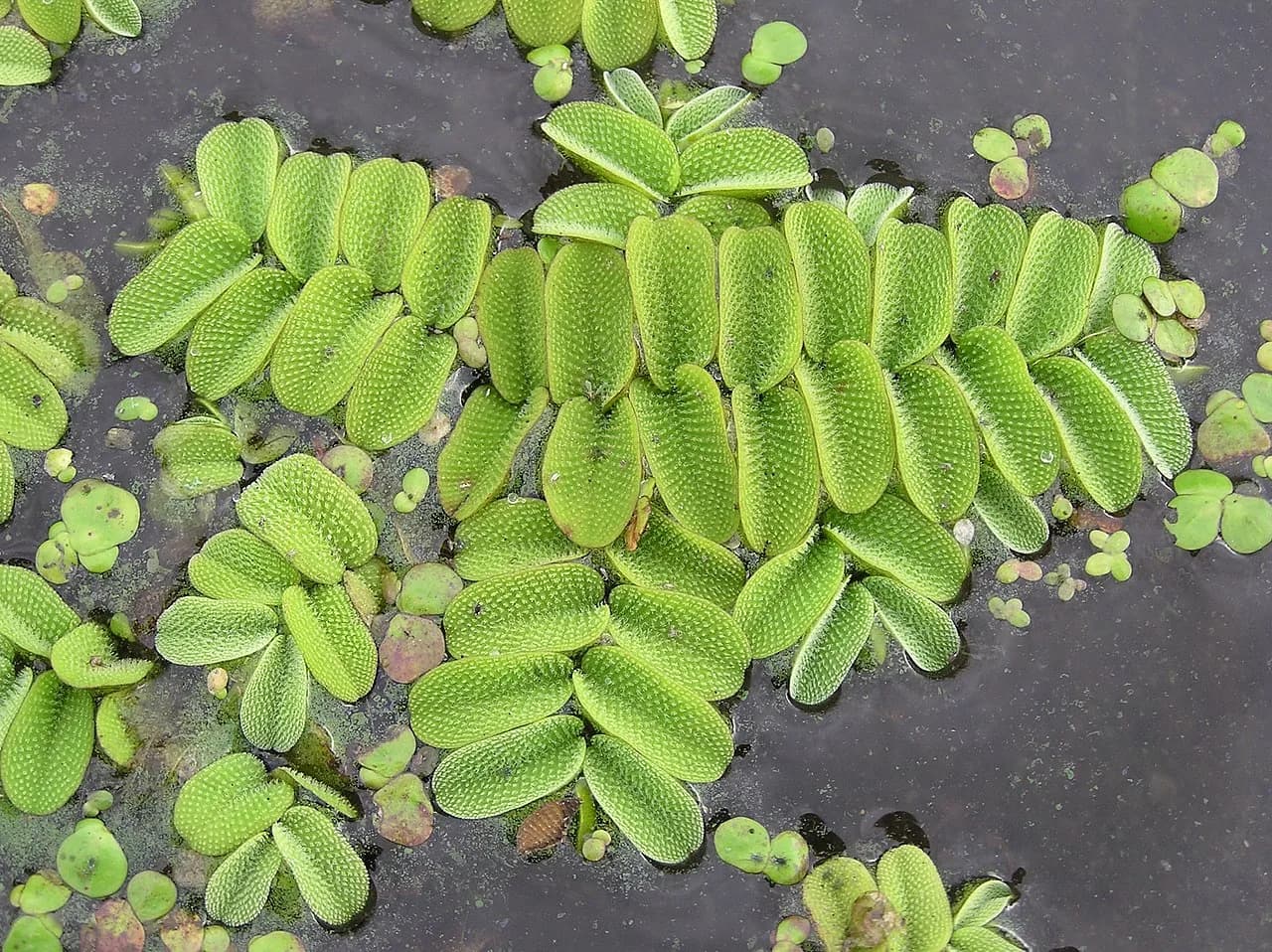
Salvinia natans
The fastest-growing floating plant. Two oval leaves above water trap a layer of water for absorption; root-like submerged leaf hangs below for shrimp and fry cover. Skim weekly or it doubles in a week. Hates dripping surface water, keep glass lids dry above it.
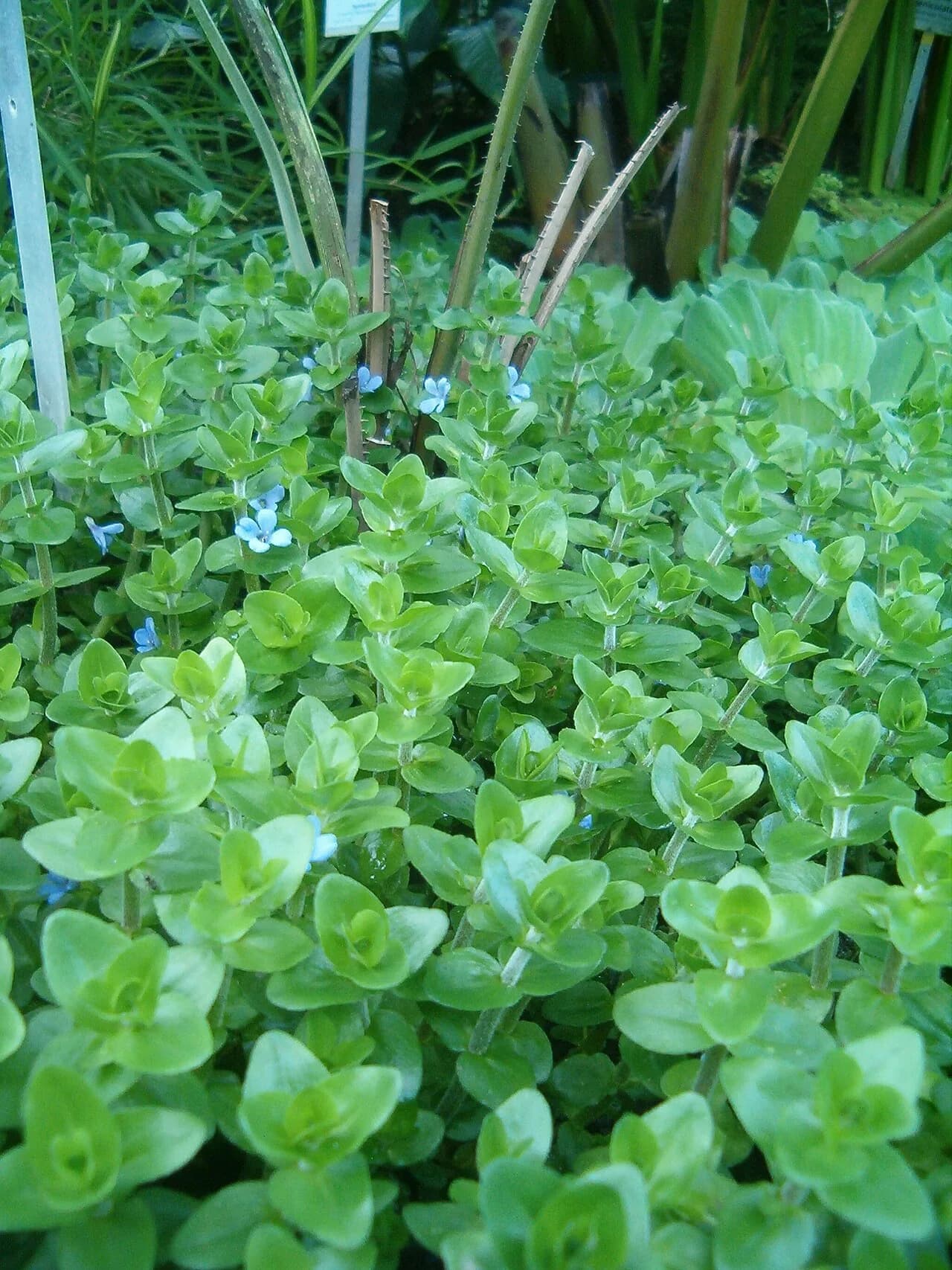
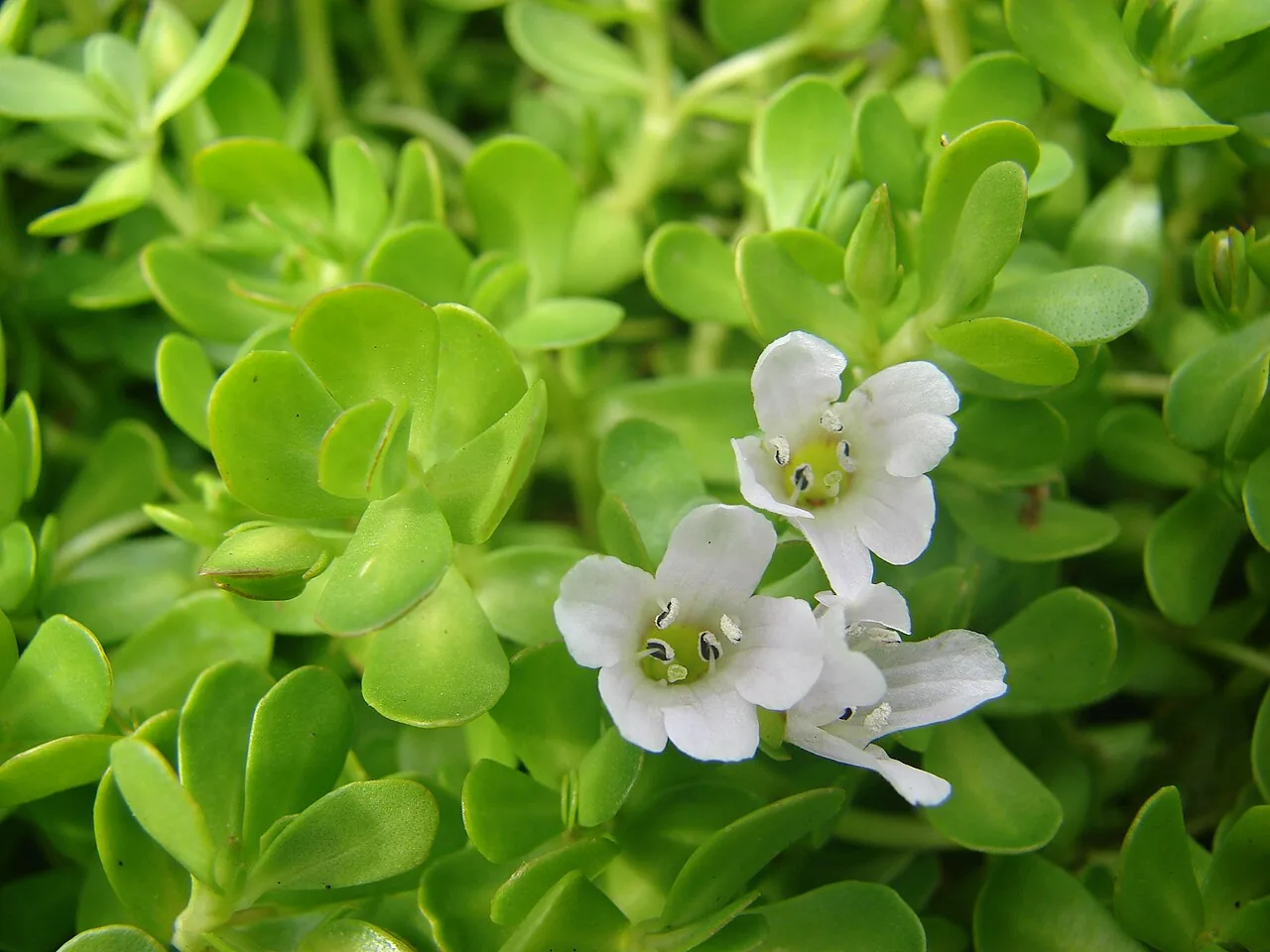
Bacopa caroliniana
Bombproof stem plant for the low-tech tank. Crush a leaf and you'll smell lemon, the trade name 'lemon bacopa' is literal. Yellow-green under low light, copper-orange under high light. Forgives missed dosing weeks.
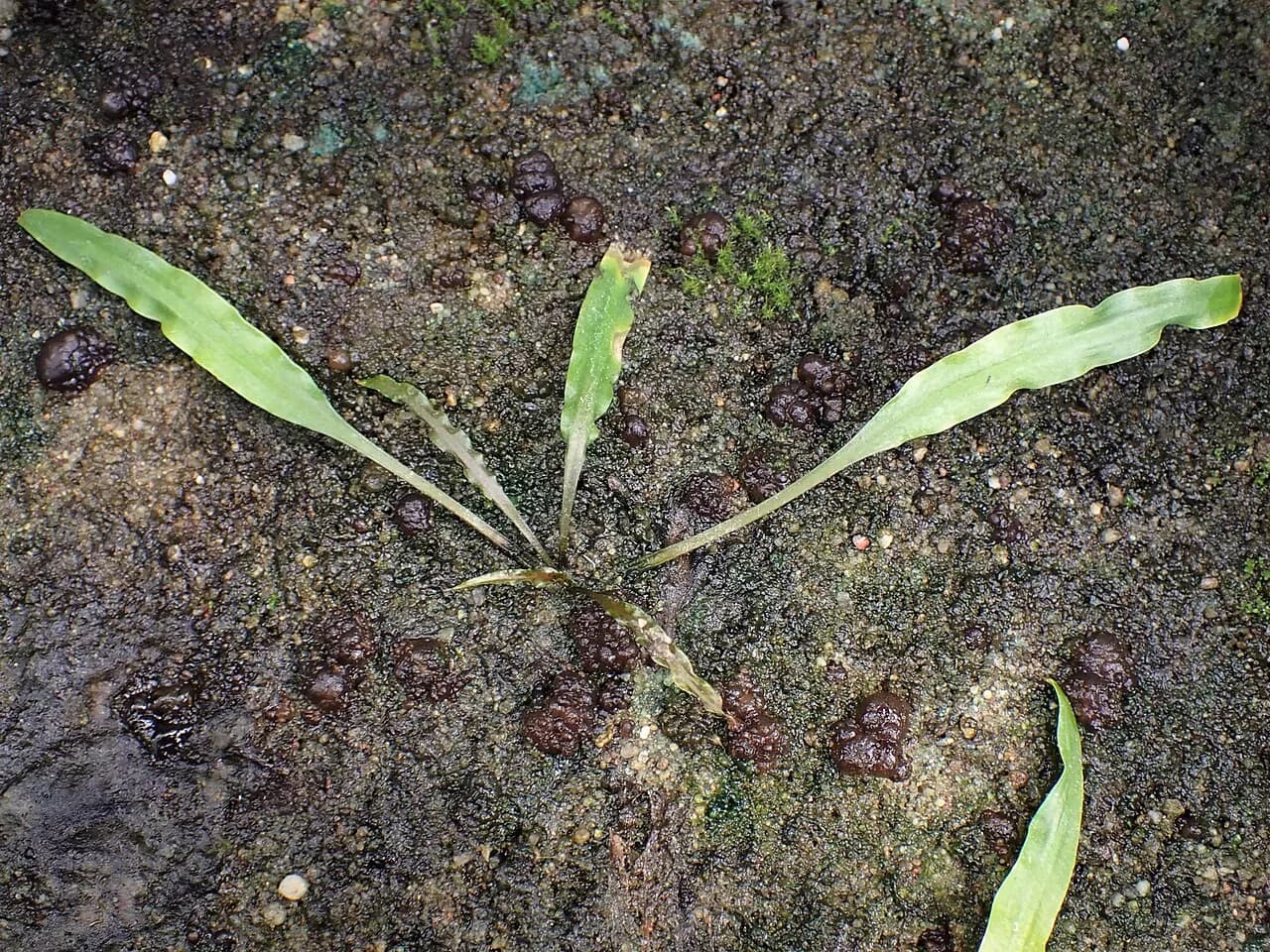
Cryptocoryne parva
The smallest Cryptocoryne and the only true 'foreground crypt'. Forms tight rosettes of upright pencil-thin leaves. Painfully slow but bulletproof once established. Plant individuals 2 cm apart for a foreground 'lawn' that takes a year to form.
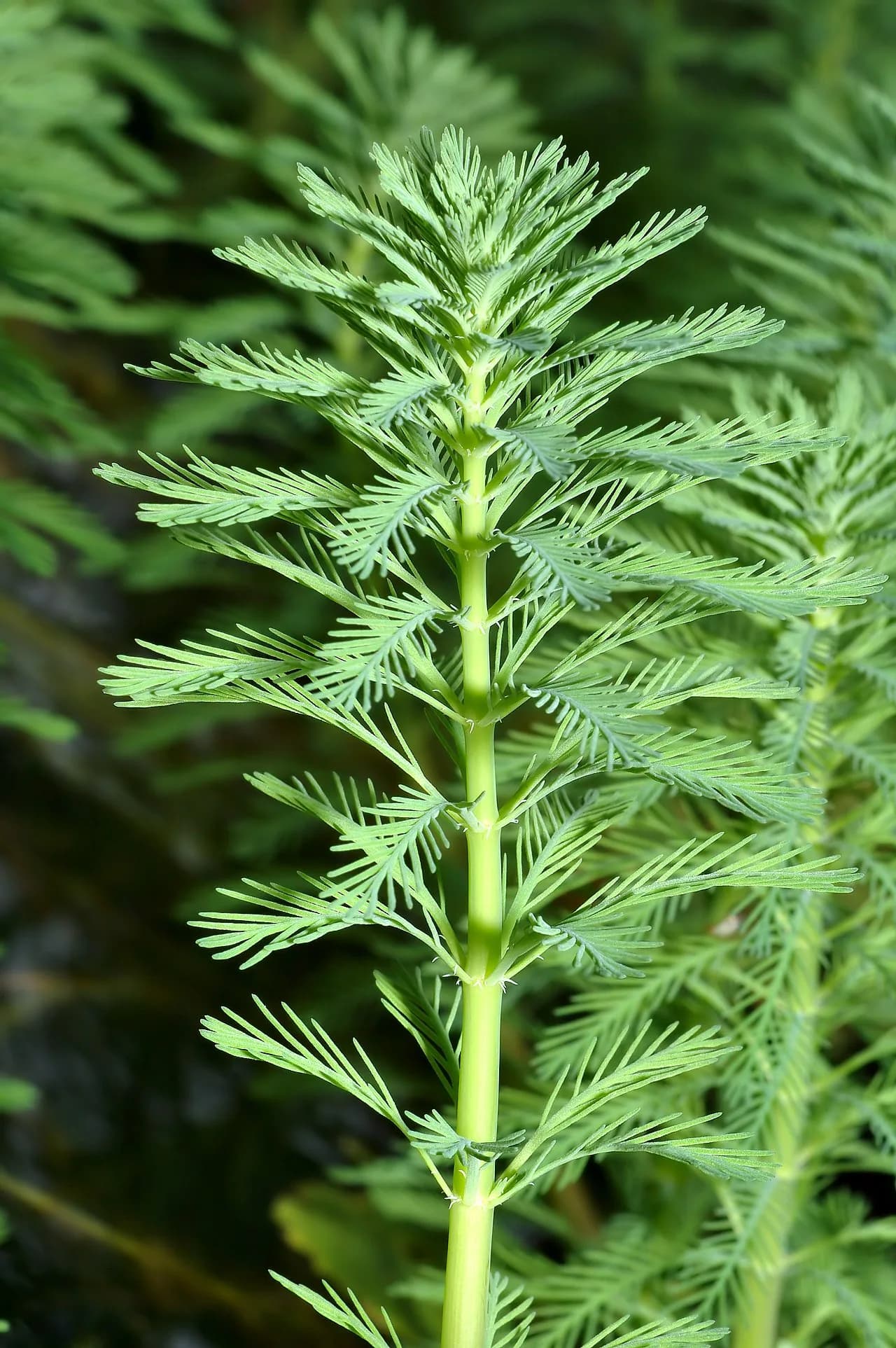
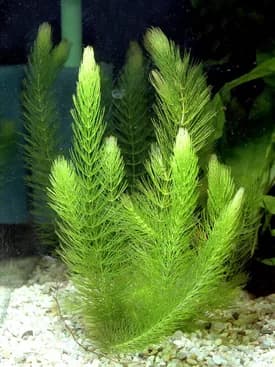
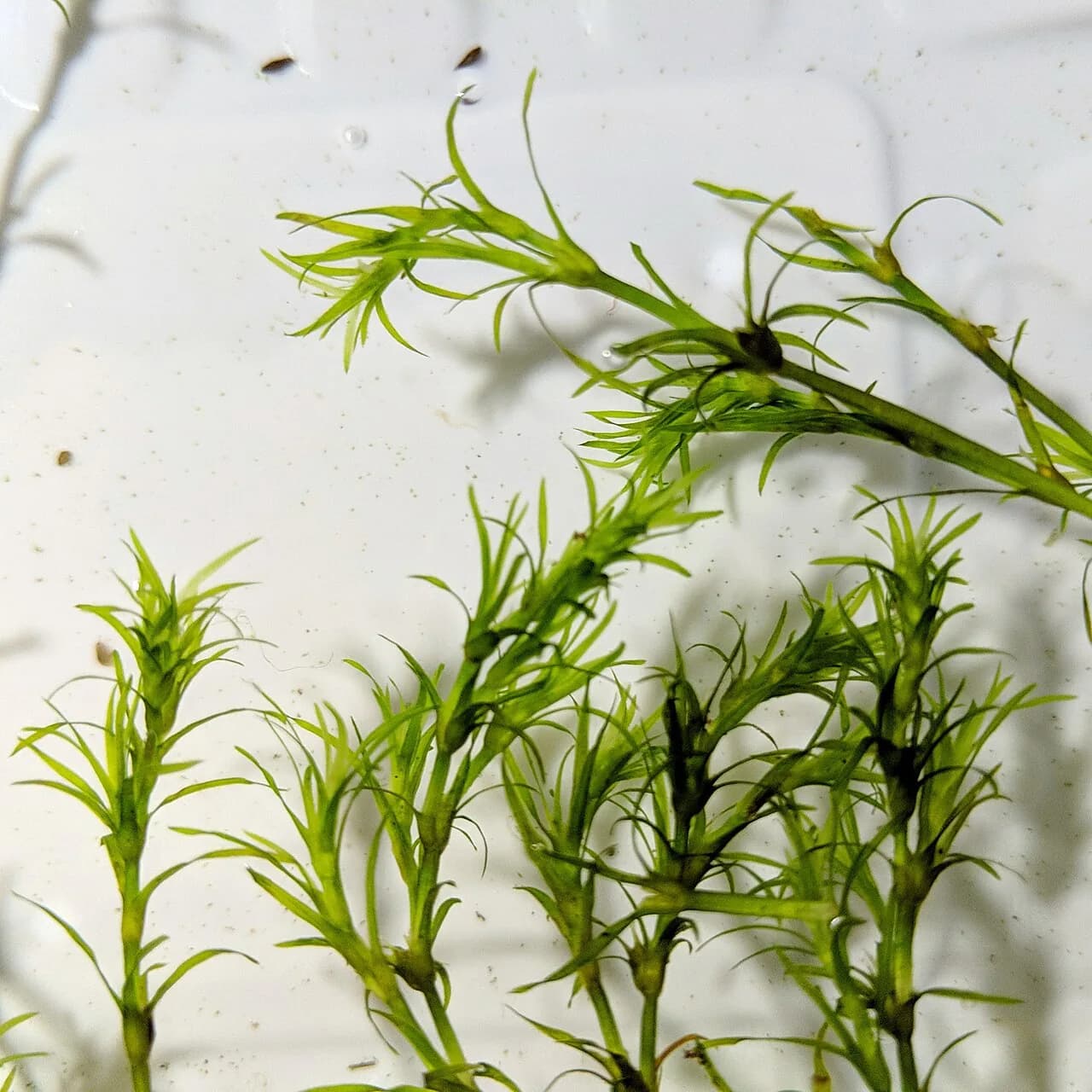
Limnophila sessiliflora
Feathery whorls of bright green leaves. Grows several centimetres per week, a 'nutrient sponge' for cycling new tanks and outcompeting algae. Banned/invasive in parts of the USA and Australia; check local regulations before sourcing.
Glossostigma elatinoides
The original aquascaping carpet, popularised by Takashi Amano. Tiny paddle-shaped leaves form a dense bright-green mat. Sister species to HC Cuba but slightly larger leaves and a touch more forgiving. CO₂ is non-negotiable; needs high light to stay flat, under-lit Glosso grows vertically.
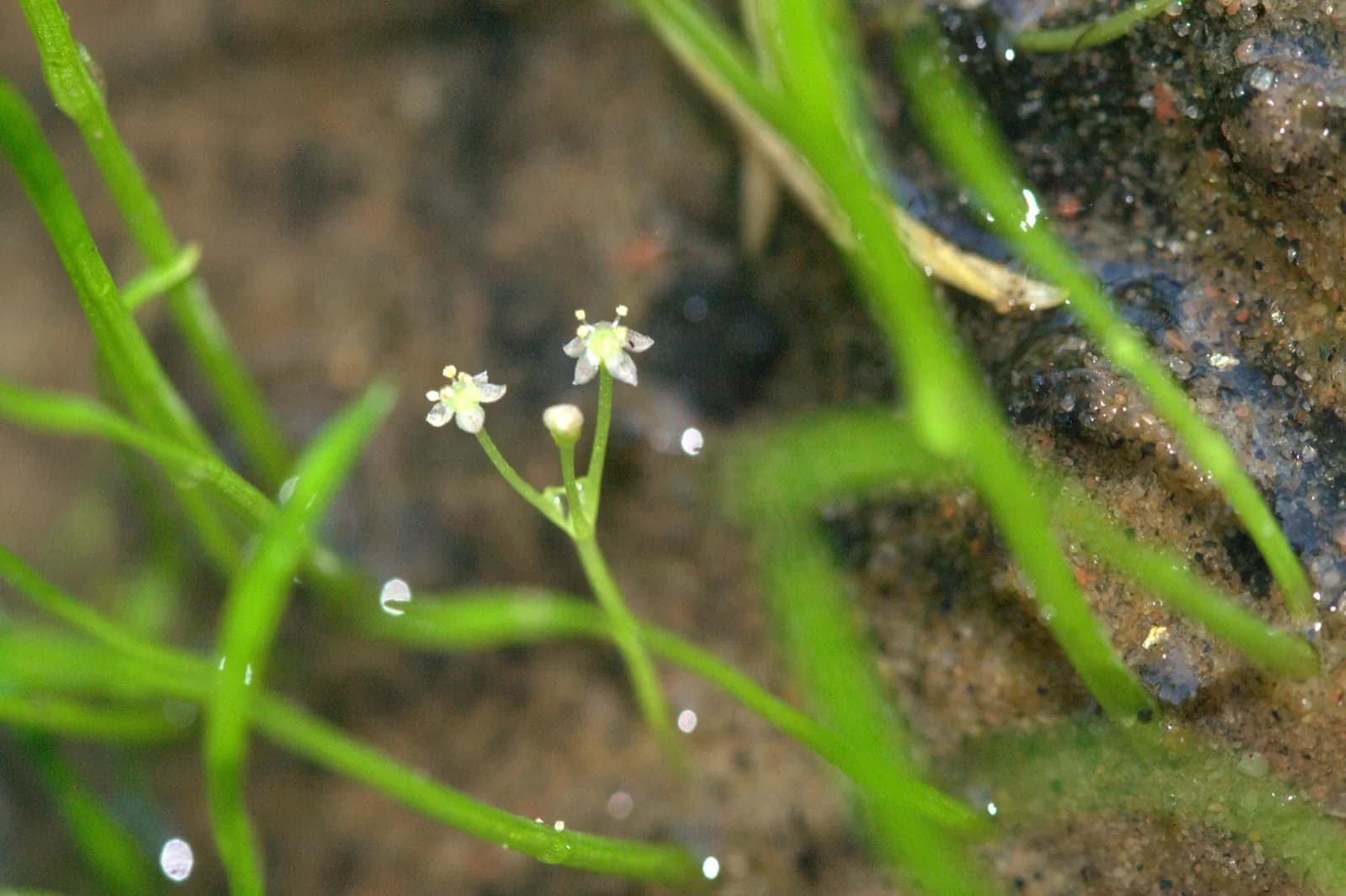
Lilaeopsis brasiliensis
Tight bright-green grass-like carpet, looks like a miniature lawn. Sister species L. mauritiana grows slightly taller. Patient growers are rewarded with one of the most natural-looking foregrounds available. Skip CO₂ at the cost of speed, not appearance.
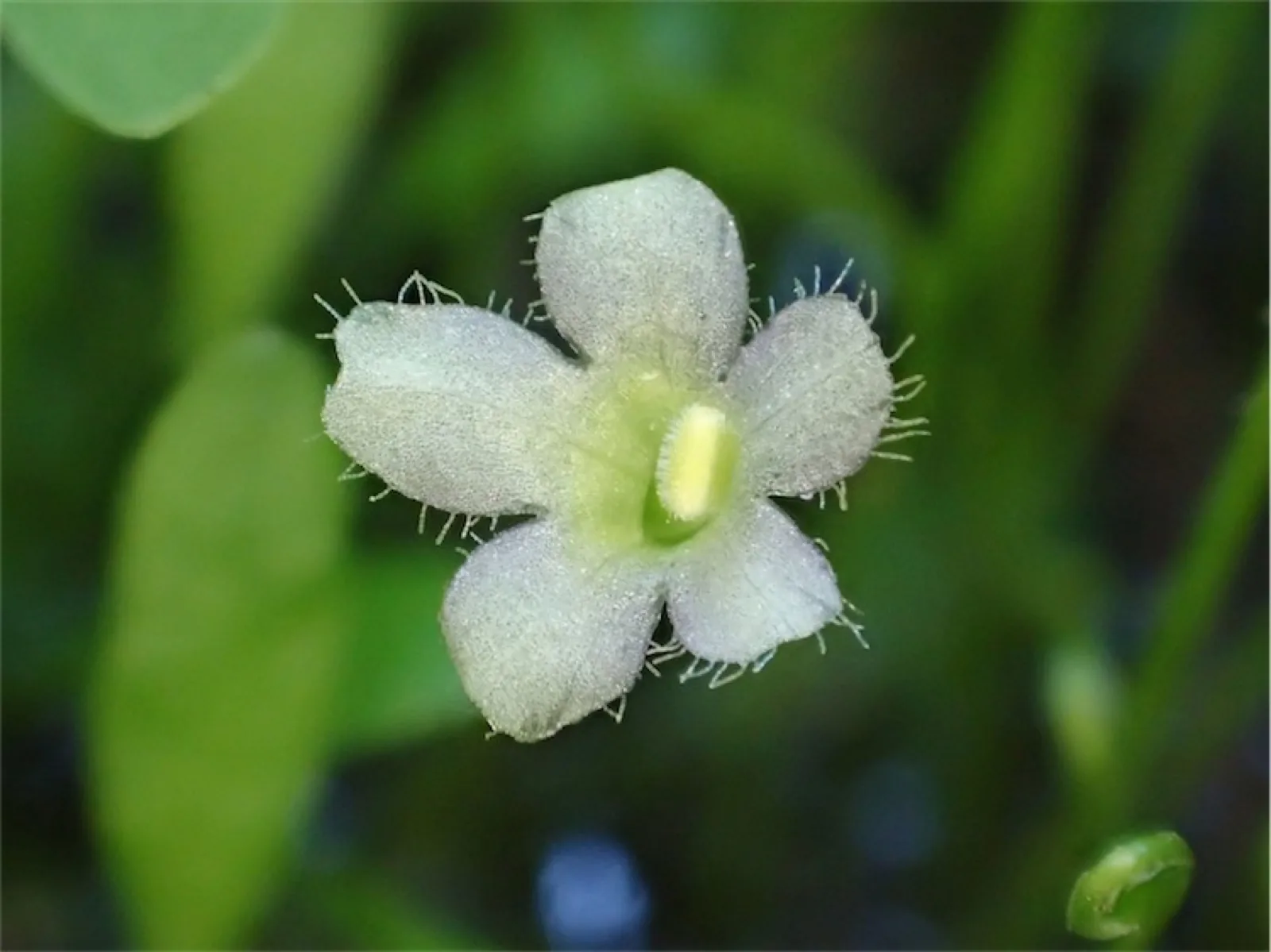
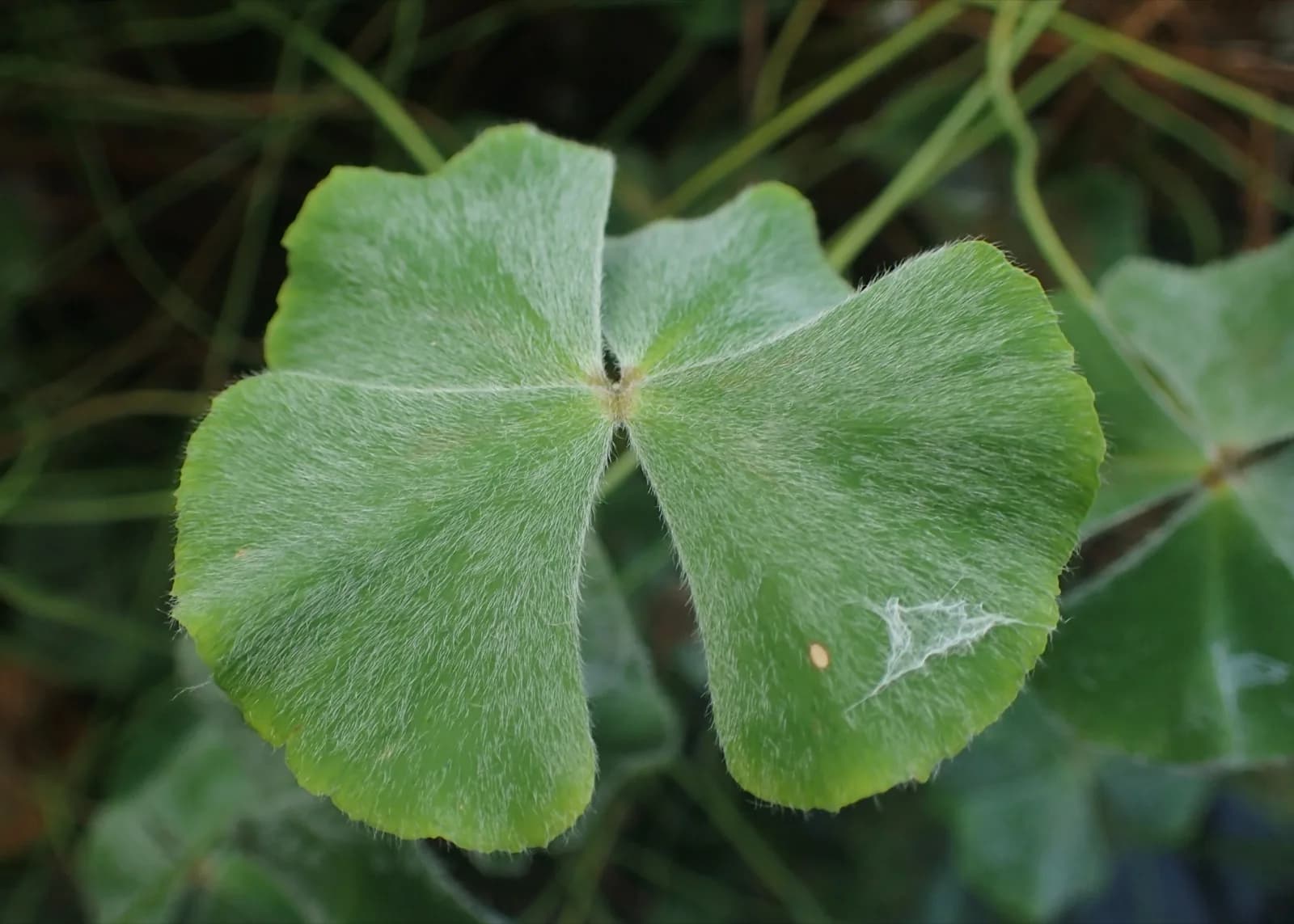
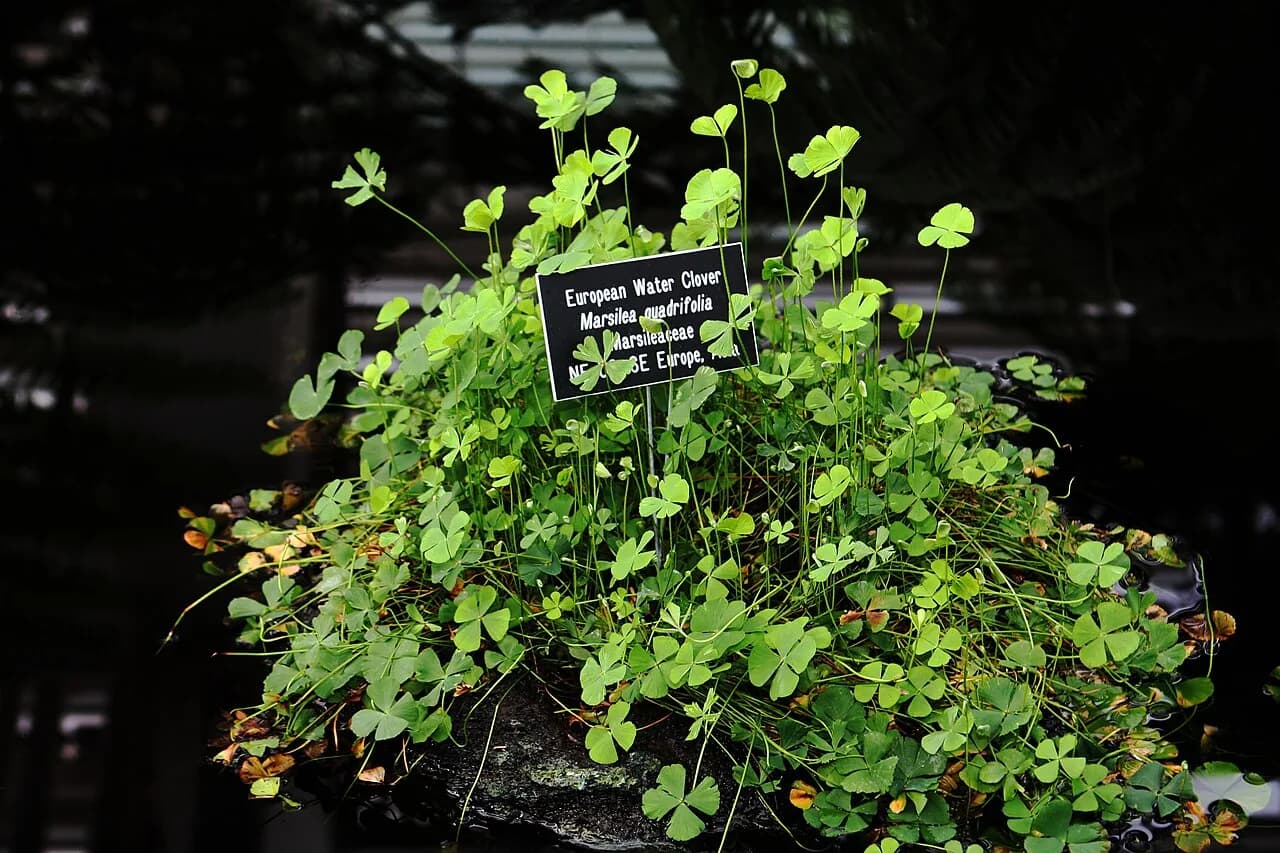
Marsilea hirsuta
A genuine aquatic fern that looks like miniature four-leaf clovers. Shapeshifts based on conditions: low light produces tall single-leaf shoots; high light produces flat compact clover-form carpets. The low-tech alternative to HC Cuba and Glosso, slower but dramatically easier.
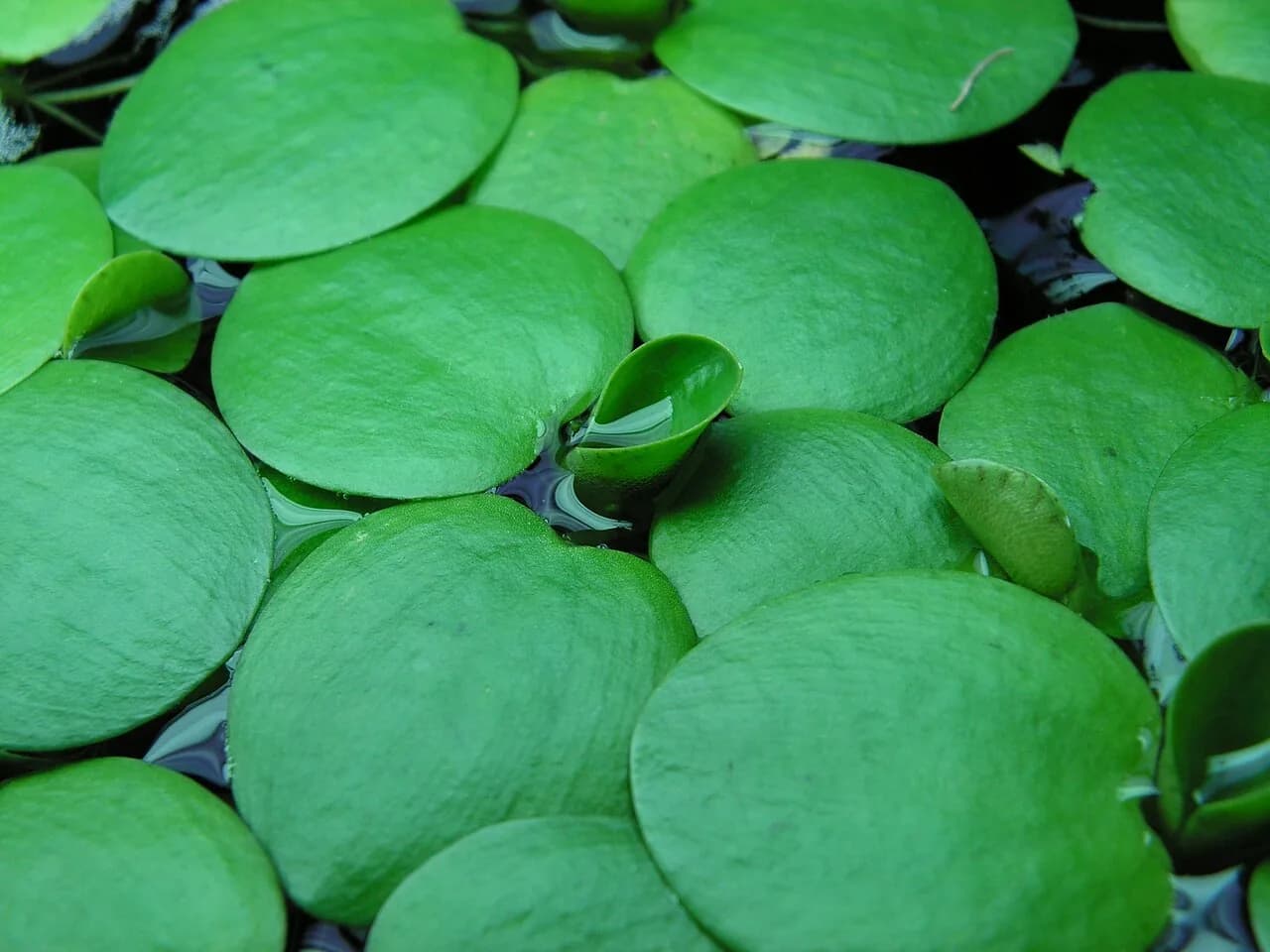
Limnobium laevigatum
Lily-pad-shaped leaves with long trailing roots, the classic 'shrimp nursery' floater. Larger than Salvinia; covers surface in big circular leaves. Easy to overdo: cover 50% of surface max or it shades out everything below. Pulls nitrate aggressively.
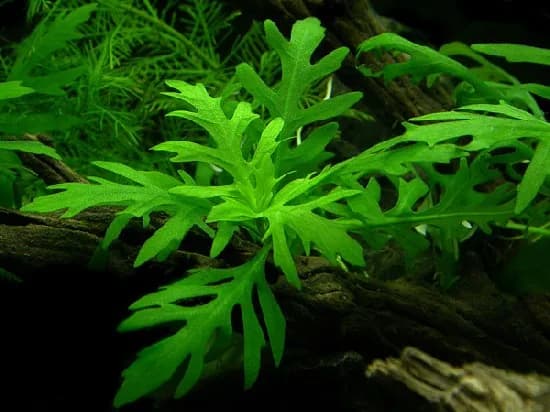
Hygrophila pinnatifida
A rheophyte stem that behaves more like Bucephalandra, attaches to hardscape via creeping rhizome and stays low. Bronze-red leaves with deeply lobed edges. Pairs beautifully with Anubias and Buce on driftwood. Needs flow to prevent detritus on the underside.
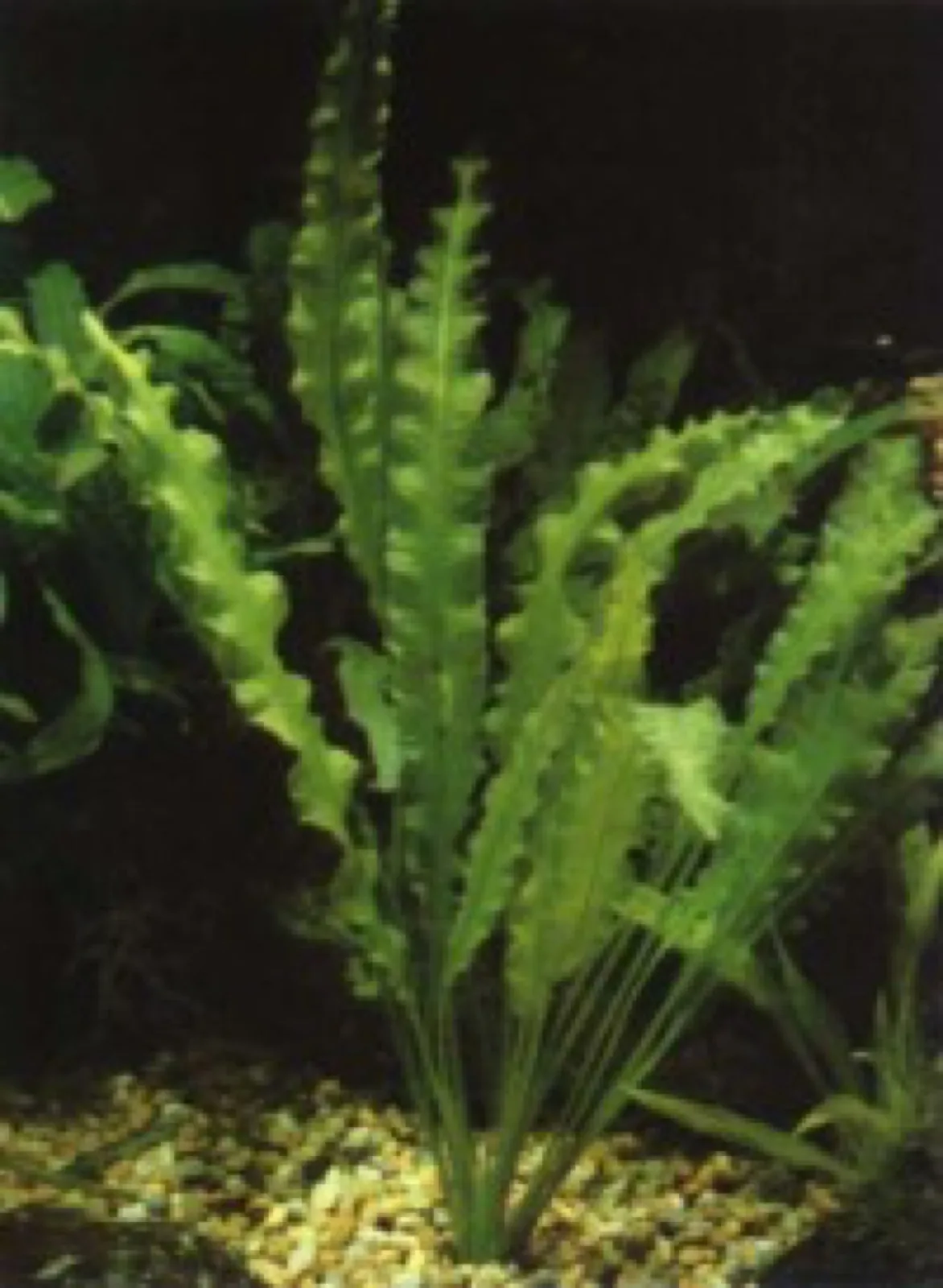
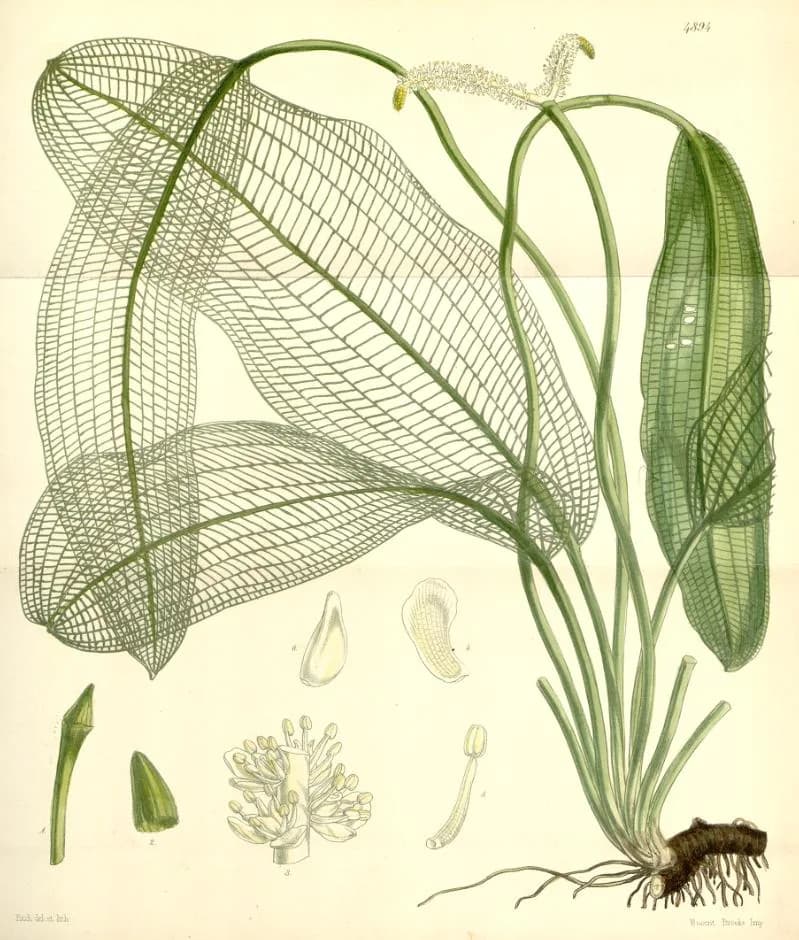
Aponogeton crispus
Sold as a dormant brown bulb that explodes into wavy translucent green leaves within days. Goes through dormancy cycles (3–4 months active growth, then leaf dieback, then regrowth), let the bulb rest, don't compost it. Cheap, dramatic, beginner-friendly.
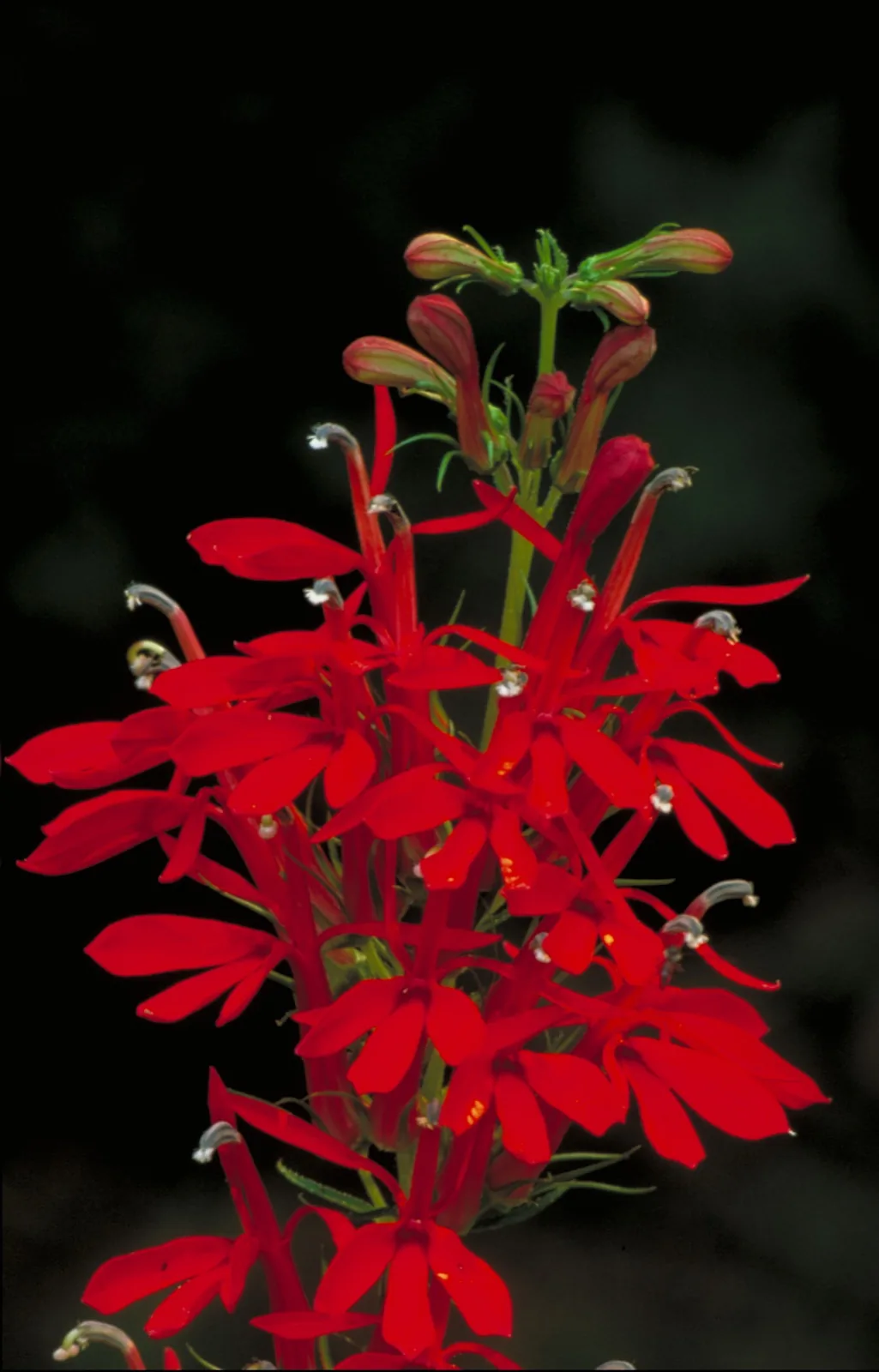
Lobelia cardinalis 'Small Form'
Compact dwarf cultivar of the bog wildflower. Glossy round leaves with deep red undersides, the colour shows when planted in clusters viewed from above. Slow but rewarding midground accent; pinch top shoots to encourage horizontal branching.
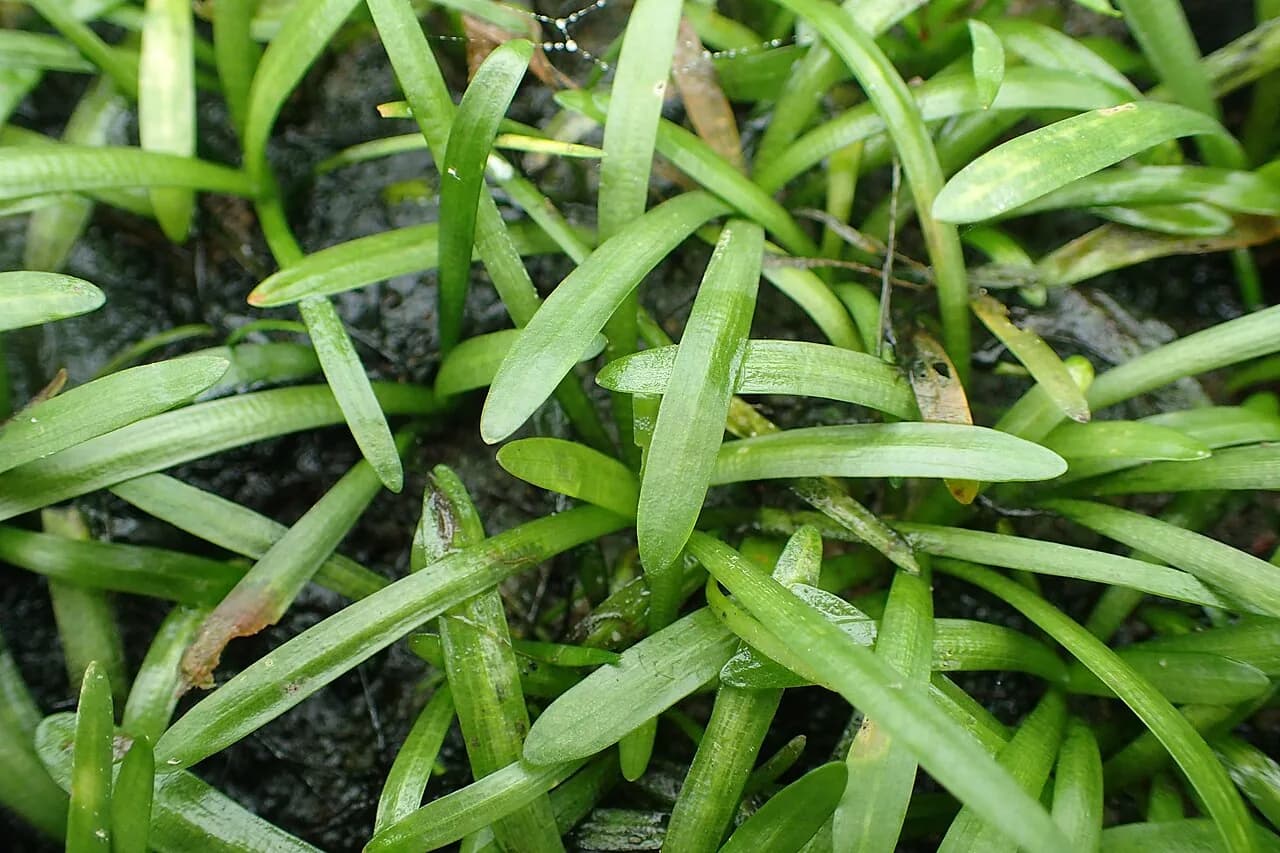
Sagittaria subulata
Narrow strap-like grass that spreads via prolific runners. The hard-water-loving alternative to Vallisneria, tolerates anything from pH 6 to pH 8.5 and 5 to 25 dGH. Bombproof beginner background plant. Will carpet open foreground spaces if given enough light.
Ludwigia palustris 'Super Red'
The premium red stem plant. Stays deep crimson-burgundy from top to bottom under high light and iron, unlike standard Ludwigia which only colours up at the tops. Less demanding than the rotala reds. The fastest path to a 'Dutch street' red wall.
Micranthemum micranthemoides
Often mislabelled HC Cuba. Tiny round leaves on slender stems, under high light + CO₂ stays low and creates a fuzzy carpet; under low light grows tall and stem-like. Pearls heavily under CO₂ (hence the name). A more forgiving foreground option than true HC.
Helanthium tenellum
A dwarf Echinodorus that spreads via prolific runners, each runner produces a new daughter plant a few centimetres away, forming a 'chain'. Previously classified as Echinodorus tenellus. Bright grass-like foreground that fills in faster than crypt parva and demands far less than HC.
Eleocharis acicularis
The taller sister of dwarf hairgrass, needle-thin blades reach 10–20 cm. Forms a 'grass field' look behind a foreground rather than a flat carpet. Tolerates cooler water than parvula; pairs with white clouds and hillstream loaches in unheated tanks.
Cryptocoryne lutea
The hard-water crypt. Tolerates alkaline conditions where most other Cryptocoryne species suffer. Medium-green slender leaves with a hint of bronze. The most forgiving Cryptocoryne after wendtii. Less prone to crypt melt during planting changes.
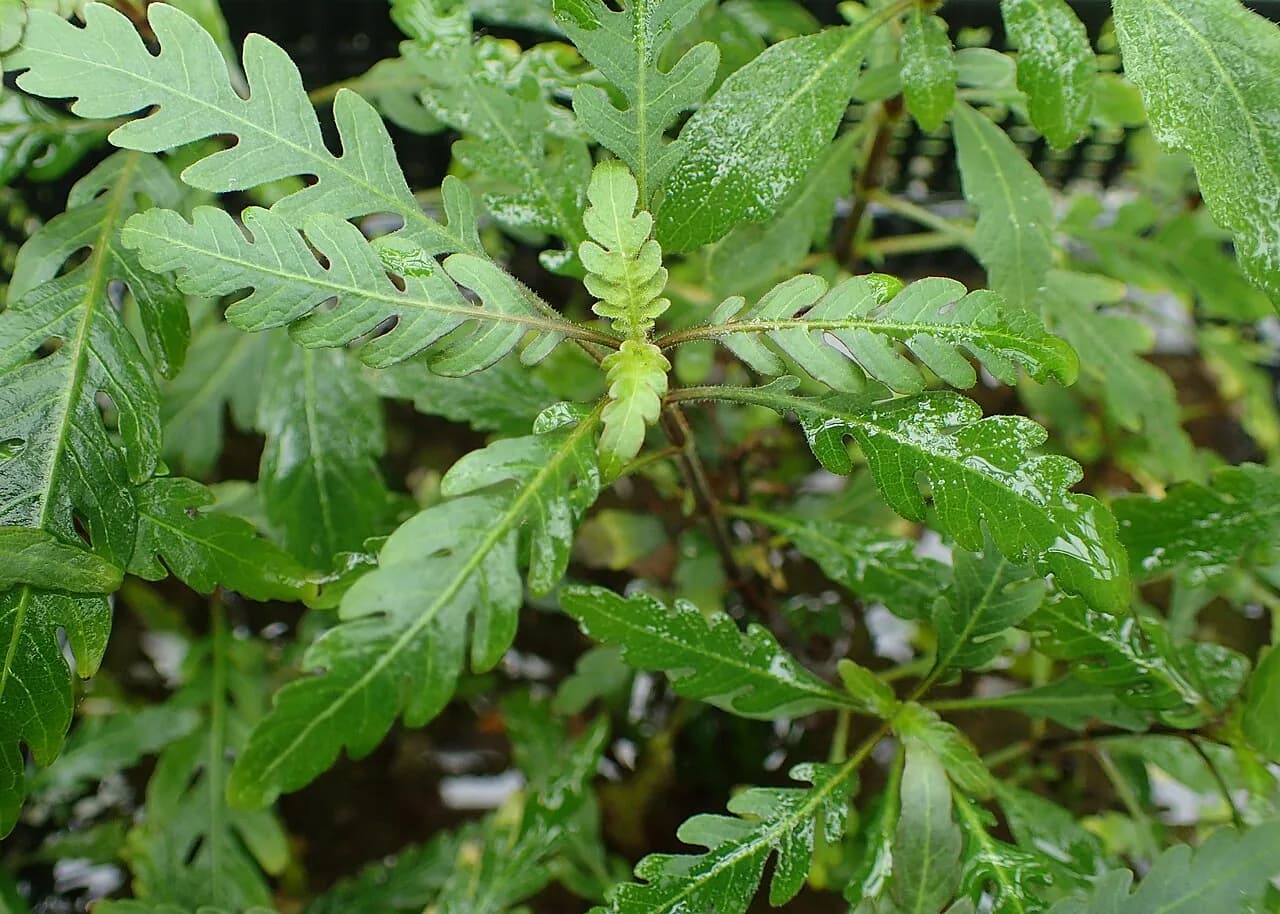
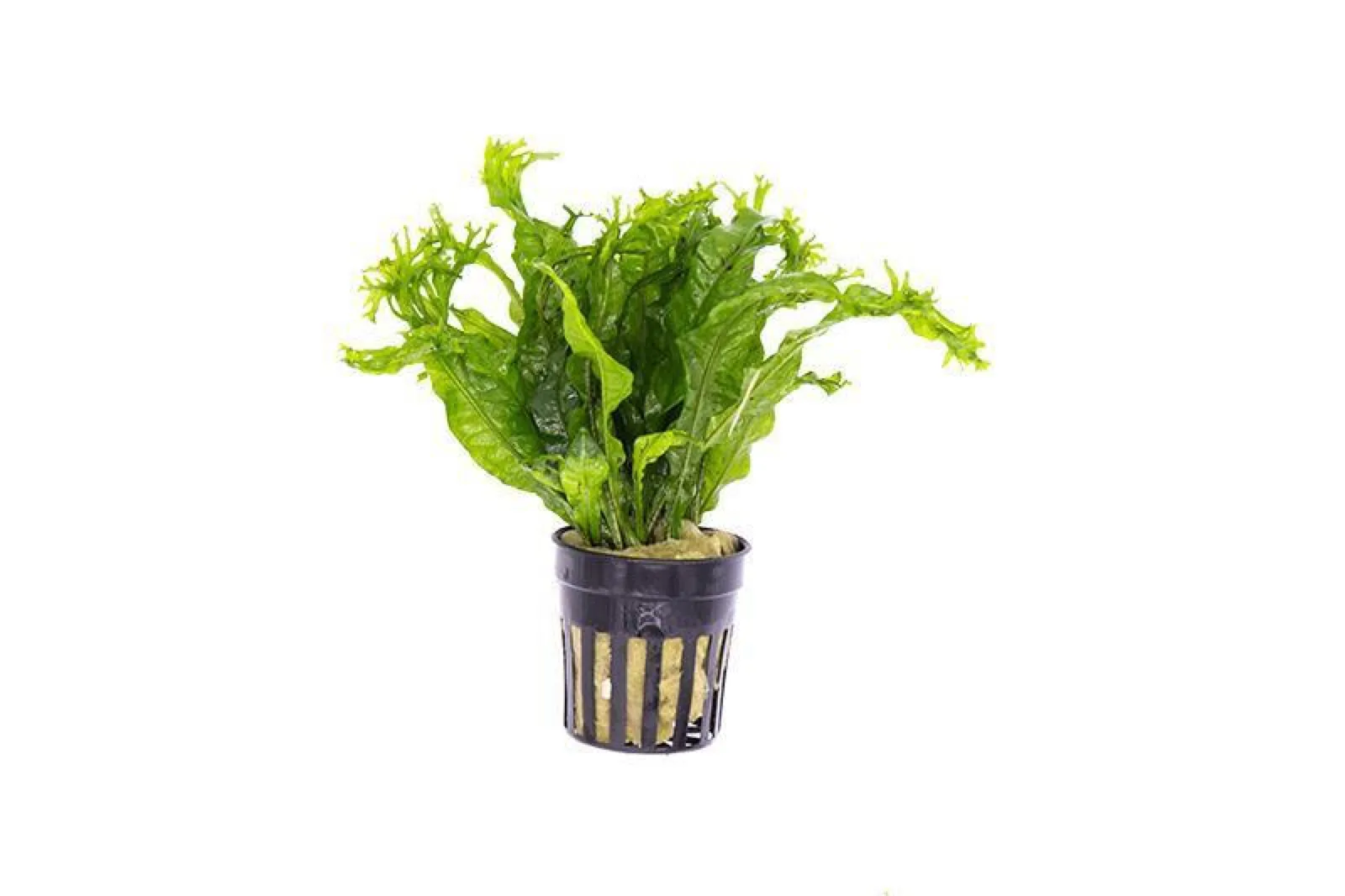
Microsorum pteropus 'Windelov'
The 'lacy' Java fern. Tropica's selectively bred cultivar with intricately split, crown-like leaf tips that look like miniature antlers. Same bombproof care as standard Java fern with dramatically more visual character.
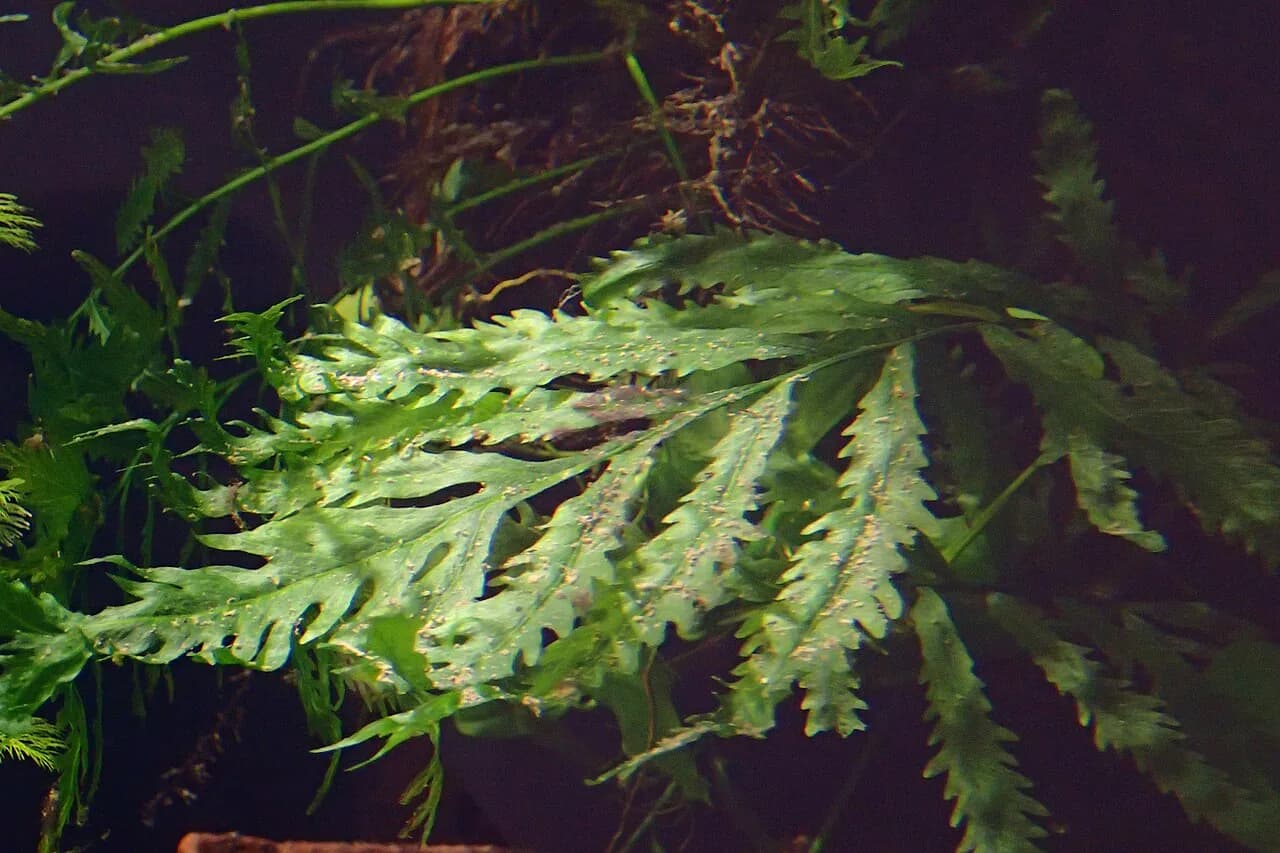
Bolbitis heudelotii
Stunning dark-green feathery fronds with deeply divided leaves. Slower than Java fern but more ornamental. Needs flow for healthy growth, stagnant water causes detritus collection on the fronds. Pairs beautifully with Anubias on a single piece of driftwood.
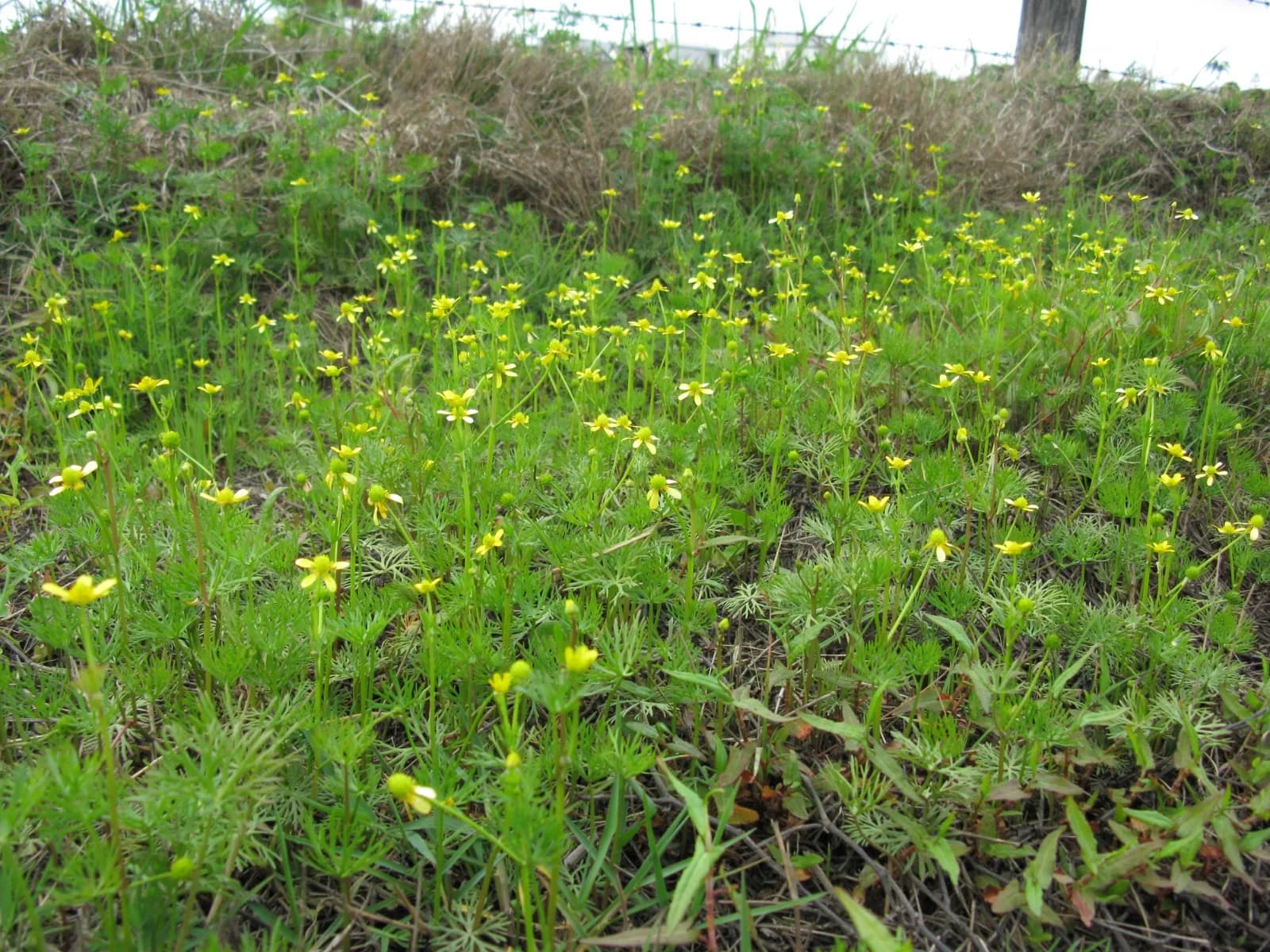
Ranunculus inundatus
Distinctive umbrella-shaped leaves on slender stems, unmistakable silhouette. Spreads via underground runners. Demands stable parameters and good light to produce the iconic umbrella form; under poor conditions reverts to simple paddle-shaped leaves. One of the most architecturally striking midground plants.
Hygrophila corymbosa
The default 'cheap big green stem' at SA aquarium shops, huge spear-shaped leaves on tall stems that fill a 60 cm tank's back wall in weeks. Will grow in almost any water (tolerates SA's harder tap better than most stems). Trim aggressively; old bottom growth sheds leaves. The cultivar 'Stricta' has narrower, frillier leaves.
Hygrophila difformis
Iconic feathery beginner stem, the leaves develop the famous deeply-cut lacework only in submersed form (above water they look like a different plant entirely). Grows so fast it works as a 'nutrient sponge' in new tanks to outcompete algae. Less forgiving of low light than temple plant; thins out and goes leggy in dim corners.
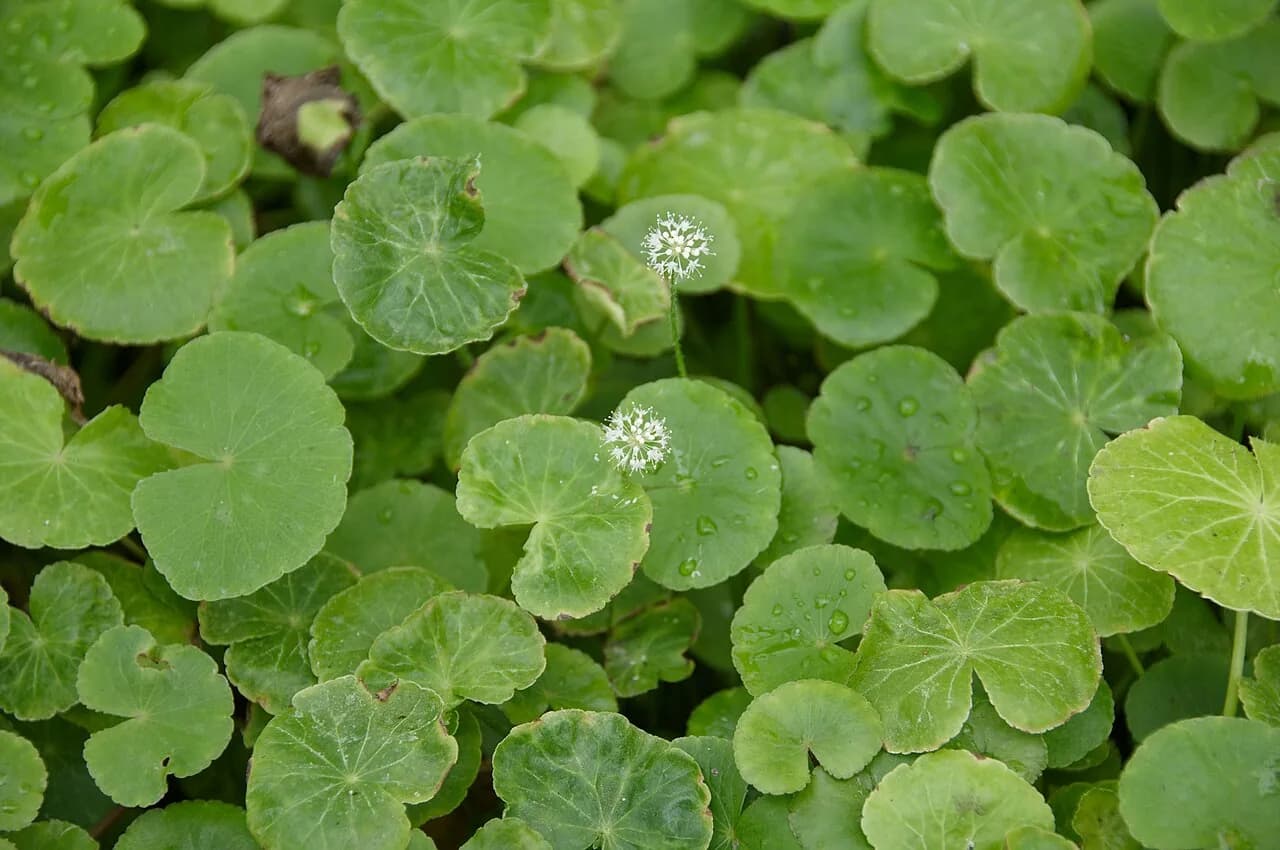
Hydrocotyle leucocephala
Bombproof beginner classic, round penny-shaped leaves on long winding stems. Either planted at the back to climb, or floated as a surface plant for shade and fry cover. Roots from every node so any cutting becomes a new plant. The fastest way to plant-out a new tank cheaply.
Bacopa monnieri
Compact, slow-growing stem with small succulent oval leaves, the slow-tempered alternative to bacopa caroliniana. Native to South African wetlands so it tolerates local hard water without complaint. Trimmed tops re-root cleanly; old bottom growth can be left to bush out instead of being uprooted.
Anubias barteri var. barteri
The full-size barteri, bigger, taller broader leaves than the 'nana' dwarf cultivar already in the catalogue. Same bombproof care: low light, no CO₂, tie to hardscape, never bury the rhizome. Use as a midground feature rather than a foreground accent. Brown patches on rhizome = rot; cut clean and re-tie.
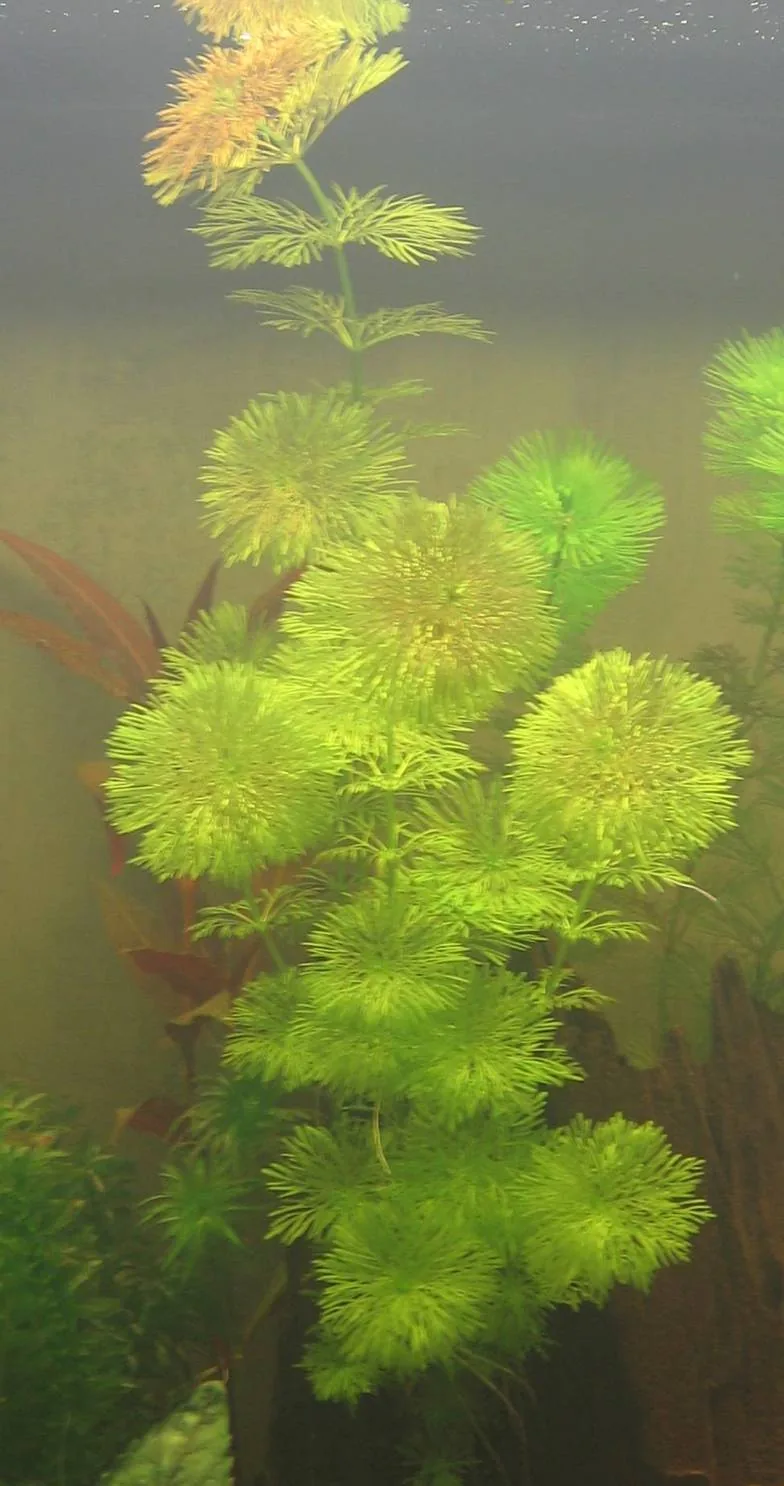
Cabomba caroliniana
Feathery fan-shaped whorls of leaves, the classic 'fluffy green' background plant. Demanding of light; melts away in low-tech tanks and resents being uprooted. Tolerates cooler water than most tropicals (down to 18 °C). Listed as invasive in some warm-water regions, check before disposing of cuttings.
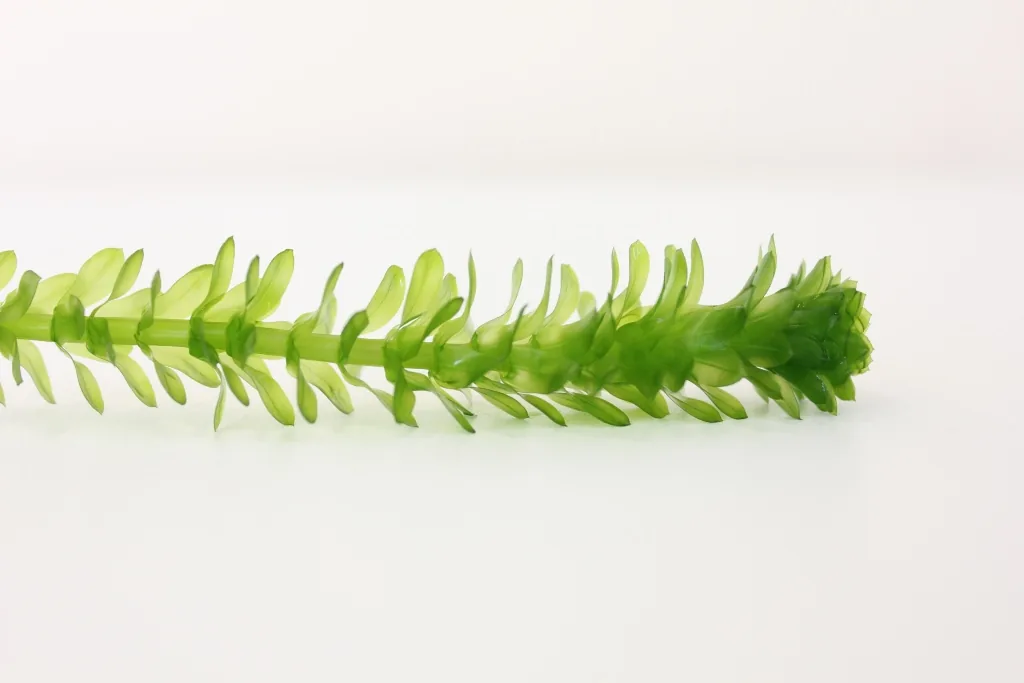
Egeria densa
The default 'green branches in a bag' from any SA pet shop. Tolerates cold water down to 10 °C, survives unheated tanks through winter. Allelopathic: actively suppresses algae growth, which is why it's still stocked everywhere despite being banned/invasive in many warmer states. Use as a quick nitrate sponge in new tanks.
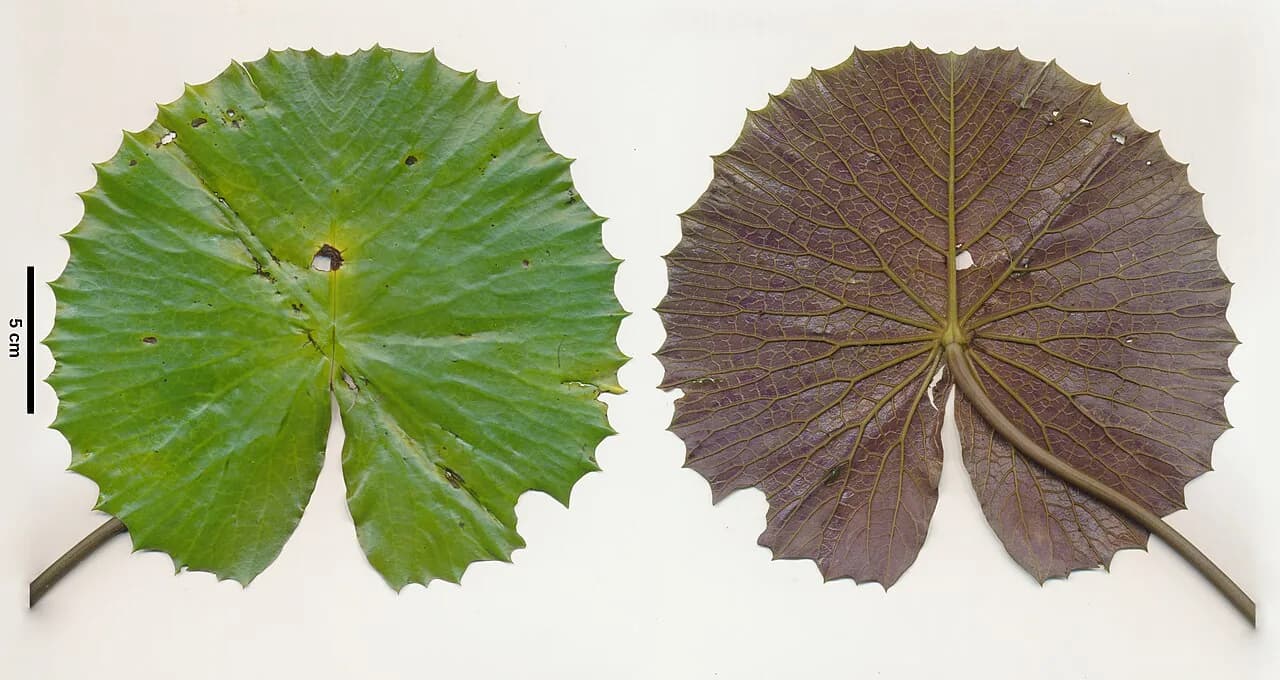
Nymphaea zenkeri
Statement feature, deep-red triangular leaves on long stems, with lily pads at the water surface if you let it. Snip surface pads ruthlessly if you want the submersed leaves to keep producing; pads otherwise dominate and shade out everything below. Goes dormant for 3–4 months between active growth cycles, let the bulb rest.
Cryptocoryne crispatula var. balansae
The 'tall crypt', long bullate (puckered) blades that grow to 60 cm and lean with flow, looking like an underwater grass field. Tolerates harder water than most crypts (a rarity), so it's the natural choice for SA tap. Will melt when moved, like every Cryptocoryne, don't dig it up, just leave it alone and it regrows.
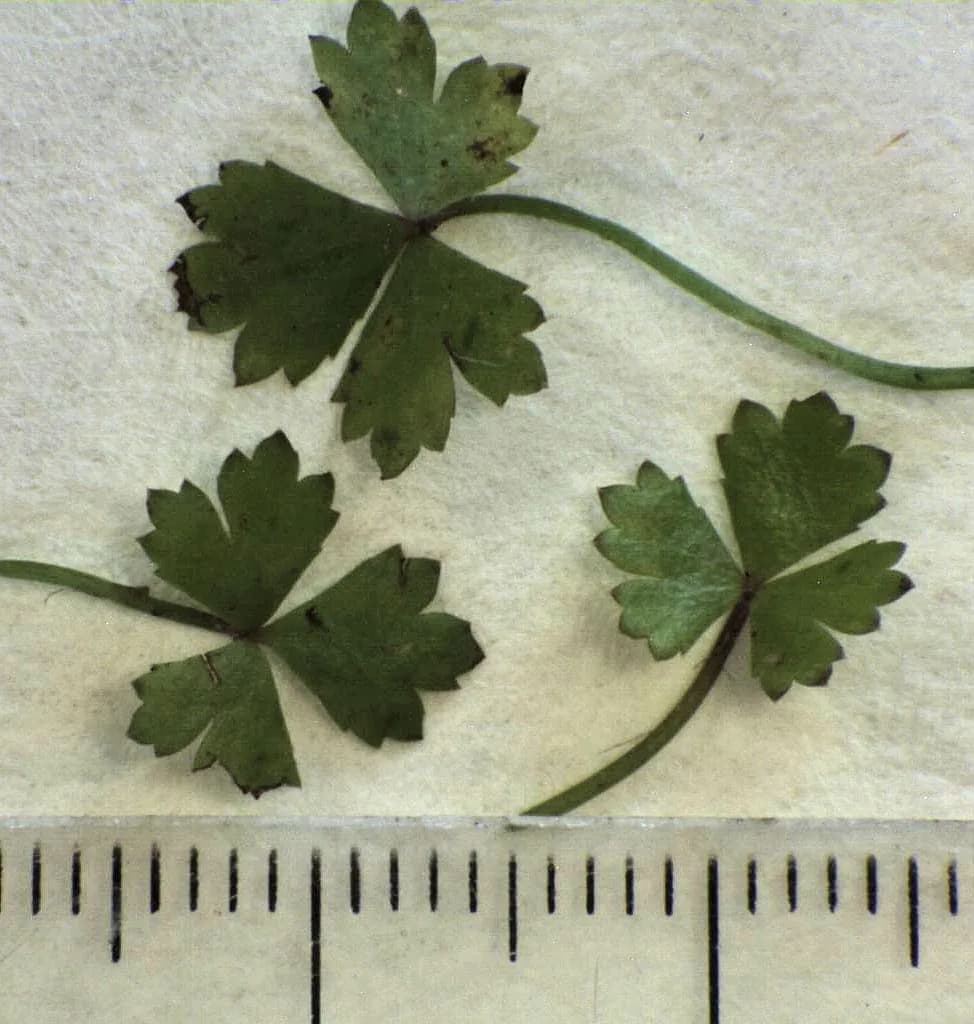
Hydrocotyle tripartita 'Japan'
The current darling of the SA aquascaping scene, tiny three-lobed clover-like leaves on thread-thin creeping stems. Carpets faster than Monte Carlo with the right light + CO₂; trim aggressively or it builds up vertically into a mat. Will grow without CO₂ at the cost of speed and density. Roots loosely; trim into shape rather than uprooting.
Microsorum pteropus 'Trident'
Finer and more elegant than standard Java fern, each leaf splits into three to five slender lobes, giving the whole plant a feathery silhouette. Faster than 'Windelov', less bombproof than the plain species. Looks especially good back-lit on a piece of upright spider wood.
Rotala wallichii
Wispy, needle-leaved stems that flush hot pink at the top under high light. Demands CO₂, soft water, and consistent dosing, neglect any of the three and you get a leggy, transparent disaster. When it works, it is one of the most ethereal-looking stems in the hobby. Top-and-replant is the only reliable trimming method.
Rotala rotundifolia 'H'ra'
The reliable red Rotala, easier than wallichii or macrandra, with thicker stems and tighter internodes. Pushes orange-red tops under good light without needing soft, acidic water. Pinch and replant the tops to thicken into a dense back-wall hedge in three or four trim cycles.
Alternanthera reineckii 'Mini'
The compact, midground-friendly version of A. reineckii, same intense purple-red foliage on a stem that tops out at 15 cm instead of running away to 50. Wants strong light, CO₂, and iron to hold the deep colour; under low light it pales to bronze-green. Pinch side shoots regularly to form a dense red bush.
Blyxa japonica
A grassy rosette that throws fountain-like blades and flushes bronze-orange under high light. The signature midground plant of the iwagumi style — pairs with hairgrass and Monte Carlo for the classic Japanese stone scape. Wants soft, slightly acidic water to colour up.
Pogostemon stellatus 'Octopus'
The whorled, tentacle-like leaves give this stem plant its octopus nickname. Lime-green in moderate light, flushes lavender-pink at the tips under intense light and lean nitrate. A demanding background plant that rewards a high-tech setup with a spectacular fountain of leaves.
Eriocaulon cinereum
A nano rosette plant with grass-like blades that fan out from a central crown. Picky about water — needs soft, acidic, and CO₂-rich conditions to thrive. Pearls heavily and forms tight green starbursts on the substrate. Single specimens used as accent points in nano scapes.
Rotala macrandra
The benchmark red stem plant — intense ruby-red to deep magenta when grown correctly. Brittle leaves shed easily during transport and re-planting, so handle with patience. Demands strong light, CO₂, and a lean nitrate/heavy iron regime to hold colour against the green of the rest of the tank.
Ludwigia palustris
The classic forgiving red stem plant — easier than macrandra or super red. Pushes orange to deep-red tones under good light without needing soft or acidic water. Sometimes sold as Ludwigia palustris 'Red' or 'Mini'. A reliable first red plant for low-tech and CO₂ tanks alike.
Ludwigia arcuata
A fine-leaved Ludwigia that flushes deep orange-red at the tops under strong light. Needle-narrow leaves give it a softer, more delicate look than repens or palustris — good for breaking up broad-leaved plants behind it. Trim weekly to thicken into a column rather than a single stem.
Riccia fluitans
A free-floating liverwort that pearls heavily under CO₂ and bright light — Amano famously tied it to stones with hairnet to make submerged carpets. Will rise to the surface as new growth pulls free; trim and re-attach to maintain a tight submerged form.
Lomariopsis lineata
Often called "round pellia" — a soft, branching fern gametophyte that drapes over rock and wood. Light green, undemanding, tolerates shade and low CO₂ unlike most aquatic plants. The right choice for shaded crevices where mosses look untidy.
Ammannia gracilis
Tall background stem with broad, slightly twisted leaves that flush copper-red to violet under high light. Less brittle than Rotala macrandra but with similar colour potential. Reads as a single block of red in the background, useful as a contrast wall behind green stems.
Myriophyllum mattogrossense
Fine, feathery foliage in lime to yellow-green — looks like a softer, brighter take on the standard parrot's feather. Adds movement and texture as a backdrop to bolder stem plants. Pearls visibly under CO₂. Trim weekly to encourage side shoots and a fuller bush form.
Heteranthera zosterifolia
A spiky, branching stem with narrow lance-shaped leaves arranged in tight whorls — like an underwater juniper. Branches sideways more than most stems, so trim aggressively to keep it from sprawling into neighbours. Reliable colour: bright green throughout, no red flush to chase.
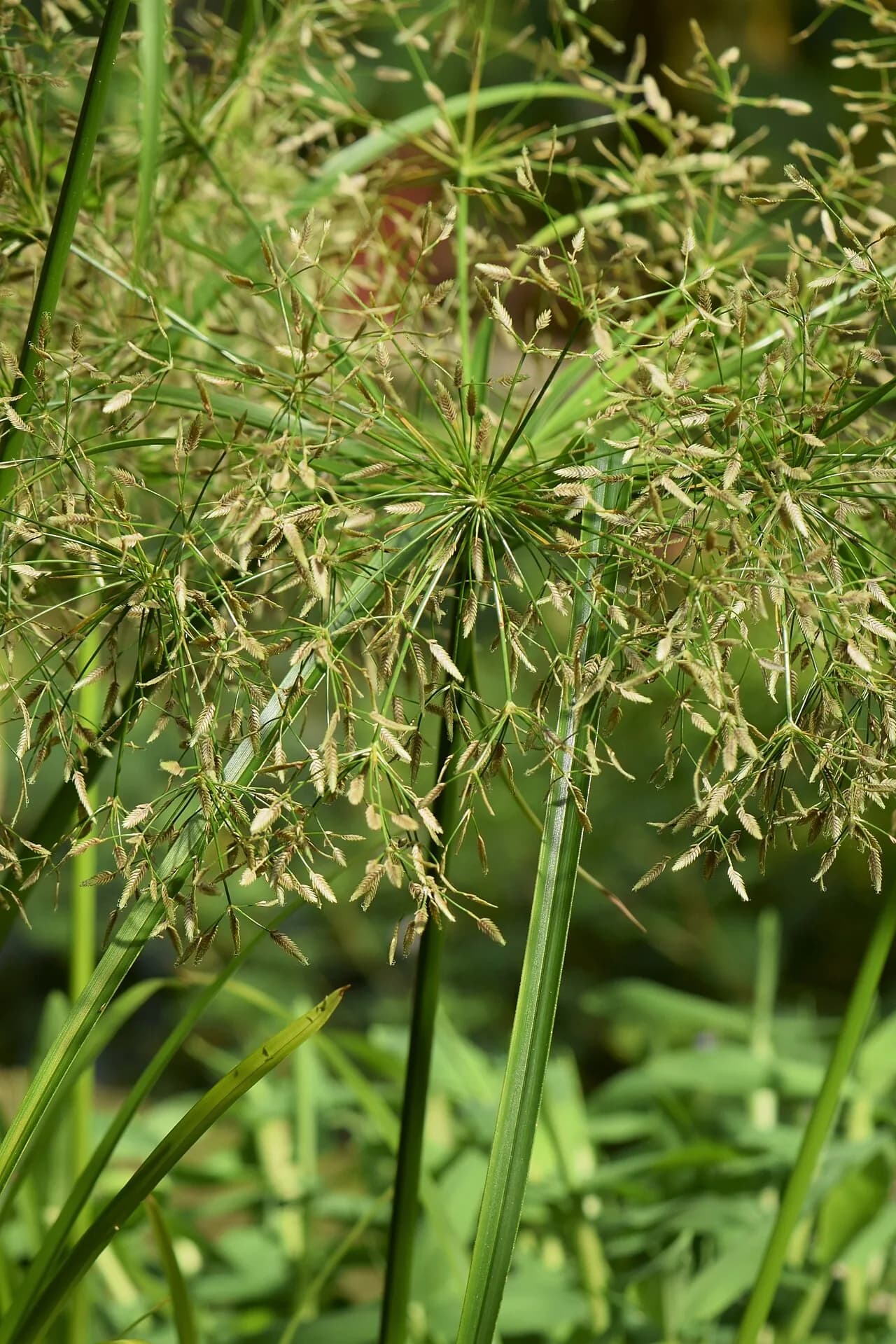
Cyperus helferi
A grass-like rosette of fine, ribbon-thin leaves that arc outward and ripple in flow. Plant in clumps of three to five, spaced to allow each rosette room to fan out. Reads as a soft transition between background stems and lower midground rosettes.
Helanthium tenellum 'Vesuvius'
A twisted-leaf cultivar of the chain sword — every blade spirals as it grows, giving the rosette a sculptural quality you don't get from straight-leaved species. Sends runners across the substrate and forms a midground colony over months. Tolerant of low-tech setups.
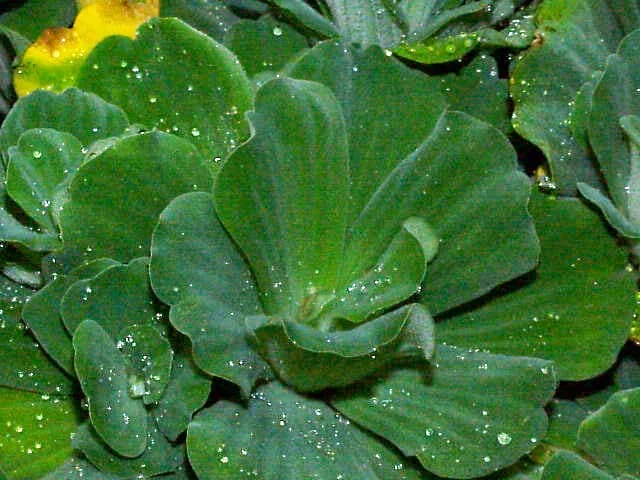
Pistia stratiotes
A large floating rosette of pale-green velvety leaves that trails long feathery roots into the water column. Excellent nitrate sponge and surface shade for shy fish like sparkling gourami. Banned as an invasive in several jurisdictions — check local regulations before introducing.
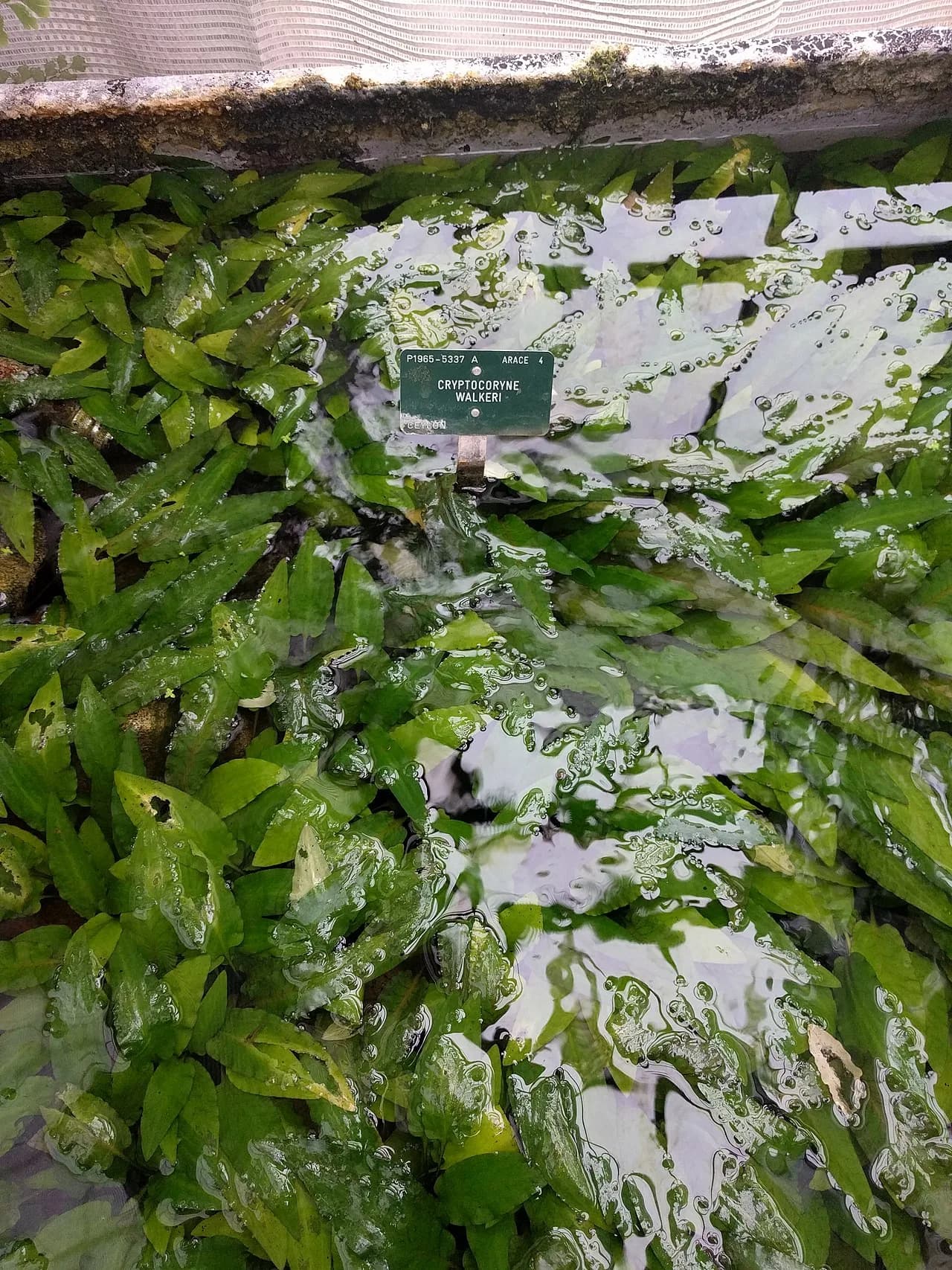
Cryptocoryne walkeri
An undemanding crypt with olive-green to bronze leaves that ripple at the edges. Will melt on transplant — the leaves dissolve then regrow from the rhizome over two to three weeks. Once established, sends runners and slowly forms a midground colony. Tolerates harder, more alkaline water than wendtii.
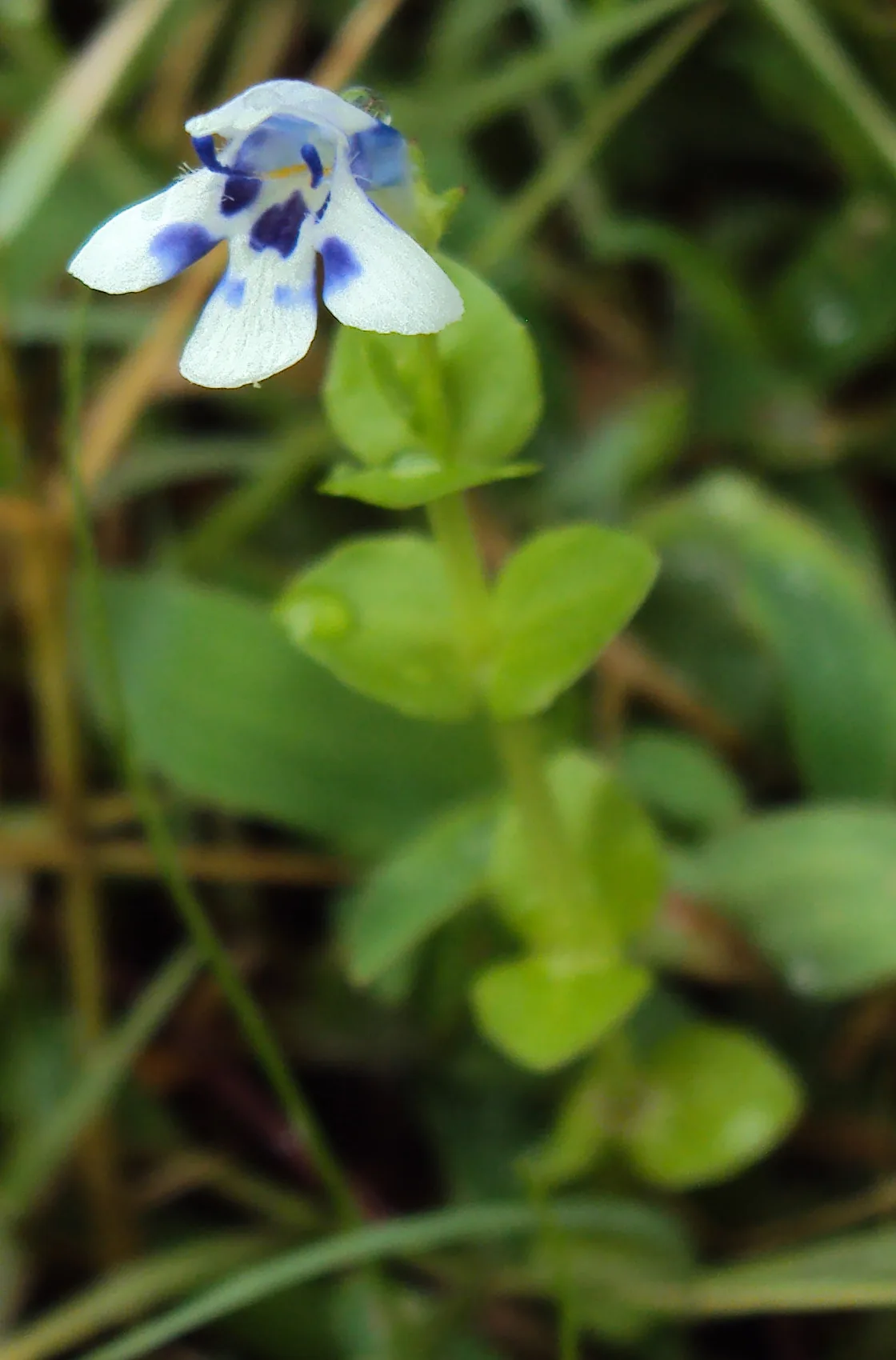
Lindernia rotundifolia
Sometimes sold as Variegated Lindernia — bright green rounded leaves veined in cream-white. Beginner-friendly midground stem that tolerates a wide range of light and water parameters. Pinch the tops to encourage bushy side growth instead of a single-stem column.
Microsorum pteropus 'Narrow Leaf'
The slimmer cultivar of the classic java fern — leaves stay below 1.5 cm wide, giving the plant a more delicate, grass-like silhouette compared to the regular form. Same care as the standard species: low light, no substrate needed, never bury the rhizome.
Anubias barteri var. nana 'Petite'
The smallest anubias variety, with leaves under 2 cm — the nano-tank equivalent of standard anubias nana. Tucks into wood crevices and on small stones where bigger anubias would dominate the scape. Same care: rhizome above the substrate or it rots; rinse algae off leaves regularly.
Echinodorus 'Red Flame'
A large background sword cultivar with deep green leaves splashed in red and copper flecks. Reads as a focal-point specimen plant rather than a mass — one or two crowns are enough in a 200 L tank. Hungry feeder, root tabs are non-optional in inert substrate.
Eleocharis vivipara
A taller hairgrass that produces baby plantlets at the tips of mature blades — they bend over, root into the substrate, and form new clumps in cascading layers. Adds vertical motion to midground scapes that ordinary dwarf hairgrass can't provide.