Fin & Stem logo
Pearlweed (Micranthemum micranthemoides)
PlantStem

Pearlweed

Micranthemum micranthemoides

Eastern and southern USA, CubaEasy

TL;DR, Pearlweed

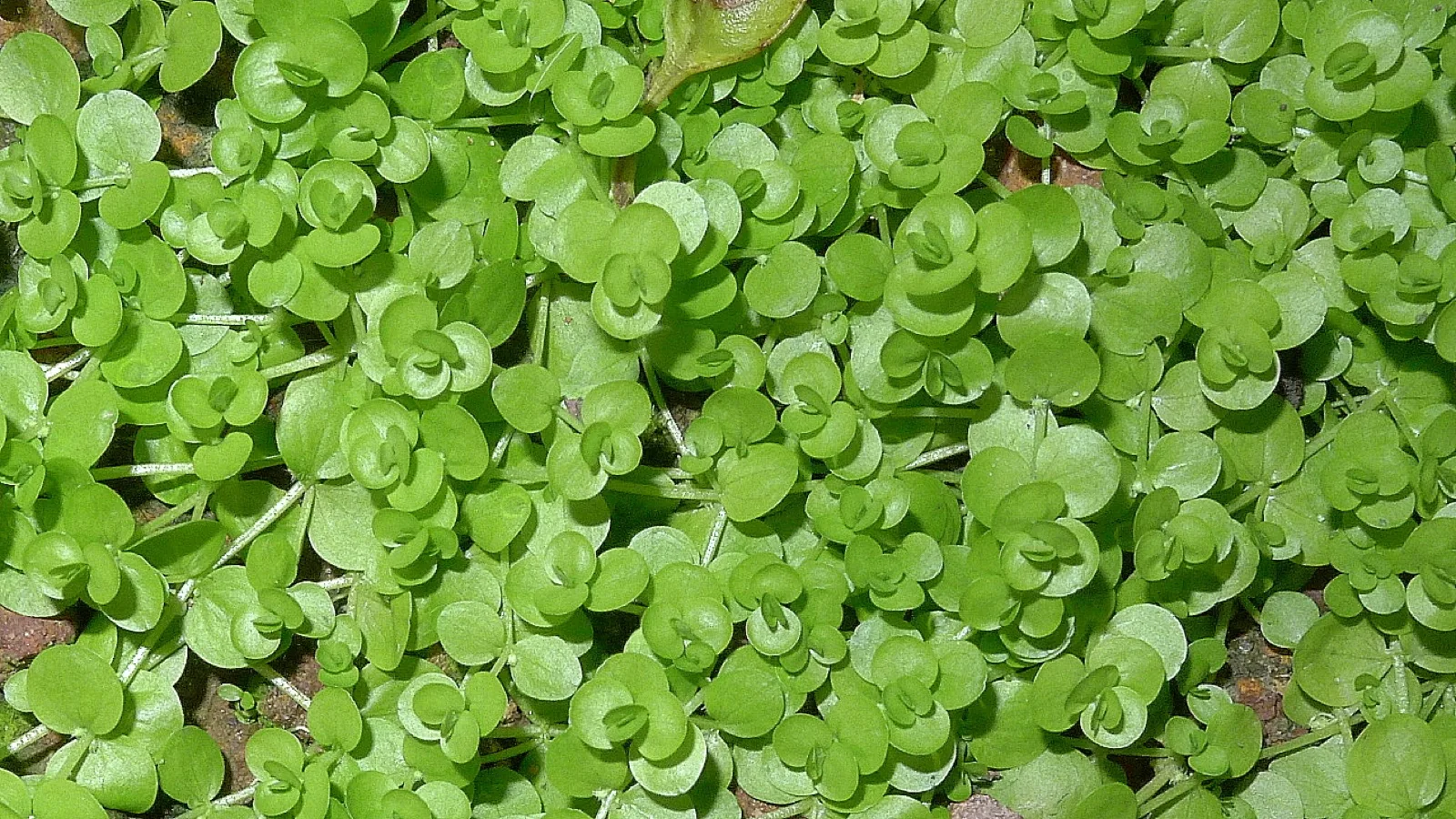
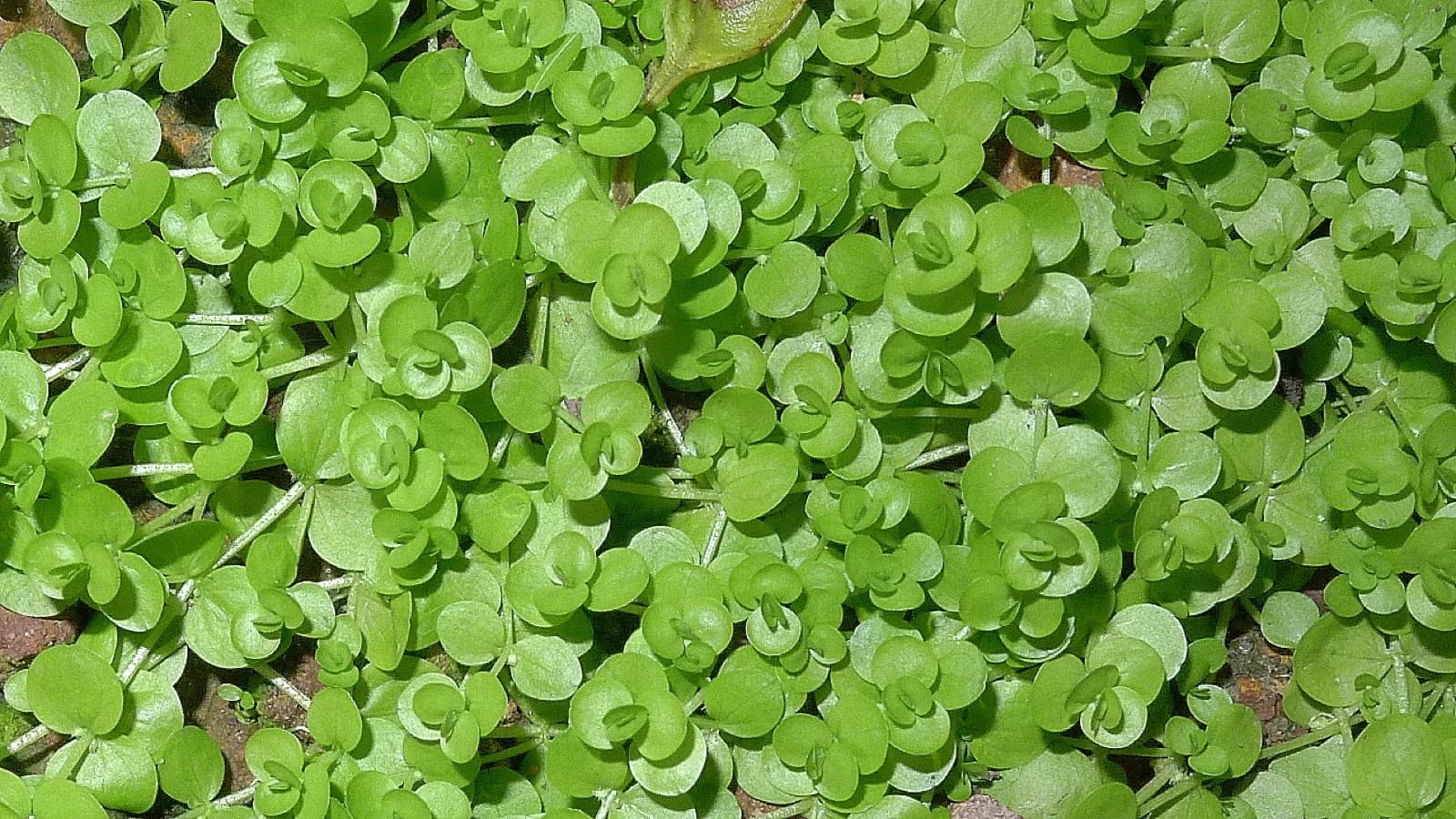
Often mislabelled HC Cuba. Tiny round leaves on slender stems, under high light + CO₂ stays low and creates a fuzzy carpet; under low light grows tall and stem-like. Pearls heavily under CO₂ (hence the name). A more forgiving foreground option than true HC.

Pearlweed (Micranthemum micranthemoides) is a stem (creeping or vertical) aquatic plant for the foreground to midground of a planted tank. It reaches 5–25 (varies hugely with light) cm under good conditions and grows at a fast rate. Light: medium to high. CO₂: optional. Target 20–28 °C, pH 5.5–7.5, and 2–15 dGH. Substrate: Any, water column feeder. Propagate via cuttings.

  • LightMedium to High
  • CO₂Optional

Care at a glance

Often mislabelled HC Cuba. Tiny round leaves on slender stems, under high light + CO₂ stays low and creates a fuzzy carpet; under low light grows tall and stem-like. Pearls heavily under CO₂ (hence the name). A more forgiving foreground option than true HC.

By Updated 2 min read

Part of our complete guide to the planted aquarium.

Pearlweed (Micranthemum micranthemoides)
Alex Popovkin, Bahia, Brazil · CC BY 2.0Source

Hero photo by Alex Popovkin, Bahia, Brazil · CC BY 2.0 · Wikipedia

Tank fit

The parameters that decide whether pearlweed fits in your tank.

Parameters

Temperature20–28 °C
15 °C20 °C25 °C30 °C
pH5.5–7.5
4.05.06.07.08.0
Hardness2–15 dGH
0 dGH5 dGH10 dGH15 dGH20 dGH25 dGH
Height5–25 cm
020406080
LightMedium to High
Low
Medium
High
CO₂Optional
None
Optional
Recommended
Required
GrowthFast
Slow
Medium
Fast
V. fast
FlowLow to Medium
Still
Low
Medium
High
V. high

Profile

Family

Linderniaceae

Type

Stem (creeping or vertical)

Position

Foreground to Midground

Substrate

Any, water column feeder

Propagation

Cuttings

Habitat

Damp wooded streams and bogs of Eurasia

Eastern and southern USA, Cuba

Who it lives with

Tank-mate safety and the species this one is documented to thrive (or fail) alongside.

Pro tips

Hard-won lessons from the tank.

The forgiving alternative to HC Cuba. Skip CO₂ for a taller, looser carpet over 6–8 weeks; add CO₂ for a tight pearling foreground in 3–4 weeks. The pearling under high light + CO₂ is genuinely spectacular — single fronds become tiny oxygen-bubble factories. One of the most photographed plants in competition aquascapes.

Things to watch for

What can go wrong and how to spot it.

Things to watch for

Failure modes, in order of how dramatic the fix is.

Nutrition

Common deficiencies

Stretchy upward growth (instead of carpeting): insufficient light. Pale: iron + nitrogen. Stunted: CO₂ instability or low light.

Algae

Algae issues

Less prone to algae than HC Cuba due to faster growth. BBA on older lower portions if flow is poor.

How to care for it

The practical routine, read top to bottom.

  1. Fertilization

    Light water-column feeder. Standard EI dosing or commercial all-in-one suffices. CO₂ optional — speeds growth significantly and triggers pearling.

  2. Trimming

    Top every 2–3 weeks to encourage horizontal spreading (for foreground use) or just remove damaged stems (for midground use). Cuttings root within days.

Background

Where it comes from, how it behaves, and the variants you'll see at retail.

Show background

In the wild

Where it lived before it came home.

Native rangeCubaEastern USA
Origin · Eastern and southern USA, Cuba

Slow streams, swamps, and pond margins across the southeastern United States and Cuba. Grows emersed in damp mud or fully submerged in shallow water.

Emersed form

Vigorous emersed grower with stiffer leaves. Tissue culture typically delivers emersed form; transitions to submerged within 1–2 weeks with softer slightly larger leaves.

Flowering

Tiny inconspicuous emersed flowers; never flowers submerged.

Variants & identification

The named cultivars and the lookalikes worth flagging.

Variants / cultivars

H. glomeratus is the most common pearlweed in trade. Often mislabelled and sold as 'HC Cuba' or 'pearlweed Cuba' — true HC Cuba is the much smaller Hemianthus callitrichoides. Check leaf size: pearlweed leaves are 4–6 mm; HC Cuba leaves are 2–3 mm.

Misidentification

Often sold as 'HC Cuba' or 'Cuba Pearlweed' in confusion. True HC Cuba is much smaller and demands CO₂; pearlweed is forgiving. Verify by leaf size at purchase.

Frequently asked questions

Direct answers to the questions search engines and AI assistants surface most often about this species.

Does Pearlweed need CO₂?

CO₂ requirement: optional. Light requirement: medium to high. Under low-tech conditions the plant grows at a fast rate.

What light level does Pearlweed need?

Pearlweed (Micranthemum micranthemoides) needs medium to high light. Run a photoperiod of 6–8 hours; longer photoperiods invite algae unless CO₂ and dosing are dialled in.

Where should Pearlweed be planted?

Position: foreground to midground. Substrate: Any, water column feeder It typically reaches 5–25 (varies hugely with light) cm.

How do you propagate Pearlweed?

Propagation method: Cuttings. Pearlweed is a stem (creeping or vertical) plant.

What water parameters does Pearlweed tolerate?

Target 20–28 °C, pH 5.5–7.5, and 2–15 dGH. Flow tolerance: low to medium.

Is Pearlweed suitable for beginners?

Difficulty: 2/5. Forgiving, beginner-friendly once the tank is cycled.

Sources & further reading

Cross-references

Build the rest of the tank.

A planted tank is a system. Pair this plant with one entry from each other pillar to plan the whole scape.