Fin & Stem logo
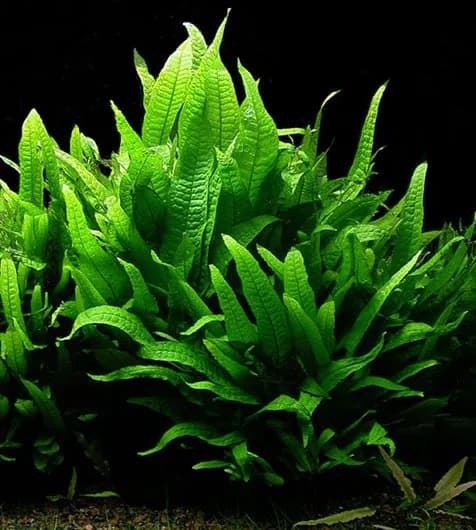
Java Fern (Microsorum pteropus)
PlantEpiphyte

Java Fern

Microsorum pteropus

Southeast AsiaBeginner

TL;DR, Java Fern

Sturdy and forgiving. Produces baby ferns on leaf tips that can be detached and replanted. Black spots can indicate nutrient deficiency or melt, increase trace dosing.

Java Fern (Microsorum pteropus) is a rhizome / epiphyte aquatic plant for the midground to background of a planted tank. It reaches 15–35 cm under good conditions and grows at a slow rate. Light: low to medium. CO₂: none to optional. Target 20–28 °C, pH 5.5–7.5, and 2–15 dGH. Substrate: Attach to wood or stone, never bury rhizome. Propagate via rhizome division and plantlets on leaves.

  • LightLow to Medium
  • CO₂None to Optional

Care at a glance

Sturdy and forgiving. Produces baby ferns on leaf tips that can be detached and replanted. Black spots can indicate nutrient deficiency or melt, increase trace dosing.

By Updated 2 min read

Part of our complete guide to the planted aquarium.

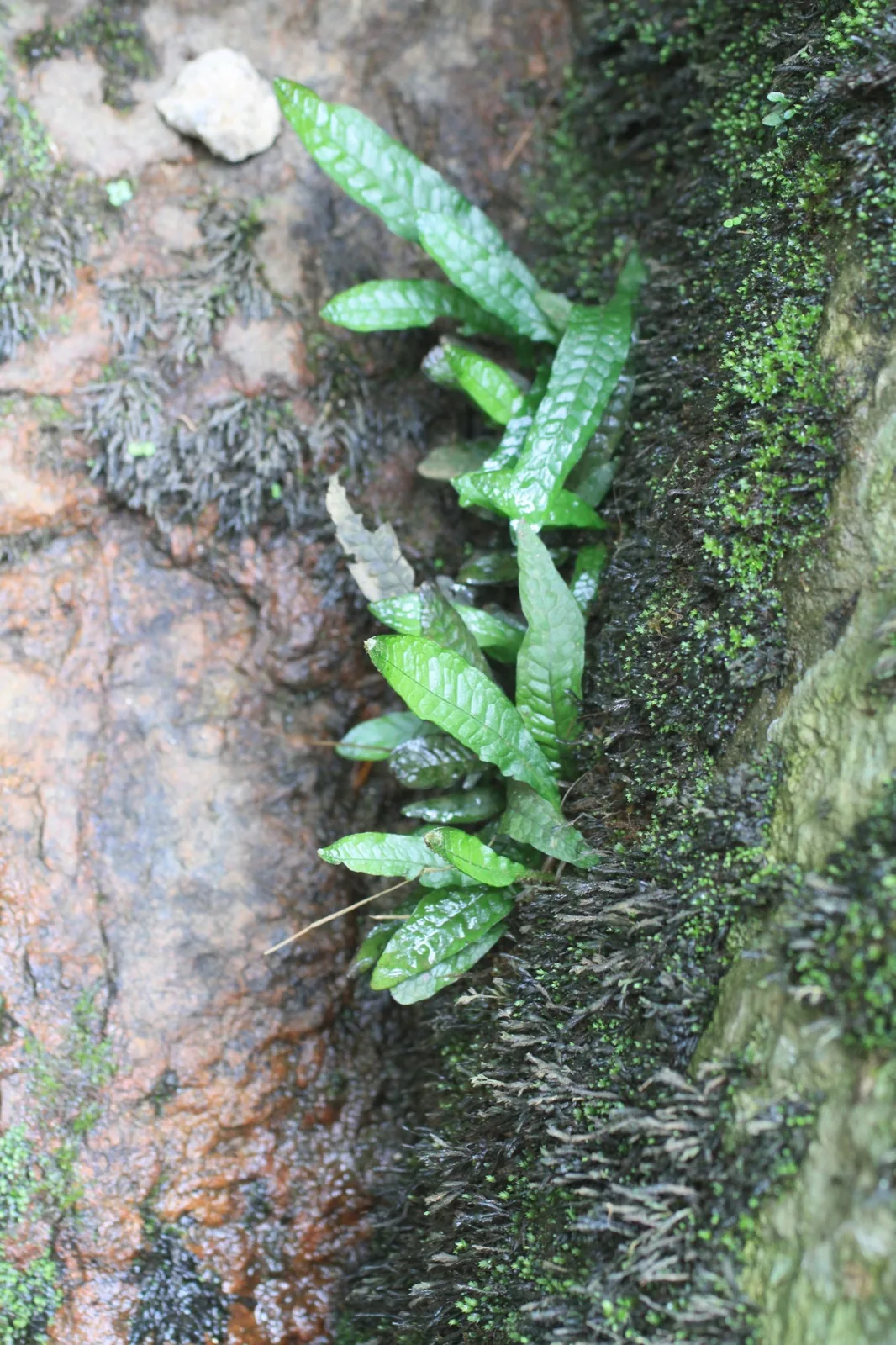
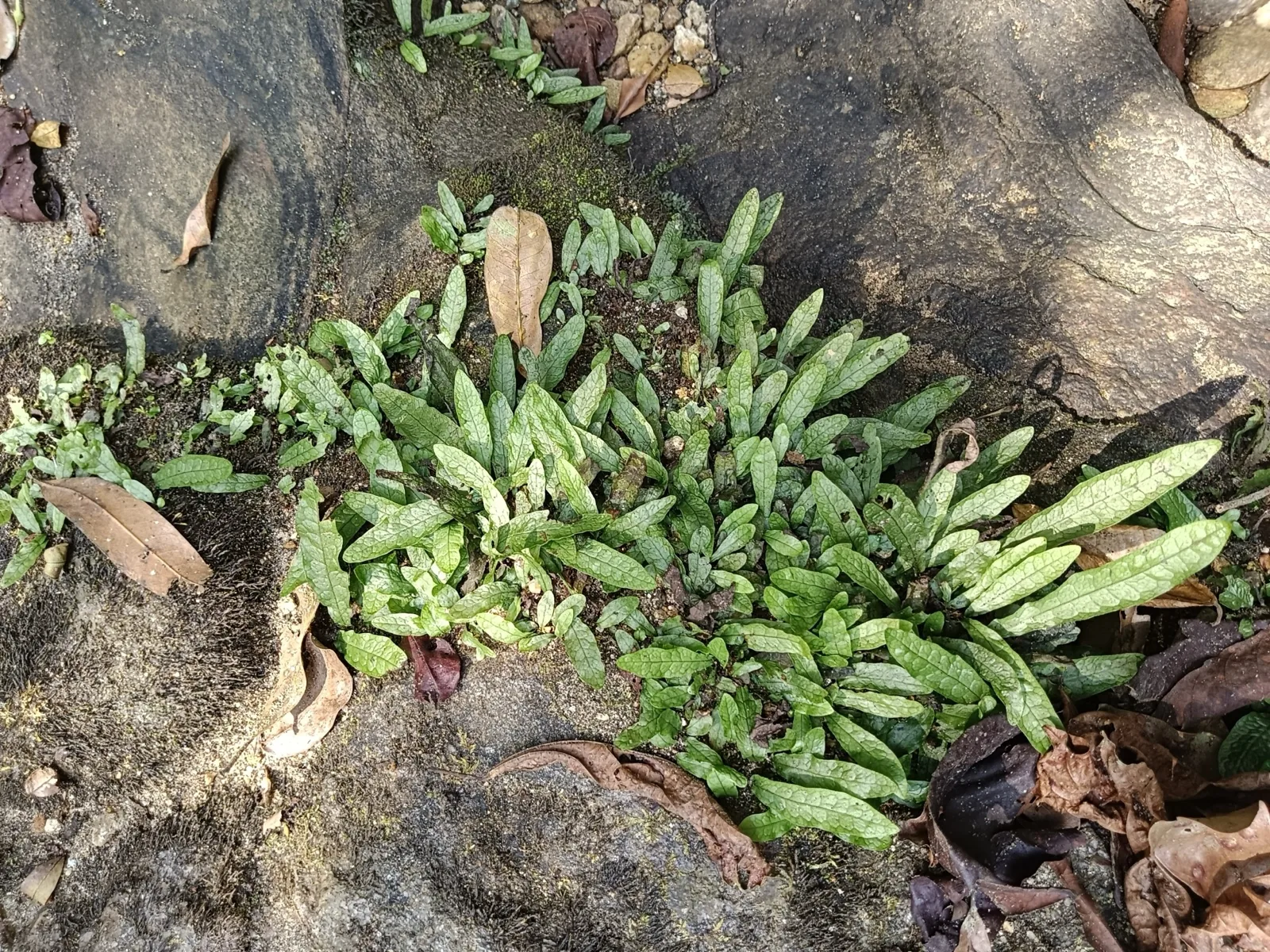
Java Fern (Microsorum pteropus)
Oleg Kosterin · CC BY 4.0Source
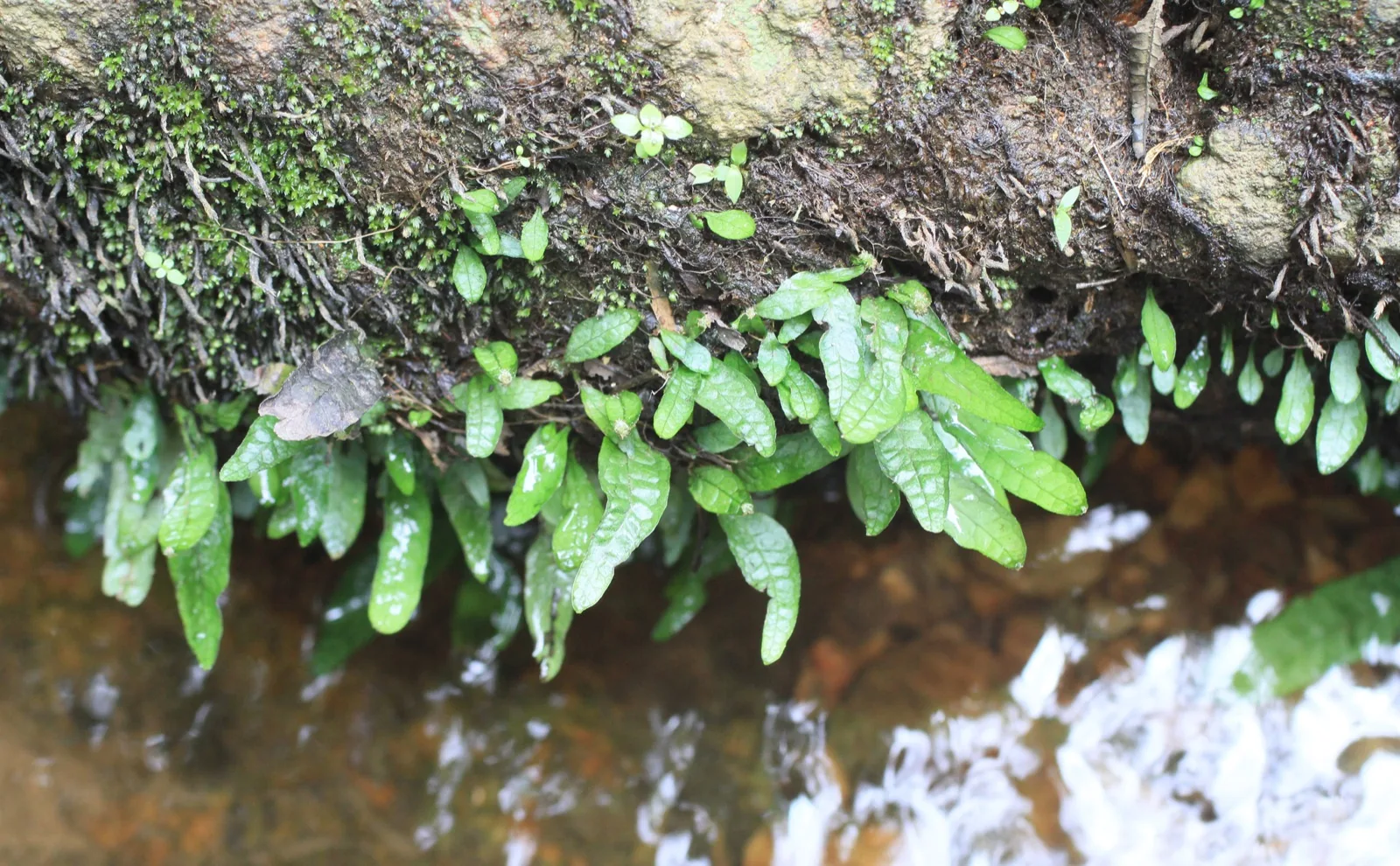
Java Fern (Microsorum pteropus)
Oleg Kosterin · CC BY 4.0Source
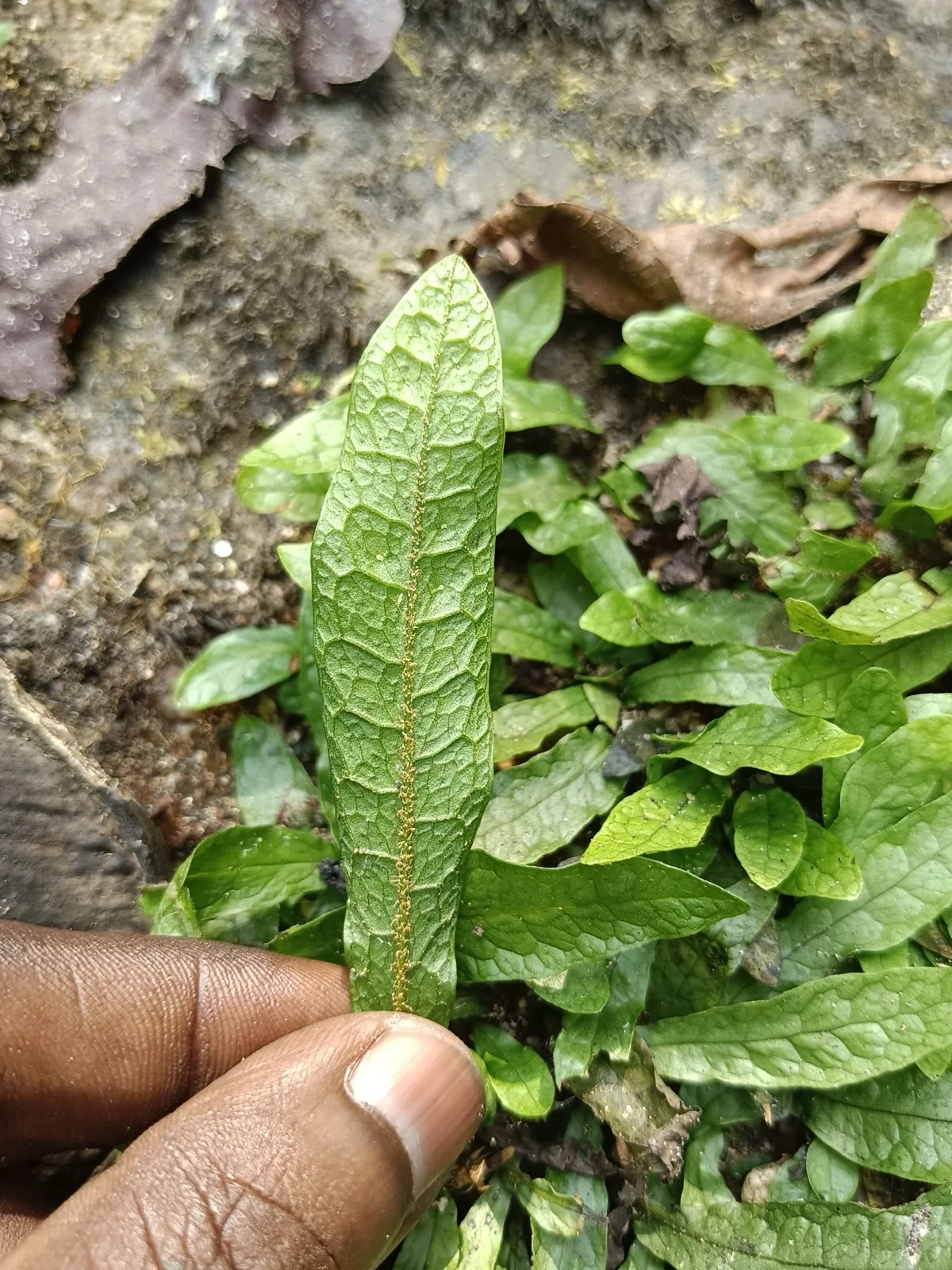
Java Fern (Microsorum pteropus)
renjus box · CC BY 4.0Source
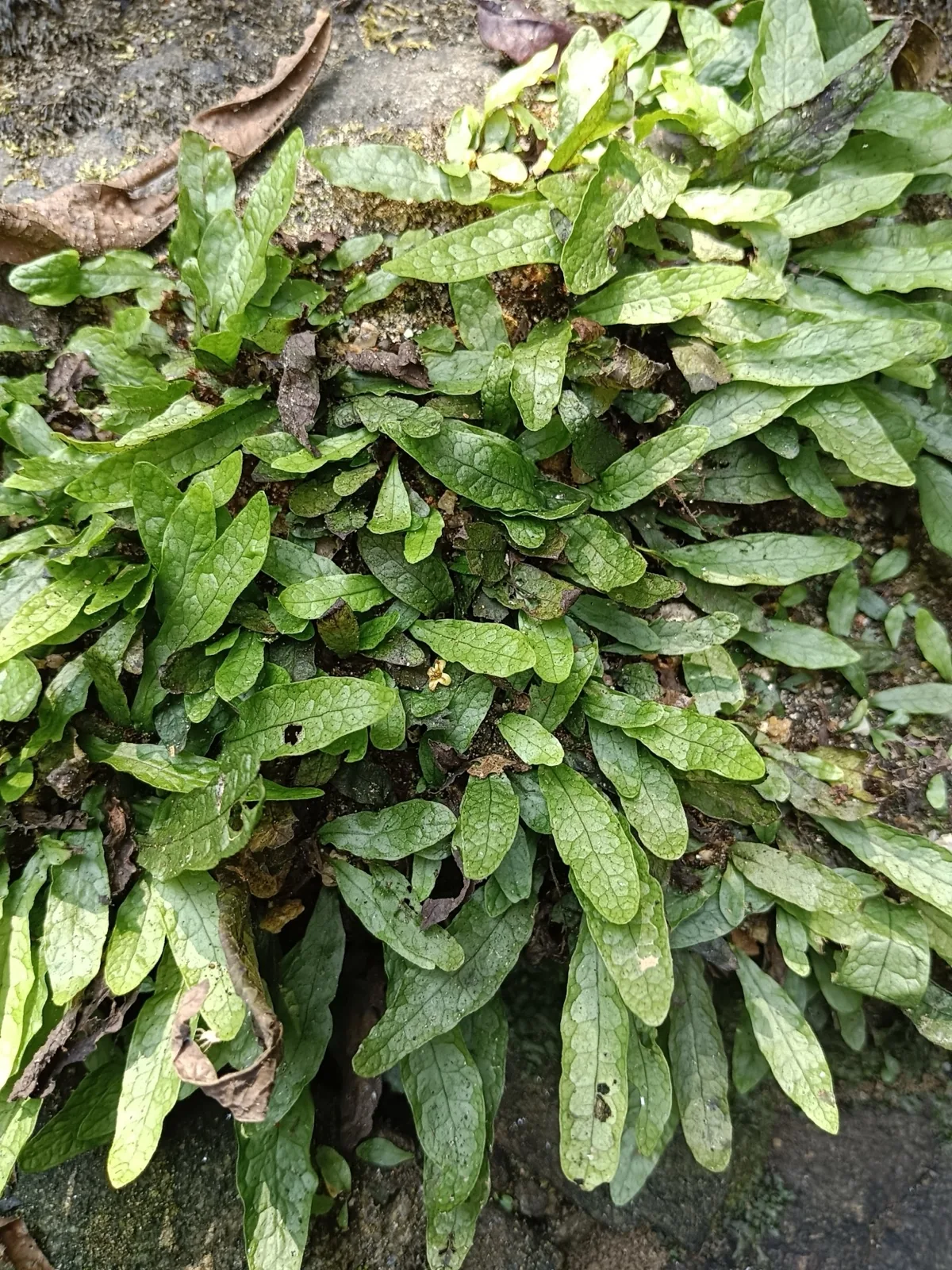
Java Fern (Microsorum pteropus)
renjus box · CC BY 4.0Source
Java Fern (Microsorum pteropus)
renjus box · CC BY 4.0Source

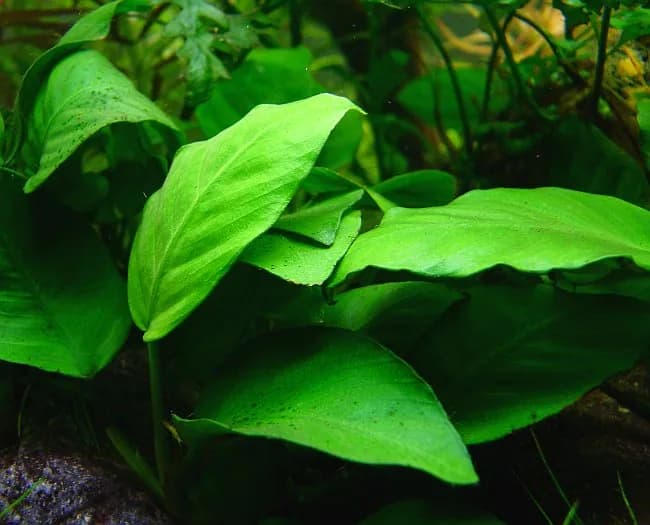
Hero photo by Tsunamicarlos at English Wikipedia · Public domain · Wikipedia

Tank fit

The parameters that decide whether java fern fits in your tank.

Parameters

Temperature20–28 °C
15 °C20 °C25 °C30 °C
pH5.5–7.5
4.05.06.07.08.0
Hardness2–15 dGH
0 dGH5 dGH10 dGH15 dGH20 dGH25 dGH
Height15–35 cm
020406080
LightLow to Medium
Low
Medium
High
CO₂None to Optional
None
Optional
Recommended
Required
GrowthSlow
Slow
Medium
Fast
V. fast
FlowLow to High
Still
Low
Medium
High
V. high

Profile

Family

Polypodiaceae

Type

Rhizome / Epiphyte

Position

Midground to Background

Substrate

Attach to wood or stone, never bury rhizome

Propagation

Rhizome division and plantlets on leaves

Habitat

Splash-zone of rainforest waterfalls in Southeast Asia

Southeast Asia

Who it lives with

Tank-mate safety and the species this one is documented to thrive (or fail) alongside.

Pro tips

Hard-won lessons from the tank.

Wood is the natural home for Java fern, but it attaches just as well to porous stones (lava rock especially). Use cotton thread to tie initially; rhizome roots will lock on within 6 weeks and the thread rots away. Don't strap with fishing line — never decomposes.

Things to watch for

What can go wrong and how to spot it.

Things to watch for

Failure modes, in order of how dramatic the fix is.

Nutrition

Common deficiencies

Brown/black spots that spread: 'Java fern melt' — usually from too-high lighting, ammonia spikes, or poor flow. Iron deficiency: yellow new growth. Spores (small black bumps under leaves) are NOT disease — they're reproductive structures.

Algae

Algae issues

Same as Anubias — slow leaves accumulate algae. BBA particularly common. Reduce light; increase CO₂ stability; let the leaf cycle through (old leaves die, new clean leaves replace them).

How to care for it

The practical routine, read top to bottom.

  1. Fertilization

    Very modest water-column dosing. Iron deficiency causes yellow new leaves; trace dosing fixes it. Root tabs ignored since rhizome floats above substrate.

  2. Trimming

    Cut damaged leaves at the base. To propagate daughter plants, wait until they have 3–4 small leaves and visible rootlets, then snap off and attach elsewhere.

Background

Where it comes from, how it behaves, and the variants you'll see at retail.

Show background

In the wild

Where it lived before it came home.

Native rangeSoutheast Asia
Origin · Southeast Asia

Throughout Southeast Asia along forested streams and waterfalls. Like Anubias, it grows semi-submerged on rocks and roots; underwater is its 'soaked' form.

Emersed form

Easily grown emersed in humid conditions — leaves are slightly thicker and may show different colour. Many cultivars (esp. Windelov) were originally selected from emersed displays.

Flowering

Does not flower. Propagates via daughter plants formed on mature leaf edges and tips.

Variants & identification

The named cultivars and the lookalikes worth flagging.

Variants / cultivars
Narrow LeafNeedle LeafWindelovTridentPhilippineLance Leaf

'Narrow Leaf', 'Needle Leaf' (thinner), 'Windelov' (lacy split tips, popular), 'Trident' (three-pronged leaves), 'Philippine' (larger, broader), 'Lance Leaf'. All same care.

Misidentification

'Trident' often confused with 'Windelov' — Trident has long forked tips; Windelov has lacy crown-like tips. 'Philippine' (M. p. var. Philippine) has much broader leaves and is sometimes sold as 'Big Leaf'.

Frequently asked questions

Direct answers to the questions search engines and AI assistants surface most often about this species.

Does Java Fern need CO₂?

CO₂ requirement: none to optional. Light requirement: low to medium. Under low-tech conditions the plant grows at a slow rate.

What light level does Java Fern need?

Java Fern (Microsorum pteropus) needs low to medium light. Run a photoperiod of 6–8 hours; longer photoperiods invite algae unless CO₂ and dosing are dialled in.

Where should Java Fern be planted?

Position: midground to background. Substrate: Attach to wood or stone, never bury rhizome It typically reaches 15–35 cm.

How do you propagate Java Fern?

Propagation method: Rhizome division and plantlets on leaves. Java Fern is a rhizome / epiphyte plant.

What water parameters does Java Fern tolerate?

Target 20–28 °C, pH 5.5–7.5, and 2–15 dGH. Flow tolerance: low to high.

Is Java Fern suitable for beginners?

Difficulty: 1/5. Almost unkillable, a solid first-tank choice.

Sources & further reading

Cross-references

Build the rest of the tank.

A planted tank is a system. Pair this plant with one entry from each other pillar to plan the whole scape.