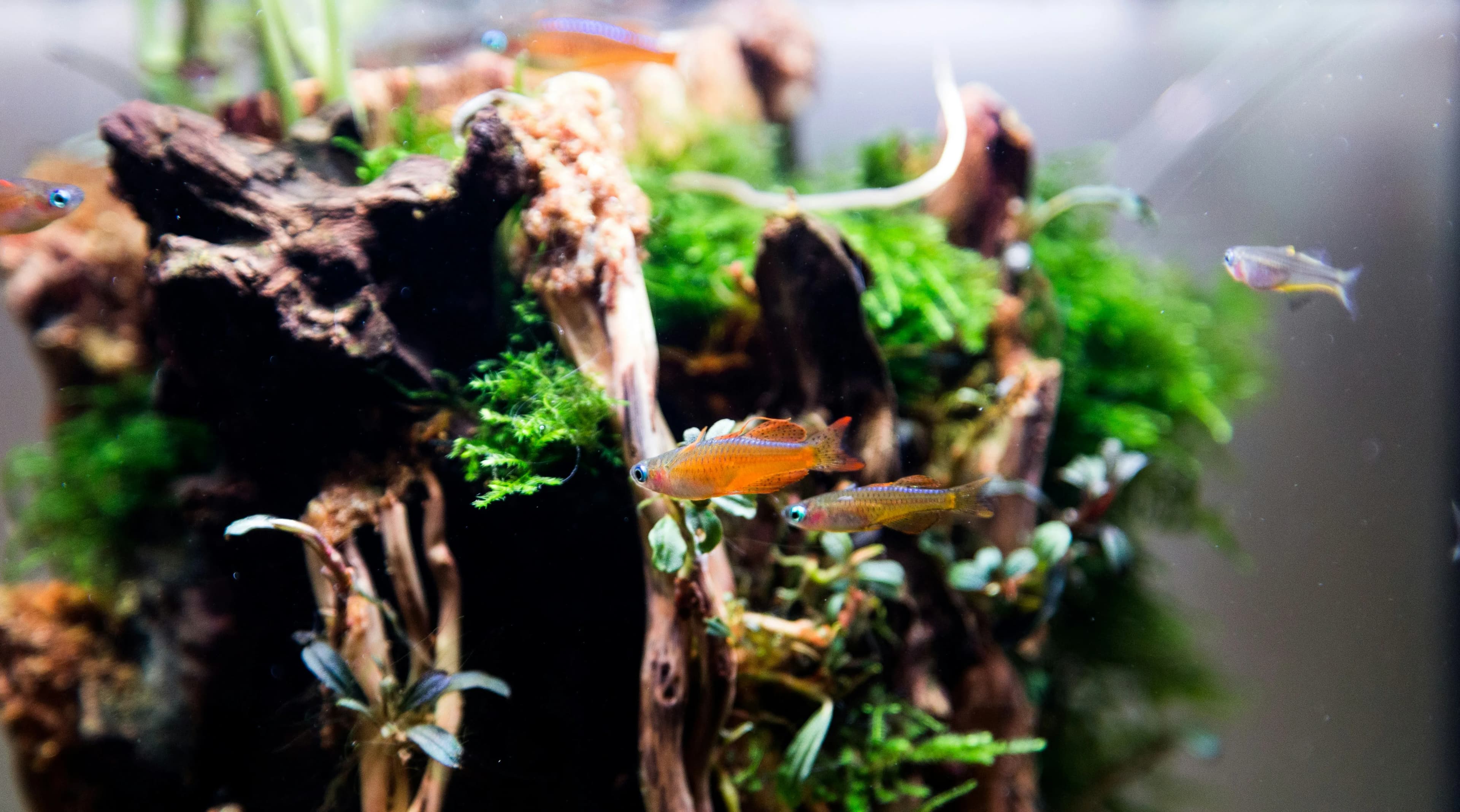
Mosses
10 species profiled, Java and Christmas through Fissidens, Süßwassertang, Riccia and beyond. Attachment surface, typical use, trimming cadence, and the shapes each one forms underwater. The detail work that makes a scape feel alive.
Photo: Tran Mau Tri Tam· Unsplash
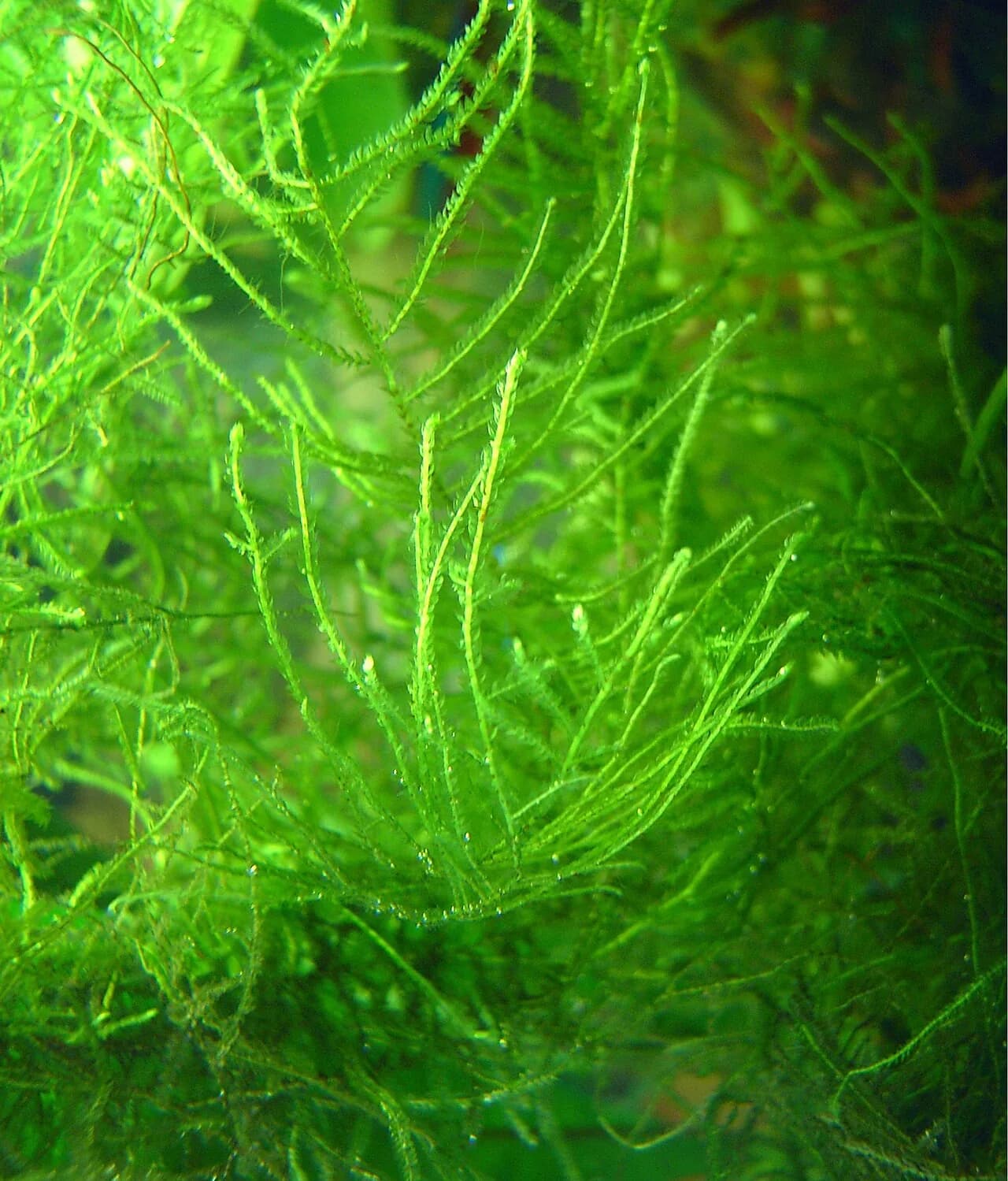
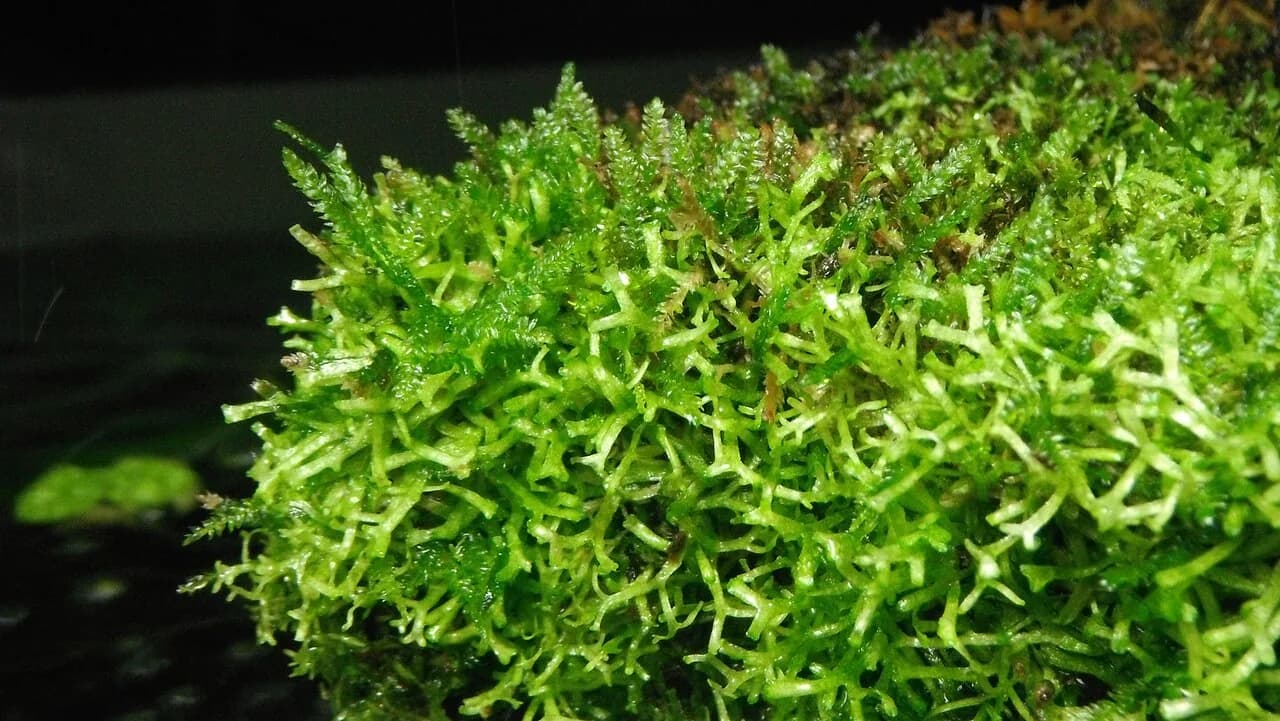
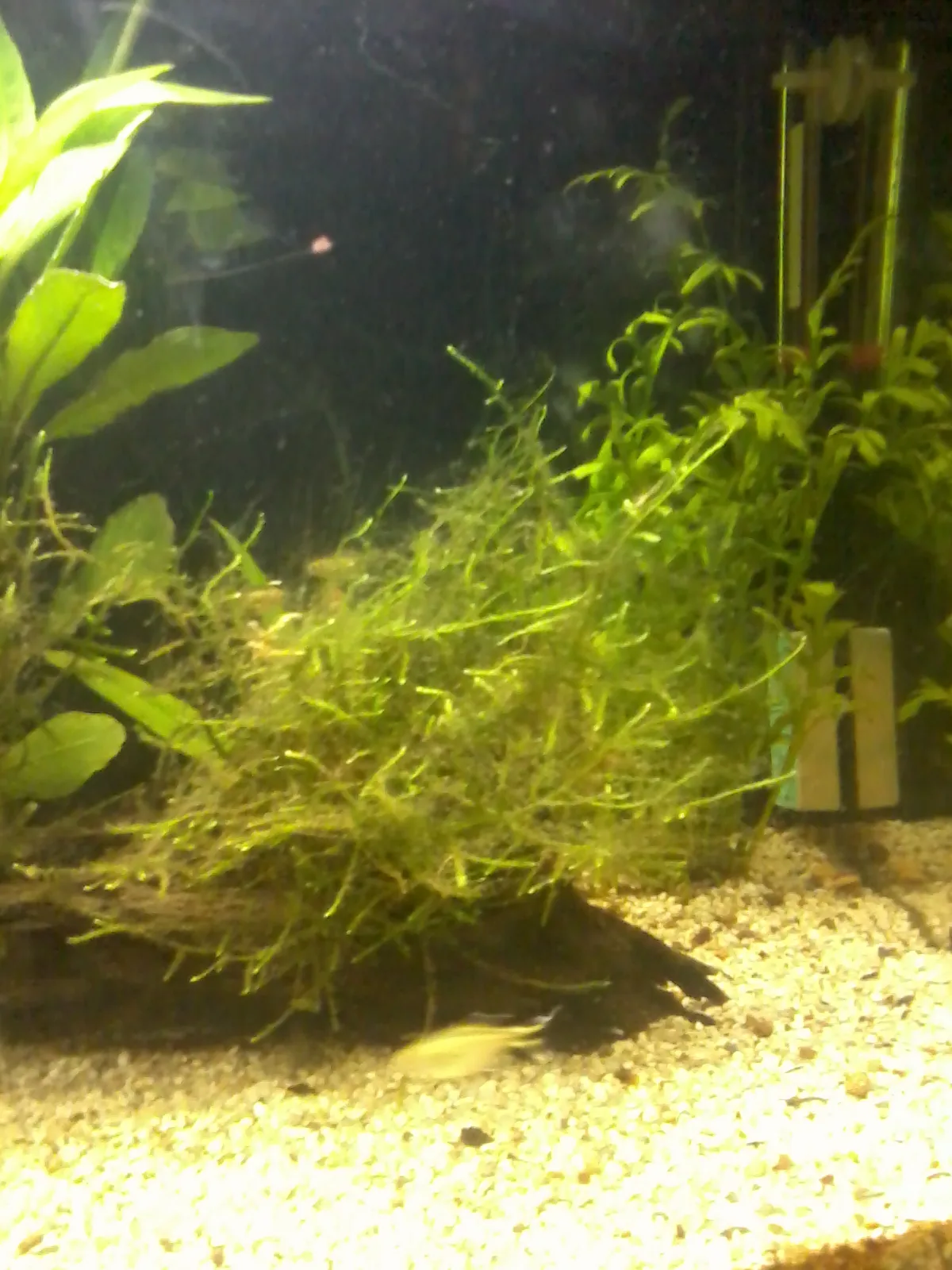
Taxiphyllum barbieri
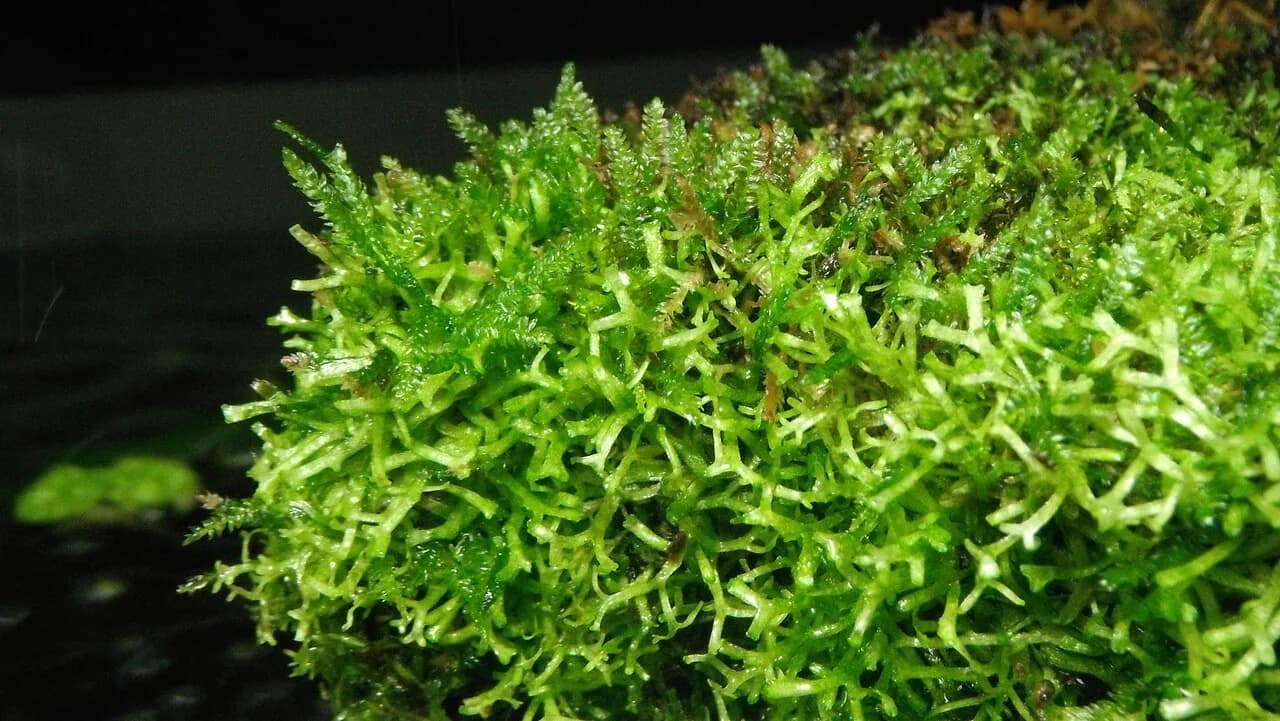
The default beginner moss. Tolerates almost anything but messy when left untrimmed. The shrimplet nursery of choice, dense fronds trap food and biofilm.
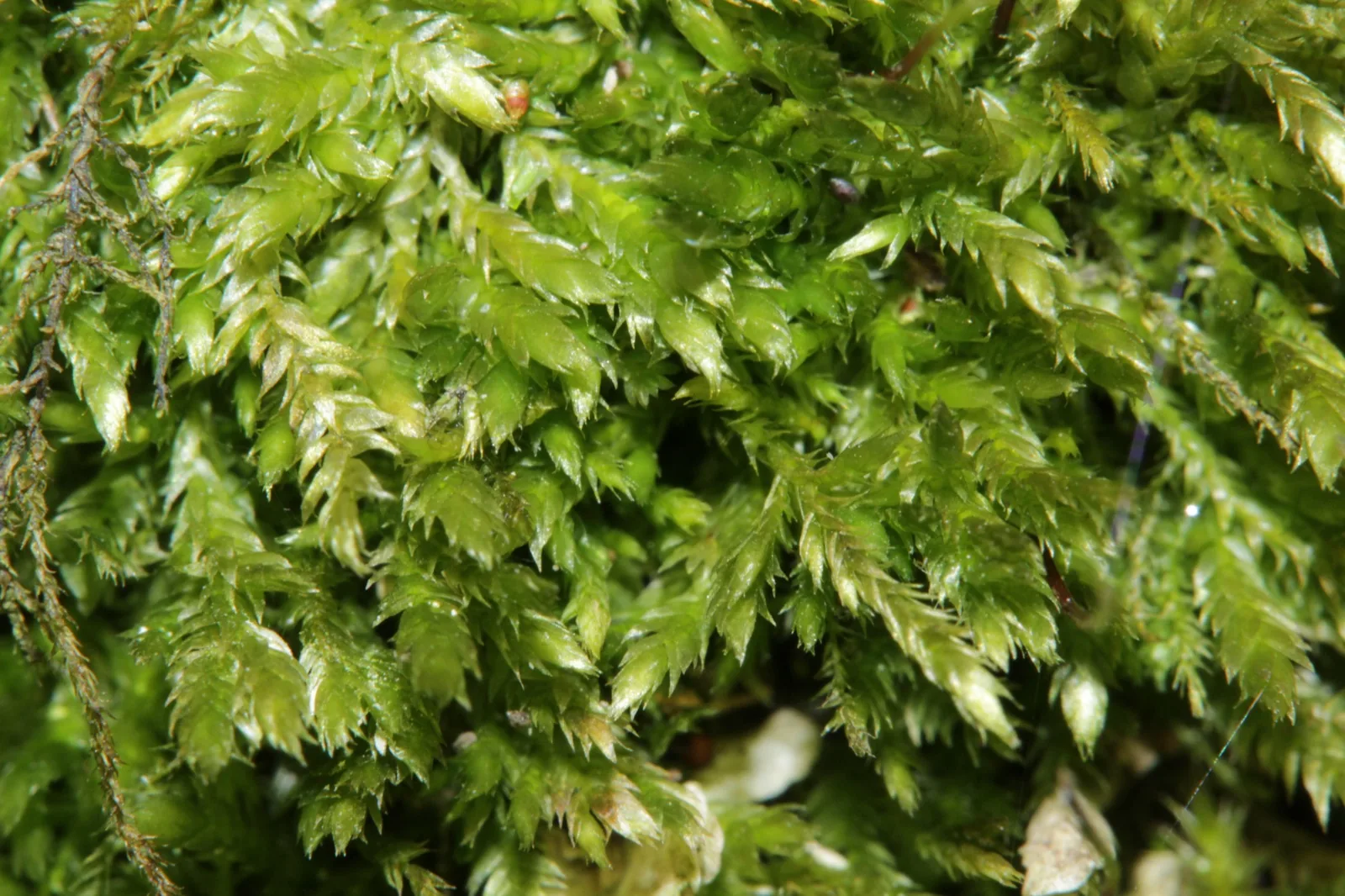
Vesicularia montagnei
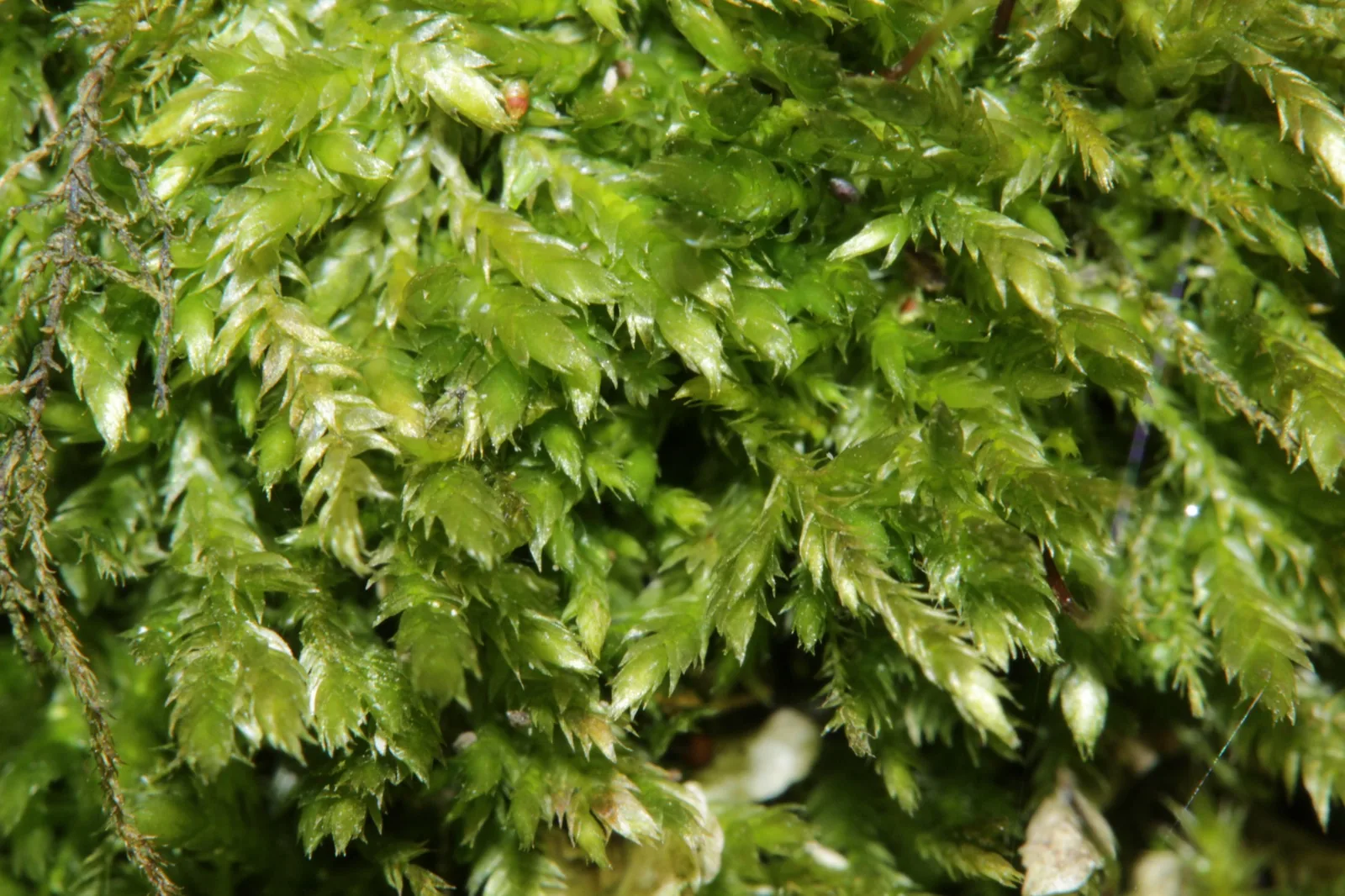
Triangular 'christmas-tree' frond pattern is its signature. Needs slightly higher light than Java to keep that pattern; otherwise reverts to a stringy mess.
Taxiphyllum 'Flame'
Grows straight up in twisting columns, a distinctive look. Sensitive to high temperatures; struggles above 26 °C long-term.
Vesicularia ferriei
Grows downward, perfect for the 'weeping willow' tree look on tall driftwood. Needs steady CO₂ and decent flow to weep properly without trapping detritus.
Taxiphyllum sp. 'Peacock'
Feathery, slightly iridescent green. Slower than Java/Christmas, patient growers are rewarded with one of the most ornamental mosses available.
Taxiphyllum sp. 'Spiky'
Taller, more pointed fronds than Christmas moss, bushier overall look. A great all-rounder when you want a textured moss surface without weeping.
Vesicularia sp.
A more compact Christmas moss with smaller fronds, best moss for nano bonsai trees and miniature aquascapes. Slow but worth the wait.
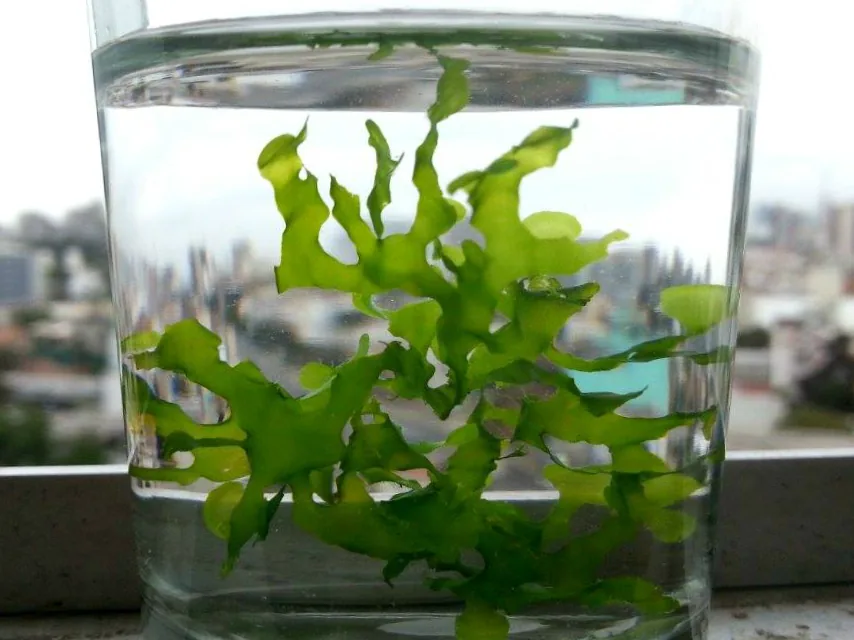
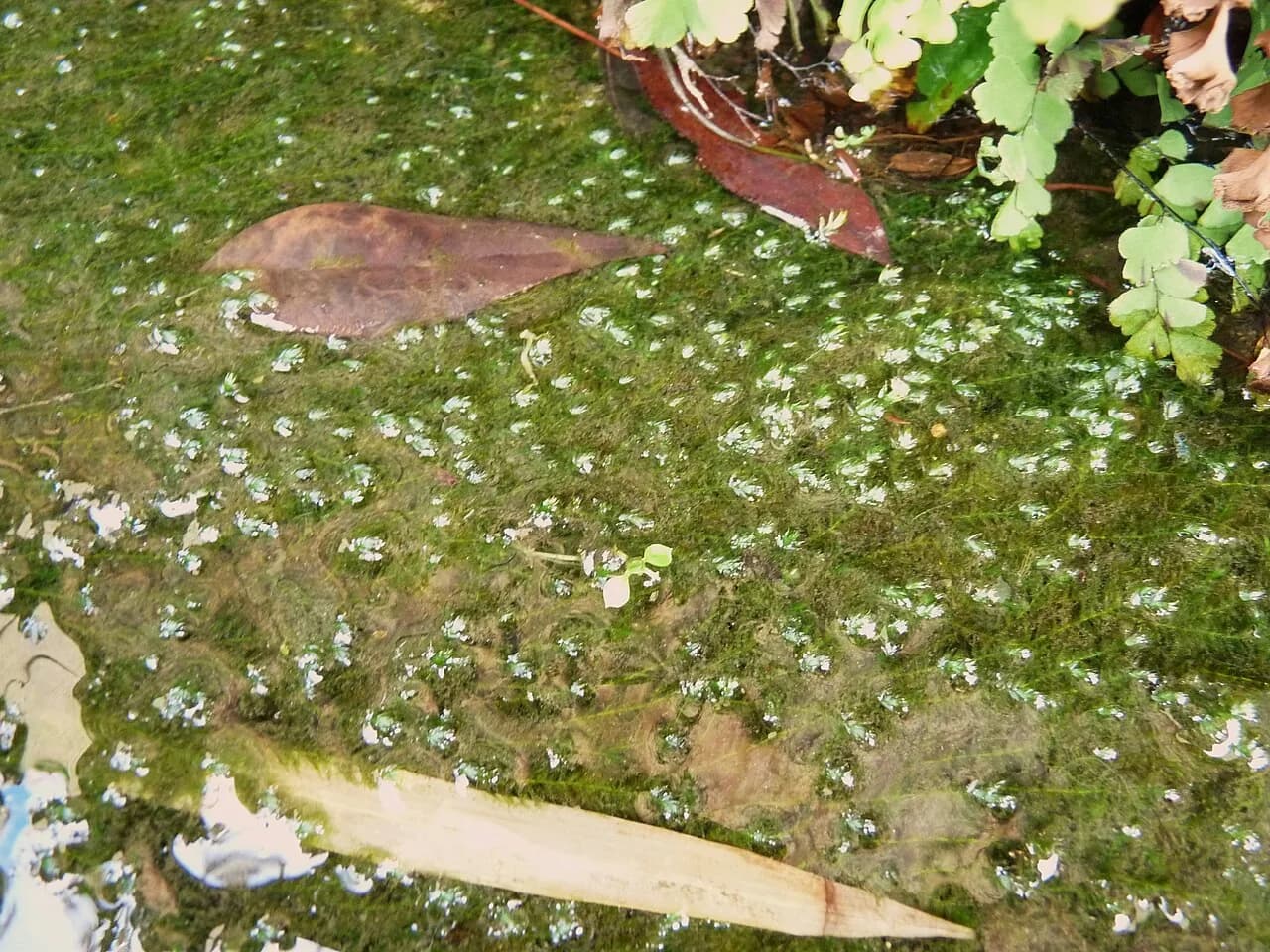
Riccia fluitans
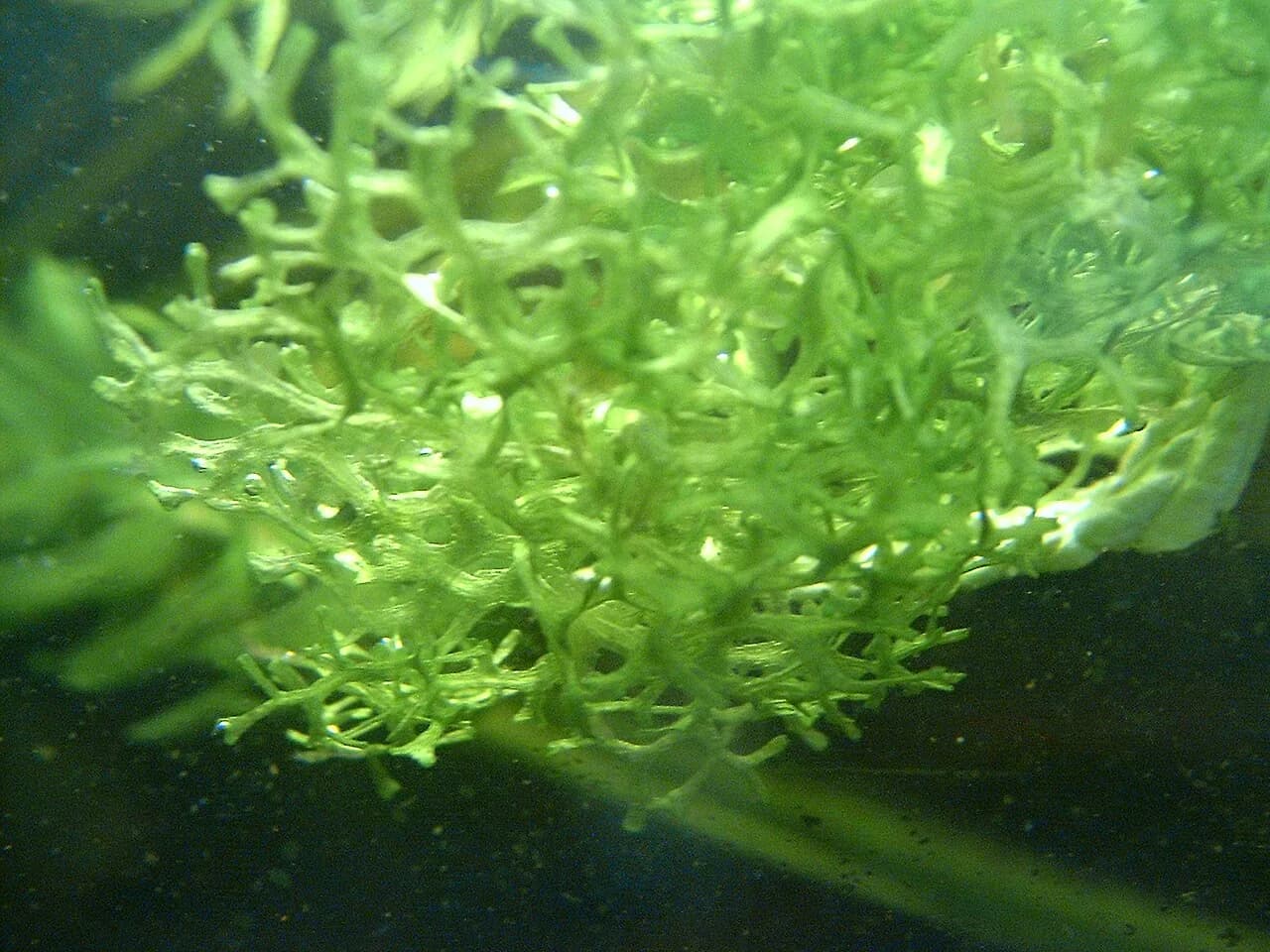
Amano popularised it as a substrate carpet, but it has no roots, so it must be tied under stainless mesh. Pearls oxygen aggressively under CO₂ and high light.
Fissidens fontanus
A premium feature moss, small, fern-like fronds that hug stone. Slow growth means it stays compact and ornamental for months between trims.
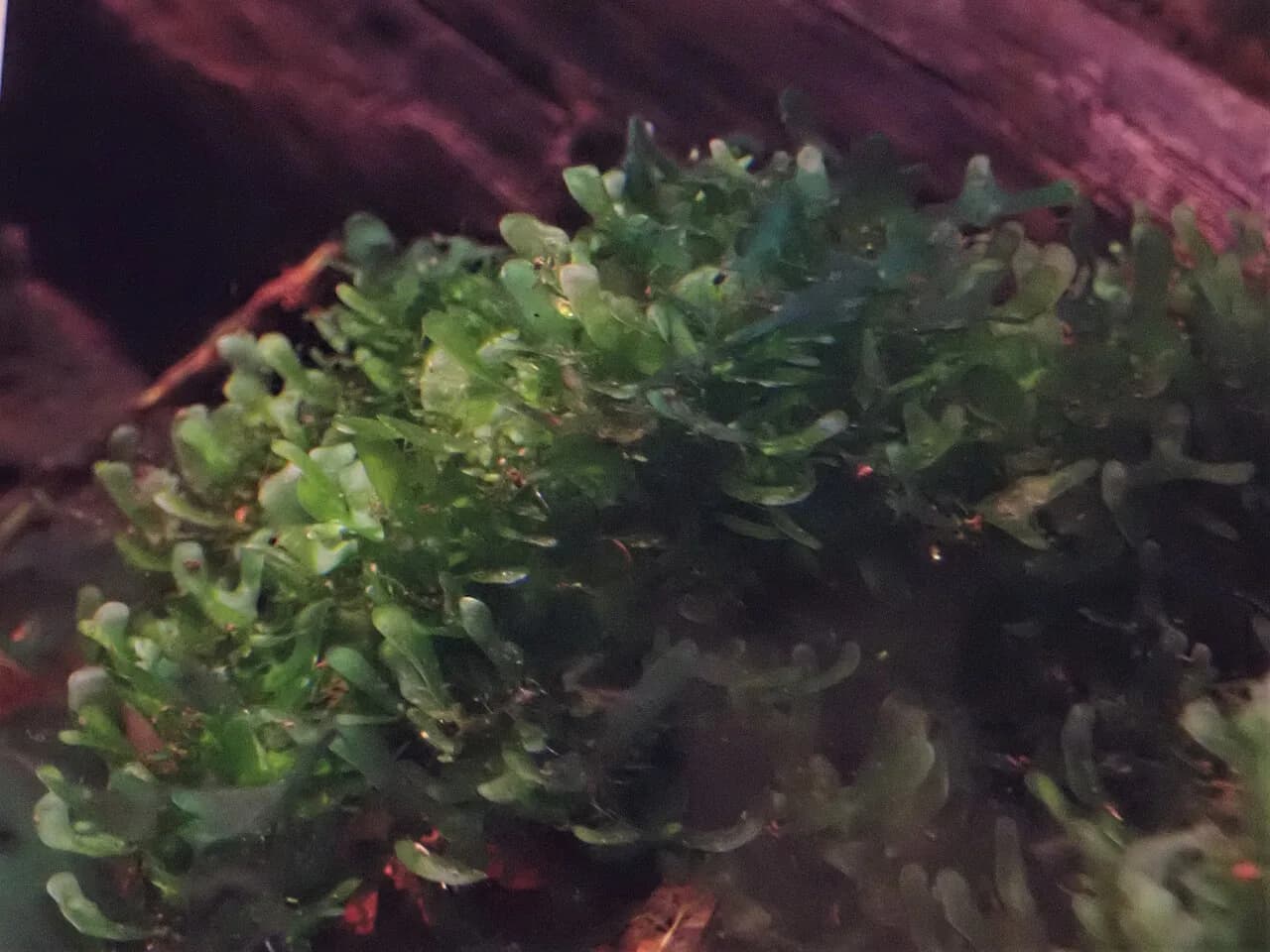
Lomariopsis lineata
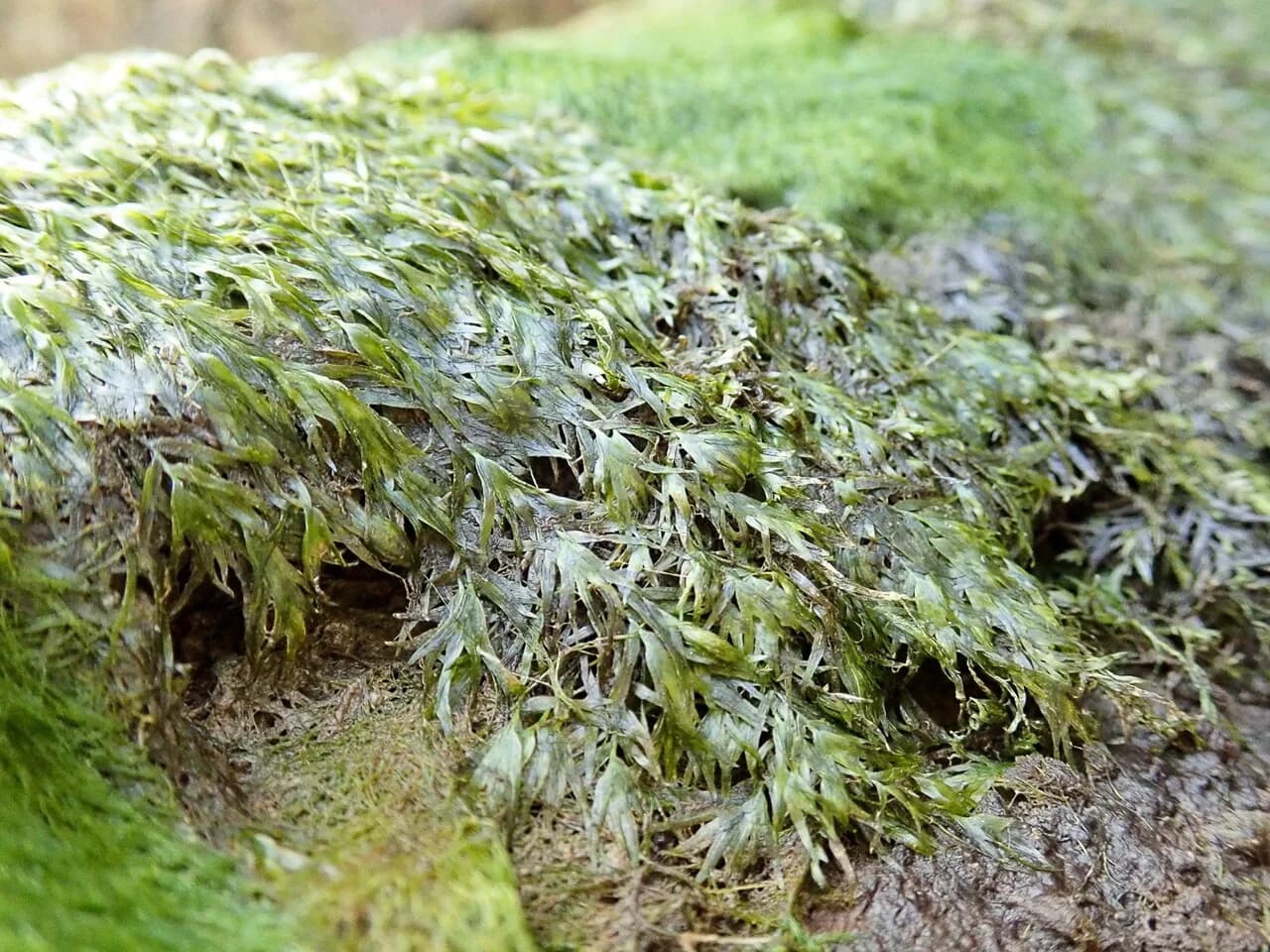
Technically the gametophyte stage of an aquatic fern, not a true moss. Forms dark green ruffled mats. Hardy and undemanding, a stealth favourite among aquascapers.