Care at a glance
A premium feature moss, small, fern-like fronds that hug stone. Slow growth means it stays compact and ornamental for months between trims.
Updated 1 min read
Part of our complete guide to aquatic mosses.

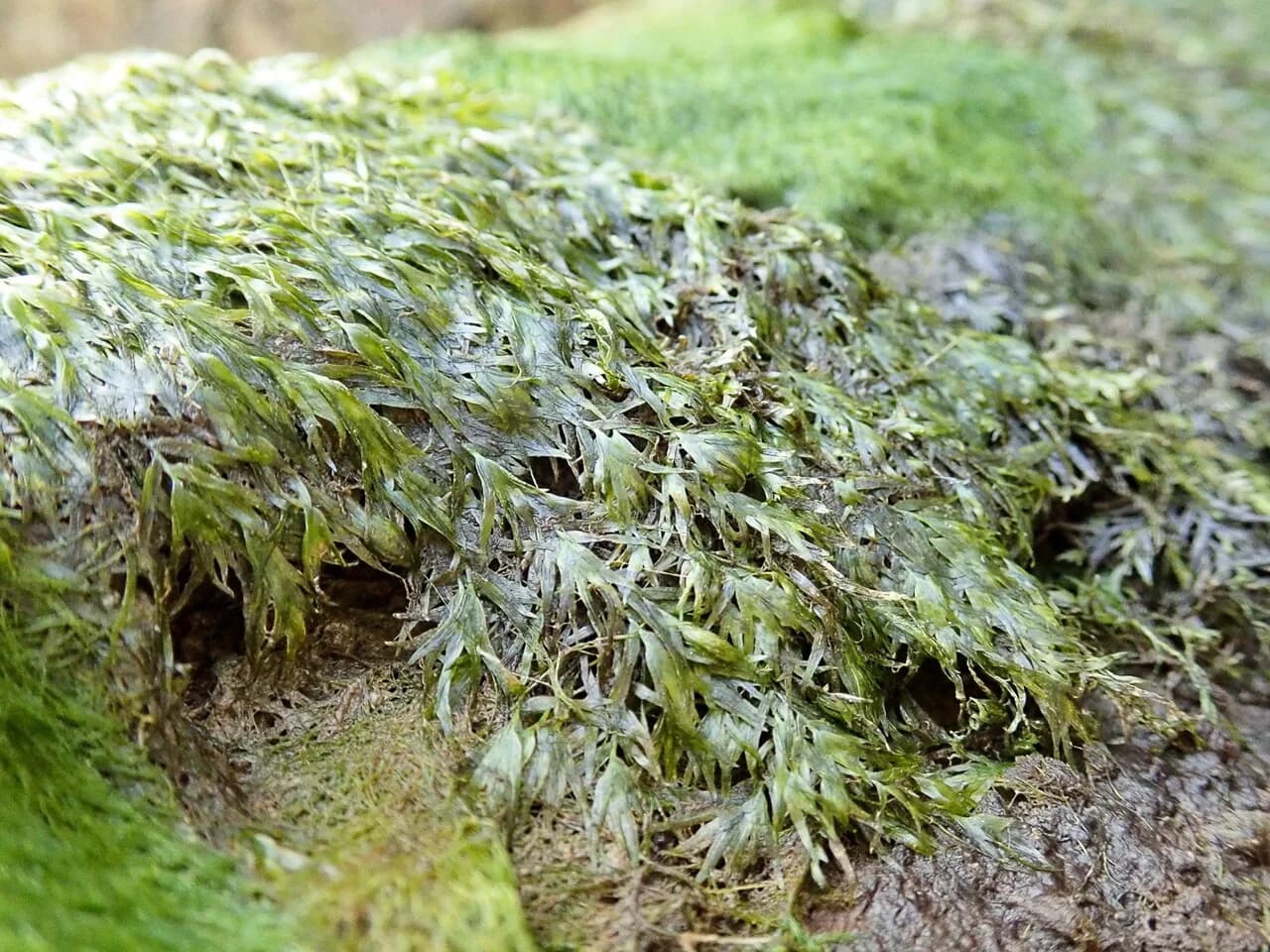
Fissidens fontanus
A premium feature moss, small, fern-like fronds that hug stone. Slow growth means it stays compact and ornamental for months between trims.
Phoenix Moss / Fissidens (Fissidens fontanus) is a moss aquatic moss native to Eastern North America. Light: medium. CO₂: recommended. Growth rate: very slow. Target 18–26 °C and pH 6.0–7.5. Attach via wood, stone (slow to attach). Typical use: detailed hardscape feature moss. Trimming: Rarely, just remove detritus carefully
Care at a glance
A premium feature moss, small, fern-like fronds that hug stone. Slow growth means it stays compact and ornamental for months between trims.
Updated 1 min read
Part of our complete guide to aquatic mosses.
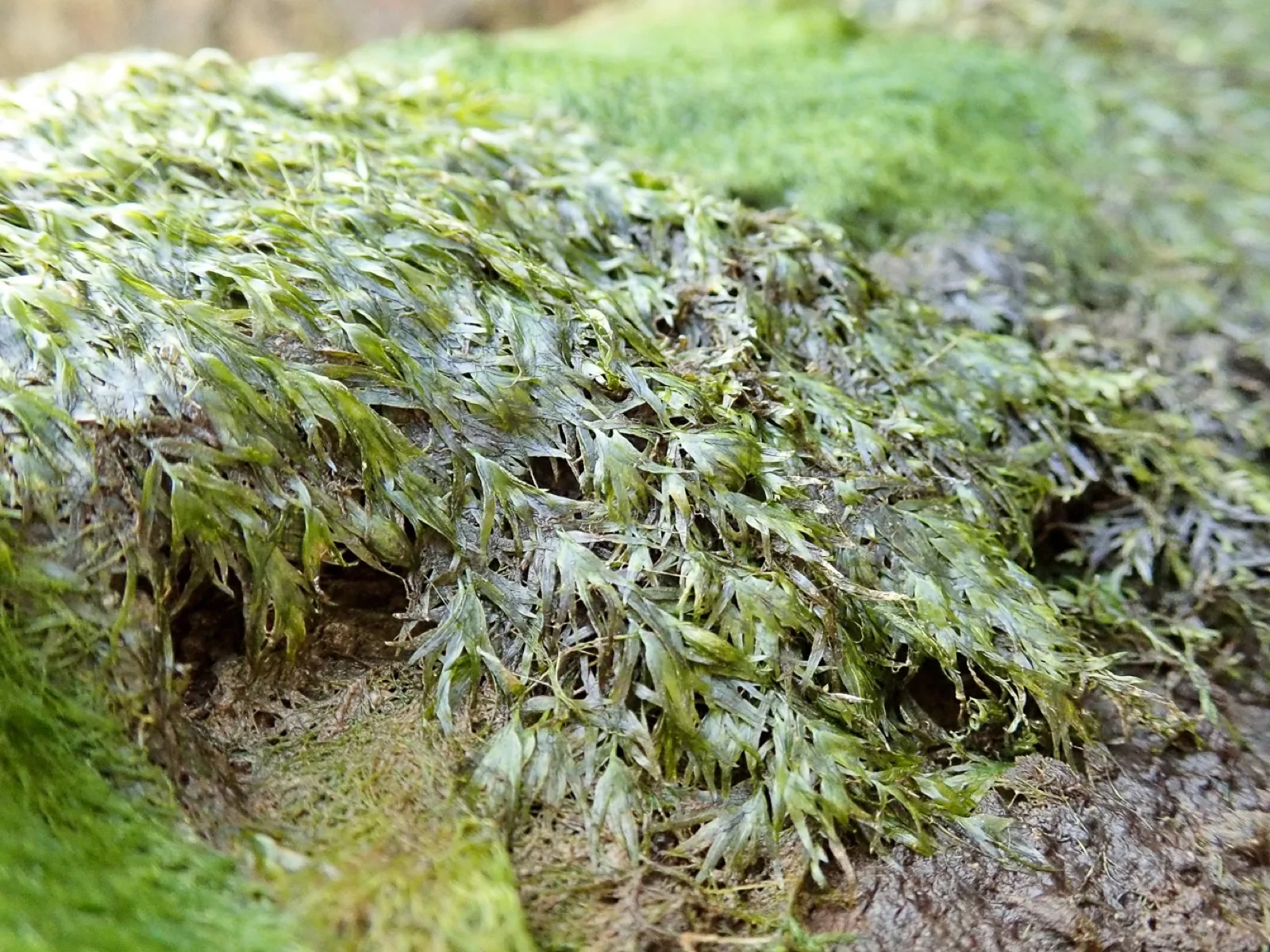
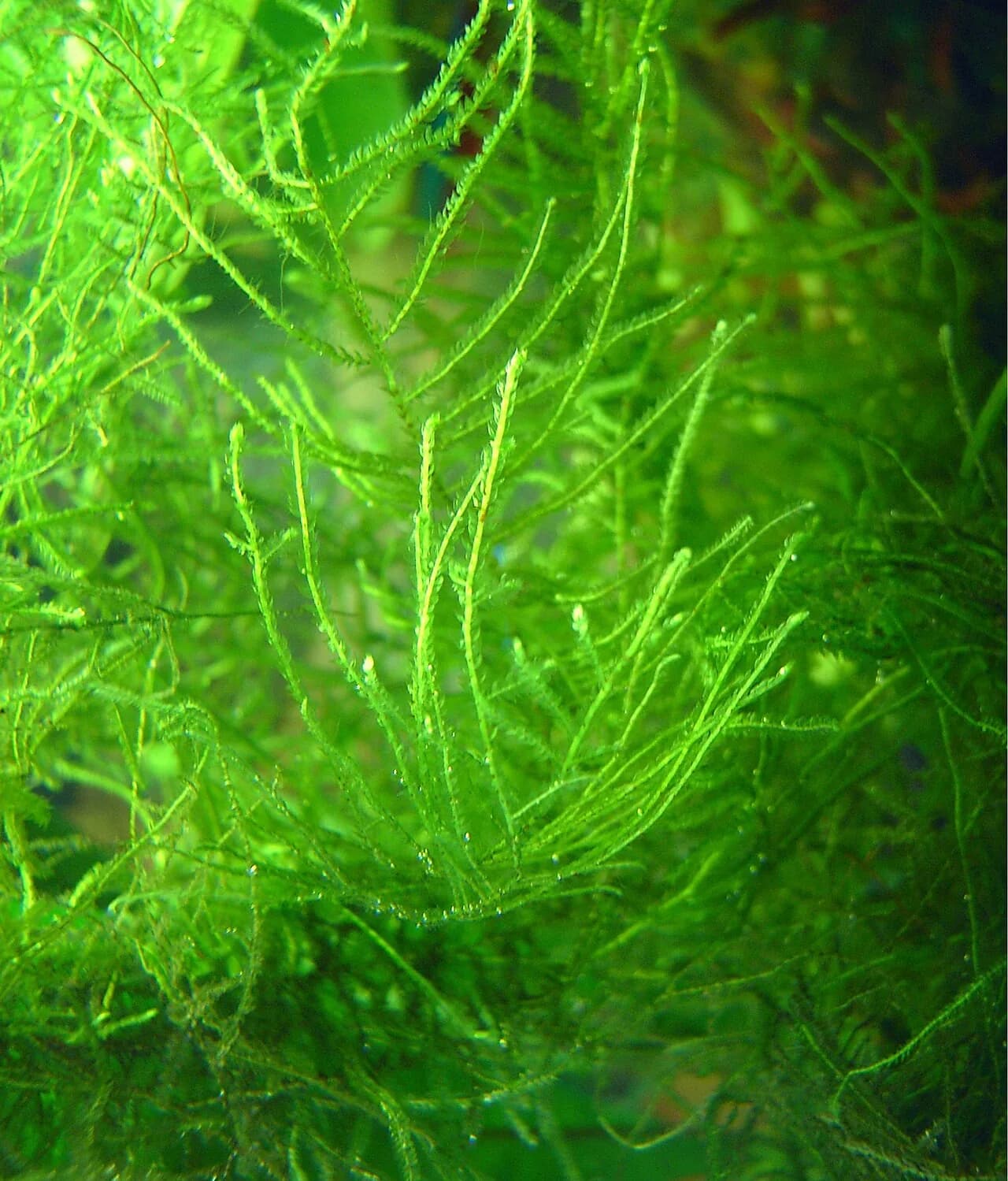
Hero photo by Njmeyer03 · CC BY-SA 4.0 · Wikipedia
The parameters that decide whether phoenix moss / fissidens fits in your tank.
Fissidentaceae
Moss
Wood, stone (slow to attach)
Detailed hardscape feature moss
Rarely, just remove detritus carefully
Wet rocks in fast-flowing Southeast Asian streams
Eastern North America
Tank-mate safety and the species this one is documented to thrive (or fail) alongside.
Hard-won lessons from the tank.
A specialty moss — slow, beautiful, expensive. Best on a feature rock or piece of driftwood where it can be appreciated up close. Don't mix with fast-growing mosses or it'll be smothered.
What can go wrong and how to spot it.
Failure modes, in order of how dramatic the fix is.
Less prone to algae than other mosses due to dense fronds that resist attachment.
1) Impatience with attachment. 2) Mixing with Java moss — Java overgrows it. 3) Buying without checking the specific species — multiple Fissidens look similar but have different care.
The practical routine, read top to bottom.
Slow to attach (8–12 weeks). Use thin cotton thread; press into crevices of porous stone.
Medium light, CO₂ recommended for compact growth. Cool water (20–24 °C) preferred.
Where it comes from, how it behaves, and the variants you'll see at retail.
Where it lived before it came home.
See where the Phoenix Moss / Fissidens and every other species comes from on the species world map.
Submerged on rocks in cool, slow streams of the eastern United States.
Rare — primarily an aquatic moss.
The named cultivars and the lookalikes worth flagging.
Just F. fontanus typically. Other Fissidens sold as 'Mini Fissidens', 'US Fissidens', etc.
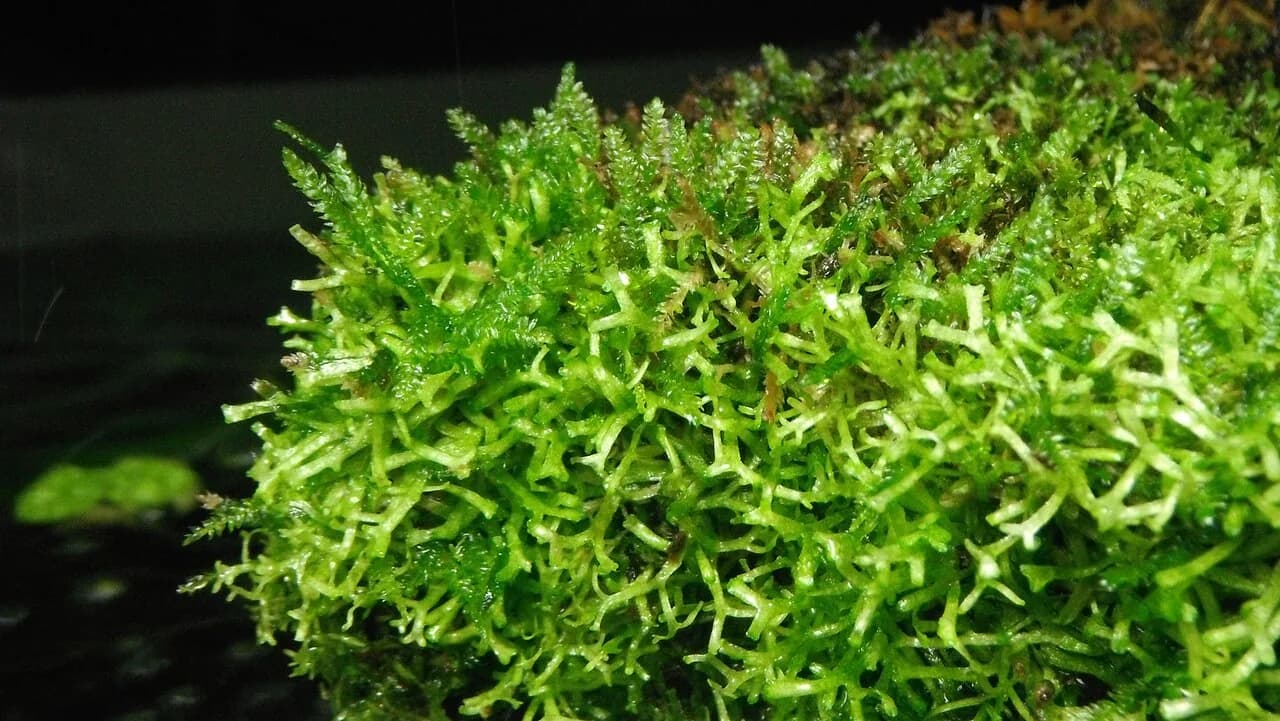
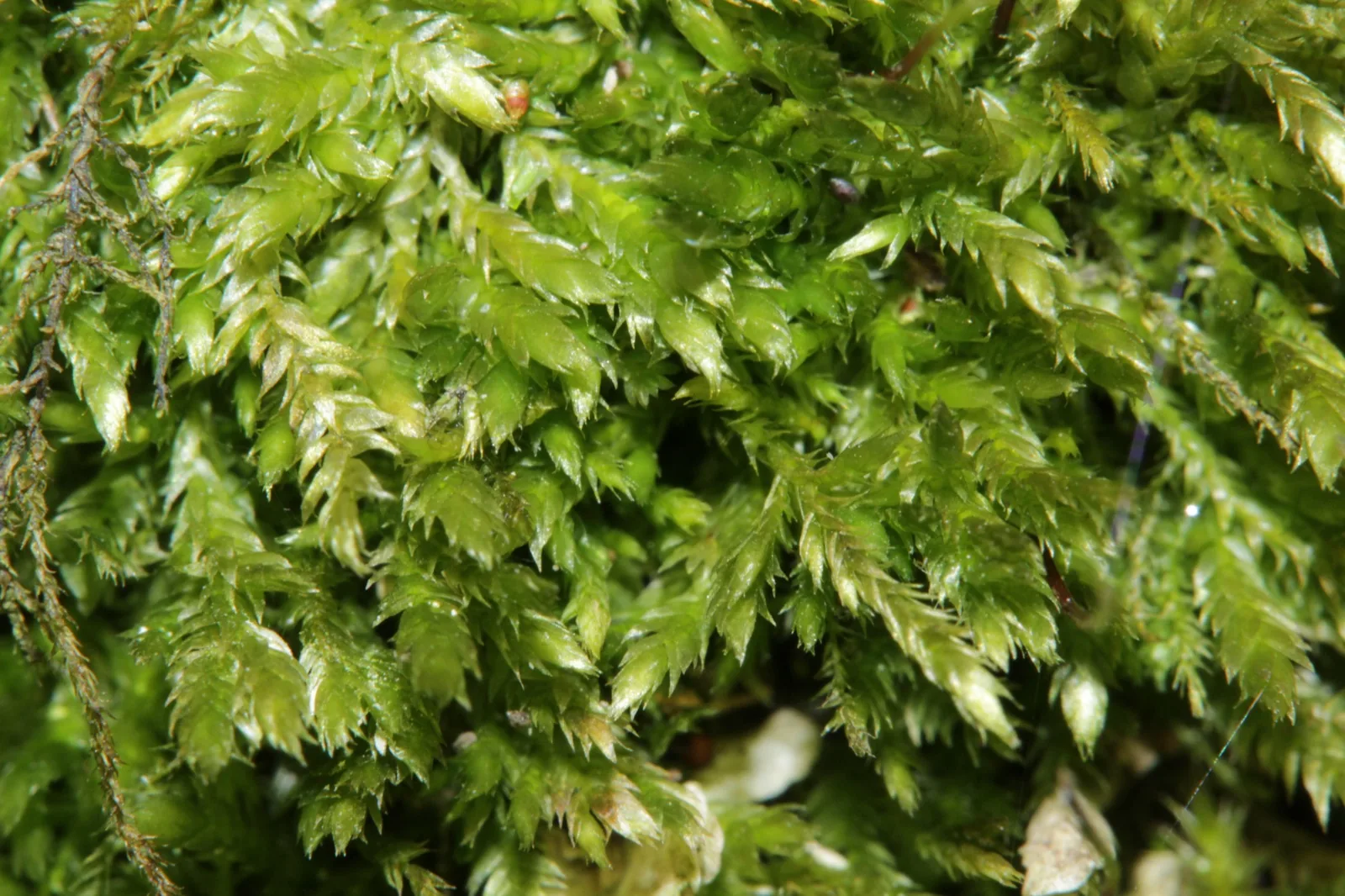
Small fern-like fronds growing in tight clusters. Very ornamental — looks like miniature aquatic ferns.
F. nobilis, F. splachnobryoides, F. zollingeri — multiple Fissidens species in the trade.
Direct answers to the questions search engines and AI assistants surface most often about this species.
Attachment: Wood, stone (slow to attach) Typical aquascaping use: Detailed hardscape feature moss
CO₂: recommended. Light: medium. Growth rate: very slow.
Phoenix Moss / Fissidens (Fissidens fontanus) tolerates 18–26 °C and pH 6.0–7.5. Flow: medium.
Rarely, just remove detritus carefully
Difficulty: 3/5. Intermediate, stable parameters and a mature tank matter.
A planted tank is a system. Pair this moss with one entry from each other pillar to plan the whole scape.