Care at a glance
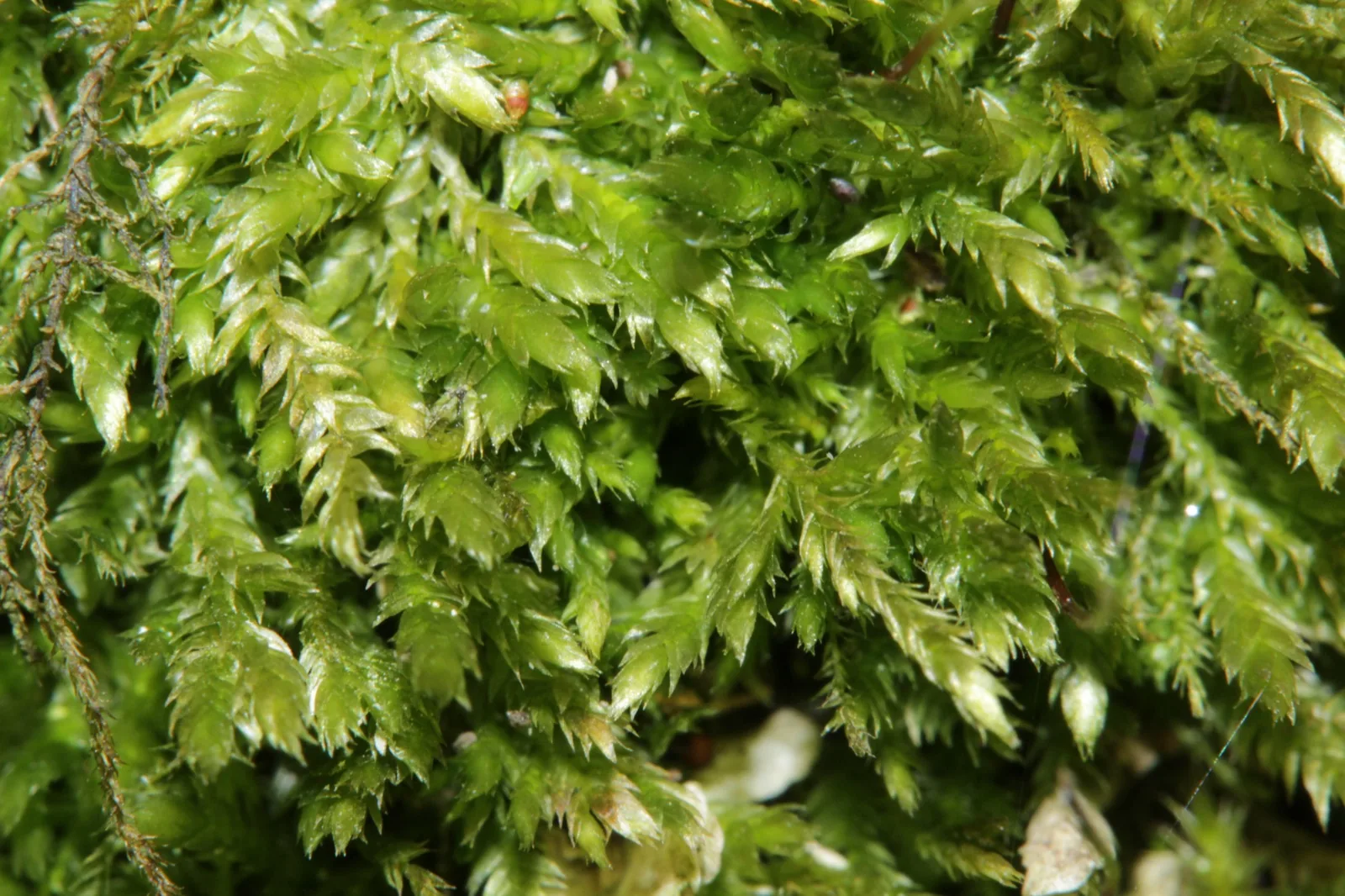
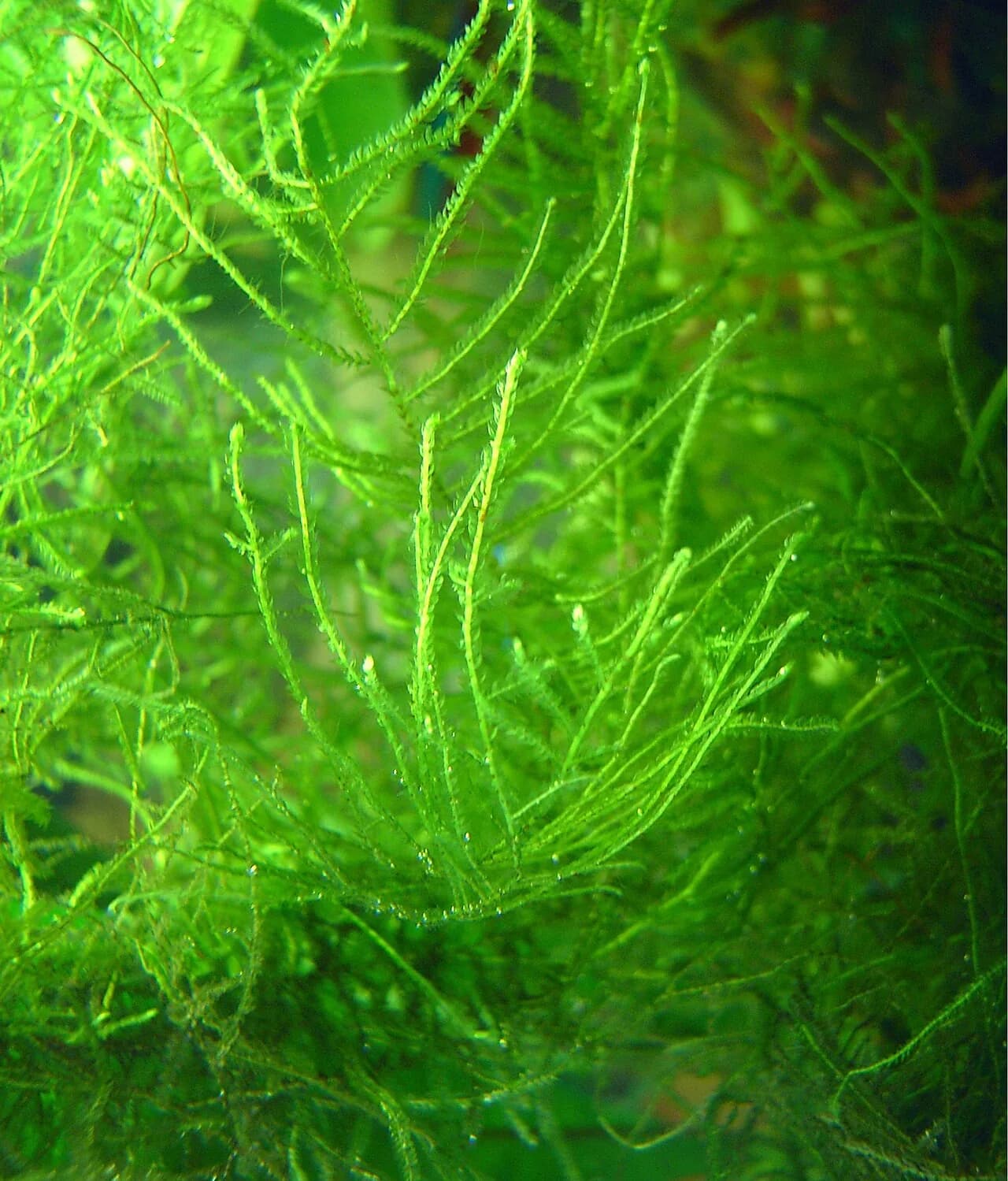
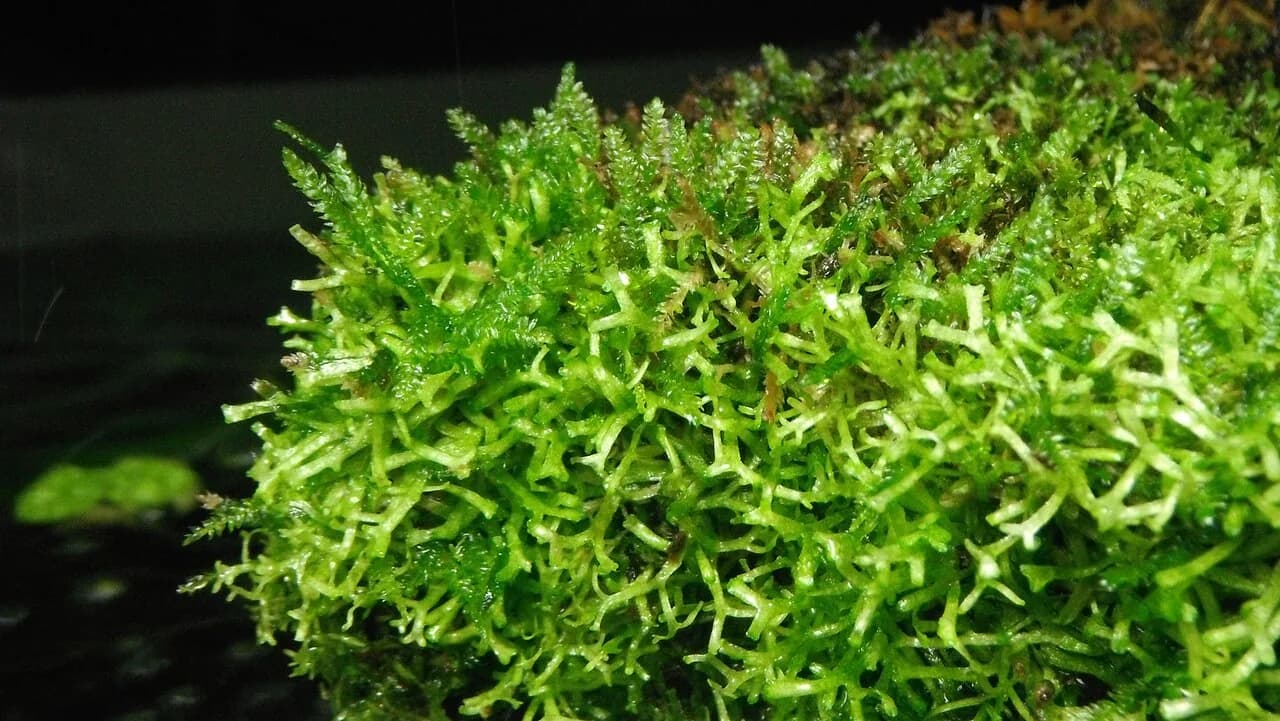
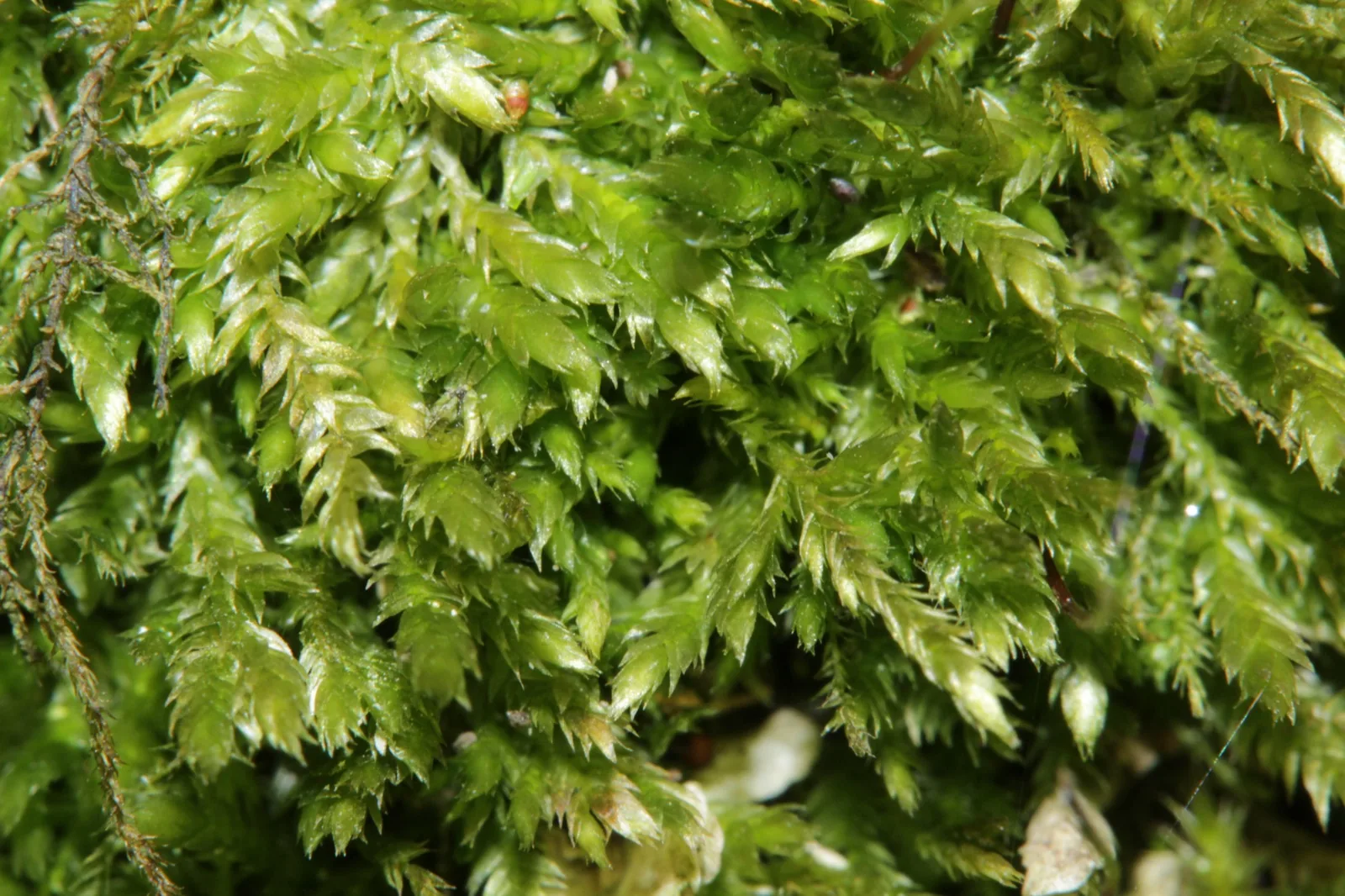
Feathery, slightly iridescent green. Slower than Java/Christmas, patient growers are rewarded with one of the most ornamental mosses available.
Updated 1 min read
Part of our complete guide to aquatic mosses.

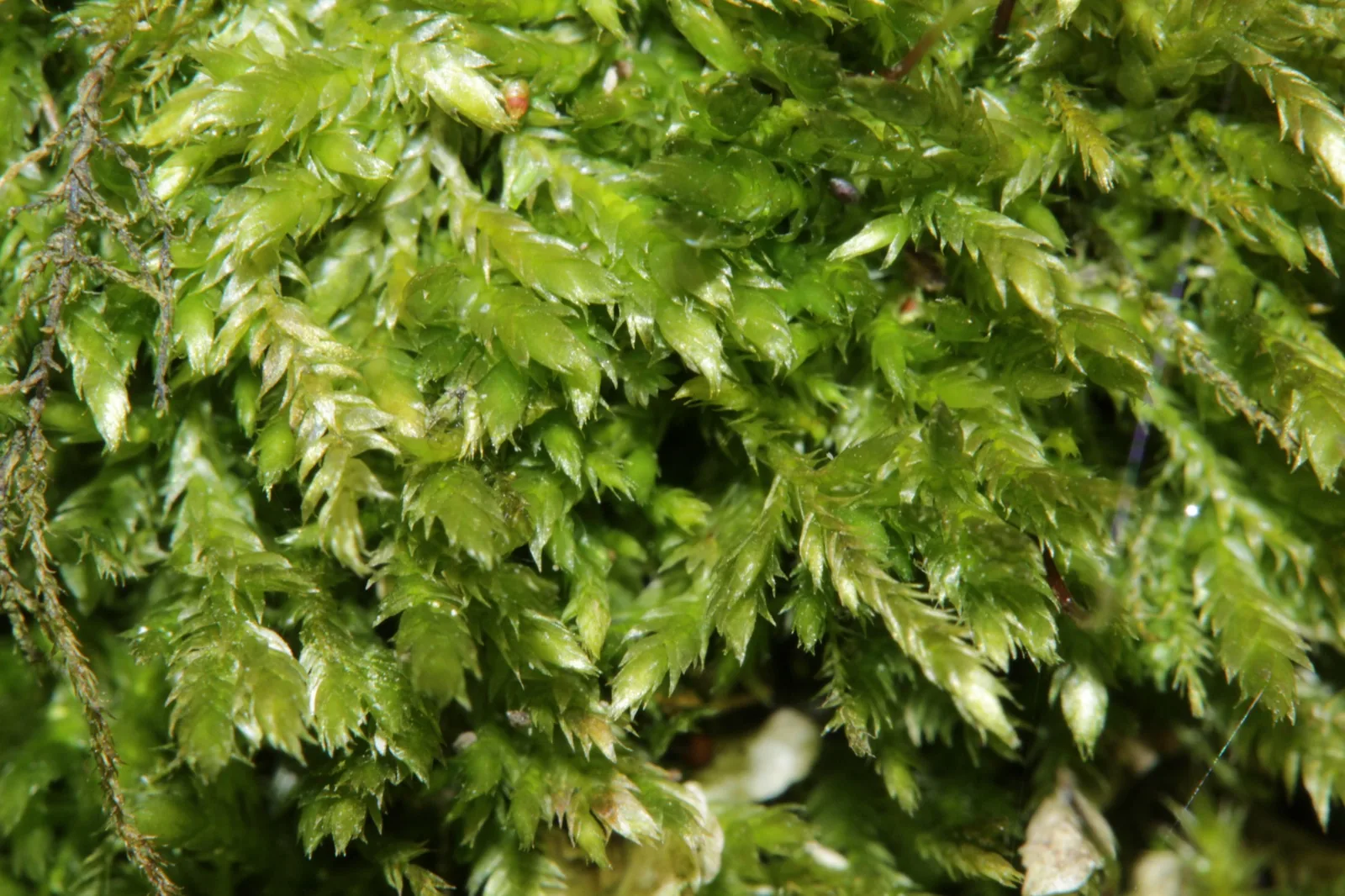
Taxiphyllum sp. 'Peacock'
Feathery, slightly iridescent green. Slower than Java/Christmas, patient growers are rewarded with one of the most ornamental mosses available.
Peacock Moss (Taxiphyllum sp. 'Peacock') is a moss aquatic moss native to Asia. Light: medium. CO₂: recommended. Growth rate: slow to medium. Target 20–26 °C and pH 5.5–7.5. Attach via wood, stone, mesh. Typical use: mid-density carpets and feathery rocks. Trimming: Every 4–6 weeks
Care at a glance
Feathery, slightly iridescent green. Slower than Java/Christmas, patient growers are rewarded with one of the most ornamental mosses available.
Updated 1 min read
Part of our complete guide to aquatic mosses.
The parameters that decide whether peacock moss fits in your tank.
Hypnaceae
Moss
Wood, stone, mesh
Mid-density carpets and feathery rocks
Every 4–6 weeks
Shaded splash zones of subtropical Asian streams
Asia
Tank-mate safety and the species this one is documented to thrive (or fail) alongside.
Weighing it against something similar? Compare Peacock Moss head to head:
Hard-won lessons from the tank.
One of the most beautiful aquatic mosses — patient growers are rewarded with a feathery, almost shimmering carpet over stones. Slow growth means it's low-maintenance once established.
What can go wrong and how to spot it.
Failure modes, in order of how dramatic the fix is.
Like all mosses — algae attaches if water stagnates.
1) Impatience — checking it weekly and pulling at unattached pieces. 2) Putting it in a high-flow zone before attachment — washes away.
The practical routine, read top to bottom.
Attach to wood or stone in thin layers. Slow to attach (8–10 weeks) — patience required.
Medium light, CO₂ recommended for full pattern development. Stable temperature 20–26 °C.
Where it comes from, how it behaves, and the variants you'll see at retail.
Where it lived before it came home.
Asian streams.
Rare emersed.
The named cultivars and the lookalikes worth flagging.
Only the named selection.
Feathery, slightly iridescent fronds with a peacock-feather pattern. Mid-density.
Flame, Spiky — same Taxiphyllum genus.
Direct answers to the questions search engines and AI assistants surface most often about this species.
Attachment: Wood, stone, mesh Typical aquascaping use: Mid-density carpets and feathery rocks
CO₂: recommended. Light: medium. Growth rate: slow to medium.
Peacock Moss (Taxiphyllum sp. 'Peacock') tolerates 20–26 °C and pH 5.5–7.5. Flow: low to medium.
Every 4–6 weeks
Difficulty: 3/5. Intermediate, stable parameters and a mature tank matter.
A planted tank is a system. Pair this moss with one entry from each other pillar to plan the whole scape.