Care at a glance
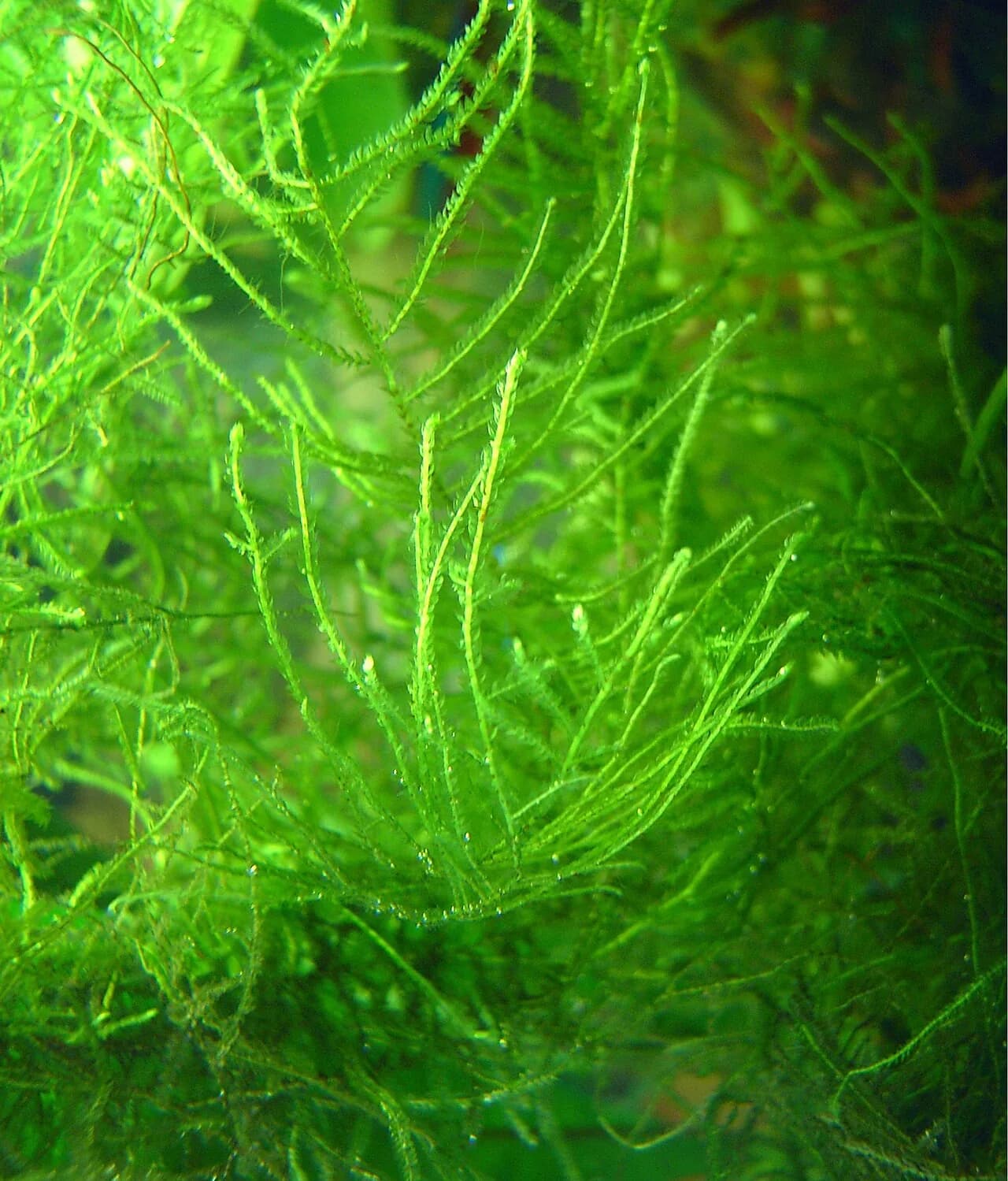
Grows downward, perfect for the 'weeping willow' tree look on tall driftwood. Needs steady CO₂ and decent flow to weep properly without trapping detritus.
Updated 1 min read
Part of our complete guide to aquatic mosses.

Vesicularia ferriei
Grows downward, perfect for the 'weeping willow' tree look on tall driftwood. Needs steady CO₂ and decent flow to weep properly without trapping detritus.
Weeping Moss (Vesicularia ferriei) is a moss aquatic moss native to China. Light: medium. CO₂: recommended. Growth rate: medium. Target 20–26 °C and pH 5.5–7.5. Attach via wood, stone, droops downward. Typical use: tree canopies, drooping branches. Trimming: Trim ends every 4–6 weeks to maintain weeping shape
Care at a glance
Grows downward, perfect for the 'weeping willow' tree look on tall driftwood. Needs steady CO₂ and decent flow to weep properly without trapping detritus.
Updated 1 min read
Part of our complete guide to aquatic mosses.
The parameters that decide whether weeping moss fits in your tank.
Hypnaceae
Moss
Wood, stone, droops downward
Tree canopies, drooping branches
Trim ends every 4–6 weeks to maintain weeping shape
Wet vertical surfaces in Chinese mountain streams
China
Tank-mate safety and the species this one is documented to thrive (or fail) alongside.
Weighing it against something similar? Compare Weeping Moss head to head:
Hard-won lessons from the tank.
The definitive 'underwater bonsai' moss — attach to the upper branches of a tree-shaped driftwood and let it droop. Looks identical to a weeping willow. Trim only the dangling ends every 4–6 weeks to maintain shape; never trim the upper attachment.
What can go wrong and how to spot it.
Failure modes, in order of how dramatic the fix is.
Drooping fronds can trap detritus and develop algae if flow is too low.
1) Attaching low — drooping habit can't develop. 2) Low flow — detritus and BBA accumulate.
The practical routine, read top to bottom.
Attach to high points on driftwood or vertical scape — fronds will droop downward from attachment point.
Medium-high light. CO₂ improves the drooping habit significantly. Decent flow prevents detritus collection in the canopy.
Where it comes from, how it behaves, and the variants you'll see at retail.
Where it lived before it came home.
See where the Weeping Moss and every other species comes from on the species world map.
Chinese mountain streams.
Less common emersed.
The named cultivars and the lookalikes worth flagging.
Standard form only.
Branched fronds that droop downward — the 'weeping willow' habit.
Christmas moss (sister species in Vesicularia), Mini Christmas moss.
Direct answers to the questions search engines and AI assistants surface most often about this species.
Attachment: Wood, stone, droops downward Typical aquascaping use: Tree canopies, drooping branches
CO₂: recommended. Light: medium. Growth rate: medium.
Weeping Moss (Vesicularia ferriei) tolerates 20–26 °C and pH 5.5–7.5. Flow: medium.
Trim ends every 4–6 weeks to maintain weeping shape
Difficulty: 3/5. Intermediate, stable parameters and a mature tank matter.
A planted tank is a system. Pair this moss with one entry from each other pillar to plan the whole scape.