Fin & Stem logo
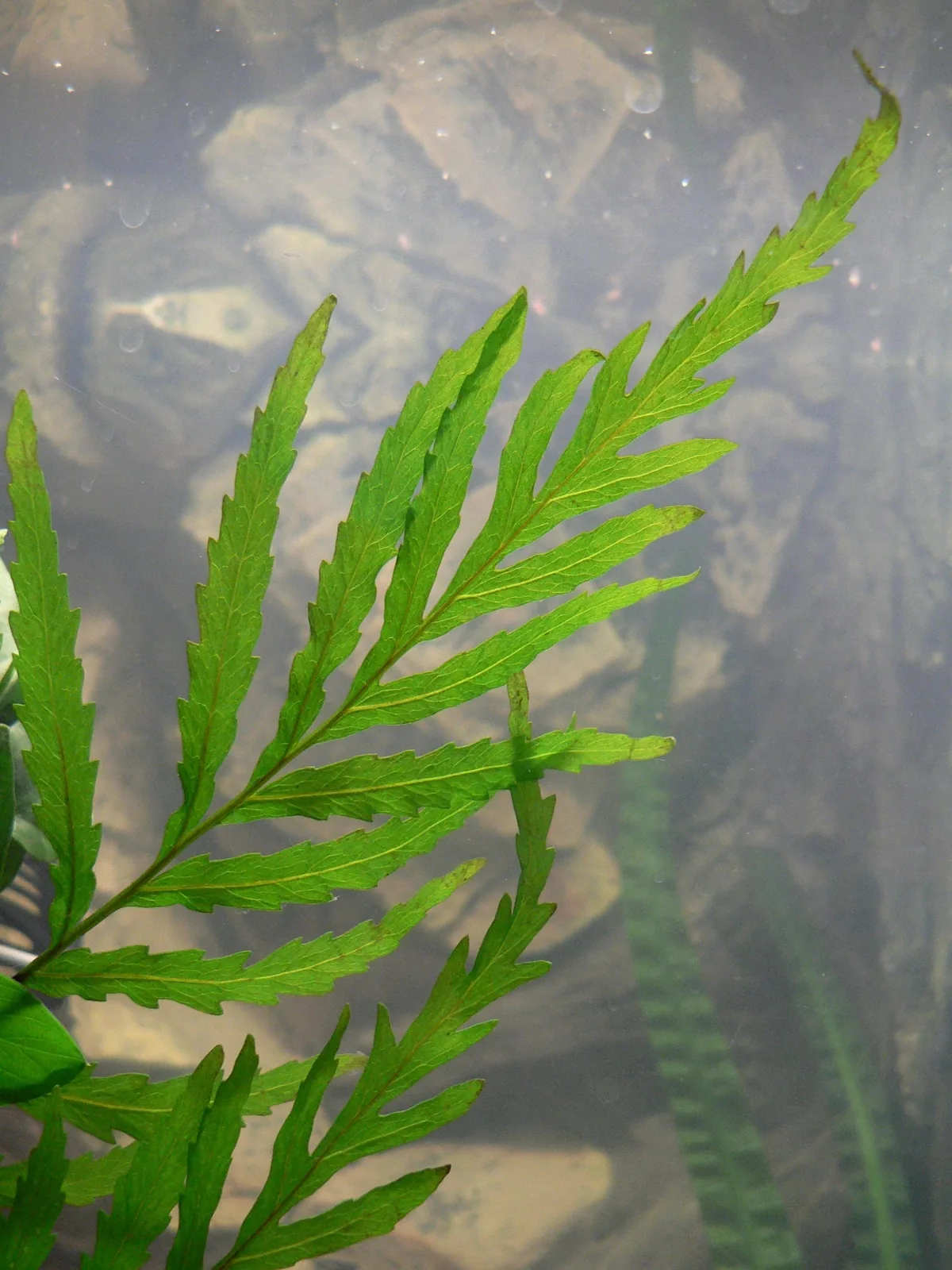
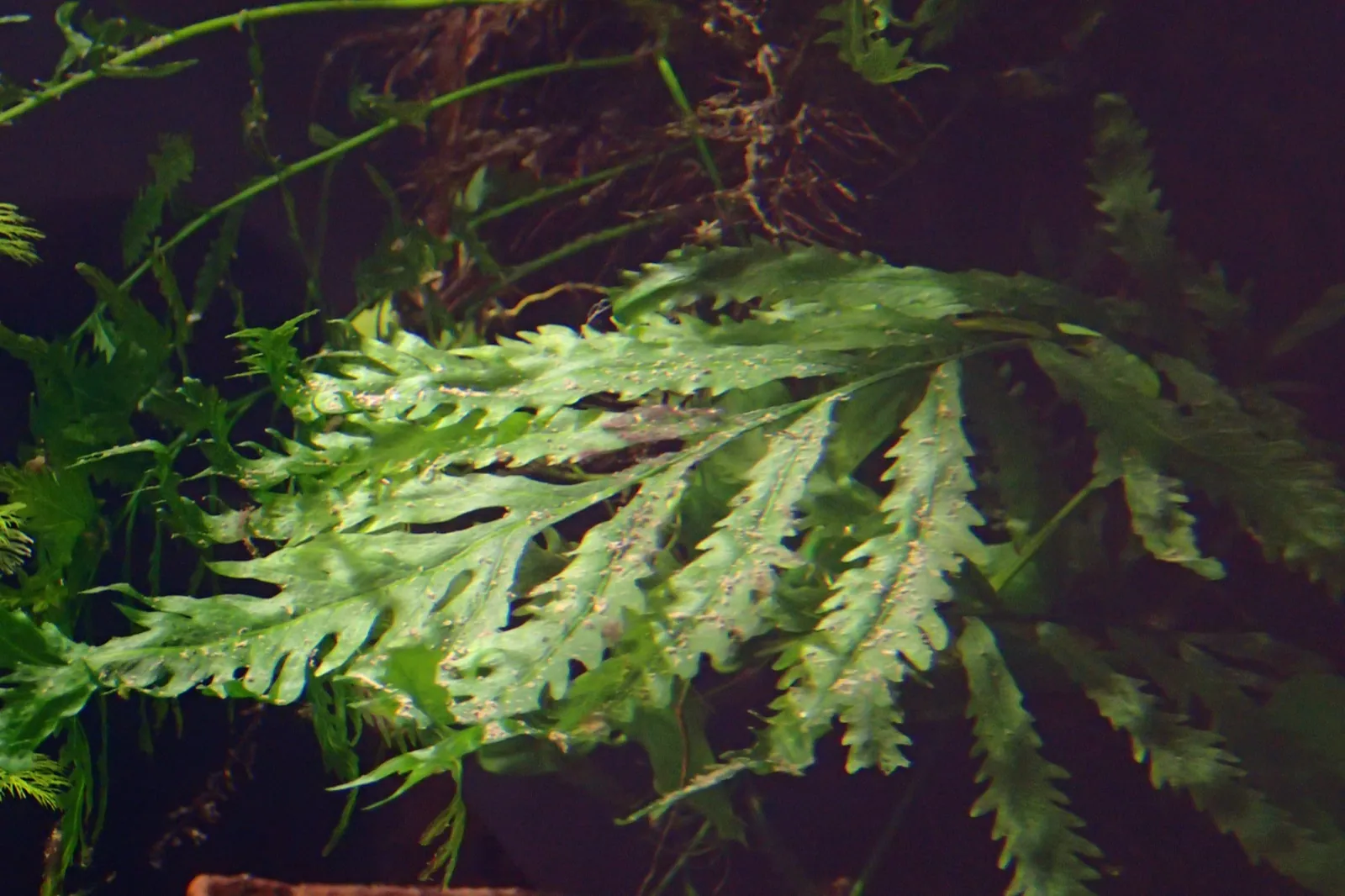
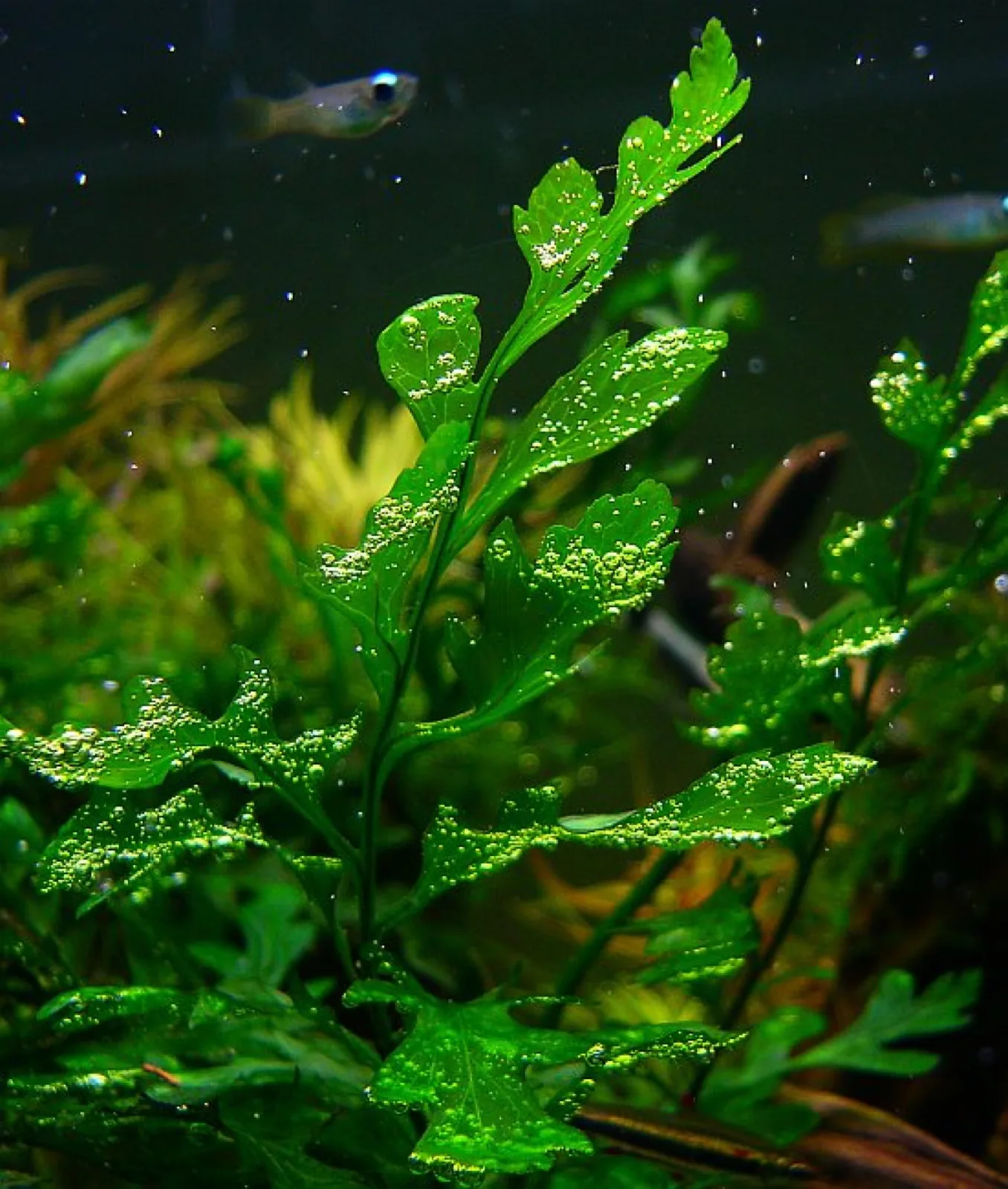
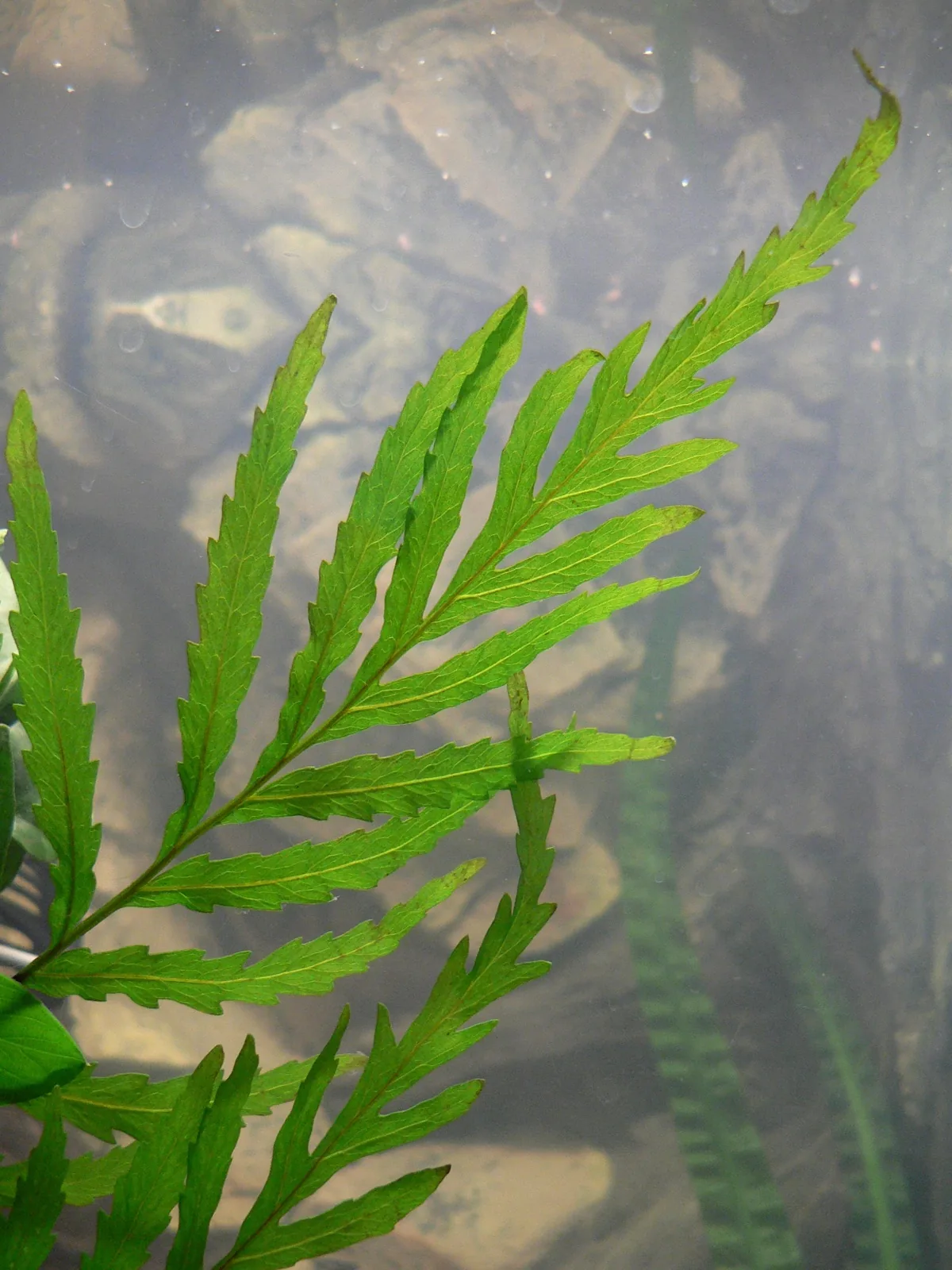
African Water Fern (Bolbitis heudelotii)
PlantEpiphyte

African Water Fern

Bolbitis heudelotii

Central and West AfricaIntermediate

TL;DR, African Water Fern

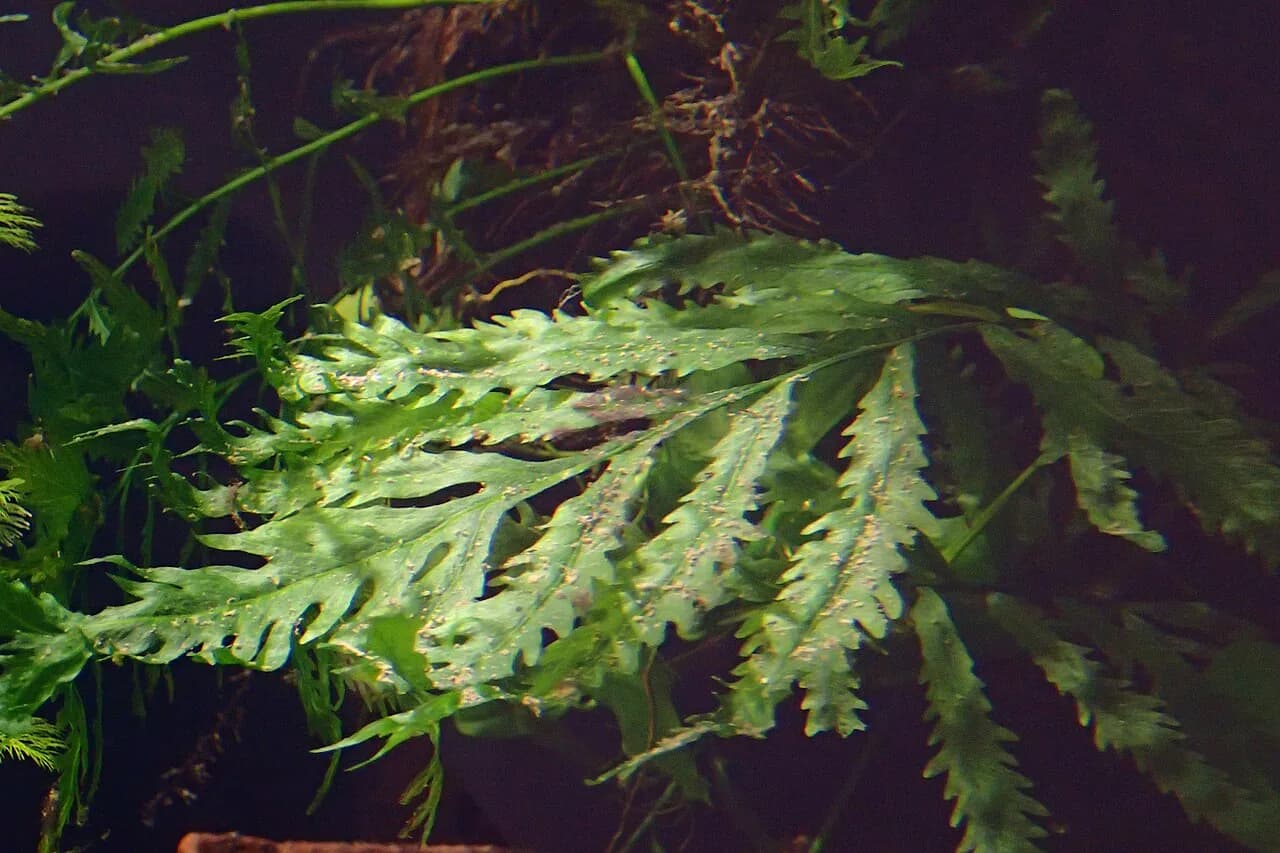
Stunning dark-green feathery fronds with deeply divided leaves. Slower than Java fern but more ornamental. Needs flow for healthy growth, stagnant water causes detritus collection on the fronds. Pairs beautifully with Anubias on a single piece of driftwood.

African Water Fern (Bolbitis heudelotii) is a rhizome / epiphyte aquatic plant for the midground to background of a planted tank. It reaches 15–40 cm under good conditions and grows at a slow rate. Light: low to medium. CO₂: recommended. Target 20–26 °C, pH 5.5–7.0, and 1–8 dGH. Substrate: Attach to wood or stone, never bury rhizome. Propagate via rhizome division.

  • LightLow to Medium
  • CO₂Recommended

Care at a glance

Stunning dark-green feathery fronds with deeply divided leaves. Slower than Java fern but more ornamental. Needs flow for healthy growth, stagnant water causes detritus collection on the fronds. Pairs beautifully with Anubias on a single piece of driftwood.

By Updated 2 min read

Part of our complete guide to the planted aquarium.

African Water Fern (Bolbitis heudelotii)
Zaire at de.wikipedia · CC BY-SA 3.0Source
African Water Fern (Bolbitis heudelotii)
Krzysztof Ziarnek, Kenraiz · CC BY-SA 4.0Source
African Water Fern (Bolbitis heudelotii)
w:User:Tsunamicarlos · Public domainSource
African Water Fern (Bolbitis heudelotii)
Zaire at de.wikipedia · CC BY-SA 3.0Source

Hero photo by Krzysztof Ziarnek, Kenraiz · CC BY-SA 4.0 · Wikipedia

Tank fit

The parameters that decide whether african water fern fits in your tank.

Parameters

Temperature20–26 °C
15 °C20 °C25 °C30 °C
pH5.5–7.0
4.05.06.07.08.0
Hardness1–8 dGH
0 dGH5 dGH10 dGH15 dGH20 dGH25 dGH
Height15–40 cm
020406080
LightLow to Medium
Low
Medium
High
CO₂Recommended
None
Optional
Recommended
Required
GrowthSlow
Slow
Medium
Fast
V. fast
FlowMedium to High
Still
Low
Medium
High
V. high

Profile

Family

Dryopteridaceae

Type

Rhizome / Epiphyte

Position

Midground to Background

Substrate

Attach to wood or stone, never bury rhizome

Propagation

Rhizome division

Habitat

Rocks in fast-flowing rivers of West Africa

Central and West Africa

Who it lives with

Tank-mate safety and the species this one is documented to thrive (or fail) alongside.

Pro tips

Hard-won lessons from the tank.

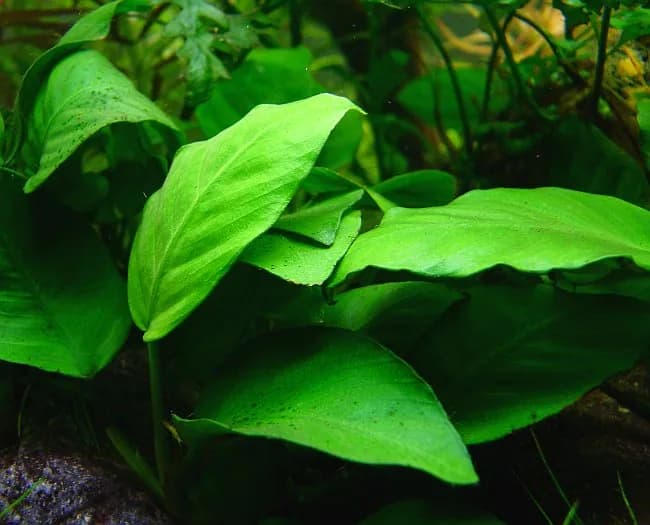
Treat exactly like Anubias and Java fern — attach to wood or stone with cotton thread or cyanoacrylate gel, never bury the rhizome. Needs flow more than the others — place it in the current path from filter outflow. The feathery dark-green fronds contrast beautifully with Anubias' broad leaves on the same driftwood. Slower than Java fern but visually more dramatic.

Things to watch for

What can go wrong and how to spot it.

Things to watch for

Failure modes, in order of how dramatic the fix is.

Nutrition

Common deficiencies

Yellow new growth: iron + CO₂. Pale: nitrogen. Frond melt at attachment point: rhizome rot from being buried.

Algae

Algae issues

Detritus traps in the feathery fronds if flow is too low. Direct flow over the plant prevents algae. BBA on slowing growth.

How to care for it

The practical routine, read top to bottom.

  1. Fertilization

    Light water-column feeder. CO₂ recommended for full feathery development; without CO₂ grows slower and slightly smaller. Iron dosing improves dark-green colour. Root tabs ignored.

  2. Trimming

    Cut damaged fronds at the base. Snip rhizome at a node with at least 3 healthy fronds to propagate; attach divided piece to fresh hardscape.

Background

Where it comes from, how it behaves, and the variants you'll see at retail.

Show background

In the wild

Where it lived before it came home.

Native rangeWest Africa
Origin · Central and West Africa

Streamside vegetation in West and Central Africa, growing on rocks and roots in fast-flowing oxygenated water. Often partially emersed during dry seasons.

Emersed form

Easily grown emersed in humid conditions with slightly stiffer fronds. Most wholesale arrives emersed.

Flowering

Doesn't flower. Propagates via rhizome division.

Variants & identification

The named cultivars and the lookalikes worth flagging.

Variants / cultivars

B. heudelotii (standard). B. heudelotii 'Difformis' (broader leaves), B. heteroclita (smaller relative from Asia). All similar care.

Misidentification

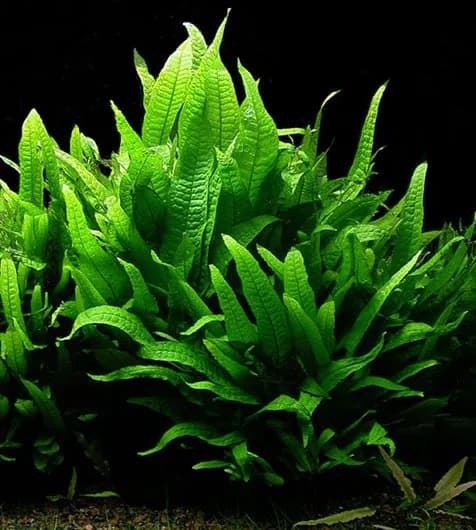
Often confused with Java fern in the shop. Bolbitis has finer feathery fronds; Java fern has flat strap leaves. Both are epiphytes with similar attachment requirements.

Frequently asked questions

Direct answers to the questions search engines and AI assistants surface most often about this species.

Does African Water Fern need CO₂?

CO₂ requirement: recommended. Light requirement: low to medium. Under low-tech conditions the plant grows at a slow rate.

What light level does African Water Fern need?

African Water Fern (Bolbitis heudelotii) needs low to medium light. Run a photoperiod of 6–8 hours; longer photoperiods invite algae unless CO₂ and dosing are dialled in.

Where should African Water Fern be planted?

Position: midground to background. Substrate: Attach to wood or stone, never bury rhizome It typically reaches 15–40 cm.

How do you propagate African Water Fern?

Propagation method: Rhizome division. African Water Fern is a rhizome / epiphyte plant.

What water parameters does African Water Fern tolerate?

Target 20–26 °C, pH 5.5–7.0, and 1–8 dGH. Flow tolerance: medium to high.

Is African Water Fern suitable for beginners?

Difficulty: 3/5. Intermediate, stable parameters and a mature tank matter.

Sources & further reading

Cross-references

Build the rest of the tank.

A planted tank is a system. Pair this plant with one entry from each other pillar to plan the whole scape.