Fin & Stem logo
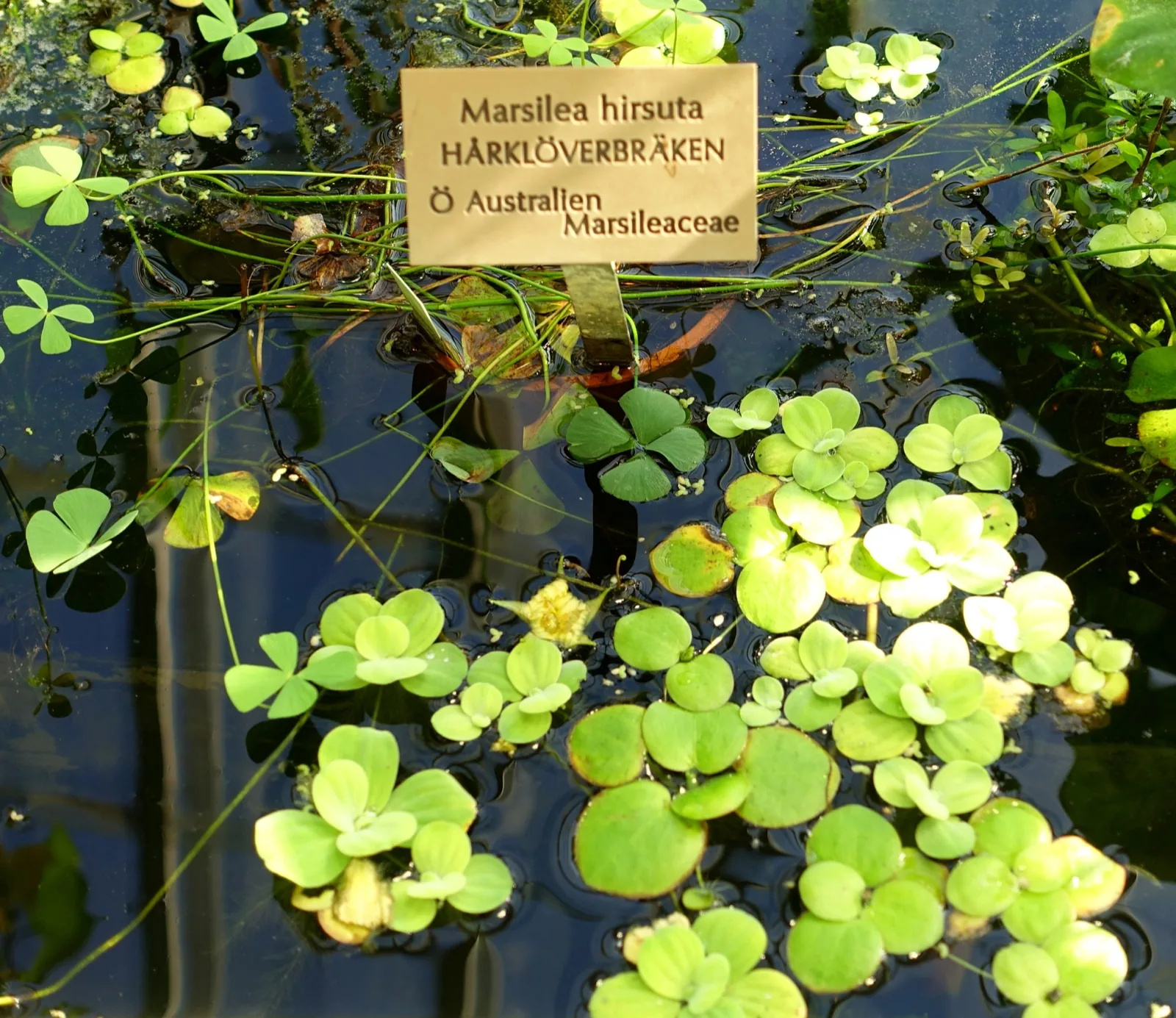
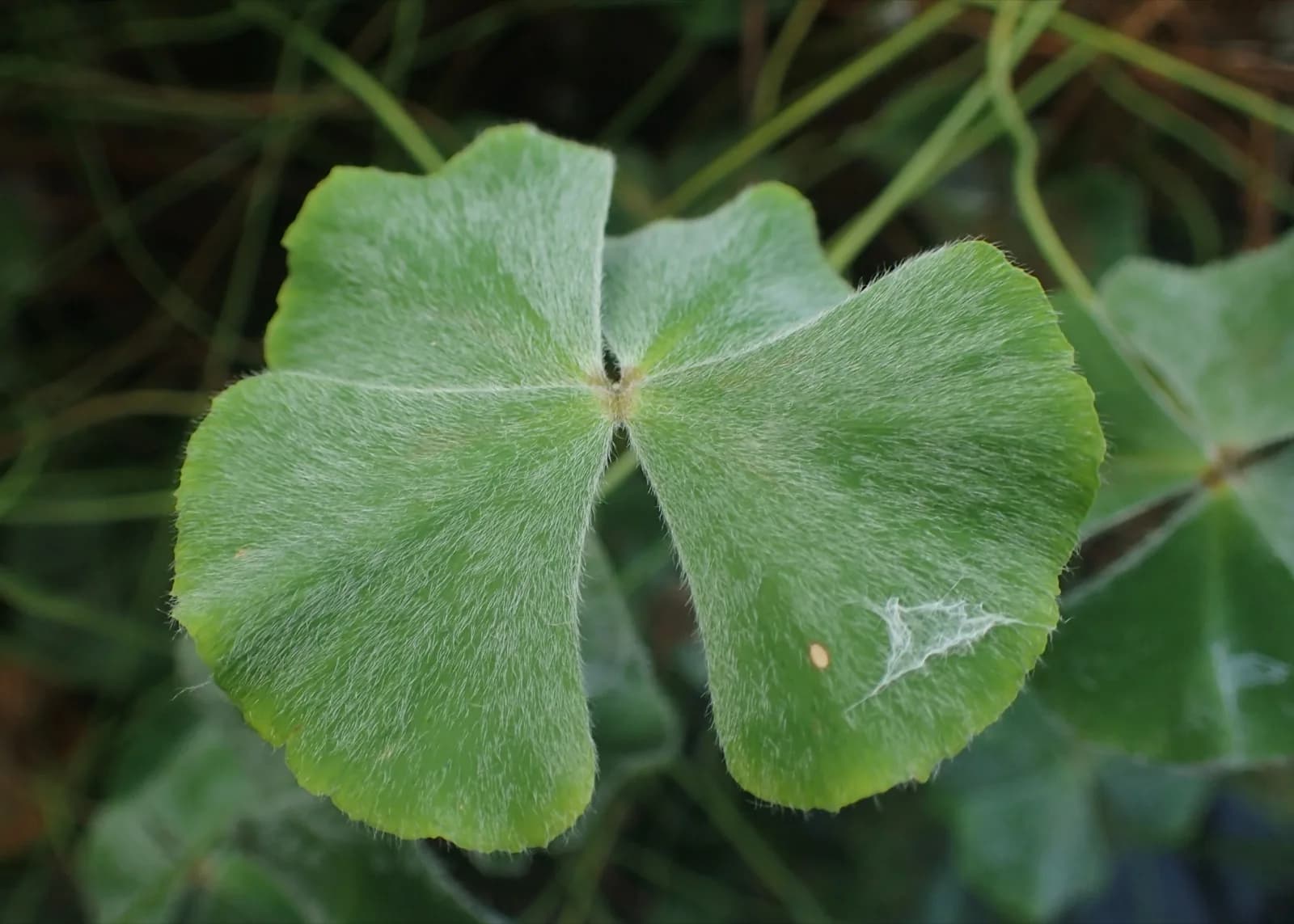
Four-Leaf Clover (Marsilea hirsuta)
PlantCarpet

Four-Leaf Clover

Marsilea hirsuta

Northern AustraliaEasy

TL;DR, Four-Leaf Clover

A genuine aquatic fern that looks like miniature four-leaf clovers. Shapeshifts based on conditions: low light produces tall single-leaf shoots; high light produces flat compact clover-form carpets. The low-tech alternative to HC Cuba and Glosso, slower but dramatically easier.

Four-Leaf Clover (Marsilea hirsuta) is a carpet / stem aquatic plant for the foreground of a planted tank. It reaches 2–20 cm under good conditions and grows at a slow rate. Light: low to high. CO₂: optional. Target 18–28 °C, pH 5.5–7.5, and 2–15 dGH. Substrate: Nutrient-rich substrate + root tabs. Propagate via runners.

  • LightLow to High
  • CO₂Optional

Care at a glance

A genuine aquatic fern that looks like miniature four-leaf clovers. Shapeshifts based on conditions: low light produces tall single-leaf shoots; high light produces flat compact clover-form carpets. The low-tech alternative to HC Cuba and Glosso, slower but dramatically easier.

By Updated 2 min read

Part of our complete guide to the planted aquarium.

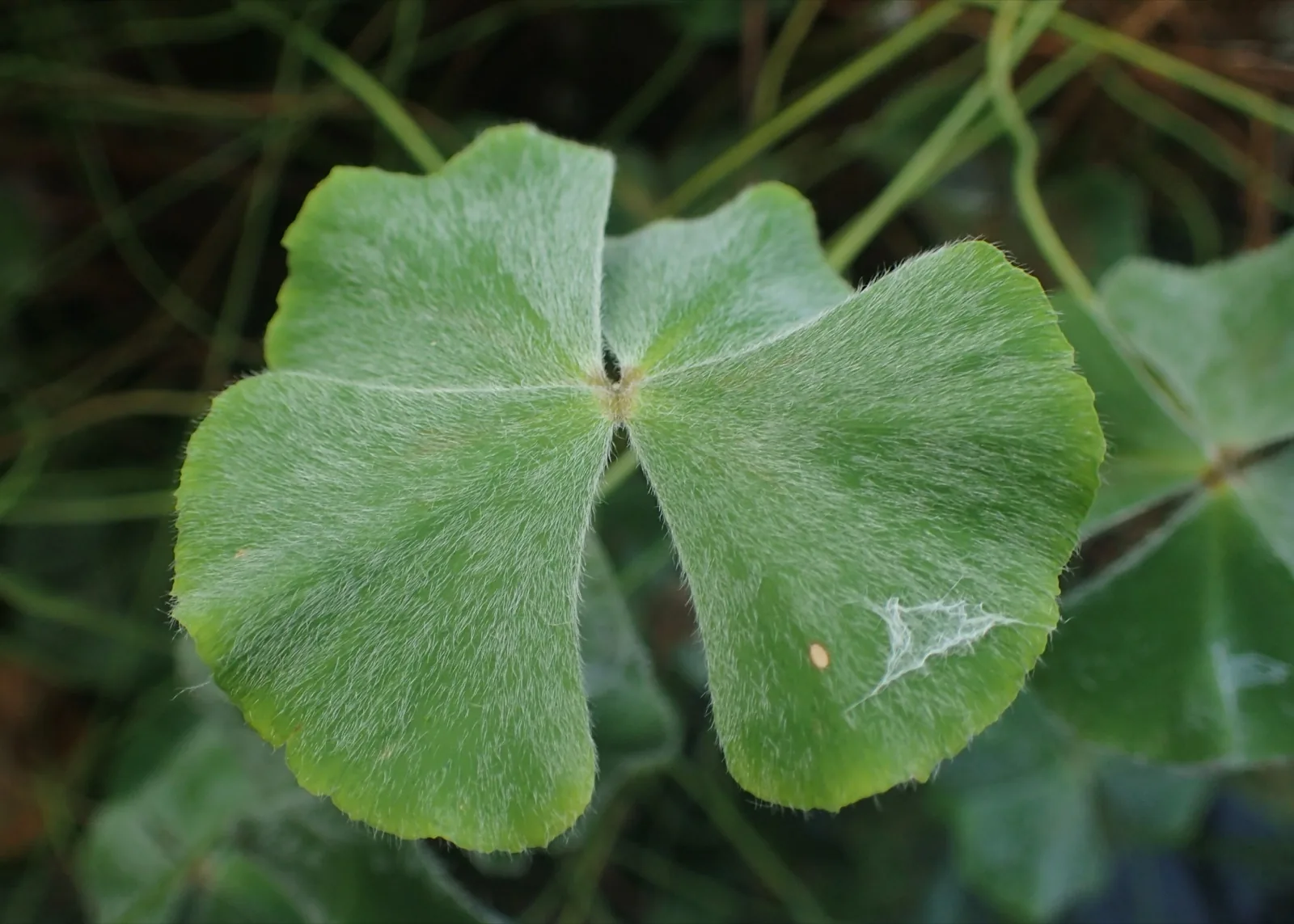
Four-Leaf Clover (Marsilea hirsuta)
Krzysztof Ziarnek, Kenraiz · CC BY-SA 4.0Source
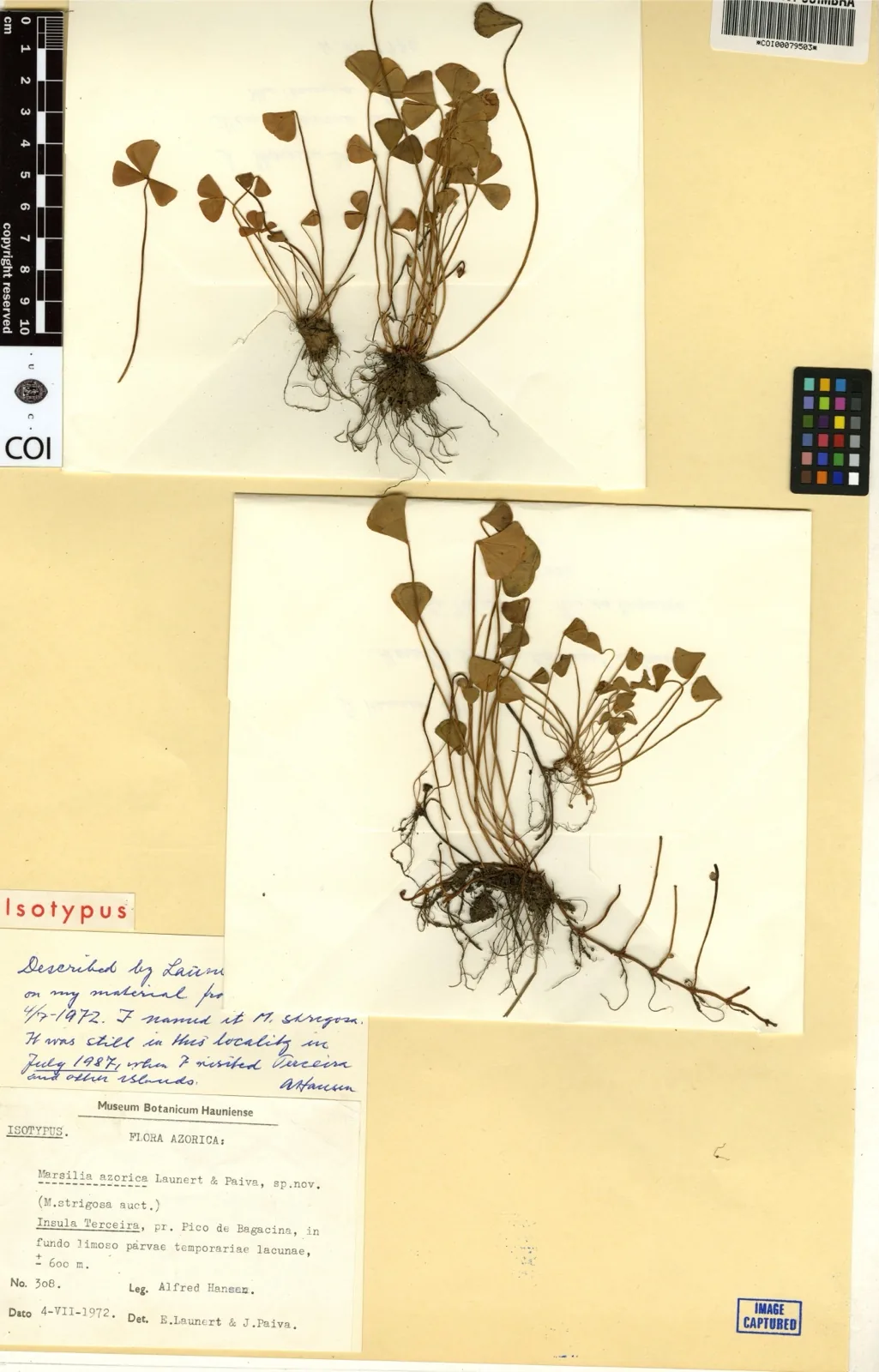
Four-Leaf Clover (Marsilea hirsuta)
Herbarium of the University of Coimbra (COI) · CC BY 4.0Source
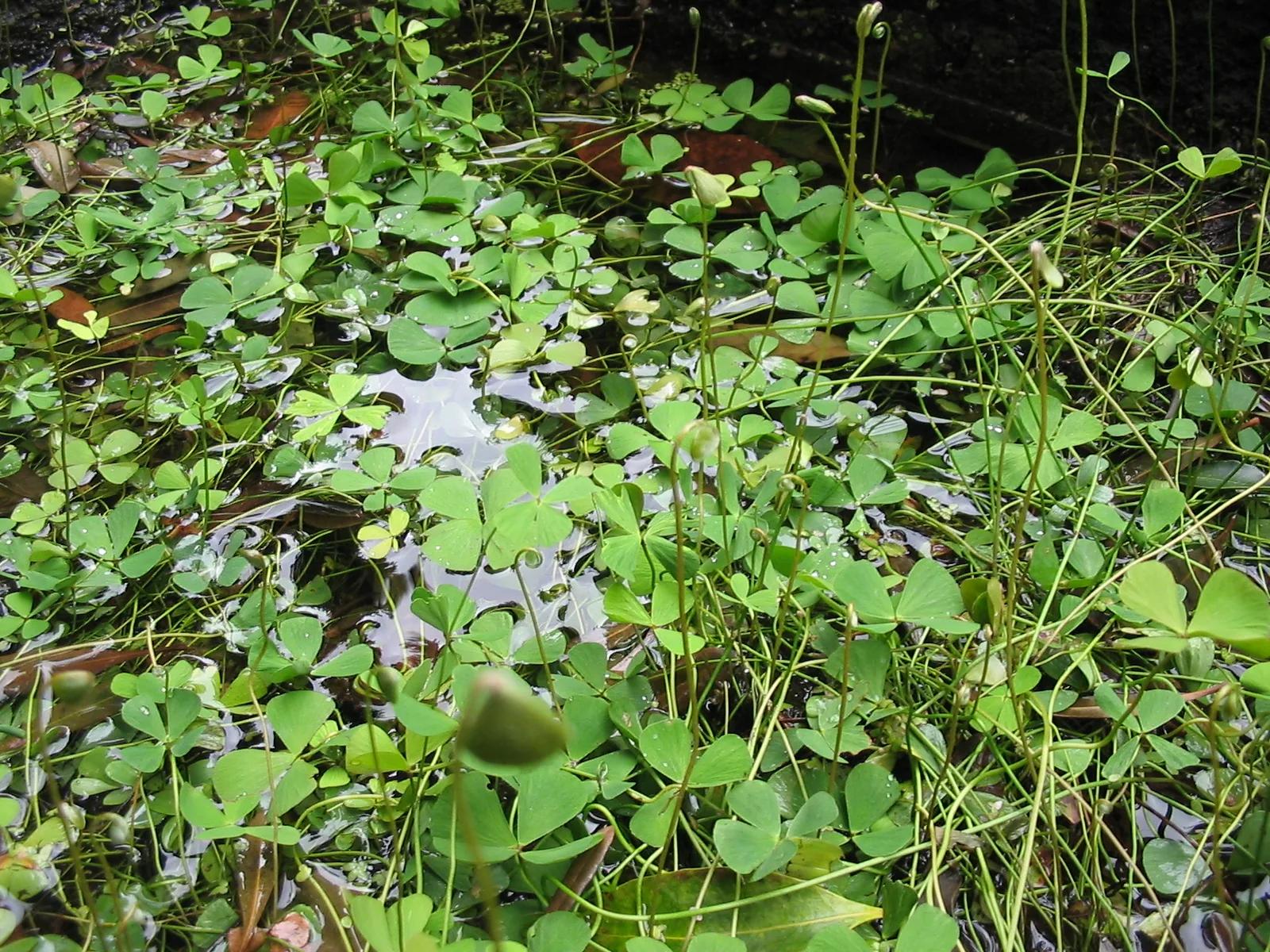
Four-Leaf Clover (Marsilea hirsuta)
Ixitixel · CC BY-SA 3.0Source
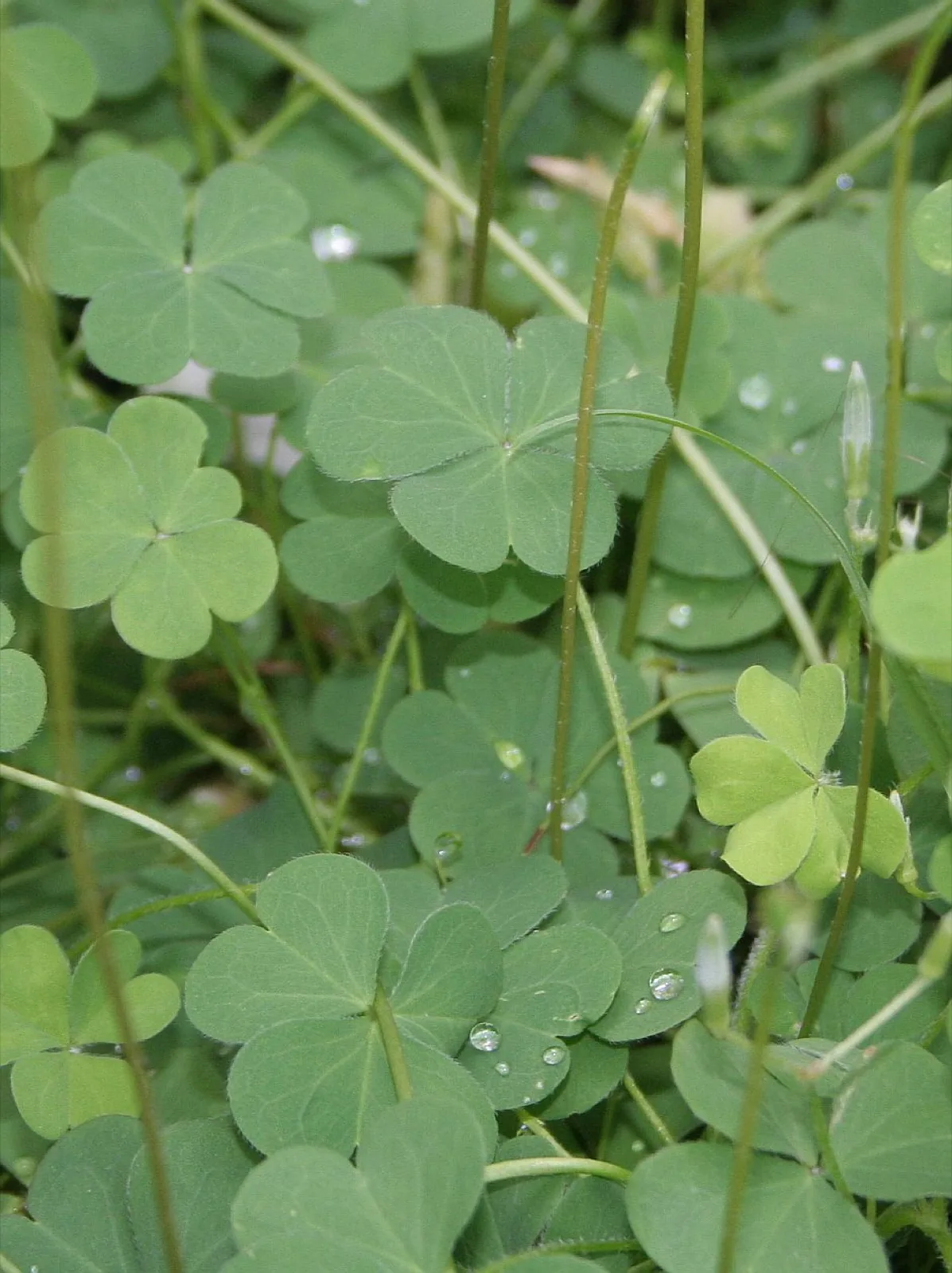
Four-Leaf Clover (Marsilea hirsuta)
Jeffdelonge · CC BY-SA 3.0Source
Four-Leaf Clover (Marsilea hirsuta)
Daderot · CC0Source

Hero photo by Krzysztof Ziarnek, Kenraiz · CC BY-SA 4.0 · Wikipedia

Tank fit

The parameters that decide whether four-leaf clover fits in your tank.

Parameters

Temperature18–28 °C
15 °C20 °C25 °C30 °C
pH5.5–7.5
4.05.06.07.08.0
Hardness2–15 dGH
0 dGH5 dGH10 dGH15 dGH20 dGH25 dGH
Height2–20 cm
020406080
LightLow to High
Low
Medium
High
CO₂Optional
None
Optional
Recommended
Required
GrowthSlow
Slow
Medium
Fast
V. fast
FlowLow to Medium
Still
Low
Medium
High
V. high

Profile

Family

Marsileaceae

Type

Carpet / Stem

Position

Foreground

Substrate

Nutrient-rich substrate + root tabs

Propagation

Runners

Habitat

Seasonally flooded grasslands of Australia

Northern Australia

Who it lives with

Tank-mate safety and the species this one is documented to thrive (or fail) alongside.

Pro tips

Hard-won lessons from the tank.

The low-tech alternative to HC Cuba and Glossostigma. Skip CO₂, skip fancy substrate, accept slower growth, and you get a beautiful carpet over 4–6 months instead of 4–6 weeks. Patience is the only requirement. Pair with Cryptocoryne parva for a low-tech multi-texture foreground.

Things to watch for

What can go wrong and how to spot it.

Things to watch for

Failure modes, in order of how dramatic the fix is.

Nutrition

Common deficiencies

Stays in 'grass form' (tall single leaves only): insufficient light. Pale leaves: iron deficiency. Stunted: substrate nutrient depletion.

Algae

Algae issues

Rare. The slow growth means algae has time to attach, but the leaf surfaces are smooth and not particularly attractive to algae.

How to care for it

The practical routine, read top to bottom.

  1. Fertilization

    Light root feeder. Root tabs every 4–6 months. Iron and trace dosing improves clover form. CO₂ helps but not required.

  2. Trimming

    Trim tall single-leaf shoots to encourage clover-form development. The plant will shapeshift over 2–4 months from grass-like vertical shoots to flat clover carpets if you keep trimming.

Background

Where it comes from, how it behaves, and the variants you'll see at retail.

Show background

In the wild

Where it lived before it came home.

Native rangeNorthern Australia
Origin · Northern Australia

Seasonal wetlands across northern Australia. Grows emersed in damp soil for most of the year, flooded during wet season.

Emersed form

Distinctive emersed form with full four-leaf clover leaves on tall stems. The wholesale form. Submerged form initially produces tall single-leaf shoots before transitioning to compact clover form.

Flowering

Spore reproduction (it's a fern, not a flowering plant). Sporocarps form on emersed stems; rarely produced submerged.

Variants & identification

The named cultivars and the lookalikes worth flagging.

Variants / cultivars

M. hirsuta is most common in the hobby. M. crenata (slightly smaller leaves), M. quadrifolia (larger leaves, European species), and M. drummondii (Australian). 'Hirsuta' typically shows the most reliable clover form when established.

Misidentification

Often confused with Glossostigma elatinoides in low-tech tanks — both produce similar small-leaved foregrounds. Marsilea has 4-lobed clover leaves when established; Glosso has paddle-shaped single leaves.

Frequently asked questions

Direct answers to the questions search engines and AI assistants surface most often about this species.

Does Four-Leaf Clover need CO₂?

CO₂ requirement: optional. Light requirement: low to high. Under low-tech conditions the plant grows at a slow rate.

What light level does Four-Leaf Clover need?

Four-Leaf Clover (Marsilea hirsuta) needs low to high light. Run a photoperiod of 6–8 hours; longer photoperiods invite algae unless CO₂ and dosing are dialled in.

Where should Four-Leaf Clover be planted?

Position: foreground. Substrate: Nutrient-rich substrate + root tabs It typically reaches 2–20 cm.

How do you propagate Four-Leaf Clover?

Propagation method: Runners. Four-Leaf Clover is a carpet / stem plant.

What water parameters does Four-Leaf Clover tolerate?

Target 18–28 °C, pH 5.5–7.5, and 2–15 dGH. Flow tolerance: low to medium.

Is Four-Leaf Clover suitable for beginners?

Difficulty: 2/5. Forgiving, beginner-friendly once the tank is cycled.

Sources & further reading

Cross-references

Build the rest of the tank.

A planted tank is a system. Pair this plant with one entry from each other pillar to plan the whole scape.