Fin & Stem logo
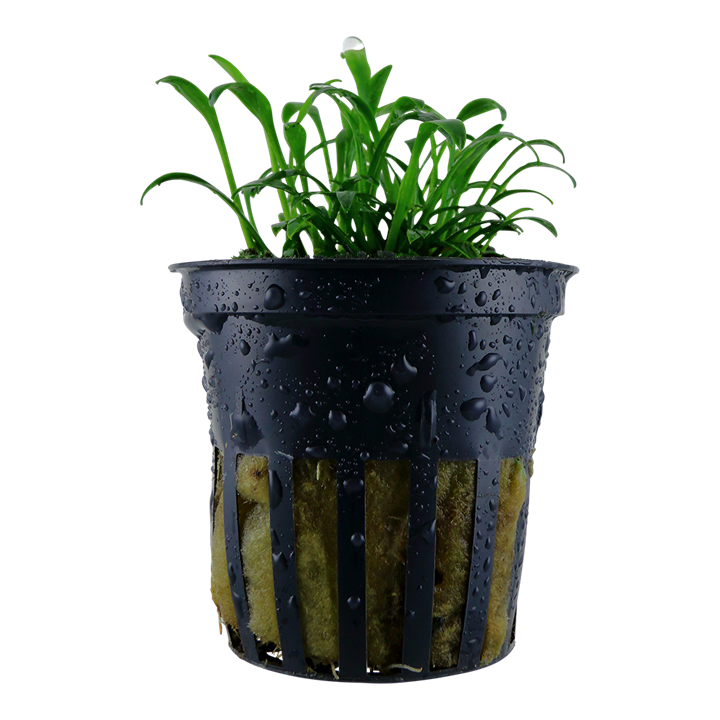
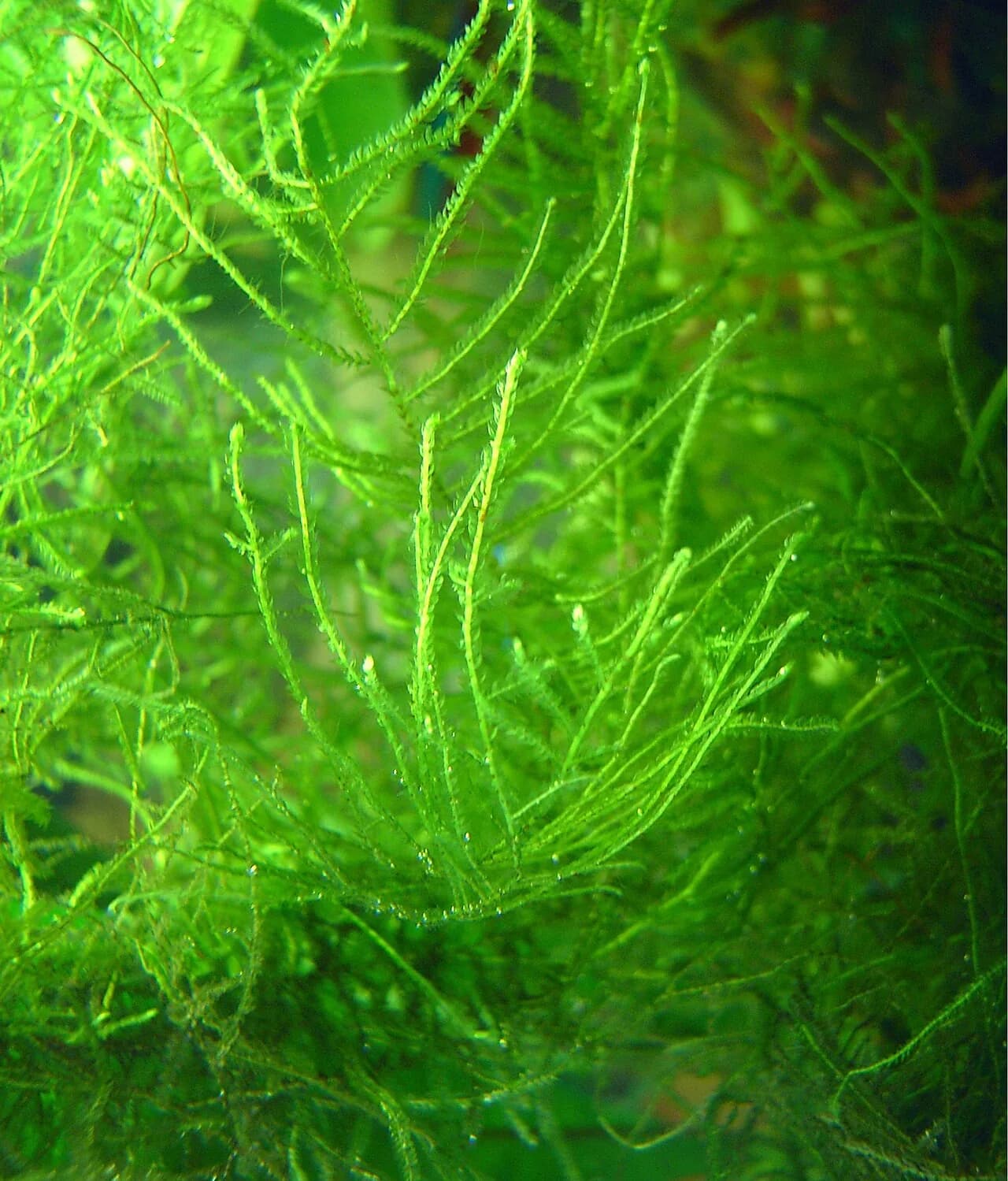
Cryptocoryne Parva (Cryptocoryne parva)
PlantRosette

Cryptocoryne Parva

Cryptocoryne parva

Sri LankaIntermediate

TL;DR, Cryptocoryne Parva

The smallest Cryptocoryne and the only true 'foreground crypt'. Forms tight rosettes of upright pencil-thin leaves. Painfully slow but bulletproof once established. Plant individuals 2 cm apart for a foreground 'lawn' that takes a year to form.

Cryptocoryne Parva (Cryptocoryne parva) is a rosette aquatic plant for the foreground of a planted tank. It reaches 3–8 cm under good conditions and grows at a very slow rate. Light: medium. CO₂: optional. Target 22–28 °C, pH 6.0–7.5, and 2–15 dGH. Substrate: Nutrient-rich substrate + root tabs. Propagate via runners (very slow).

  • LightMedium
  • CO₂Optional

Care at a glance

The smallest Cryptocoryne and the only true 'foreground crypt'. Forms tight rosettes of upright pencil-thin leaves. Painfully slow but bulletproof once established. Plant individuals 2 cm apart for a foreground 'lawn' that takes a year to form.

By Updated 2 min read

Part of our complete guide to the planted aquarium.

Cryptocoryne Parva (Cryptocoryne parva)
Tropica Aquarium Plants A/S · © Tropica Aquarium Plants — editorial useSource

Hero photo by Tropica Aquarium Plants A/S · © Tropica Aquarium Plants — editorial use · Wikipedia

Tank fit

The parameters that decide whether cryptocoryne parva fits in your tank.

Parameters

Temperature22–28 °C
15 °C20 °C25 °C30 °C
pH6.0–7.5
4.05.06.07.08.0
Hardness2–15 dGH
0 dGH5 dGH10 dGH15 dGH20 dGH25 dGH
Height3–8 cm
020406080
LightMedium
Low
Medium
High
CO₂Optional
None
Optional
Recommended
Required
GrowthVery slow
Slow
Medium
Fast
V. fast
FlowLow to Medium
Still
Low
Medium
High
V. high

Profile

Family

Araceae

Type

Rosette

Position

Foreground

Substrate

Nutrient-rich substrate + root tabs

Propagation

Runners (very slow)

Habitat

Heavily shaded mountain streams of Sri Lanka

Sri Lanka

Who it lives with

Tank-mate safety and the species this one is documented to thrive (or fail) alongside.

Pro tips

Hard-won lessons from the tank.

Plant individual plantlets 2 cm apart in a tight grid — over 12+ months they fill in to form a true foreground 'lawn'. Patience is the only requirement; impatient gardeners pull them up to 'check the roots' and kill them. Don't fertilize the water column more than once a week; crypt parva is a substrate feeder, and water-column macro dosing encourages algae on the slow leaves.

Things to watch for

What can go wrong and how to spot it.

Things to watch for

Failure modes, in order of how dramatic the fix is.

Nutrition

Common deficiencies

Pale: iron + nitrogen. 'Crypt melt' is not a deficiency — leaves dissolve following sudden parameter shifts (transplant, lighting change, CO₂ start). The plant regrows from the rhizome over 4–8 weeks, often stronger.

Algae

Algae issues

Slow growth can lead to spot algae on outer leaves. Less common than with larger crypts.

How to care for it

The practical routine, read top to bottom.

  1. Fertilization

    Heavy root feeder. Root tabs every 3–4 months are essential despite the plant's small size. Iron for colour, nitrogen for growth.

  2. Trimming

    Almost never. Trim only damaged outer leaves at the base. New leaves emerge from the centre at the species' painfully slow pace.

Background

Where it comes from, how it behaves, and the variants you'll see at retail.

Show background

In the wild

Where it lived before it came home.

Native rangeSri Lanka
Origin · Sri Lanka

Shaded forest streams in central Sri Lanka. Often grows emersed on stream banks during dry periods, fully submerged during monsoon.

Emersed form

Tight emersed rosette of stiff thin leaves. Almost all wholesale is emersed tissue-culture. Submerged form is similar but slightly softer.

Flowering

Distinctive spadix-spathe flower partially submerged in mud; rare in aquarium conditions, useful for taxonomic ID when present.

Variants & identification

The named cultivars and the lookalikes worth flagging.

Variants / cultivars

Only one form is sold under this name. Often confused with Cryptocoryne x willisii (slightly larger) and Lilaeopsis brasiliensis (different family but similar appearance).

Misidentification

C. x willisii (a Sri Lankan hybrid) is virtually indistinguishable when small. Lilaeopsis brasiliensis ('micro sword') looks similar but is from a different family (Apiaceae) and behaves more like a grass.

Frequently asked questions

Direct answers to the questions search engines and AI assistants surface most often about this species.

Does Cryptocoryne Parva need CO₂?

CO₂ requirement: optional. Light requirement: medium. Under low-tech conditions the plant grows at a very slow rate.

What light level does Cryptocoryne Parva need?

Cryptocoryne Parva (Cryptocoryne parva) needs medium light. Run a photoperiod of 6–8 hours; longer photoperiods invite algae unless CO₂ and dosing are dialled in.

Where should Cryptocoryne Parva be planted?

Position: foreground. Substrate: Nutrient-rich substrate + root tabs It typically reaches 3–8 cm.

How do you propagate Cryptocoryne Parva?

Propagation method: Runners (very slow). Cryptocoryne Parva is a rosette plant.

What water parameters does Cryptocoryne Parva tolerate?

Target 22–28 °C, pH 6.0–7.5, and 2–15 dGH. Flow tolerance: low to medium.

Is Cryptocoryne Parva suitable for beginners?

Difficulty: 3/5. Intermediate, stable parameters and a mature tank matter.

Sources & further reading

Cross-references

Build the rest of the tank.

A planted tank is a system. Pair this plant with one entry from each other pillar to plan the whole scape.