Fin & Stem logo
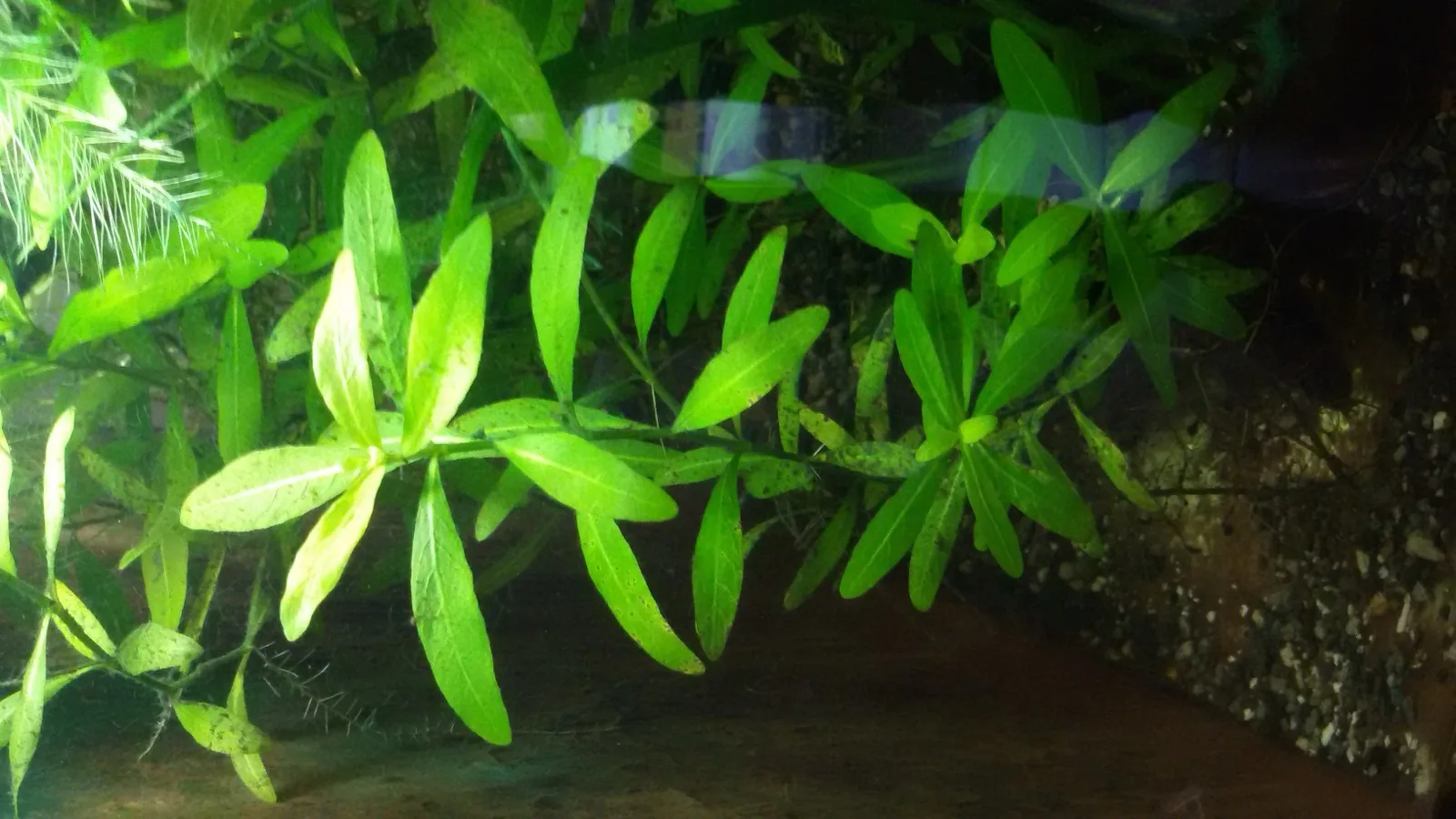
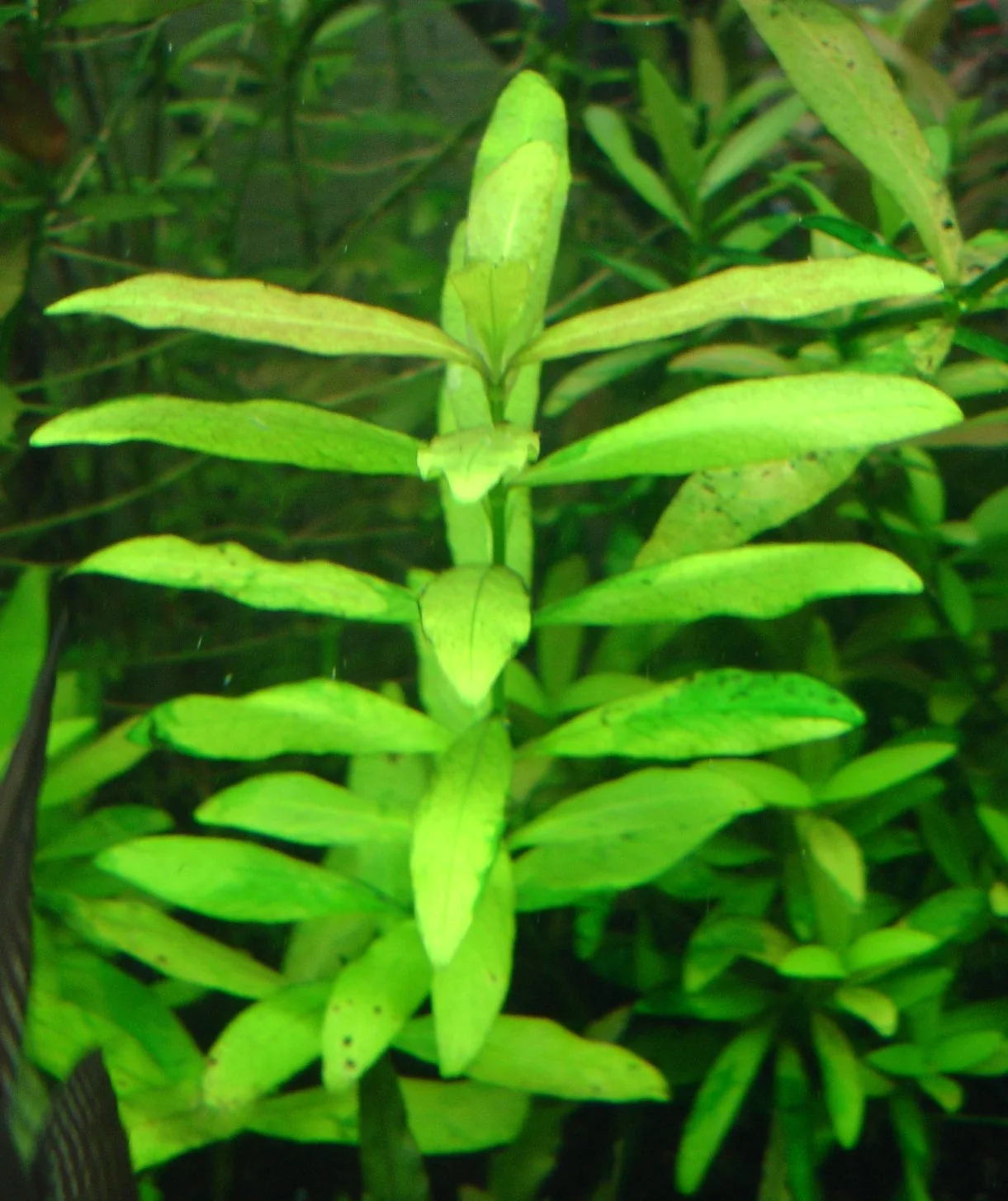
Dwarf Hygrophila (Hygrophila polysperma)
PlantStem

Dwarf Hygrophila

Hygrophila polysperma

India, Bangladesh, BhutanBeginner

TL;DR, Dwarf Hygrophila

Nutrient sponge, use it to outcompete algae in new tanks. Banned/invasive in several US states (check local rules before sourcing).

Dwarf Hygrophila (Hygrophila polysperma) is a stem aquatic plant for the midground to background of a planted tank. It reaches 20–40 cm under good conditions and grows at a very fast rate. Light: low to high. CO₂: optional. Target 20–28 °C, pH 6.0–7.5, and 2–15 dGH. Substrate: Any, water column feeder. Propagate via cuttings (top and side shoots).

  • LightLow to High
  • CO₂Optional

Care at a glance

Nutrient sponge, use it to outcompete algae in new tanks. Banned/invasive in several US states (check local rules before sourcing).

By Updated 1 min read

Part of our complete guide to the planted aquarium.

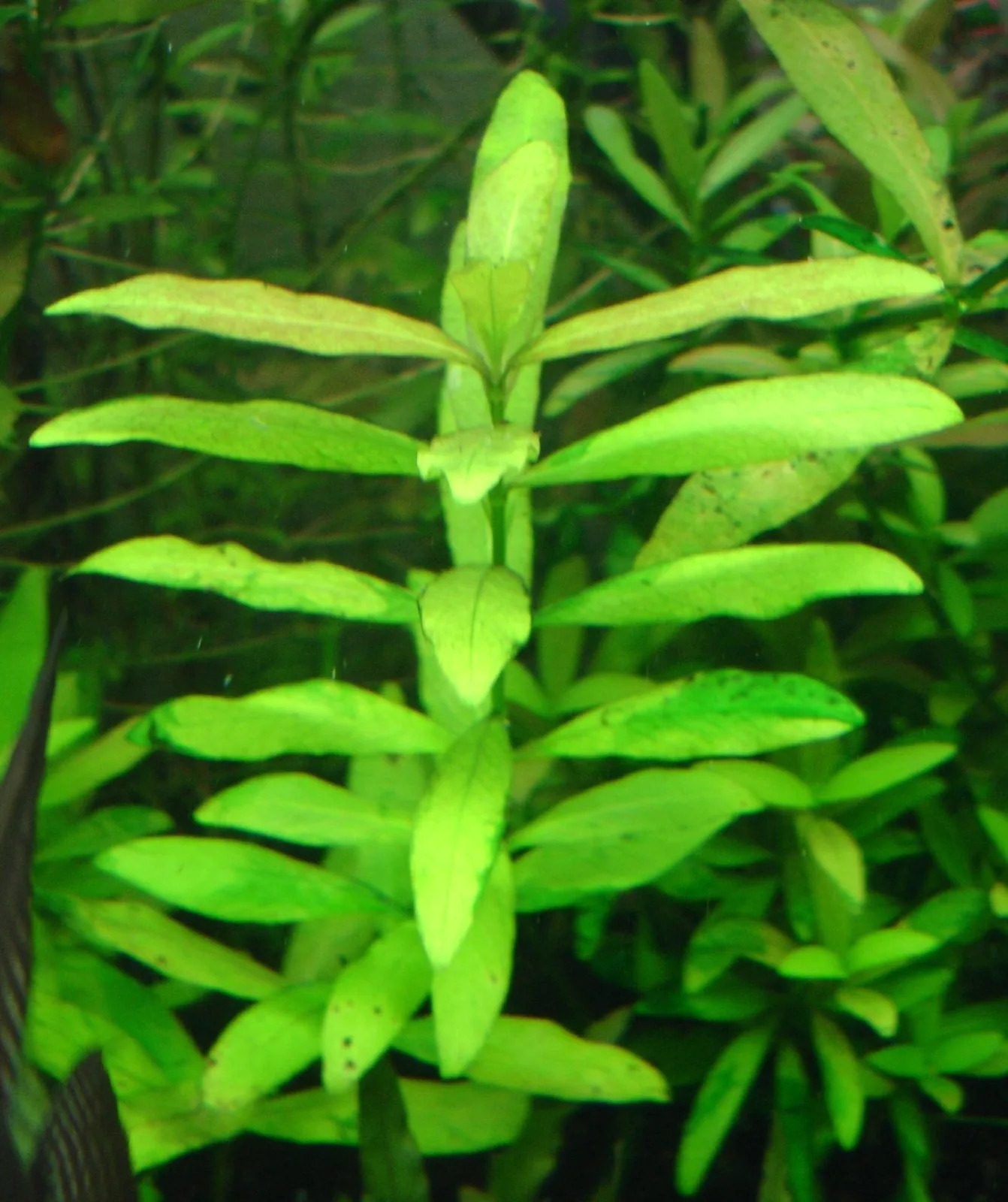
Dwarf Hygrophila (Hygrophila polysperma)
Wikimedia · CC BY-SA 3.0Source
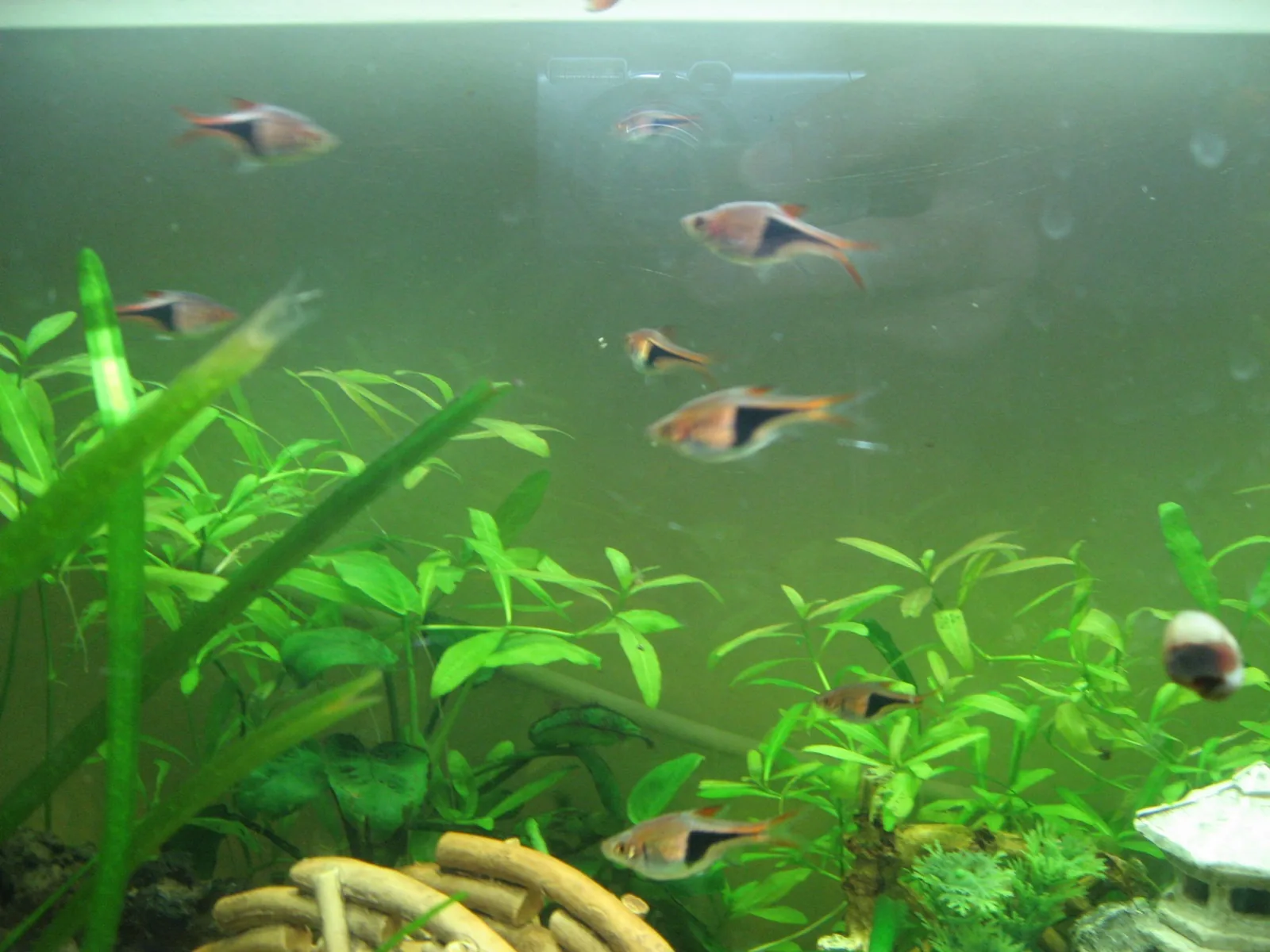
Dwarf Hygrophila (Hygrophila polysperma)
Tucsouffle · CC BY 2.5Source
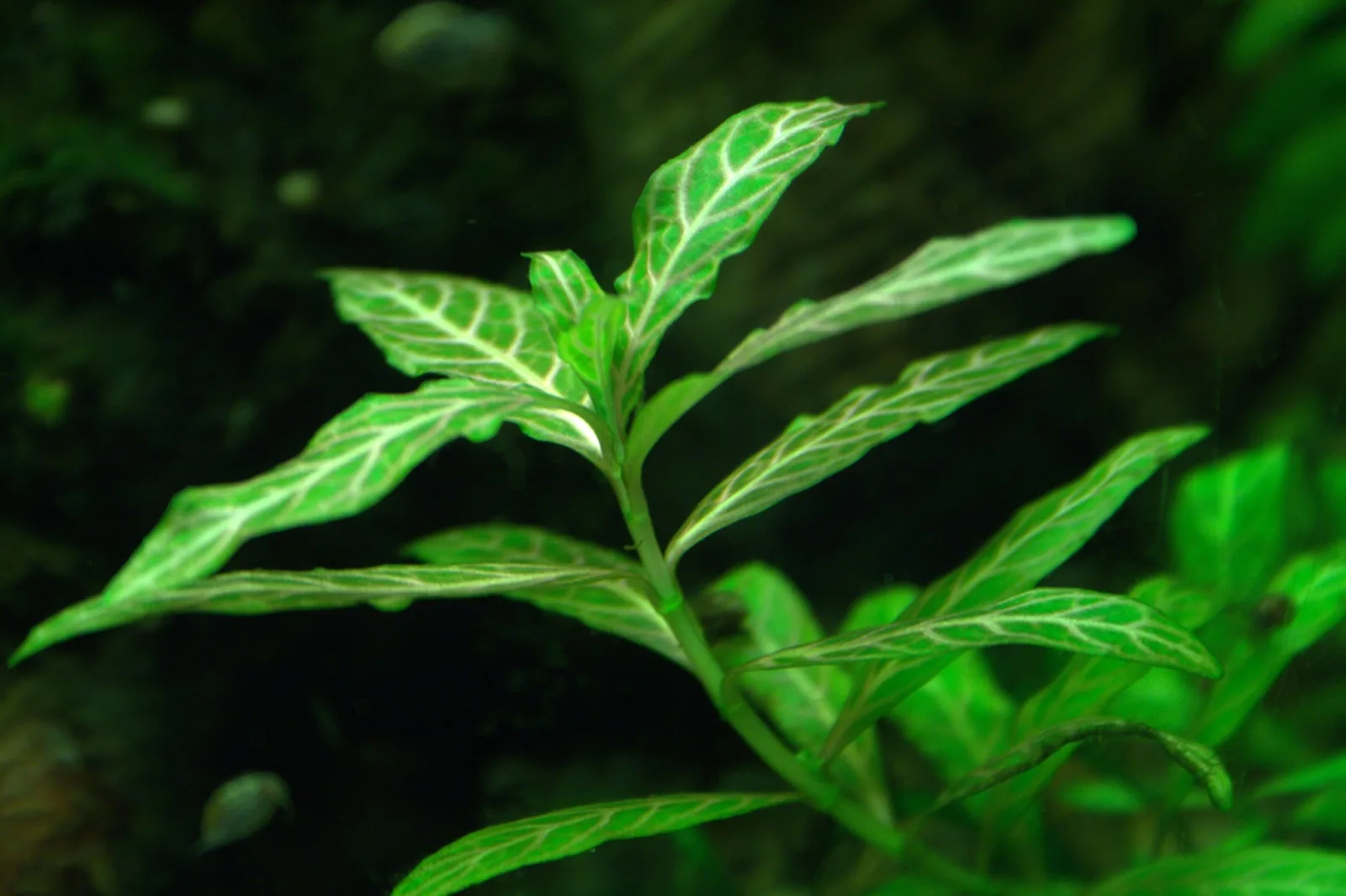
Dwarf Hygrophila (Hygrophila polysperma)
Averater · CC BY-SA 4.0Source
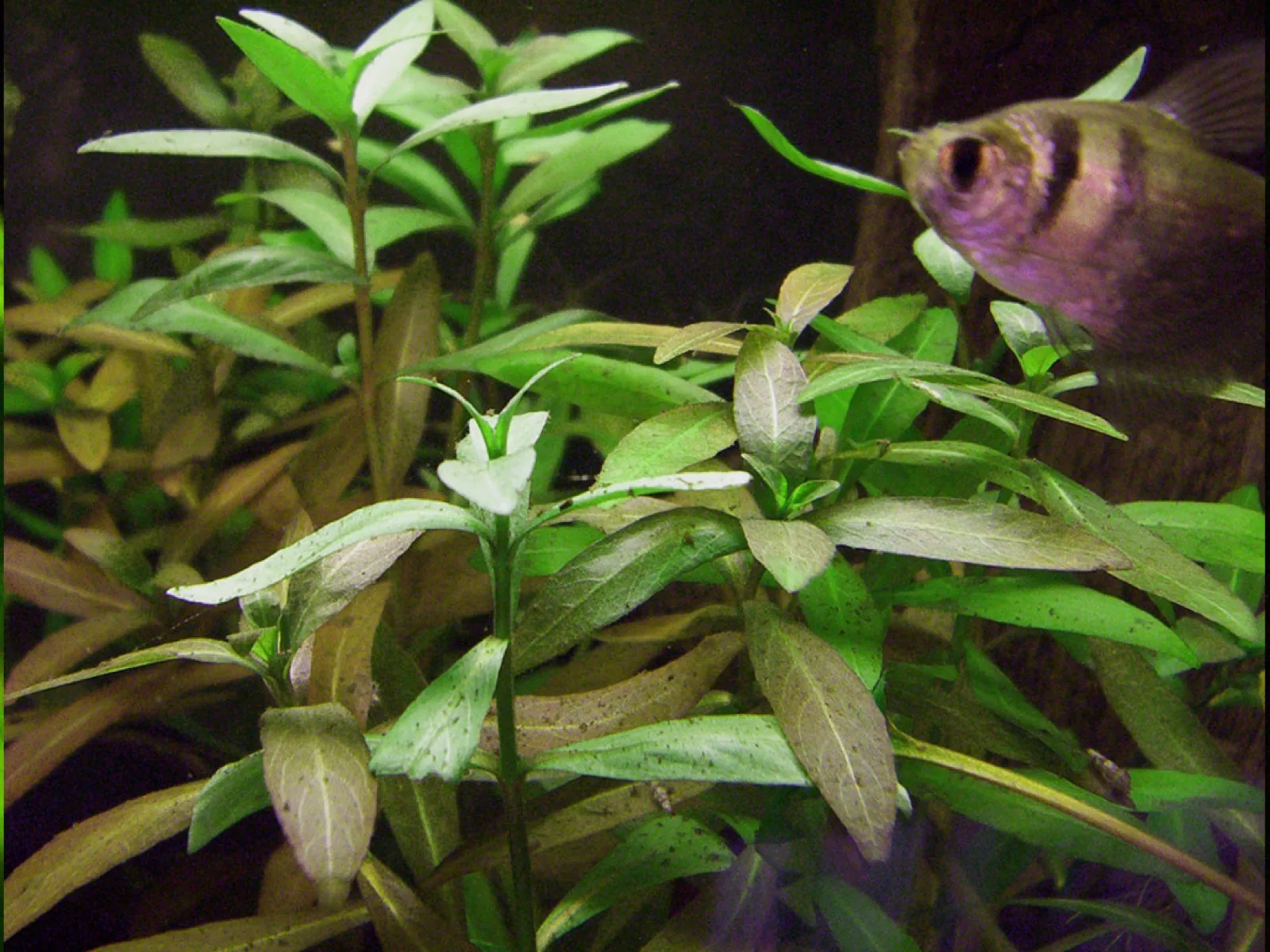
Dwarf Hygrophila (Hygrophila polysperma)
Dennis Lamczak · CC BY-SA 3.0Source
Dwarf Hygrophila (Hygrophila polysperma)
Valiromeovich · CC BY-SA 4.0Source

Hero photo by unknown contributor · CC BY-SA 3.0 · Wikipedia

Tank fit

The parameters that decide whether dwarf hygrophila fits in your tank.

Parameters

Temperature20–28 °C
15 °C20 °C25 °C30 °C
pH6.0–7.5
4.05.06.07.08.0
Hardness2–15 dGH
0 dGH5 dGH10 dGH15 dGH20 dGH25 dGH
Height20–40 cm
020406080
LightLow to High
Low
Medium
High
CO₂Optional
None
Optional
Recommended
Required
GrowthVery Fast
Slow
Medium
Fast
V. fast
FlowLow to High
Still
Low
Medium
High
V. high

Profile

Family

Acanthaceae

Type

Stem

Position

Midground to Background

Substrate

Any, water column feeder

Propagation

Cuttings (top and side shoots)

Habitat

Marshes and pond edges across tropical Asia

India, Bangladesh, Bhutan

Who it lives with

Tank-mate safety and the species this one is documented to thrive (or fail) alongside.

Pro tips

Hard-won lessons from the tank.

BANNED OR INVASIVE in: USA federal lacy weed list, several US states (Alabama, Florida, Texas, etc.), parts of Australia. CHECK YOUR LOCAL REGULATIONS before sourcing. Outside restricted regions, it's a perfect new-tank plant for fighting algae.

Things to watch for

What can go wrong and how to spot it.

Things to watch for

Failure modes, in order of how dramatic the fix is.

Nutrition

Common deficiencies

Pale: nitrogen. Pinholes: potassium. Stunted: trace minerals or insufficient light. Adapts to almost any conditions.

Algae

Algae issues

Rapid growth outcompetes algae — actually USED to fight algae in new tanks (called a 'nutrient sponge').

How to care for it

The practical routine, read top to bottom.

  1. Fertilization

    Heavy column feeder. EI dosing keeps it lush. Iron especially makes 'Sunset' colour pop.

  2. Trimming

    Top the stems weekly — pinch off the top 5 cm with scissors and replant. Side shoots branch from the trimmed node and the plant gets bushier. Don't let stems reach the surface and bend over.

Background

Where it comes from, how it behaves, and the variants you'll see at retail.

Show background

In the wild

Where it lived before it came home.

Native rangeIndiaBangladeshBhutan
Origin · India, Bangladesh, Bhutan

Streams and pools throughout South and Southeast Asia. Hardy enough to be invasive in warmer parts of the world.

Emersed form

Grows emersed easily; many wholesalers grow it that way. Emersed leaves are wider and stiffer.

Flowering

Small white-purple axillary flowers when emersed.

Variants & identification

The named cultivars and the lookalikes worth flagging.

Variants / cultivars
SunsetRosanervigCeylon

'Sunset' (variegated pink/cream new growth, beautiful), 'Rosanervig' (pink veining), 'Ceylon' (broader leaves). All same care.

Misidentification

Often mixed in with H. corymbosa (broader), H. difformis (lacy), H. siamensis. Polysperma is the slim, narrow-leaf, fast variety.

Frequently asked questions

Direct answers to the questions search engines and AI assistants surface most often about this species.

Does Dwarf Hygrophila need CO₂?

CO₂ requirement: optional. Light requirement: low to high. Under low-tech conditions the plant grows at a very fast rate.

What light level does Dwarf Hygrophila need?

Dwarf Hygrophila (Hygrophila polysperma) needs low to high light. Run a photoperiod of 6–8 hours; longer photoperiods invite algae unless CO₂ and dosing are dialled in.

Where should Dwarf Hygrophila be planted?

Position: midground to background. Substrate: Any, water column feeder It typically reaches 20–40 cm.

How do you propagate Dwarf Hygrophila?

Propagation method: Cuttings (top and side shoots). Dwarf Hygrophila is a stem plant.

What water parameters does Dwarf Hygrophila tolerate?

Target 20–28 °C, pH 6.0–7.5, and 2–15 dGH. Flow tolerance: low to high.

Is Dwarf Hygrophila suitable for beginners?

Difficulty: 1/5. Almost unkillable, a solid first-tank choice.

Sources & further reading

Cross-references

Build the rest of the tank.

A planted tank is a system. Pair this plant with one entry from each other pillar to plan the whole scape.