Care at a glance
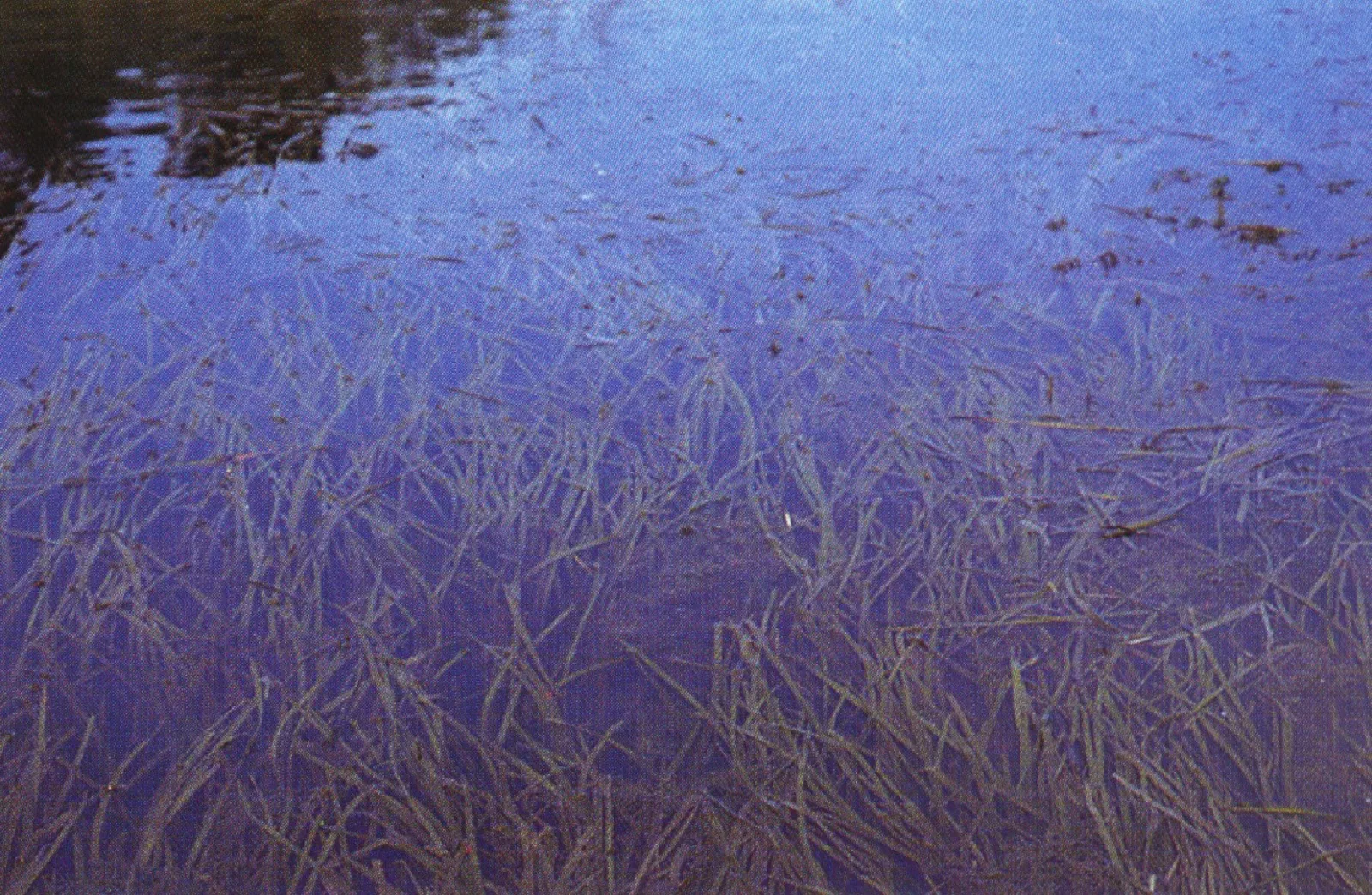
Carpets the back of a tank in long, curving ribbons. Sensitive to liquid carbon (Excel/Easy Carbo), will melt. Snip runners to control spread.
By Mike ElmiraUpdated 1 min read
Part of our complete guide to the planted aquarium.

Vallisneria spiralis
Carpets the back of a tank in long, curving ribbons. Sensitive to liquid carbon (Excel/Easy Carbo), will melt. Snip runners to control spread.
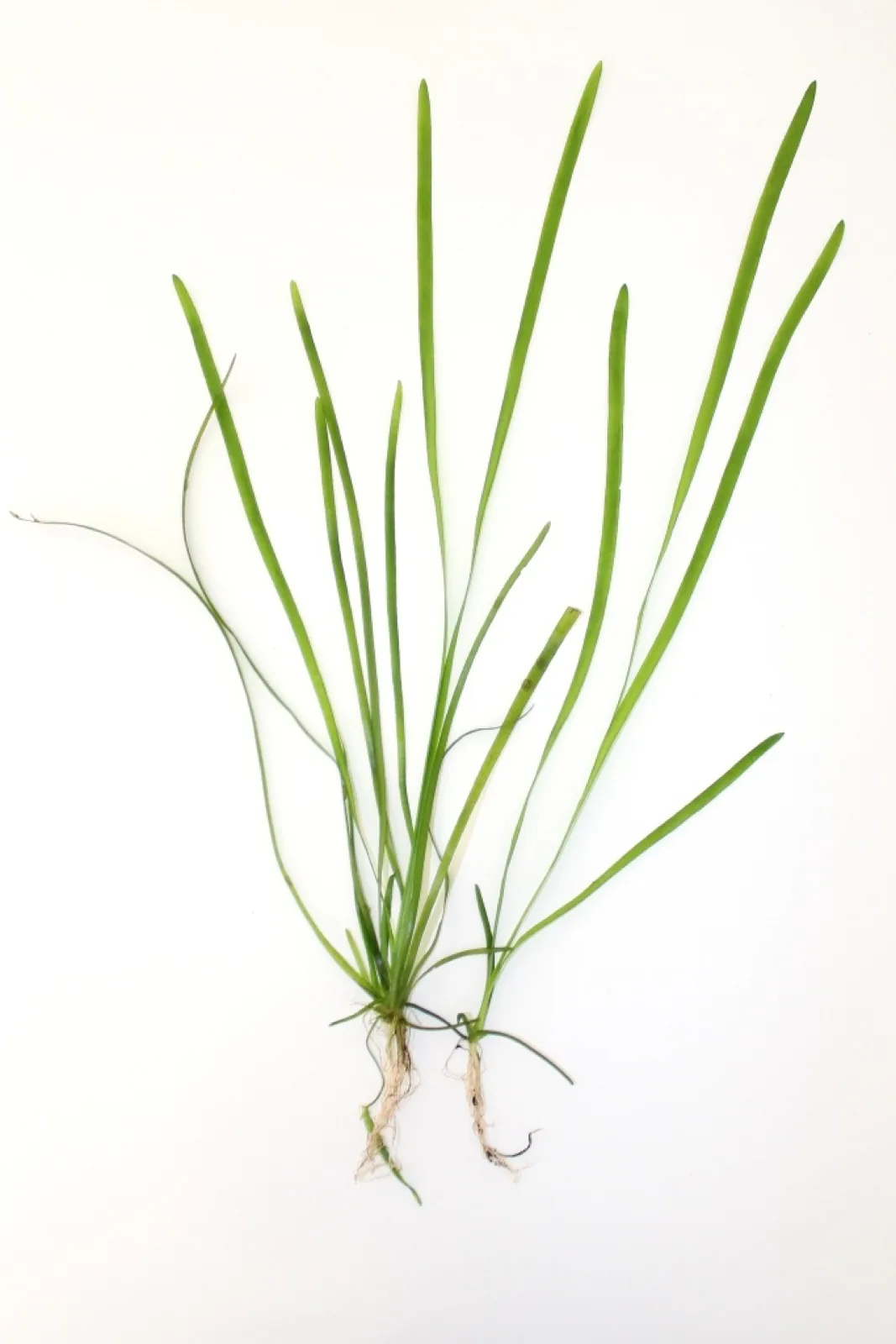
Vallisneria Spiralis (Vallisneria spiralis) is a rosette / runner aquatic plant for the background of a planted tank. It reaches 30–60 cm under good conditions and grows at a fast rate. Light: low to medium. CO₂: none to optional. Target 18–28 °C, pH 6.5–8.0, and 5–25 dGH. Substrate: Sand or gravel with root tabs. Propagate via runners.
Care at a glance
Carpets the back of a tank in long, curving ribbons. Sensitive to liquid carbon (Excel/Easy Carbo), will melt. Snip runners to control spread.
By Mike ElmiraUpdated 1 min read
Part of our complete guide to the planted aquarium.


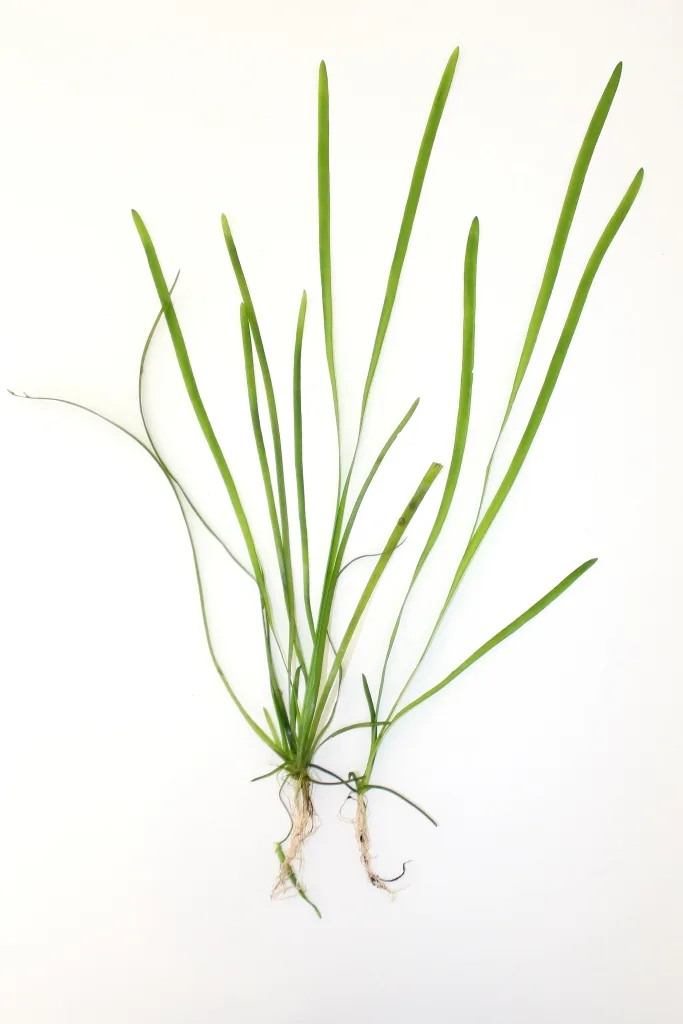
Hero photo by Lara Gudmundsdottir · CC BY-SA 4.0 · Wikipedia
The parameters that decide whether vallisneria spiralis fits in your tank.
Hydrocharitaceae
Rosette / Runner
Background
Sand or gravel with root tabs
Runners
Slow rivers and lakes across the temperate world
Europe, Asia, Africa
Tank-mate safety and the species this one is documented to thrive (or fail) alongside.
Hard-won lessons from the tank.
Plant runners deep enough to anchor but with crown above substrate. New tank? Vallisneria will melt completely before recovering — don't dig it up. It comes back from the root mass in 4–8 weeks. CANNOT TOLERATE LIQUID CARBON — this is the most common Val killer.
What can go wrong and how to spot it.
Failure modes, in order of how dramatic the fix is.
Yellow leaves: iron. Brown tips: too much excel/glutaraldehyde (this kills Vallisneria — never dose liquid carbon).
Algae rarely an issue once established. New planting can suffer melt from transition stress.
The practical routine, read top to bottom.
Moderate root feeder. Root tabs every 4 months. Iron in water column for green leaves.
DON'T trim by cutting tips — leaves will die back further from cut. Instead remove entire damaged leaves at the base. To control spread, snap runners.
Where it comes from, how it behaves, and the variants you'll see at retail.
Where it lived before it came home.
Worldwide warm temperate to tropical freshwater. Slow rivers, lakes, ponds.
Does not grow emersed naturally — fully aquatic. Leaves can persist briefly out of water but plant dies.
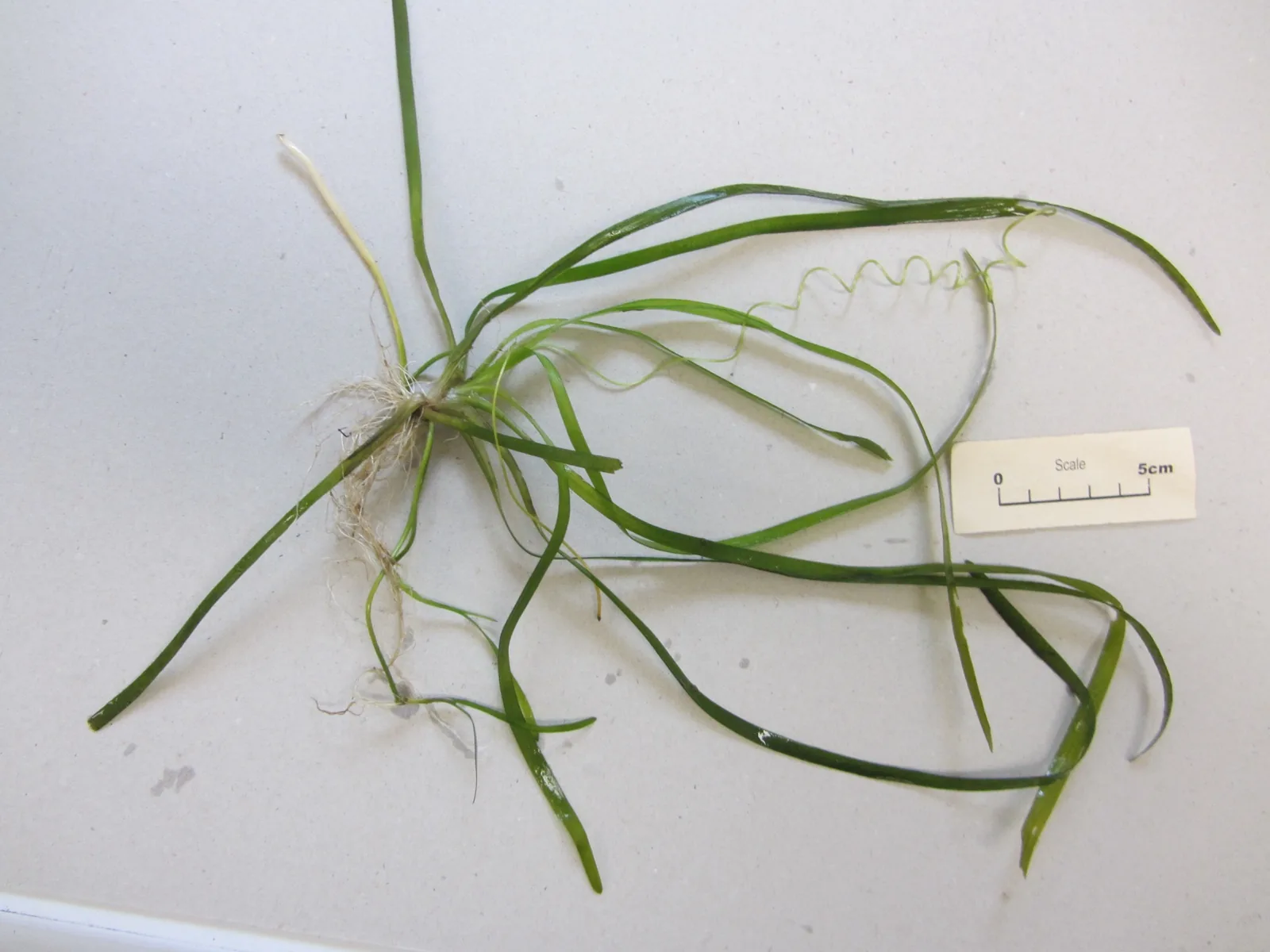
Female plants send up a spiral stalk that emerges at the surface to flower (the 'spiral' in spiralis). Male plants release pollen-carrying free-floating flowers. Rarely flowers in aquariums.
The named cultivars and the lookalikes worth flagging.
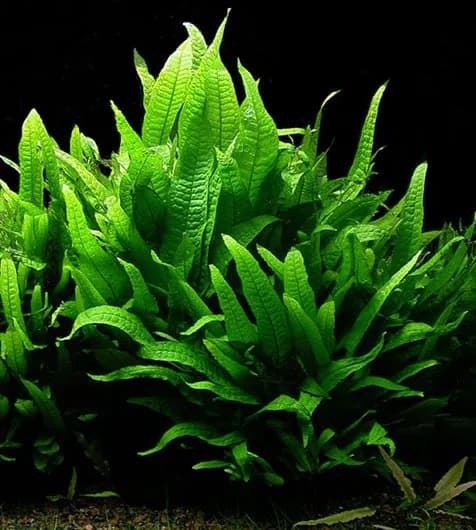
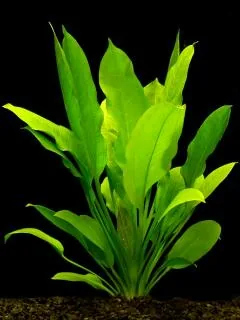
V. spiralis (small, ribbon-like, often called 'Jungle Val' if larger), V. asiatica, V. nana (true dwarf), V. americana (large), V. spiralis 'Tiger' (striped).
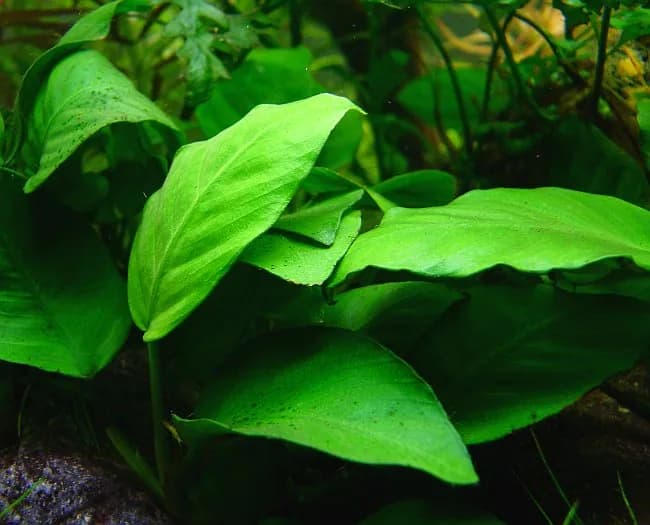
Often confused with Sagittaria (which has spear-shaped leaves) and Sagittaria subulata 'Jungle Val' (a misnomer — that's actually Sagittaria).
Direct answers to the questions search engines and AI assistants surface most often about this species.
CO₂ requirement: none to optional. Light requirement: low to medium. Under low-tech conditions the plant grows at a fast rate.
Vallisneria Spiralis (Vallisneria spiralis) needs low to medium light. Run a photoperiod of 6–8 hours; longer photoperiods invite algae unless CO₂ and dosing are dialled in.
Position: background. Substrate: Sand or gravel with root tabs It typically reaches 30–60 cm.
Propagation method: Runners. Vallisneria Spiralis is a rosette / runner plant.
Target 18–28 °C, pH 6.5–8.0, and 5–25 dGH. Flow tolerance: medium to high.
Difficulty: 1/5. Almost unkillable, a solid first-tank choice.
A planted tank is a system. Pair this plant with one entry from each other pillar to plan the whole scape.