Fin & Stem logo
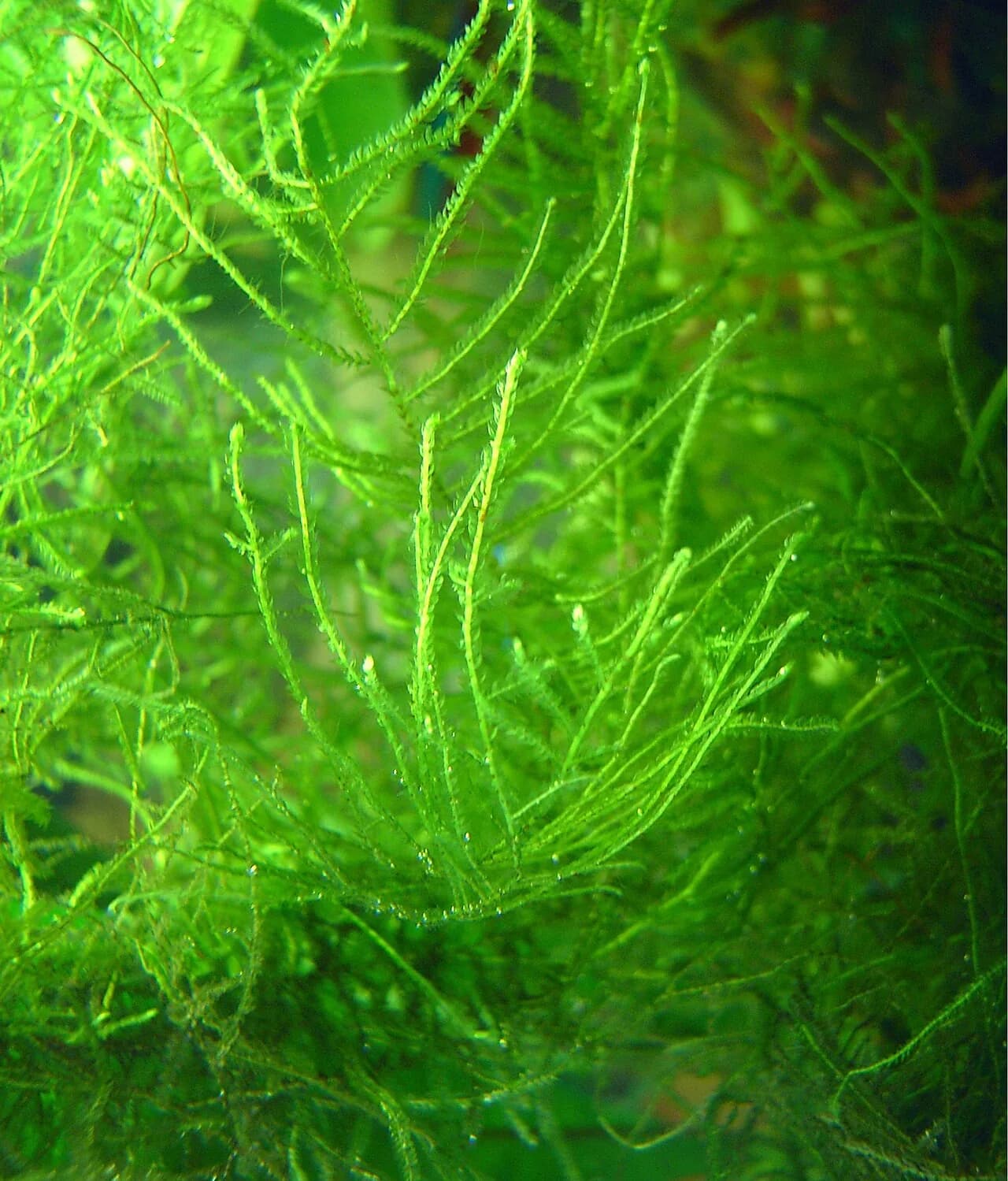
Chain Sword (Helanthium tenellum)
PlantRosette

Chain Sword

Helanthium tenellum

South and Central AmericaEasy

TL;DR, Chain Sword

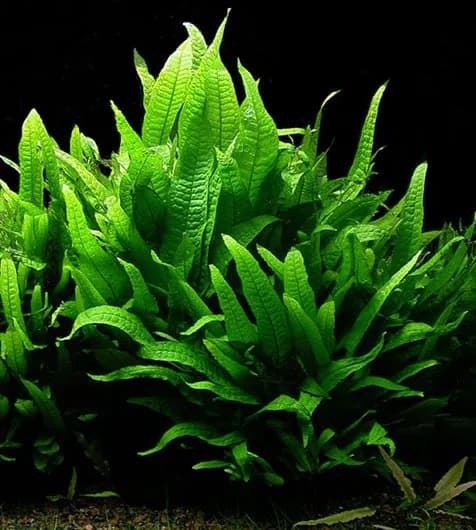
A dwarf Echinodorus that spreads via prolific runners, each runner produces a new daughter plant a few centimetres away, forming a 'chain'. Previously classified as Echinodorus tenellus. Bright grass-like foreground that fills in faster than crypt parva and demands far less than HC.

Chain Sword (Helanthium tenellum) is a rosette / runner aquatic plant for the foreground to midground of a planted tank. It reaches 5–12 cm under good conditions and grows at a medium rate. Light: medium to high. CO₂: optional. Target 20–28 °C, pH 6.0–7.5, and 2–15 dGH. Substrate: Nutrient-rich substrate + root tabs. Propagate via runners (chain effect).

  • LightMedium to High
  • CO₂Optional

Care at a glance

A dwarf Echinodorus that spreads via prolific runners, each runner produces a new daughter plant a few centimetres away, forming a 'chain'. Previously classified as Echinodorus tenellus. Bright grass-like foreground that fills in faster than crypt parva and demands far less than HC.

By Updated 2 min read

Part of our complete guide to the planted aquarium.

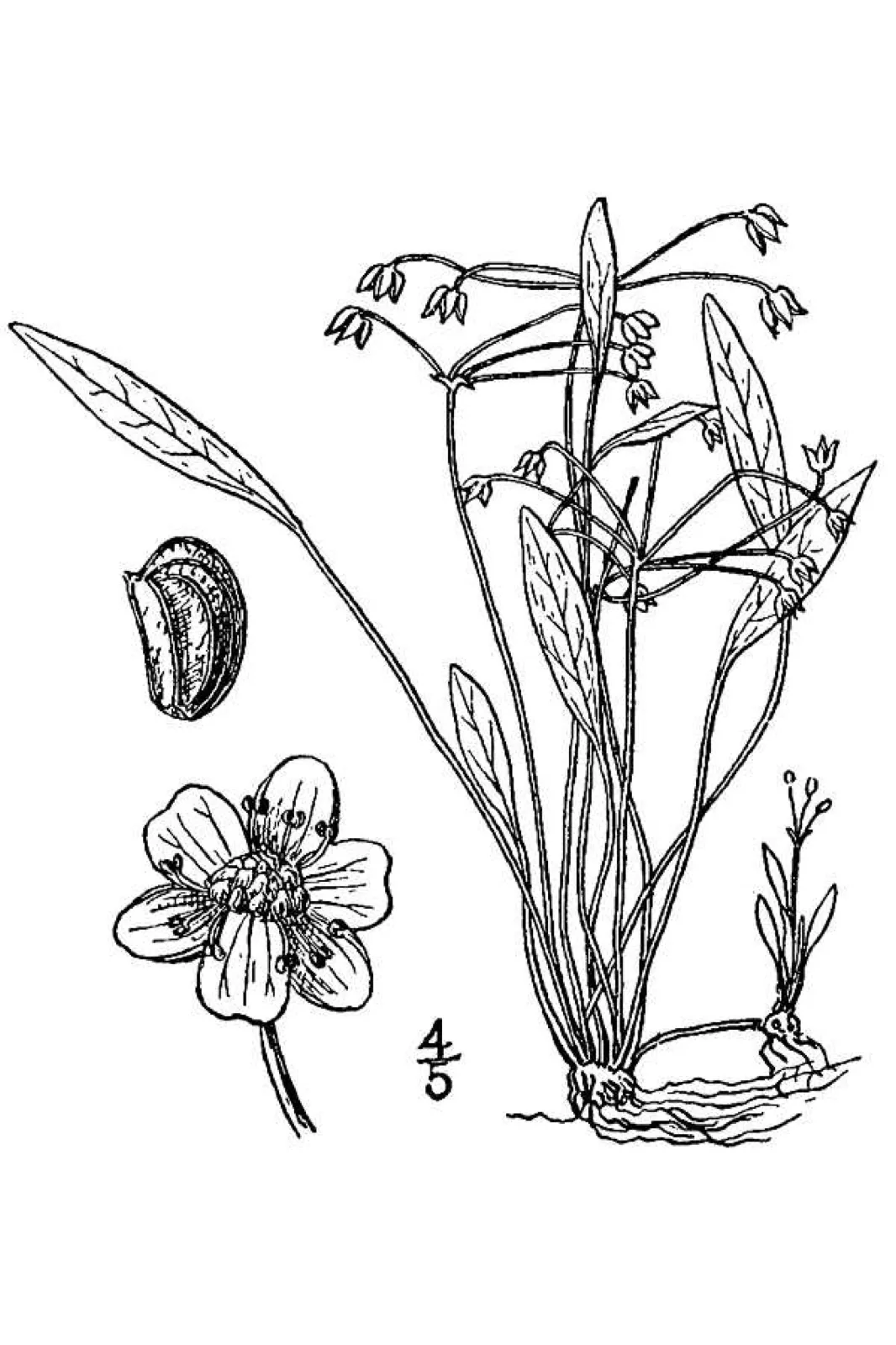
Chain Sword (Helanthium tenellum)
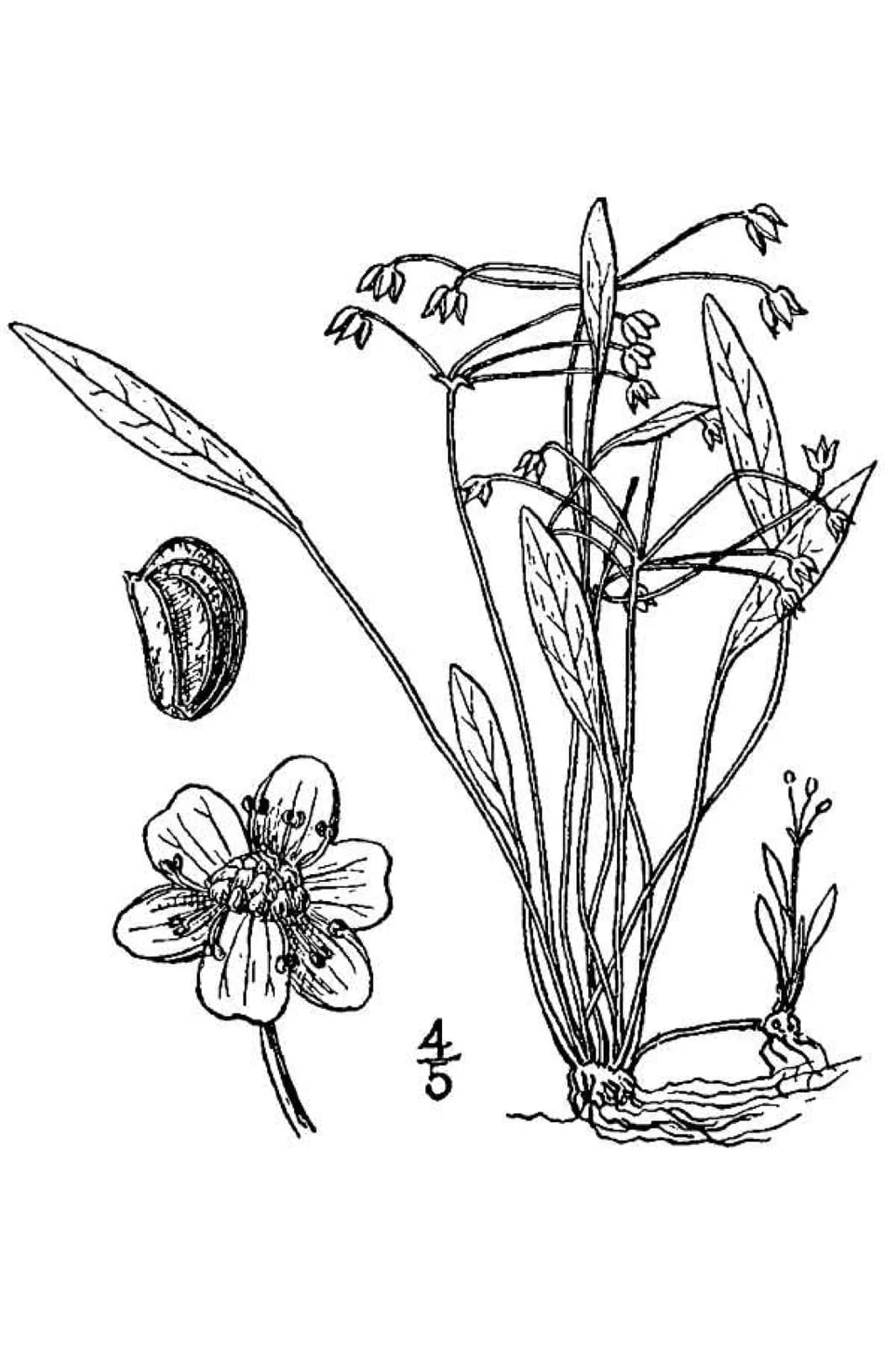
USDA-NRCS PLANTS Database / Britton, N.L., and A. Brown. 1913. An illustrated flora of the northern United States, Canada and the British Possessions. Vol. 1: 95. · Public domainSource
Chain Sword (Helanthium tenellum)
de:Benutzer:Griensteidl · Public domainSource
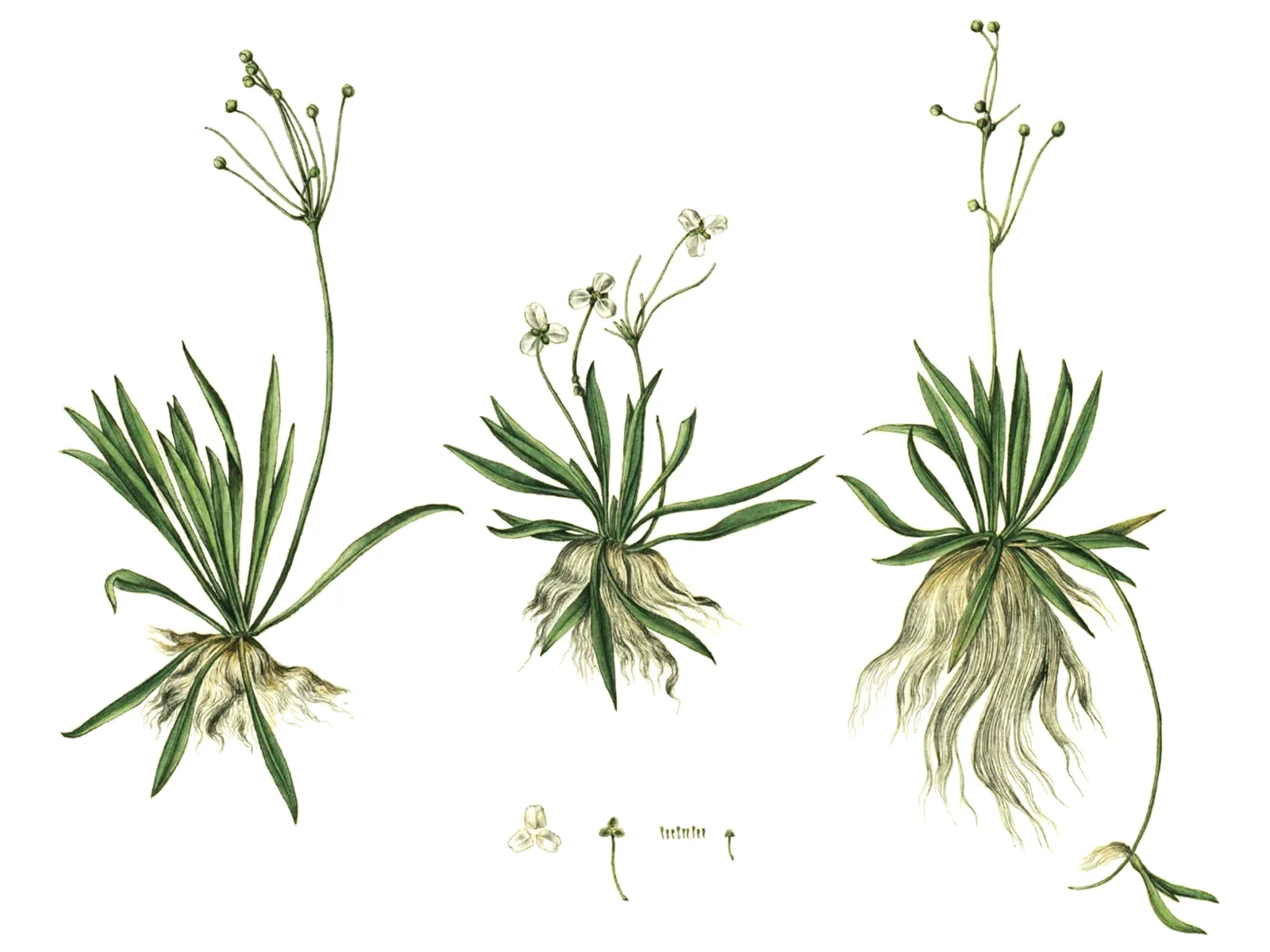
Chain Sword (Helanthium tenellum)
J. C. Mutis · Public domainSource
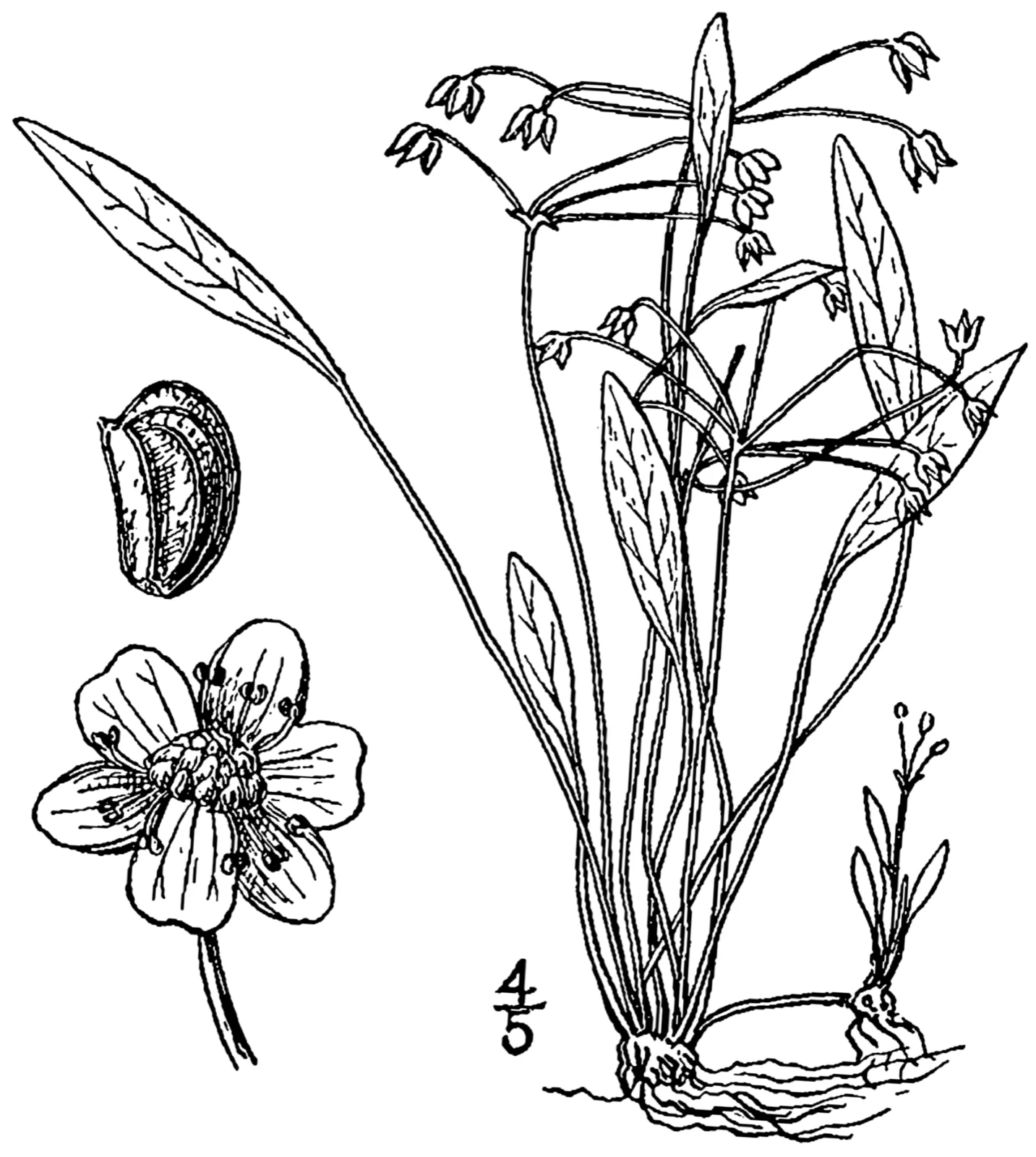
Chain Sword (Helanthium tenellum)
Britton, N.L., and A. Brown. 1913. An illustrated flora of the northern United States, Canada and the British Possessions. 3 vols. Charles Scribner's Sons, New York. Vol. 1: 95. Courtesy of Kentucky Native Plant Society. Scanned by Omnitek Inc. · Public domainSource
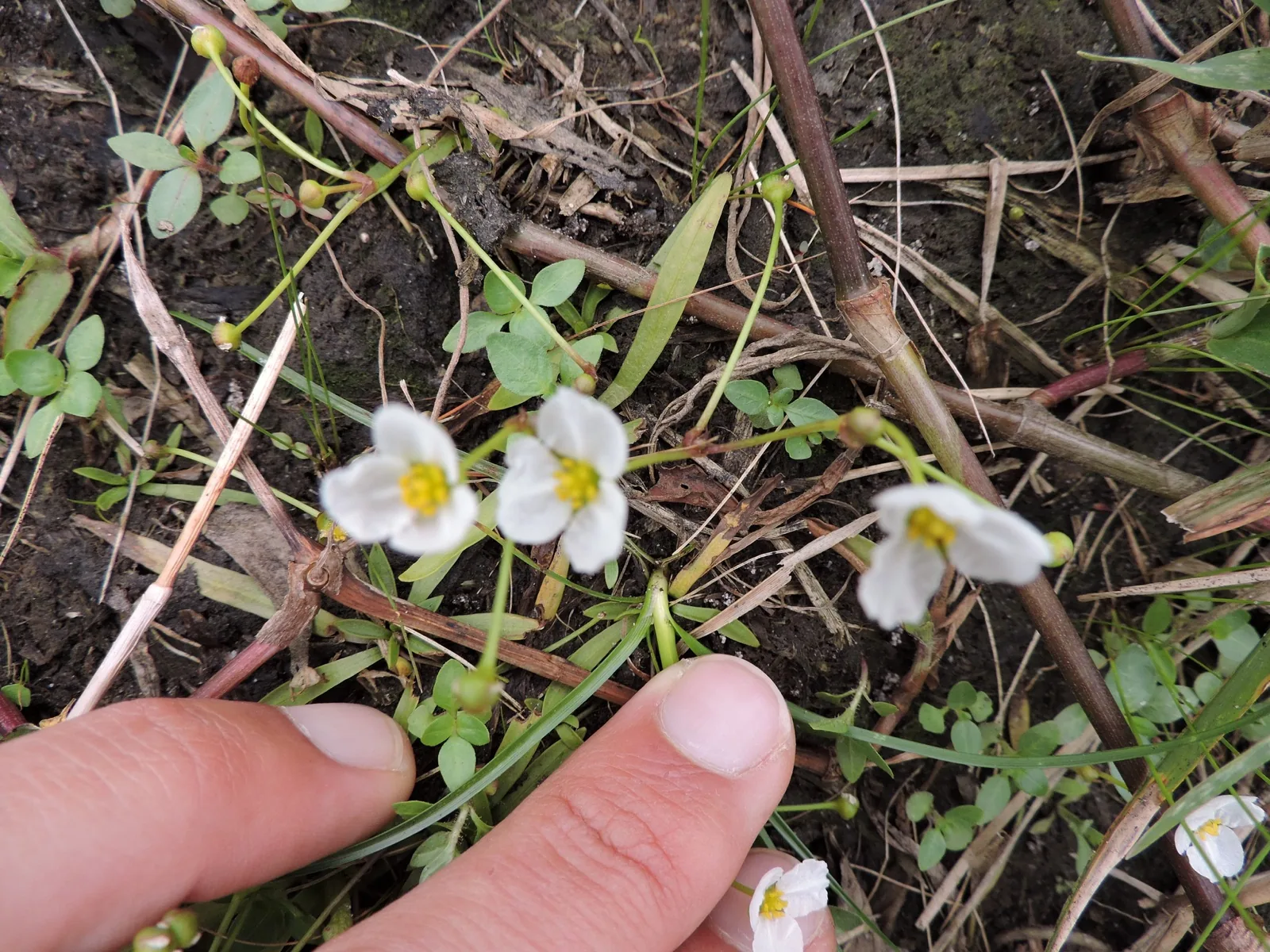
Chain Sword (Helanthium tenellum)
Fabrício Mil Homens Riella · CC BY 4.0Source

Hero photo by USDA-NRCS PLANTS Database / Britton, N.L., and A. Brown. 1913. An illustrated flora of the northern United States, Canada and the British Possessions. Vol. 1: 95. · Public domain · Wikipedia

Tank fit

The parameters that decide whether chain sword fits in your tank.

Parameters

Temperature20–28 °C
15 °C20 °C25 °C30 °C
pH6.0–7.5
4.05.06.07.08.0
Hardness2–15 dGH
0 dGH5 dGH10 dGH15 dGH20 dGH25 dGH
Height5–12 cm
020406080
LightMedium to High
Low
Medium
High
CO₂Optional
None
Optional
Recommended
Required
GrowthMedium
Slow
Medium
Fast
V. fast
FlowLow to Medium
Still
Low
Medium
High
V. high

Profile

Family

Alismataceae

Type

Rosette / Runner

Position

Foreground to Midground

Substrate

Nutrient-rich substrate + root tabs

Propagation

Runners (chain effect)

Habitat

Marshy floodplains of Central and South America

South and Central America

Who it lives with

Tank-mate safety and the species this one is documented to thrive (or fail) alongside.

Pro tips

Hard-won lessons from the tank.

Plant individual plantlets 3 cm apart at the back of the foreground or front of the midground. Within 8–12 weeks the runners produce daughters between the planted units, filling in the gap. The 'chain' effect — multiple plantlets connected by runners — is one of the most natural-looking growth patterns in aquatic plants.

Things to watch for

What can go wrong and how to spot it.

Things to watch for

Failure modes, in order of how dramatic the fix is.

Nutrition

Common deficiencies

Pale leaves: iron + nitrogen. Slow spread: insufficient light or nutrient-poor substrate.

Algae

Algae issues

Old leaves attract spot algae. BBA on slowing plants. Trim aggressively if old leaves stay attached.

How to care for it

The practical routine, read top to bottom.

  1. Fertilization

    Moderate root feeder. Root tabs every 4 months. Iron and trace dosing for bright green colour. CO₂ optional.

  2. Trimming

    Trim escaping runners to control spread. The 'chain' formed by runners is the visual feature — don't trim unless overgrowth is a problem.

Background

Where it comes from, how it behaves, and the variants you'll see at retail.

Show background

In the wild

Where it lived before it came home.

Native rangeCentral America
Origin · South and Central America

Slow streams, pond margins, and seasonal wetlands across South and Central America. Grows emersed on damp soil or fully submerged in shallow water.

Emersed form

Stiff narrow emersed leaves. Submerged form is softer and slightly shorter. Wholesale arrives emersed; transitions within 1–2 weeks.

Flowering

Small white emersed flowers; rare in submerged aquariums.

Variants & identification

The named cultivars and the lookalikes worth flagging.

Variants / cultivars

H. tenellum (most common, previously Echinodorus tenellus). H. bolivianum 'Vesuvius' is a curly-leaved cultivar of a related species. H. quadricostatus is a larger sister.

Misidentification

Frequently sold as 'Echinodorus tenellus' — the genus was reclassified to Helanthium. Functionally identical to the older naming. Lilaeopsis brasiliensis is sometimes confused (different family but similar grass-like appearance).

Frequently asked questions

Direct answers to the questions search engines and AI assistants surface most often about this species.

Does Chain Sword need CO₂?

CO₂ requirement: optional. Light requirement: medium to high. Under low-tech conditions the plant grows at a medium rate.

What light level does Chain Sword need?

Chain Sword (Helanthium tenellum) needs medium to high light. Run a photoperiod of 6–8 hours; longer photoperiods invite algae unless CO₂ and dosing are dialled in.

Where should Chain Sword be planted?

Position: foreground to midground. Substrate: Nutrient-rich substrate + root tabs It typically reaches 5–12 cm.

How do you propagate Chain Sword?

Propagation method: Runners (chain effect). Chain Sword is a rosette / runner plant.

What water parameters does Chain Sword tolerate?

Target 20–28 °C, pH 6.0–7.5, and 2–15 dGH. Flow tolerance: low to medium.

Is Chain Sword suitable for beginners?

Difficulty: 2/5. Forgiving, beginner-friendly once the tank is cycled.

Sources & further reading

Cross-references

Build the rest of the tank.

A planted tank is a system. Pair this plant with one entry from each other pillar to plan the whole scape.