Fin & Stem logo
Amazon Frogbit (Limnobium laevigatum)
PlantFloating

Amazon Frogbit

Limnobium laevigatum

Central and South AmericaBeginner

TL;DR, Amazon Frogbit

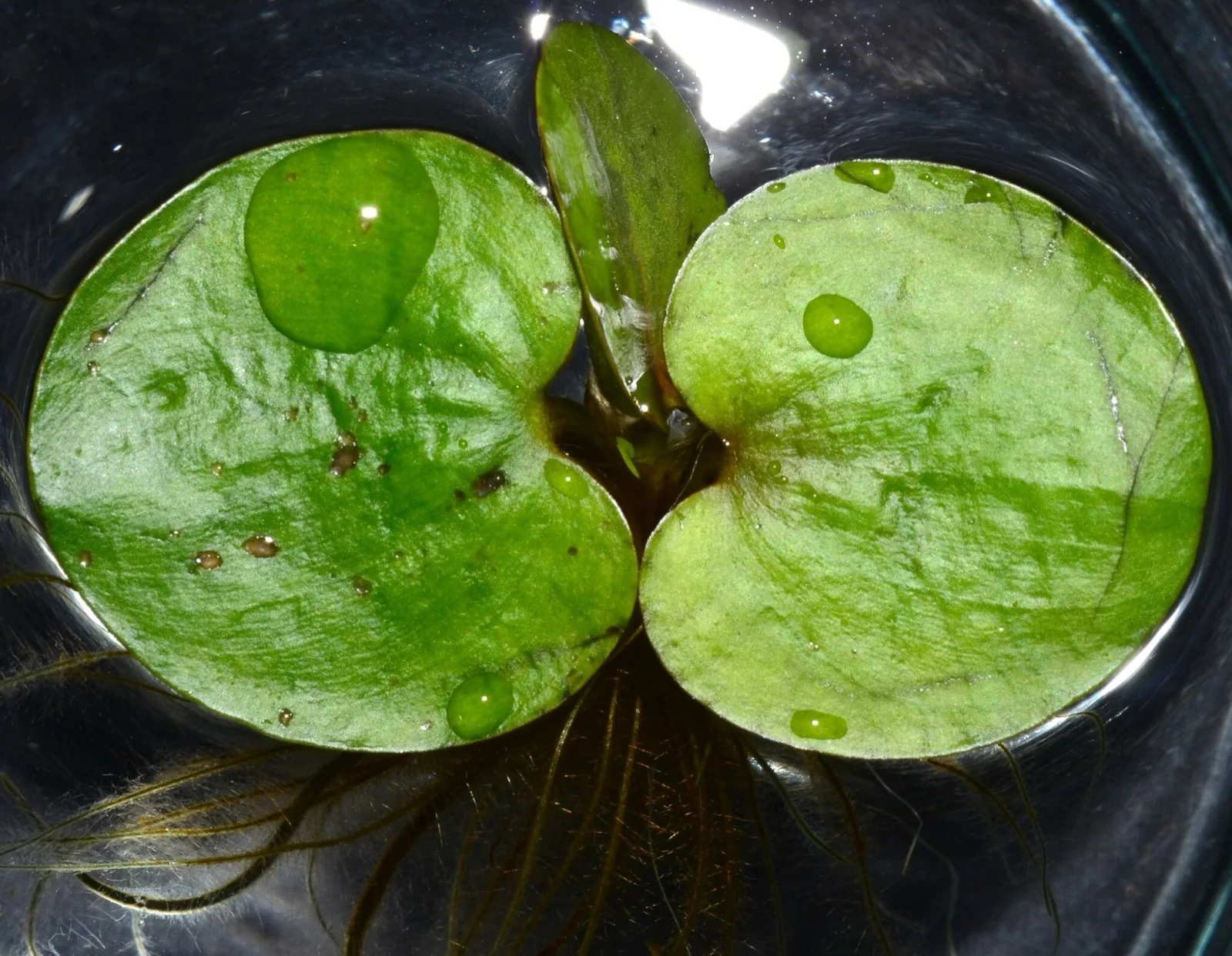
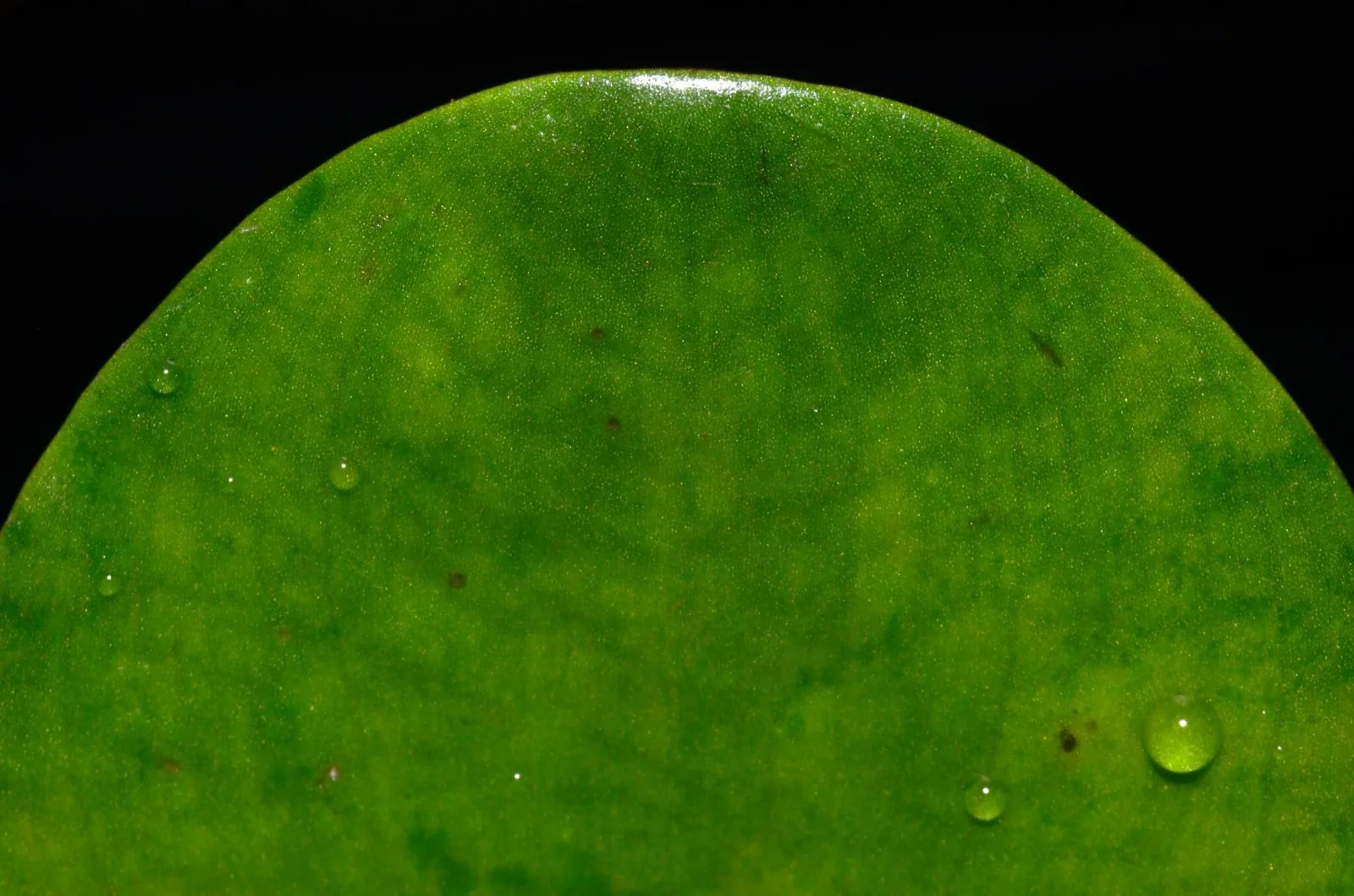
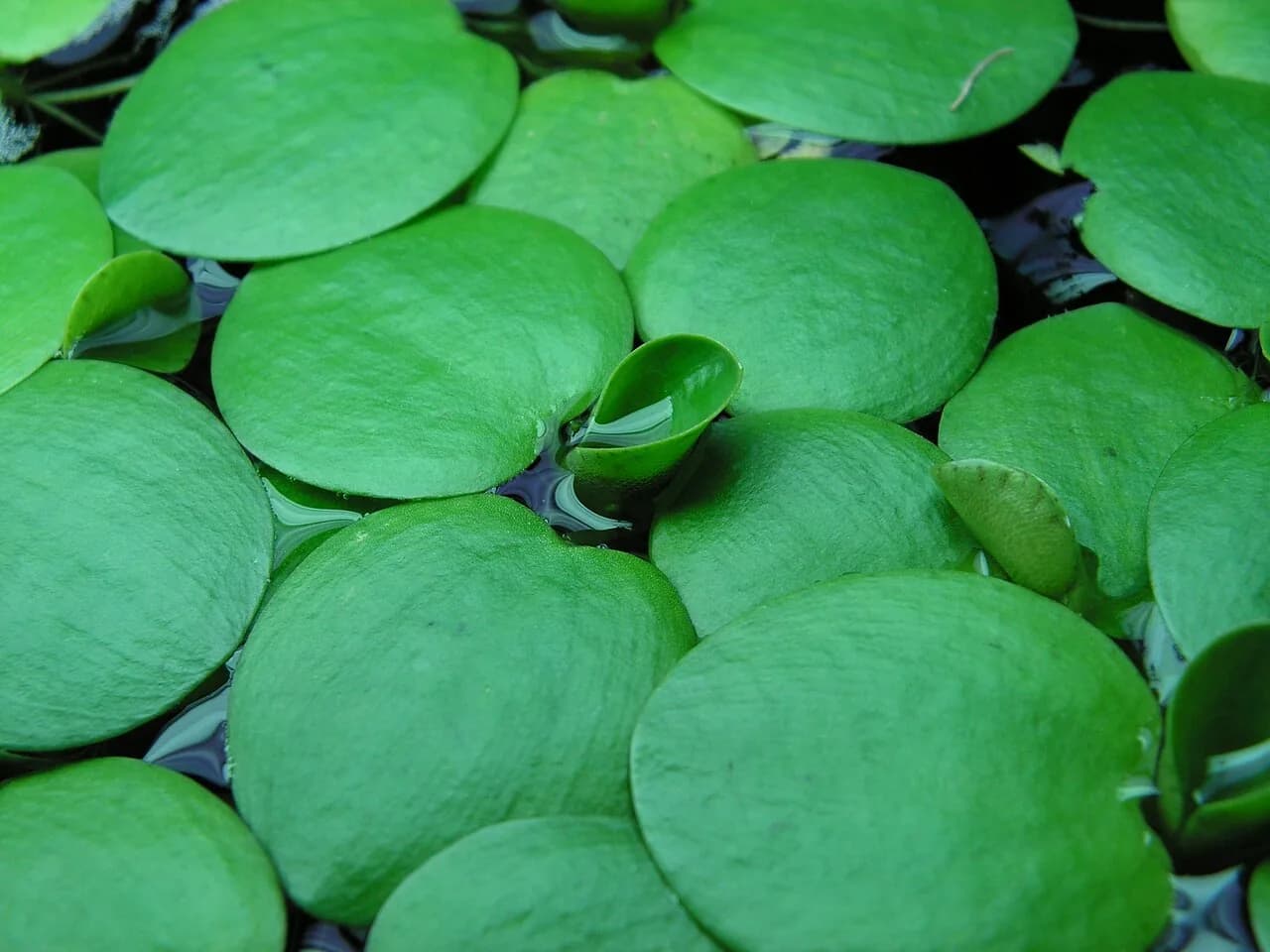
Lily-pad-shaped leaves with long trailing roots, the classic 'shrimp nursery' floater. Larger than Salvinia; covers surface in big circular leaves. Easy to overdo: cover 50% of surface max or it shades out everything below. Pulls nitrate aggressively.

Amazon Frogbit (Limnobium laevigatum) is a floating aquatic plant for the floating of a planted tank. It reaches 3–8 cm under good conditions and grows at a fast rate. Light: low to high. CO₂: none. Target 20–30 °C, pH 6.0–8.0, and 2–20 dGH. Substrate: None, floats on surface, draws nutrients from water column. Propagate via daughter plants on runners.

  • LightLow to High
  • CO₂None

Care at a glance

Lily-pad-shaped leaves with long trailing roots, the classic 'shrimp nursery' floater. Larger than Salvinia; covers surface in big circular leaves. Easy to overdo: cover 50% of surface max or it shades out everything below. Pulls nitrate aggressively.

By Updated 2 min read

Part of our complete guide to the planted aquarium.

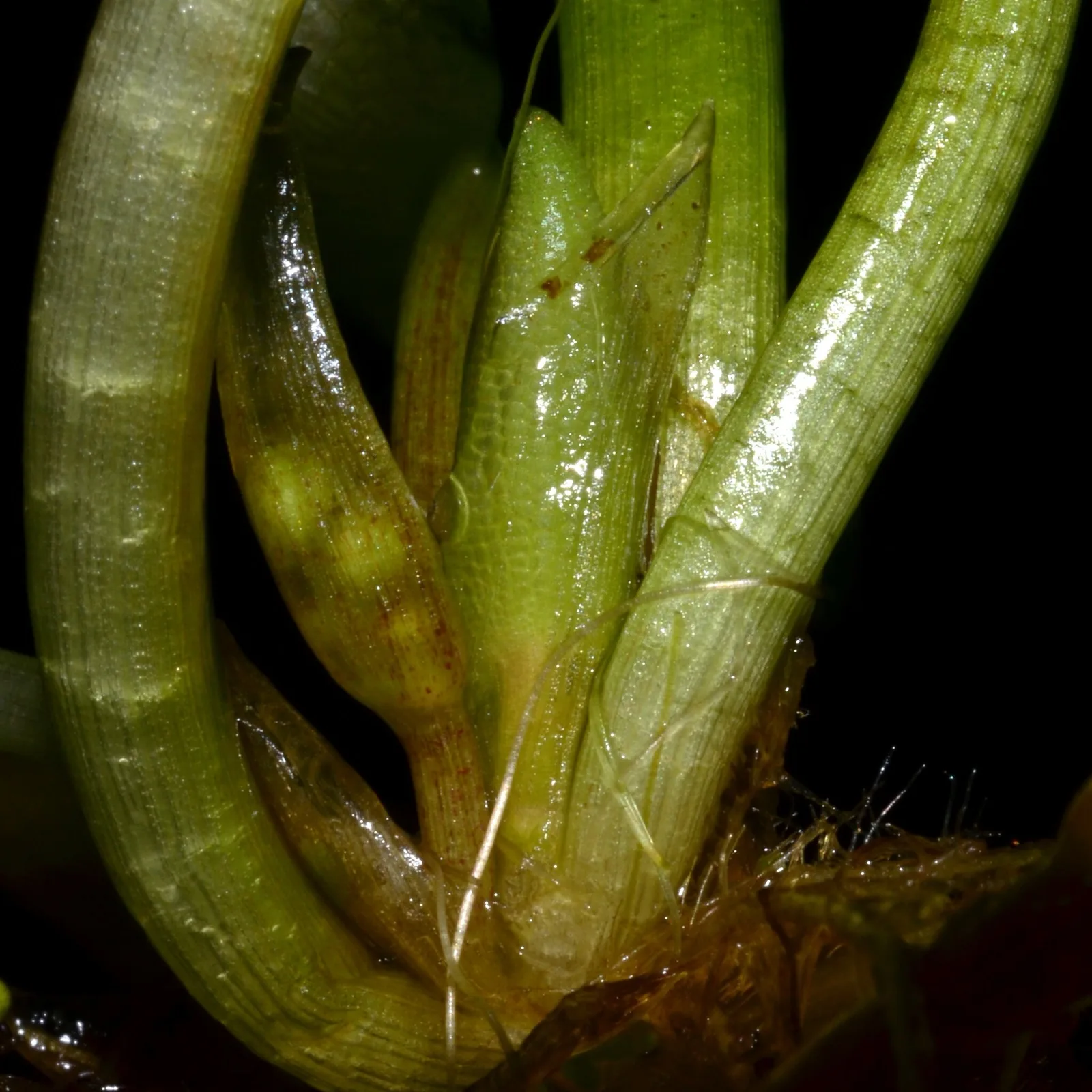
Amazon Frogbit (Limnobium laevigatum)
Gabriel Campbell-Martinez · CC BY 4.0Source
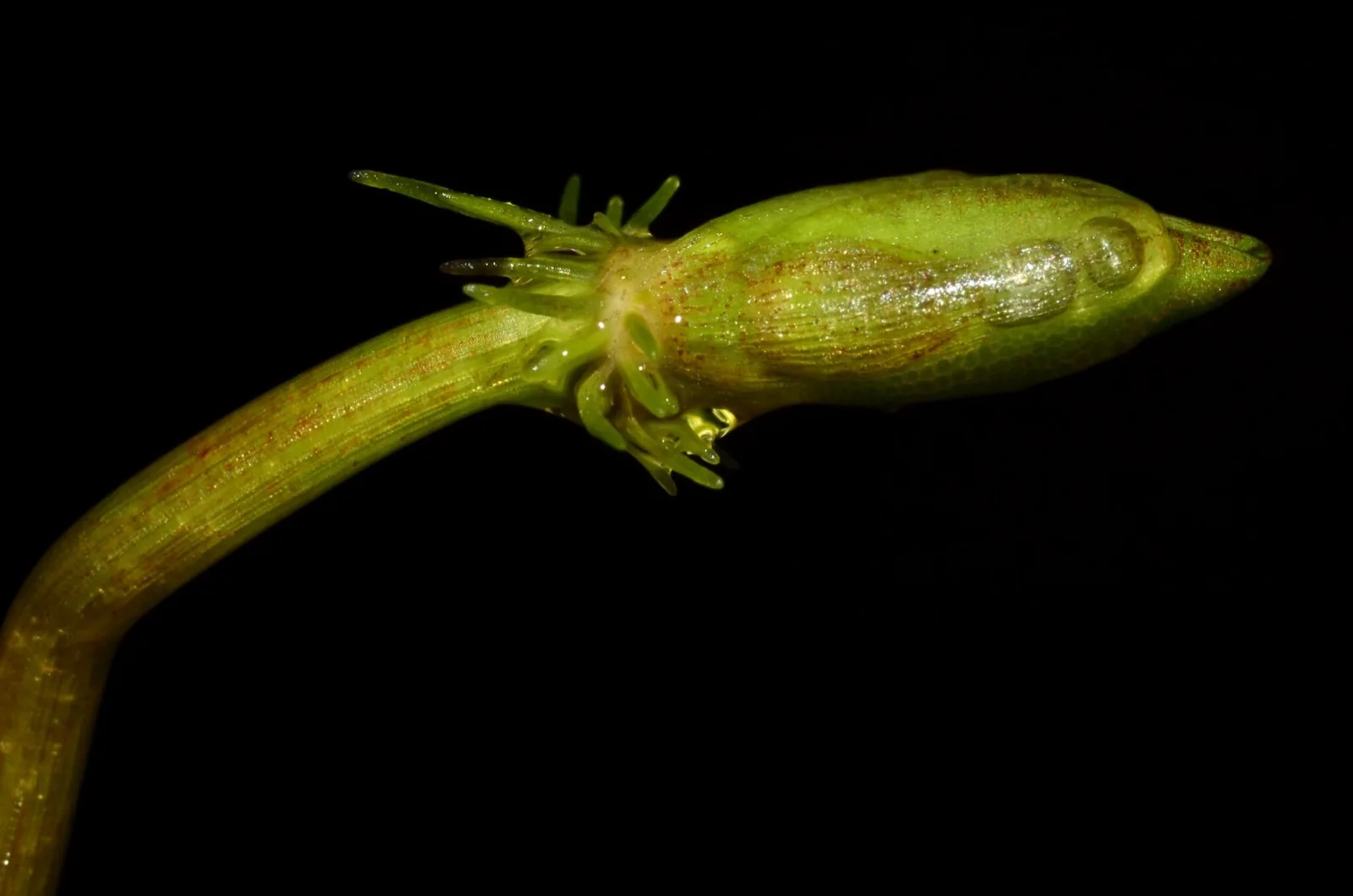
Amazon Frogbit (Limnobium laevigatum)
Gabriel Campbell-Martinez · CC BY 4.0Source
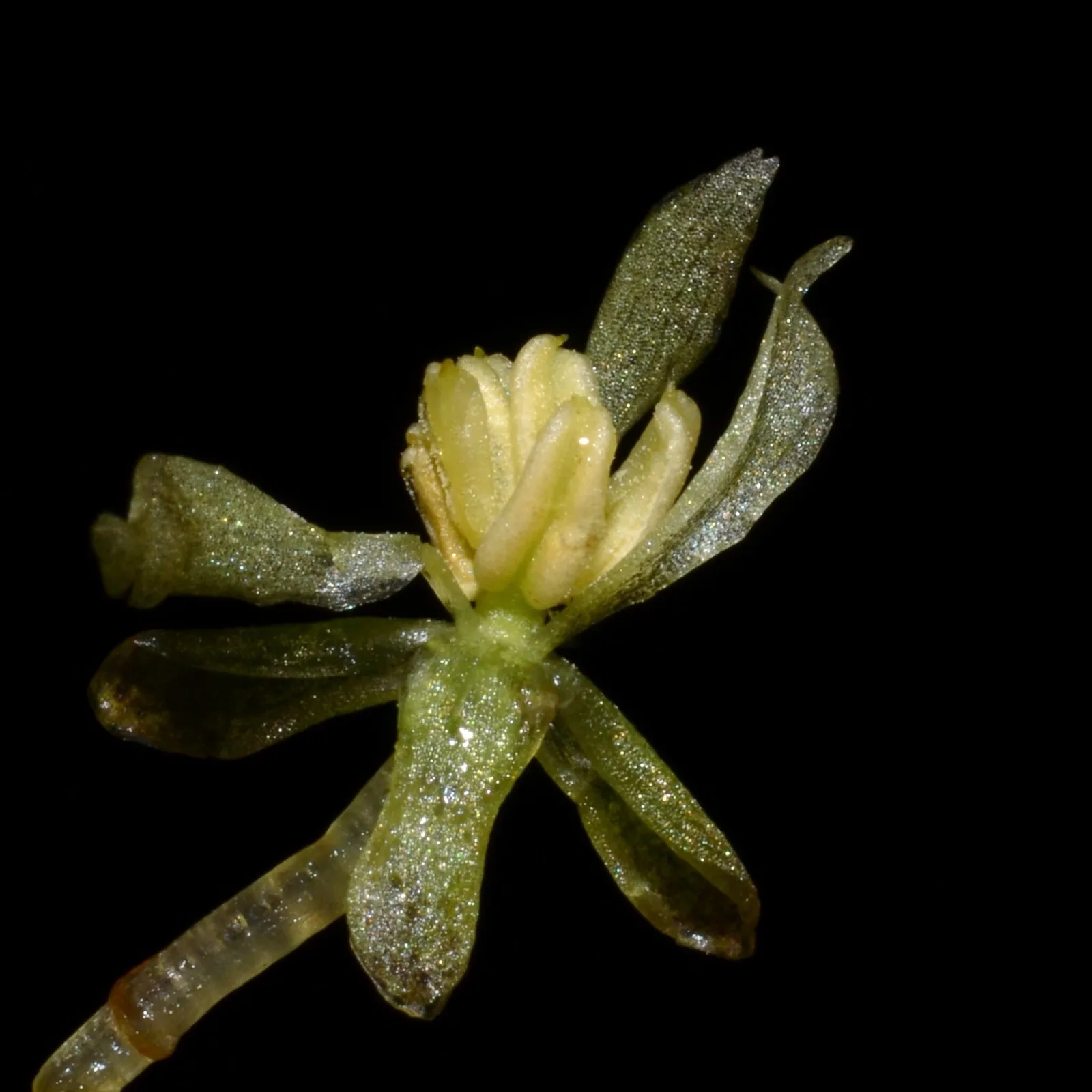
Amazon Frogbit (Limnobium laevigatum)
Gabriel Campbell-Martinez · CC BY 4.0Source
Amazon Frogbit (Limnobium laevigatum)
Gabriel Campbell-Martinez · CC BY 4.0Source
Amazon Frogbit (Limnobium laevigatum)
Gabriel Campbell-Martinez · CC BY 4.0Source

Hero photo by Cardex · Public domain · Wikipedia

Tank fit

The parameters that decide whether amazon frogbit fits in your tank.

Parameters

Temperature20–30 °C
15 °C20 °C25 °C30 °C
pH6.0–8.0
4.05.06.07.08.0
Hardness2–20 dGH
0 dGH5 dGH10 dGH15 dGH20 dGH25 dGH
Height3–8 cm
020406080
LightLow to High
Low
Medium
High
CO₂None
None
Optional
Recommended
Required
GrowthFast
Slow
Medium
Fast
V. fast
FlowStill to Low
Still
Low
Medium
High
V. high

Profile

Family

Hydrocharitaceae

Type

Floating

Position

Floating

Substrate

None, floats on surface, draws nutrients from water column

Propagation

Daughter plants on runners

Habitat

Calm sun-warmed waterways of the Amazon basin

Central and South America

Who it lives with

Tank-mate safety and the species this one is documented to thrive (or fail) alongside.

Pro tips

Hard-won lessons from the tank.

Pull a 5% nitrate reduction every week just by removing excess frogbit — it's an effective nitrate sink. Keep glass lids dry above it; condensation dripping onto the leaves rots them within days. The long roots (up to 20 cm) become a shrimp and fry sanctuary unmatched by any other floater. Pair with Salvinia for two-tier floating cover.

Things to watch for

What can go wrong and how to spot it.

Things to watch for

Failure modes, in order of how dramatic the fix is.

Nutrition

Common deficiencies

Yellow leaves: iron. Crispy brown edges: humidity too low (lid evaporation cooking leaves). Slow growth: low nutrients or too cool.

Algae

Algae issues

Frogbit's roots harbour beneficial biofilm that shrimplets and fry graze. Surface leaves can develop spot algae if light is too intense.

How to care for it

The practical routine, read top to bottom.

  1. Fertilization

    Water column feeder via the long trailing roots. Iron deficiency shows as yellowing surface leaves — dose iron 2–3× per week. Standard fertiliser otherwise.

  2. Trimming

    Skim every 1–2 weeks to maintain 50% surface coverage maximum. Each plant produces daughter plants on short runners — these can be detached and traded.

Background

Where it comes from, how it behaves, and the variants you'll see at retail.

Show background

In the wild

Where it lived before it came home.

Native rangeSouth America
Origin · Central and South America

Slow lowland waters across Central and South America. Floating plant that never roots in substrate; grows in lakes, swamps, slow rivers.

Emersed form

All of frogbit's life is essentially emersed — leaves float on the surface with undersides submerged.

Flowering

Small white three-petalled flowers emersed; doesn't flower in aquariums often.

Variants & identification

The named cultivars and the lookalikes worth flagging.

Variants / cultivars

L. laevigatum is the standard. L. spongia (North American frogbit) is a sister species sometimes sold mixed.

Misidentification

Often confused with Salvinia natans (smaller, paired oval leaves with surface hairs) and water lettuce (Pistia stratiotes, much larger and ribbed). Frogbit has distinct lily-pad-shaped round leaves with smooth surfaces.

Frequently asked questions

Direct answers to the questions search engines and AI assistants surface most often about this species.

Does Amazon Frogbit need CO₂?

CO₂ requirement: none. Light requirement: low to high. Under low-tech conditions the plant grows at a fast rate.

What light level does Amazon Frogbit need?

Amazon Frogbit (Limnobium laevigatum) needs low to high light. Run a photoperiod of 6–8 hours; longer photoperiods invite algae unless CO₂ and dosing are dialled in.

Where should Amazon Frogbit be planted?

Position: floating. Substrate: None, floats on surface, draws nutrients from water column It typically reaches 3–8 cm.

How do you propagate Amazon Frogbit?

Propagation method: Daughter plants on runners. Amazon Frogbit is a floating plant.

What water parameters does Amazon Frogbit tolerate?

Target 20–30 °C, pH 6.0–8.0, and 2–20 dGH. Flow tolerance: still to low.

Is Amazon Frogbit suitable for beginners?

Difficulty: 1/5. Almost unkillable, a solid first-tank choice.

Sources & further reading

Cross-references

Build the rest of the tank.

A planted tank is a system. Pair this plant with one entry from each other pillar to plan the whole scape.