Fin & Stem logo
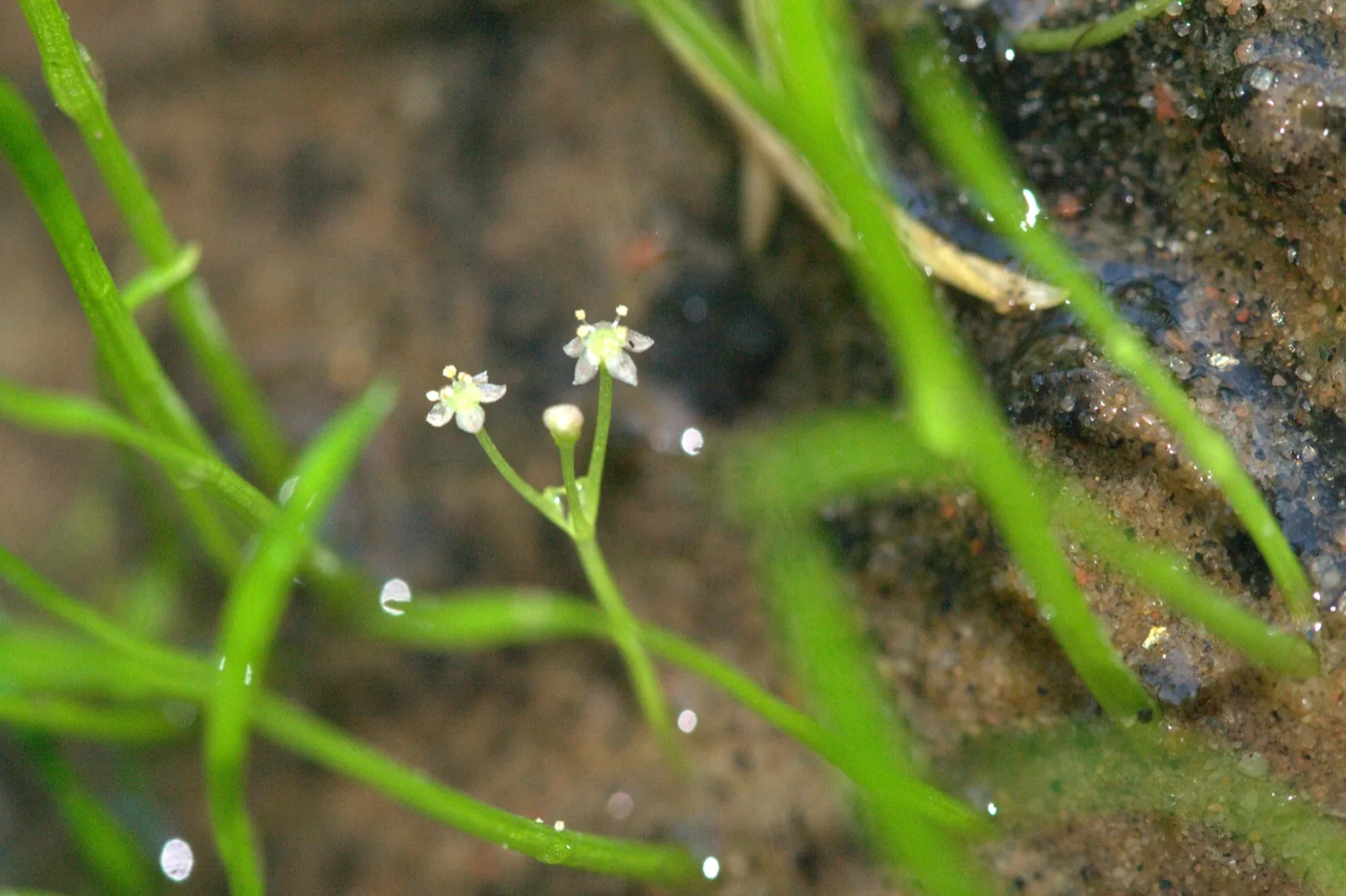
Micro Sword (Lilaeopsis brasiliensis)
PlantCarpet

Micro Sword

Lilaeopsis brasiliensis

South America (Brazil, Argentina)Intermediate

TL;DR, Micro Sword

Tight bright-green grass-like carpet, looks like a miniature lawn. Sister species L. mauritiana grows slightly taller. Patient growers are rewarded with one of the most natural-looking foregrounds available. Skip CO₂ at the cost of speed, not appearance.

Micro Sword (Lilaeopsis brasiliensis) is a carpet / grass-like aquatic plant for the foreground of a planted tank. It reaches 3–7 cm under good conditions and grows at a slow to medium rate. Light: medium to high. CO₂: optional. Target 20–28 °C, pH 6.0–7.5, and 2–15 dGH. Substrate: Nutrient-rich substrate + root tabs. Propagate via runners.

  • LightMedium to High
  • CO₂Optional

Care at a glance

Tight bright-green grass-like carpet, looks like a miniature lawn. Sister species L. mauritiana grows slightly taller. Patient growers are rewarded with one of the most natural-looking foregrounds available. Skip CO₂ at the cost of speed, not appearance.

By Updated 2 min read

Part of our complete guide to the planted aquarium.

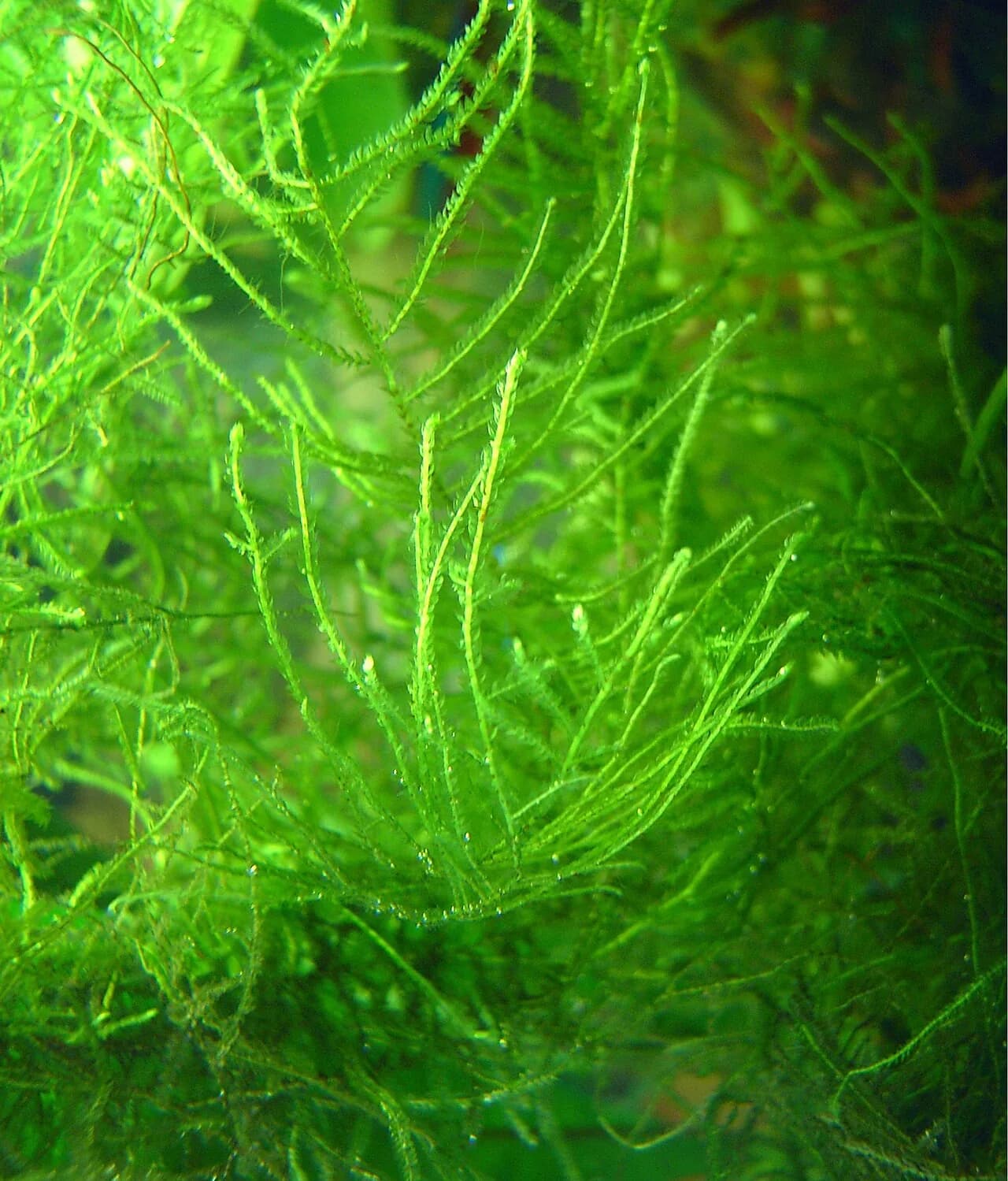
Micro Sword (Lilaeopsis brasiliensis)
Averater · CC BY-SA 3.0Source
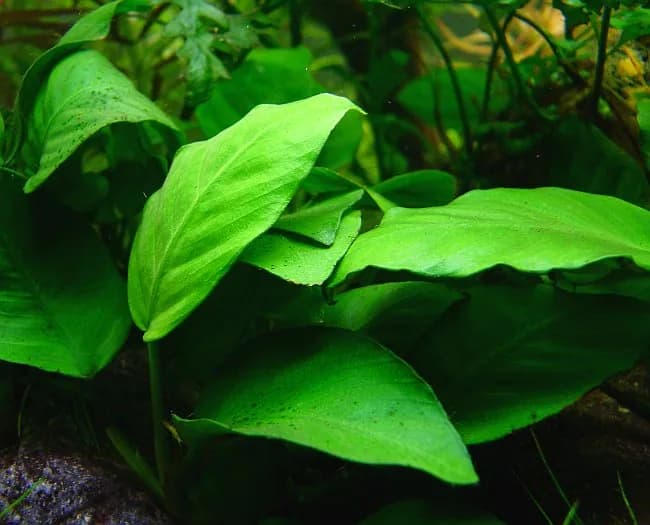
Micro Sword (Lilaeopsis brasiliensis)
Daderot · CC0Source
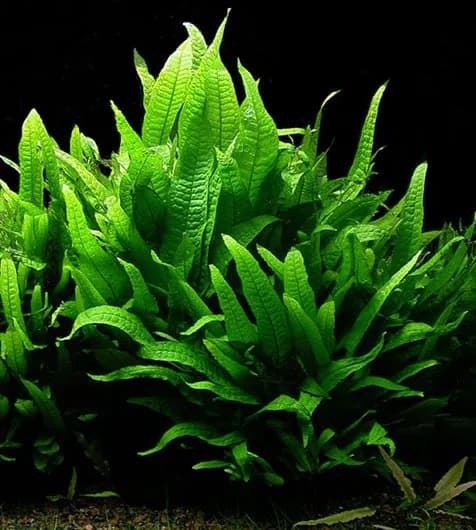
Micro Sword (Lilaeopsis brasiliensis)
Averater · CC BY-SA 3.0Source
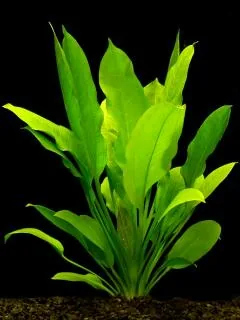
Micro Sword (Lilaeopsis brasiliensis)
Averater · CC BY-SA 3.0Source
Micro Sword (Lilaeopsis brasiliensis)
Averater · CC BY-SA 3.0Source

Hero photo by Averater · CC BY-SA 3.0 · Wikipedia

Tank fit

The parameters that decide whether micro sword fits in your tank.

Parameters

Temperature20–28 °C
15 °C20 °C25 °C30 °C
pH6.0–7.5
4.05.06.07.08.0
Hardness2–15 dGH
0 dGH5 dGH10 dGH15 dGH20 dGH25 dGH
Height3–7 cm
020406080
LightMedium to High
Low
Medium
High
CO₂Optional
None
Optional
Recommended
Required
GrowthSlow to Medium
Slow
Medium
Fast
V. fast
FlowLow to Medium
Still
Low
Medium
High
V. high

Profile

Family

Apiaceae

Type

Carpet / Grass-like

Position

Foreground

Substrate

Nutrient-rich substrate + root tabs

Propagation

Runners

Habitat

Marshes and stream banks of southern Brazil

South America (Brazil, Argentina)

Who it lives with

Tank-mate safety and the species this one is documented to thrive (or fail) alongside.

Pro tips

Hard-won lessons from the tank.

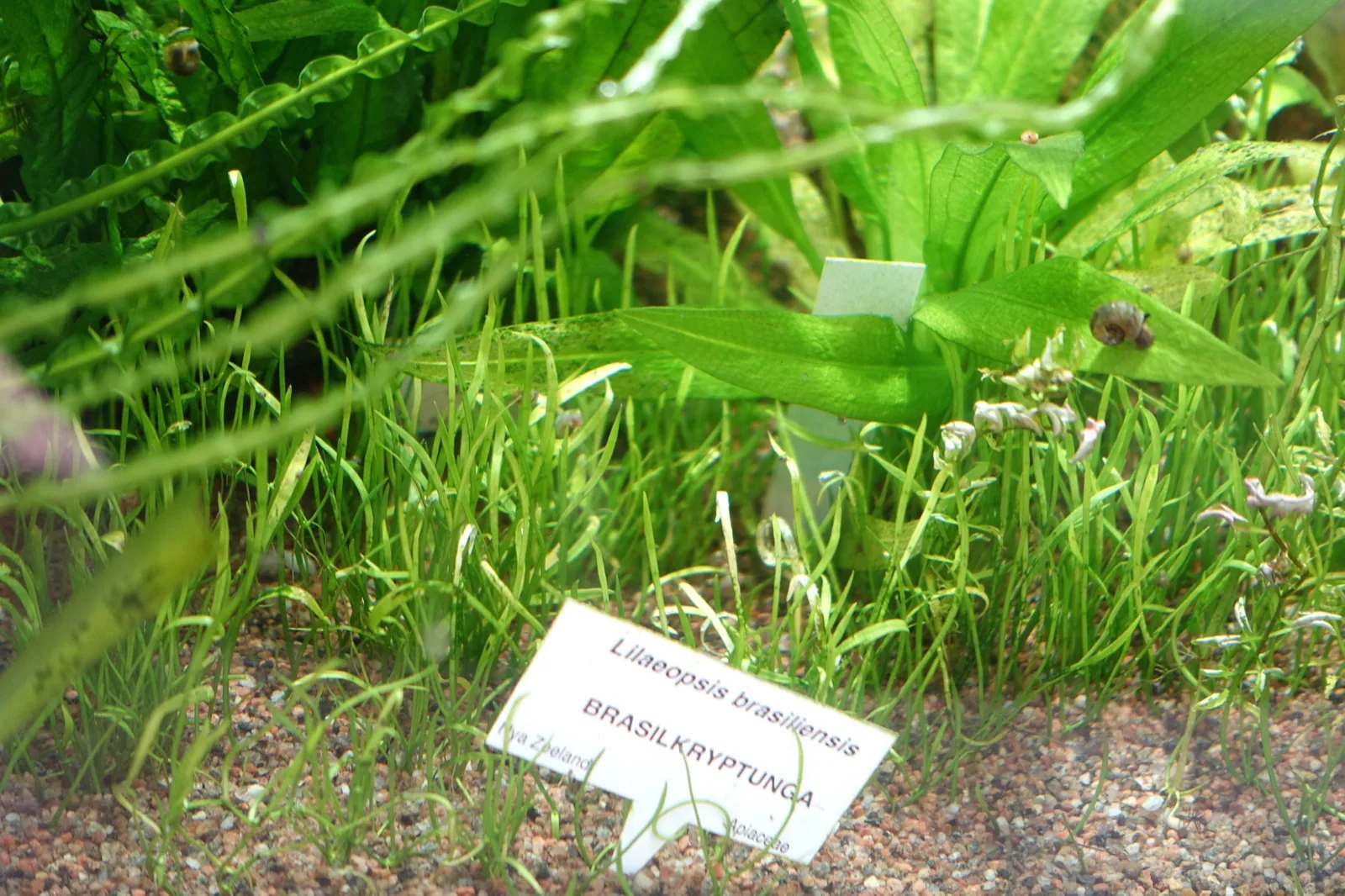
Plant tissue-culture clumps in 2x2 cm portions spaced 3 cm apart in a grid. Carpet completes in 8–12 weeks with CO₂, 16+ weeks without. The grass-like texture is one of the most natural-looking foregrounds available — pairs beautifully with stone hardscape in iwagumi-style scapes.

Things to watch for

What can go wrong and how to spot it.

Things to watch for

Failure modes, in order of how dramatic the fix is.

Nutrition

Common deficiencies

Pale blades: iron deficiency. Slow spread: insufficient light or nutrient-poor substrate. Yellowing tips: nitrogen + iron.

Algae

Algae issues

Hair algae attaches to old lower-blade portions. BBA on bases of dense clumps. Stable CO₂ (if dosed) and proper light cycle prevent issues.

How to care for it

The practical routine, read top to bottom.

  1. Fertilization

    Root feeder. Root tabs every 4 months essential. Iron dosing for colour. CO₂ optional but accelerates spread significantly.

  2. Trimming

    Rarely needed for height. Trim runners that escape your intended planting boundary. Once dense, the carpet is self-maintaining.

Background

Where it comes from, how it behaves, and the variants you'll see at retail.

Show background

In the wild

Where it lived before it came home.

Native rangeBrazilArgentinaSouth America
Origin · South America (Brazil, Argentina)

Shallow streamside pools across Brazil and Argentina. Often grows partially emersed in damp soil; fully submerged in seasonal floods.

Emersed form

Compact emersed habit with stiffer blades. Wholesale arrives emersed via tissue culture; submerged form is slightly softer and shorter.

Flowering

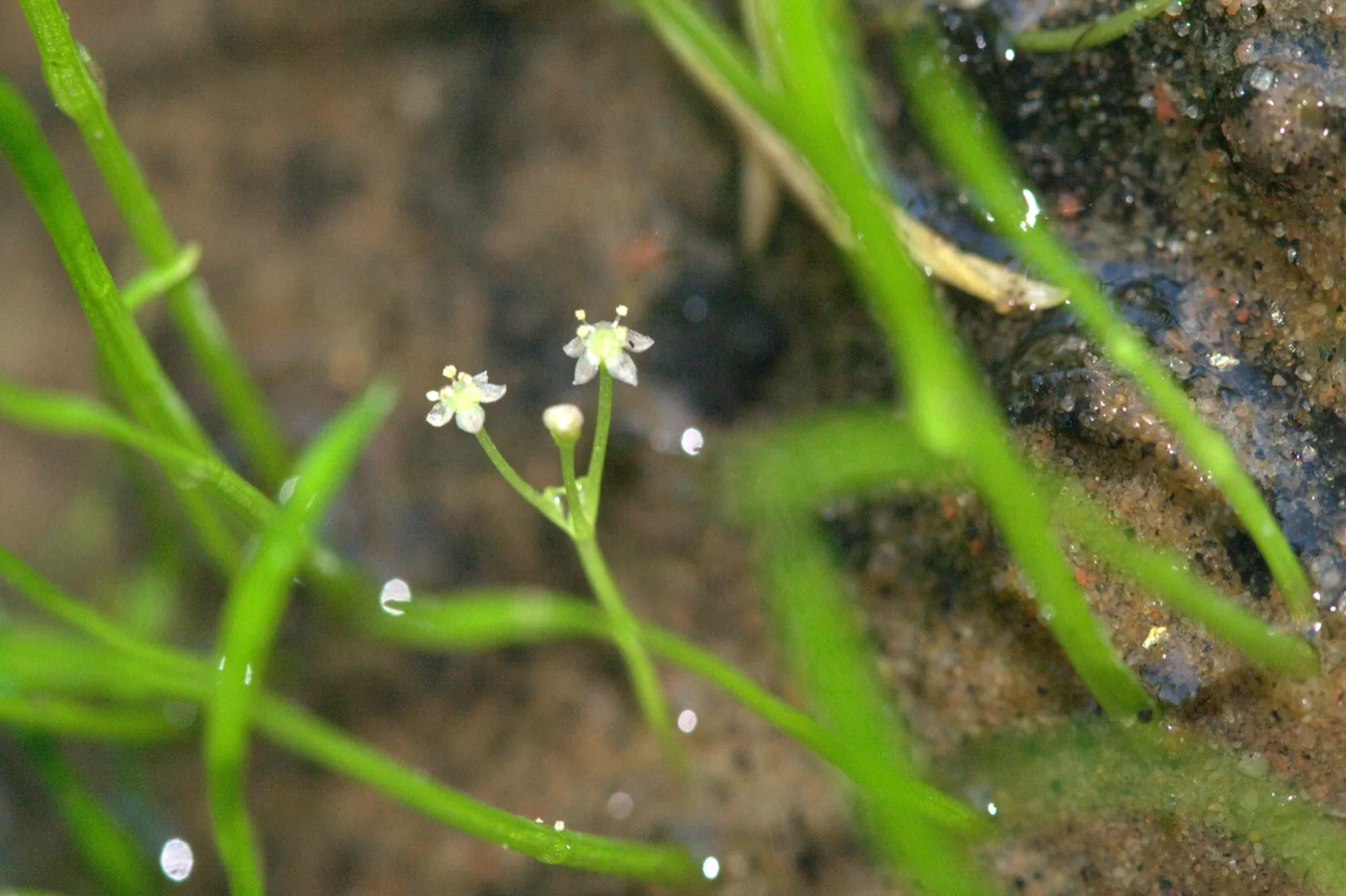
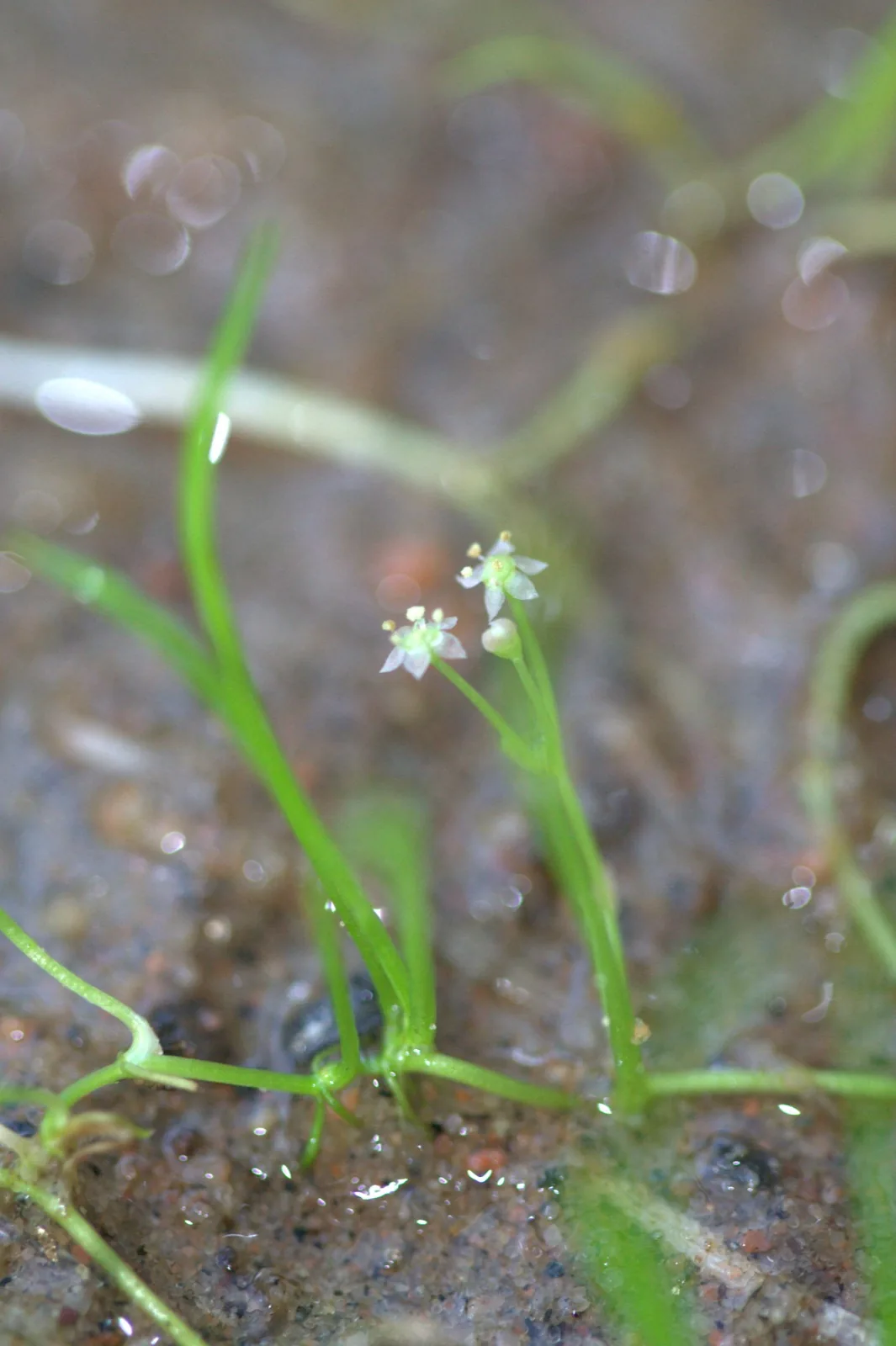
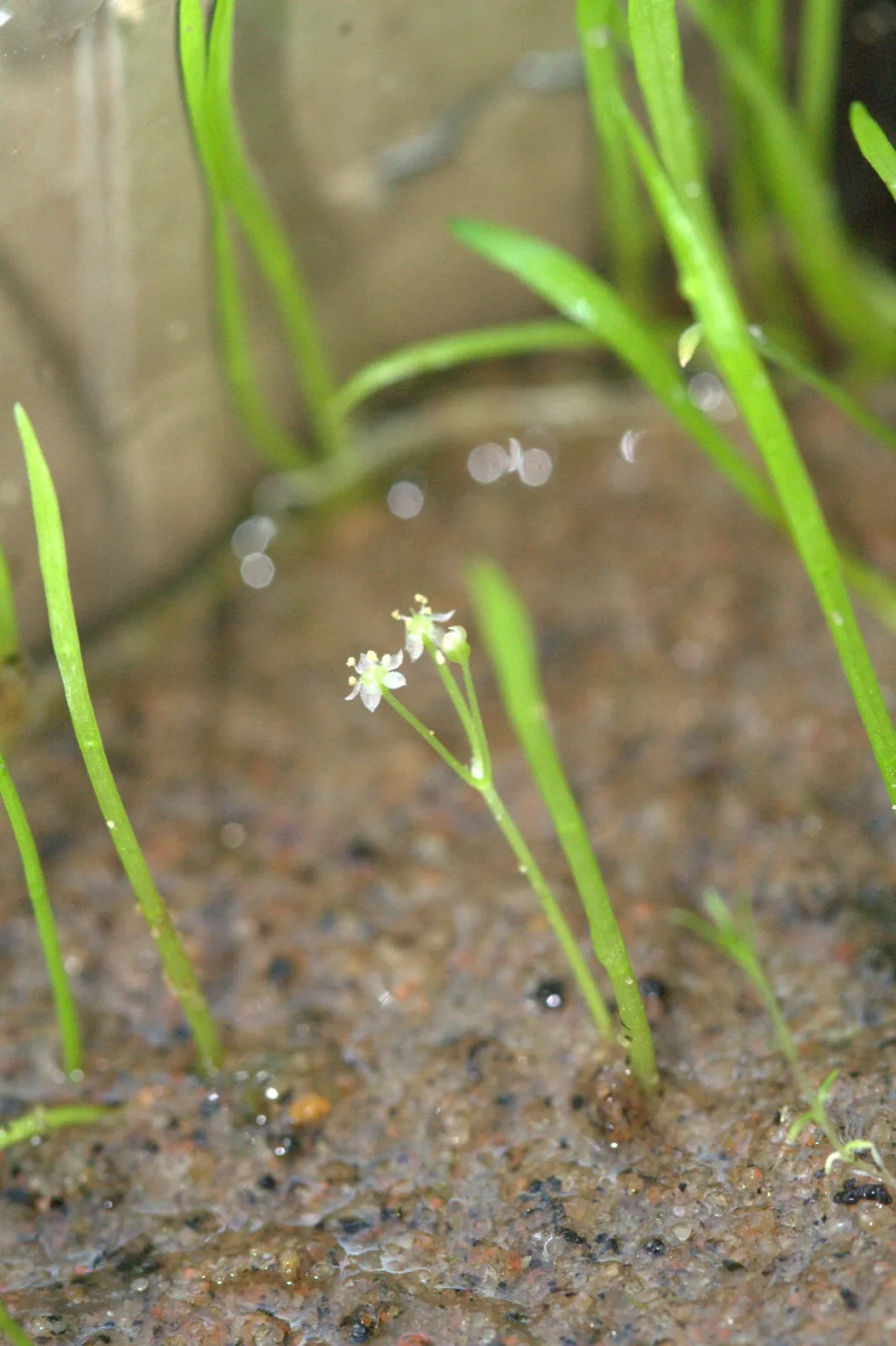
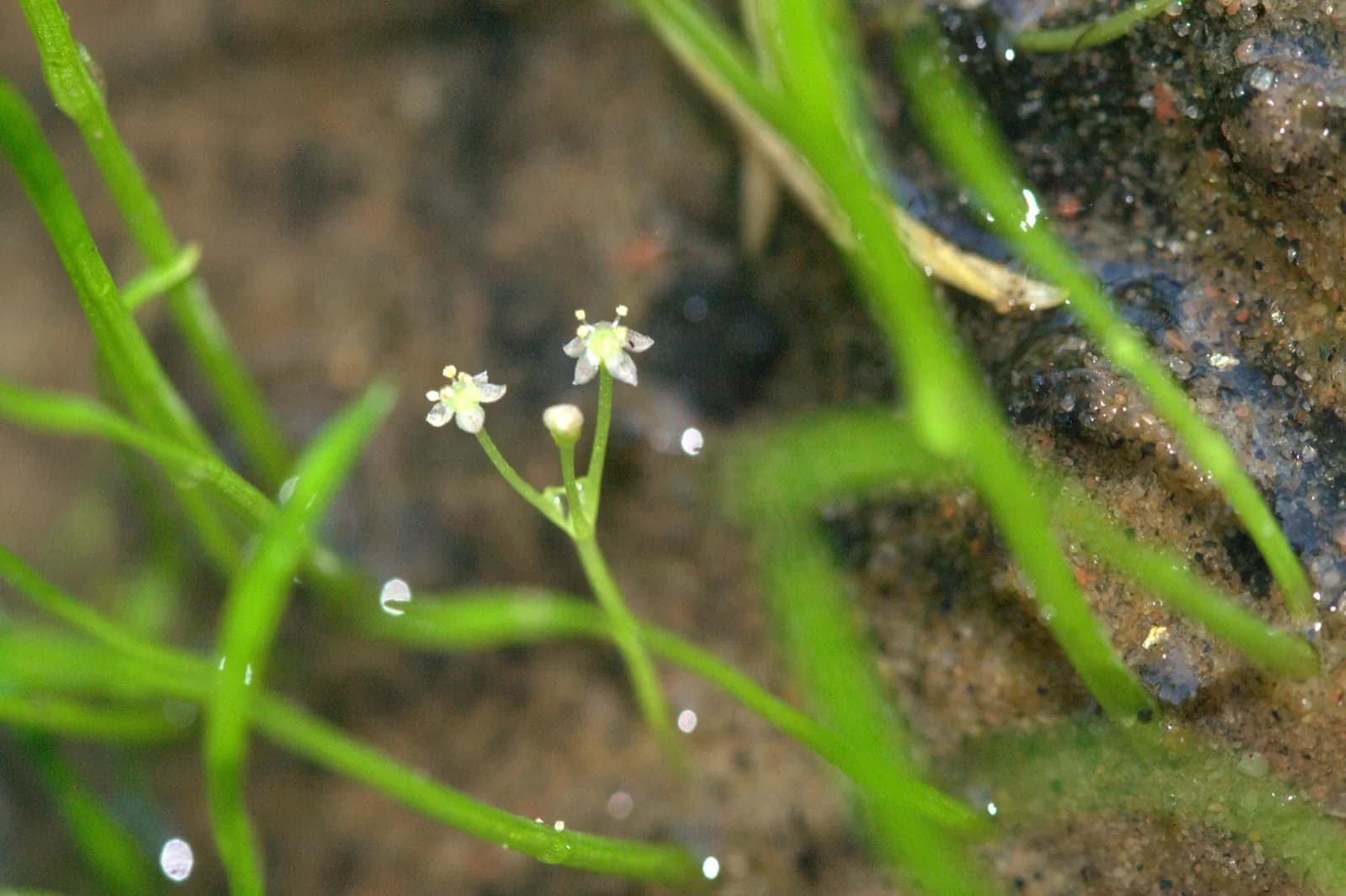
Tiny inconspicuous emersed flowers; doesn't flower submerged.

Variants & identification

The named cultivars and the lookalikes worth flagging.

Variants / cultivars

L. brasiliensis (most common, 3–7 cm tall), L. mauritiana (slightly taller, narrower blades, called 'New Zealand grass'), L. macloviana (broader leaves). All similar care.

Misidentification

Constantly confused with Cryptocoryne parva (similar foreground rosette but completely different family). Eleocharis acicularis (needle hairgrass) is also similar but has cylindrical rather than flat blades.

Frequently asked questions

Direct answers to the questions search engines and AI assistants surface most often about this species.

Does Micro Sword need CO₂?

CO₂ requirement: optional. Light requirement: medium to high. Under low-tech conditions the plant grows at a slow to medium rate.

What light level does Micro Sword need?

Micro Sword (Lilaeopsis brasiliensis) needs medium to high light. Run a photoperiod of 6–8 hours; longer photoperiods invite algae unless CO₂ and dosing are dialled in.

Where should Micro Sword be planted?

Position: foreground. Substrate: Nutrient-rich substrate + root tabs It typically reaches 3–7 cm.

How do you propagate Micro Sword?

Propagation method: Runners. Micro Sword is a carpet / grass-like plant.

What water parameters does Micro Sword tolerate?

Target 20–28 °C, pH 6.0–7.5, and 2–15 dGH. Flow tolerance: low to medium.

Is Micro Sword suitable for beginners?

Difficulty: 3/5. Intermediate, stable parameters and a mature tank matter.

Sources & further reading

Cross-references

Build the rest of the tank.

A planted tank is a system. Pair this plant with one entry from each other pillar to plan the whole scape.