Fin & Stem logo
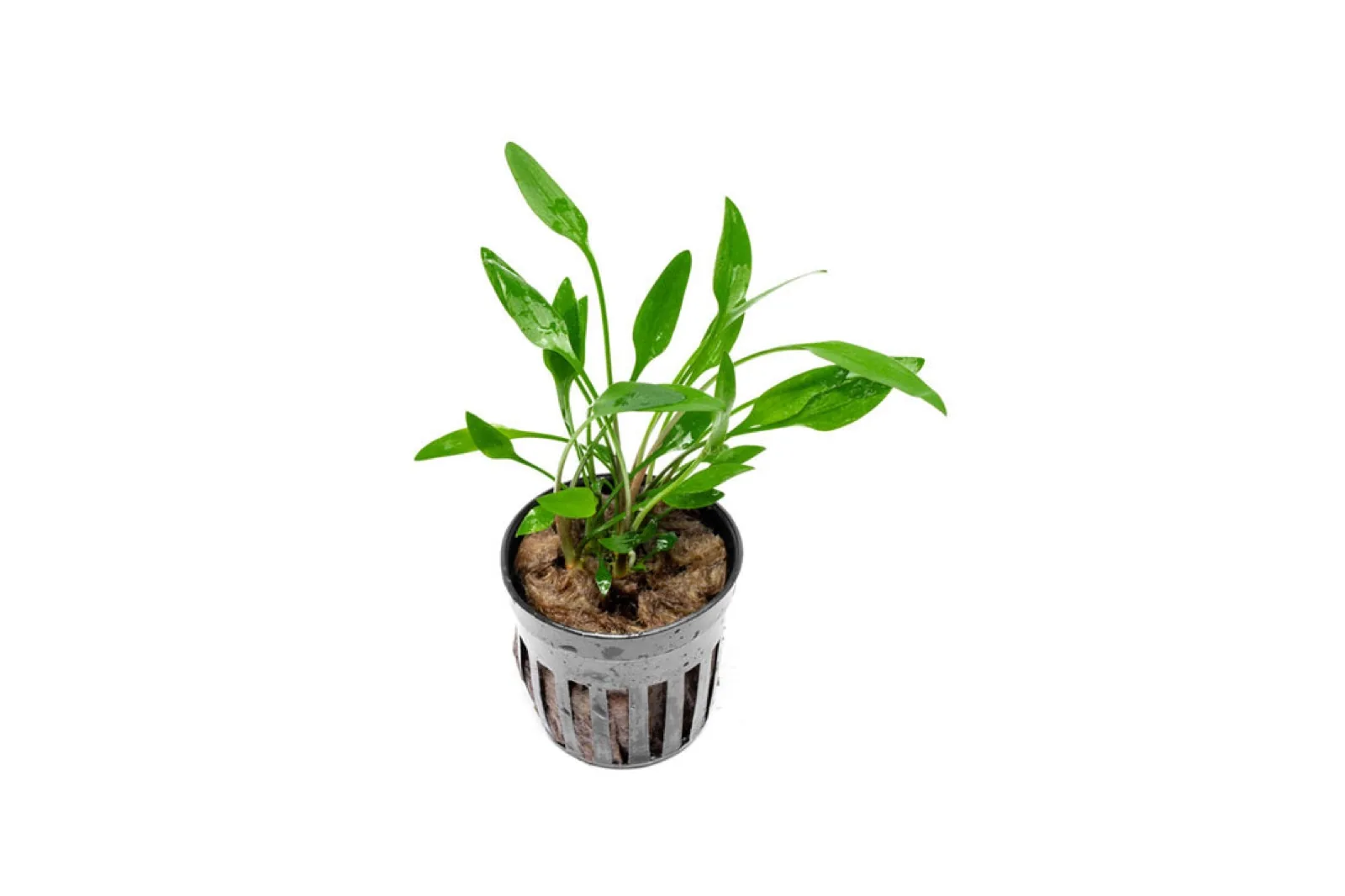
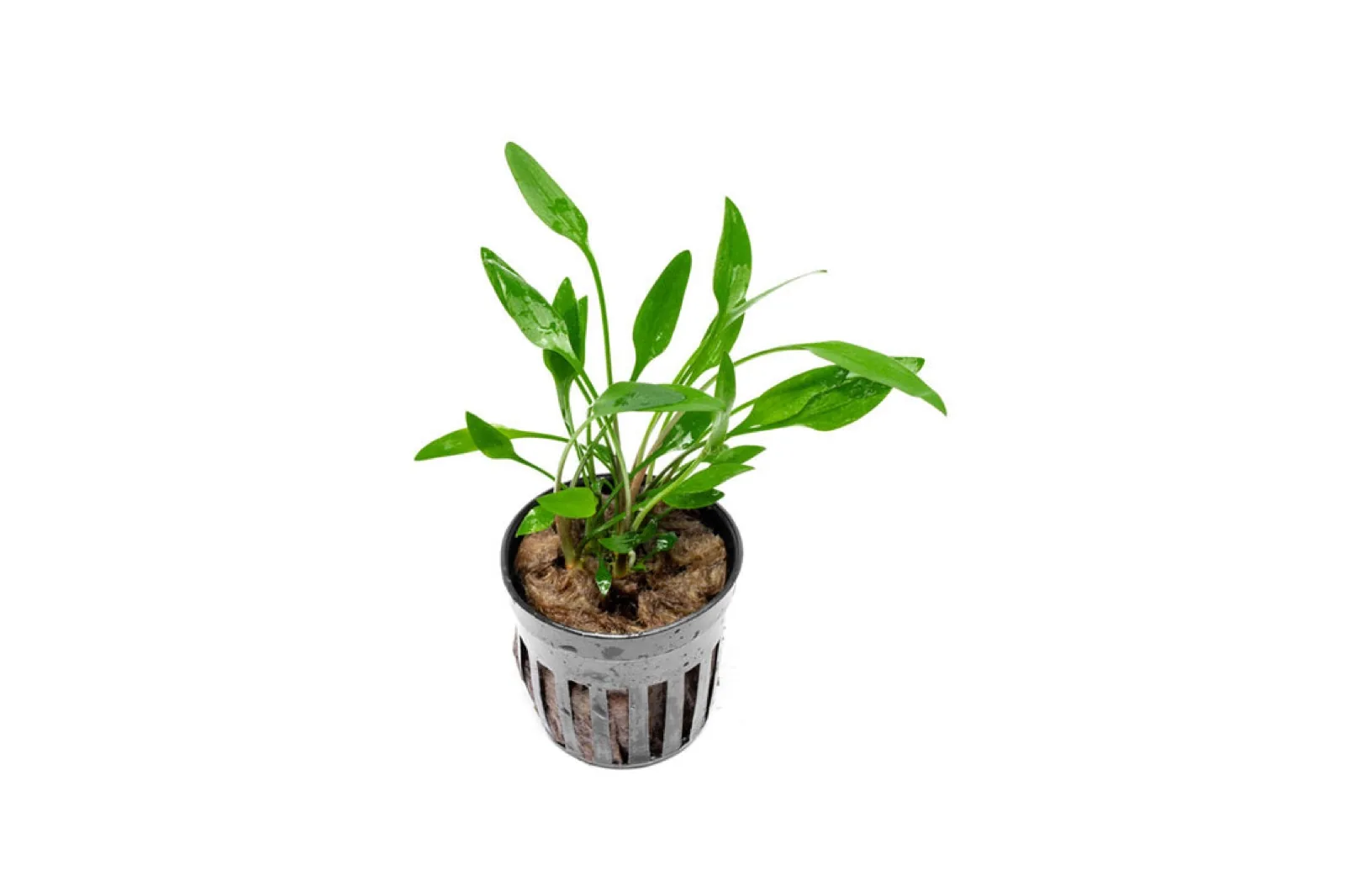
Cryptocoryne Lutea (Cryptocoryne lutea)
PlantRosette

Cryptocoryne Lutea

Cryptocoryne lutea

Sri LankaEasy

TL;DR, Cryptocoryne Lutea

The hard-water crypt. Tolerates alkaline conditions where most other Cryptocoryne species suffer. Medium-green slender leaves with a hint of bronze. The most forgiving Cryptocoryne after wendtii. Less prone to crypt melt during planting changes.

Cryptocoryne Lutea (Cryptocoryne lutea) is a rosette aquatic plant for the midground of a planted tank. It reaches 10–25 cm under good conditions and grows at a slow rate. Light: low to medium. CO₂: none to optional. Target 22–28 °C, pH 6.0–8.0, and 2–18 dGH. Substrate: Nutrient-rich substrate + root tabs. Propagate via runners.

  • LightLow to Medium
  • CO₂None to Optional

Care at a glance

The hard-water crypt. Tolerates alkaline conditions where most other Cryptocoryne species suffer. Medium-green slender leaves with a hint of bronze. The most forgiving Cryptocoryne after wendtii. Less prone to crypt melt during planting changes.

By Updated 1 min read

Part of our complete guide to the planted aquarium.

Cryptocoryne Lutea (Cryptocoryne lutea)
Buce Plant · © Buce Plant — editorial useSource

Hero photo by Buce Plant · © Buce Plant — editorial use · Wikipedia

Tank fit

The parameters that decide whether cryptocoryne lutea fits in your tank.

Parameters

Temperature22–28 °C
15 °C20 °C25 °C30 °C
pH6.0–8.0
4.05.06.07.08.0
Hardness2–18 dGH
0 dGH5 dGH10 dGH15 dGH20 dGH25 dGH
Height10–25 cm
020406080
LightLow to Medium
Low
Medium
High
CO₂None to Optional
None
Optional
Recommended
Required
GrowthSlow
Slow
Medium
Fast
V. fast
FlowLow to Medium
Still
Low
Medium
High
V. high

Profile

Family

Araceae

Type

Rosette

Position

Midground

Substrate

Nutrient-rich substrate + root tabs

Propagation

Runners

Habitat

Heavily shaded forest streams of Sri Lanka

Sri Lanka

Who it lives with

Tank-mate safety and the species this one is documented to thrive (or fail) alongside.

Pro tips

Hard-won lessons from the tank.

The crypt for hard alkaline water keepers. Where wendtii suffers at pH 8+ and dGH 15+, lutea thrives. Pair with Sagittaria subulata for a hard-water-tolerant midground/background. Less prone to dramatic melt than wendtii during planting changes.

Things to watch for

What can go wrong and how to spot it.

Things to watch for

Failure modes, in order of how dramatic the fix is.

Nutrition

Common deficiencies

Pinholes: potassium. Pale: iron + nitrogen. Crypt melt is parameter-shift response, not deficiency — wait it out.

Algae

Algae issues

Less prone to algae than wendtii thanks to slightly faster growth and antibacterial leaf compounds.

How to care for it

The practical routine, read top to bottom.

  1. Fertilization

    Root feeder. Root tabs every 3–4 months. Tolerates EI and minimalist dosing equally.

  2. Trimming

    Trim damaged outer leaves at the base. Don't trim during 'crypt melt' — the rhizome is regenerating.

Background

Where it comes from, how it behaves, and the variants you'll see at retail.

Show background

In the wild

Where it lived before it came home.

Native rangeSri Lanka
Origin · Sri Lanka

Streams and shaded forest pools in Sri Lanka. Tolerates a wider water-hardness range than other Sri Lankan crypts — adapted to areas with limestone influence.

Emersed form

Stiff dark-green emersed leaves with bronze tinge. Wholesale arrives emersed. Submerged form is similar with softer leaves.

Flowering

Distinctive yellow spadix flower partially submerged in mud (the species name 'lutea' = yellow refers to the flower). Rare in aquarium conditions.

Variants & identification

The named cultivars and the lookalikes worth flagging.

Variants / cultivars

C. lutea is the standard. 'Hobbit' (smaller compact cultivar) and a 'narrow leaf' selection exist in specialty trade.

Misidentification

Often confused with C. wendtii (similar size) and C. walkeri. The bronze tinge on lutea leaves and slimmer leaf shape are the giveaways.

Frequently asked questions

Direct answers to the questions search engines and AI assistants surface most often about this species.

Does Cryptocoryne Lutea need CO₂?

CO₂ requirement: none to optional. Light requirement: low to medium. Under low-tech conditions the plant grows at a slow rate.

What light level does Cryptocoryne Lutea need?

Cryptocoryne Lutea (Cryptocoryne lutea) needs low to medium light. Run a photoperiod of 6–8 hours; longer photoperiods invite algae unless CO₂ and dosing are dialled in.

Where should Cryptocoryne Lutea be planted?

Position: midground. Substrate: Nutrient-rich substrate + root tabs It typically reaches 10–25 cm.

How do you propagate Cryptocoryne Lutea?

Propagation method: Runners. Cryptocoryne Lutea is a rosette plant.

What water parameters does Cryptocoryne Lutea tolerate?

Target 22–28 °C, pH 6.0–8.0, and 2–18 dGH. Flow tolerance: low to medium.

Is Cryptocoryne Lutea suitable for beginners?

Difficulty: 2/5. Forgiving, beginner-friendly once the tank is cycled.

Sources & further reading

Cross-references

Build the rest of the tank.

A planted tank is a system. Pair this plant with one entry from each other pillar to plan the whole scape.