Fin & Stem logo
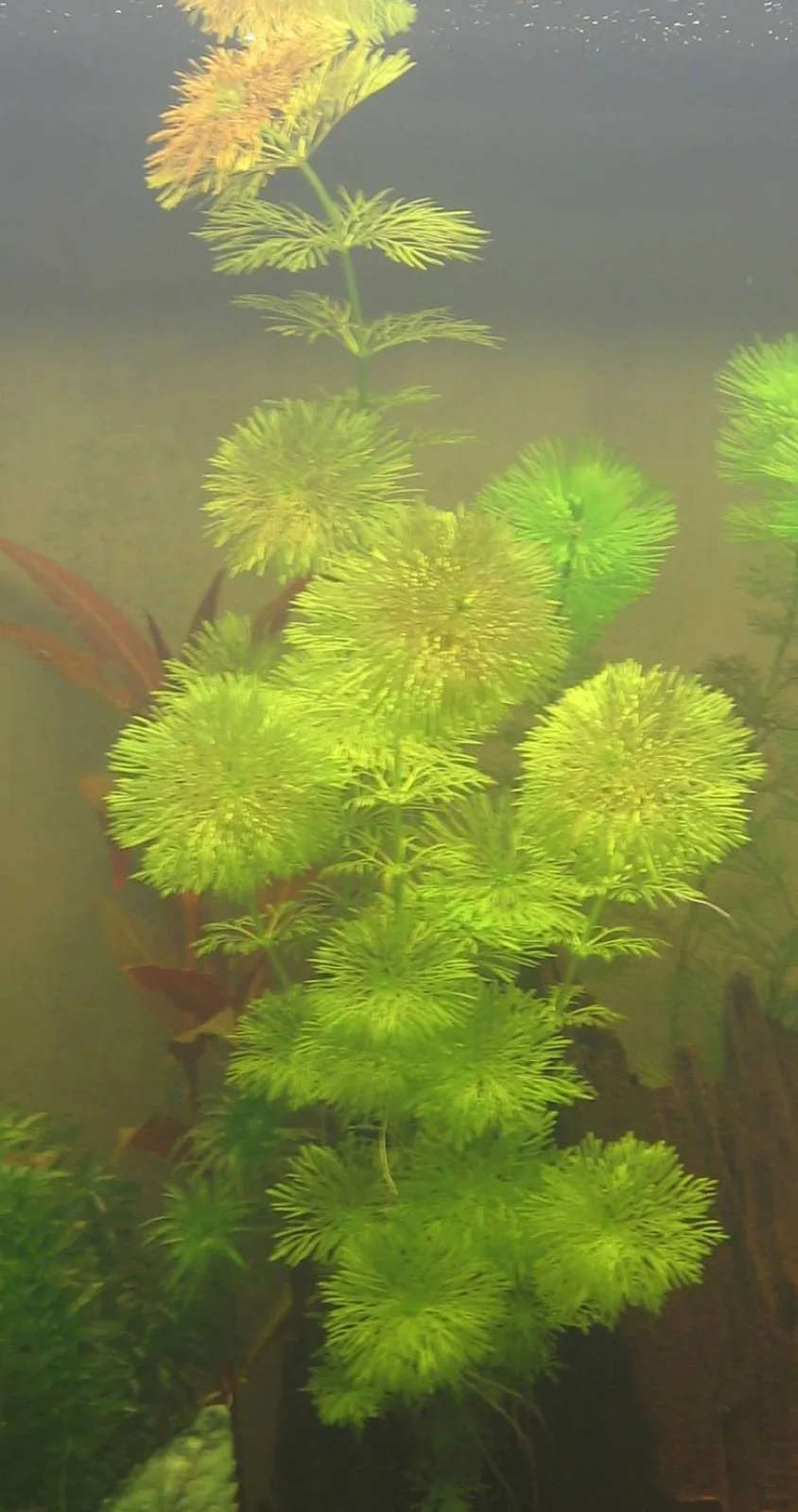
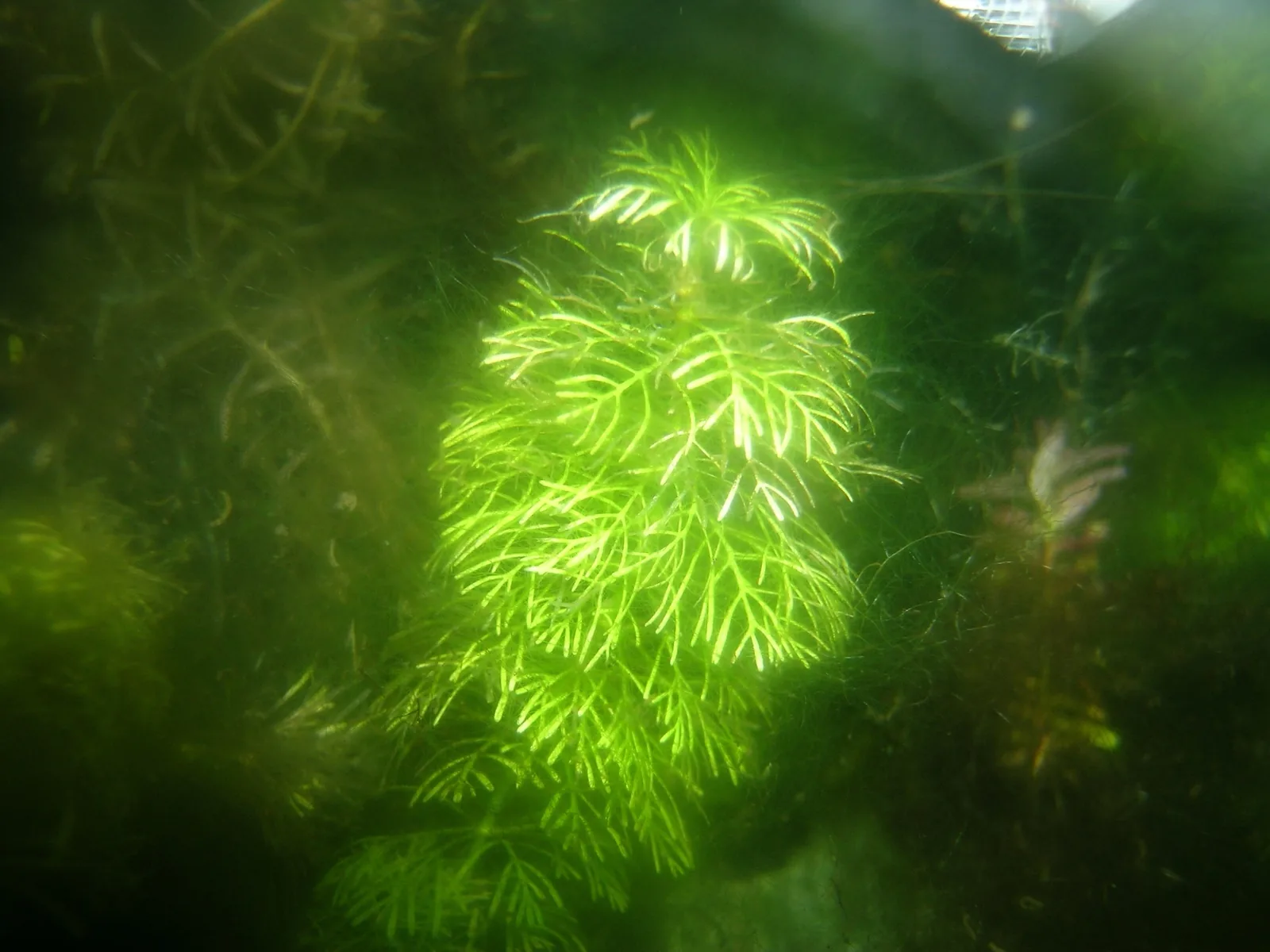
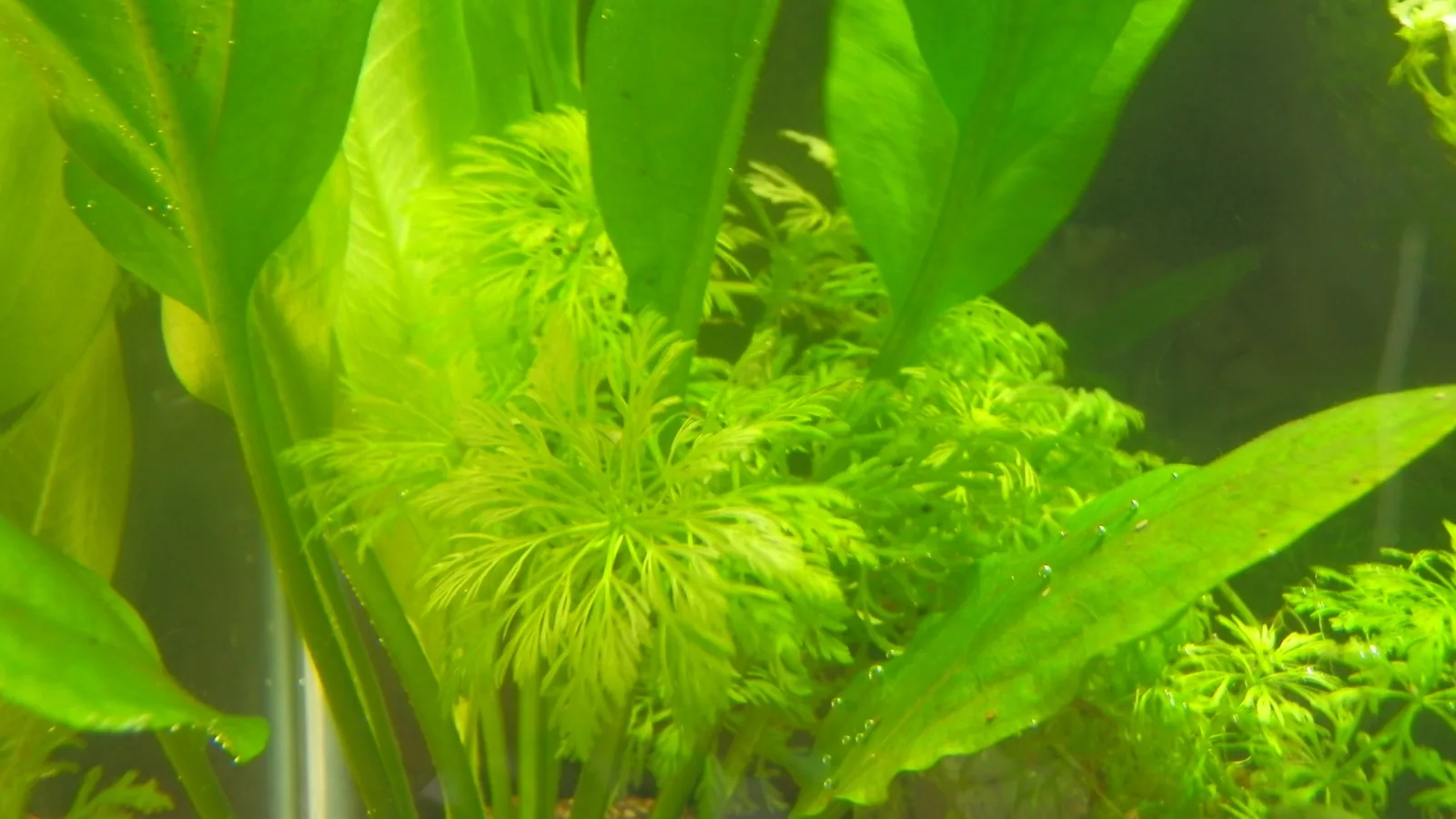
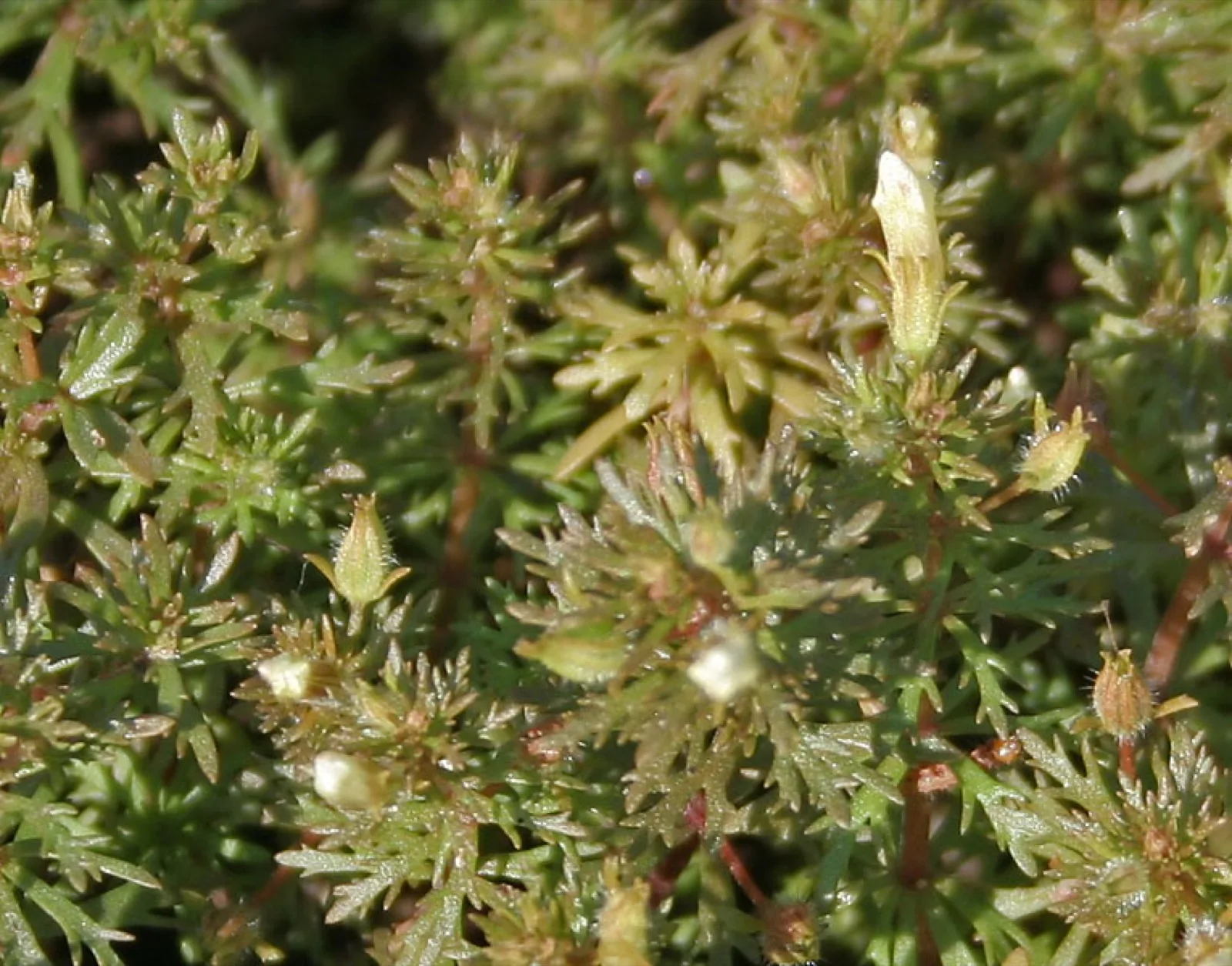
Asian Ambulia (Limnophila sessiliflora)
PlantStem

Asian Ambulia

Limnophila sessiliflora

South and Southeast AsiaBeginner

TL;DR, Asian Ambulia

Feathery whorls of bright green leaves. Grows several centimetres per week, a 'nutrient sponge' for cycling new tanks and outcompeting algae. Banned/invasive in parts of the USA and Australia; check local regulations before sourcing.

Asian Ambulia (Limnophila sessiliflora) is a stem aquatic plant for the background of a planted tank. It reaches 30–60 cm under good conditions and grows at a very fast rate. Light: low to high. CO₂: optional. Target 20–28 °C, pH 5.5–7.5, and 2–15 dGH. Substrate: Any, heavy water column feeder. Propagate via cuttings (top and lateral shoots).

  • LightLow to High
  • CO₂Optional

Care at a glance

Feathery whorls of bright green leaves. Grows several centimetres per week, a 'nutrient sponge' for cycling new tanks and outcompeting algae. Banned/invasive in parts of the USA and Australia; check local regulations before sourcing.

By Updated 2 min read

Part of our complete guide to the planted aquarium.

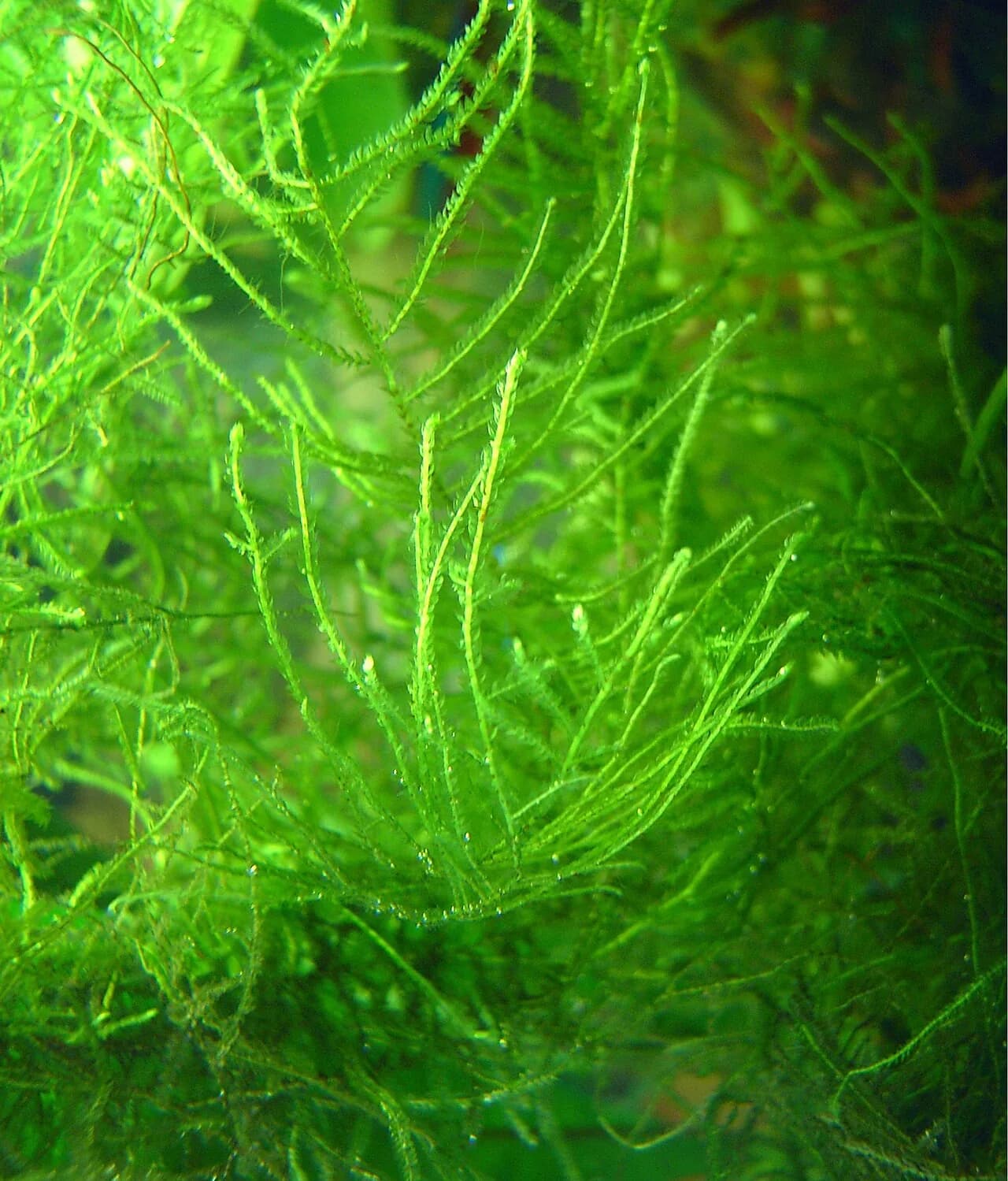
Asian Ambulia (Limnophila sessiliflora)
kajuko · CC BY-SA 3.0Source
Asian Ambulia (Limnophila sessiliflora)
S.Tanaka · Public domainSource
Asian Ambulia (Limnophila sessiliflora)
Moritz Holzinger · CC BY-SA 3.0Source
Asian Ambulia (Limnophila sessiliflora)
J.M.Garg · CC BY-SA 4.0Source
Asian Ambulia (Limnophila sessiliflora)
J.M.Garg · CC BY-SA 4.0Source

Hero photo by kajuko · CC BY-SA 3.0 · Wikipedia

Tank fit

The parameters that decide whether asian ambulia fits in your tank.

Parameters

Temperature20–28 °C
15 °C20 °C25 °C30 °C
pH5.5–7.5
4.05.06.07.08.0
Hardness2–15 dGH
0 dGH5 dGH10 dGH15 dGH20 dGH25 dGH
Height30–60 cm
020406080
LightLow to High
Low
Medium
High
CO₂Optional
None
Optional
Recommended
Required
GrowthVery Fast
Slow
Medium
Fast
V. fast
FlowLow to Medium
Still
Low
Medium
High
V. high

Profile

Family

Plantaginaceae

Type

Stem

Position

Background

Substrate

Any, heavy water column feeder

Propagation

Cuttings (top and lateral shoots)

Habitat

Flooded rice paddies and marshes of tropical Asia

South and Southeast Asia

Who it lives with

Tank-mate safety and the species this one is documented to thrive (or fail) alongside.

Pro tips

Hard-won lessons from the tank.

BANNED OR INVASIVE in: USA federal lacy weed list, multiple US states (Texas, Florida, Alabama, Hawaii), parts of Australia, and South Africa. CHECK YOUR LOCAL REGULATIONS before sourcing — possessing or trading it is illegal in restricted regions. Outside those areas, it's the single best 'nutrient sponge' for fighting algae in newly-cycled tanks.

Things to watch for

What can go wrong and how to spot it.

Things to watch for

Failure modes, in order of how dramatic the fix is.

Nutrition

Common deficiencies

Pale upper whorls: iron or nitrogen. Stretchy with elongated internodes: insufficient light. Browning lower leaves: light starvation from above-leaf competition.

Algae

Algae issues

Rapid growth outcompetes algae — recommended in new tanks to prevent algae blooms during cycling. As growth slows, BBA appears on slower lower stems.

How to care for it

The practical routine, read top to bottom.

  1. Fertilization

    Heavy water column feeder. Standard EI dosing or commercial all-in-one keeps the feathery whorls dense. Iron for colour, especially the redder cultivars. CO₂ helps but isn't required.

  2. Trimming

    Top weekly under high light, every 2–3 weeks under low light. The plant can grow 5+ cm per week in good conditions. Replant top cuttings; the bottom node sprouts side shoots within days.

Background

Where it comes from, how it behaves, and the variants you'll see at retail.

Show background

In the wild

Where it lived before it came home.

Native rangeSoutheast Asia
Origin · South and Southeast Asia

Slow streams, rice paddies, and irrigation ditches across South and Southeast Asia. Often grows emersed in muddy bottoms; submerged form predominates in deeper water.

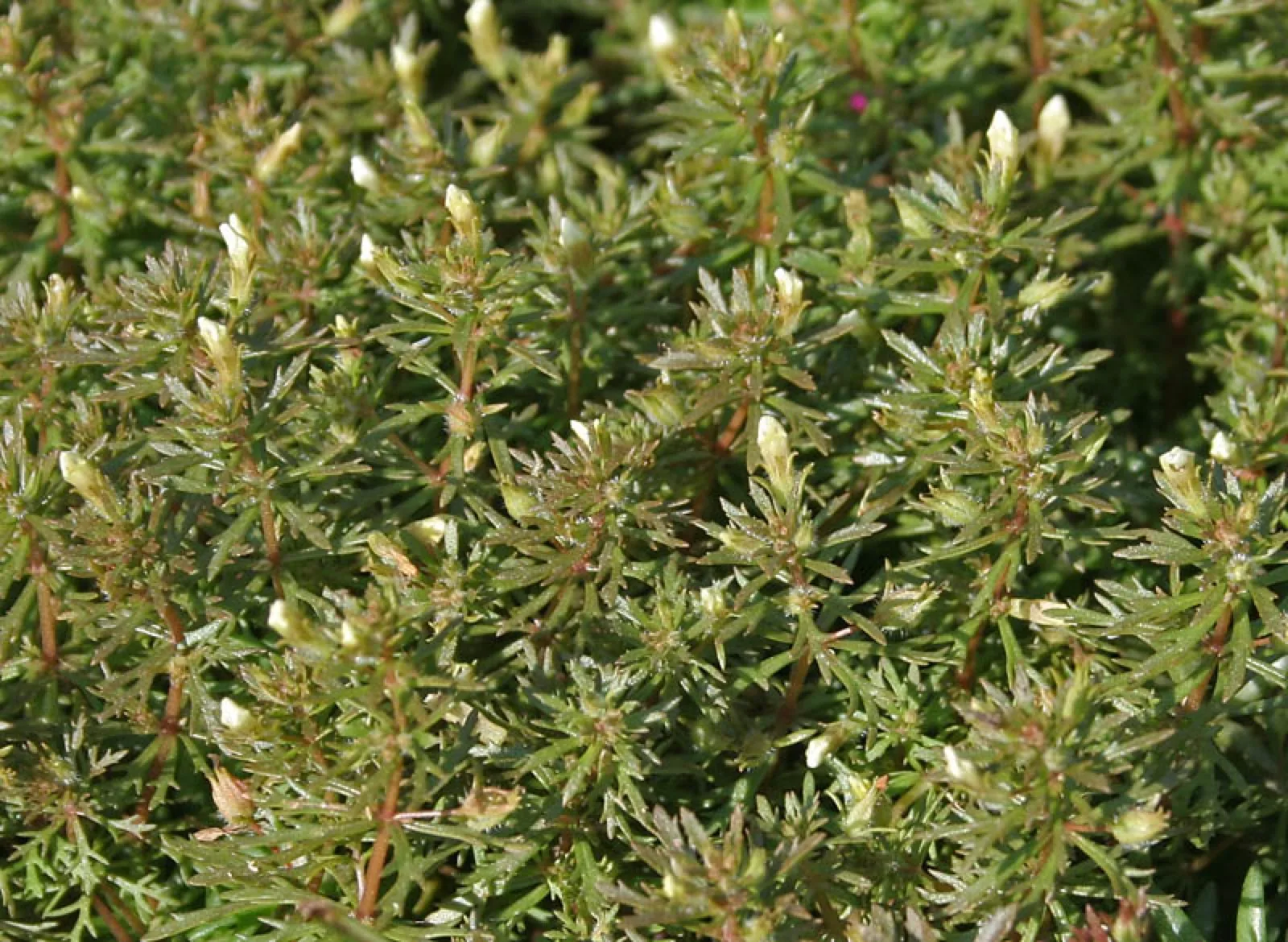
Emersed form

Bright green emersed habit with flat oval leaves — very different from the feathery submerged form. Almost all wholesale arrives emersed and transitions to feathery submerged form within 1–2 weeks.

Flowering

Small pink-purple flowers emersed; occasional submerged.

Variants & identification

The named cultivars and the lookalikes worth flagging.

Variants / cultivars
AmbuliaAsian AmbuliaRosy Limnophila

L. sessiliflora (most common, also called 'Ambulia' or 'Asian Ambulia'), L. aromatica (red-tinted under light, smaller), L. heterophylla (taller, broader leaves), L. hippuridoides (pink-red, premium 'Rosy Limnophila').

Misidentification

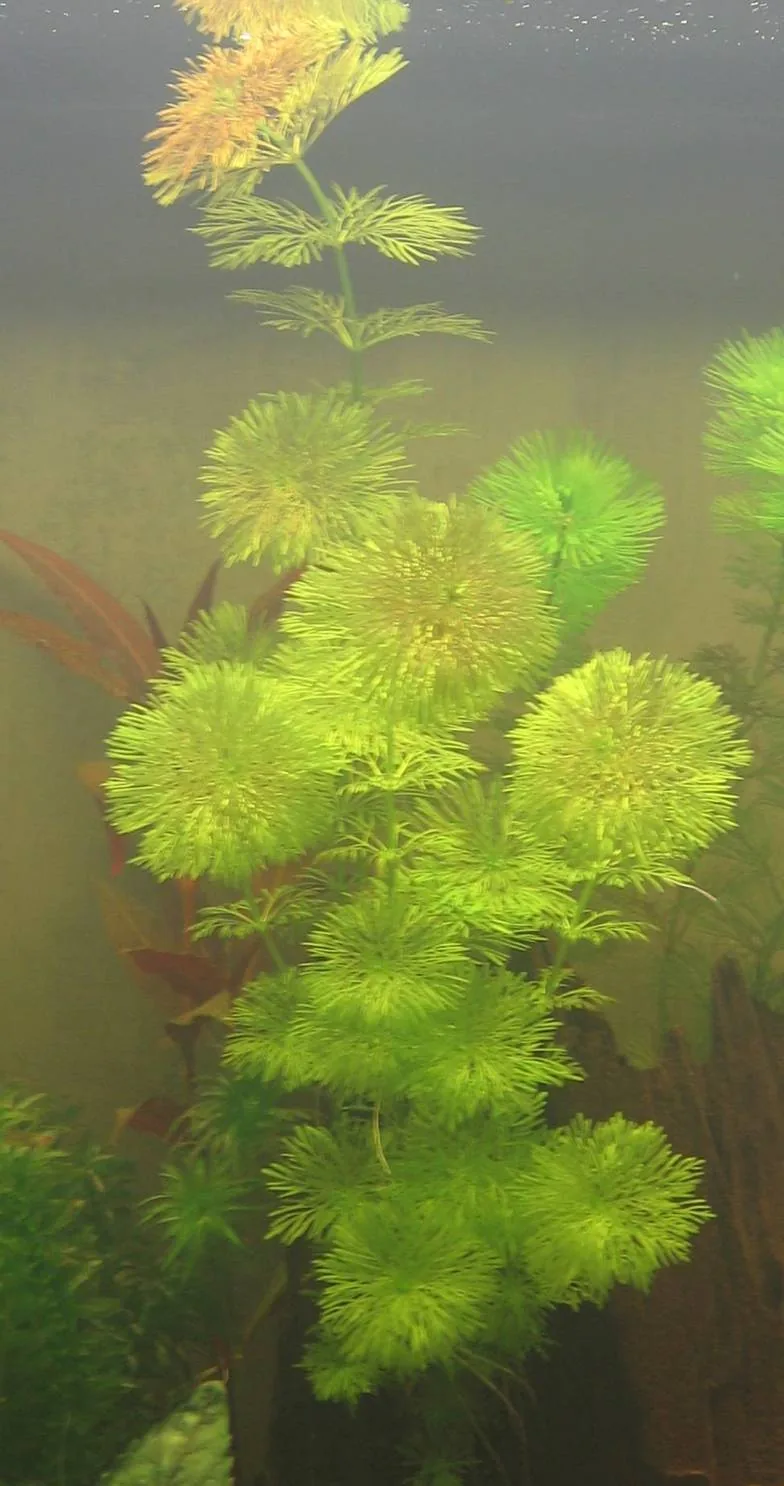
L. sessiliflora and Cabomba caroliniana ('green cabomba') are constantly confused — both have feathery whorls. Limnophila has wider whorls with thicker stem; cabomba has finer whorls and is much more delicate. L. aromatica is a different cultivar with reddish-brown tones.

Frequently asked questions

Direct answers to the questions search engines and AI assistants surface most often about this species.

Does Asian Ambulia need CO₂?

CO₂ requirement: optional. Light requirement: low to high. Under low-tech conditions the plant grows at a very fast rate.

What light level does Asian Ambulia need?

Asian Ambulia (Limnophila sessiliflora) needs low to high light. Run a photoperiod of 6–8 hours; longer photoperiods invite algae unless CO₂ and dosing are dialled in.

Where should Asian Ambulia be planted?

Position: background. Substrate: Any, heavy water column feeder It typically reaches 30–60 cm.

How do you propagate Asian Ambulia?

Propagation method: Cuttings (top and lateral shoots). Asian Ambulia is a stem plant.

What water parameters does Asian Ambulia tolerate?

Target 20–28 °C, pH 5.5–7.5, and 2–15 dGH. Flow tolerance: low to medium.

Is Asian Ambulia suitable for beginners?

Difficulty: 1/5. Almost unkillable, a solid first-tank choice.

Sources & further reading

Cross-references

Build the rest of the tank.

A planted tank is a system. Pair this plant with one entry from each other pillar to plan the whole scape.