Fin & Stem logo
Dwarf Baby Tears (HC Cuba) (Hemianthus callitrichoides 'Cuba')
PlantCarpet

Dwarf Baby Tears (HC Cuba)

Hemianthus callitrichoides 'Cuba'

CubaExpert

TL;DR, Dwarf Baby Tears (HC Cuba)

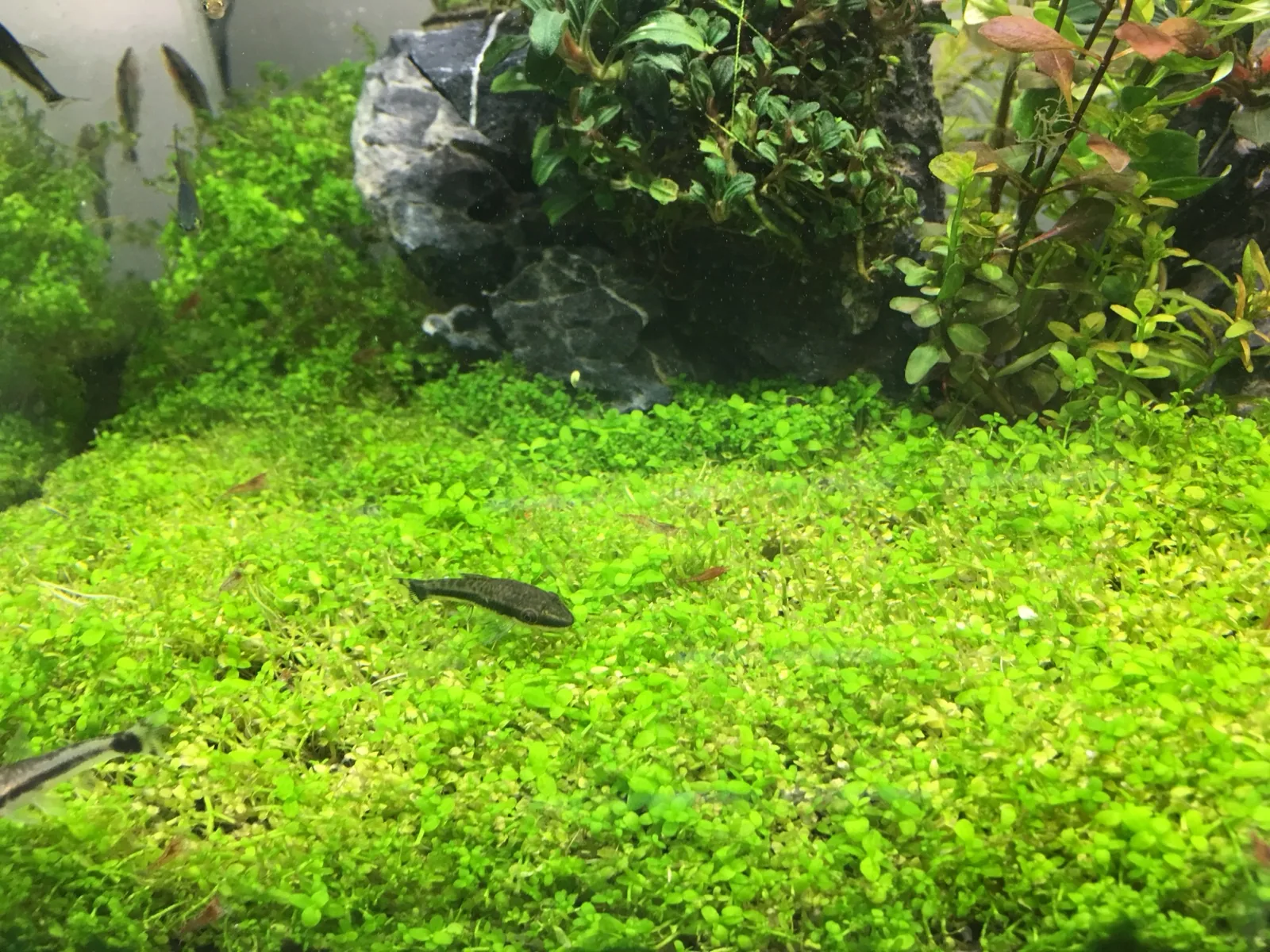
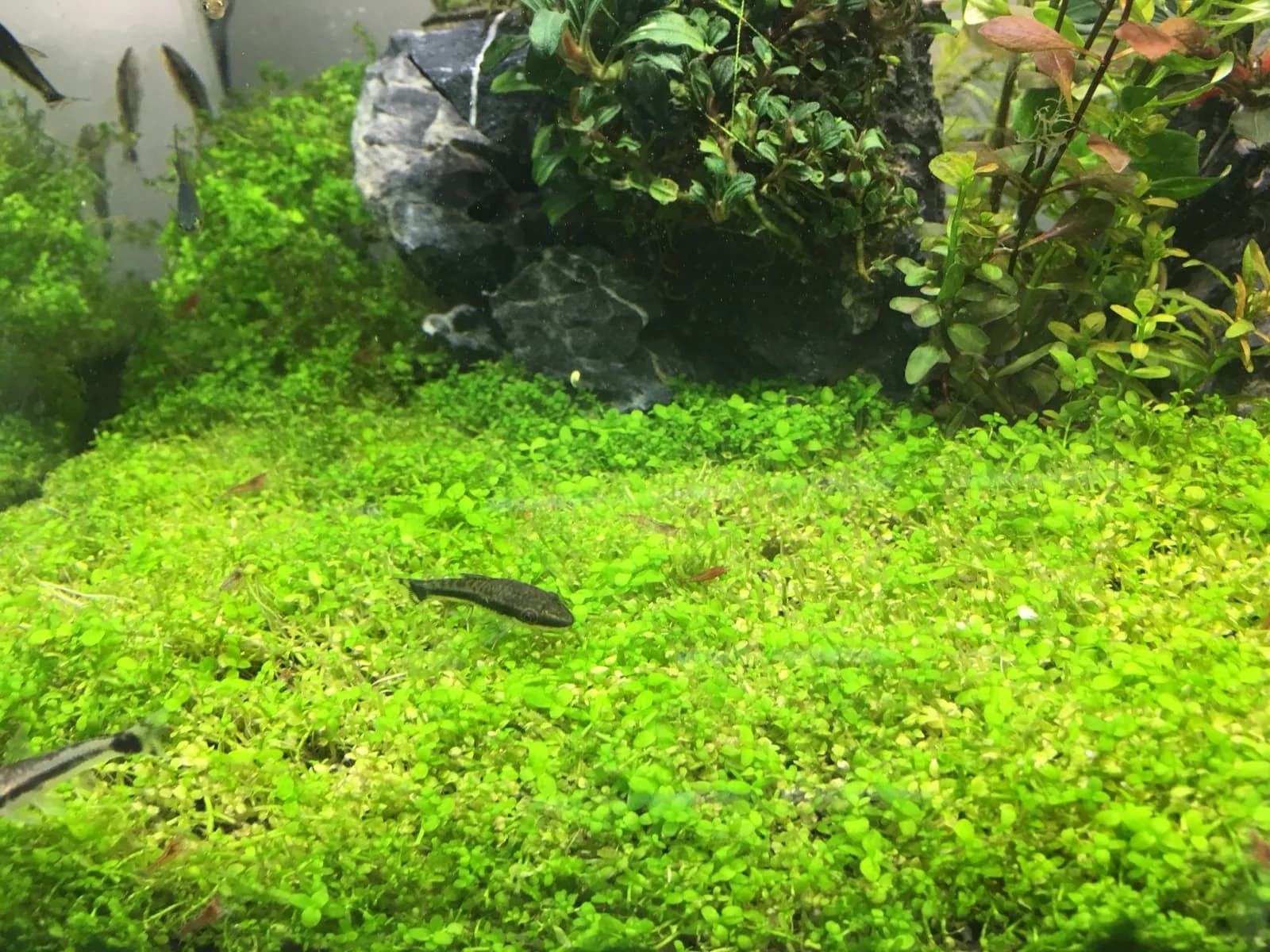
The smallest aquatic plant in the hobby. Forms a fine-textured emerald carpet that pearls aggressively under CO₂. High-tech only, without CO₂ and 60+ PAR it melts. Dry-start method is the most reliable path to a complete carpet.

Dwarf Baby Tears (HC Cuba) (Hemianthus callitrichoides 'Cuba') is a carpet / stem aquatic plant for the foreground of a planted tank. It reaches 1–3 cm under good conditions and grows at a medium rate. Light: high. CO₂: required. Target 20–26 °C, pH 5.5–7.0, and 1–10 dGH. Substrate: Fine, active nutrient-rich substrate (ADA Amazonia or similar). Propagate via cuttings / runners spread horizontally.

  • LightHigh
  • CO₂Required

Care at a glance

The smallest aquatic plant in the hobby. Forms a fine-textured emerald carpet that pearls aggressively under CO₂. High-tech only, without CO₂ and 60+ PAR it melts. Dry-start method is the most reliable path to a complete carpet.

By Updated 2 min read

Part of our complete guide to the planted aquarium.

Dwarf Baby Tears (HC Cuba) (Hemianthus callitrichoides 'Cuba')
Ranjith-chemmad · CC BY-SA 4.0Source

Hero photo by Ranjith-chemmad · CC BY-SA 4.0 · Wikipedia

Tank fit

The parameters that decide whether dwarf baby tears (hc cuba) fits in your tank.

Parameters

Temperature20–26 °C
15 °C20 °C25 °C30 °C
pH5.5–7.0
4.05.06.07.08.0
Hardness1–10 dGH
0 dGH5 dGH10 dGH15 dGH20 dGH25 dGH
Height1–3 cm
020406080
LightHigh
Low
Medium
High
CO₂Required
None
Optional
Recommended
Required
GrowthMedium
Slow
Medium
Fast
V. fast
FlowLow
Still
Low
Medium
High
V. high

Profile

Family

Linderniaceae

Type

Carpet / Stem

Position

Foreground

Substrate

Fine, active nutrient-rich substrate (ADA Amazonia or similar)

Propagation

Cuttings / runners spread horizontally

Habitat

Damp seasonal seepage zones of Cuba and Central America

Cuba

Who it lives with

Tank-mate safety and the species this one is documented to thrive (or fail) alongside.

Pro tips

Hard-won lessons from the tank.

Dry-start method (DSM) is the highest-success path: plant tiny clumps 2 cm apart on damp substrate, cover with plastic film to retain humidity, mist daily, run lights 8 hours/day. In 4–6 weeks you'll have a 90%+ complete carpet that transitions to submerged form when you fill the tank. Going directly submerged works but expects more failures and a 50%+ chance of redoing patches.

Things to watch for

What can go wrong and how to spot it.

Things to watch for

Failure modes, in order of how dramatic the fix is.

Nutrition

Common deficiencies

Pale: nitrogen + iron. Leggy upward growth: insufficient light (need 60+ PAR at substrate). Lifting carpets (detachment from substrate): root rot from CO₂ instability or substrate decay.

Algae

Algae issues

Hair algae is the single biggest killer. Stable CO₂ (no daily fluctuation) and conservative light hours during establishment (4–5 hours/day for the first month) prevent it. Once carpet is dense, hair algae rarely attaches.

How to care for it

The practical routine, read top to bottom.

  1. Fertilization

    Heavy CO₂ user; absolutely demands stable CO₂ at 30 ppm. Active nutrient substrate (ADA Amazonia, UNS Controsoil, Tropica Aquarium Soil). Macro and micro EI-style dosing.

  2. Trimming

    Trim with sharp curved scissors every 2–3 weeks once carpet establishes. Trimming forces horizontal spread and triggers tighter compact growth. Vacuum trimmings IMMEDIATELY — floating fragments root randomly and create messy patches.

Background

Where it comes from, how it behaves, and the variants you'll see at retail.

Show background

In the wild

Where it lived before it came home.

Native rangeCuba
Origin · Cuba

Cuban wet meadows and streambanks. Naturally grows emersed in damp soil; the submerged form is a specialty aquarium-only morphology that doesn't occur in the wild.

Emersed form

Vigorous emersed grower — sold as tissue culture cups grown on damp media. Emersed form has slightly larger oval leaves; transitions to submerged via dry-start or controlled flooding.

Flowering

Tiny white flowers emersed; never flowers submerged.

Variants & identification

The named cultivars and the lookalikes worth flagging.

Variants / cultivars
Minimicropearlweed

Only one form is sold under this name. 'Mini' and 'micro' labels in the trade are usually marketing — true HC Cuba leaves average 2–3 mm. Hemianthus glomeratus (formerly H. micranthemoides, 'pearlweed') is sometimes mislabelled and is much taller and easier.

Misidentification

Pearlweed (Hemianthus glomeratus) is the most common substitution — looks similar in the shop but grows 8–15 cm tall, not 1–3 cm. Glossostigma elatinoides is another common false-HC; it has larger oval paddle-shaped leaves.

Frequently asked questions

Direct answers to the questions search engines and AI assistants surface most often about this species.

Does Dwarf Baby Tears (HC Cuba) need CO₂?

CO₂ requirement: required. Light requirement: high. Under stable injected CO₂ the plant grows at a medium rate.

What light level does Dwarf Baby Tears (HC Cuba) need?

Dwarf Baby Tears (HC Cuba) (Hemianthus callitrichoides 'Cuba') needs high light. Run a photoperiod of 6–8 hours; longer photoperiods invite algae unless CO₂ and dosing are dialled in.

Where should Dwarf Baby Tears (HC Cuba) be planted?

Position: foreground. Substrate: Fine, active nutrient-rich substrate (ADA Amazonia or similar) It typically reaches 1–3 cm.

How do you propagate Dwarf Baby Tears (HC Cuba)?

Propagation method: Cuttings / runners spread horizontally. Dwarf Baby Tears (HC Cuba) is a carpet / stem plant.

What water parameters does Dwarf Baby Tears (HC Cuba) tolerate?

Target 20–26 °C, pH 5.5–7.0, and 1–10 dGH. Flow tolerance: low.

Is Dwarf Baby Tears (HC Cuba) suitable for beginners?

Difficulty: 5/5. Expert, narrow tolerances; not recommended until you've kept a stable tank for a year.

Sources & further reading

Cross-references

Build the rest of the tank.

A planted tank is a system. Pair this plant with one entry from each other pillar to plan the whole scape.