Fin & Stem logo
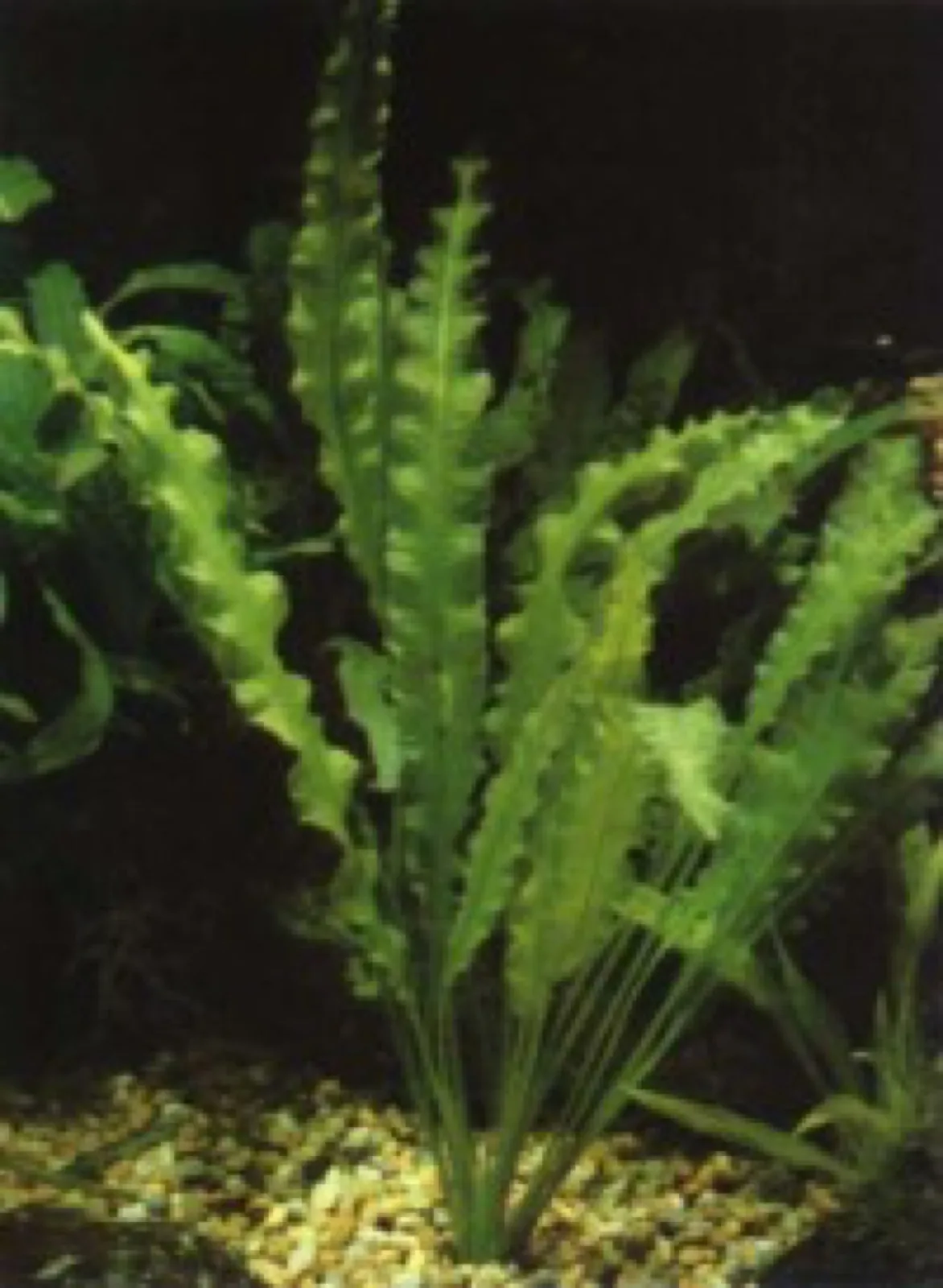
Aponogeton Crispus (Aponogeton crispus)
PlantBulb

Aponogeton Crispus

Aponogeton crispus

Sri LankaBeginner

TL;DR, Aponogeton Crispus

Sold as a dormant brown bulb that explodes into wavy translucent green leaves within days. Goes through dormancy cycles (3–4 months active growth, then leaf dieback, then regrowth), let the bulb rest, don't compost it. Cheap, dramatic, beginner-friendly.

Aponogeton Crispus (Aponogeton crispus) is a bulb / rosette aquatic plant for the background of a planted tank. It reaches 30–50 cm under good conditions and grows at a fast rate. Light: medium. CO₂: optional. Target 22–28 °C, pH 6.0–7.5, and 2–15 dGH. Substrate: Sand or fine gravel, plant bulb half-exposed. Propagate via bulb division, occasional flower-stalk plantlets.

  • LightMedium
  • CO₂Optional

Care at a glance

Sold as a dormant brown bulb that explodes into wavy translucent green leaves within days. Goes through dormancy cycles (3–4 months active growth, then leaf dieback, then regrowth), let the bulb rest, don't compost it. Cheap, dramatic, beginner-friendly.

By Updated 2 min read

Part of our complete guide to the planted aquarium.

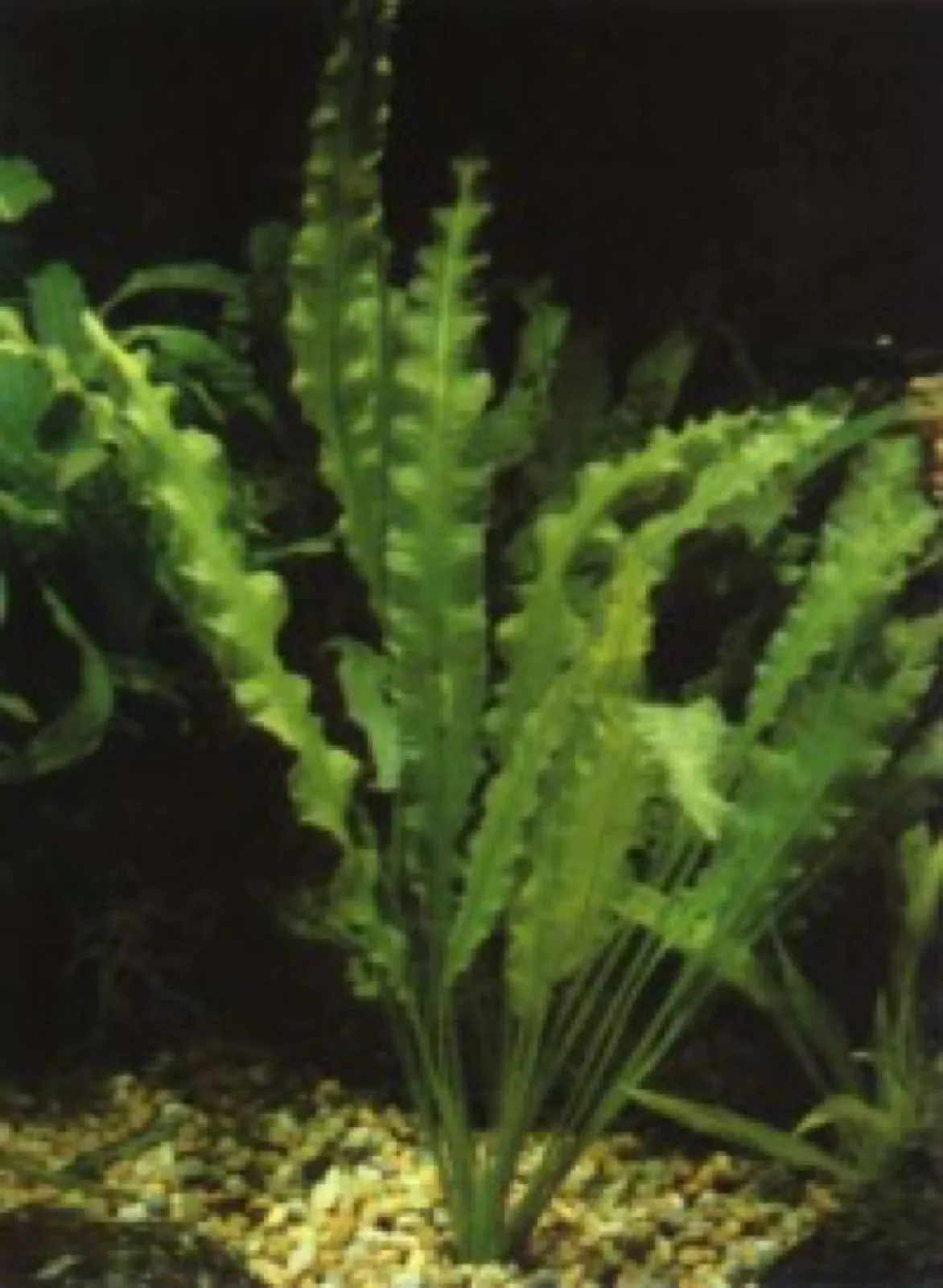
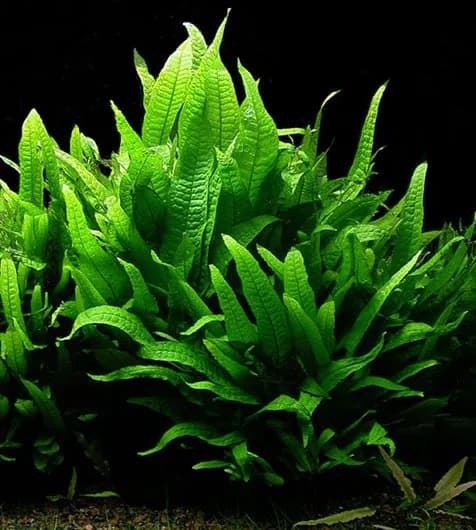
Aponogeton Crispus (Aponogeton crispus)
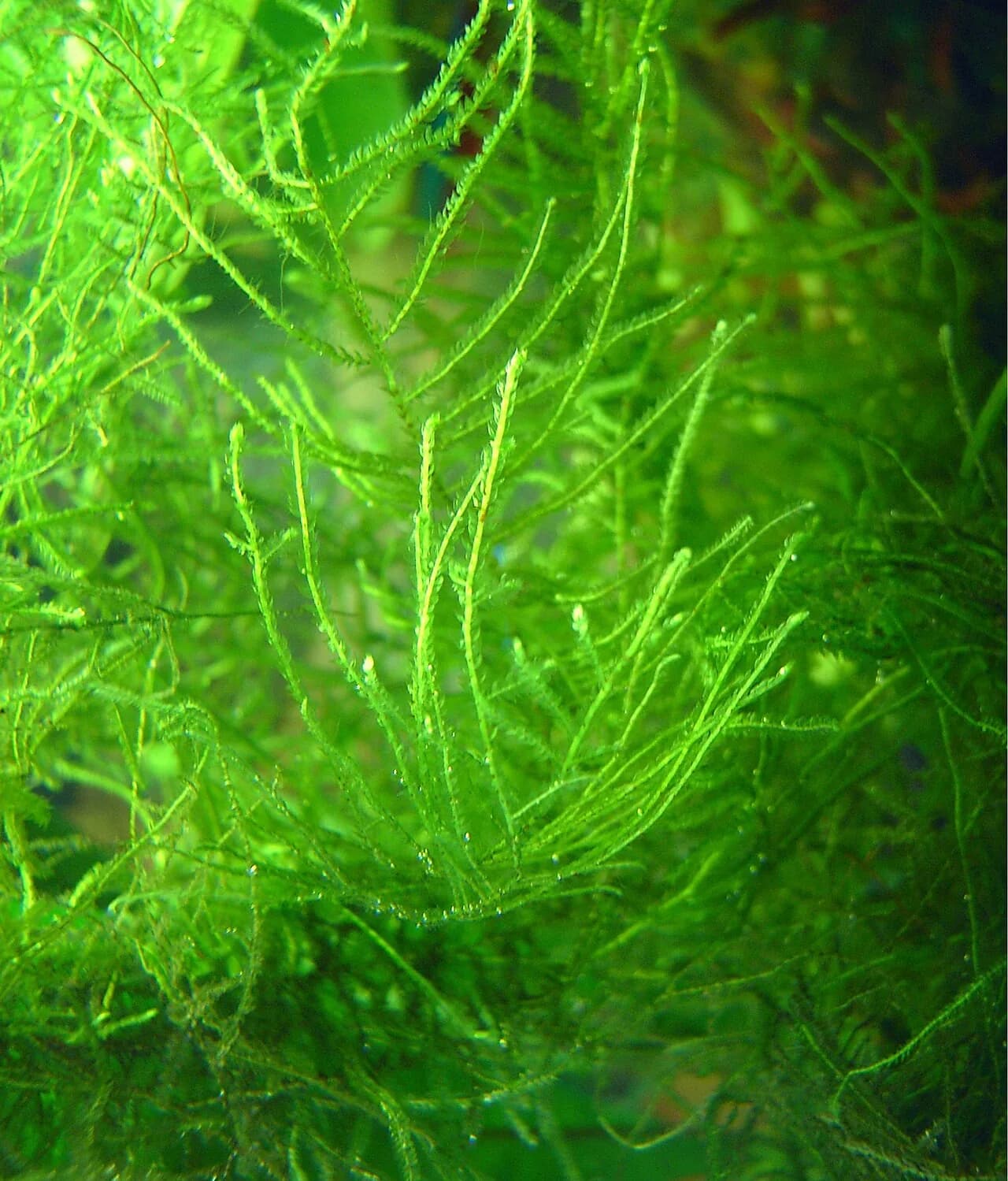
Drhyperlaur at English Wikipedia · Public domainSource
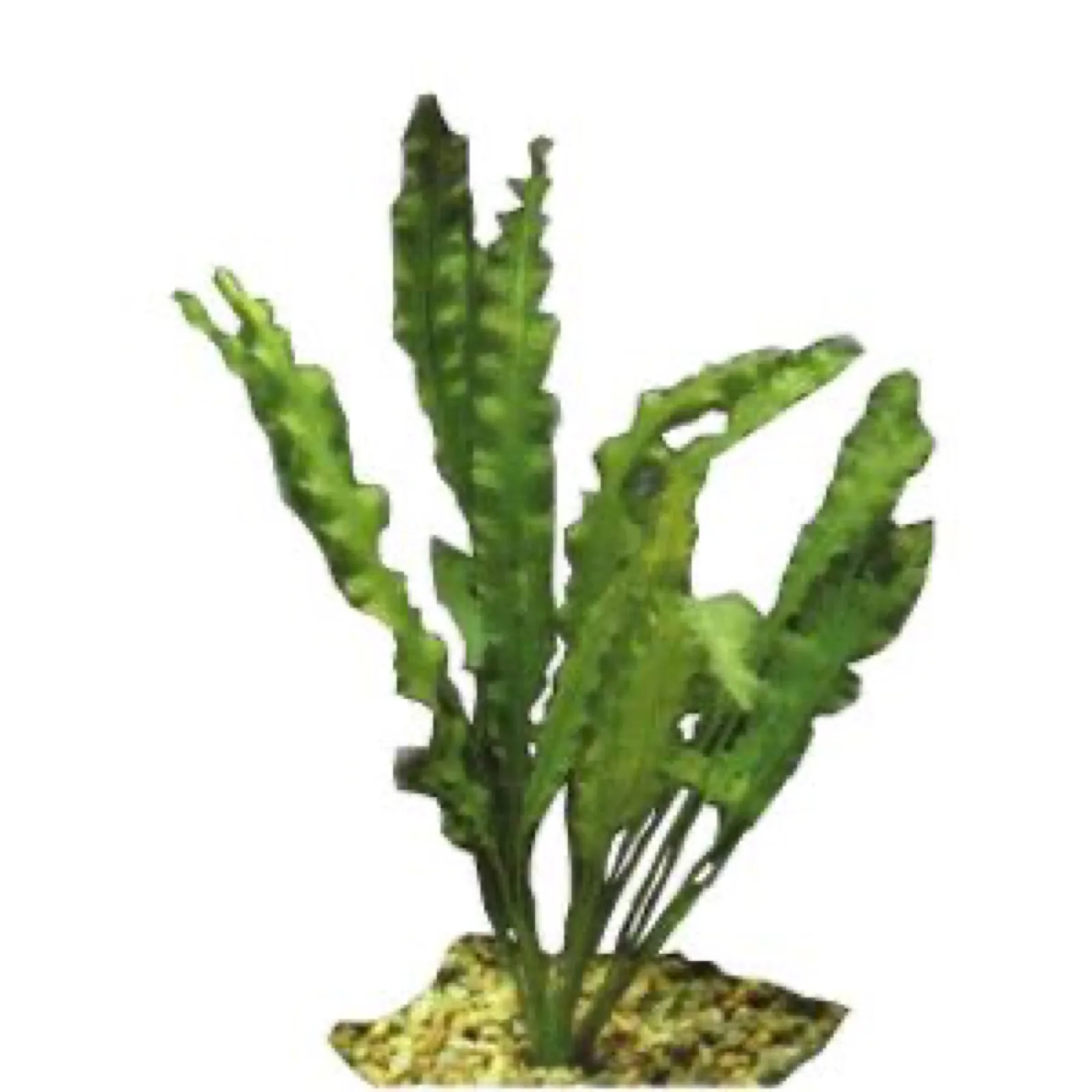
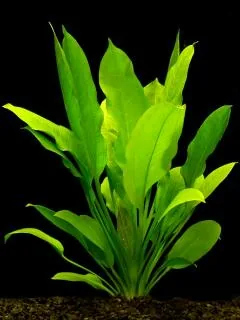
Aponogeton Crispus (Aponogeton crispus)
Desaix83 , d'après le travail de Drhyperlaur · CC0Source
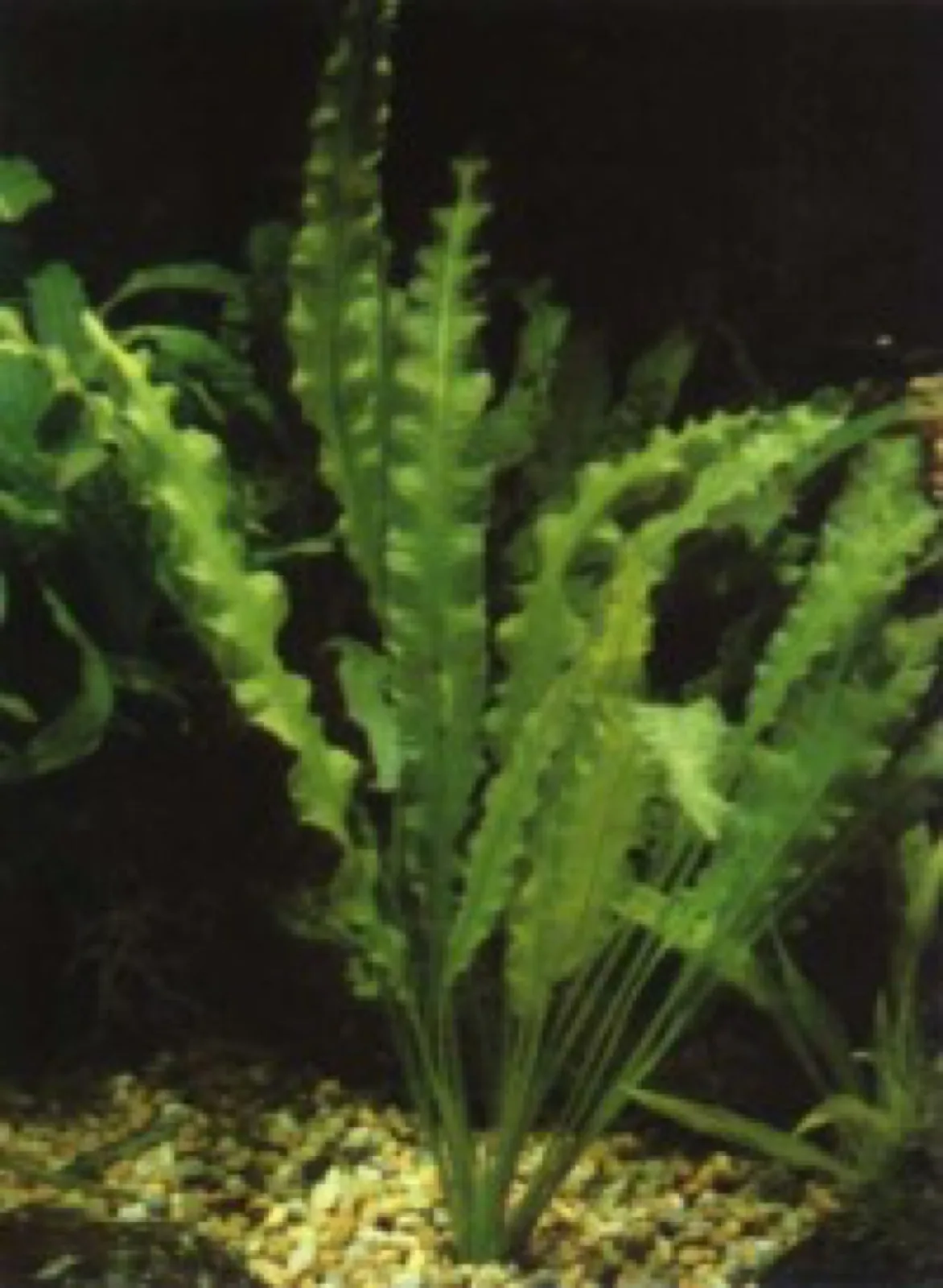
Aponogeton Crispus (Aponogeton crispus)
Drhyperlaur at English Wikipedia · Public domainSource

Hero photo by Drhyperlaur at English Wikipedia · Public domain · Wikipedia

Tank fit

The parameters that decide whether aponogeton crispus fits in your tank.

Parameters

Temperature22–28 °C
15 °C20 °C25 °C30 °C
pH6.0–7.5
4.05.06.07.08.0
Hardness2–15 dGH
0 dGH5 dGH10 dGH15 dGH20 dGH25 dGH
Height30–50 cm
020406080
LightMedium
Low
Medium
High
CO₂Optional
None
Optional
Recommended
Required
GrowthFast
Slow
Medium
Fast
V. fast
FlowLow to Medium
Still
Low
Medium
High
V. high

Profile

Family

Aponogetonaceae

Type

Bulb / Rosette

Position

Background

Substrate

Sand or fine gravel, plant bulb half-exposed

Propagation

Bulb division, occasional flower-stalk plantlets

Habitat

Seasonally flooded lowland pools of Sri Lanka

Sri Lanka

Who it lives with

Tank-mate safety and the species this one is documented to thrive (or fail) alongside.

Pro tips

Hard-won lessons from the tank.

Plant the bulb half-buried — the top should be exposed to water, the bottom in substrate. Within 7–14 days you'll see leaves emerge. After 3–4 months of active growth, the plant goes dormant: leaves yellow and die back. DO NOT compost the bulb — leave it in place, lower nutrient dosing, and within 6–10 weeks new growth will emerge stronger than before. The dormancy cycle is normal and healthy.

Things to watch for

What can go wrong and how to spot it.

Things to watch for

Failure modes, in order of how dramatic the fix is.

Nutrition

Common deficiencies

Pale leaves: iron + nitrogen. Leaves never appear after planting: bulb may be dormant — wait 2–3 weeks before discarding.

Algae

Algae issues

Old leaves accumulate spot algae and BBA. Trim aggressively rather than try to clean.

How to care for it

The practical routine, read top to bottom.

  1. Fertilization

    Heavy root feeder via the bulb. Root tabs are essential. Iron and macro dosing for colour and growth. CO₂ optional.

  2. Trimming

    Trim old yellowing leaves at the base. Trim flower stalks if you don't want seed production. During dormancy, don't trim — leaves naturally die back.

Background

Where it comes from, how it behaves, and the variants you'll see at retail.

Show background

In the wild

Where it lived before it came home.

Native rangeSri Lanka
Origin · Sri Lanka

Streams and pools in Sri Lanka. Goes through wet-dry cycles in the wild — the dormancy behaviour in aquariums mirrors this seasonal pattern.

Emersed form

Doesn't grow well emersed — fully aquatic. The bulb produces above-water flowering stalks but the leaves stay submerged.

Flowering

Tall flower stalks emerge above the water surface, producing white-and-purple flowers. Self-pollinating in some cases; flower stalks occasionally produce floating plantlets.

Variants & identification

The named cultivars and the lookalikes worth flagging.

Variants / cultivars

A. crispus is most common. A. ulvaceus (curlier, larger), A. boivinianus (bullet-leaved), A. madagascariensis ('Madagascar lace plant' — premium and demanding). All from the same genus with similar bulb behaviour.

Misidentification

Multiple Aponogeton species are sold as 'aquarium bulbs' without specific labels. A. crispus has wavy edges; A. ulvaceus has tighter curls.

Frequently asked questions

Direct answers to the questions search engines and AI assistants surface most often about this species.

Does Aponogeton Crispus need CO₂?

CO₂ requirement: optional. Light requirement: medium. Under low-tech conditions the plant grows at a fast rate.

What light level does Aponogeton Crispus need?

Aponogeton Crispus (Aponogeton crispus) needs medium light. Run a photoperiod of 6–8 hours; longer photoperiods invite algae unless CO₂ and dosing are dialled in.

Where should Aponogeton Crispus be planted?

Position: background. Substrate: Sand or fine gravel, plant bulb half-exposed It typically reaches 30–50 cm.

How do you propagate Aponogeton Crispus?

Propagation method: Bulb division, occasional flower-stalk plantlets. Aponogeton Crispus is a bulb / rosette plant.

What water parameters does Aponogeton Crispus tolerate?

Target 22–28 °C, pH 6.0–7.5, and 2–15 dGH. Flow tolerance: low to medium.

Is Aponogeton Crispus suitable for beginners?

Difficulty: 1/5. Almost unkillable, a solid first-tank choice.

Sources & further reading

Cross-references

Build the rest of the tank.

A planted tank is a system. Pair this plant with one entry from each other pillar to plan the whole scape.