Fin & Stem logo
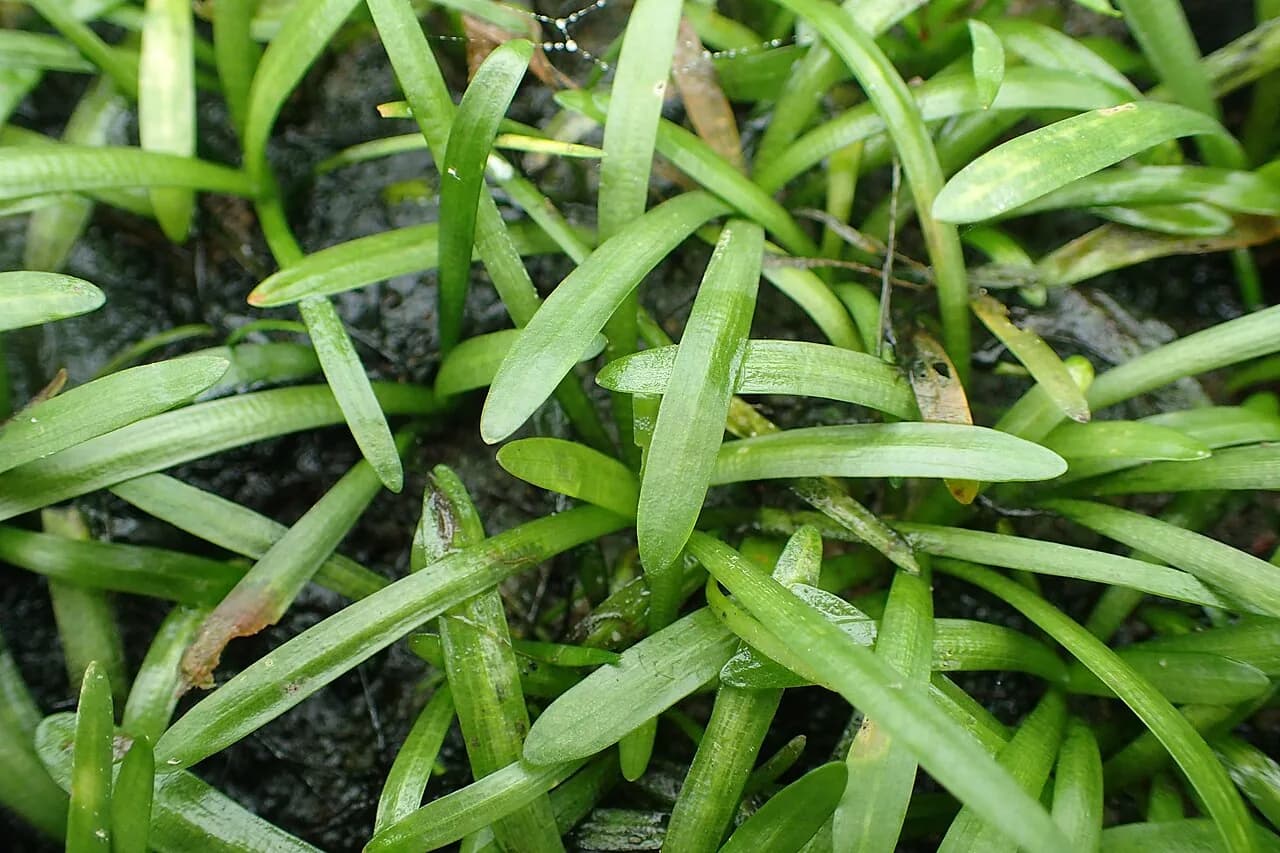
Dwarf Sagittaria (Sagittaria subulata)
PlantRosette

Dwarf Sagittaria

Sagittaria subulata

Eastern USA, naturalised globallyBeginner

TL;DR, Dwarf Sagittaria

Narrow strap-like grass that spreads via prolific runners. The hard-water-loving alternative to Vallisneria, tolerates anything from pH 6 to pH 8.5 and 5 to 25 dGH. Bombproof beginner background plant. Will carpet open foreground spaces if given enough light.

Dwarf Sagittaria (Sagittaria subulata) is a rosette / runner aquatic plant for the midground to background of a planted tank. It reaches 10–30 cm under good conditions and grows at a fast rate. Light: low to high. CO₂: optional. Target 18–28 °C, pH 6.0–8.5, and 5–25 dGH. Substrate: Sand or gravel + root tabs. Propagate via runners.

  • LightLow to High
  • CO₂Optional

Care at a glance

Narrow strap-like grass that spreads via prolific runners. The hard-water-loving alternative to Vallisneria, tolerates anything from pH 6 to pH 8.5 and 5 to 25 dGH. Bombproof beginner background plant. Will carpet open foreground spaces if given enough light.

By Updated 2 min read

Part of our complete guide to the planted aquarium.

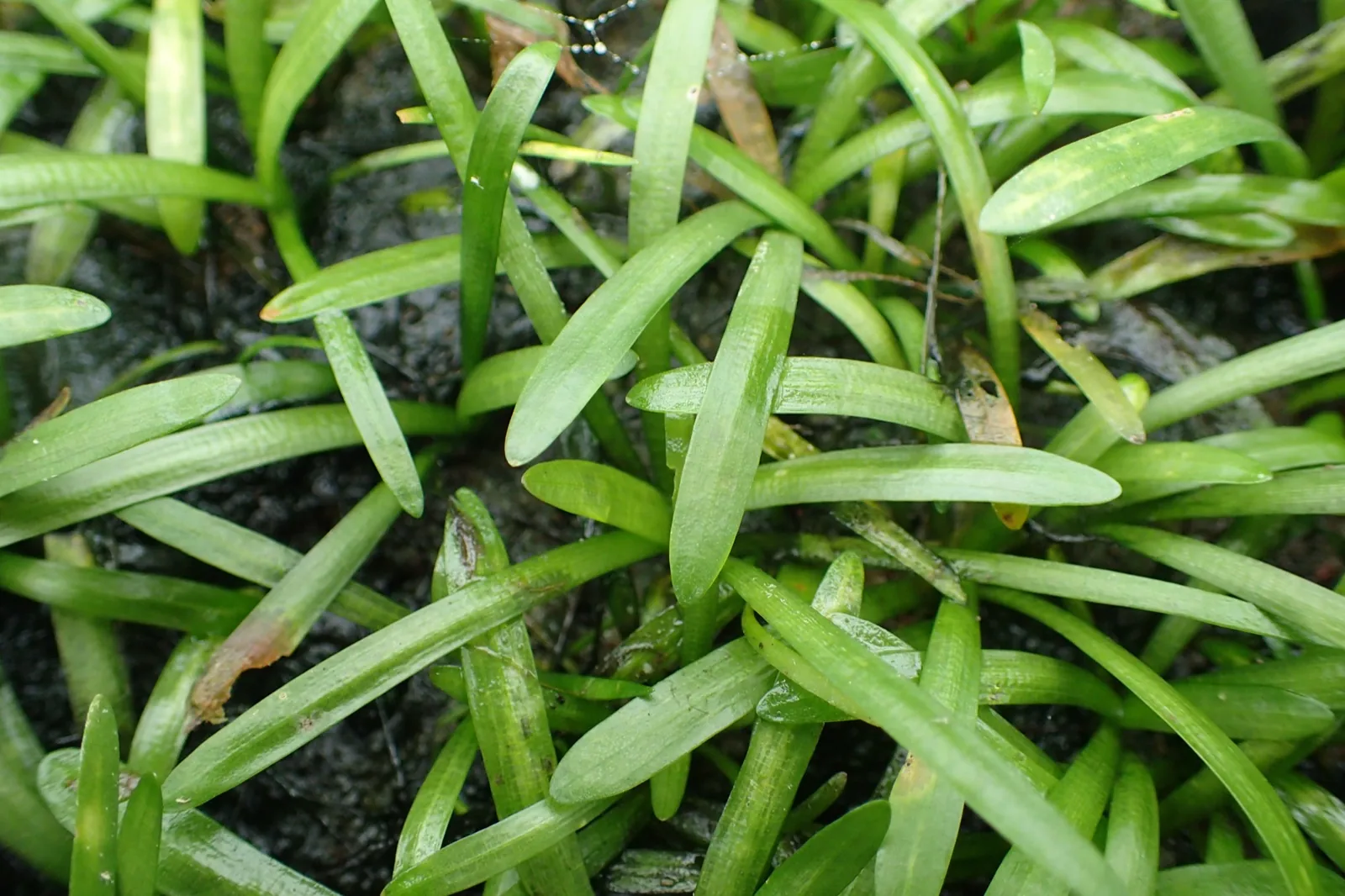
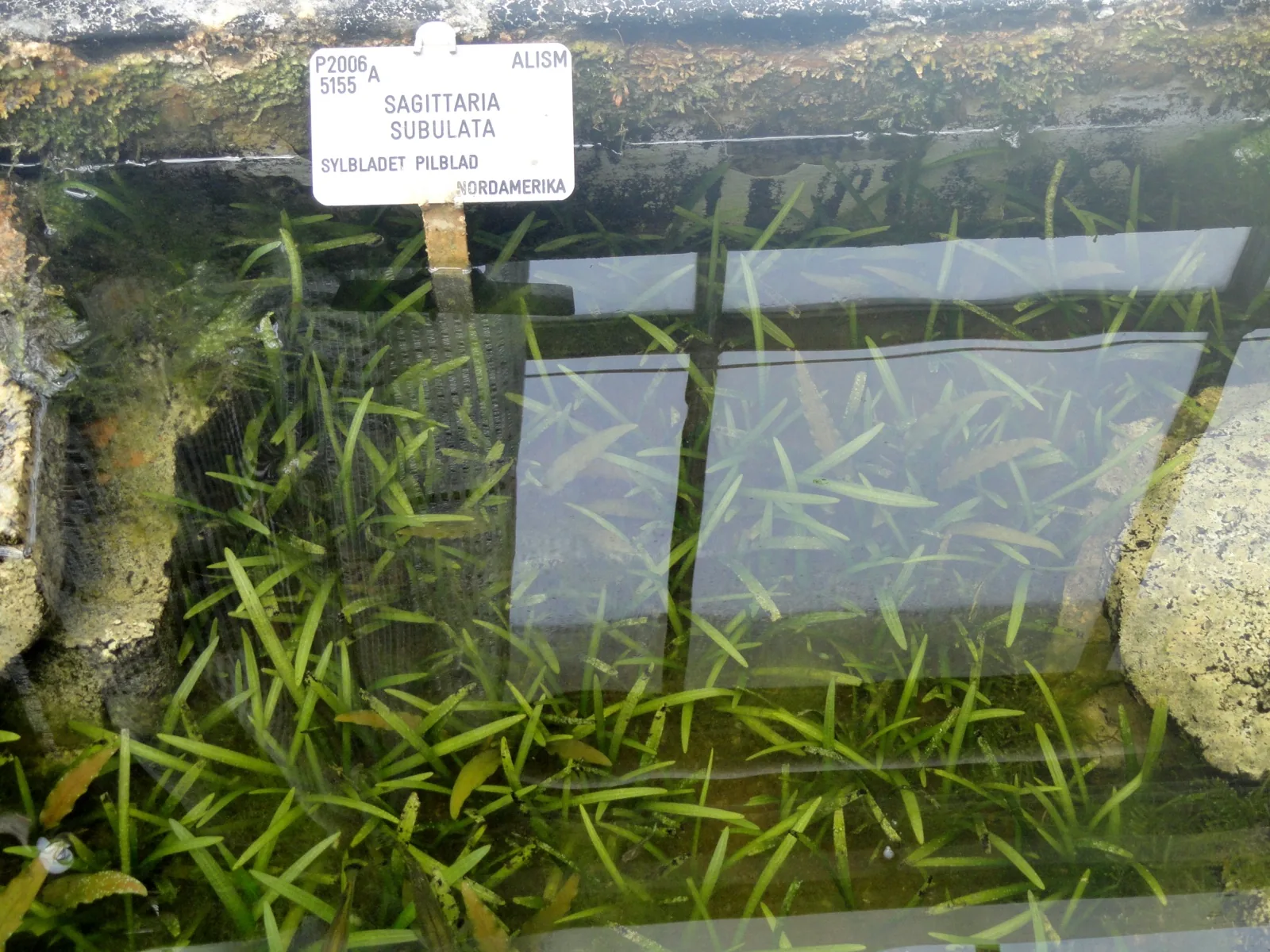
Dwarf Sagittaria (Sagittaria subulata)
Krzysztof Ziarnek, Kenraiz · CC BY-SA 4.0Source
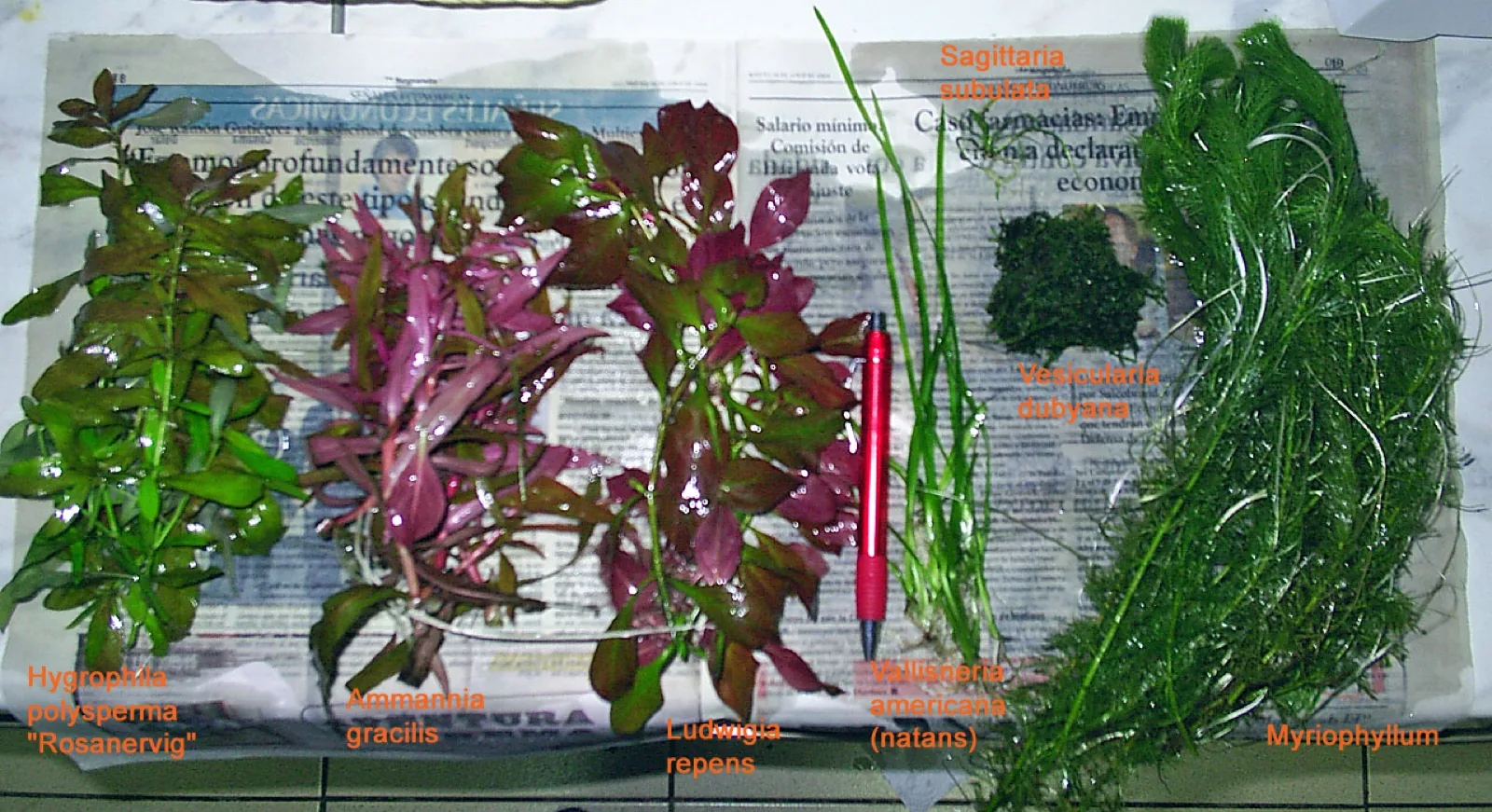
Dwarf Sagittaria (Sagittaria subulata)
Pmerino · CC BY-SA 4.0Source
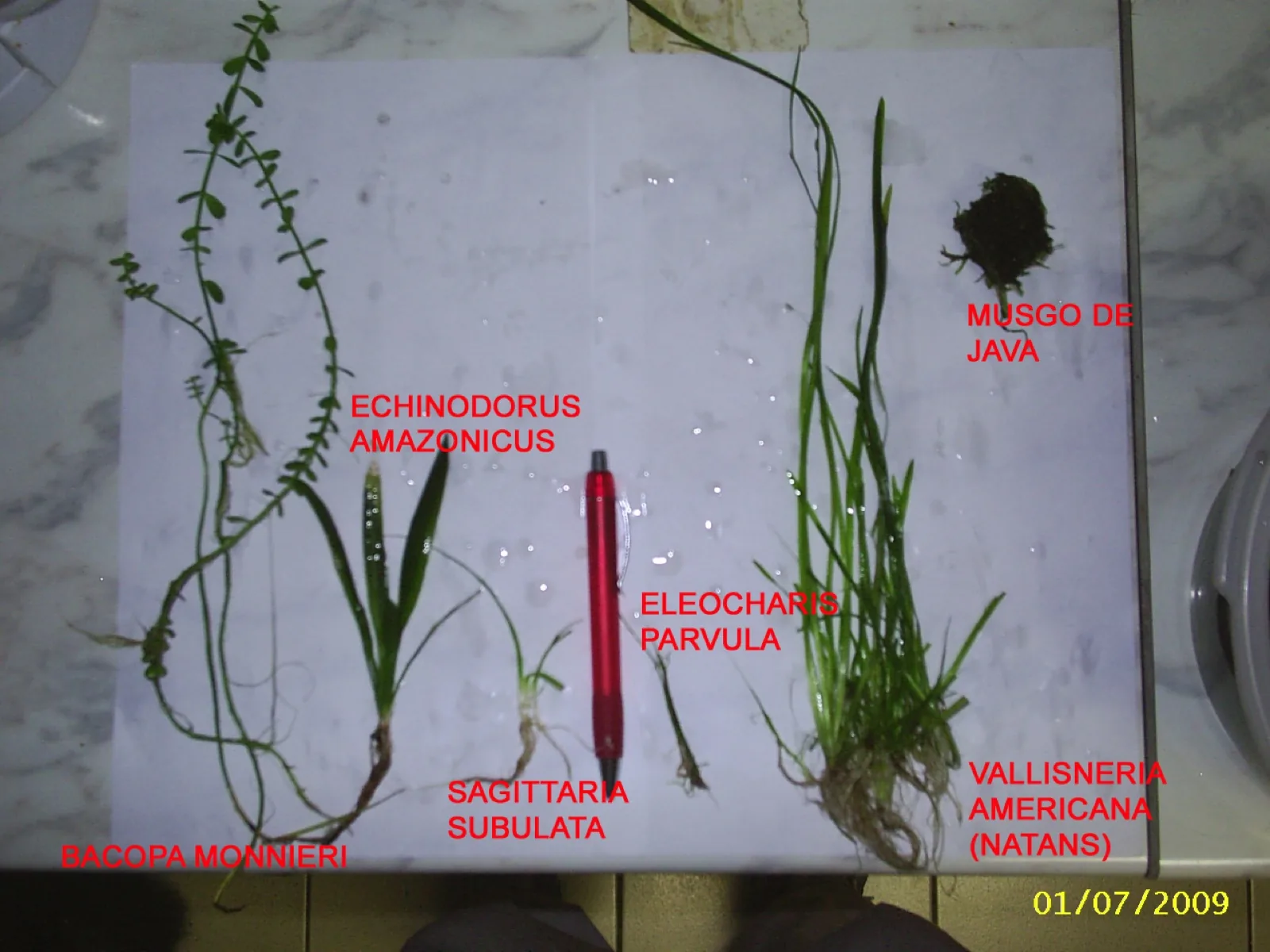
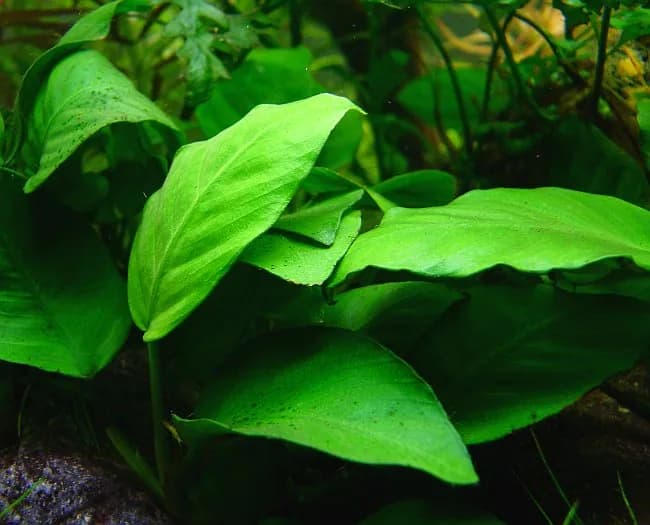
Dwarf Sagittaria (Sagittaria subulata)
Pmerino · CC BY-SA 4.0Source
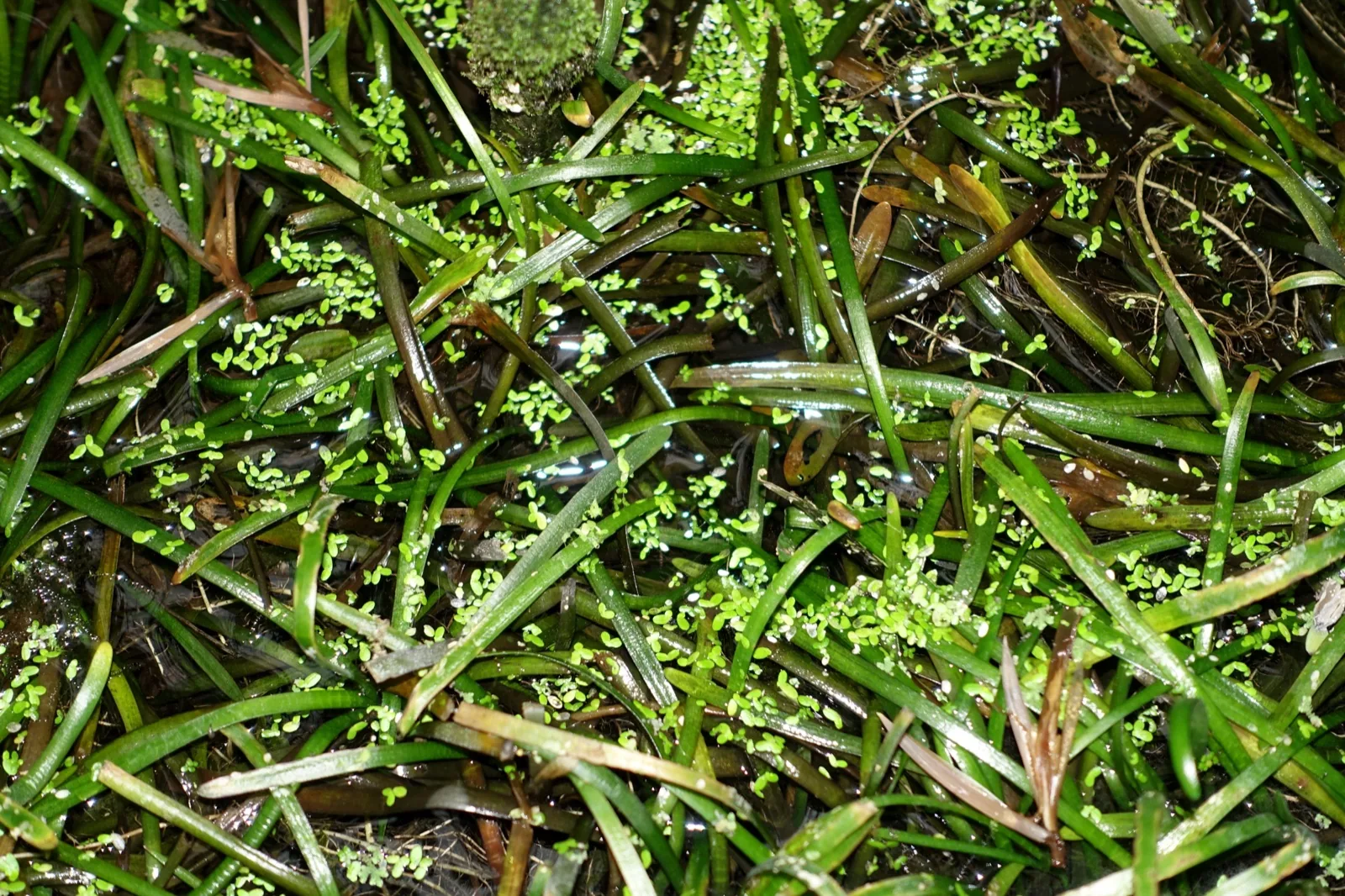
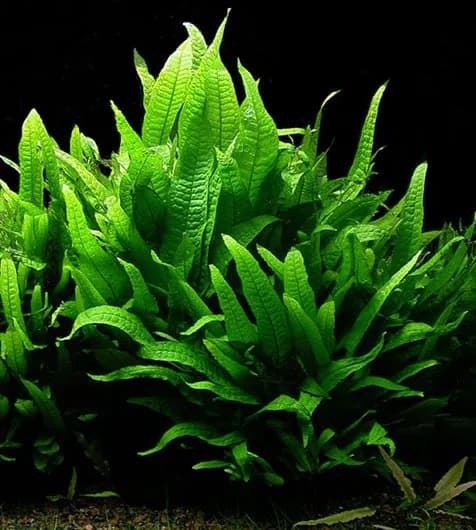
Dwarf Sagittaria (Sagittaria subulata)
Daderot · CC0Source
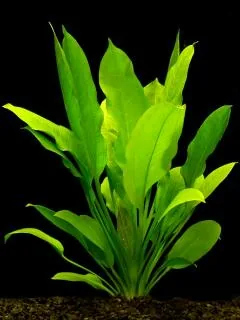
Dwarf Sagittaria (Sagittaria subulata)
Daderot · CC0Source

Hero photo by Krzysztof Ziarnek, Kenraiz · CC BY-SA 4.0 · Wikipedia

Tank fit

The parameters that decide whether dwarf sagittaria fits in your tank.

Parameters

Temperature18–28 °C
15 °C20 °C25 °C30 °C
pH6.0–8.5
4.05.06.07.08.0
Hardness5–25 dGH
0 dGH5 dGH10 dGH15 dGH20 dGH25 dGH
Height10–30 cm
020406080
LightLow to High
Low
Medium
High
CO₂Optional
None
Optional
Recommended
Required
GrowthFast
Slow
Medium
Fast
V. fast
FlowLow to High
Still
Low
Medium
High
V. high

Profile

Family

Alismataceae

Type

Rosette / Runner

Position

Midground to Background

Substrate

Sand or gravel + root tabs

Propagation

Runners

Habitat

Brackish tidal marshes of the eastern USA

Eastern USA, naturalised globally

Who it lives with

Tank-mate safety and the species this one is documented to thrive (or fail) alongside.

Pro tips

Hard-won lessons from the tank.

Plant runners deep enough to anchor but with crown above substrate (same rule as Vallisneria). New tank? Sag will melt briefly before recovering — wait it out. CANNOT TOLERATE LIQUID CARBON — same rule as Val. The Sag-or-Val choice: hard alkaline water = Sagittaria; soft acidic water = Vallisneria. Both fail in the wrong water type.

Things to watch for

What can go wrong and how to spot it.

Things to watch for

Failure modes, in order of how dramatic the fix is.

Nutrition

Common deficiencies

Yellow leaves: iron + nitrogen. Sensitive to liquid carbon (Excel/Easy Carbo) — will melt similar to Vallisneria. Never dose glutaraldehyde-based liquid carbon in tanks with Sagittaria.

Algae

Algae issues

Algae rarely attaches to actively growing Sag. Slowing growth precedes algae issues.

How to care for it

The practical routine, read top to bottom.

  1. Fertilization

    Moderate root feeder. Root tabs every 4–6 months. Iron dosing for colour. Tolerates EI dosing or minimalist fert regimes equally.

  2. Trimming

    Trim runners that escape intended planting boundary. Don't trim leaf tips — leaves die back from cut points. Remove yellowing outer leaves at the base.

Background

Where it comes from, how it behaves, and the variants you'll see at retail.

Show background

In the wild

Where it lived before it came home.

Native rangeEastern USA
Origin · Eastern USA, naturalised globally

Slow streams, ponds, and brackish estuaries along the eastern United States. Naturalized in many warm-climate regions globally. Adapted to hard alkaline water and brackish conditions in addition to fresh.

Emersed form

Stiff arrow-shaped emersed leaves (the genus name 'Sagittaria' = 'arrow' refers to emersed leaf shape). Submerged form produces strap-like narrow leaves bearing no resemblance to the emersed arrow form.

Flowering

Small white three-petalled flowers emersed; submerged plants rarely flower.

Variants & identification

The named cultivars and the lookalikes worth flagging.

Variants / cultivars

S. subulata (most common, 10–30 cm), S. graminea (taller, similar care), S. platyphylla ('Giant Sagittaria', 60 cm+). Several Echinodorus tenellus cultivars sometimes get confused.

Misidentification

Often confused with Vallisneria spiralis (similar strap-like leaves but different family). Sagittaria has narrower leaves and a more compact growth habit. The runners are visibly different — Sag's are short and stout, Val's are long and thin.

Frequently asked questions

Direct answers to the questions search engines and AI assistants surface most often about this species.

Does Dwarf Sagittaria need CO₂?

CO₂ requirement: optional. Light requirement: low to high. Under low-tech conditions the plant grows at a fast rate.

What light level does Dwarf Sagittaria need?

Dwarf Sagittaria (Sagittaria subulata) needs low to high light. Run a photoperiod of 6–8 hours; longer photoperiods invite algae unless CO₂ and dosing are dialled in.

Where should Dwarf Sagittaria be planted?

Position: midground to background. Substrate: Sand or gravel + root tabs It typically reaches 10–30 cm.

How do you propagate Dwarf Sagittaria?

Propagation method: Runners. Dwarf Sagittaria is a rosette / runner plant.

What water parameters does Dwarf Sagittaria tolerate?

Target 18–28 °C, pH 6.0–8.5, and 5–25 dGH. Flow tolerance: low to high.

Is Dwarf Sagittaria suitable for beginners?

Difficulty: 1/5. Almost unkillable, a solid first-tank choice.

Sources & further reading

Cross-references

Build the rest of the tank.

A planted tank is a system. Pair this plant with one entry from each other pillar to plan the whole scape.