Fin & Stem logo
Ghost / Glass Shrimp (Palaemonetes paludosus)
Shrimp

Ghost / Glass Shrimp

Palaemonetes paludosus

Eastern and Southern United StatesBeginner

TL;DR, Ghost / Glass Shrimp

Cheap and disposable in big pet stores but a legitimate keeper species. Larger ghost shrimp can occasionally nip small fish or other shrimp.

Ghost / Glass Shrimp (Palaemonetes paludosus) reaches 3–5 cm and needs a minimum tank of 40 L with a colony of 6+. Native to Eastern and Southern United States. Aim for 20–28 °C, pH 7.0–8.0, 5–15 dGH, and 200–400 ppm TDS. Lifespan: 1–2 years. Breeding: easy in fresh water (some sources say brackish for larvae). Diet: omnivore / scavenger, Pretty much anything, pellets, flake, blanched veg, frozen foods. Plant-safe: Yes. Tank-mates: Most community fish, semi-aggressive, may pester slower fish.

  • Colony6+
  • Plant-safeYes
  • Tank-mate safeMost community fish, semi-aggressive, may pester slower fish

Care at a glance

Cheap and disposable in big pet stores but a legitimate keeper species. Larger ghost shrimp can occasionally nip small fish or other shrimp.

By Updated 2 min read

Part of our complete freshwater shrimp guide.

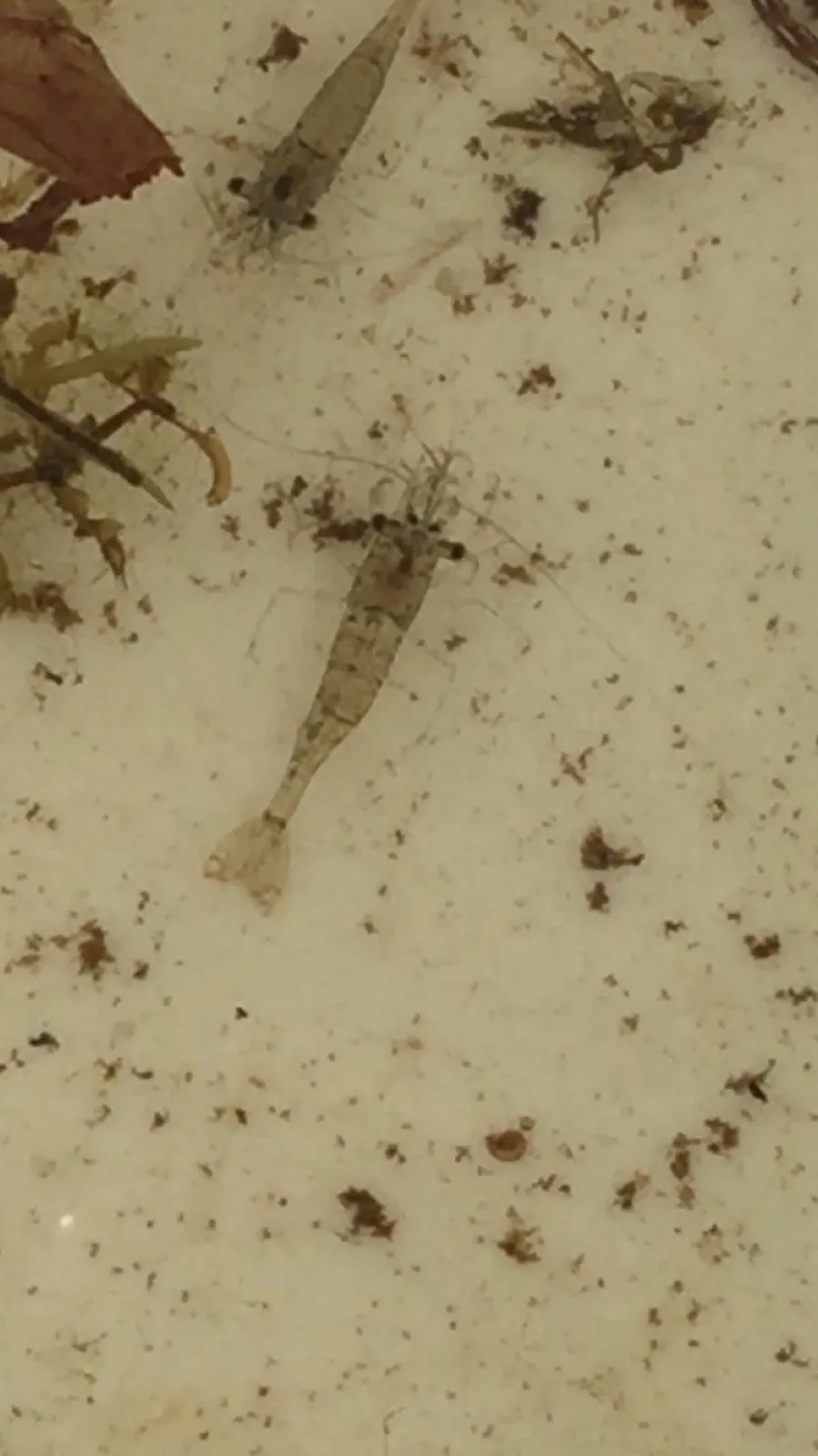
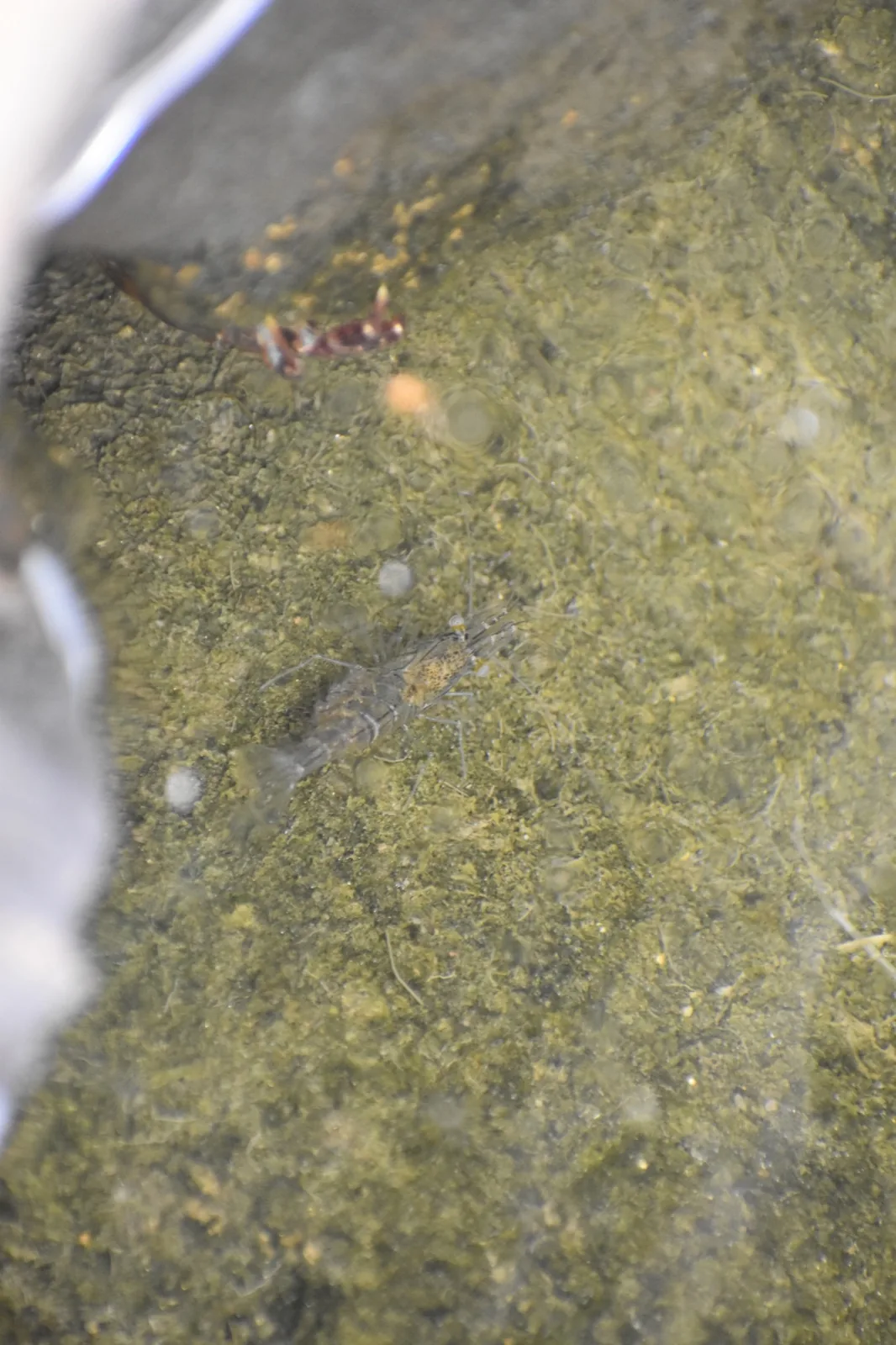
Ghost / Glass Shrimp (Palaemonetes paludosus)
no rights reserved · CC0Source
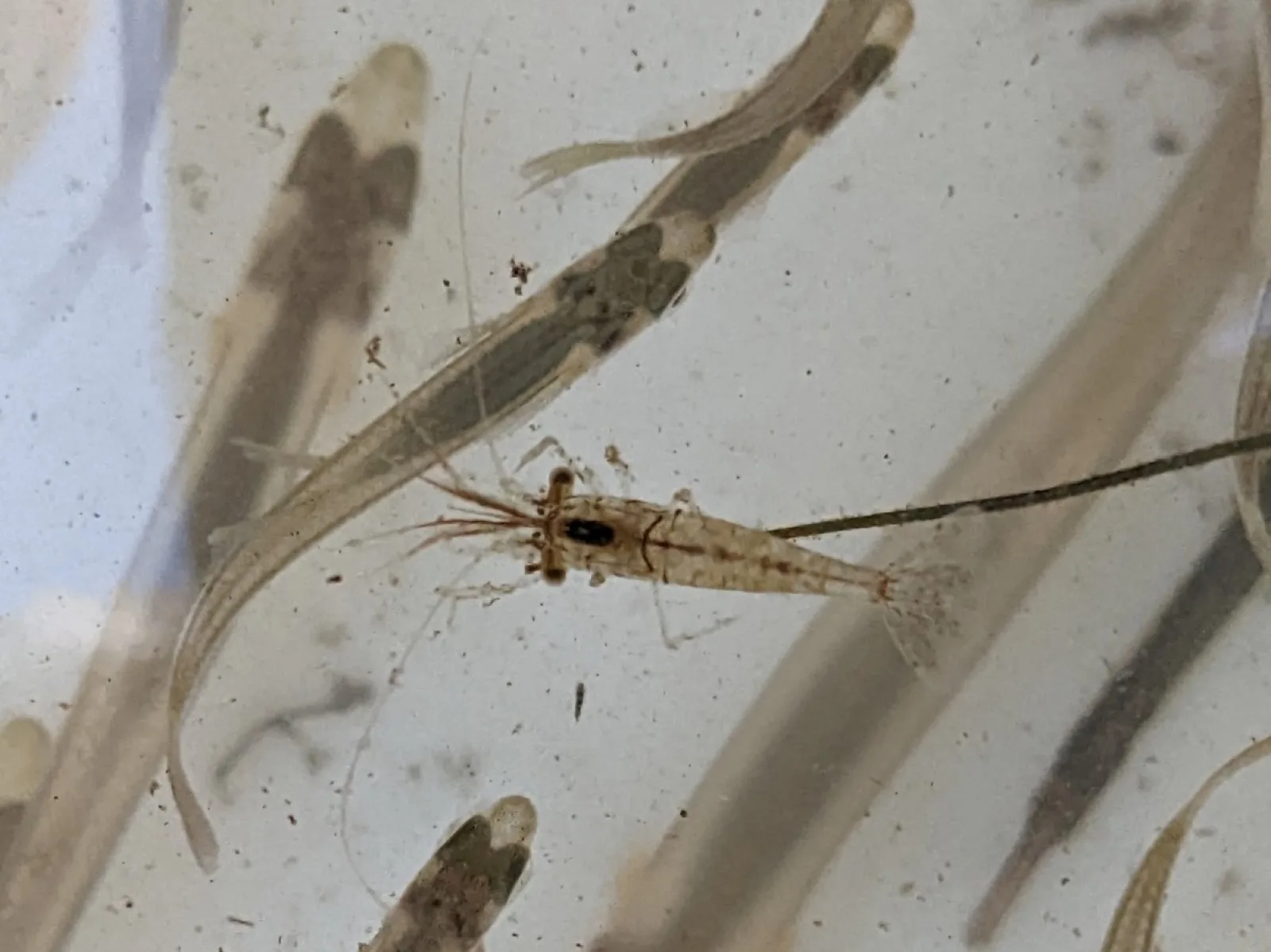
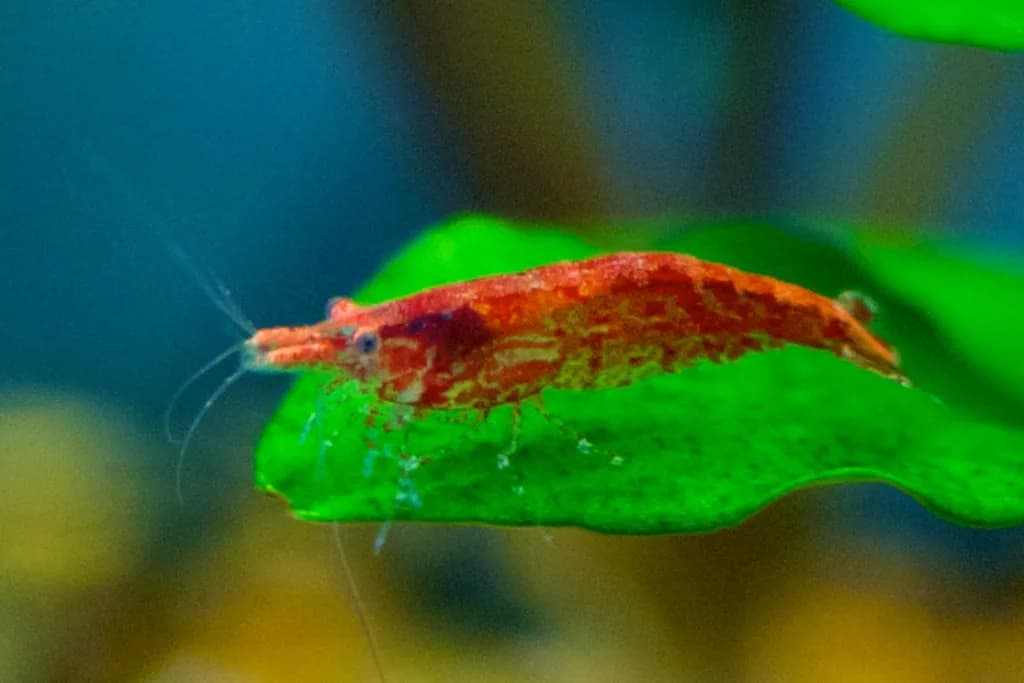
Ghost / Glass Shrimp (Palaemonetes paludosus)
Kailey Alderfer · CC BY 4.0Source
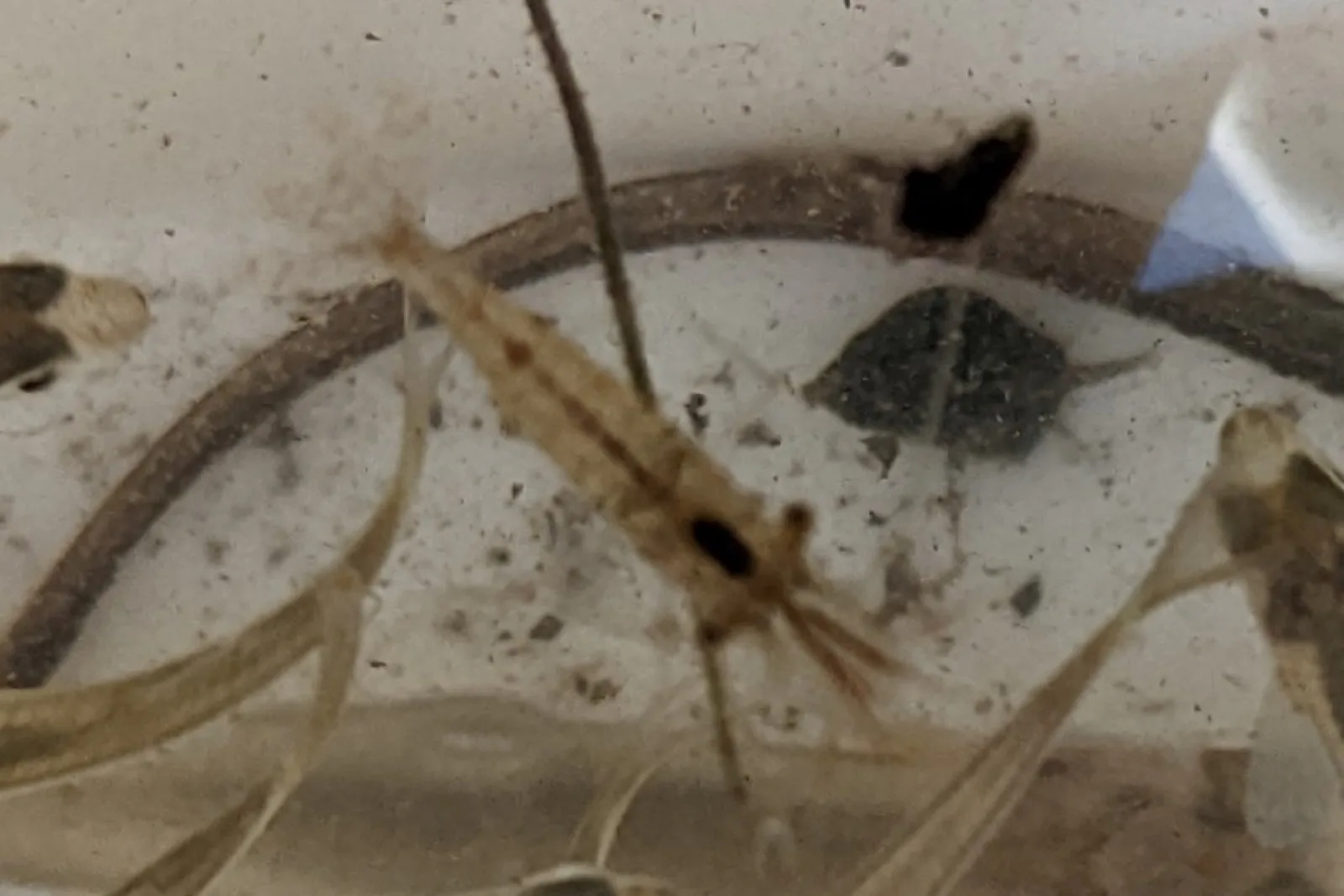
Ghost / Glass Shrimp (Palaemonetes paludosus)
Kailey Alderfer · CC BY 4.0Source
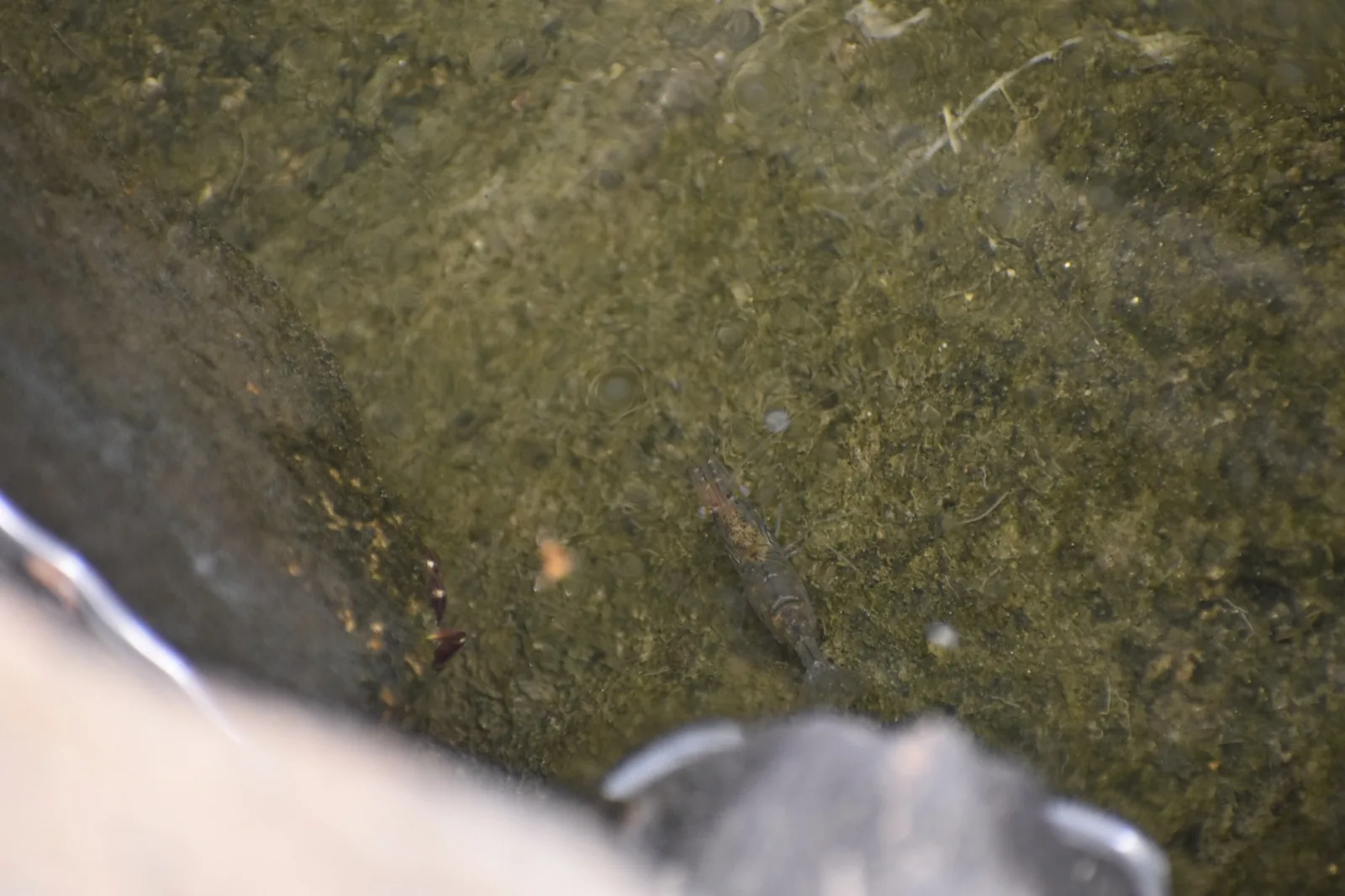
Ghost / Glass Shrimp (Palaemonetes paludosus)
Bobby McCabe · CC BY 4.0Source
Ghost / Glass Shrimp (Palaemonetes paludosus)
Bobby McCabe · CC BY 4.0Source

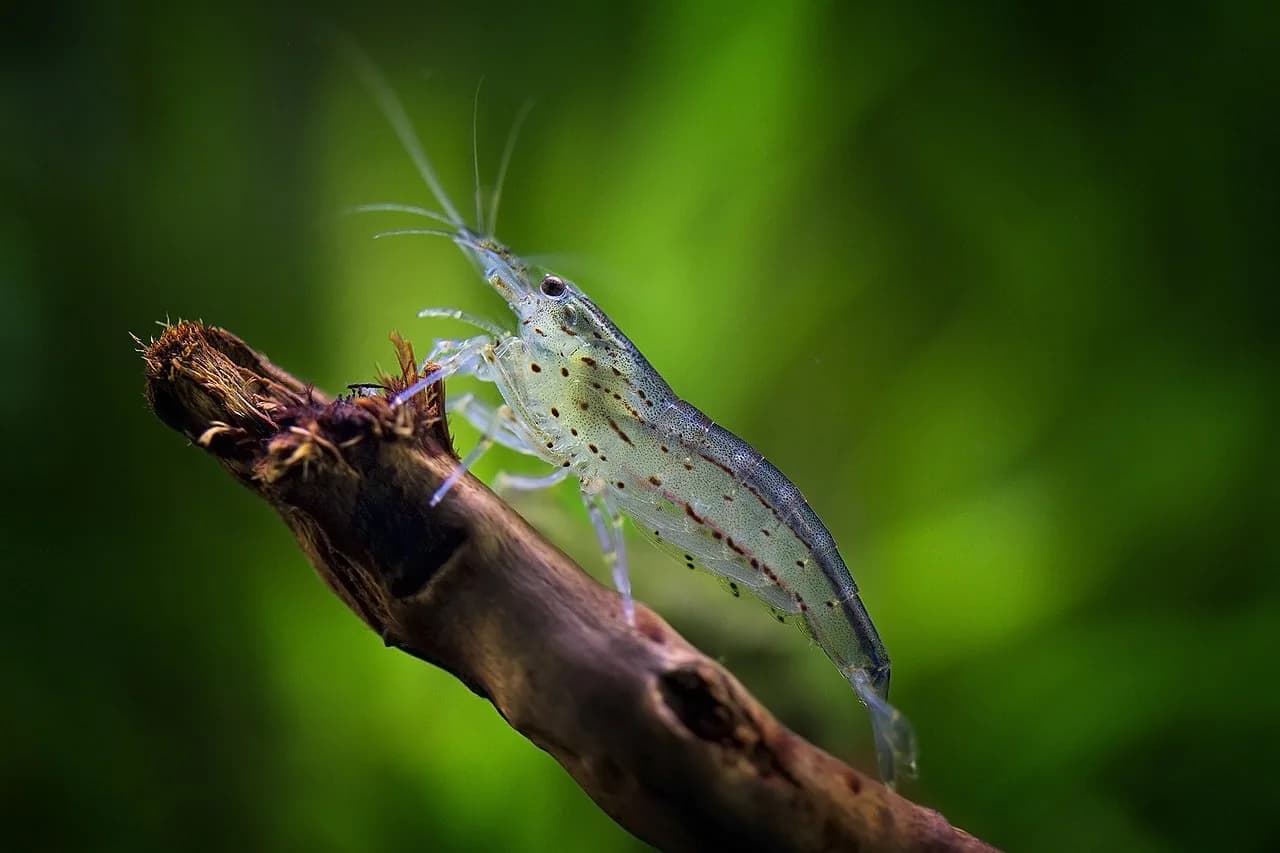
Hero photo by Enziarro / Joseph Stansbury Rosin · Public domain · Wikipedia

Tank fit

The parameters that decide whether ghost / glass shrimp fits in your tank.

Parameters

Temperature20–28 °C
15 °C20 °C25 °C30 °C
pH7.0–8.0
4.05.06.07.08.0
Hardness5–15 dGH
0 dGH5 dGH10 dGH15 dGH20 dGH25 dGH
Adult size3–5 cm
035810
TDS200–400 ppm
50 ppm150 ppm250 ppm350 ppm500 ppm
FlowLow to Medium
Still
Low
Medium
High
V. high

Profile

Colony minimum

6+

Diet

Omnivore / scavenger

Pretty much anything, pellets, flake, blanched veg, frozen foods.

Clean-up crew
Light help
Breeding

Easy in fresh water (some sources say brackish for larvae)

Lifespan

1–2 yrs

Habitat

Vegetated rivers and lakes of the southern USA

Eastern and Southern United States

Who it lives with

Tank-mate safety and the species this one is documented to thrive (or fail) alongside.

Good tank mates

Most community fish (they're 3–5 cm). Other ghost shrimp.

Avoid

Large cichlids, predatory fish. Avoid mixing with small Neocaridina — ghost shrimp are slightly territorial and bigger.

See full compatibility cross-reference

Pro tips

Hard-won lessons from the tank.

Hand-pick from the store tank — choose lively, full-bodied individuals. Avoid any that look milky or have a 'cottony' growth. They're underrated display shrimp once acclimated and fed properly. Will eat small fish in extreme cases (uneaten food preferred).

Things to watch for

What can go wrong and how to spot it.

Things to watch for

Failure modes, in order of how dramatic the fix is.

Health

Diseases

Robust. Usually arrive in mass-bred feeder bags in chain stores — many are stressed, weak, and die in week 1. Quality cherry-picked specimens are very hardy.

Common mistakes

Common mistakes

1) Buying 'feeder' ghost shrimp expecting them to live — most are wholesale-stressed and weak. 2) Assuming they're shrimp-tank-only — they handle community tanks fine. 3) Underestimating their size potential — adult females reach 5 cm.

How to care for it

The practical routine, read top to bottom.

  1. Tank setup

    40 L+. Tolerates wider parameters than dwarf shrimp. Otherwise standard shrimp setup.

Background

Where it comes from, how it behaves, and the variants you'll see at retail.

Show background

In the wild

Where it lived before it came home.

Native rangeEastern USA
Origin · Eastern and Southern United States

Freshwater swamps, rivers, and lakes across the southeastern and eastern United States. Often in brackish estuaries too.

Behavior & breeding

How they pair, reproduce, and grow.

  1. Stage 1
    Telling them apart

    Sexing

    Females larger, fuller-bodied, may show green or yellow saddle/eggs. Males slimmer.

  2. Stage 2
    Molting cycle

    Molting

    Every 4–6 weeks.

  3. Stage 3
    Life stages

    Lifecycle

    Mixed literature: some sources report direct freshwater development; others report larval phase requiring brackish. P. paludosus appears to be one of the few palaemonid species that completes its lifecycle entirely in fresh water.

Variants & identification

The named cultivars and the lookalikes worth flagging.

Color grades / variants

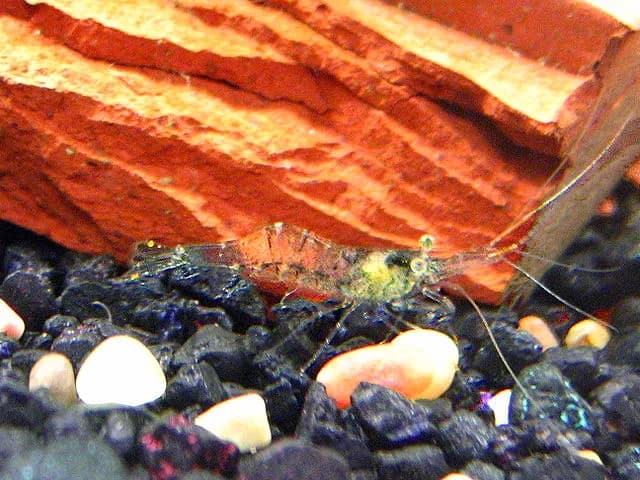
No grading — transparent body with some opaque internal organs visible. Females may carry green eggs visibly. Pregnant females are extremely photogenic.

Frequently asked questions

Direct answers to the questions search engines and AI assistants surface most often about this species.

What tank size do Ghost / Glass Shrimp need?

Minimum tank: 40 L with a colony of 6+. Ghost / Glass Shrimp (Palaemonetes paludosus) reach 3–5 cm as adults.

What water parameters do Ghost / Glass Shrimp need?

Target 20–28 °C, pH 7.0–8.0, 5–15 dGH, and 200–400 ppm TDS. Mature, cycled, low-nitrate water is non-negotiable.

Are Ghost / Glass Shrimp safe with fish?

Tank-mate notes: Most community fish, semi-aggressive, may pester slower fish. Plant safety: Yes.

How do Ghost / Glass Shrimp breed?

Breeding: Easy in fresh water (some sources say brackish for larvae). In a stable colony of 6+ adults you will see berried females naturally once parameters and food are right.

What do Ghost / Glass Shrimp eat?

Diet: omnivore / scavenger, Pretty much anything, pellets, flake, blanched veg, frozen foods. Algae-eating rating: 2/5.

How long do Ghost / Glass Shrimp live?

Typical lifespan: 1–2 years.

Sources & further reading

Cross-references

Build the rest of the tank.

A planted tank is a system. Pair this shrimp with one entry from each other pillar to plan the whole scape.