Fin & Stem logo
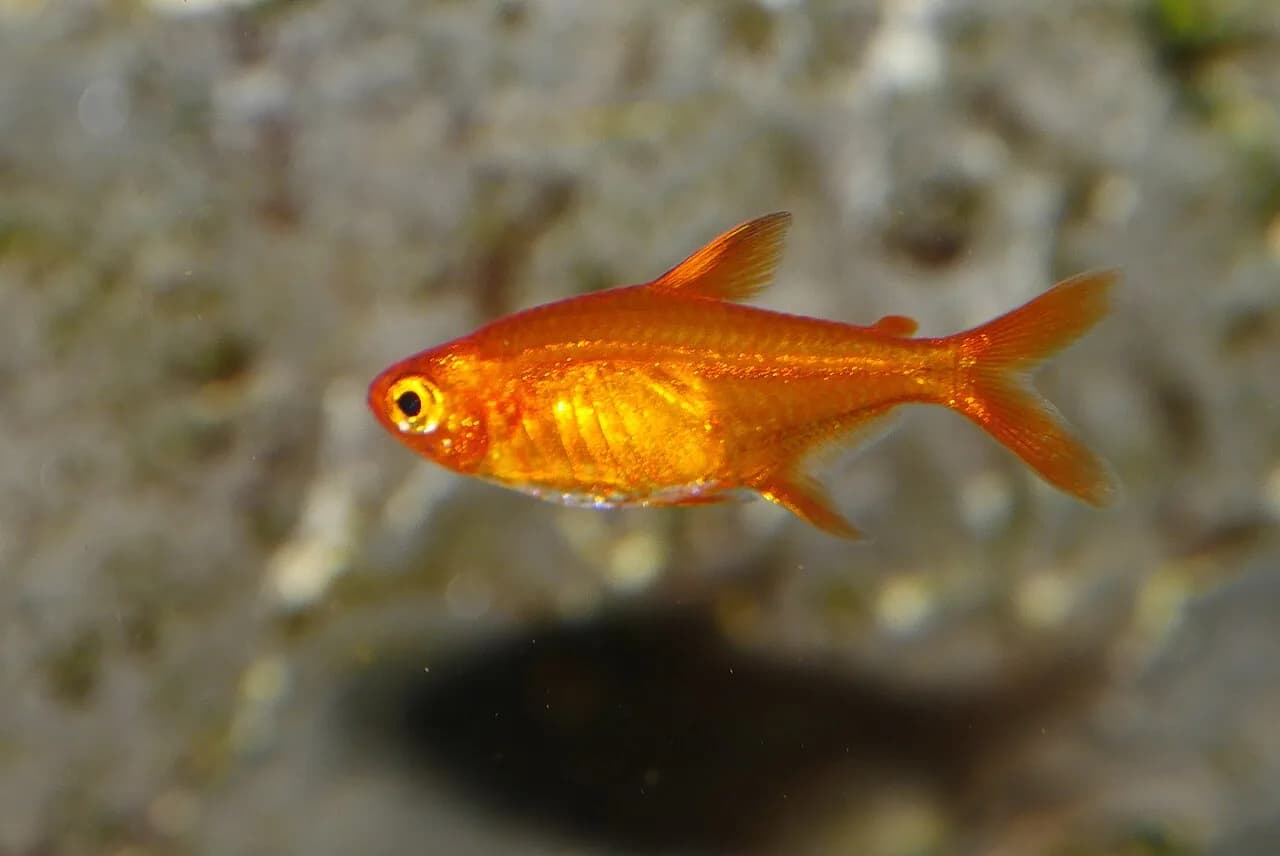
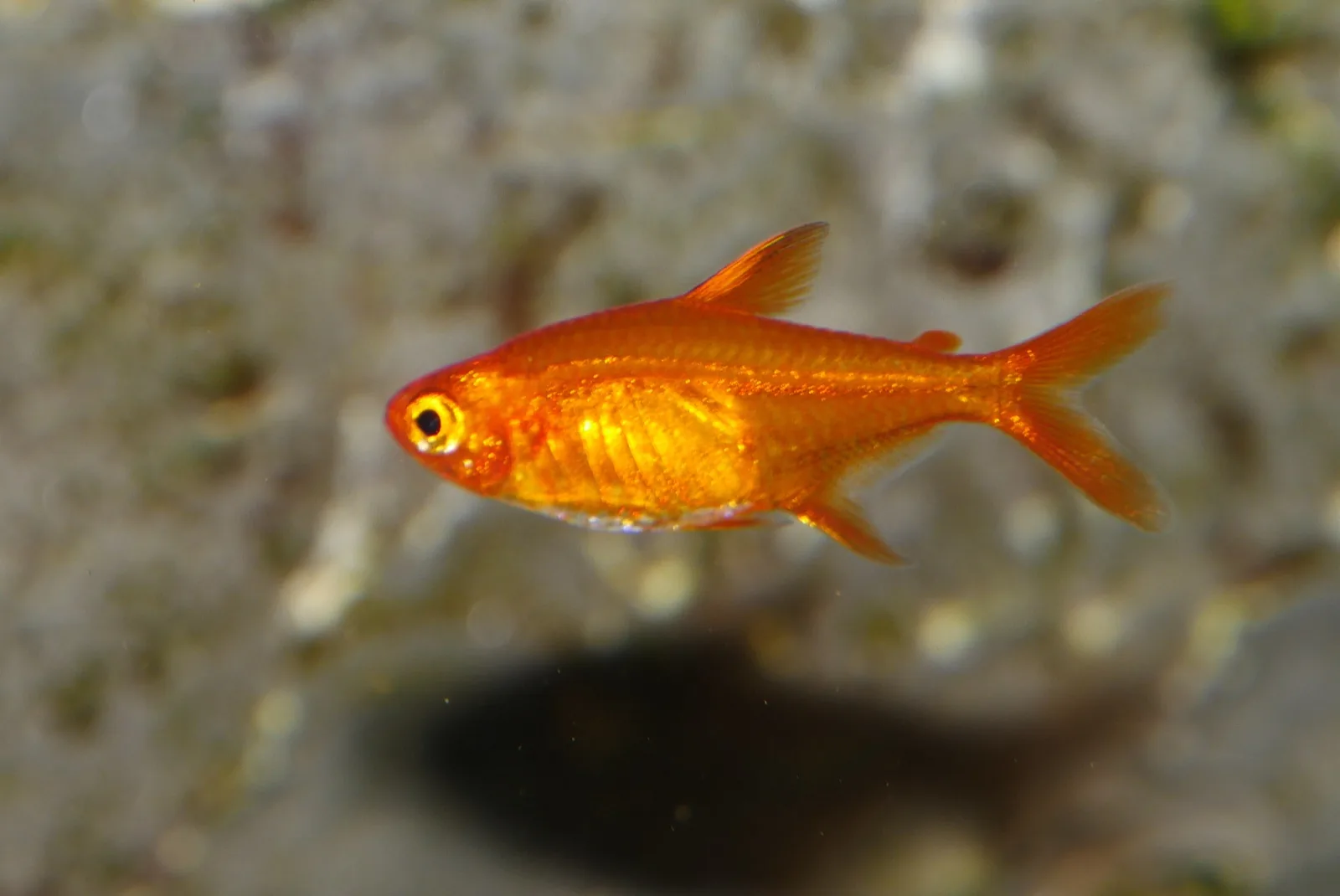
Ember Tetra (Hyphessobrycon amandae)
Fish

Ember Tetra

Hyphessobrycon amandae

Rio das Mortes basin, BrazilEasy

TL;DR, Ember Tetra

Excellent nano-tank fish. Glowing orange colour pops against green plants and dark wood. Tolerates a wide pH range once acclimated.

Ember Tetra (Hyphessobrycon amandae) reaches 2 cm as an adult and needs a minimum tank of 40 L. Native to Rio das Mortes basin, Brazil, it lives in the mid water column with a peaceful temperament. Aim for 23–29 °C, pH 5.5–7.0, and 1–10 dGH hardness. Lifespan is 2–4 years with good care. Keep ember tetra in groups of 8+, yes schoolers need numbers to display natural behaviour. Diet: omnivore, Micro pellets, crushed flake, baby brine shrimp. Small mouth, keep food fine. Plant-safe: Yes. Shrimp-safe: Yes (adults safe with adult shrimp).

  • Min tank40 L
  • TemperamentPeaceful
  • Plant-safeYes
  • Shrimp-safeYes (adults safe with adult shrimp)
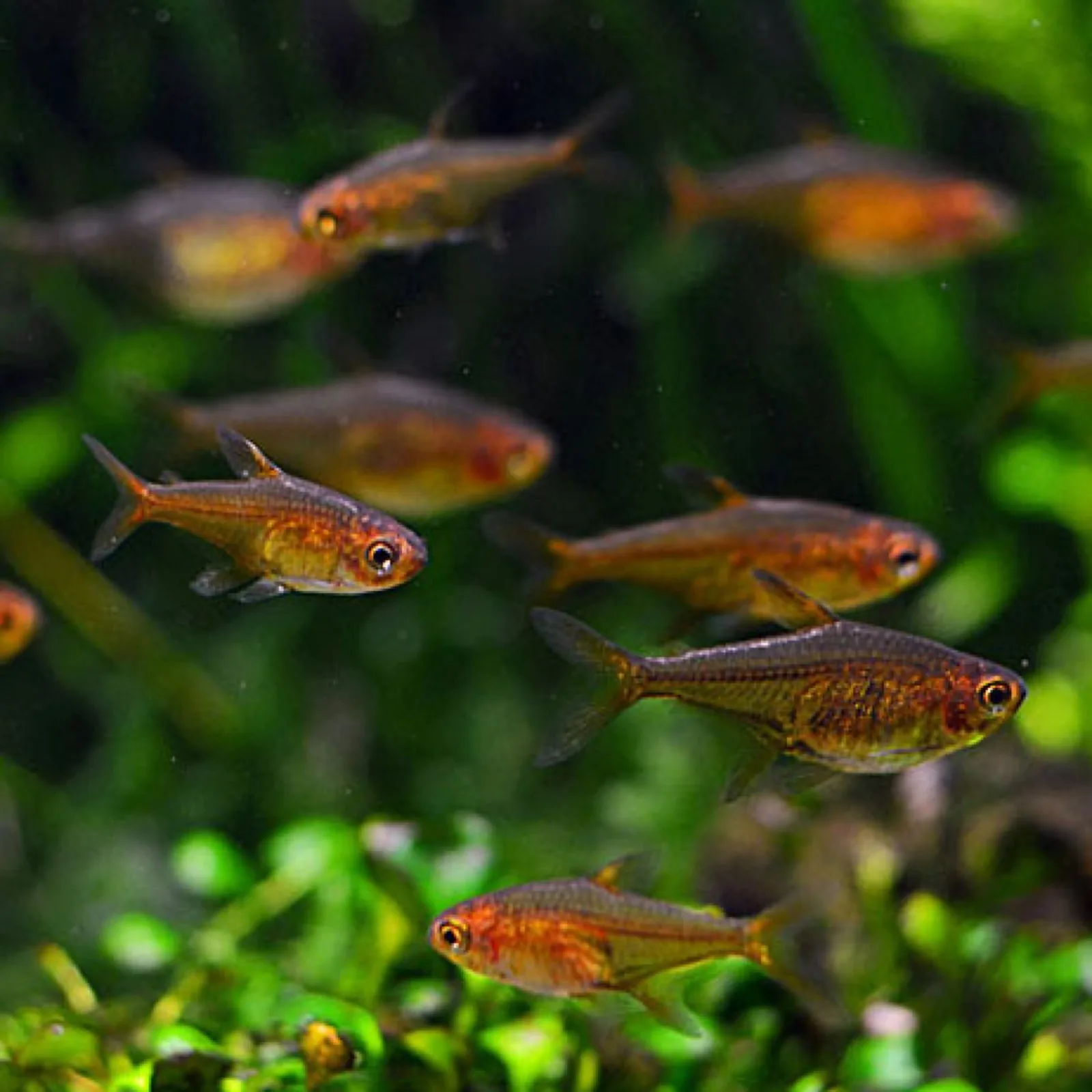
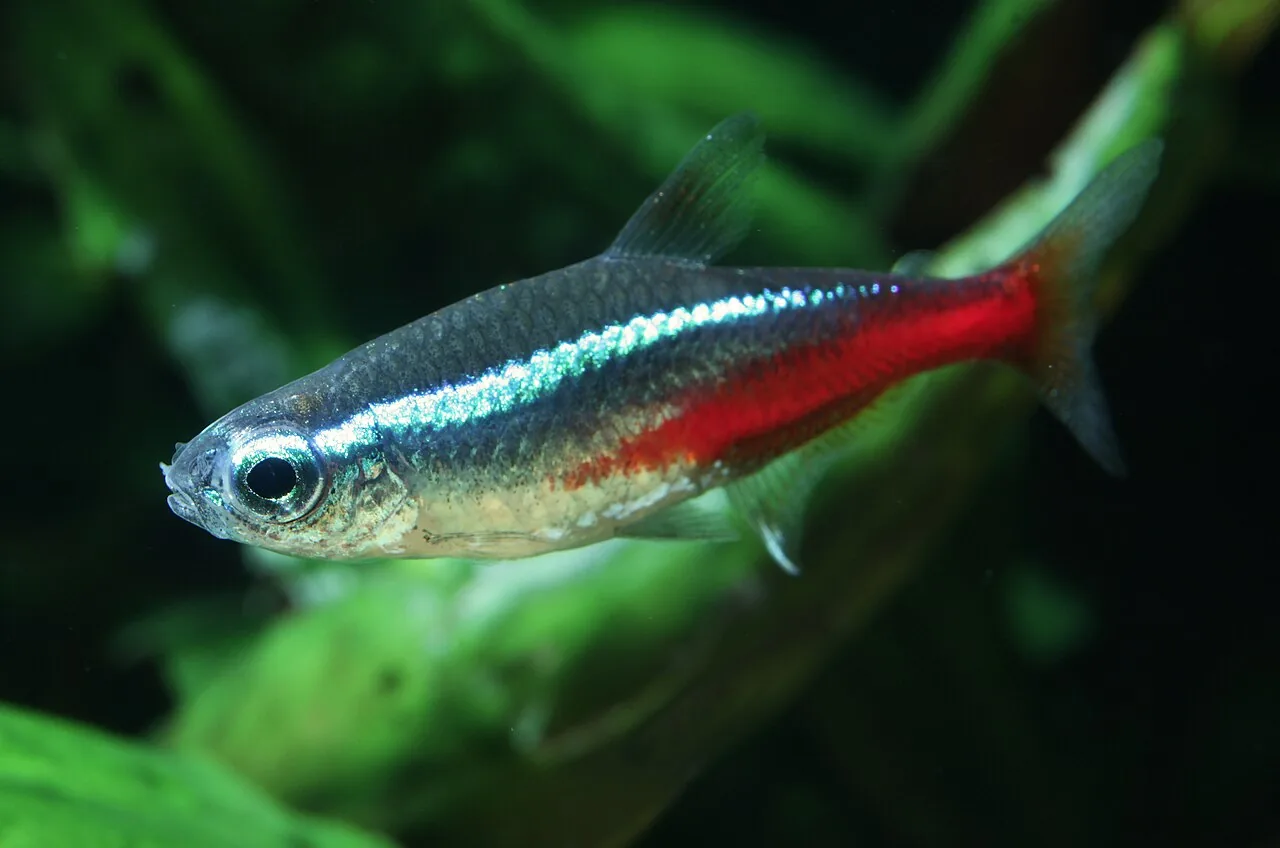
Ember Tetra (Hyphessobrycon amandae)
Klaus Rudloff · CC BY-SA 4.0Source
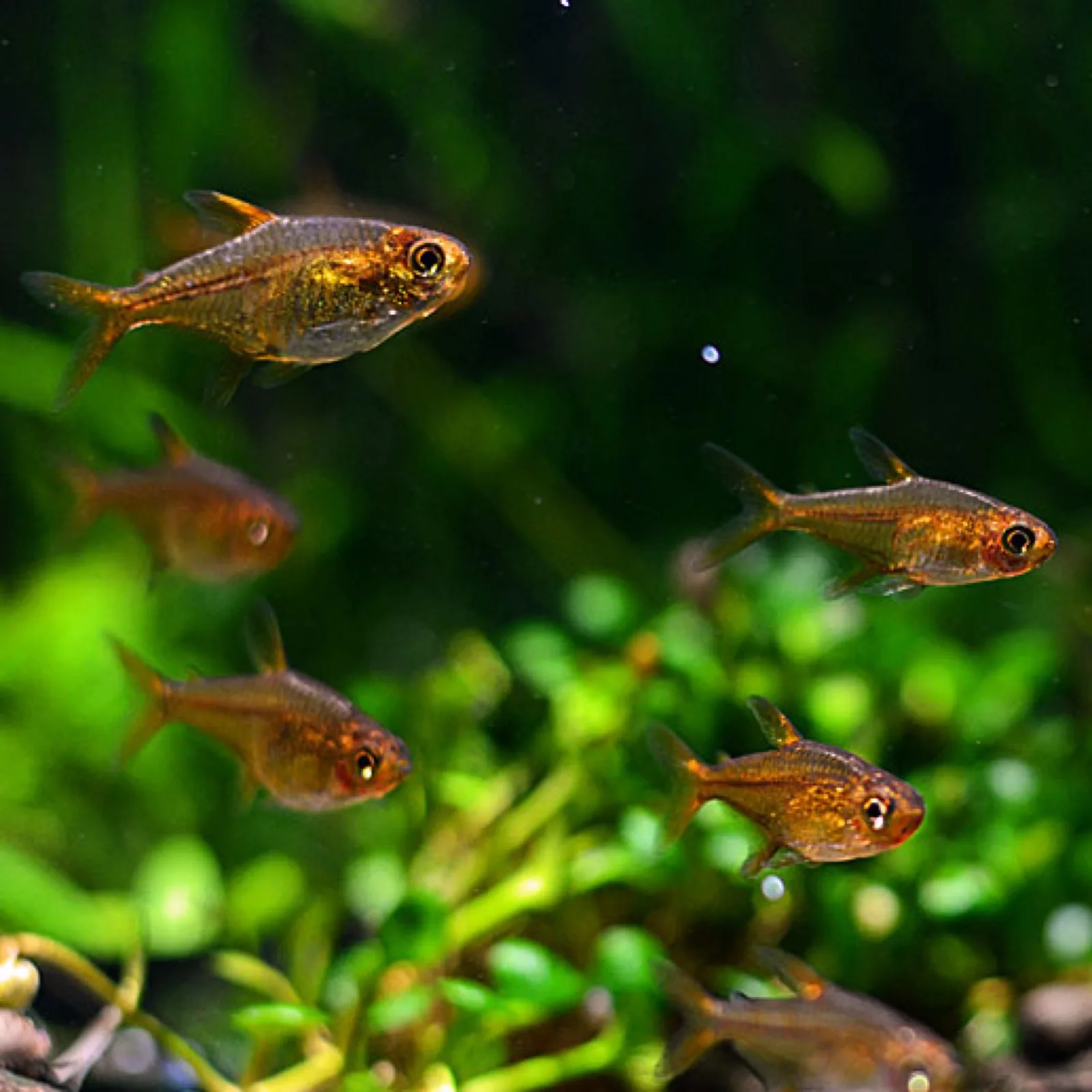
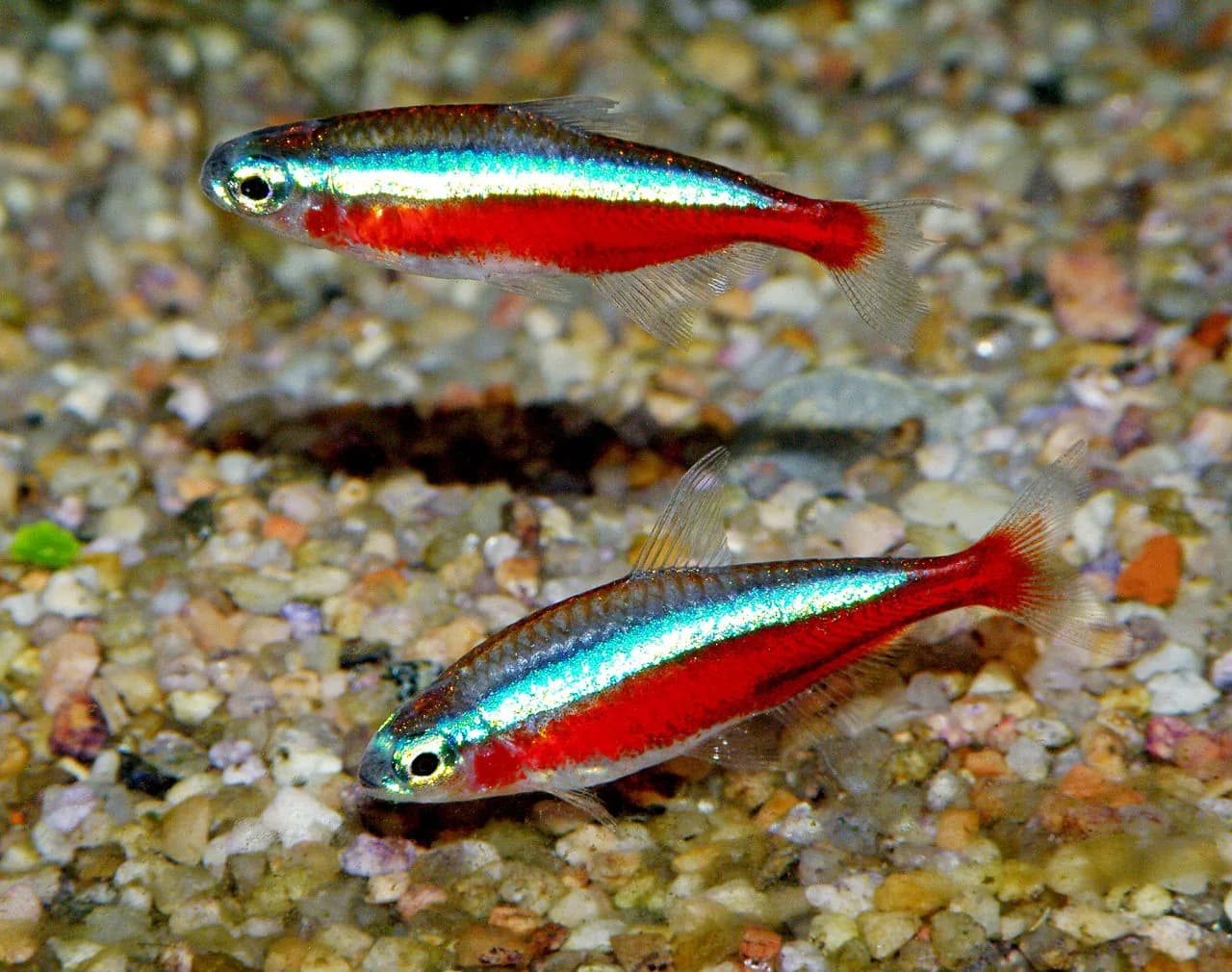
Ember Tetra (Hyphessobrycon amandae)
Gordon Axmann · CC BY-SA 3.0Source
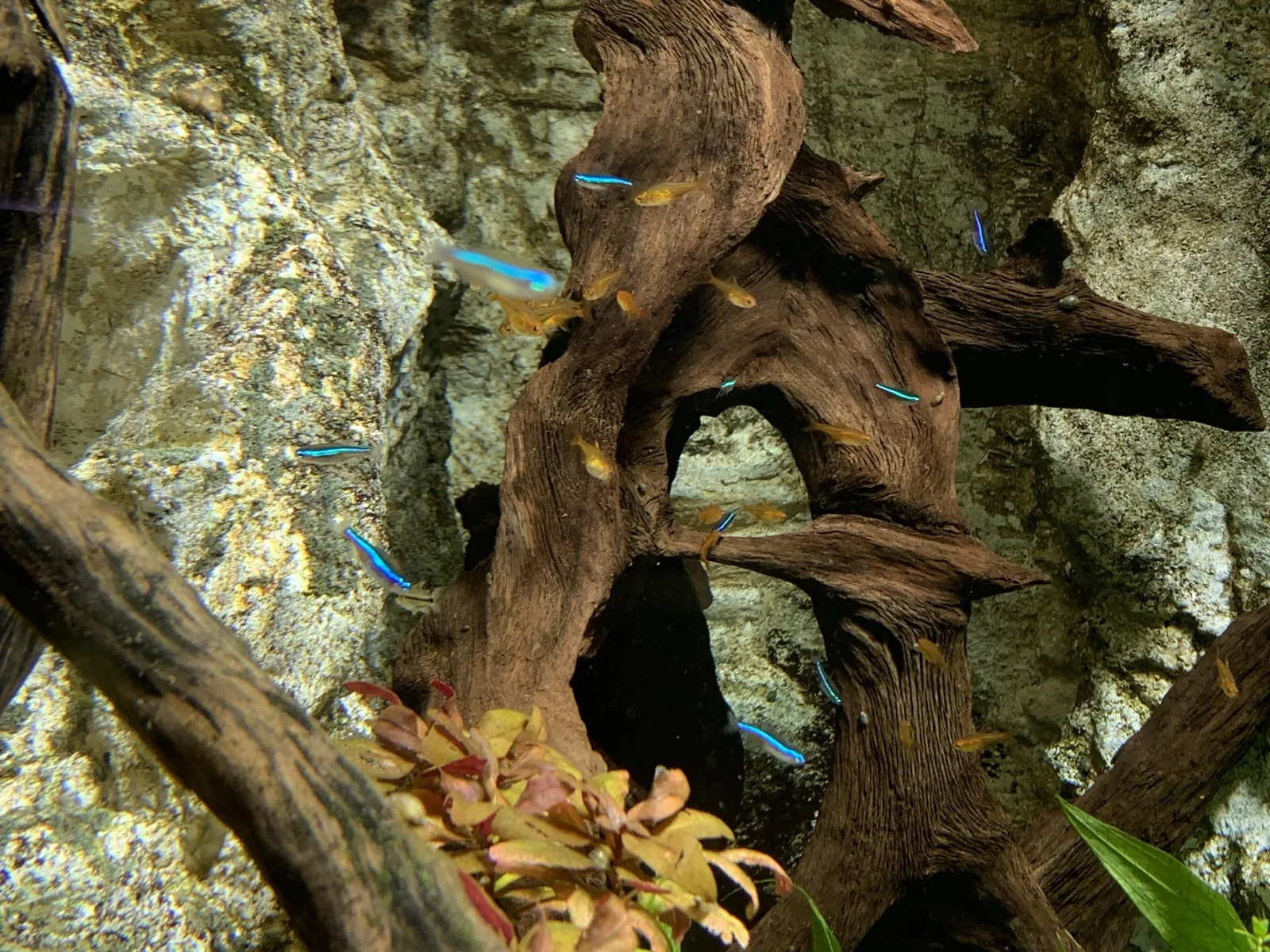
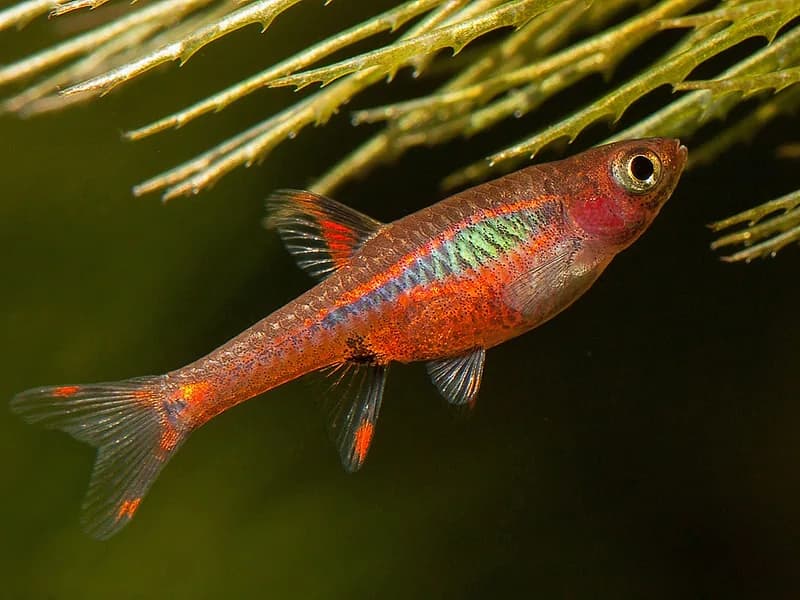
Ember Tetra (Hyphessobrycon amandae)
Gordon Axmann · CC BY-SA 3.0Source
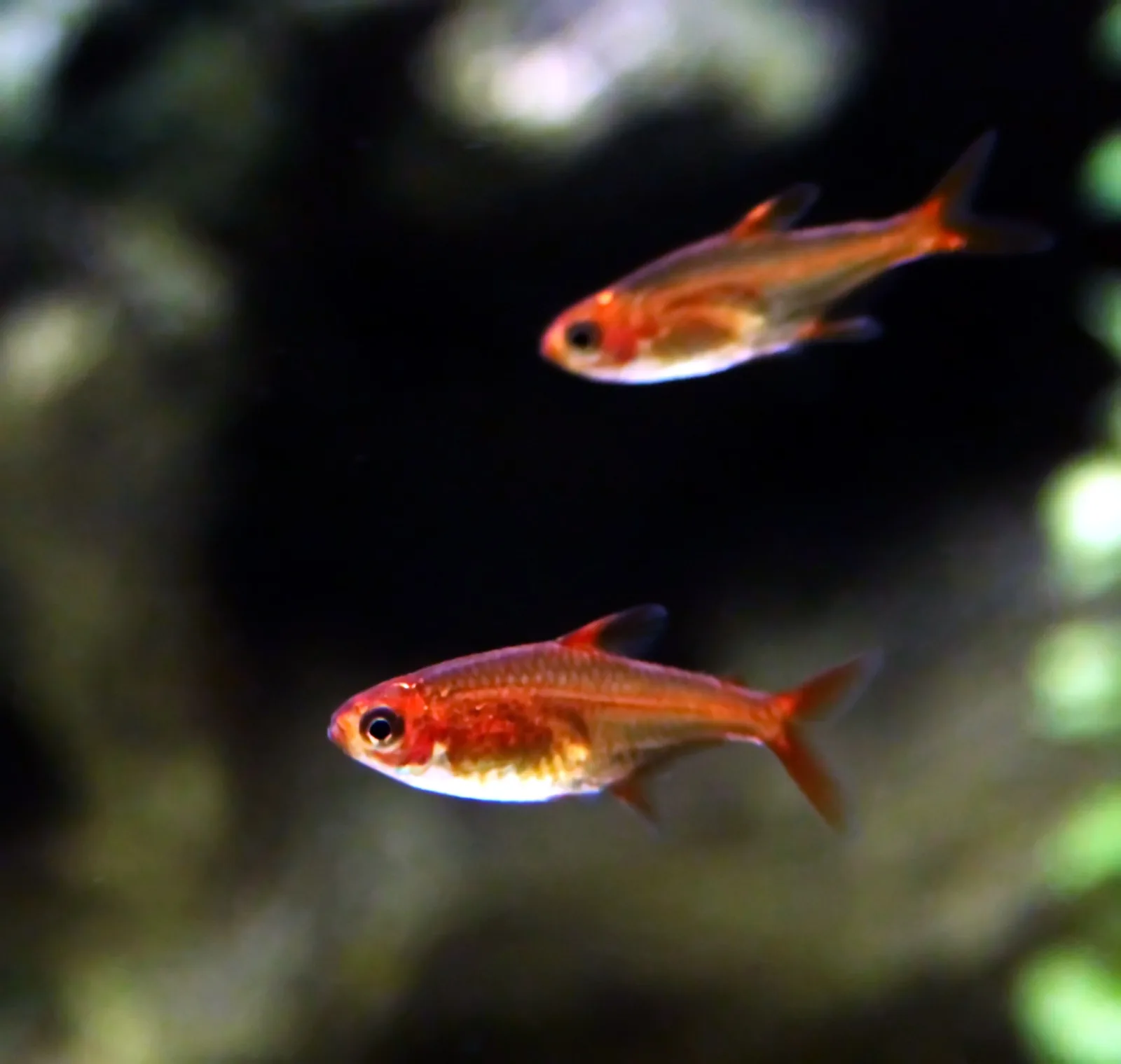
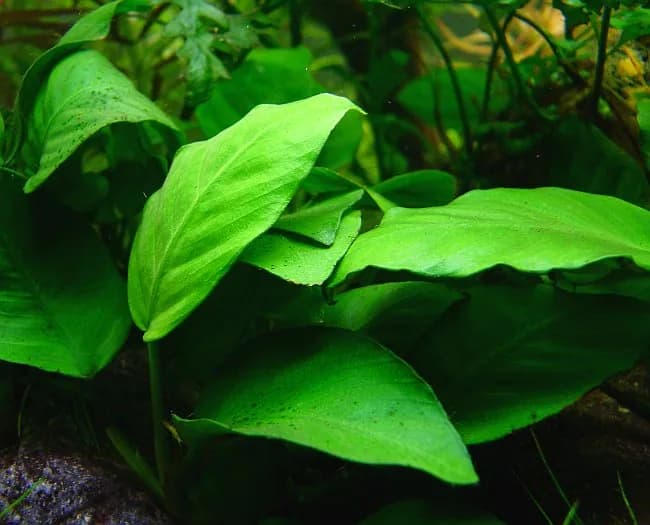
Ember Tetra (Hyphessobrycon amandae)
Chabe01 · CC BY-SA 4.0Source
Ember Tetra (Hyphessobrycon amandae)
Usien · CC BY 3.0Source

Hero photo by Klaus Rudloff · CC BY-SA 4.0 · Wikipedia

Tank fit

The parameters that decide whether ember tetra fits in your tank.

Parameters

Temperature23–29 °C
15 °C20 °C25 °C30 °C
pH5.5–7.0
4.05.06.07.08.0
Hardness1–10 dGH
0 dGH5 dGH10 dGH15 dGH20 dGH25 dGH
Adult size2 cm
0481115
Water column

Mid

Schooling

Yes

Group of 8+

FlowLow
Still
Low
Medium
High
V. high

Profile

Family

Characidae

Diet

Omnivore

Micro pellets, crushed flake, baby brine shrimp. Small mouth, keep food fine.

Lifespan

2–4 yrs

Breeding

Medium

Habitat

Quiet leaf-littered forest pools of the Araguaia basin

Rio das Mortes basin, Brazil

Who it lives with

Tank-mate safety and the species this one is documented to thrive (or fail) alongside.

Good tank mates

Chili rasboras, celestial pearl danios, pygmy corydoras, cherry shrimp (adults), sparkling gouramis. Most peaceful nano species.

Avoid

Anything large enough to eat them (~6 cm+). Fin-nippers like tiger barbs.

See full compatibility cross-reference

Pro tips

Hard-won lessons from the tank.

Colour pops most against black substrate, dark wood, and dim warm lighting. Feed colour-enhancing foods (krill, paprika-based) to maintain saturation. A group of 12+ in a 40 L tank looks better than 6 in a 75 L.

Etymology

Species 'amandae' honours Amanda Bleher, mother of Heiko Bleher (who collected the type specimens).

Things to watch for

What can go wrong and how to spot it.

Things to watch for

Failure modes, in order of how dramatic the fix is.

Health

Common diseases

Hardy when acclimated. Watch for stress-induced ich after transport.

Often wrong

Misconceptions

Often mistaken for 'orange neons' — they're a different genus (Hyphessobrycon). The colour is fluorescent orange-red rather than gem-toned.

How to care for it

The practical routine, read top to bottom.

  1. Tank setup

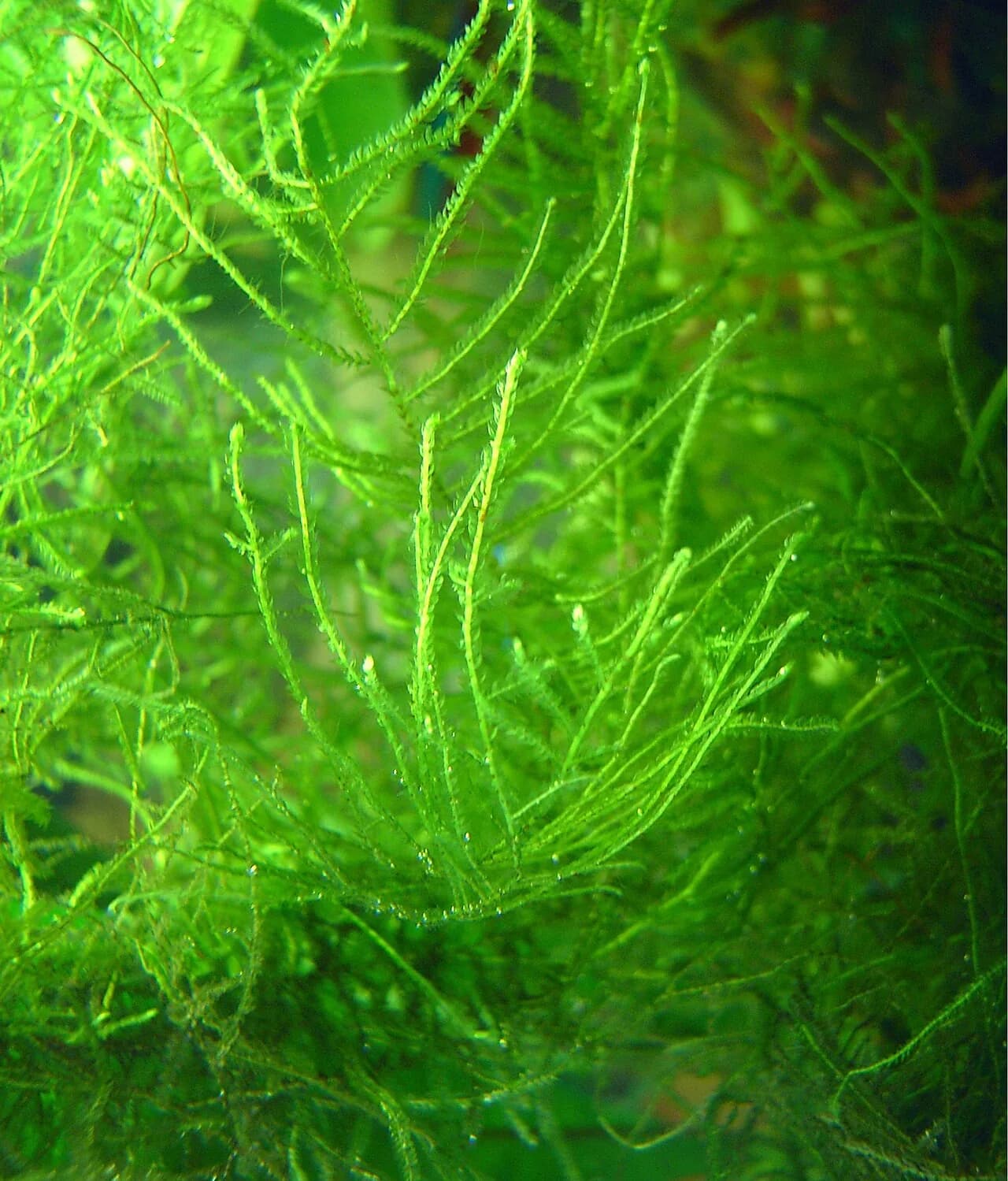
    30 L nano upwards. Heavy planting (mosses, crypts, floating plants), driftwood, tannins. Sand substrate. Sponge filter or gentle canister — strong flow stresses them.

  2. Quarantine

    2–3 weeks in a planted QT tank. They settle in faster than most tetras.

Background

Where it comes from, how it behaves, and the variants you'll see at retail.

Show background

In the wild

Where it lived before it came home.

Native rangeRio das Mortes, BrazilBrazil
Origin · Rio das Mortes basin, Brazil

Rio das Mortes basin and floodplain pools in central Brazil. Shallow, slow-moving, tannin-stained, often heavily vegetated.

Wild diet

Tiny crustaceans, mosquito larvae, micro-invertebrates, biofilm.

Conservation status

Not threatened. Almost entirely captive-bred for the trade now.

Behavior & breeding

How they pair, reproduce, and grow.

  1. Stage 1
    Telling them apart

    Sexing

    Females are fuller-bodied; males more brightly coloured and slimmer.

  2. Stage 2
    Pairing & spawning

    Breeding

    Egg scatterers; relatively easy among nano tetras. Soft water (<5 dGH), pH 5.5–6.5, 25–27 °C, dim light. Java moss or spawning mop. Eggs hatch in 24–36 hours; fry need infusoria/microworms.

Variants & identification

The named cultivars and the lookalikes worth flagging.

Color forms

Wild type only.

Frequently asked questions

Direct answers to the questions search engines and AI assistants surface most often about this species.

What is the minimum tank size for Ember Tetra?

Ember Tetra (Hyphessobrycon amandae) needs a minimum tank of 40 L. They live in the mid water column and should be kept in groups of 8+, so a longer footprint matters more than depth.

What water parameters do Ember Tetra need?

Target 23–29 °C, pH 5.5–7.0, and 1–10 dGH hardness. Acclimate slowly when moving them between water sources.

Are Ember Tetra safe with shrimp?

Shrimp safety: Yes (adults safe with adult shrimp). Plant safety: Yes.
What do Ember Tetra eat?

Ember Tetra are omnivore. Micro pellets, crushed flake, baby brine shrimp. Small mouth, keep food fine.

Are Ember Tetra beginner-friendly?

On Fin & Stem's 1–5 difficulty scale this species rates 2/5. Forgiving, beginner-friendly once the tank is cycled. Breeding difficulty: medium.

How long do Ember Tetra live?

Typical lifespan in a well-maintained tank is 2–4 years.

Sources & further reading

Cross-references

Build the rest of the tank.

A planted tank is a system. Pair this fish with one entry from each other pillar to plan the whole scape.