Fin & Stem logo
Dwarf Pencilfish (Nannostomus marginatus)
Fish

Dwarf Pencilfish

Nannostomus marginatus

Western Guyana, Suriname, lower Amazon basinIntermediate

TL;DR, Dwarf Pencilfish

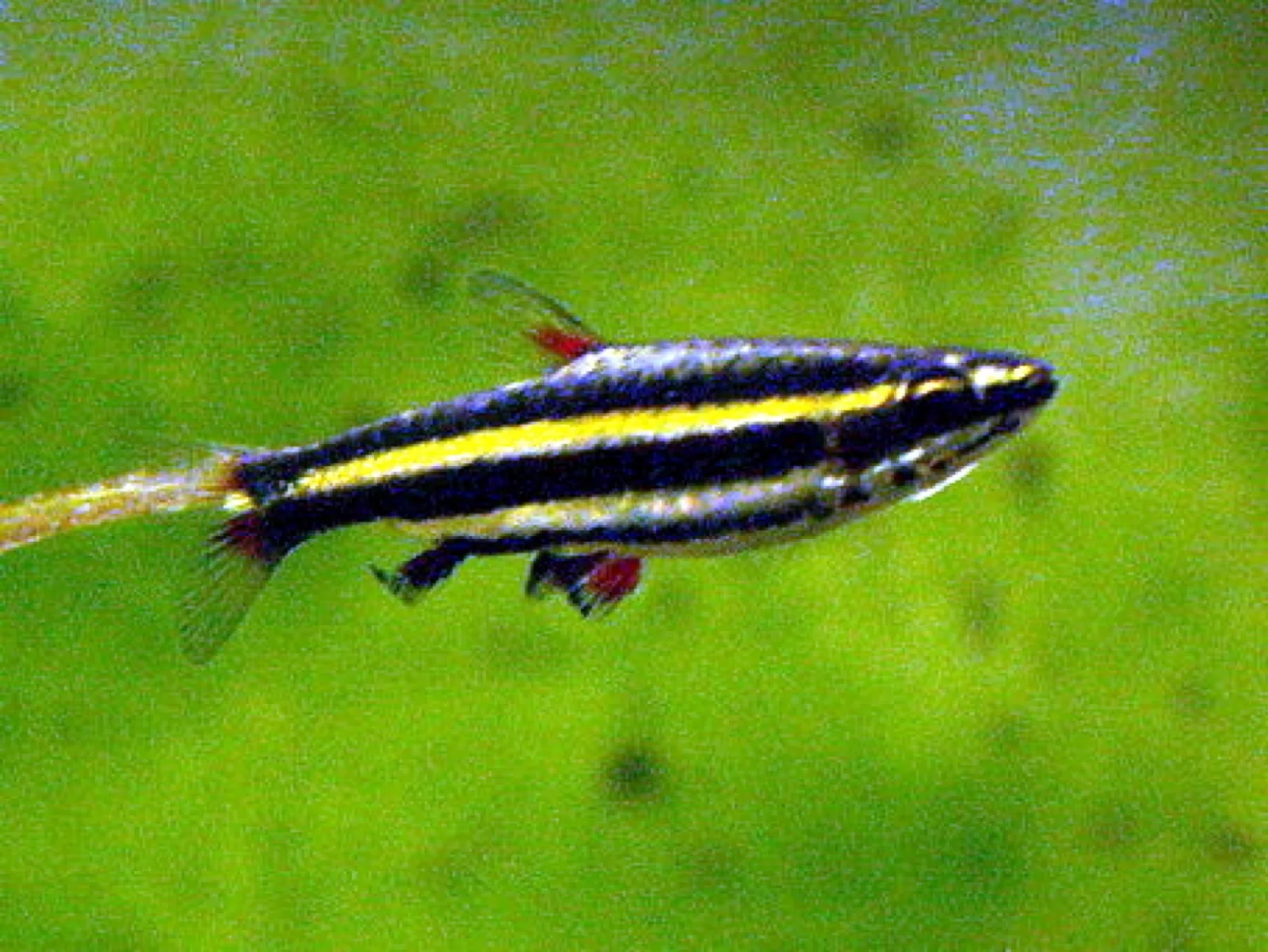
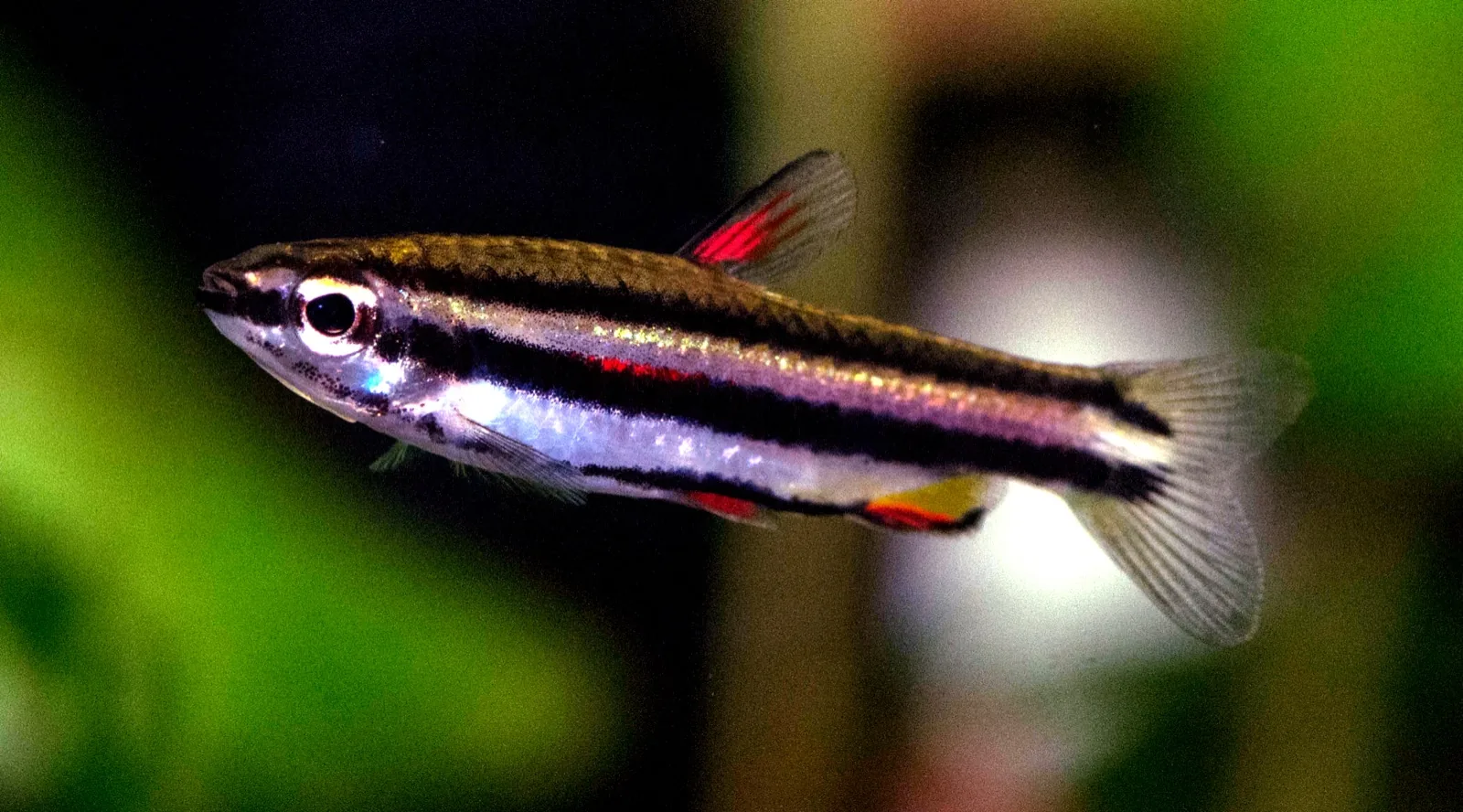
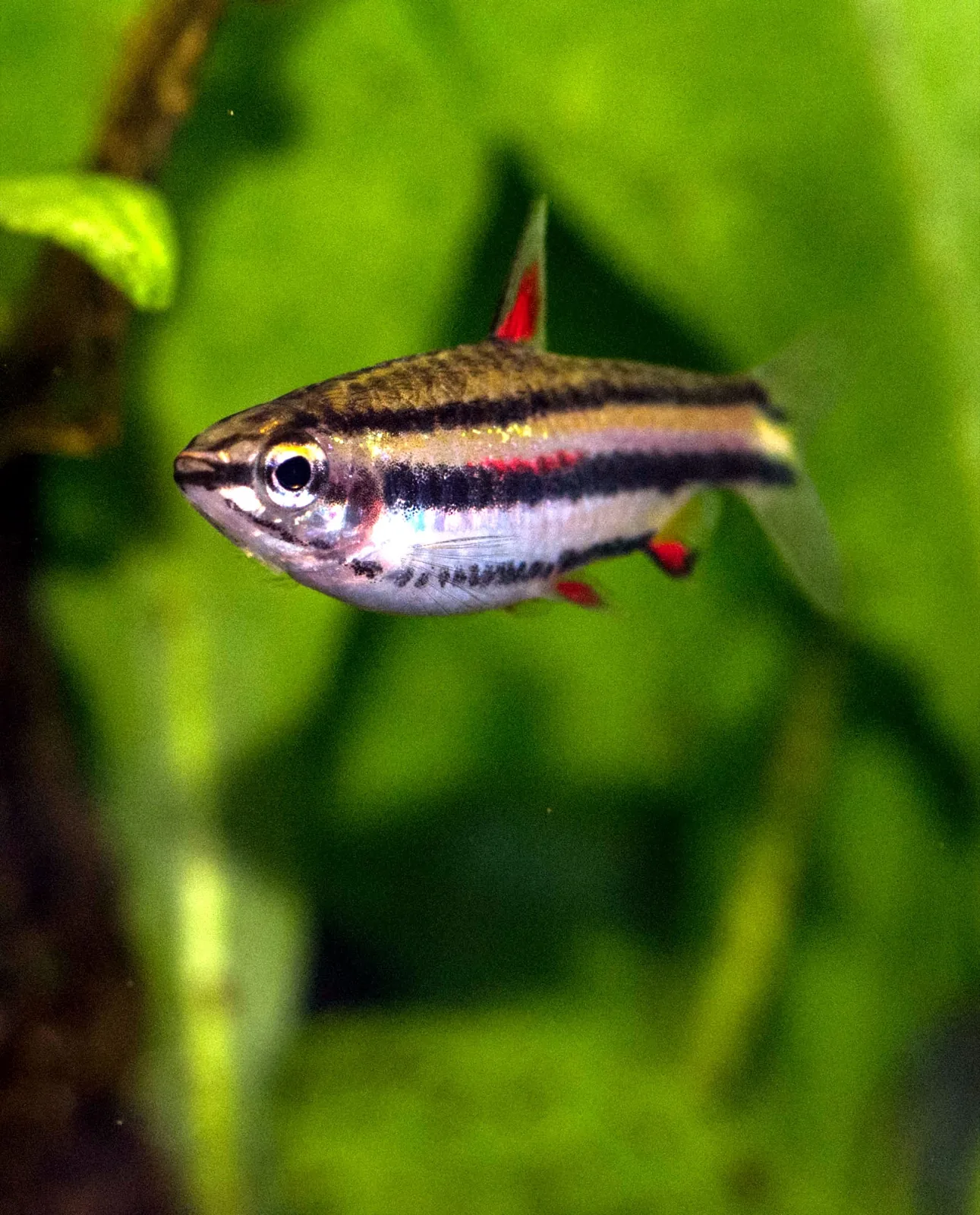
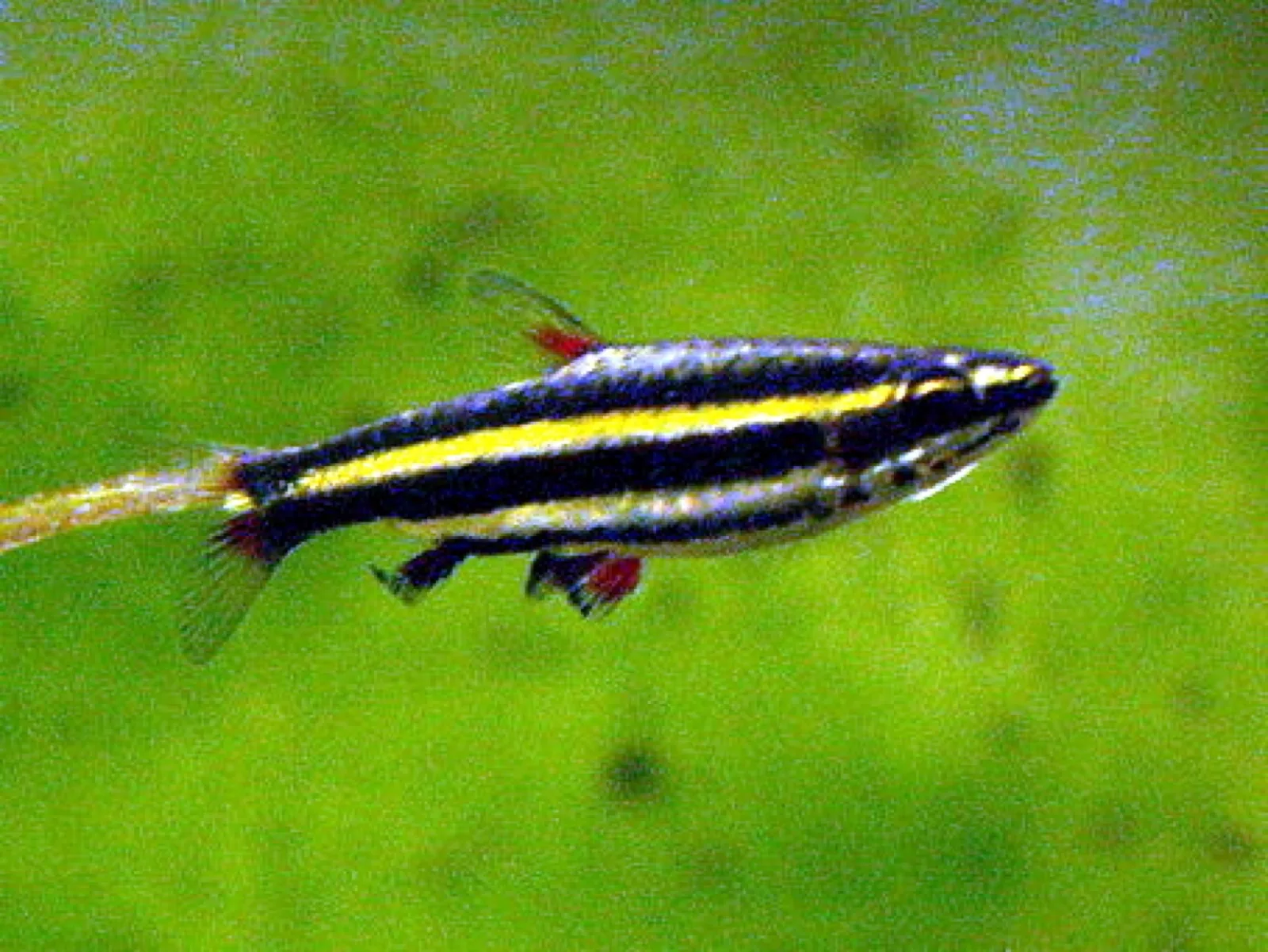
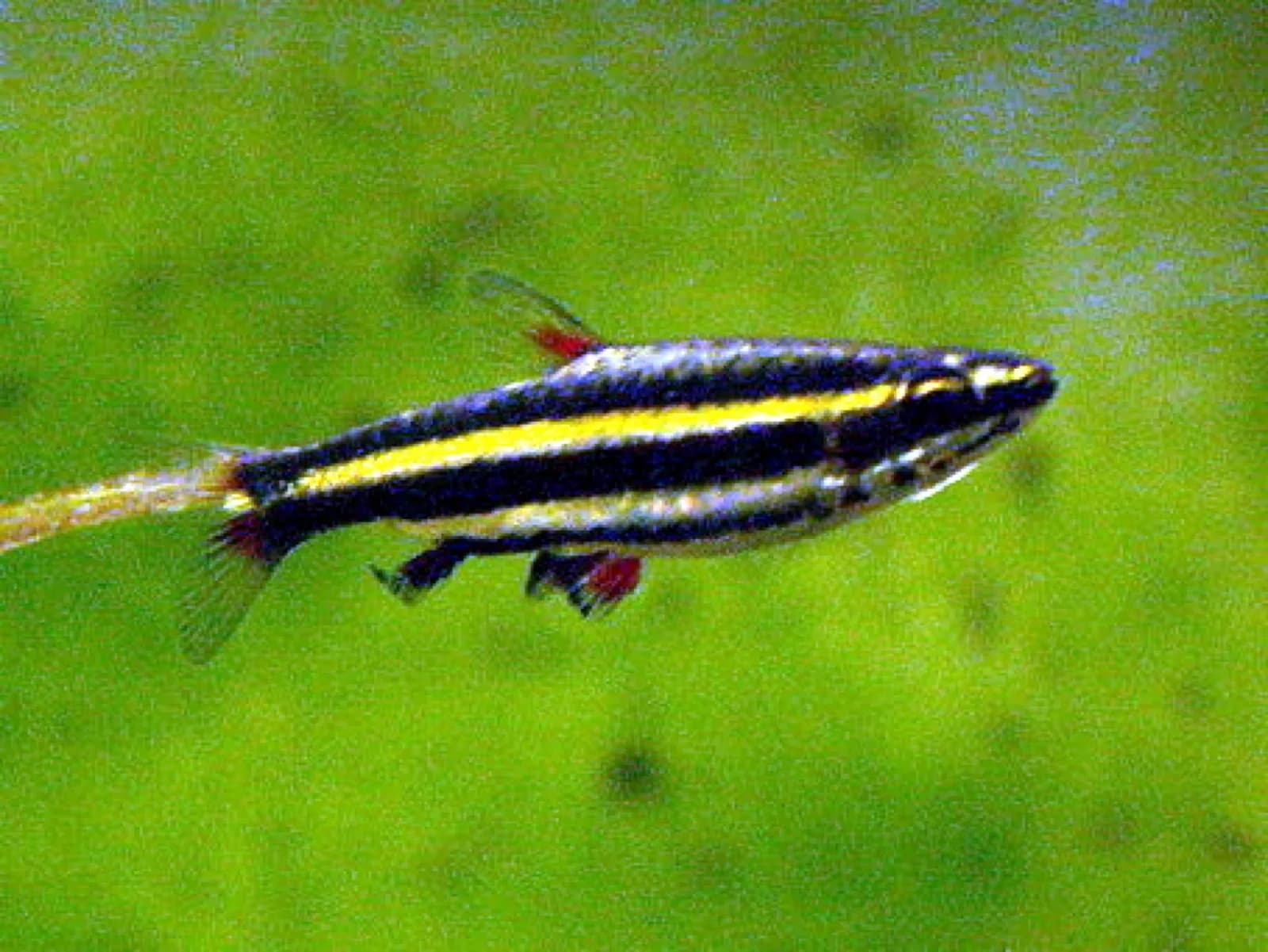
The smallest pencilfish. Three horizontal black-and-red stripes against a pale gold body. Holds itself horizontally, hovering mid-water rather than swimming actively. Loves blackwater conditions and dense plant cover. Goes pale at night, a distinctive 'sleep colour' that surprises new keepers.

Dwarf Pencilfish (Nannostomus marginatus) reaches 3–3.5 cm as an adult and needs a minimum tank of 60 L. Native to Western Guyana, Suriname, lower Amazon basin, it lives in the mid to top water column with a peaceful temperament. Aim for 22–28 °C, pH 5.0–7.0, and 1–8 dGH hardness. Lifespan is 3–5 years with good care. Keep dwarf pencilfish in groups of 6+, yes (loose shoal) schoolers need numbers to display natural behaviour. Diet: micropredator, Micro pellets, baby brine shrimp, daphnia, microworms. Tiny upturned mouth, feed small floating or slow-sinking foods. Plant-safe: Yes. Shrimp-safe: Yes (adult shrimp).

  • Min tank60 L
  • TemperamentPeaceful
  • Plant-safeYes
  • Shrimp-safeYes (adult shrimp)

Care at a glance

The smallest pencilfish. Three horizontal black-and-red stripes against a pale gold body. Holds itself horizontally, hovering mid-water rather than swimming actively. Loves blackwater conditions and dense plant cover. Goes pale at night, a distinctive 'sleep colour' that surprises new keepers.

By Updated 2 min read

Part of our complete guide to aquarium fish for the planted tank.

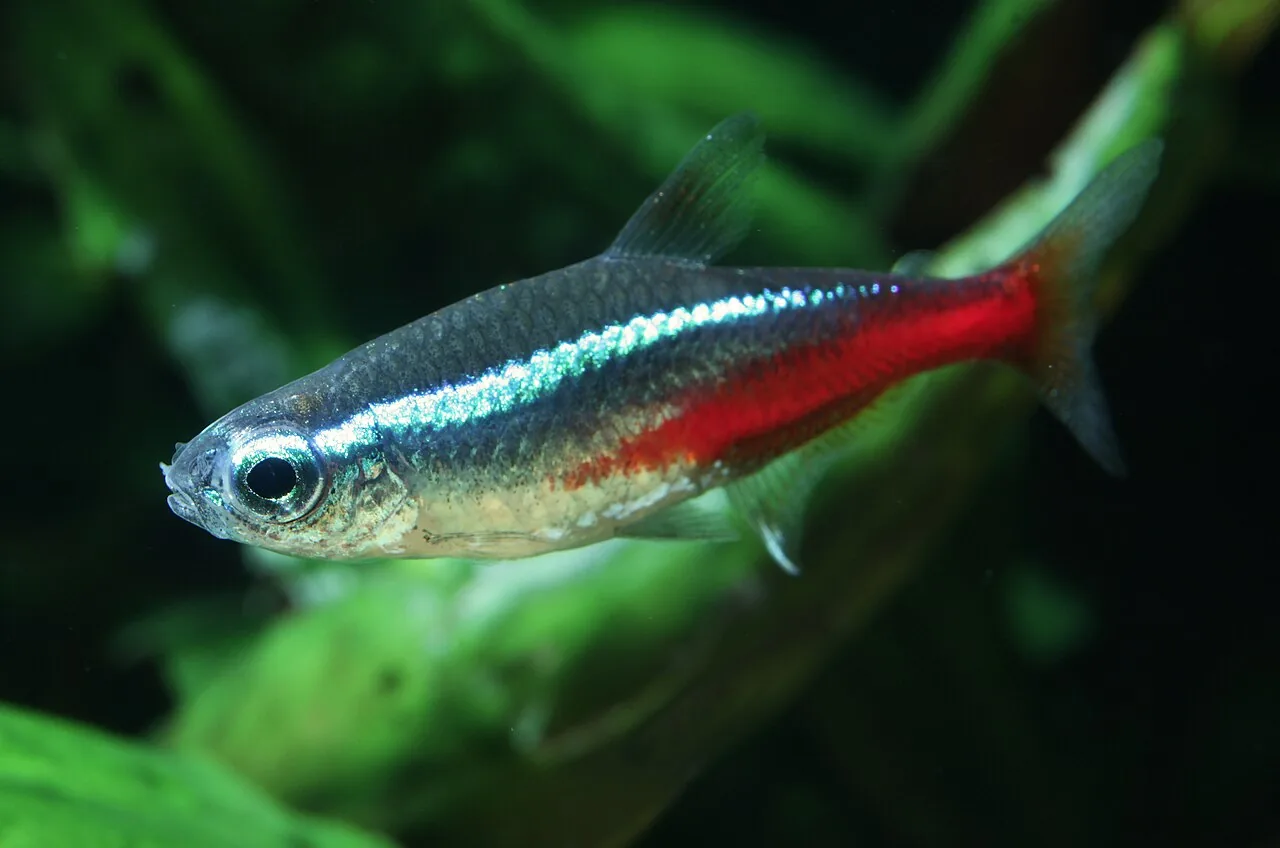
Dwarf Pencilfish (Nannostomus marginatus)
Fanch from Paris, France · CC BY 2.0Source
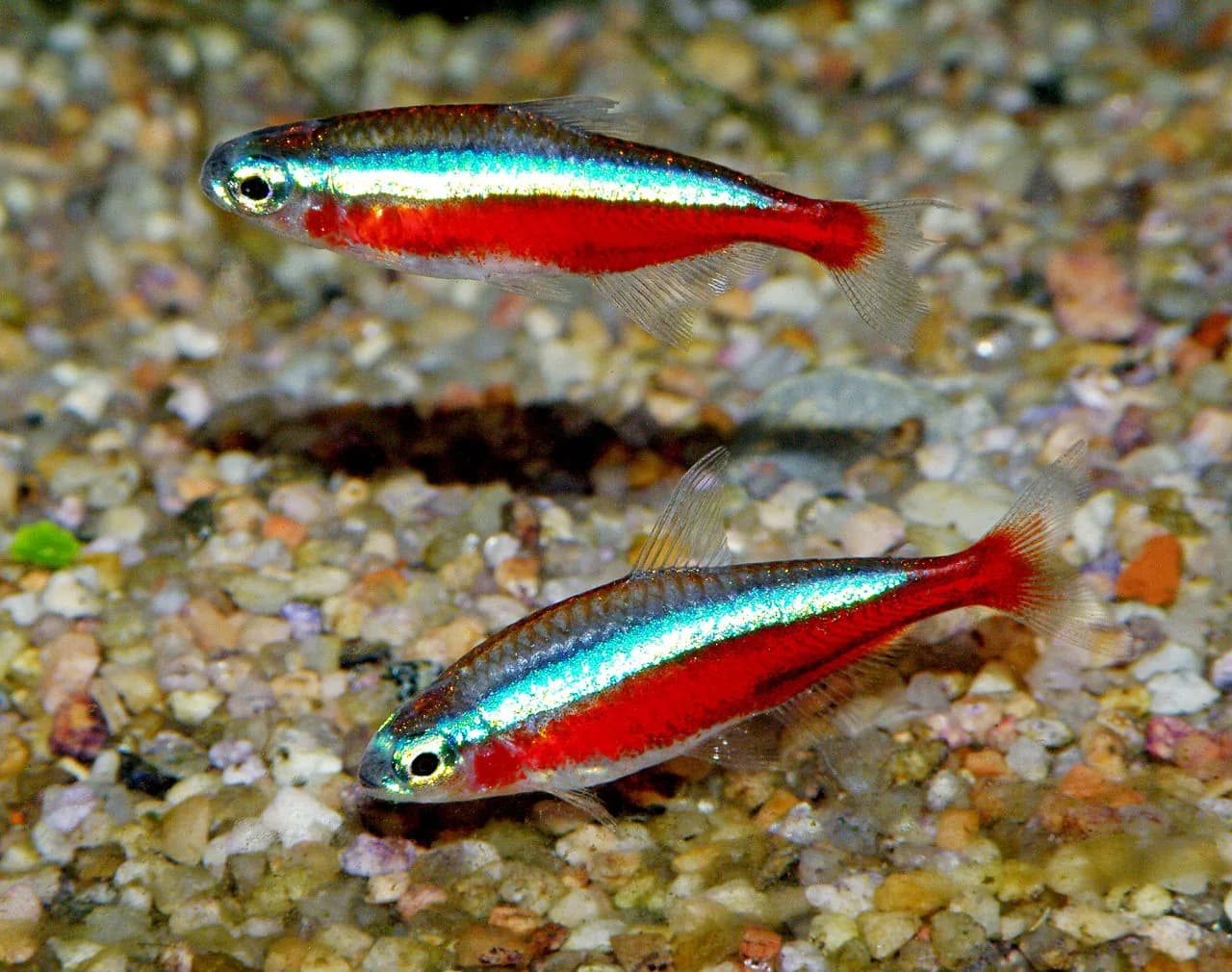
Dwarf Pencilfish (Nannostomus marginatus)
D.W. · CC0Source
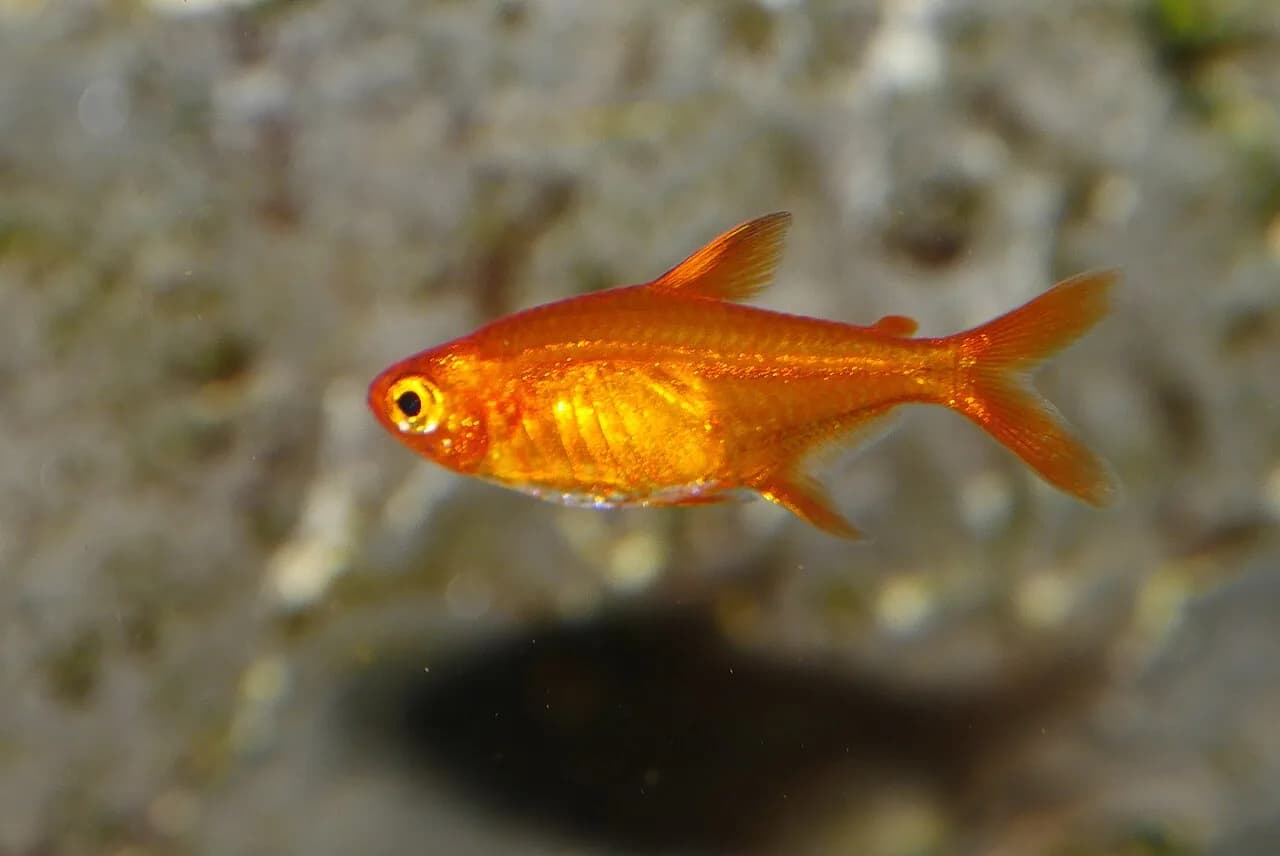
Dwarf Pencilfish (Nannostomus marginatus)
D.W. · CC0Source
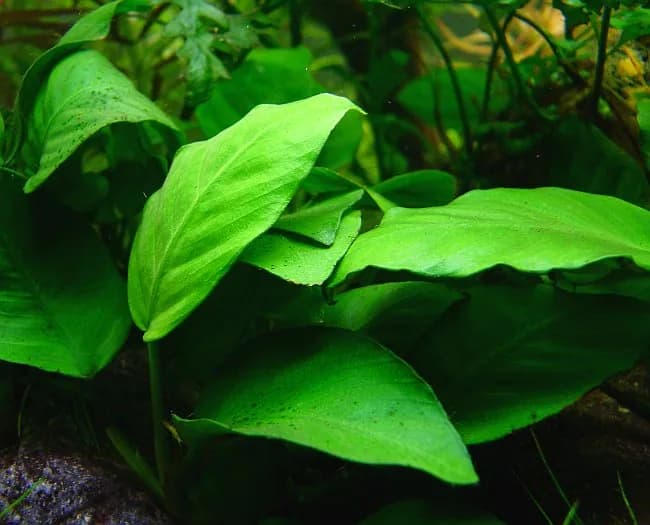
Dwarf Pencilfish (Nannostomus marginatus)
Fanch from Paris, France · CC BY 2.0Source

Hero photo by Fanch from Paris, France · CC BY 2.0 · Wikipedia

Tank fit

The parameters that decide whether dwarf pencilfish fits in your tank.

Parameters

Temperature22–28 °C
15 °C20 °C25 °C30 °C
pH5.0–7.0
4.05.06.07.08.0
Hardness1–8 dGH
0 dGH5 dGH10 dGH15 dGH20 dGH25 dGH
Adult size3–3.5 cm
0481115
Water column

Mid to Top

Schooling

Yes

Group of 6+

FlowStill to Low
Still
Low
Medium
High
V. high

Profile

Family

Lebiasinidae

Diet

Micropredator

Micro pellets, baby brine shrimp, daphnia, microworms. Tiny upturned mouth, feed small floating or slow-sinking foods.

Lifespan

3–5 yrs

Breeding

Medium

Habitat

Tiny blackwater rivulets of the upper Rio Negro

Western Guyana, Suriname, lower Amazon basin

Who it lives with

Tank-mate safety and the species this one is documented to thrive (or fail) alongside.

Good tank mates

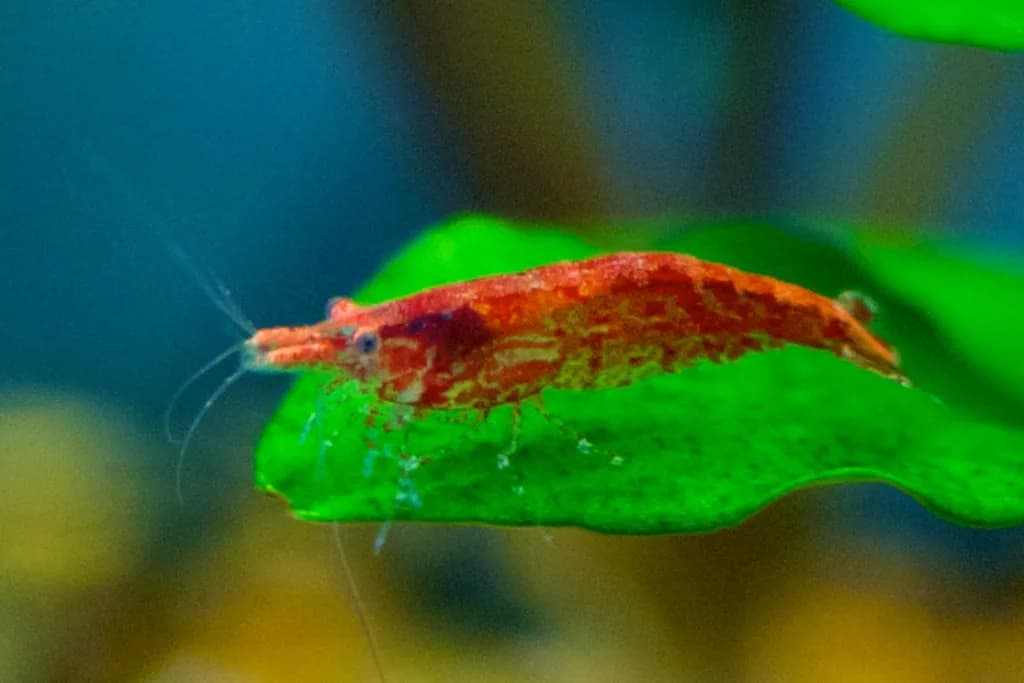
Best species-only or with the smallest community species: chili rasboras, ember tetras, sparkling gouramis, cherry shrimp adults.

Avoid

Anything larger than ~4 cm — pencilfish will hide and refuse to display. Fin-nippers.

See full compatibility cross-reference

Pro tips

Hard-won lessons from the tank.

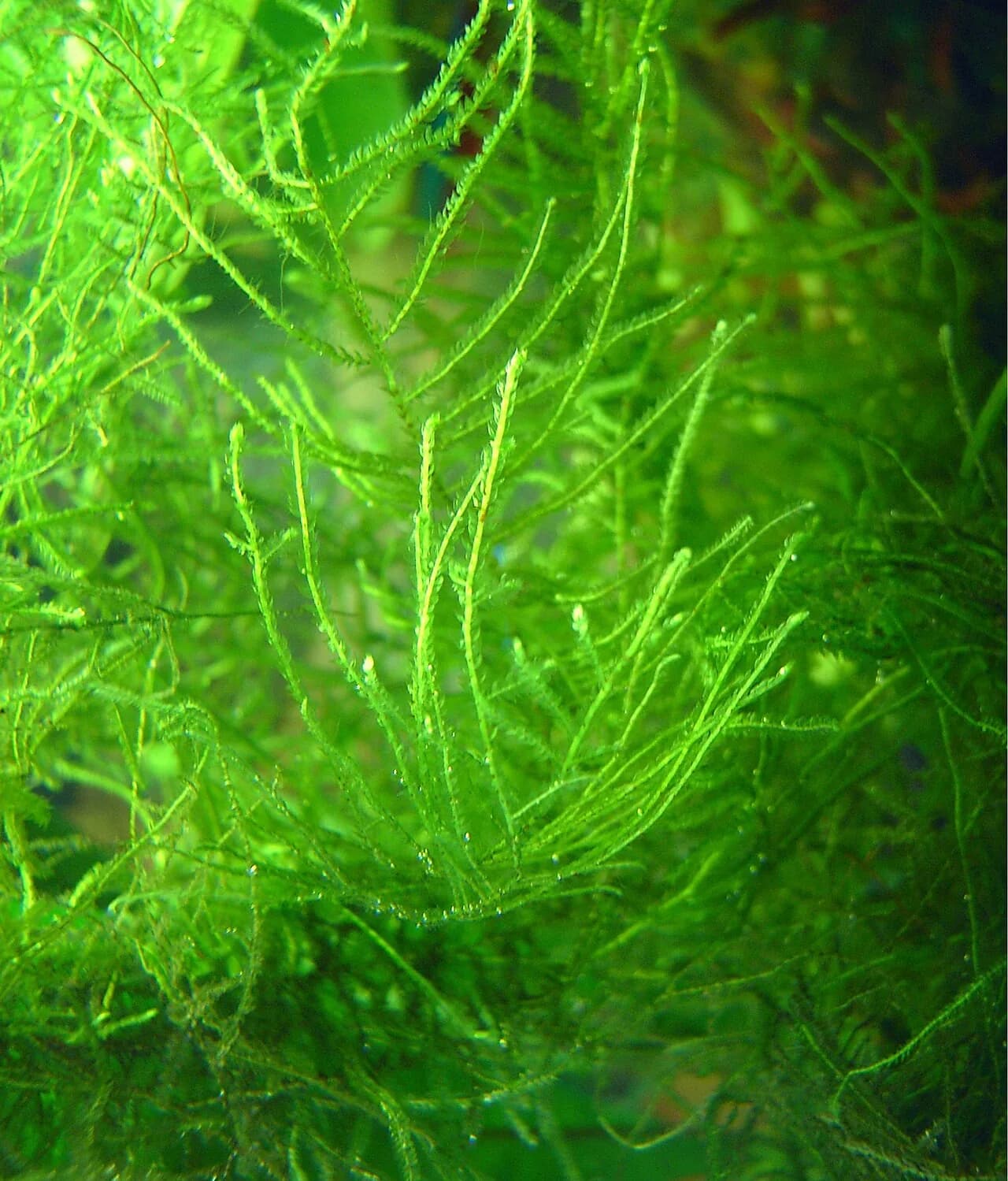
Watch them at night — they shift from their daytime striping to a paler 'sleep colour' that can alarm new keepers. This is normal behaviour. A small group of 8+ in a blackwater nano with Java moss and floating plants is an elite specialty display rarely seen in chain-store aquariums.

Etymology

Genus 'Nannostomus' = 'small mouth'. Species 'marginatus' = 'edged/bordered' (referring to the marked stripes).

Things to watch for

What can go wrong and how to spot it.

Things to watch for

Failure modes, in order of how dramatic the fix is.

Health

Common diseases

Sensitive to alkaline water (rare in trade outlets that don't maintain blackwater conditions). Susceptible to wasting in poor-quality QT.

Often wrong

Misconceptions

Often labelled as 'easy nano fish' — they're easy ONLY in proper soft-water blackwater. Standard community-tank pH 7.5+ kills them slowly.

How to care for it

The practical routine, read top to bottom.

  1. Tank setup

    60 L+ nano blackwater. RO + tannins for best health. Heavily planted with mid-water cover (java fern, anubias, mosses). Surface plants for security. Sponge filter only.

  2. Quarantine

    3 weeks. Provide tannins and dim cover. Watch for slow wasting common in stressed pencilfish.

Background

Where it comes from, how it behaves, and the variants you'll see at retail.

Show background

In the wild

Where it lived before it came home.

Native rangeAmazon basinWestern Guyana / Suriname
Origin · Western Guyana, Suriname, lower Amazon basin

Slow blackwater tributaries of the lower Amazon basin. Tannin-stained, very soft, acidic water with dense leaf litter and submerged vegetation.

Wild diet

Tiny insect larvae, micro-crustaceans, falling terrestrial invertebrates. Strict micropredator.

Conservation status

Not threatened. Mostly wild-caught from sustainable fisheries.

Behavior & breeding

How they pair, reproduce, and grow.

  1. Stage 1
    Telling them apart

    Sexing

    Males slimmer with intense red colour on the lower stripes. Females rounder with paler colour and a more visible belly profile.

  2. Stage 2
    Pairing & spawning

    Breeding

    Egg scatterers among Java moss. Soft very acidic water at 26 °C, very dim lighting. Adults eat eggs. Fry are tiny — infusoria required for first 10 days.

Variants & identification

The named cultivars and the lookalikes worth flagging.

Color forms

Wild type only. N. trifasciatus (three-lined pencilfish), N. eques (diptail pencilfish), N. beckfordi (golden pencilfish) are commonly sold and sometimes confused. Marginatus has three horizontal black stripes and a small adult size.

Frequently asked questions

Direct answers to the questions search engines and AI assistants surface most often about this species.

What is the minimum tank size for Dwarf Pencilfish?

Dwarf Pencilfish (Nannostomus marginatus) needs a minimum tank of 60 L. They live in the mid to top water column and should be kept in groups of 6+, so a longer footprint matters more than depth.

What water parameters do Dwarf Pencilfish need?

Target 22–28 °C, pH 5.0–7.0, and 1–8 dGH hardness. Acclimate slowly when moving them between water sources.

Are Dwarf Pencilfish safe with shrimp?

Shrimp safety: Yes (adult shrimp). Plant safety: Yes.

What do Dwarf Pencilfish eat?

Dwarf Pencilfish are micropredator. Micro pellets, baby brine shrimp, daphnia, microworms. Tiny upturned mouth, feed small floating or slow-sinking foods.

Are Dwarf Pencilfish beginner-friendly?

On Fin & Stem's 1–5 difficulty scale this species rates 3/5. Intermediate, stable parameters and a mature tank matter. Breeding difficulty: medium.

How long do Dwarf Pencilfish live?

Typical lifespan in a well-maintained tank is 3–5 years.

Sources & further reading

Cross-references

Build the rest of the tank.

A planted tank is a system. Pair this fish with one entry from each other pillar to plan the whole scape.