Fin & Stem logo
Endler's Livebearer (Poecilia wingei)
Fish

Endler's Livebearer

Poecilia wingei

Laguna de Patos, VenezuelaBeginner

TL;DR, Endler's Livebearer

True wild-type Endlers (N-class) are a different species from common guppies, keep them apart or they hybridise. Hard alkaline water lovers. Breed prolifically: stock all-male groups if you don't want a population explosion.

Endler's Livebearer (Poecilia wingei) reaches 2.5–4 cm as an adult and needs a minimum tank of 40 L. Native to Laguna de Patos, Venezuela, it lives in the mid to top water column with a peaceful temperament. Aim for 22–28 °C, pH 7.0–8.5, and 8–25 dGH hardness. Lifespan is 2–3 years with good care. Keep endler's livebearer in groups of 6+, loose group schoolers need numbers to display natural behaviour. Diet: omnivore, Crushed flake, micro pellets, baby brine shrimp, blanched veg. Plant-safe: Yes. Shrimp-safe: Yes (adult shrimp).

  • Min tank40 L
  • TemperamentPeaceful
  • Plant-safeYes
  • Shrimp-safeYes (adult shrimp)

Care at a glance

True wild-type Endlers (N-class) are a different species from common guppies, keep them apart or they hybridise. Hard alkaline water lovers. Breed prolifically: stock all-male groups if you don't want a population explosion.

By Updated 3 min read

Part of our complete guide to aquarium fish for the planted tank.

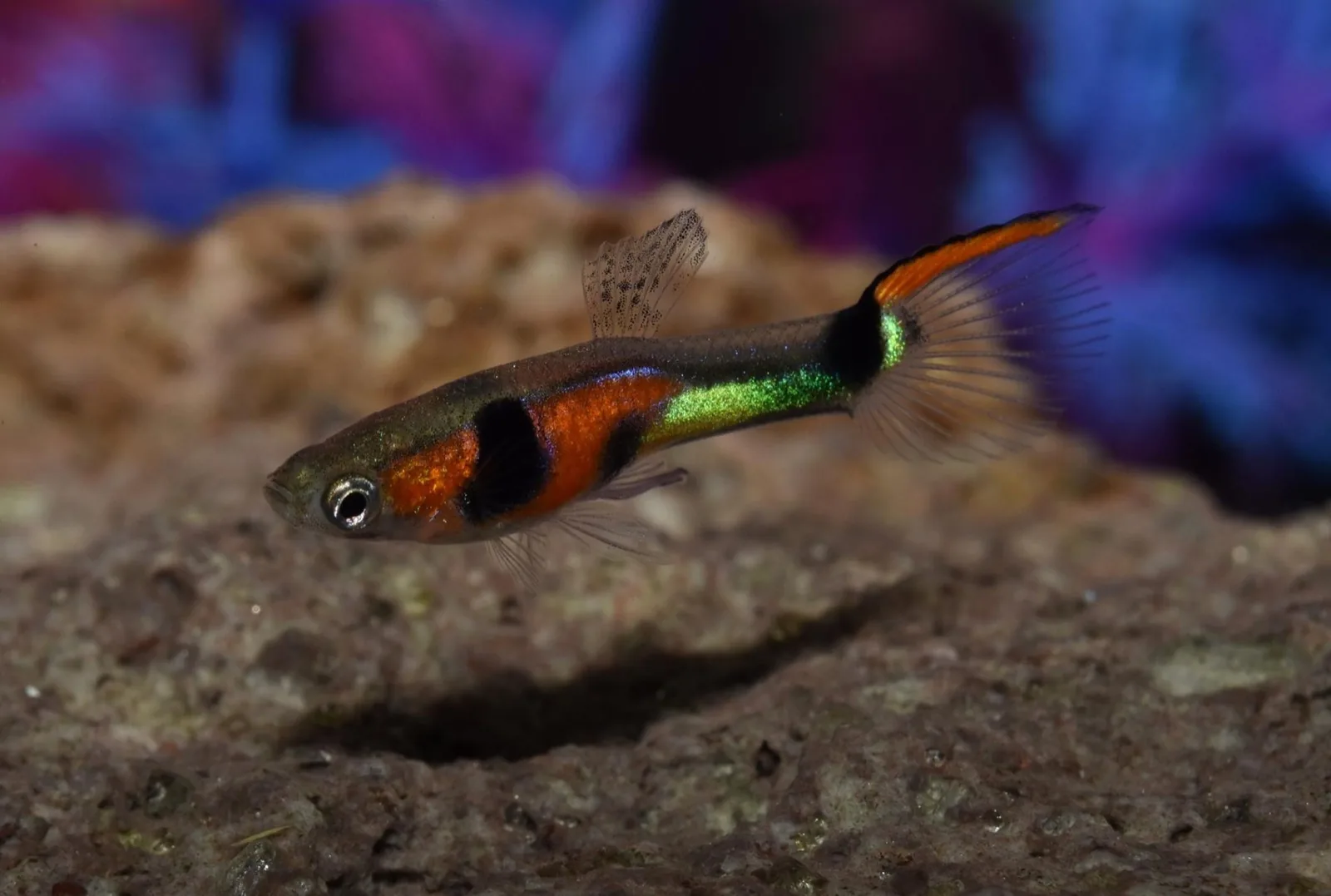
Endler's Livebearer (Poecilia wingei)
Dgrummon · CC BY-SA 4.0Source
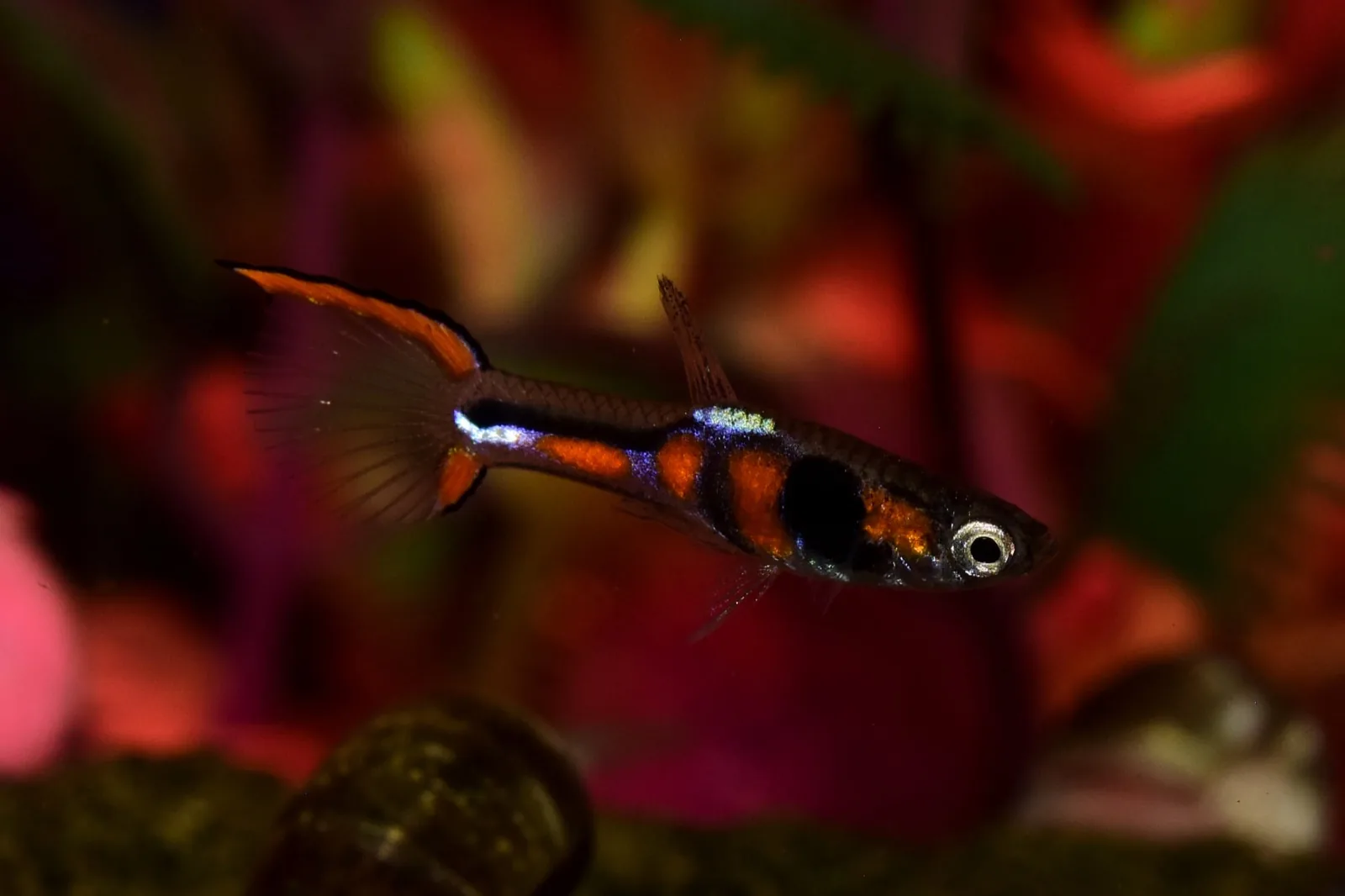
Endler's Livebearer (Poecilia wingei)
Dgrummon · CC BY-SA 4.0Source
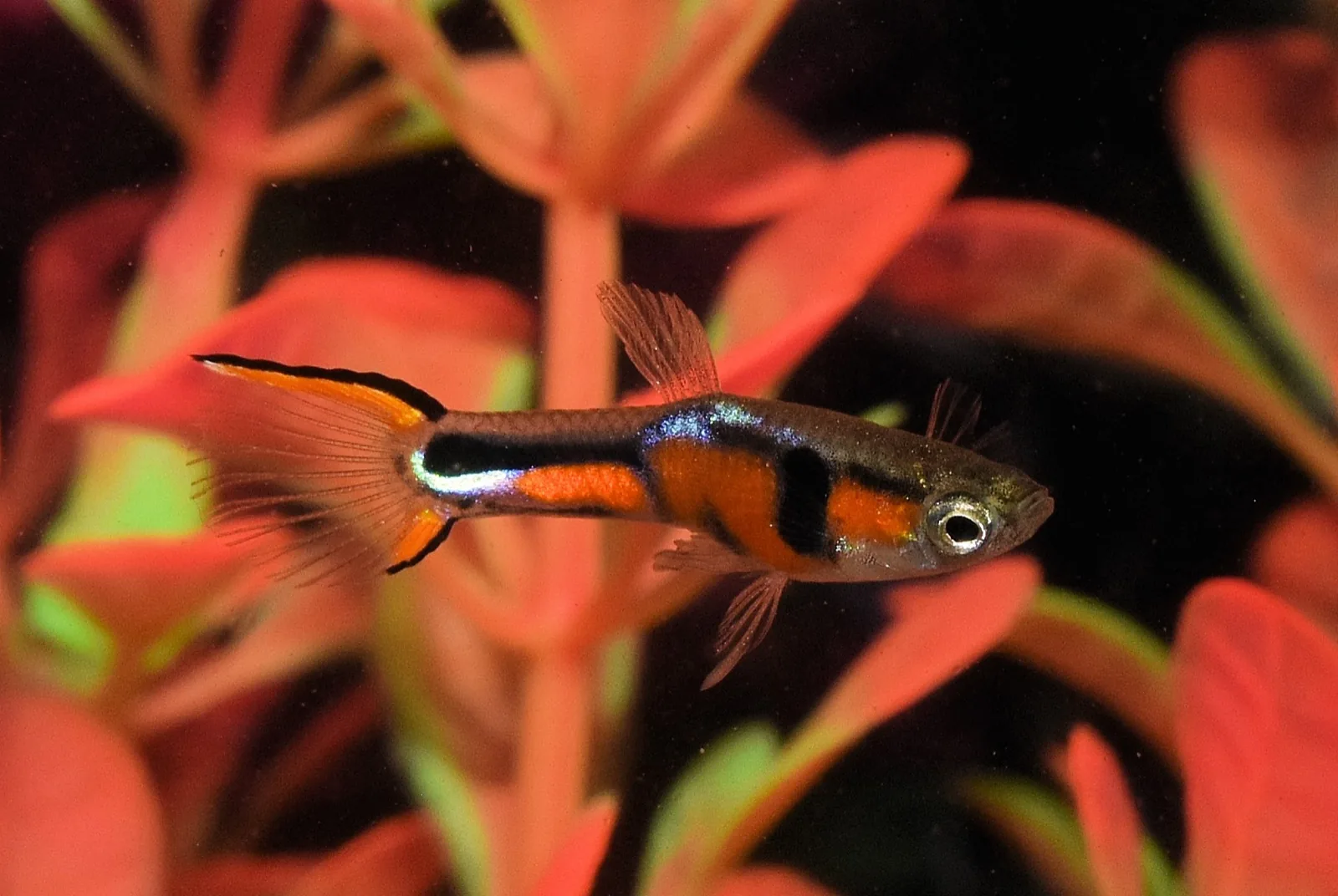
Endler's Livebearer (Poecilia wingei)
Dgrummon · CC BY-SA 4.0Source
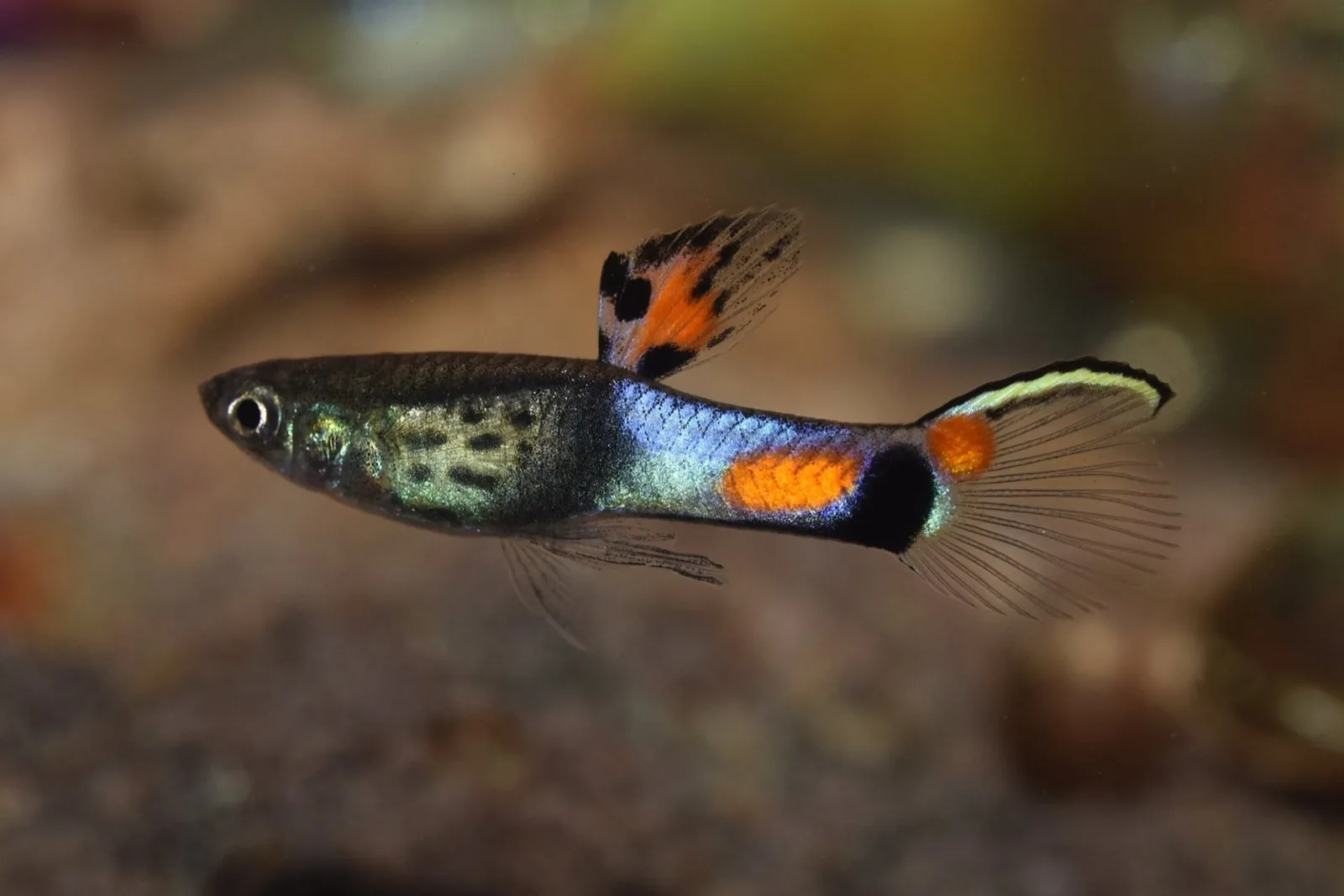
Endler's Livebearer (Poecilia wingei)
Dgrummon · CC BY-SA 4.0Source
Endler's Livebearer (Poecilia wingei)
Dgrummon · CC BY-SA 4.0Source

Hero photo by Dgrummon · CC BY-SA 4.0 · Wikipedia

Tank fit

The parameters that decide whether endler's livebearer fits in your tank.

Parameters

Temperature22–28 °C
15 °C20 °C25 °C30 °C
pH7.0–8.5
4.05.06.07.08.0
Hardness8–25 dGH
0 dGH5 dGH10 dGH15 dGH20 dGH25 dGH
Adult size2.5–4 cm
0481115
Water column

Mid to Top

Schooling

No

Small group of 6+

FlowLow
Still
Low
Medium
High
V. high

Profile

Family

Poeciliidae

Diet

Omnivore

Crushed flake, micro pellets, baby brine shrimp, blanched veg.

Lifespan

2–3 yrs

Breeding

Very easy

Habitat

Hyper-warm coastal lagoons of north-east Venezuela

Laguna de Patos, Venezuela

Who it lives with

Tank-mate safety and the species this one is documented to thrive (or fail) alongside.

Good tank mates

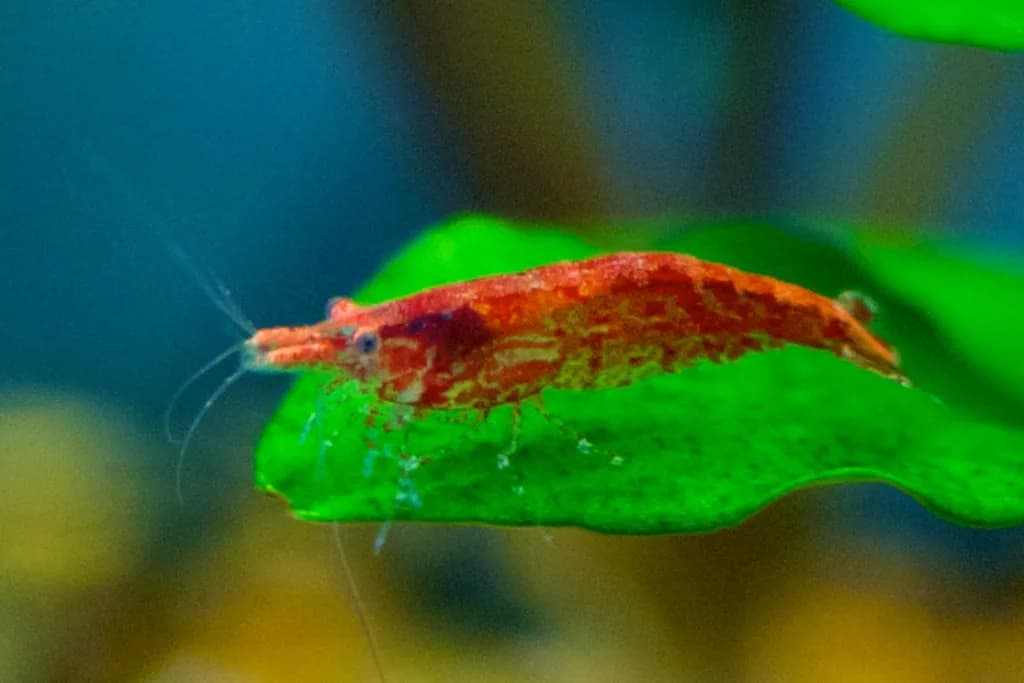
Other hard-water nano fish: white cloud mountain minnows, cherry shrimp adults, otocinclus, celestial pearl danios. Or species-only for breeding.

Avoid

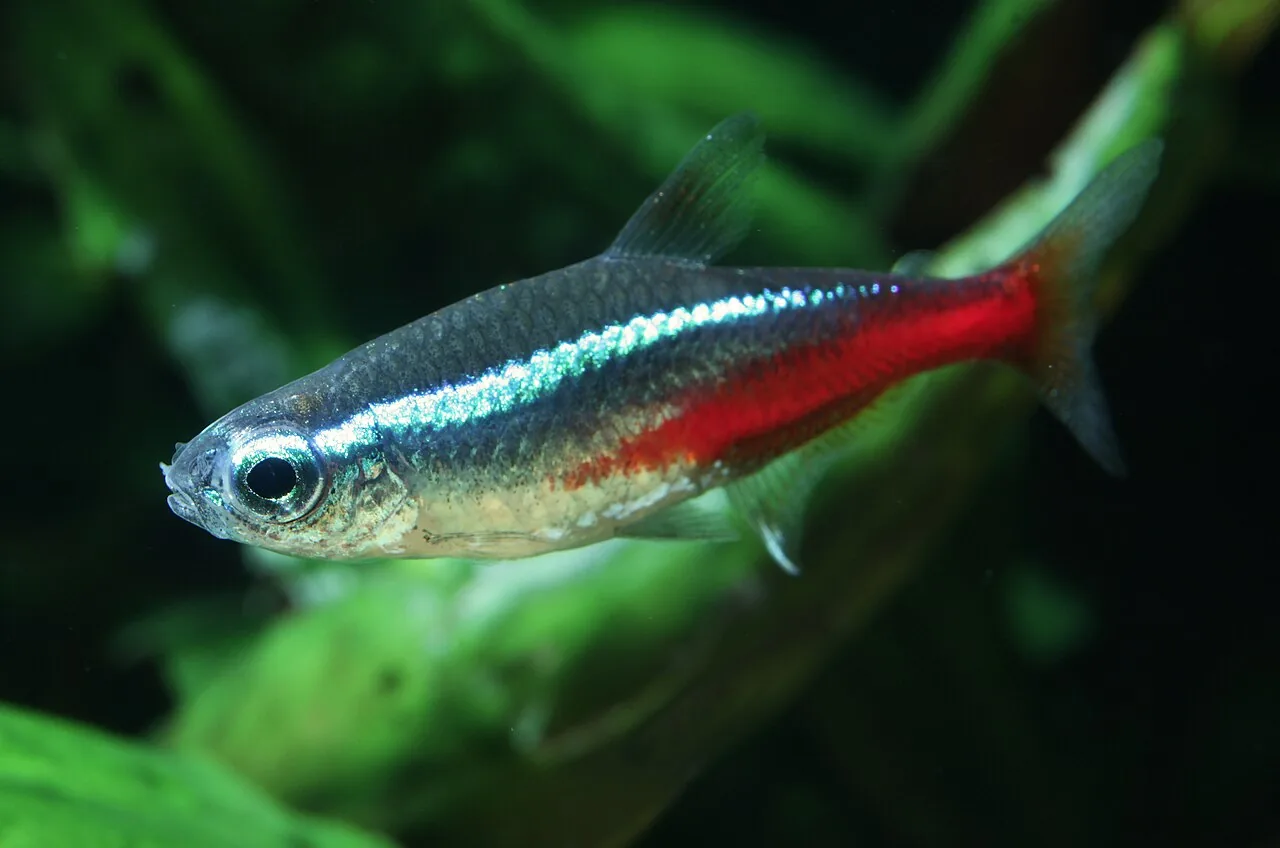
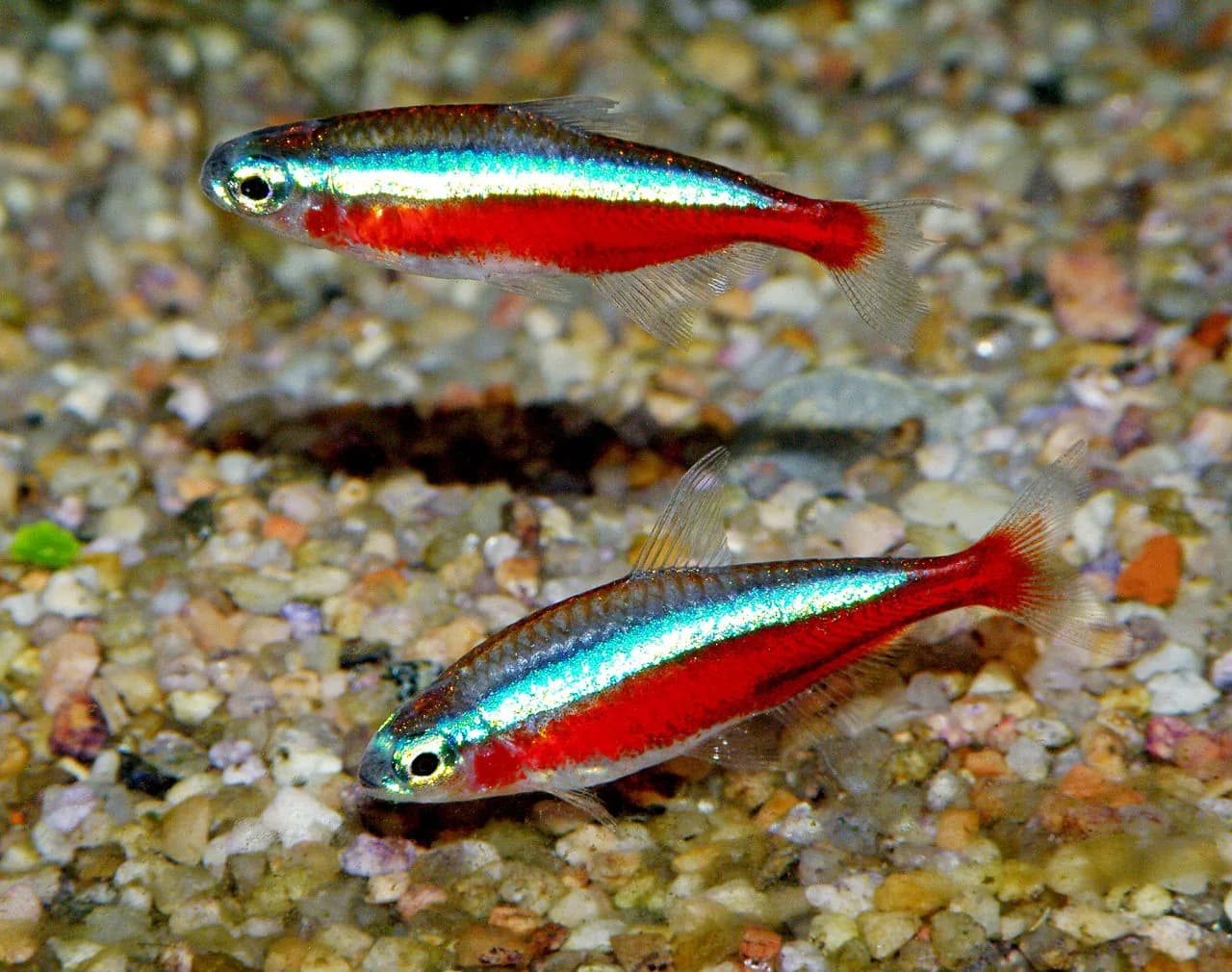
Soft-water blackwater species (cardinals, chili rasboras) — they need opposite parameters. Fancy guppies (will hybridise, destroying pure lines). Anything aggressive or large.

See full compatibility cross-reference

Pro tips

Hard-won lessons from the tank.

Keep all-male groups (5+) for stunning colour displays without the population explosion of mixed groups. If you DO want breeding, expect to thin the colony every 2 months — or accept that your tank is now an Endler farm.

Etymology

Genus 'Poecilia' from Greek 'poikilos' = 'varied'. Species 'wingei' honours Danish biologist Øjvind Winge who described the species in 1937 from specimens collected by John A. Endler.

Things to watch for

What can go wrong and how to spot it.

Things to watch for

Failure modes, in order of how dramatic the fix is.

Health

Common diseases

Robust. Susceptible to bacterial infections in soft water (they're hard-water specialists). The classic livebearer issues: fin rot in dirty water, ich in temperature swings.

Often wrong

Misconceptions

Treated as 'fancy guppies' in most pet shops — they're a separate species and crossbreed irreversibly with guppies. 'Endler-guppy hybrids' are common in the trade and sold (often unknowingly) as pure Endlers. Buy from a hobbyist breeder, not a chain store.

How to care for it

The practical routine, read top to bottom.

  1. Tank setup

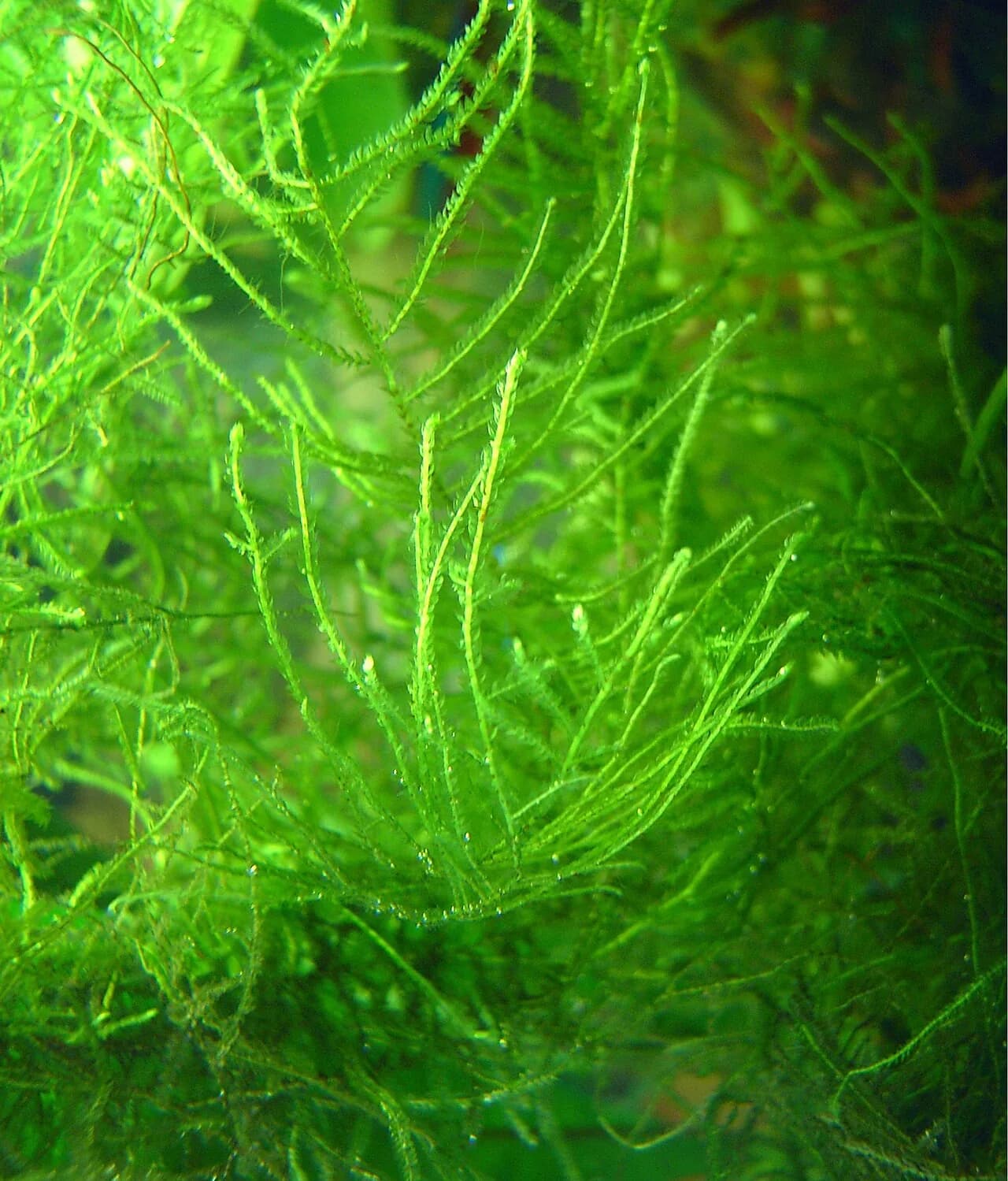
    40 L+. Hard alkaline water — pH 7.2–8.5, dGH 10–25. Crushed coral or aragonite sand in the filter raises hardness. Heavy planting (java moss especially) provides fry cover and shelter. Wide temperature tolerance (22–28 °C) makes them flexible.

  2. Quarantine

    2 weeks. They ship robust and acclimate quickly.

Background

Where it comes from, how it behaves, and the variants you'll see at retail.

Show background

In the wild

Where it lived before it came home.

Native rangeLaguna de Patos, VenezuelaVenezuela
Origin · Laguna de Patos, Venezuela

Laguna de Patos and surrounding small coastal lagoons in northeastern Venezuela. Hard, alkaline, mineral-rich water often with high evaporation rates concentrating dissolved salts.

Wild diet

Mosquito larvae, daphnia, small crustaceans, biofilm, plant matter.

Conservation status

Endler's wild population is reduced due to habitat loss and competition with introduced guppies. Pure wild-type lines exist almost entirely in dedicated breeders' collections — buying from these breeders preserves the genetics.

Behavior & breeding

How they pair, reproduce, and grow.

  1. Stage 1
    Telling them apart

    Sexing

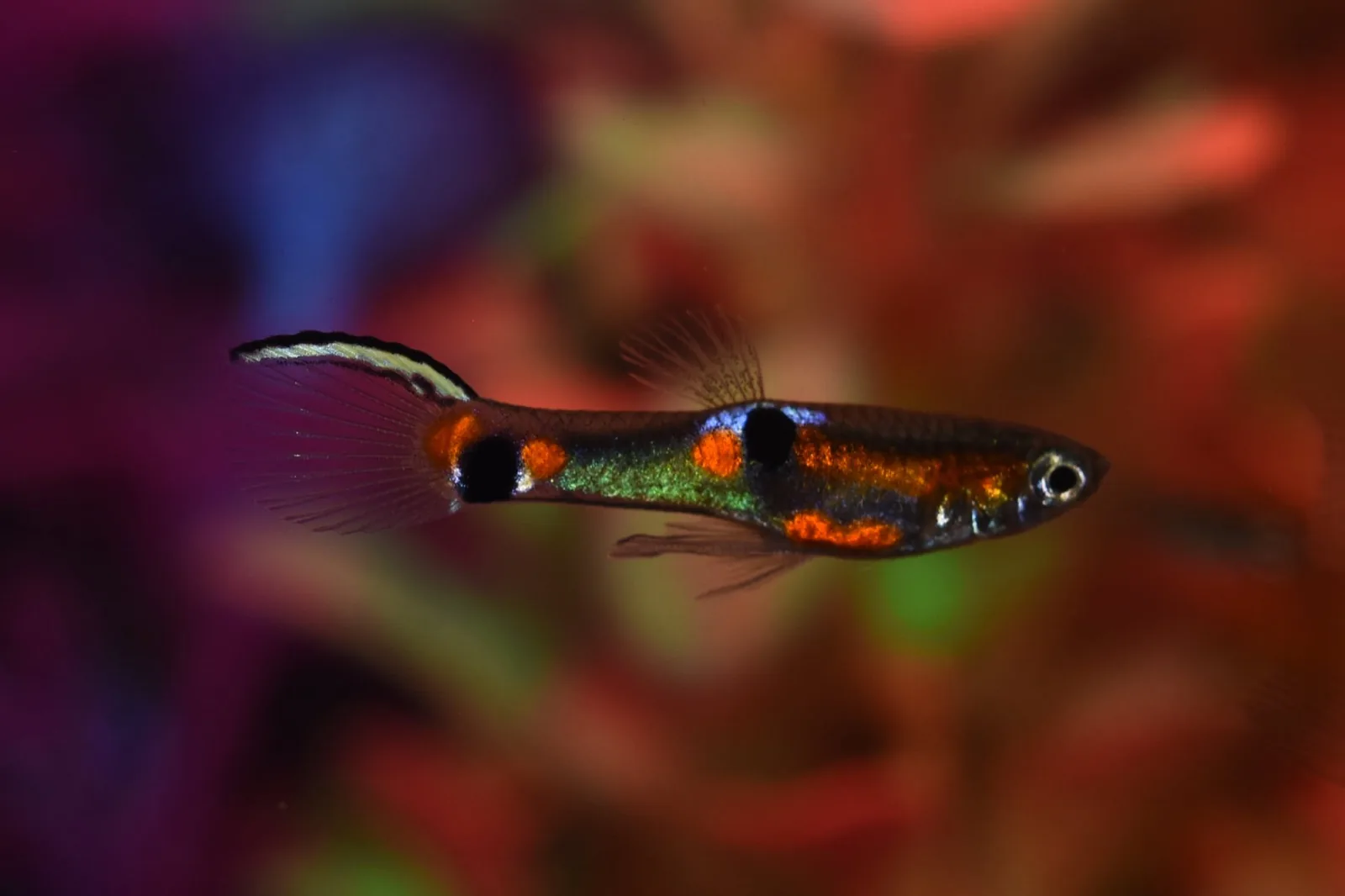
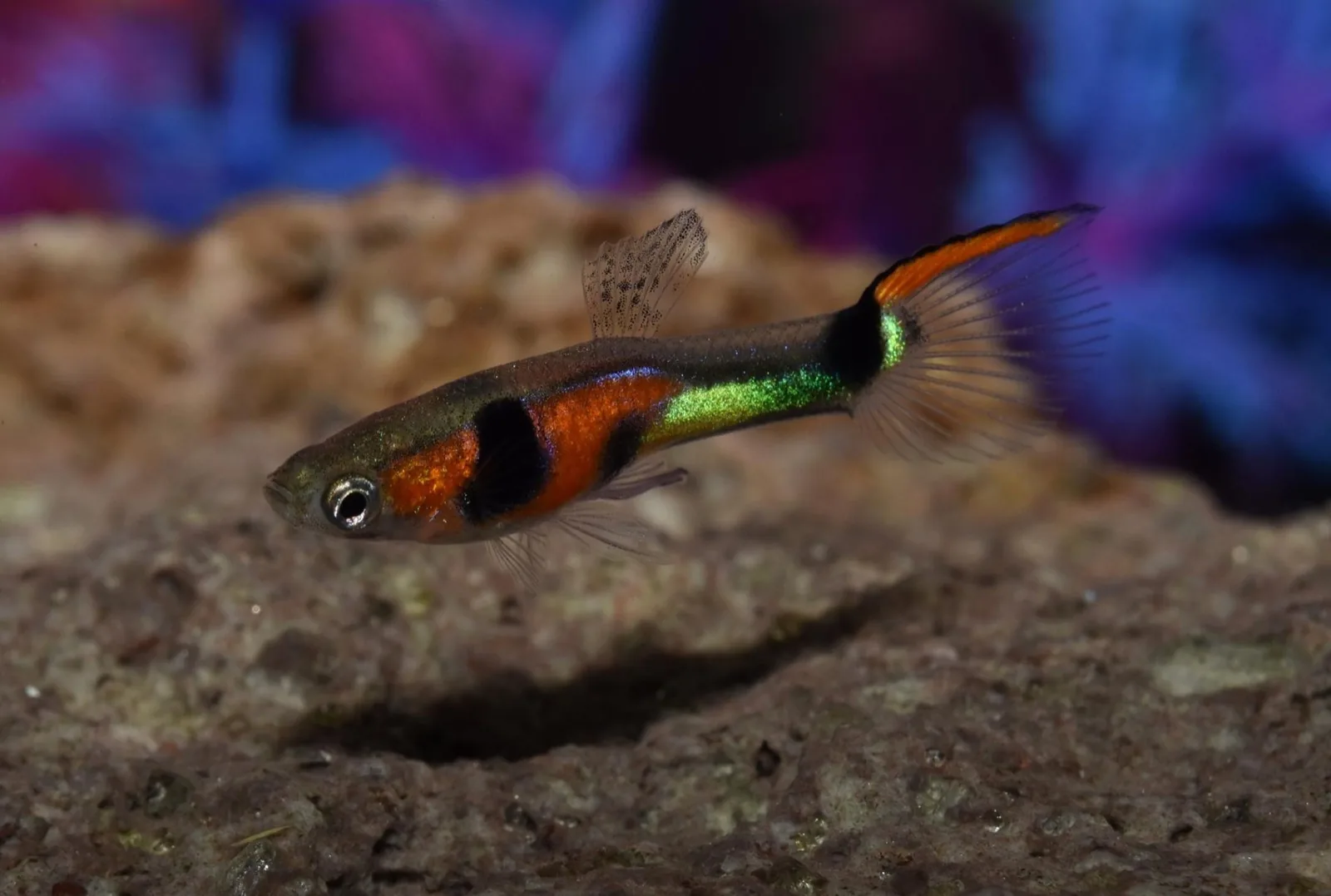
    Extreme dimorphism — male and female look like different species. Males are 2.5–3 cm with vivid orange/black/green/blue patterns and a sword-like gonopodium. Females are 3–4 cm, plain silver-grey with no markings, dropper-shaped from the gravid spot.

  2. Stage 2
    Pairing & spawning

    Breeding

    Livebearers — females give birth to 5–30 free-swimming fry every 20–30 days after a single mating (sperm is stored). Mature at 6 weeks. Fry are large enough to eat crushed flake immediately. Female cannibalism is mild but present — dense planting protects fry.

Variants & identification

The named cultivars and the lookalikes worth flagging.

Color forms
Black BarTigerSnakeskinRed StripeJapan Blue

Wild N-class (numbered original lines from Patos), K-class (Cumana-region wild lines), P-class (hybrids with guppy genes — explicitly NOT pure Endlers). Within wild N-class: 'Black Bar', 'Tiger', 'Snakeskin', 'Red Stripe', 'Japan Blue', and many more. Keep N-class isolated from guppies and other fancy strains.

Frequently asked questions

Direct answers to the questions search engines and AI assistants surface most often about this species.

What is the minimum tank size for Endler's Livebearer?

Endler's Livebearer (Poecilia wingei) needs a minimum tank of 40 L. They live in the mid to top water column and should be kept in groups of 6+, so a longer footprint matters more than depth.

What water parameters do Endler's Livebearer need?

Target 22–28 °C, pH 7.0–8.5, and 8–25 dGH hardness. Acclimate slowly when moving them between water sources.

Are Endler's Livebearer safe with shrimp?

Shrimp safety: Yes (adult shrimp). Plant safety: Yes.

What do Endler's Livebearer eat?

Endler's Livebearer are omnivore. Crushed flake, micro pellets, baby brine shrimp, blanched veg.

Are Endler's Livebearer beginner-friendly?

On Fin & Stem's 1–5 difficulty scale this species rates 1/5. Almost unkillable, a solid first-tank choice. Breeding difficulty: very easy.

How long do Endler's Livebearer live?

Typical lifespan in a well-maintained tank is 2–3 years.

Sources & further reading

Cross-references

Build the rest of the tank.

A planted tank is a system. Pair this fish with one entry from each other pillar to plan the whole scape.