Fin & Stem logo
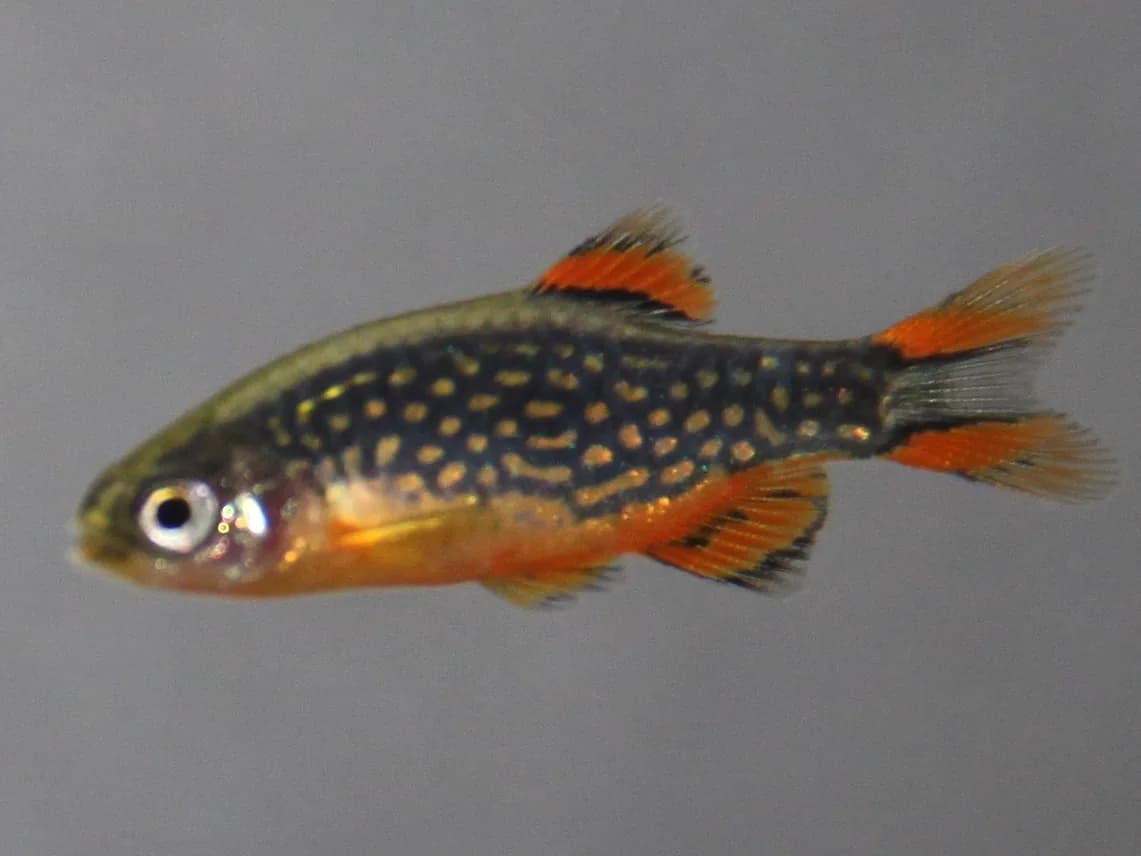
Celestial Pearl Danio (Danio margaritatus)
Fish

Celestial Pearl Danio

Danio margaritatus

Hopong area, MyanmarEasy

TL;DR, Celestial Pearl Danio

Cooler-water nano gem, keep below 25 °C for best colour and lifespan. Males display brightest with females present and dense plant cover.

Celestial Pearl Danio (Danio margaritatus) reaches 2–2.5 cm as an adult and needs a minimum tank of 40 L. Native to Hopong area, Myanmar, it lives in the mid to bottom water column with a peaceful (males spar) temperament. Aim for 20–24 °C, pH 6.5–7.5, and 2–10 dGH hardness. Lifespan is 3–5 years with good care. Keep celestial pearl danio in groups of 6+, yes (loose shoal) schoolers need numbers to display natural behaviour. Diet: micropredator, Micro pellets, baby brine shrimp, daphnia, microworms. Plant-safe: Yes. Shrimp-safe: Yes (adult shrimp).

  • Min tank40 L
  • TemperamentPeaceful (males spar)
  • Plant-safeYes
  • Shrimp-safeYes (adult shrimp)
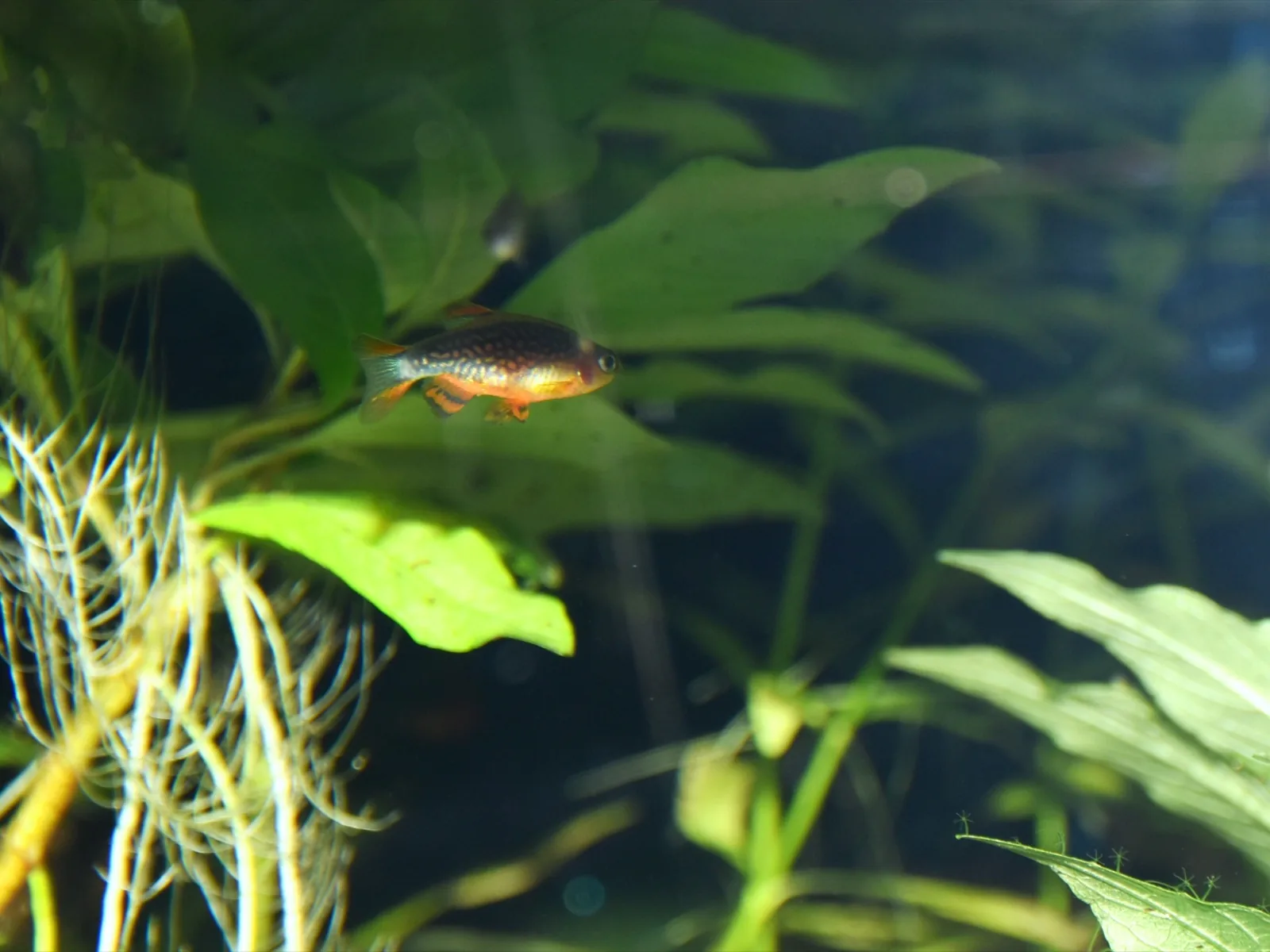
Celestial Pearl Danio (Danio margaritatus)
Pseudogastromyzon · Public domainSource
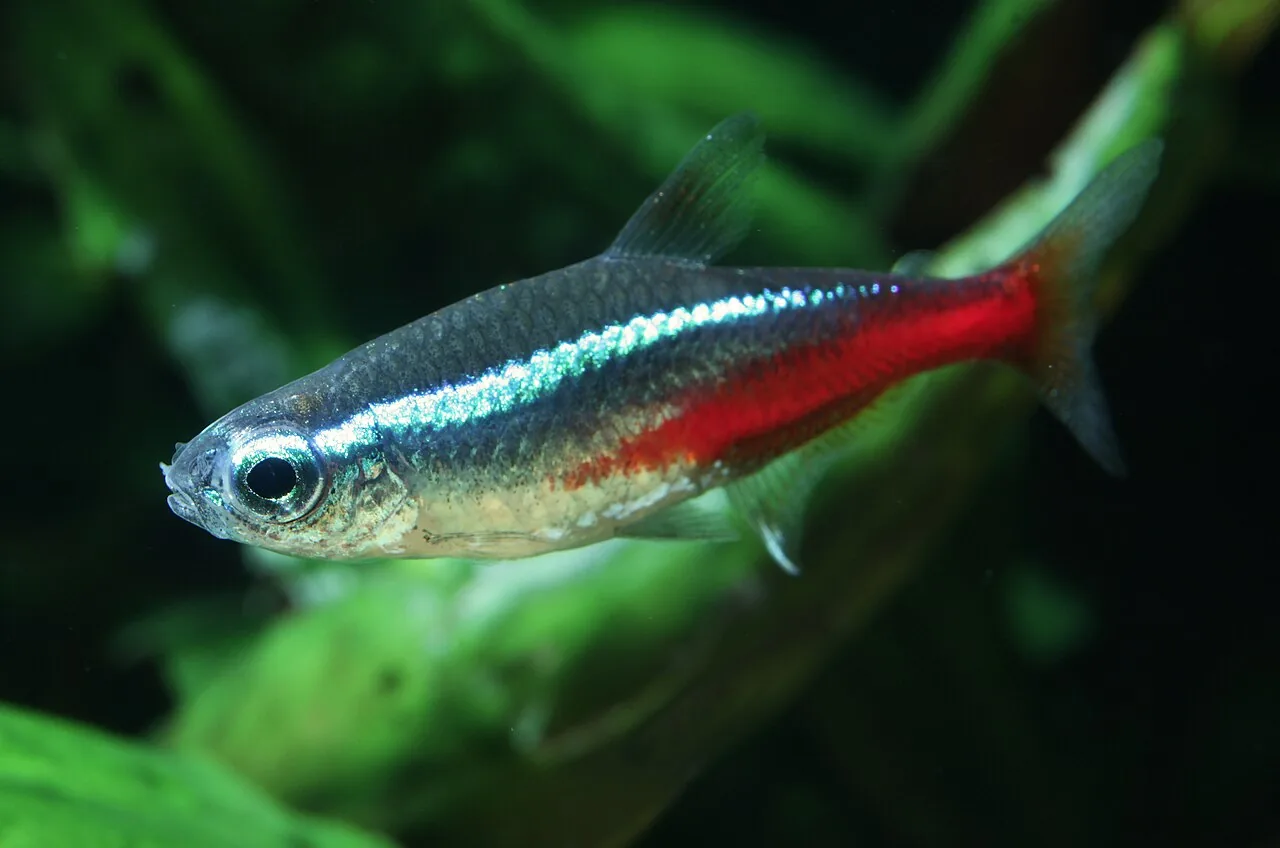
Celestial Pearl Danio (Danio margaritatus)
Bread962 · CC BY 4.0Source
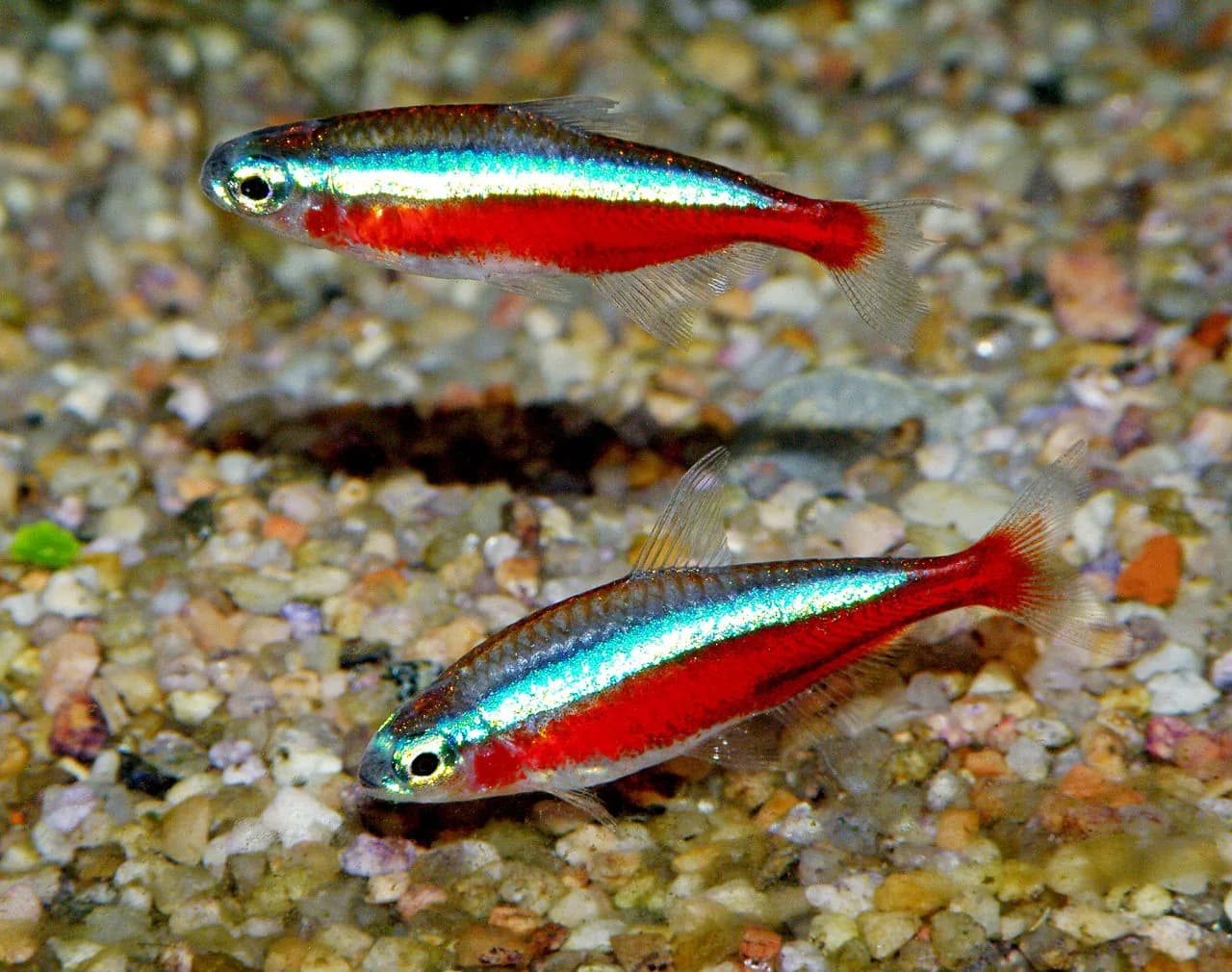
Celestial Pearl Danio (Danio margaritatus)
Mummymonkey at English Wikipedia · Public domainSource
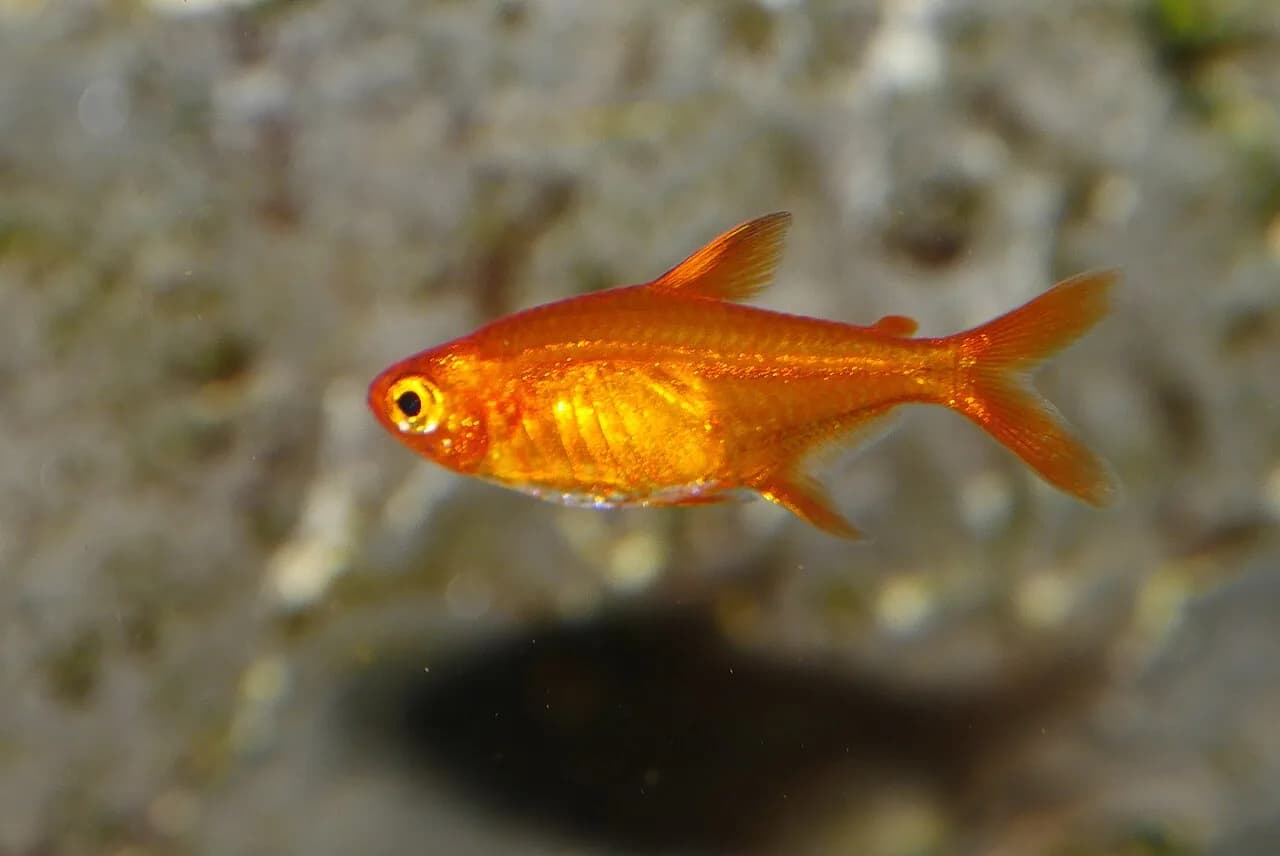
Celestial Pearl Danio (Danio margaritatus)
Lerdsuwa · CC BY-SA 3.0Source
Celestial Pearl Danio (Danio margaritatus)
NasserHalaweh · CC BY-SA 4.0Source

Hero photo by Cisamarc · CC BY-SA 3.0 · Wikipedia

Tank fit

The parameters that decide whether celestial pearl danio fits in your tank.

Parameters

Temperature20–24 °C
15 °C20 °C25 °C30 °C
pH6.5–7.5
4.05.06.07.08.0
Hardness2–10 dGH
0 dGH5 dGH10 dGH15 dGH20 dGH25 dGH
Adult size2–2.5 cm
0481115
Water column

Mid to Bottom

Schooling

Yes

Group of 6+

FlowLow
Still
Low
Medium
High
V. high

Profile

Family

Cyprinidae

Diet

Micropredator

Micro pellets, baby brine shrimp, daphnia, microworms.

Lifespan

3–5 yrs

Breeding

Medium

Habitat

Tiny grass-edged ponds and rice paddies of Myanmar

Hopong area, Myanmar

Who it lives with

Tank-mate safety and the species this one is documented to thrive (or fail) alongside.

Good tank mates

Best as species-only or with similar cool-water nano fish (white cloud mountain minnows, hillstream loaches, cherry shrimp).

Avoid

Soft-water blackwater species (chili rasboras, cardinals) — they want opposite parameters. Aggressive larger fish.

See full compatibility cross-reference

Pro tips

Hard-won lessons from the tank.

Keep more females than males (2:1) — males spar constantly and a stressed female loses colour. A 40 L tank with 12 fish, dense plants, broken sightlines is the sweet spot.

Etymology

Genus 'Danio' (from Bengali 'dhani'); species 'margaritatus' = 'pearl-like'. Originally described as Microrasbora rasbora, reclassified to Celestichthys, now Danio.

Things to watch for

What can go wrong and how to spot it.

Things to watch for

Failure modes, in order of how dramatic the fix is.

Health

Common diseases

Generally hardy. Stress from too-warm tanks shortens lifespan dramatically.

Often wrong

Misconceptions

Often kept too warm. They are a HIGHLAND fish — 20–24 °C is correct; >26 °C shortens life. Often called 'galaxy rasbora' but it's a danio.

How to care for it

The practical routine, read top to bottom.

  1. Tank setup

    30 L+. Heavily planted, hardscape with multiple sightlines (males display territory). Hard alkaline water (pH 7.0–7.5, dGH 8–15). Avoid soft-water-tank setups despite their nano size.

  2. Quarantine

    2–3 weeks. They ship surprisingly well.

Background

Where it comes from, how it behaves, and the variants you'll see at retail.

Show background

In the wild

Where it lived before it came home.

Native rangeMyanmar
Origin · Hopong area, Myanmar

Cool, shallow, spring-fed grass pools at high altitude in Myanmar's Shan State (Hopong area). Water is hard and alkaline in the wild — opposite of most nano fish.

Wild diet

Tiny crustaceans, insect larvae, algae.

Conservation status

Originally listed as nearly extirpated by collection within 2 years of discovery (2006). Captive breeding now meets nearly all demand and wild populations have partially recovered.

Behavior & breeding

How they pair, reproduce, and grow.

  1. Stage 1
    Telling them apart

    Sexing

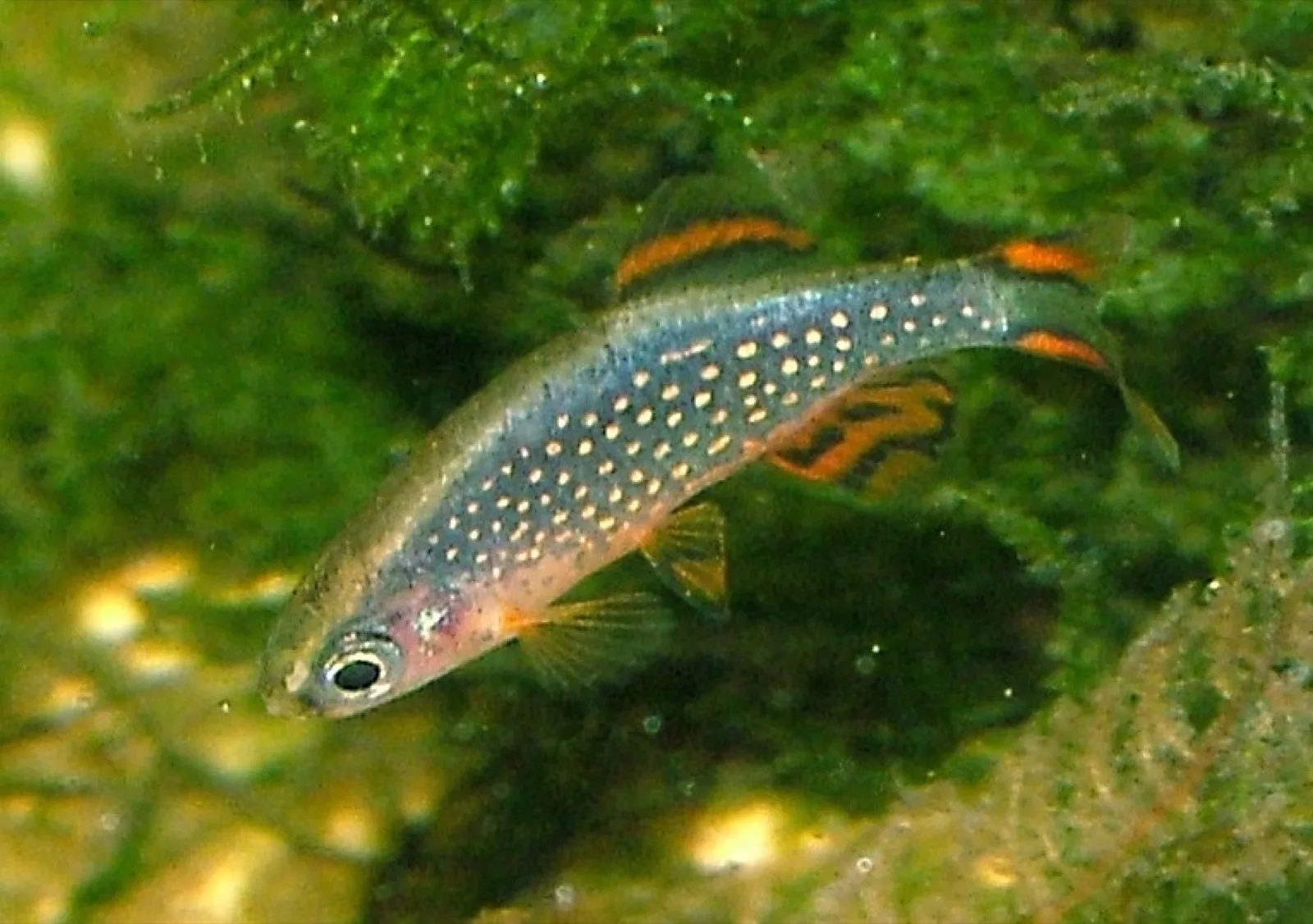
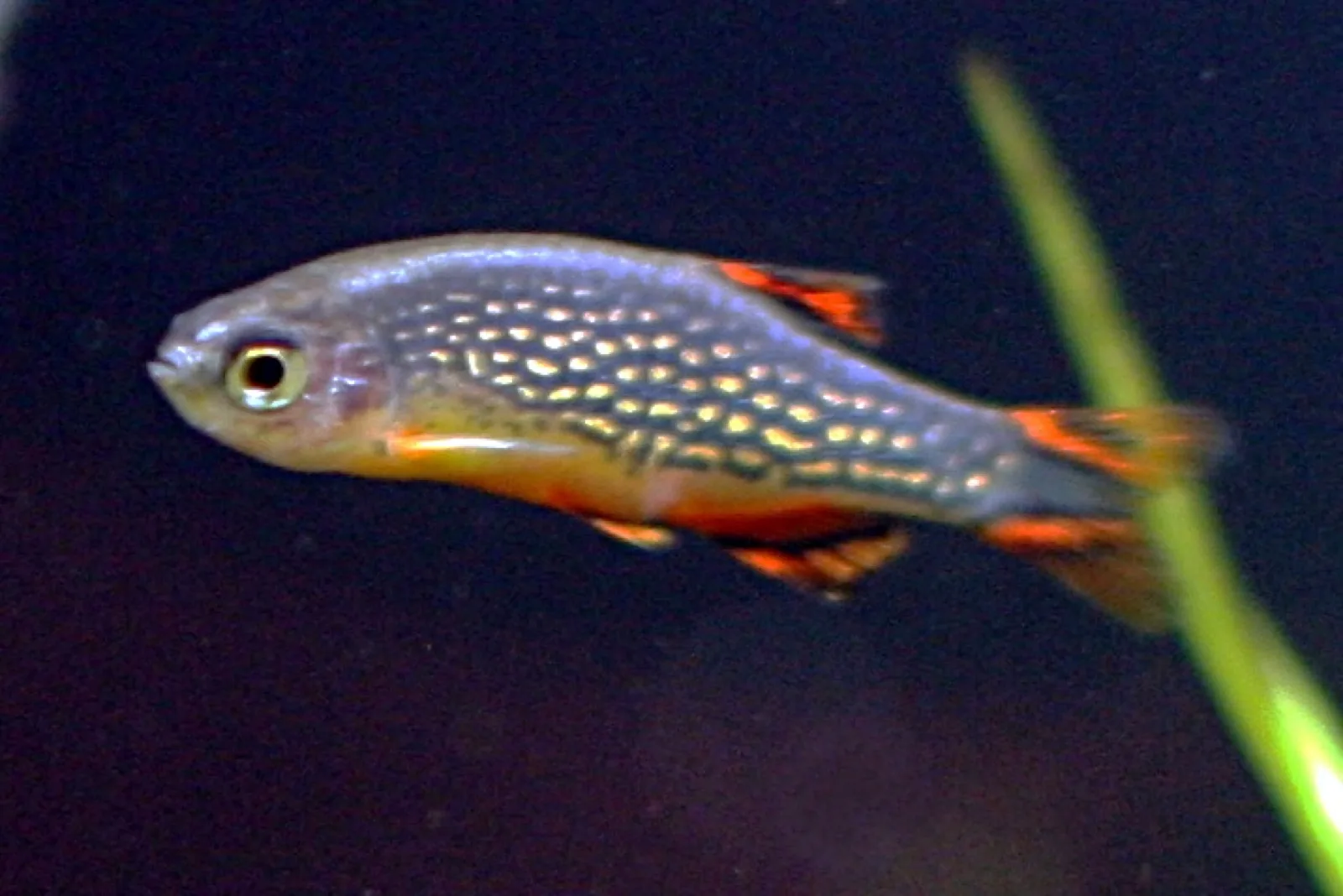
    Males have intense red fins, deeper blue body, and more white spots. Females are paler with rounder bodies and clear fins.

  2. Stage 2
    Pairing & spawning

    Breeding

    Easy. They scatter eggs continuously in moss or spawning mops. Adults will eat eggs and fry if not separated. Cooler water (~22 °C) and pH 7.0–7.5 trigger spawning.

Variants & identification

The named cultivars and the lookalikes worth flagging.

Color forms

Wild type only. Some captive lines are paler or weaker — buy from reputable breeders.

Frequently asked questions

Direct answers to the questions search engines and AI assistants surface most often about this species.

What is the minimum tank size for Celestial Pearl Danio?

Celestial Pearl Danio (Danio margaritatus) needs a minimum tank of 40 L. They live in the mid to bottom water column and should be kept in groups of 6+, so a longer footprint matters more than depth.

What water parameters do Celestial Pearl Danio need?

Target 20–24 °C, pH 6.5–7.5, and 2–10 dGH hardness. Acclimate slowly when moving them between water sources.

Are Celestial Pearl Danio safe with shrimp?

Shrimp safety: Yes (adult shrimp). Plant safety: Yes.

What do Celestial Pearl Danio eat?

Celestial Pearl Danio are micropredator. Micro pellets, baby brine shrimp, daphnia, microworms.

Are Celestial Pearl Danio beginner-friendly?

On Fin & Stem's 1–5 difficulty scale this species rates 2/5. Forgiving, beginner-friendly once the tank is cycled. Breeding difficulty: medium.

How long do Celestial Pearl Danio live?

Typical lifespan in a well-maintained tank is 3–5 years.

Sources & further reading

Cross-references

Build the rest of the tank.

A planted tank is a system. Pair this fish with one entry from each other pillar to plan the whole scape.