Fin & Stem logo
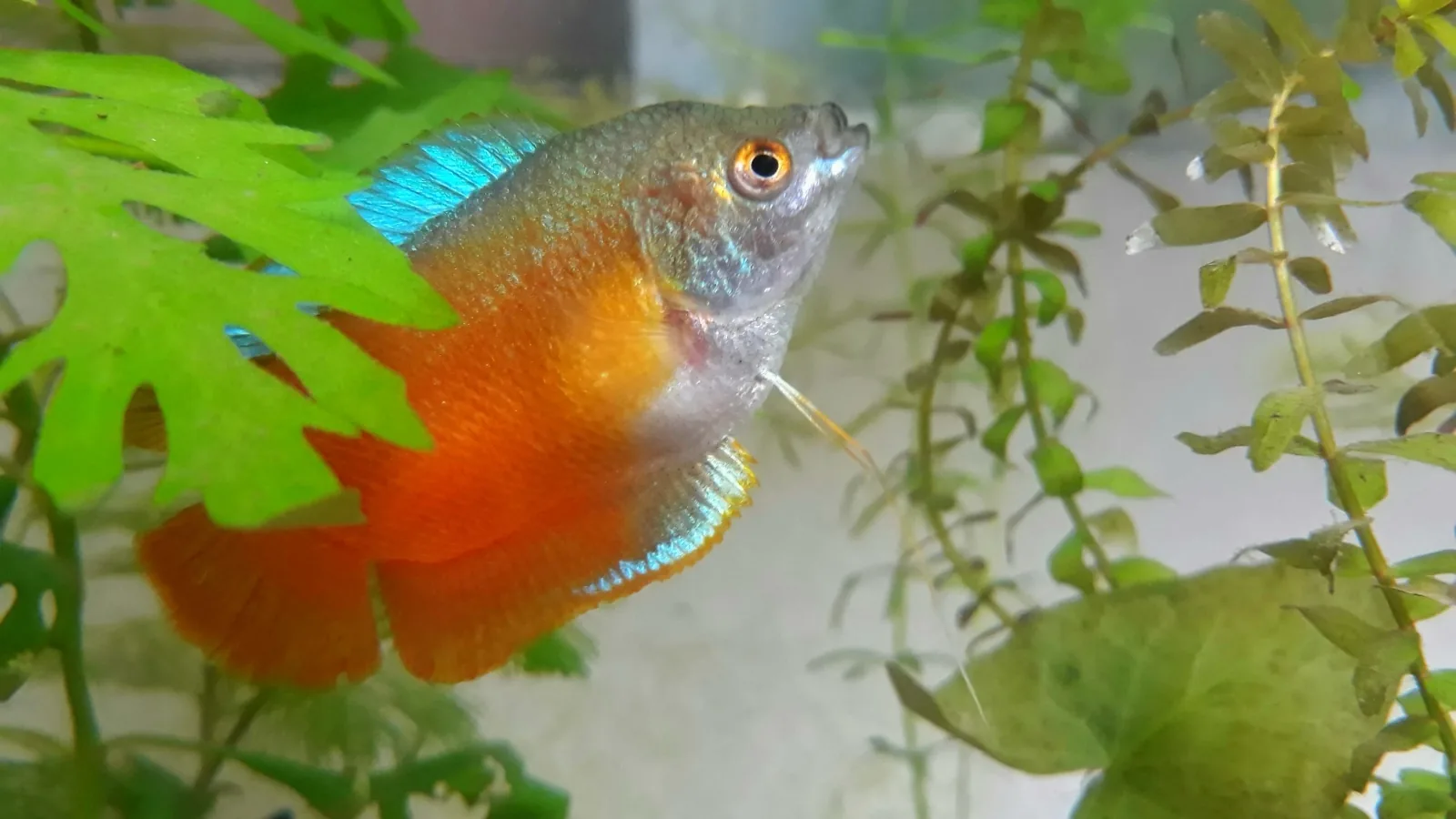
Honey Gourami (Trichogaster chuna)
Fish

Honey Gourami

Trichogaster chuna

India, Bangladesh, NepalBeginner

TL;DR, Honey Gourami

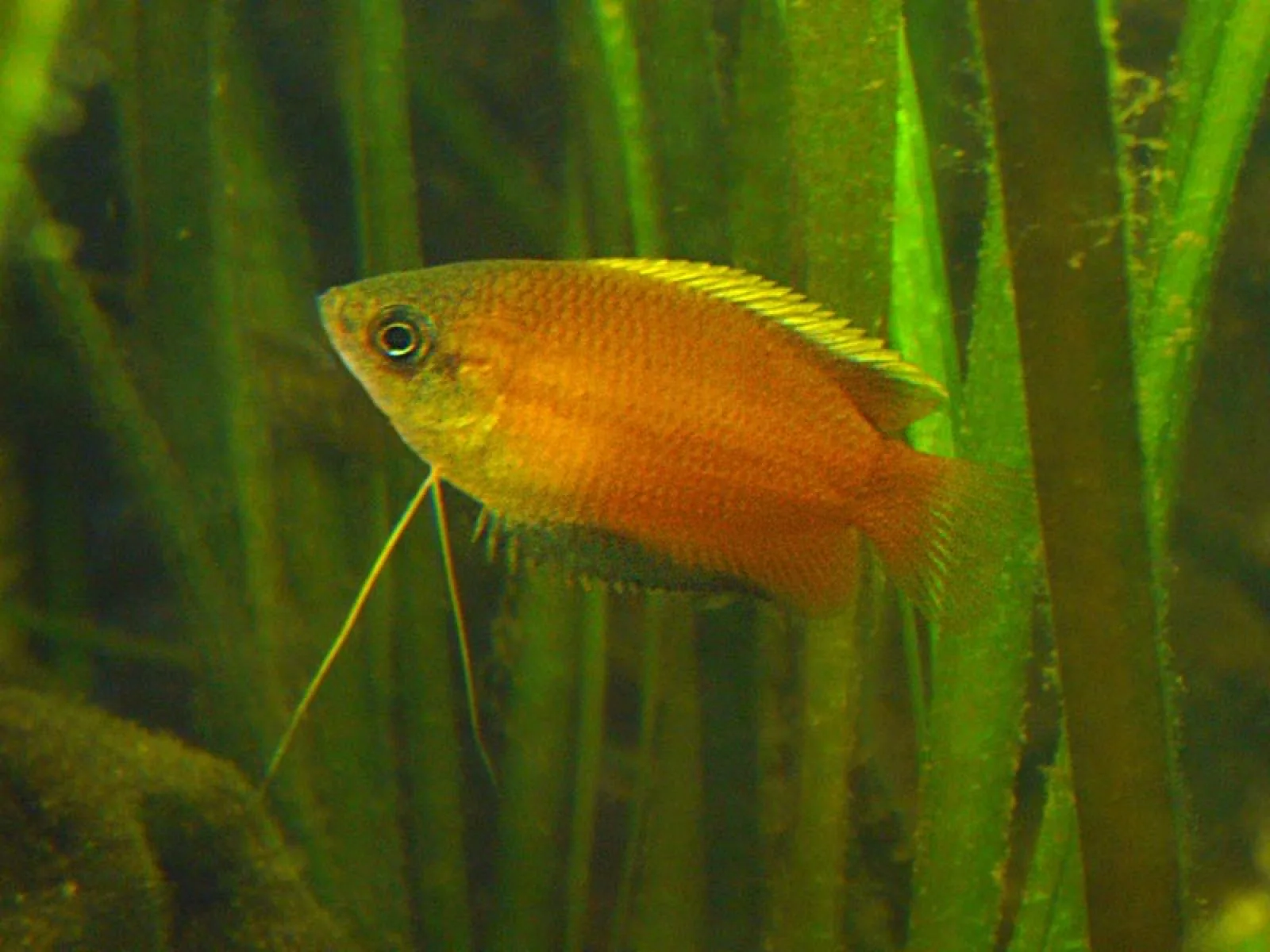
The truly peaceful gourami, unlike the unpredictable dwarf gourami it's often mistaken for. Males turn buttercup-orange in breeding colour; females stay pale beige. Labyrinth organ means surface access is mandatory.

Honey Gourami (Trichogaster chuna) reaches 4–5 cm as an adult and needs a minimum tank of 60 L. Native to India, Bangladesh, Nepal, it lives in the mid to top water column with a peaceful temperament. Aim for 22–28 °C, pH 6.0–7.5, and 4–15 dGH hardness. Lifespan is 4–8 years with good care. Keep honey gourami in groups of 2+, pair or trio schoolers need numbers to display natural behaviour. Diet: omnivore, Micro pellets, flake, frozen daphnia, mosquito larvae. Smaller mouth than other gouramis, keep food fine. Plant-safe: Yes. Shrimp-safe: Yes (adults).

  • Min tank60 L
  • TemperamentPeaceful
  • Plant-safeYes
  • Shrimp-safeYes (adults)

Care at a glance

The truly peaceful gourami, unlike the unpredictable dwarf gourami it's often mistaken for. Males turn buttercup-orange in breeding colour; females stay pale beige. Labyrinth organ means surface access is mandatory.

By Updated 3 min read

Part of our complete guide to aquarium fish for the planted tank.

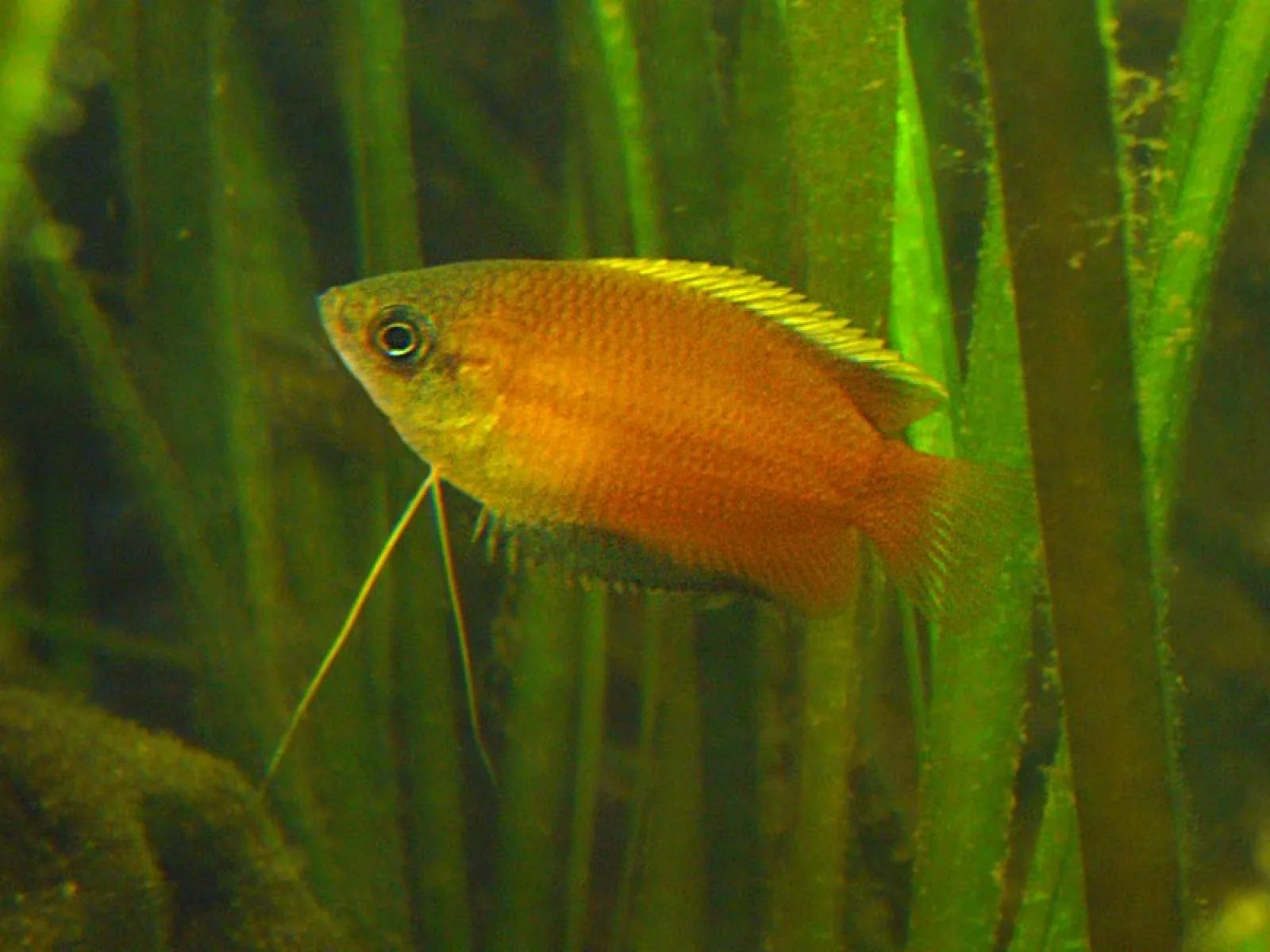
Honey Gourami (Trichogaster chuna)
Antoondommerholt at Dutch Wikipedia · CC BY-SA 3.0Source
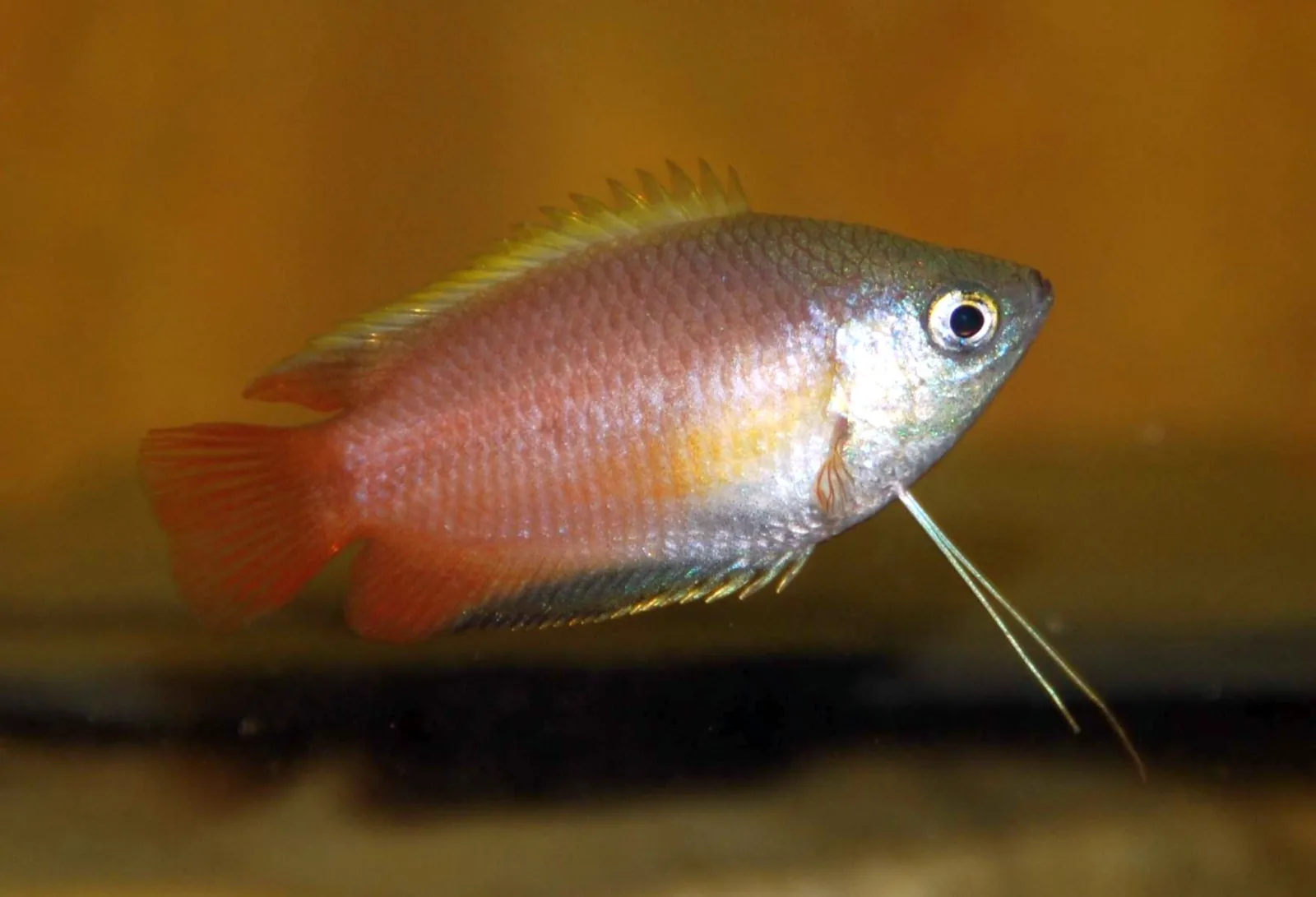
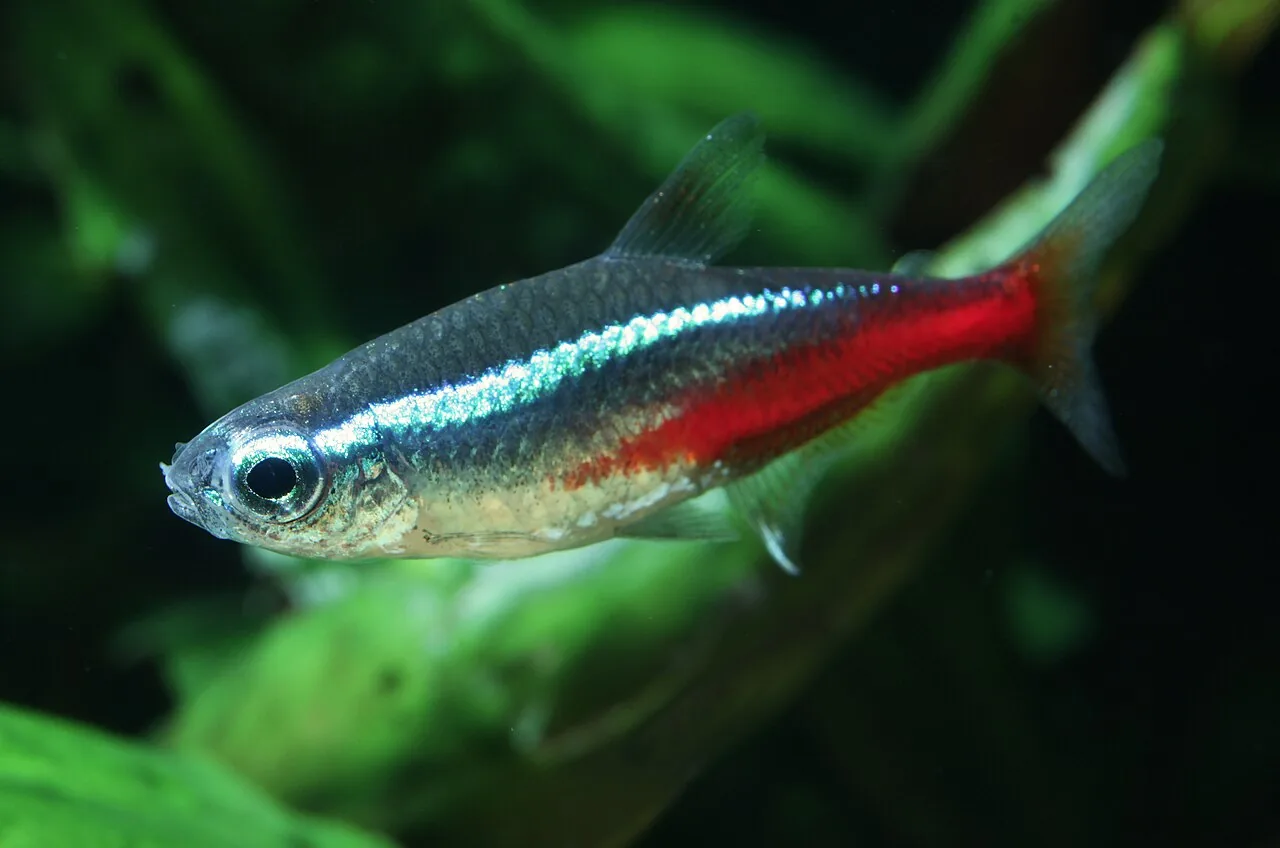
Honey Gourami (Trichogaster chuna)
Made be Uploader · CC BY-SA 3.0Source
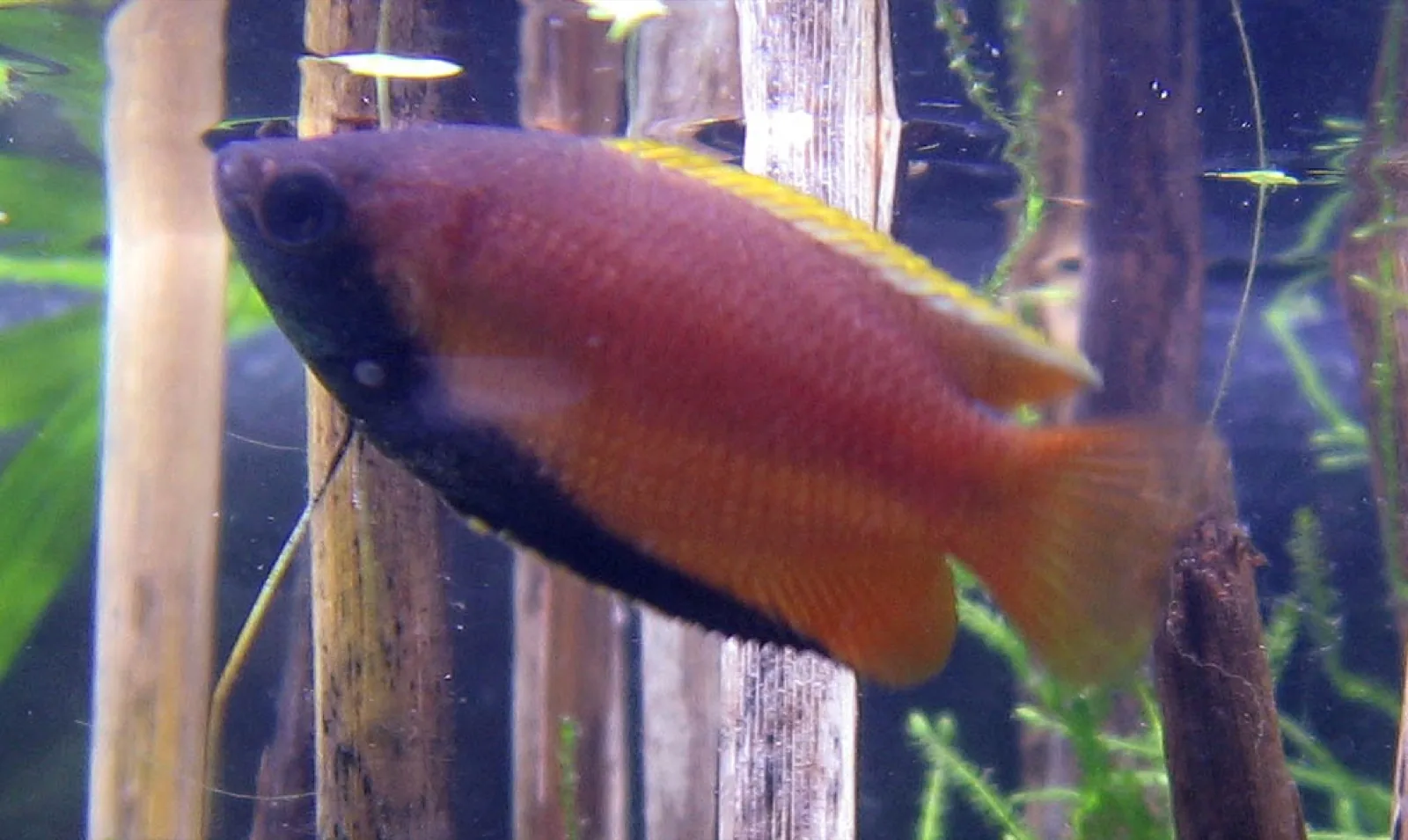
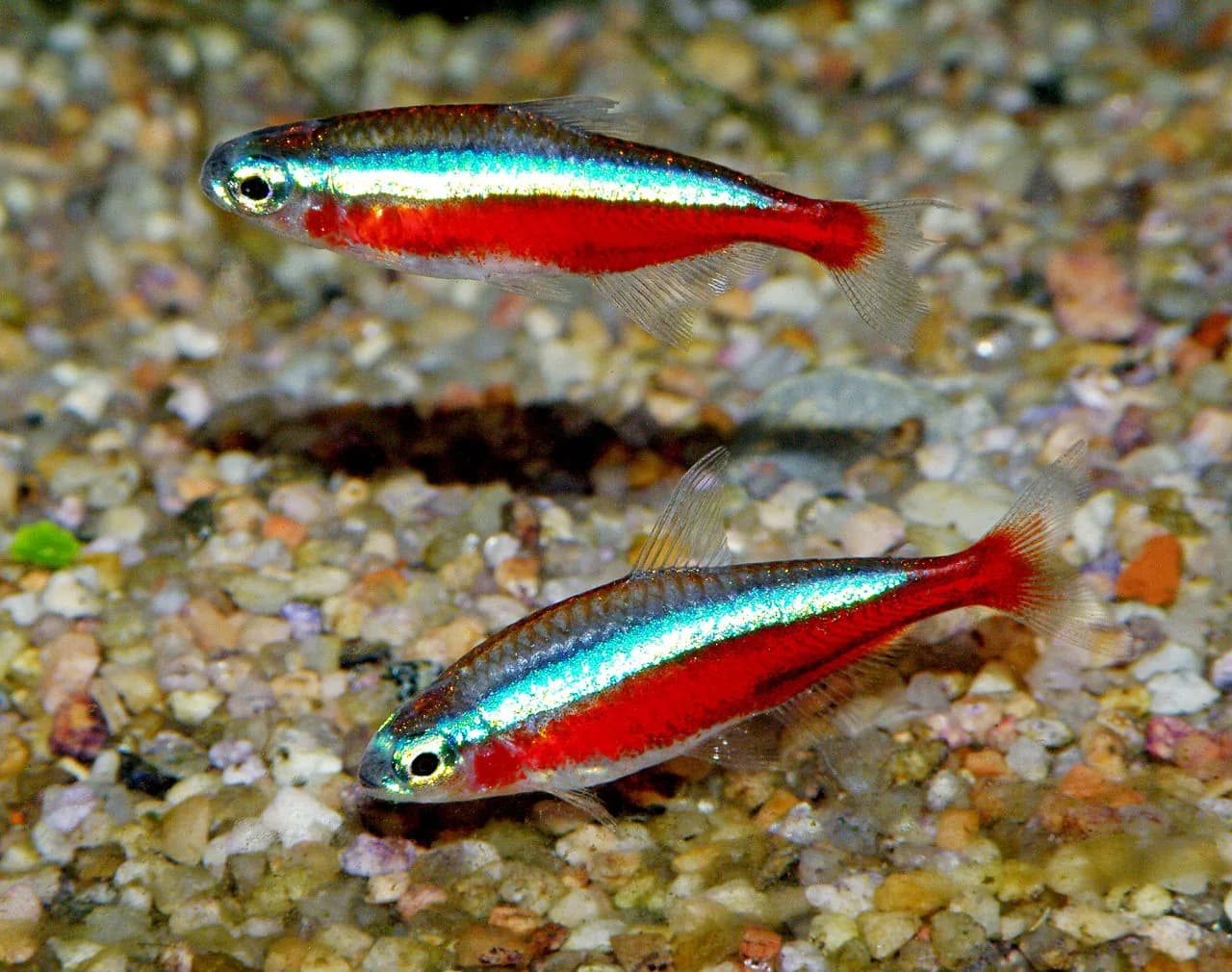
Honey Gourami (Trichogaster chuna)
Zikamoi · CC BY-SA 2.5Source
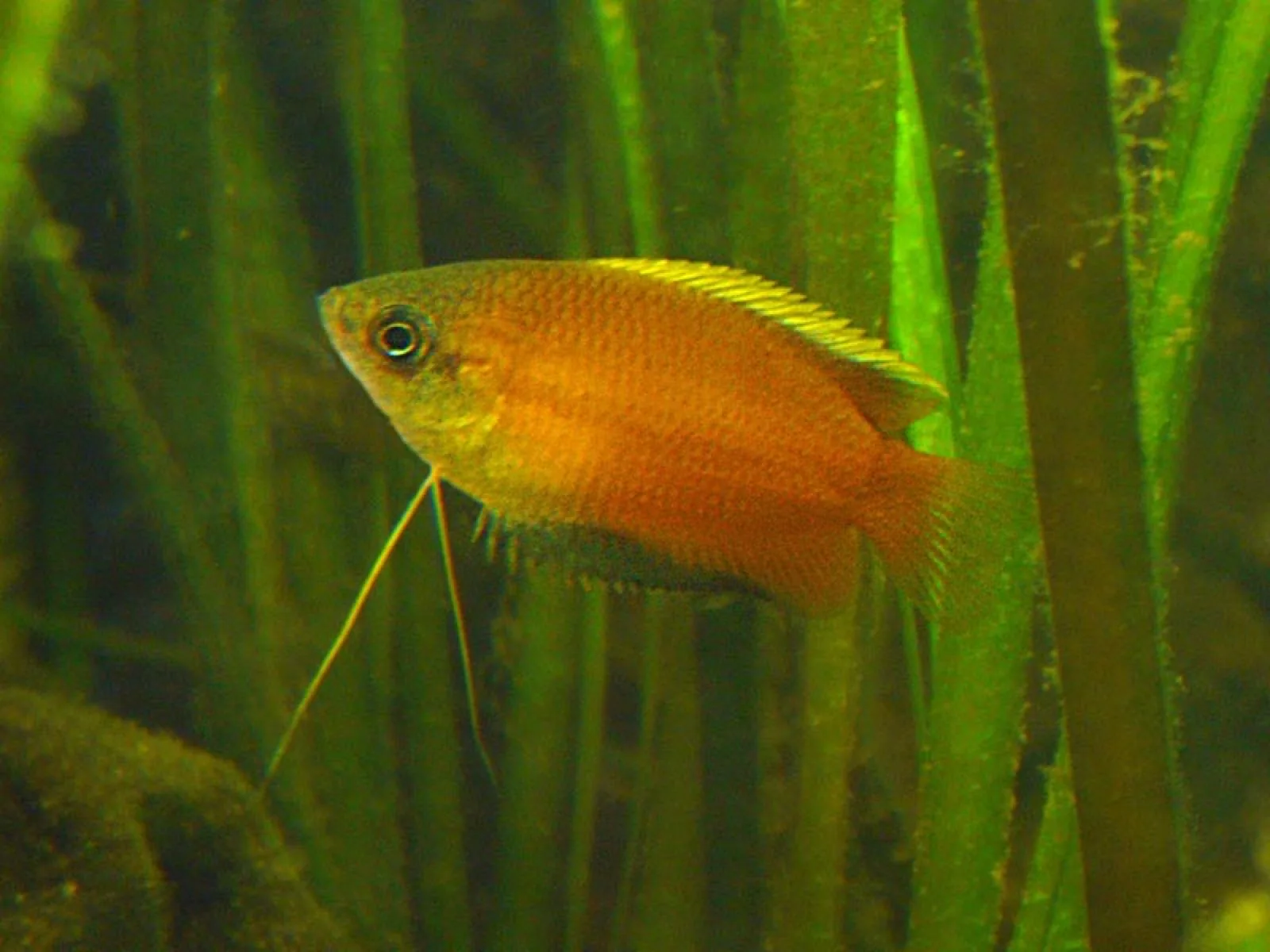
Honey Gourami (Trichogaster chuna)
Antoondommerholt at Dutch Wikipedia · CC BY-SA 3.0Source
Honey Gourami (Trichogaster chuna)
Sugeesh · CC BY-SA 4.0Source

Hero photo by Antoondommerholt at Dutch Wikipedia · CC BY-SA 3.0 · Wikipedia

Tank fit

The parameters that decide whether honey gourami fits in your tank.

Parameters

Temperature22–28 °C
15 °C20 °C25 °C30 °C
pH6.0–7.5
4.05.06.07.08.0
Hardness4–15 dGH
0 dGH5 dGH10 dGH15 dGH20 dGH25 dGH
Adult size4–5 cm
0481115
Water column

Mid to Top

Schooling

No

Best as a pair or trio

FlowStill to Low
Still
Low
Medium
High
V. high

Profile

Family

Osphronemidae

Diet

Omnivore

Micro pellets, flake, frozen daphnia, mosquito larvae. Smaller mouth than other gouramis, keep food fine.

Lifespan

4–8 yrs

Breeding

Medium (bubble-nester)

Habitat

Slow weedy ponds and ditches of the Ganges plain

India, Bangladesh, Nepal

Who it lives with

Tank-mate safety and the species this one is documented to thrive (or fail) alongside.

Good tank mates

All small peaceful community fish: ember tetras, harlequin rasboras, pygmy corydoras, otocinclus, cherry shrimp adults, kuhli loaches.

Avoid

Other gouramis (territorial overlap), aggressive barbs, anything large or boisterous. Two males will spar; one male and 2+ females is the ideal stocking.

See full compatibility cross-reference

Pro tips

Hard-won lessons from the tank.

The pelvic-fin 'feelers' are sensory organs — males stroke courting females with them. Watch for this behaviour, it's one of the most charming displays in the hobby. Pair a single male with two females and don't expect constant brilliant colour: he's reserving energy for the times it matters.

Etymology

Genus 'Trichogaster' = 'hair belly' (referring to the elongated pelvic fins used to 'feel' surroundings). Species 'chuna' is a local Bengali name. Previously classified as Colisa chuna.

Things to watch for

What can go wrong and how to spot it.

Things to watch for

Failure modes, in order of how dramatic the fix is.

Health

Common diseases

Very robust compared to other Trichogaster species. The widespread iridovirus that plagues farmed dwarf gouramis (DGIV) is much rarer in honey gouramis. Watch for fungus and air-temperature drops affecting the labyrinth organ — always cover the tank.

Often wrong

Misconceptions

Constantly confused with dwarf gouramis. Honey gouramis are smaller (4–5 cm vs 7–9 cm), peaceful, healthier, and the male's full breeding colour only appears for short windows — outside that they look unimpressive in the shop tank. Buy them anyway.

How to care for it

The practical routine, read top to bottom.

  1. Tank setup

    60 L+. Heavily planted top and middle. Tall plants give males vertical sightlines for territorial display. Tannins from catappa leaves and driftwood. Gentle flow only — sponge filter or canister output diffused. Surface plants are non-negotiable for confidence.

  2. Quarantine

    3 weeks. Provide tannins and dim cover. They settle faster than dwarf gouramis.

Background

Where it comes from, how it behaves, and the variants you'll see at retail.

Show background

In the wild

Where it lived before it came home.

Native rangeIndiaBangladeshNepal
Origin · India, Bangladesh, Nepal

Slow shallow streams, paddies, and ponds across northern India, Bangladesh, and Nepal. Tannin-stained, warm, vegetated water with low flow and surface plants.

Wild diet

Mosquito larvae, daphnia, small crustaceans, biofilm. Surface feeders.

Conservation status

Not threatened. Almost all stock is captive-bred in Southeast Asia.

Behavior & breeding

How they pair, reproduce, and grow.

  1. Stage 1
    Telling them apart

    Sexing

    Easy when mature. Males flush bright orange-yellow (or 'honey') with a black throat and belly during breeding season; outside that they're pale gold. Females stay beige-silver with a horizontal stripe and never colour up.

  2. Stage 2
    Pairing & spawning

    Breeding

    Bubble-nesters and the easiest gourami to spawn. Soft acidic water at 27–29 °C, very low flow, surface plants (frogbit, dwarf water lettuce) for nest anchoring. Male builds a small nest, courts the female, fertilises eggs as she releases them, then guards the nest aggressively against everything including the female. Remove the female after spawning. Fry need infusoria for the first 5–7 days.

Variants & identification

The named cultivars and the lookalikes worth flagging.

Color forms
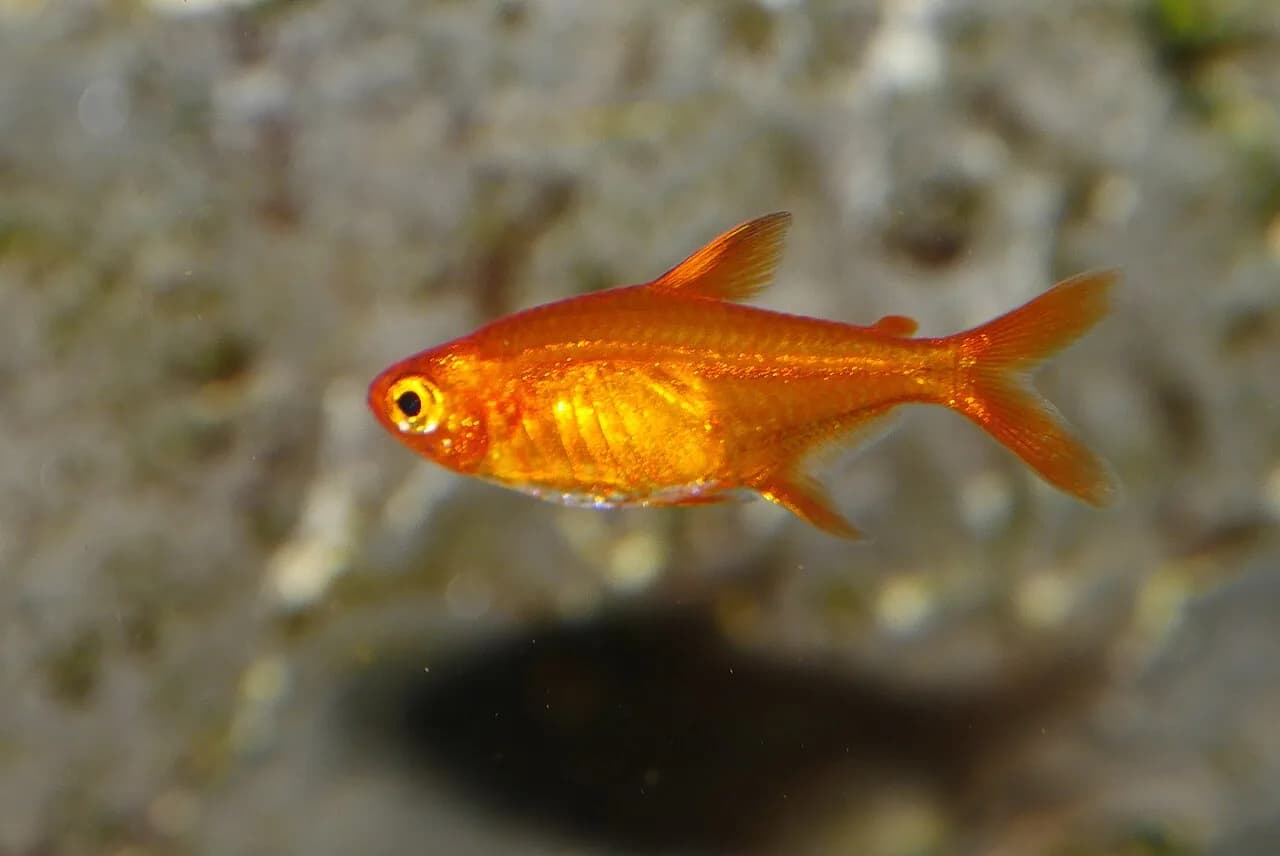
sunset honeyred honeyrobin redneon honey

Wild type (true T. chuna), 'sunset honey' or 'red honey' (selectively bred deeper orange), and the dyed 'robin red' or 'neon honey' — avoid dyed fish on welfare grounds. Often confused with the dwarf gourami (T. lalius / Colisa lalia), which is a different and far more aggressive species.

Frequently asked questions

Direct answers to the questions search engines and AI assistants surface most often about this species.

What is the minimum tank size for Honey Gourami?

Honey Gourami (Trichogaster chuna) needs a minimum tank of 60 L. They live in the mid to top water column and should be kept in groups of 2+, so a longer footprint matters more than depth.

What water parameters do Honey Gourami need?

Target 22–28 °C, pH 6.0–7.5, and 4–15 dGH hardness. Acclimate slowly when moving them between water sources.

Are Honey Gourami safe with shrimp?

Shrimp safety: Yes (adults). Plant safety: Yes.

What do Honey Gourami eat?

Honey Gourami are omnivore. Micro pellets, flake, frozen daphnia, mosquito larvae. Smaller mouth than other gouramis, keep food fine.

Are Honey Gourami beginner-friendly?

On Fin & Stem's 1–5 difficulty scale this species rates 1/5. Almost unkillable, a solid first-tank choice. Breeding difficulty: medium (bubble-nester).

How long do Honey Gourami live?

Typical lifespan in a well-maintained tank is 4–8 years.

Sources & further reading

Cross-references

Build the rest of the tank.

A planted tank is a system. Pair this fish with one entry from each other pillar to plan the whole scape.