Fin & Stem logo
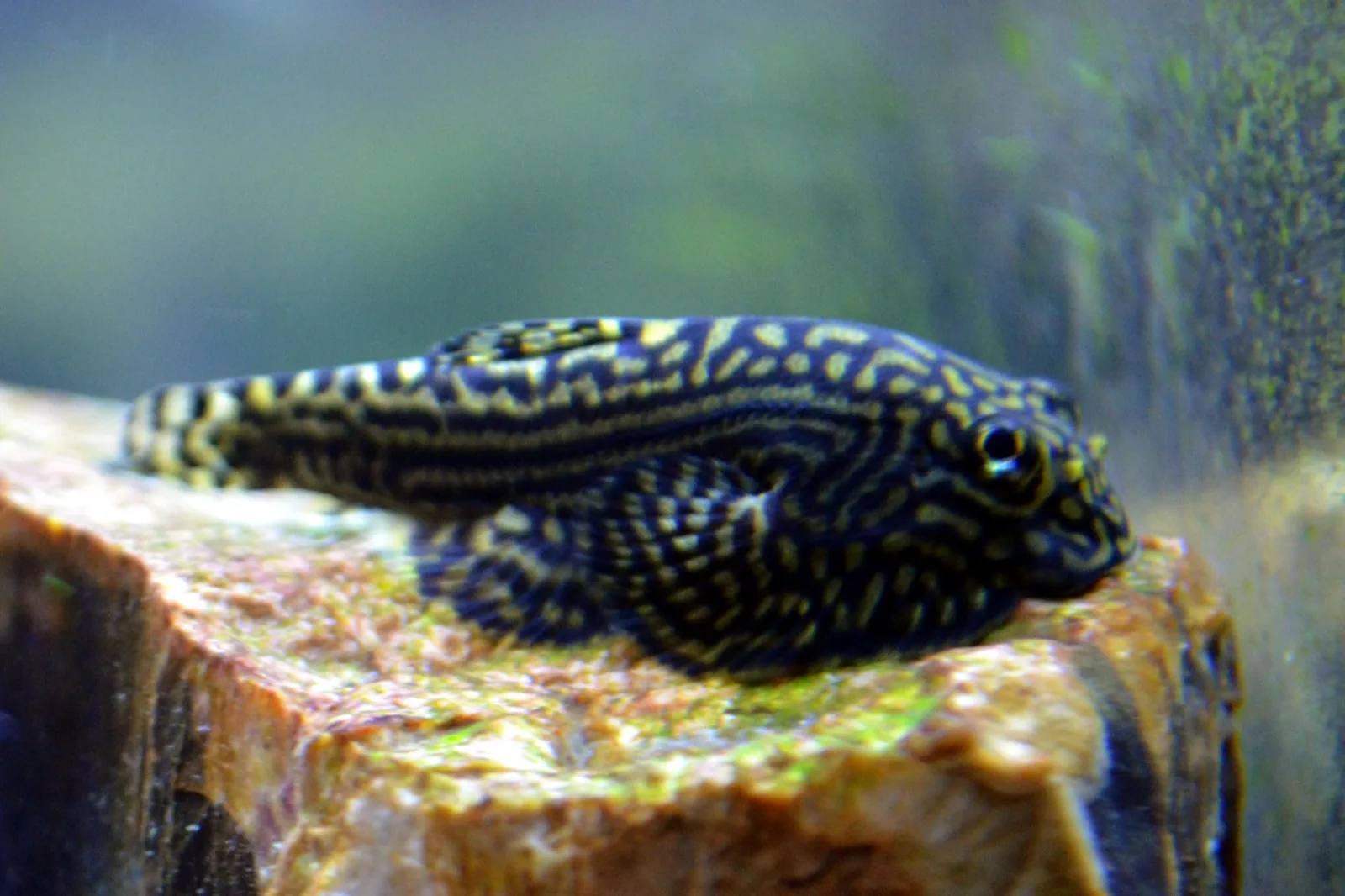
Reticulated Hillstream Loach (Sewellia lineolata)
Fish

Reticulated Hillstream Loach

Sewellia lineolata

Central and southern VietnamIntermediate

TL;DR, Reticulated Hillstream Loach

Built like a tiny stingray and adapted for whitewater streams. Needs powerheads creating real river-current flow and high dissolved oxygen. Smooth river rock and broad plant leaves are their grazing surfaces. Pair with kuhli loaches and otocinclus for a 'river bottom' community.

Reticulated Hillstream Loach (Sewellia lineolata) reaches 5–7 cm as an adult and needs a minimum tank of 75 L. Native to Central and southern Vietnam, it lives in the bottom (sticks to surfaces) water column with a peaceful temperament. Aim for 20–24 °C, pH 6.5–7.5, and 4–15 dGH hardness. Lifespan is 8–10 years with good care. Keep reticulated hillstream loach in groups of 4+, loose group schoolers need numbers to display natural behaviour. Diet: herbivore (biofilm and algae), Soft green algae, biofilm, Repashy Soilent Green, blanched zucchini, sinking veg wafers. Needs strong oxygenated flow to feed. Plant-safe: Yes. Shrimp-safe: Yes.

  • Min tank75 L
  • TemperamentPeaceful
  • Plant-safeYes
  • Shrimp-safeYes

Care at a glance

Built like a tiny stingray and adapted for whitewater streams. Needs powerheads creating real river-current flow and high dissolved oxygen. Smooth river rock and broad plant leaves are their grazing surfaces. Pair with kuhli loaches and otocinclus for a 'river bottom' community.

By Updated 3 min read

Part of our complete guide to aquarium fish for the planted tank.

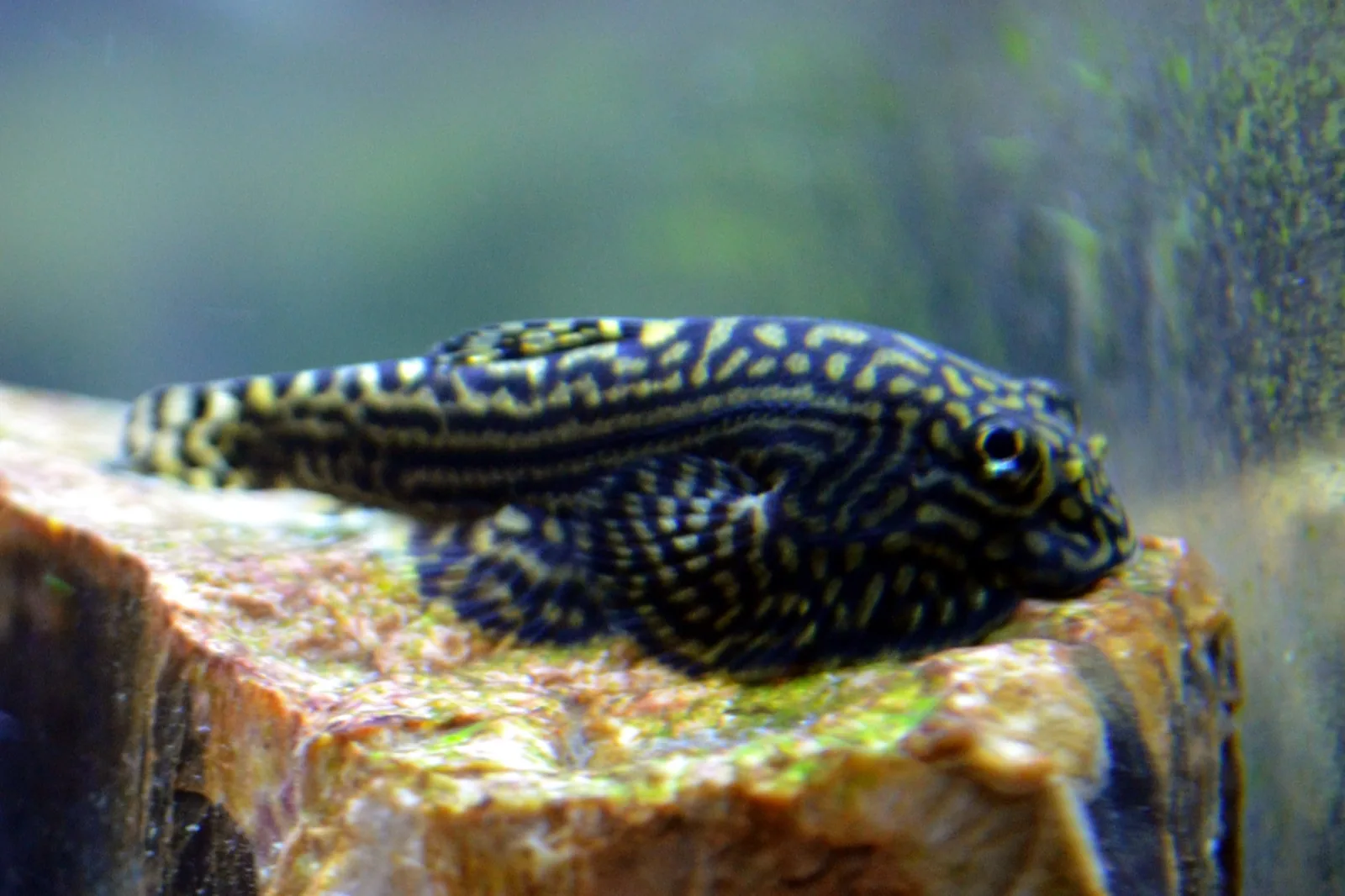
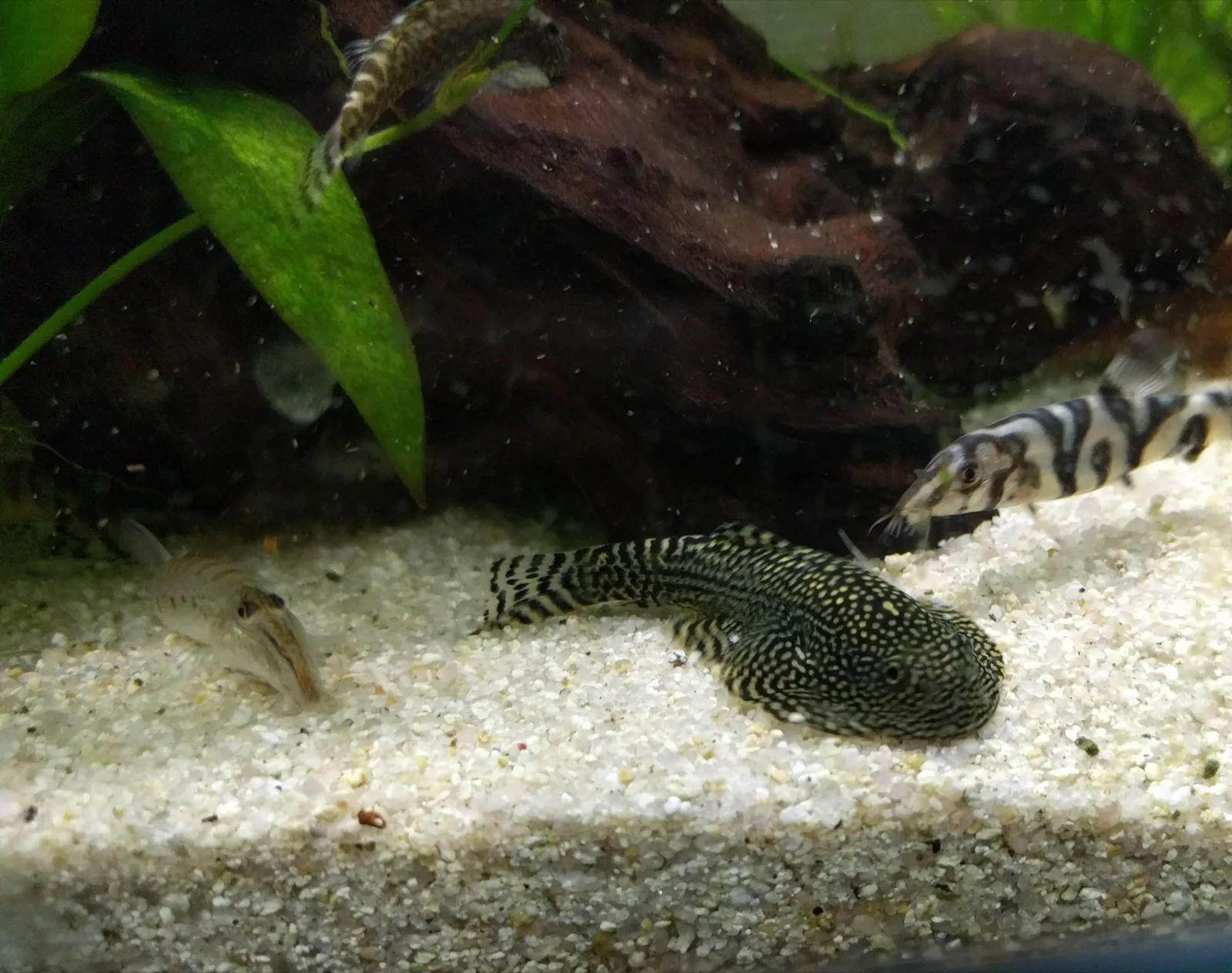
Reticulated Hillstream Loach (Sewellia lineolata)
Spiketooth · CC BY-SA 3.0Source
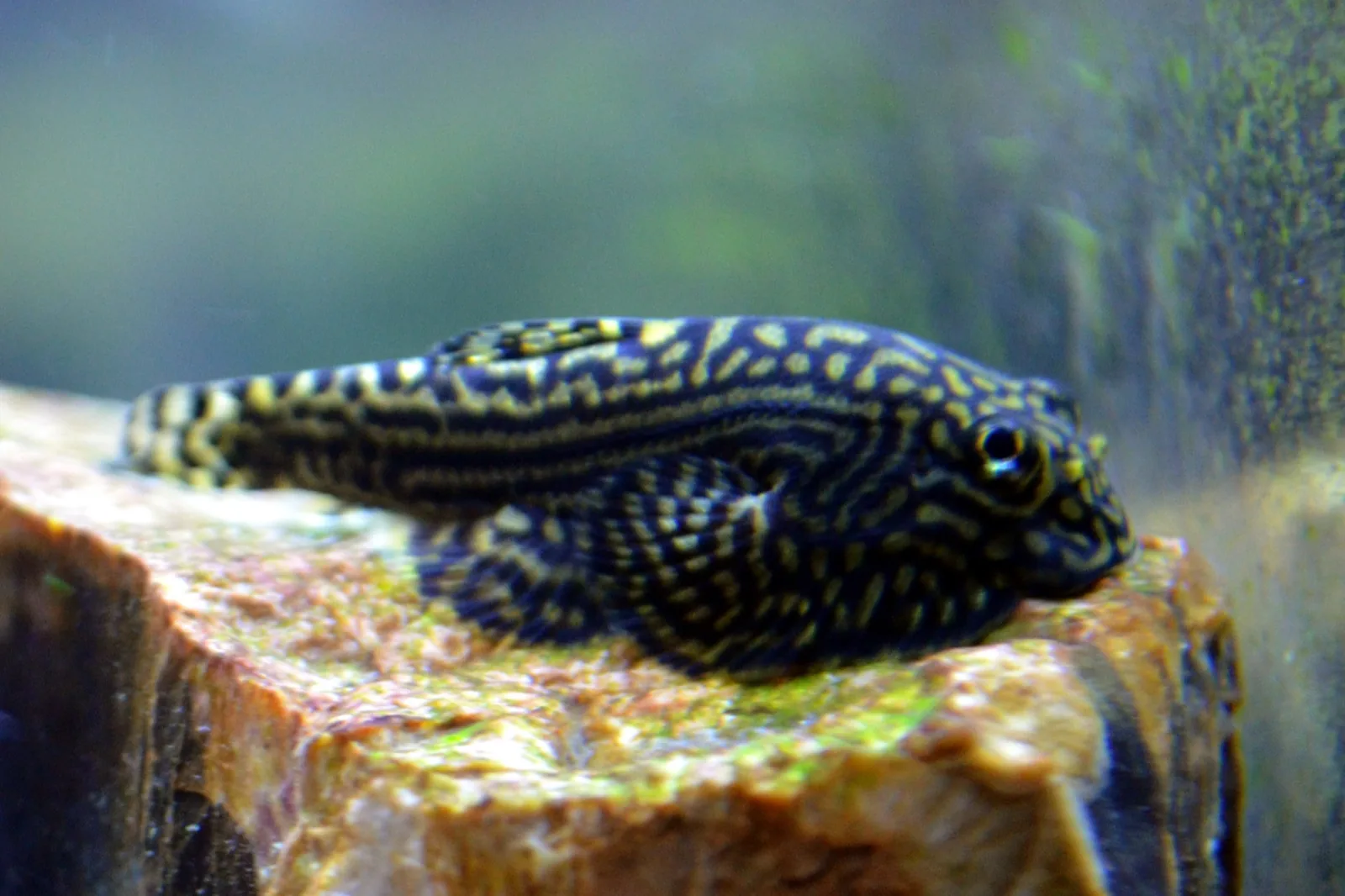
Reticulated Hillstream Loach (Sewellia lineolata)
Spiketooth · CC BY-SA 3.0Source
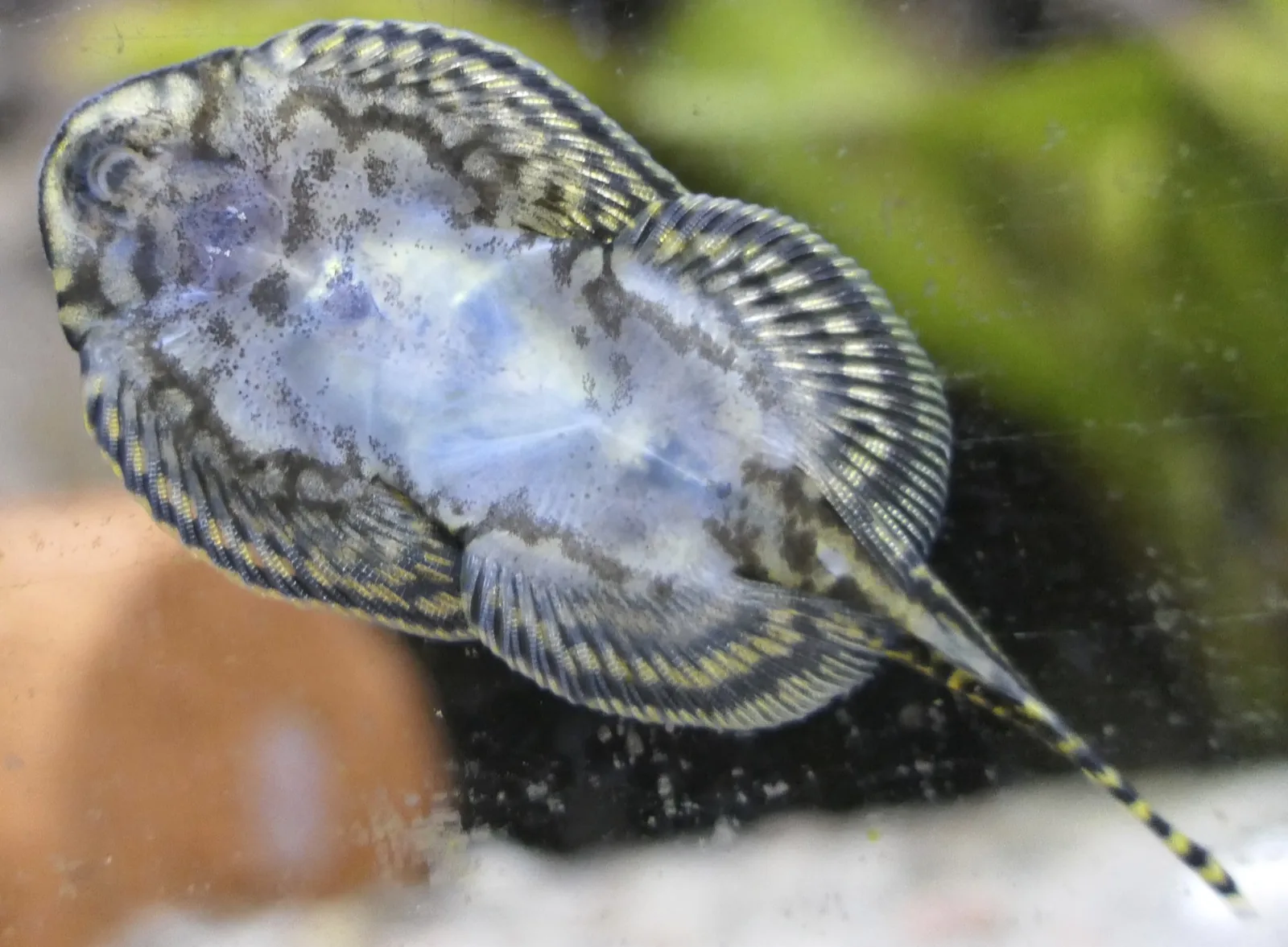
Reticulated Hillstream Loach (Sewellia lineolata)
5snake5 · CC0Source
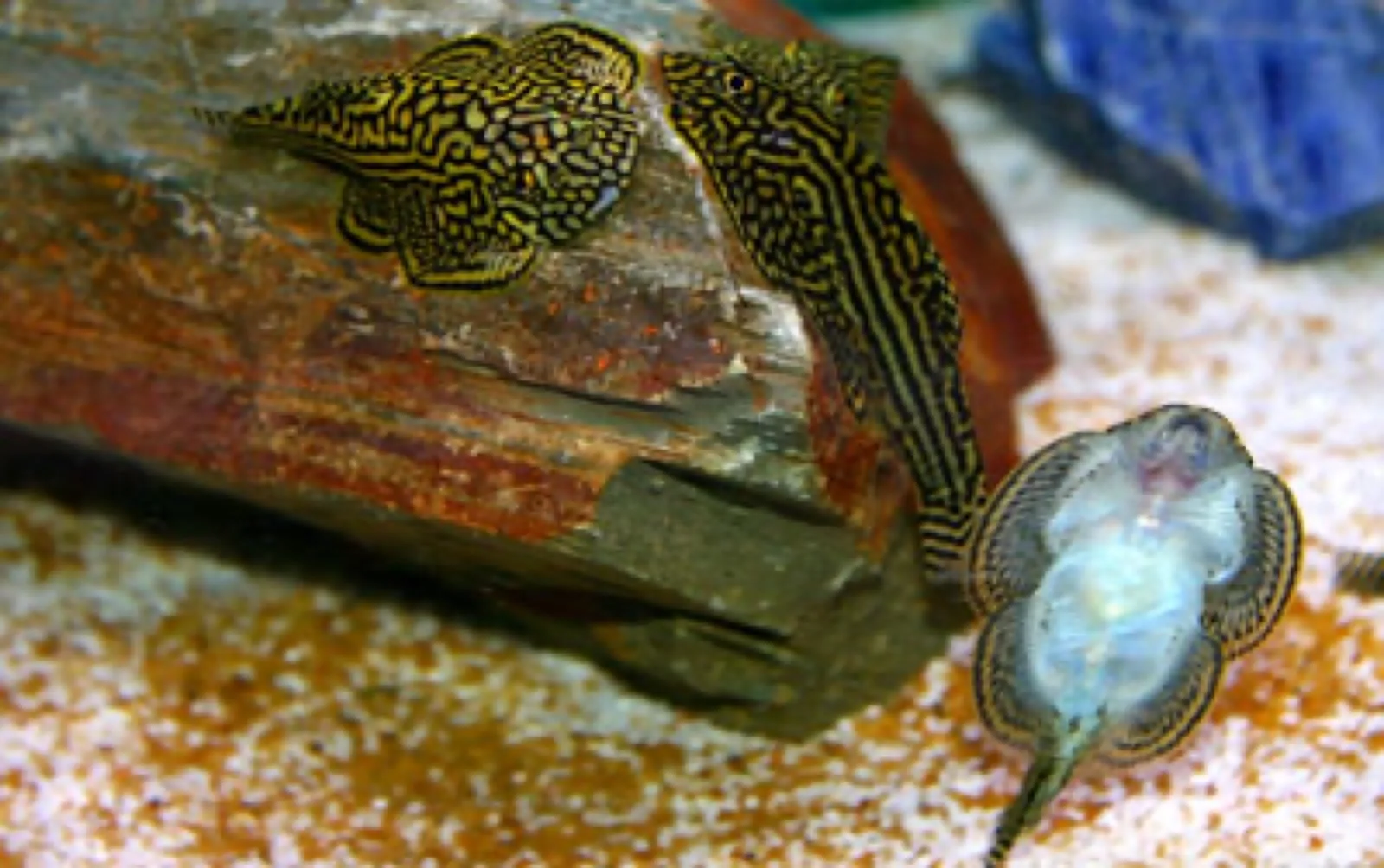
Reticulated Hillstream Loach (Sewellia lineolata)
Frank M. Greco · CC BY 3.0Source
Reticulated Hillstream Loach (Sewellia lineolata)
Mistumitsu · CC BY-SA 4.0Source

Hero photo by Spiketooth · CC BY-SA 3.0 · Wikipedia

Tank fit

The parameters that decide whether reticulated hillstream loach fits in your tank.

Parameters

Temperature20–24 °C
15 °C20 °C25 °C30 °C
pH6.5–7.5
4.05.06.07.08.0
Hardness4–15 dGH
0 dGH5 dGH10 dGH15 dGH20 dGH25 dGH
Adult size5–7 cm
0481115
Water column

Bottom (sticks to surfaces)

Schooling

No

Small group of 4+

FlowVery High
Still
Low
Medium
High
V. high

Profile

Family

Balitoridae

Diet

Herbivore (biofilm and algae)

Soft green algae, biofilm, Repashy Soilent Green, blanched zucchini, sinking veg wafers. Needs strong oxygenated flow to feed.

Lifespan

8–10 yrs

Breeding

Medium

Habitat

Fast oxygen-rich Himalayan foothill streams

Central and southern Vietnam

Who it lives with

Tank-mate safety and the species this one is documented to thrive (or fail) alongside.

Good tank mates

Cold-tolerant low-flow tolerant fish: White Cloud Mountain Minnows, otocinclus, kuhli loaches (different layer), cherry shrimp. Other hillstream loaches.

Avoid

Warm-water species (anything needing 26+ °C), aggressive bottom-dwellers, anything that competes for biofilm grazing.

See full compatibility cross-reference

Pro tips

Hard-won lessons from the tank.

Build the tank around flow first, then add the fish. A stream-pump or powerhead aimed at one end with smooth rocks as 'rapids' produces the most natural display. They flatten themselves against the glass when feeding — front-pane biofilm grazing is one of the most charming behaviours in the hobby.

Etymology

Genus 'Sewellia' honours British marine engineer Robert Sewell. Species 'lineolata' = 'finely lined' for the reticulated pattern.

Things to watch for

What can go wrong and how to spot it.

Things to watch for

Failure modes, in order of how dramatic the fix is.

Health

Common diseases

Sensitive to copper-based medications and low oxygen. Susceptible to bacterial infections if kept in warm low-flow tanks. Treat them like coldwater fish in a tropical aquarium.

Often wrong

Misconceptions

Often sold as 'algae eaters' for community tanks — they're highly specialized flow-and-cold-water specialists and will starve in still warm tanks. They eat biofilm and soft algae, NOT hair algae or BBA.

How to care for it

The practical routine, read top to bottom.

  1. Tank setup

    75 L+ with high flow (10–15× tank turnover per hour). Powerhead or stream pump creating directional current along one wall. Smooth rounded river rocks (NOT lava rock — too abrasive). Cool water 20–24 °C. High dissolved oxygen — an air stone or surface-agitating filter return is essential.

  2. Quarantine

    3 weeks in a high-flow QT. Watch for white slime film (bacterial infection from poor oxygen).

Background

Where it comes from, how it behaves, and the variants you'll see at retail.

Show background

In the wild

Where it lived before it came home.

Native rangeVietnam
Origin · Central and southern Vietnam

Fast-flowing mountain streams of central and southern Vietnam. Cool, highly oxygenated whitewater over smooth rounded river stones. They use modified pectoral and pelvic fins as suction cups to cling to rocks in heavy current.

Wild diet

Biofilm, soft algae, aufwuchs (the entire community of microscopic life on submerged surfaces), micro-invertebrates clinging to rocks.

Conservation status

Wild populations stable but habitat degradation in Vietnam is a concern. Most stock is wild-caught; captive breeding is rare.

Behavior & breeding

How they pair, reproduce, and grow.

  1. Stage 1
    Telling them apart

    Sexing

    Difficult. Mature males have a slightly broader head and visibly thicker pectoral fin rays. Females rounder when carrying eggs. Both sexes share the reticulated 'leopard' pattern.

  2. Stage 2
    Pairing & spawning

    Breeding

    Rare in home tanks. Reports of success involve high-flow species-only setups with cool water, gravel beds, and patient observation. Eggs are deposited under gravel or in crevices. Fry require strong flow from the moment they hatch.

Variants & identification

The named cultivars and the lookalikes worth flagging.

Color forms

Wild type only. Often confused with Beaufortia kweichowensis (Chinese hillstream loach, plainer pattern) and Gastromyzon spp. (Borneo hillstream loaches, different patterns). All have similar care needs.

Frequently asked questions

Direct answers to the questions search engines and AI assistants surface most often about this species.

What is the minimum tank size for Reticulated Hillstream Loach?

Reticulated Hillstream Loach (Sewellia lineolata) needs a minimum tank of 75 L. They live in the bottom (sticks to surfaces) water column and should be kept in groups of 4+, so a longer footprint matters more than depth.

What water parameters do Reticulated Hillstream Loach need?

Target 20–24 °C, pH 6.5–7.5, and 4–15 dGH hardness. Acclimate slowly when moving them between water sources.

Are Reticulated Hillstream Loach safe with shrimp?

Shrimp safety: Yes. Plant safety: Yes.

What do Reticulated Hillstream Loach eat?

Reticulated Hillstream Loach are herbivore (biofilm and algae). Soft green algae, biofilm, Repashy Soilent Green, blanched zucchini, sinking veg wafers. Needs strong oxygenated flow to feed.

Are Reticulated Hillstream Loach beginner-friendly?

On Fin & Stem's 1–5 difficulty scale this species rates 3/5. Intermediate, stable parameters and a mature tank matter. Breeding difficulty: medium.

How long do Reticulated Hillstream Loach live?

Typical lifespan in a well-maintained tank is 8–10 years.

Sources & further reading

Cross-references

Build the rest of the tank.

A planted tank is a system. Pair this fish with one entry from each other pillar to plan the whole scape.