Fin & Stem logo
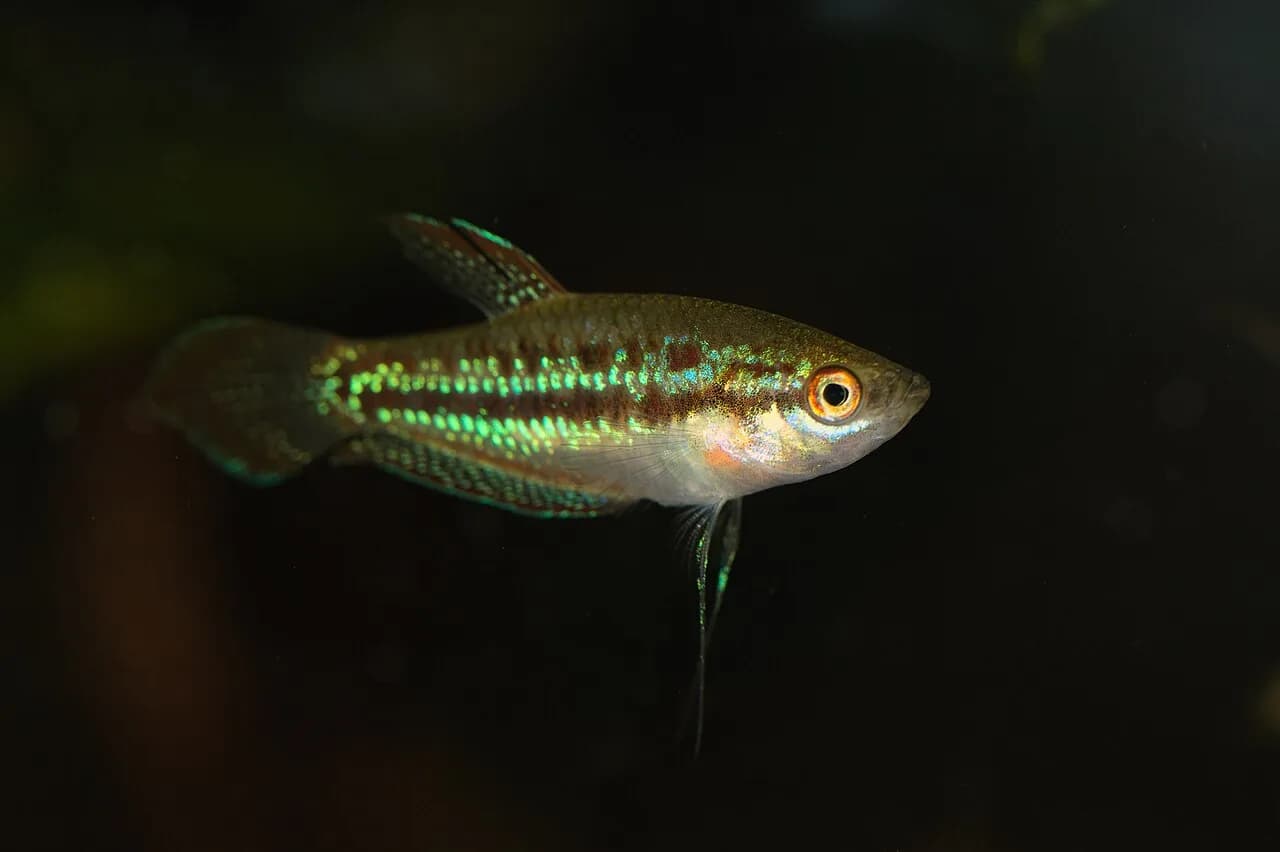
Sparkling Gourami (Trichopsis pumila)
Fish

Sparkling Gourami

Trichopsis pumila

Southeast Asia (Mekong, Chao Phraya)Easy

TL;DR, Sparkling Gourami

Labyrinth fish, surface access required. Makes audible 'croaks' from the swim-bladder, especially during courtship. Calm slow currents preferred.

Sparkling Gourami (Trichopsis pumila) reaches 3.5–4 cm as an adult and needs a minimum tank of 40 L. Native to Southeast Asia (Mekong, Chao Phraya), it lives in the mid to top water column with a peaceful (mild male sparring) temperament. Aim for 22–28 °C, pH 6.0–7.5, and 2–10 dGH hardness. Lifespan is 4–5 years with good care. Keep sparkling gourami in groups of 4+, loose group schoolers need numbers to display natural behaviour. Diet: micropredator, Micro pellets, daphnia, mosquito larvae, brine shrimp. Plant-safe: Yes. Shrimp-safe: Mostly.

  • Min tank40 L
  • TemperamentPeaceful (mild male sparring)
  • Plant-safeYes
  • Shrimp-safeMostly
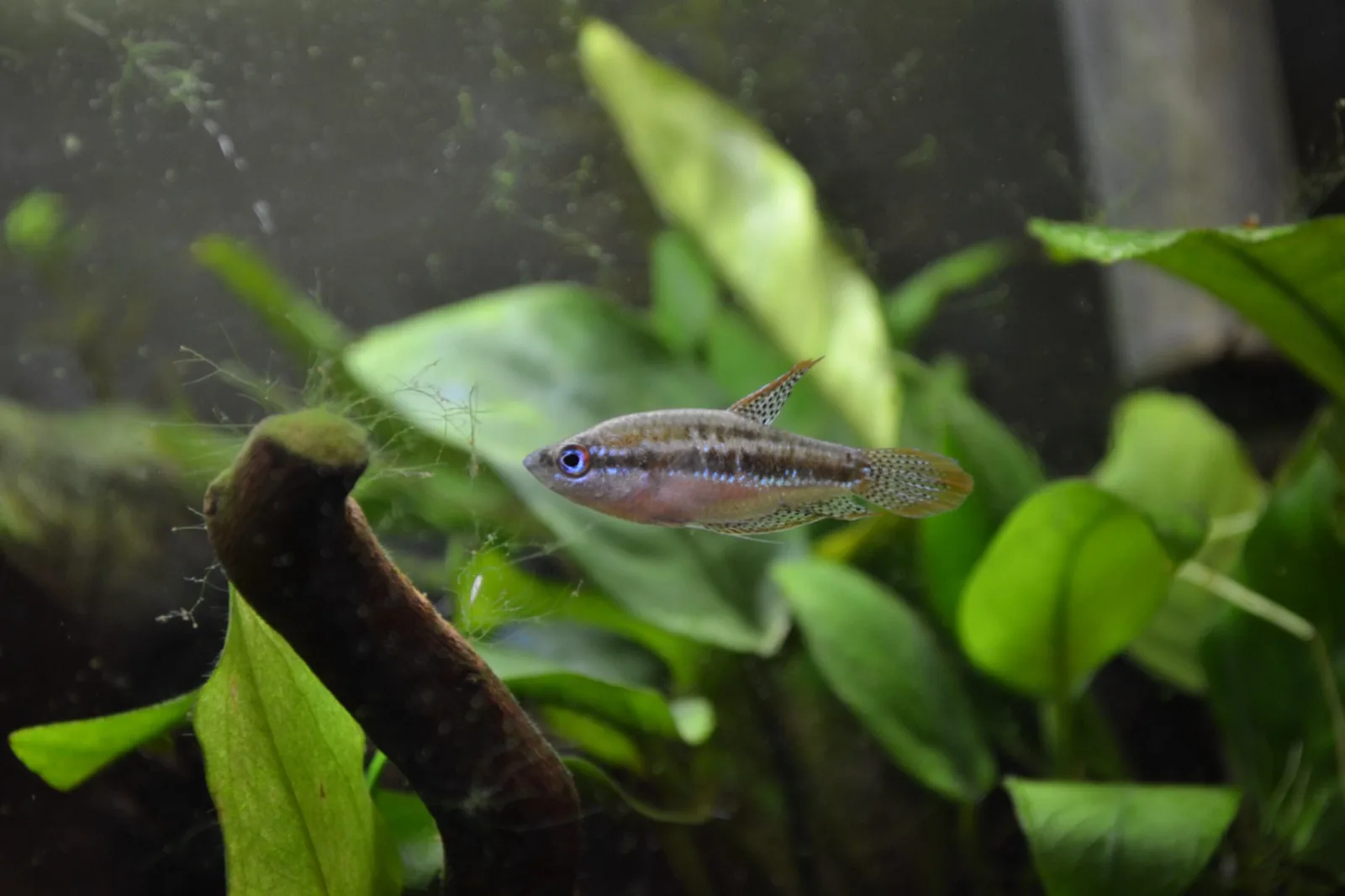
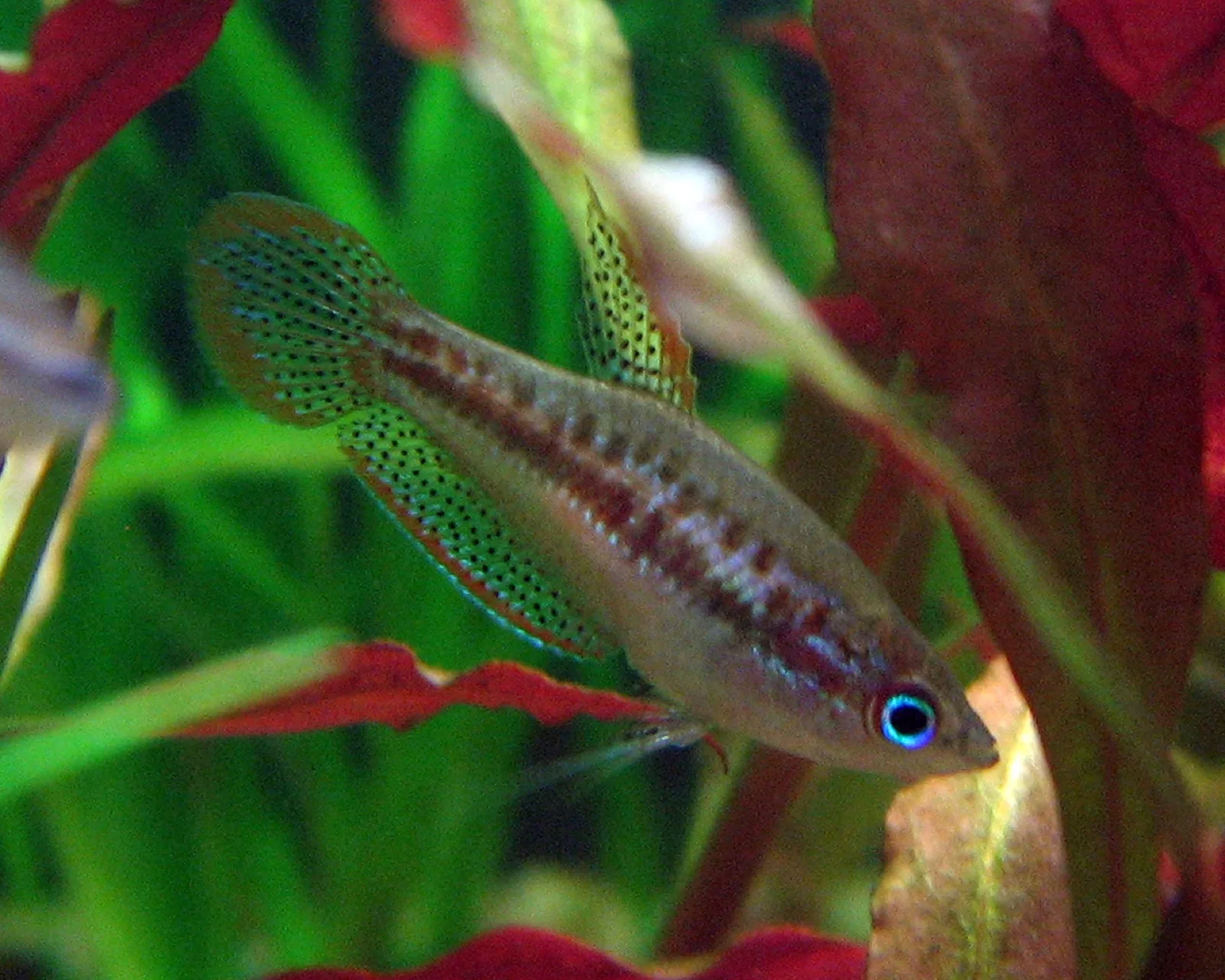
Sparkling Gourami (Trichopsis pumila)
Skeletonman1106 · CC BY-SA 4.0Source
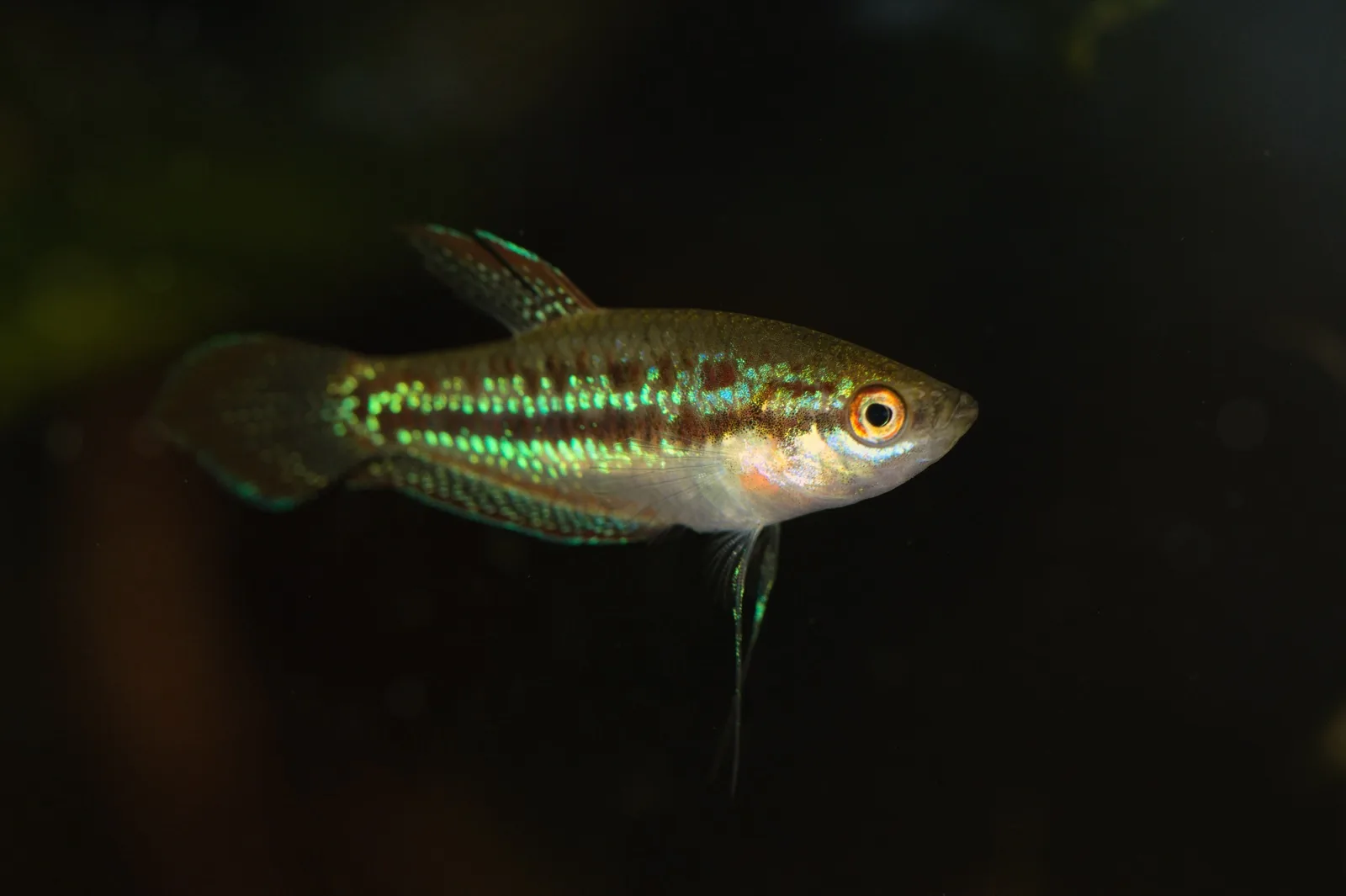
Sparkling Gourami (Trichopsis pumila)
Dezinformator15 · CC BY-SA 4.0Source
Sparkling Gourami (Trichopsis pumila)
Ubs6u!d-pongsakorn · CC BY-SA 4.0Source
Sparkling Gourami (Trichopsis pumila)
BEDO (Thailand) · CC BY-SA 4.0Source
Sparkling Gourami (Trichopsis pumila)
Zikamoi · CC BY-SA 3.0Source

Hero photo by Dezinformator15 · CC BY-SA 4.0 · Wikipedia

Tank fit

The parameters that decide whether sparkling gourami fits in your tank.

Parameters

Temperature22–28 °C
15 °C20 °C25 °C30 °C
pH6.0–7.5
4.05.06.07.08.0
Hardness2–10 dGH
0 dGH5 dGH10 dGH15 dGH20 dGH25 dGH
Adult size3.5–4 cm
0481115
Water column

Mid to Top

Schooling

No

Small group of 4+

FlowStill to Low
Still
Low
Medium
High
V. high

Profile

Family

Osphronemidae

Diet

Micropredator

Micro pellets, daphnia, mosquito larvae, brine shrimp.

Lifespan

4–5 yrs

Breeding

Medium (bubble-nester)

Habitat

Stagnant rice paddies and roadside ditches of Vietnam

Southeast Asia (Mekong, Chao Phraya)

Who it lives with

Tank-mate safety and the species this one is documented to thrive (or fail) alongside.

Good tank mates

Ember tetras, harlequin rasboras, chili rasboras, pygmy corydoras, cherry shrimp (adults).

Avoid

Boisterous tetras (e.g. serpae), bigger gouramis (territorial conflicts), nippy fish.

See full compatibility cross-reference

Pro tips

Hard-won lessons from the tank.

Best displayed as a pair or trio in a quiet, dimly lit, heavily planted nano. Their behaviour is fascinating but easy to miss — watching them at dusk is the right time.

Etymology

'Trichopsis' references their hair-like extended ventral rays. 'Pumila' = 'tiny'.

Things to watch for

What can go wrong and how to spot it.

Things to watch for

Failure modes, in order of how dramatic the fix is.

Health

Common diseases

Susceptible to bacterial infections in dirty water. Surface-breathers — never leave the lid open at draft sources or they catch chills via the labyrinth organ.

Often wrong

Misconceptions

The 'croaking' isn't from the mouth — it's a swim-bladder mechanism, audible especially during courtship and territorial display. Many keepers think it's diseased clicking.

How to care for it

The practical routine, read top to bottom.

  1. Tank setup

    40 L+. Heavily planted top and middle (floating plants are non-negotiable). Tannins, leaf litter, very gentle flow. Sponge filter or low-flow internal.

  2. Quarantine

    3 weeks. Provide cover and tannins immediately to lower stress.

Background

Where it comes from, how it behaves, and the variants you'll see at retail.

Show background

In the wild

Where it lived before it came home.

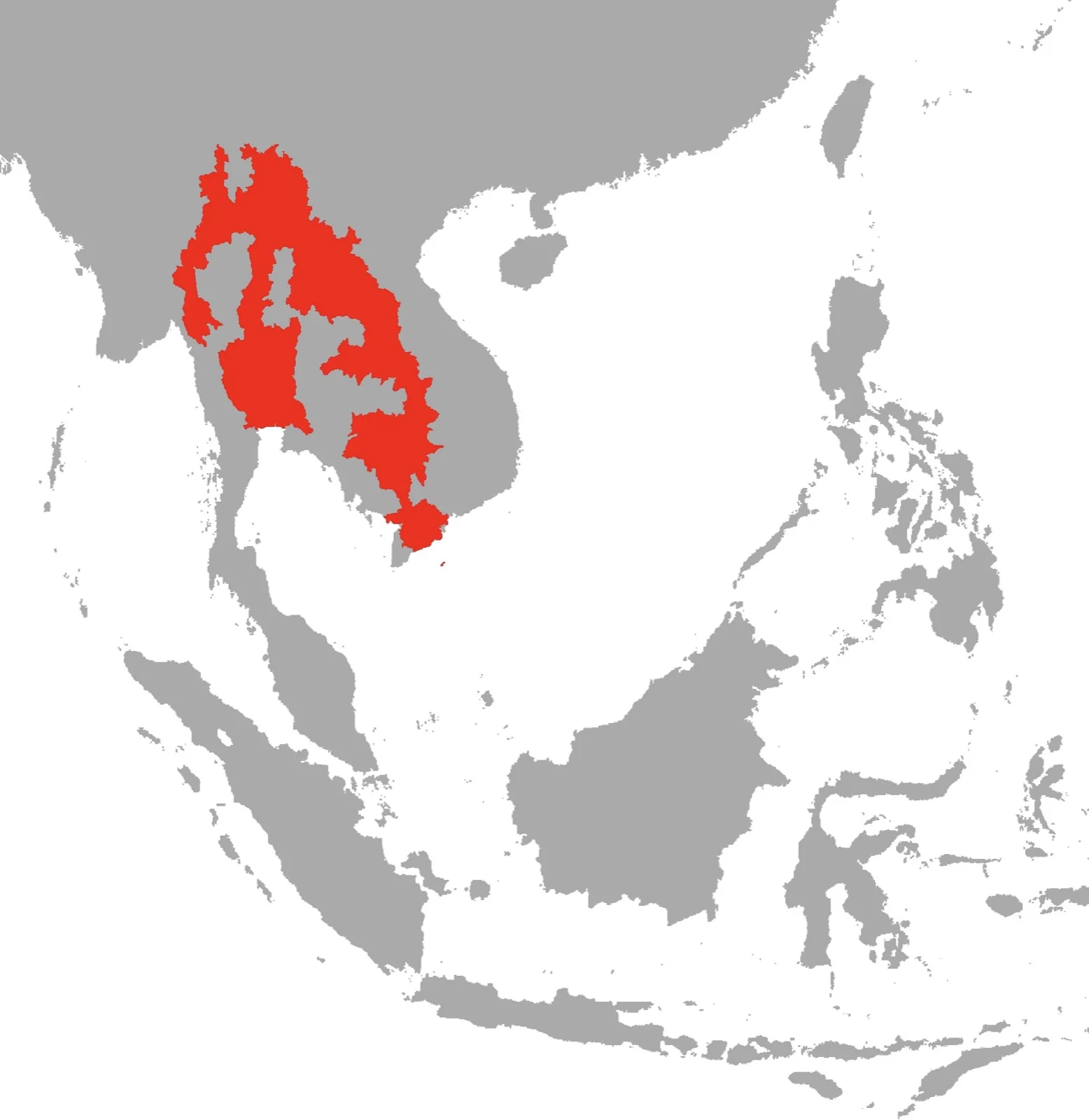
Native rangeMekong / Chao PhrayaSoutheast Asia
Origin · Southeast Asia (Mekong, Chao Phraya)

Slow ditches, paddies, and densely vegetated peat pools in southern Vietnam, Cambodia, Thailand. Soft, slightly acidic, often low-oxygen water.

Wild diet

Insect larvae (mosquitoes especially), small crustaceans, worms, biofilm.

Conservation status

Not threatened.

Behavior & breeding

How they pair, reproduce, and grow.

  1. Stage 1
    Telling them apart

    Sexing

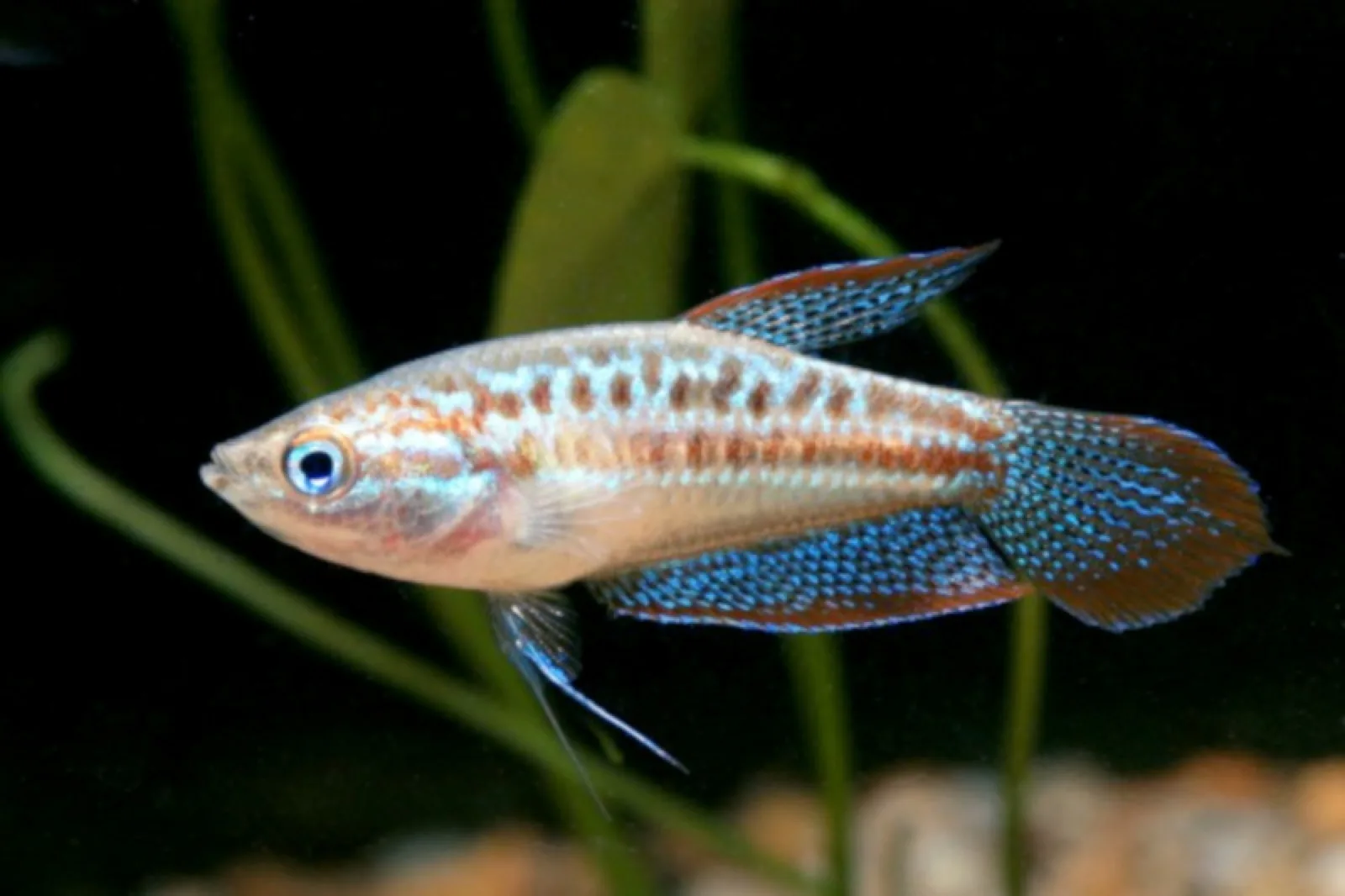
    Males have pointed dorsal and anal fins; females rounder fins and bodies. Males show more intense iridescence on flanks.

  2. Stage 2
    Pairing & spawning

    Breeding

    Bubble-nesters under leaves or in mop fibres. Soft acidic water, very low flow, 26–28 °C, surface plants to anchor nest. Males guard nest aggressively (toward other fish, not female). Fry need infusoria for first week.

Variants & identification

The named cultivars and the lookalikes worth flagging.

Color forms

Wild type only. Trichopsis schalleri and T. vittata are similar congeners often sold mixed.

Frequently asked questions

Direct answers to the questions search engines and AI assistants surface most often about this species.

What is the minimum tank size for Sparkling Gourami?

Sparkling Gourami (Trichopsis pumila) needs a minimum tank of 40 L. They live in the mid to top water column and should be kept in groups of 4+, so a longer footprint matters more than depth.

What water parameters do Sparkling Gourami need?

Target 22–28 °C, pH 6.0–7.5, and 2–10 dGH hardness. Acclimate slowly when moving them between water sources.

Are Sparkling Gourami safe with shrimp?

Shrimp safety: Mostly. Plant safety: Yes.

What do Sparkling Gourami eat?

Sparkling Gourami are micropredator. Micro pellets, daphnia, mosquito larvae, brine shrimp.

Are Sparkling Gourami beginner-friendly?

On Fin & Stem's 1–5 difficulty scale this species rates 2/5. Forgiving, beginner-friendly once the tank is cycled. Breeding difficulty: medium (bubble-nester).

How long do Sparkling Gourami live?

Typical lifespan in a well-maintained tank is 4–5 years.

Sources & further reading

Cross-references

Build the rest of the tank.

A planted tank is a system. Pair this fish with one entry from each other pillar to plan the whole scape.