Fin & Stem logo
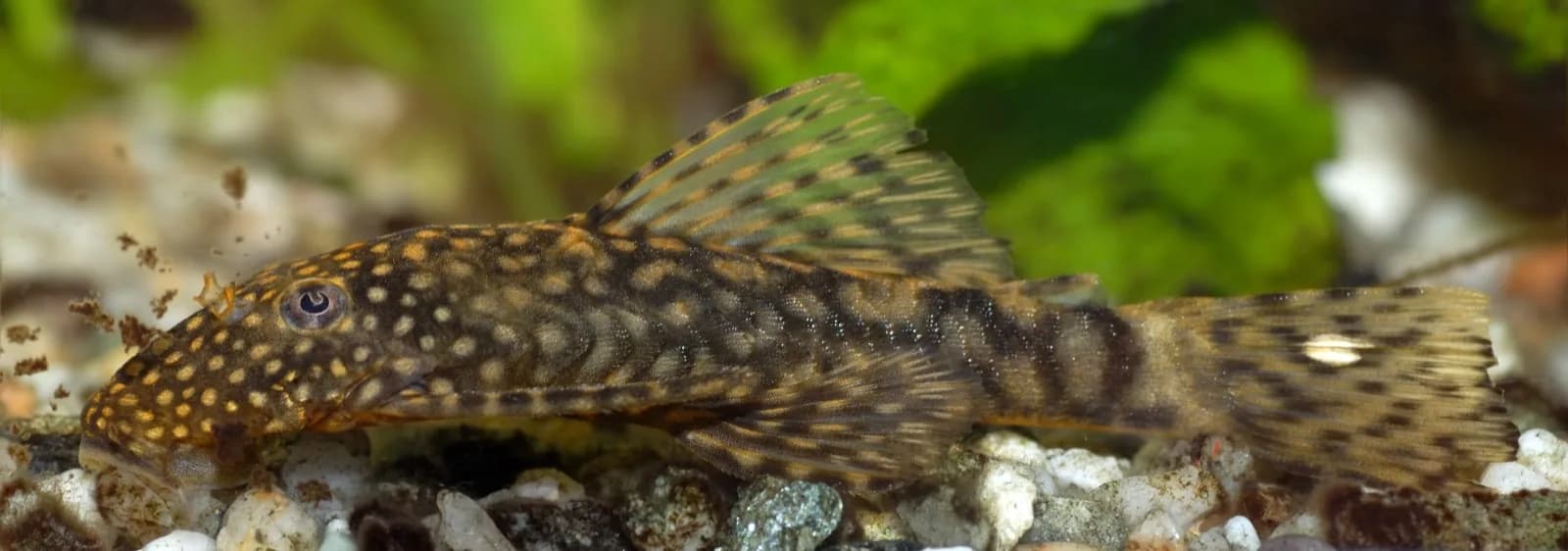
Bristlenose Pleco (Ancistrus cf. cirrhosus)
Fish

Bristlenose Pleco

Ancistrus cf. cirrhosus

Amazon and Orinoco basins, South AmericaEasy

TL;DR, Bristlenose Pleco

The 'bushy nose' pleco, males develop branched tentacle-like bristles on their head. Practical algae crew that actually eats algae (unlike common plecos). Stays small enough for a 100 L planted tank. Requires driftwood for digestion and cave for territorial security.

Bristlenose Pleco (Ancistrus cf. cirrhosus) reaches 10–15 cm as an adult and needs a minimum tank of 100 L. Native to Amazon and Orinoco basins, South America, it lives in the bottom water column with a peaceful temperament. Aim for 20–28 °C, pH 6.0–7.5, and 2–20 dGH hardness. Lifespan is 10–15 years with good care. Bristlenose Pleco can be kept singly or in a small group. Diet: omnivore (algae-leaning), Algae wafers, blanched zucchini, courgette, soft green algae, occasional protein (frozen bloodworms). Driftwood is essential, they rasp it for cellulose. Plant-safe: Yes. Shrimp-safe: Yes.

  • Min tank100 L
  • TemperamentPeaceful
  • Plant-safeYes
  • Shrimp-safeYes

Care at a glance

The 'bushy nose' pleco, males develop branched tentacle-like bristles on their head. Practical algae crew that actually eats algae (unlike common plecos). Stays small enough for a 100 L planted tank. Requires driftwood for digestion and cave for territorial security.

By Updated 2 min read

Part of our complete guide to aquarium fish for the planted tank.

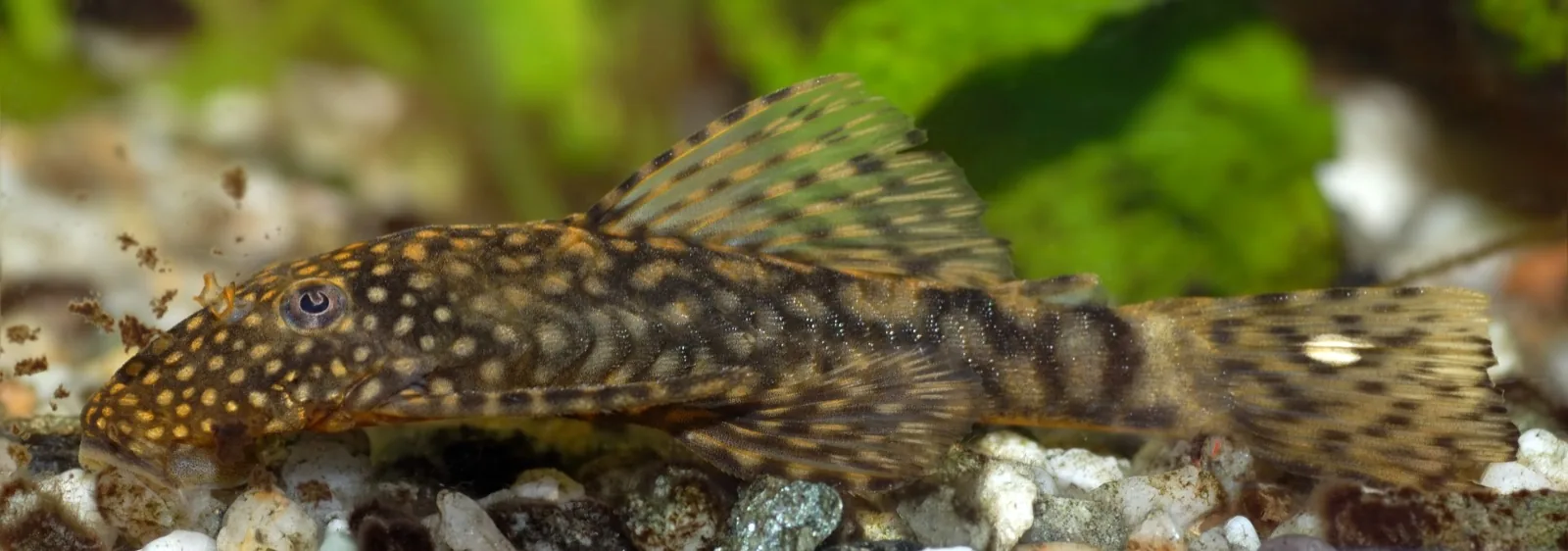
Bristlenose Pleco (Ancistrus cf. cirrhosus)
André Karwath aka Aka · CC BY-SA 2.5Source
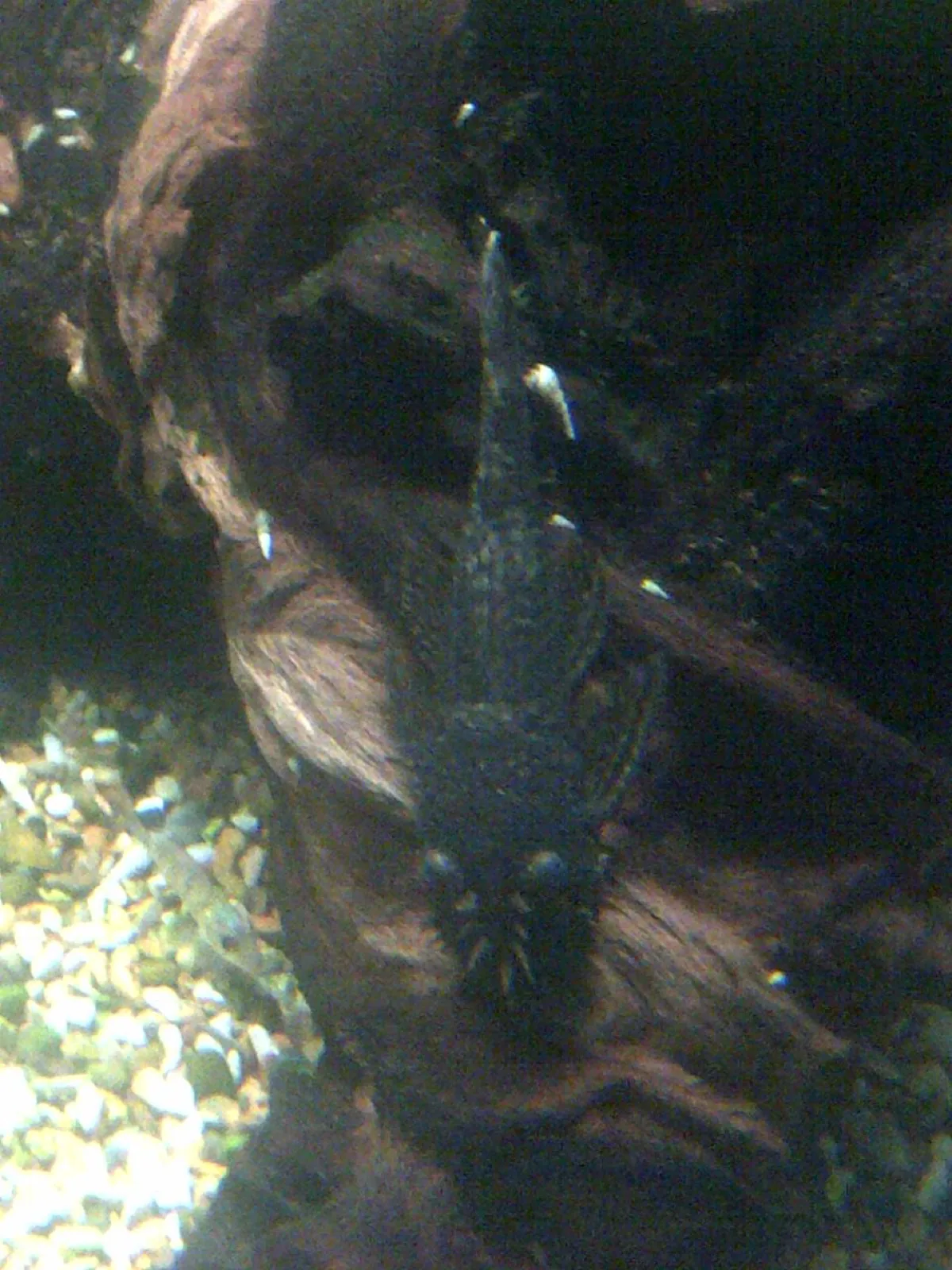
Bristlenose Pleco (Ancistrus cf. cirrhosus)
Emőke Dénes · CC BY-SA 4.0Source
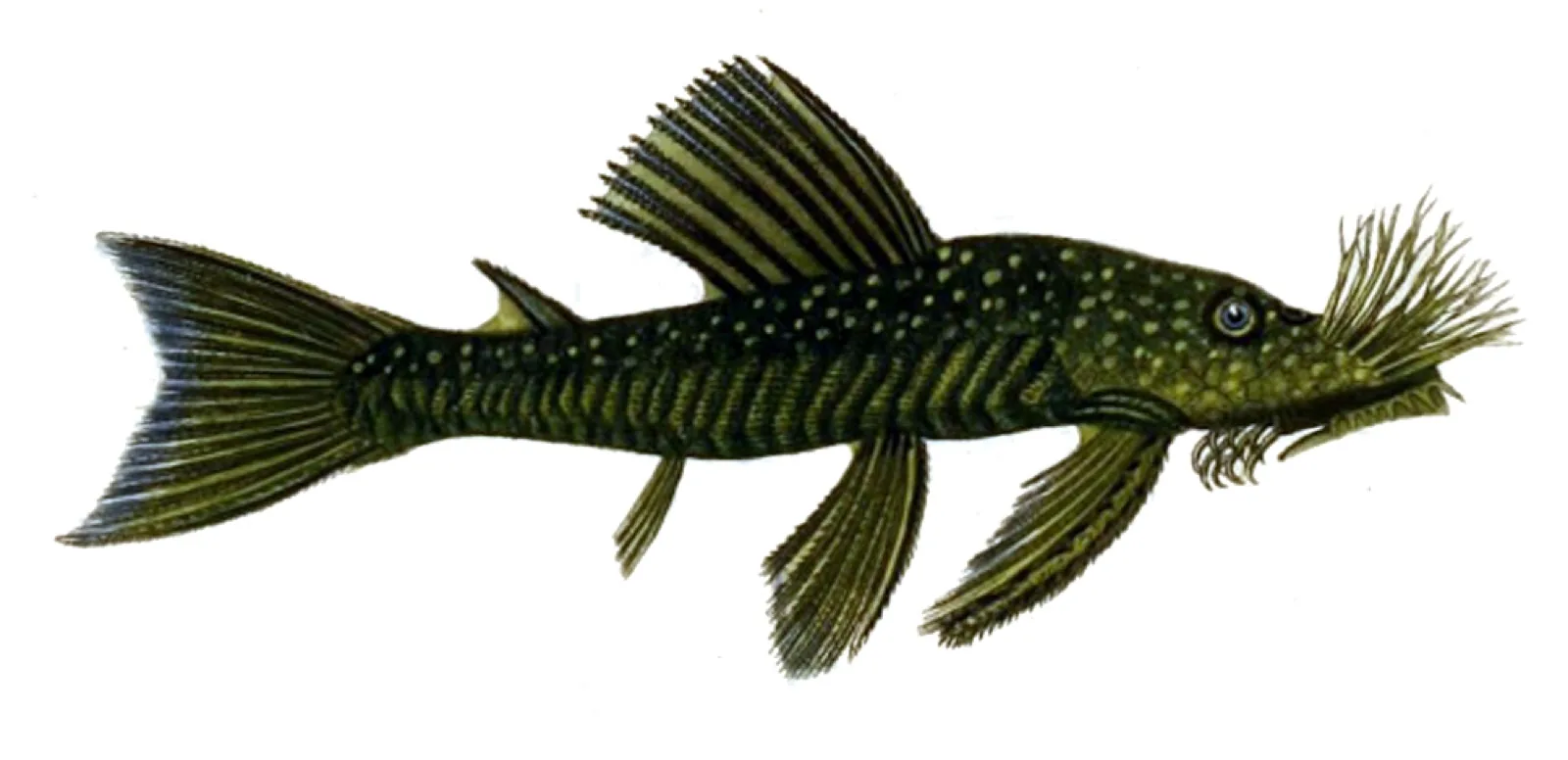
Bristlenose Pleco (Ancistrus cf. cirrhosus)
Paul Louis Oudart · Public domainSource
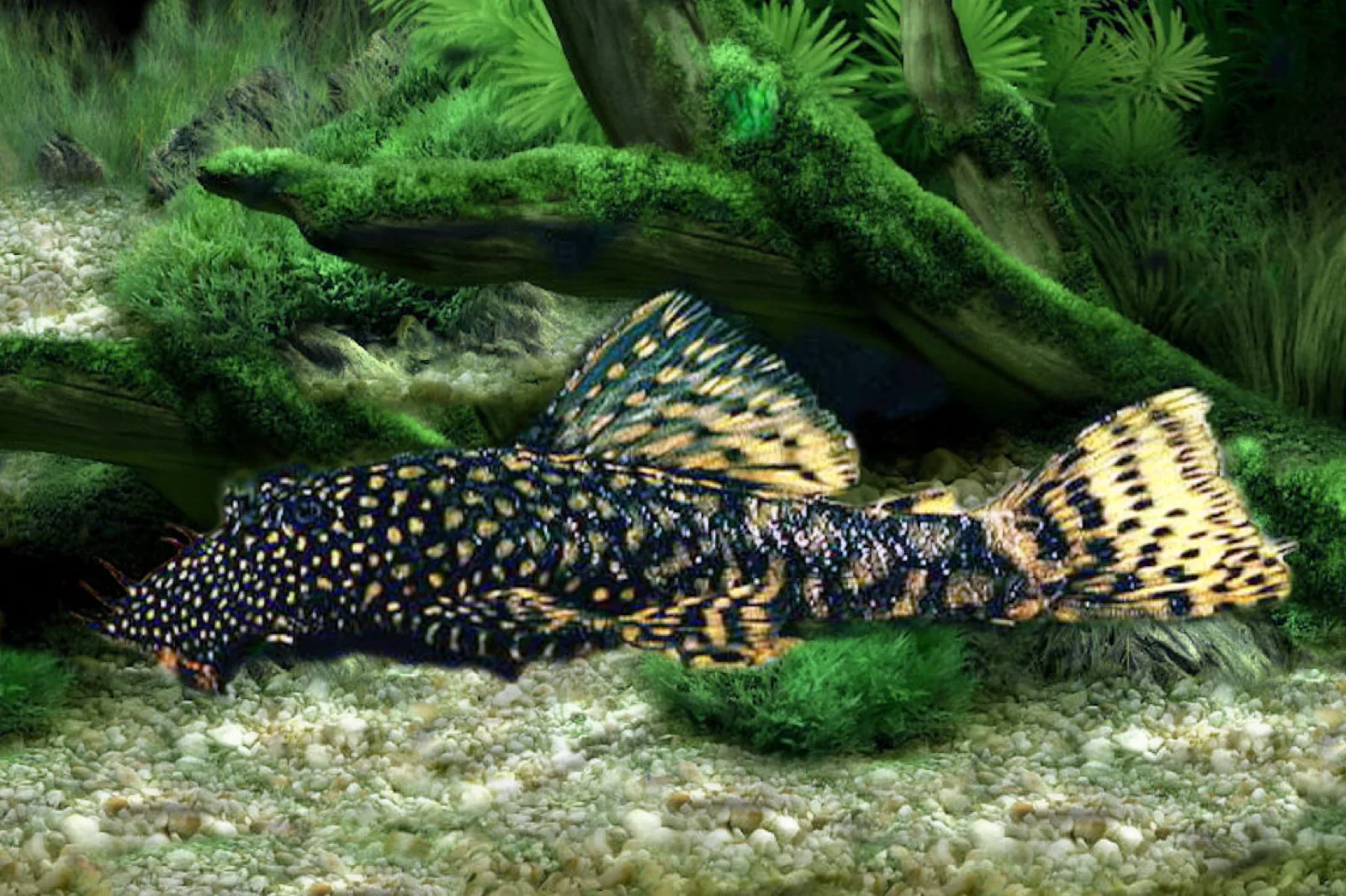
Bristlenose Pleco (Ancistrus cf. cirrhosus)
The Last 99 · CC BY-SA 3.0 deSource

Hero photo by André Karwath aka Aka · CC BY-SA 2.5 · Wikipedia

Tank fit

The parameters that decide whether bristlenose pleco fits in your tank.

Parameters

Temperature20–28 °C
15 °C20 °C25 °C30 °C
pH6.0–7.5
4.05.06.07.08.0
Hardness2–20 dGH
0 dGH5 dGH10 dGH15 dGH20 dGH25 dGH
Adult size10–15 cm
0481115
Water column

Bottom

Schooling

No

Solo or a pair

FlowMedium to High
Still
Low
Medium
High
V. high

Profile

Family

Loricariidae

Diet

Omnivore (algae-leaning)

Algae wafers, blanched zucchini, courgette, soft green algae, occasional protein (frozen bloodworms). Driftwood is essential, they rasp it for cellulose.

Lifespan

10–15 yrs

Breeding

Easy

Habitat

Fast oxygenated rivers of the Amazon basin

Amazon and Orinoco basins, South America

Who it lives with

Tank-mate safety and the species this one is documented to thrive (or fail) alongside.

Good tank mates

Most peaceful community fish. Cherry barbs, white clouds, tetras, gouramis, otocinclus (different niche, no competition), corydoras.

Avoid

Other large bottom-dwellers (territorial conflicts), aggressive cichlids that bully them, anything that competes for caves.

See full compatibility cross-reference

Pro tips

Hard-won lessons from the tank.

Run a single male per tank to avoid territorial conflict. Provide one cave per male — they pick the deepest darkest spot and defend it. They produce significant waste; a slightly oversized filter compared to bioload is essential. Will eat plants only if starved; well-fed bristlenose ignore plants entirely.

Etymology

Genus 'Ancistrus' = 'fishhook' (referring to the cheek bristles). Common name 'bristlenose' is descriptive.

Things to watch for

What can go wrong and how to spot it.

Things to watch for

Failure modes, in order of how dramatic the fix is.

Health

Common diseases

Robust. Watch for ich during temperature drops. Susceptible to swim-bladder issues if fed too much protein.

Often wrong

Misconceptions

Often confused with the much larger common pleco (Hypostomus plecostomus) which grows to 45+ cm and outgrows almost all home tanks. Bristlenose stays manageable at 10–15 cm. Always verify species when buying 'pleco'.

How to care for it

The practical routine, read top to bottom.

  1. Tank setup

    100 L+ with sandy or fine gravel substrate. Driftwood is non-negotiable — they require it for digestion. Caves (PVC pipe, terracotta pot, coconut shell). Moderate flow with good oxygenation. Temperature 20–28 °C — they're surprisingly cool-tolerant.

  2. Quarantine

    3 weeks. Include driftwood in QT — they can stop eating in bare tanks.

Background

Where it comes from, how it behaves, and the variants you'll see at retail.

Show background

In the wild

Where it lived before it came home.

Native rangeOrinoco basinSouth America
Origin · Amazon and Orinoco basins, South America

Fast-flowing rivers and streams across the Amazon and Orinoco basins. Sandy and rocky substrates, abundant driftwood, leaf litter. Often found wedged into rock crevices during daylight.

Wild diet

Soft green algae, biofilm, aufwuchs, decomposing wood (cellulose). Occasional protein from drift insects.

Conservation status

Multiple Ancistrus species are wild-caught from Amazonian fisheries. The common bristlenose in trade is captive-bred globally and represents no conservation concern.

Behavior & breeding

How they pair, reproduce, and grow.

  1. Stage 1
    Telling them apart

    Sexing

    Mature males develop branched tentacle-like bristles on the head and snout; females have shorter and fewer bristles, often only along the snout edge. Adults are easy; juveniles are nearly impossible to sex.

  2. Stage 2
    Pairing & spawning

    Breeding

    Easy in captivity. Cave spawners — male claims a cave or PVC pipe, attracts a female, fertilises eggs, then guards the cave fanning eggs continuously for 4–10 days. Fry are tiny replicas of adults, attaching to glass and wood immediately and feeding on biofilm.

Variants & identification

The named cultivars and the lookalikes worth flagging.

Color forms
AlbinoLong-finCalicoSuper Redbristlenose

Common wild type (mottled brown), 'Albino' (yellow body, red eyes), 'Long-fin' (extended dorsal and caudal), 'Calico' (multi-coloured marbling), 'Super Red' (bright orange-red). Ancistrus has 70+ described species; commercial 'bristlenose' usually refers to A. cf. cirrhosus.

Frequently asked questions

Direct answers to the questions search engines and AI assistants surface most often about this species.

What is the minimum tank size for Bristlenose Pleco?

Bristlenose Pleco (Ancistrus cf. cirrhosus) needs a minimum tank of 100 L. They live in the bottom water column and can be kept singly, so a longer footprint matters more than depth.

What water parameters do Bristlenose Pleco need?

Target 20–28 °C, pH 6.0–7.5, and 2–20 dGH hardness. Acclimate slowly when moving them between water sources.

Are Bristlenose Pleco safe with shrimp?

Shrimp safety: Yes. Plant safety: Yes.

What do Bristlenose Pleco eat?

Bristlenose Pleco are omnivore (algae-leaning). Algae wafers, blanched zucchini, courgette, soft green algae, occasional protein (frozen bloodworms). Driftwood is essential, they rasp it for cellulose.

Are Bristlenose Pleco beginner-friendly?

On Fin & Stem's 1–5 difficulty scale this species rates 2/5. Forgiving, beginner-friendly once the tank is cycled. Breeding difficulty: easy.

How long do Bristlenose Pleco live?

Typical lifespan in a well-maintained tank is 10–15 years.

Sources & further reading

Cross-references

Build the rest of the tank.

A planted tank is a system. Pair this fish with one entry from each other pillar to plan the whole scape.