Fin & Stem logo
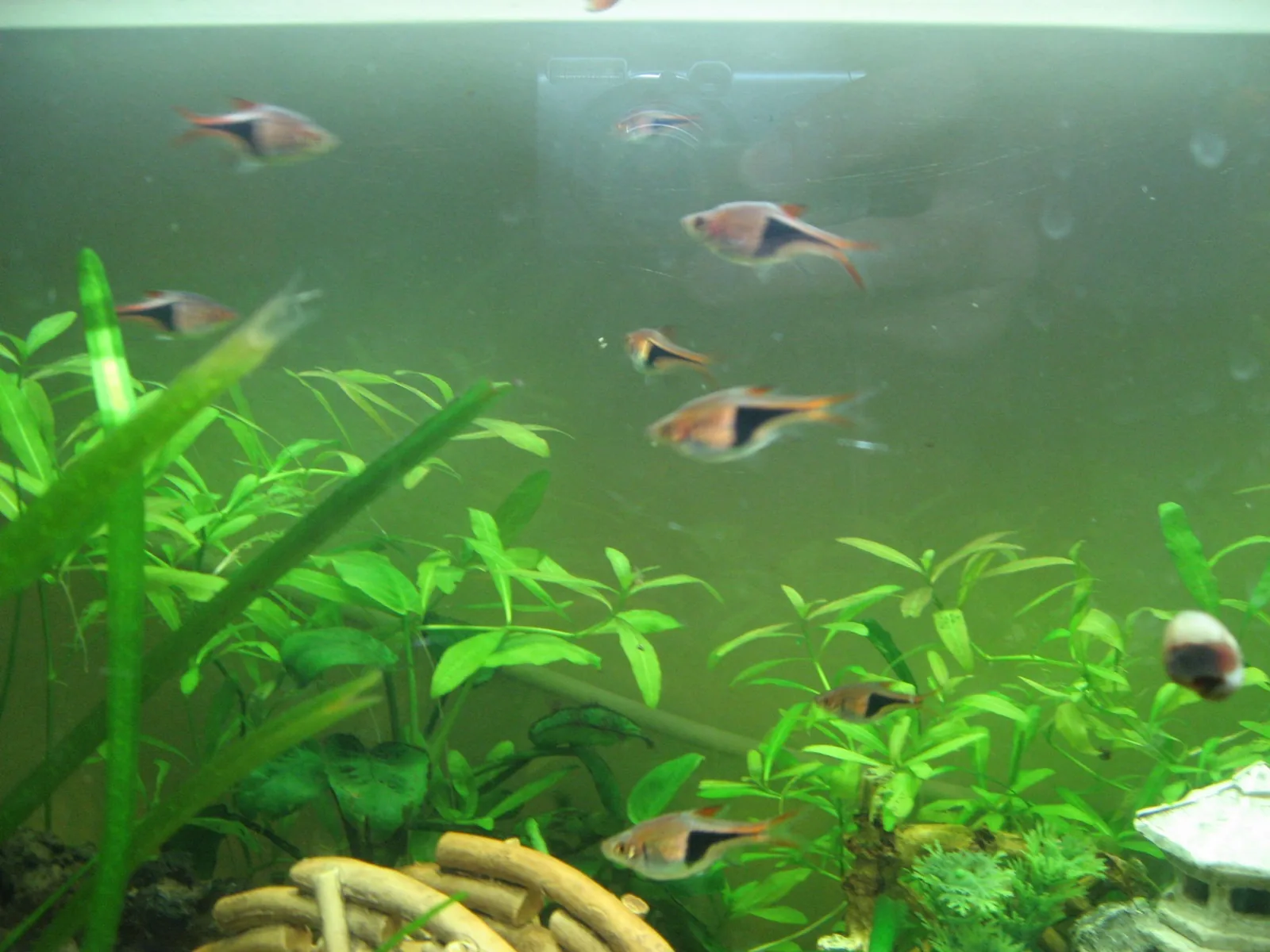
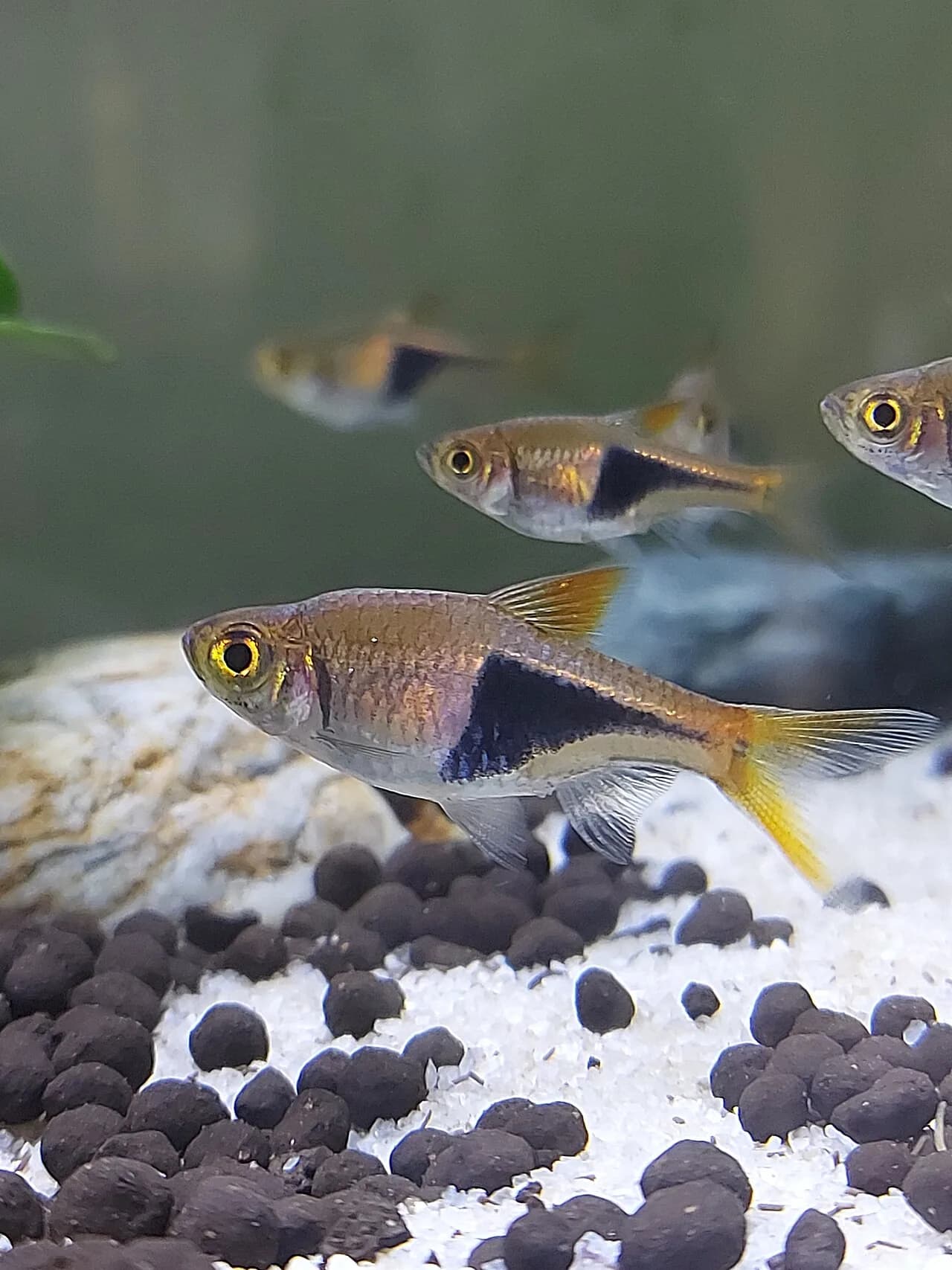
Harlequin Rasbora (Trigonostigma heteromorpha)
Fish

Harlequin Rasbora

Trigonostigma heteromorpha

Thailand, Malaysia, SumatraBeginner

TL;DR, Harlequin Rasbora

Bulletproof beginner schooler. The black wedge marking is iconic. Pairs well with rummynose tetras and corydoras in a community planted tank.

Harlequin Rasbora (Trigonostigma heteromorpha) reaches 4–5 cm as an adult and needs a minimum tank of 60 L. Native to Thailand, Malaysia, Sumatra, it lives in the mid water column with a peaceful temperament. Aim for 22–28 °C, pH 5.5–7.5, and 2–12 dGH hardness. Lifespan is 5–8 years with good care. Keep harlequin rasbora in groups of 8+, yes schoolers need numbers to display natural behaviour. Diet: omnivore, Flake, micro pellets, frozen bloodworms, daphnia. Plant-safe: Yes. Shrimp-safe: Mostly (may eat shrimplets).

  • Min tank60 L
  • TemperamentPeaceful
  • Plant-safeYes
  • Shrimp-safeMostly (may eat shrimplets)
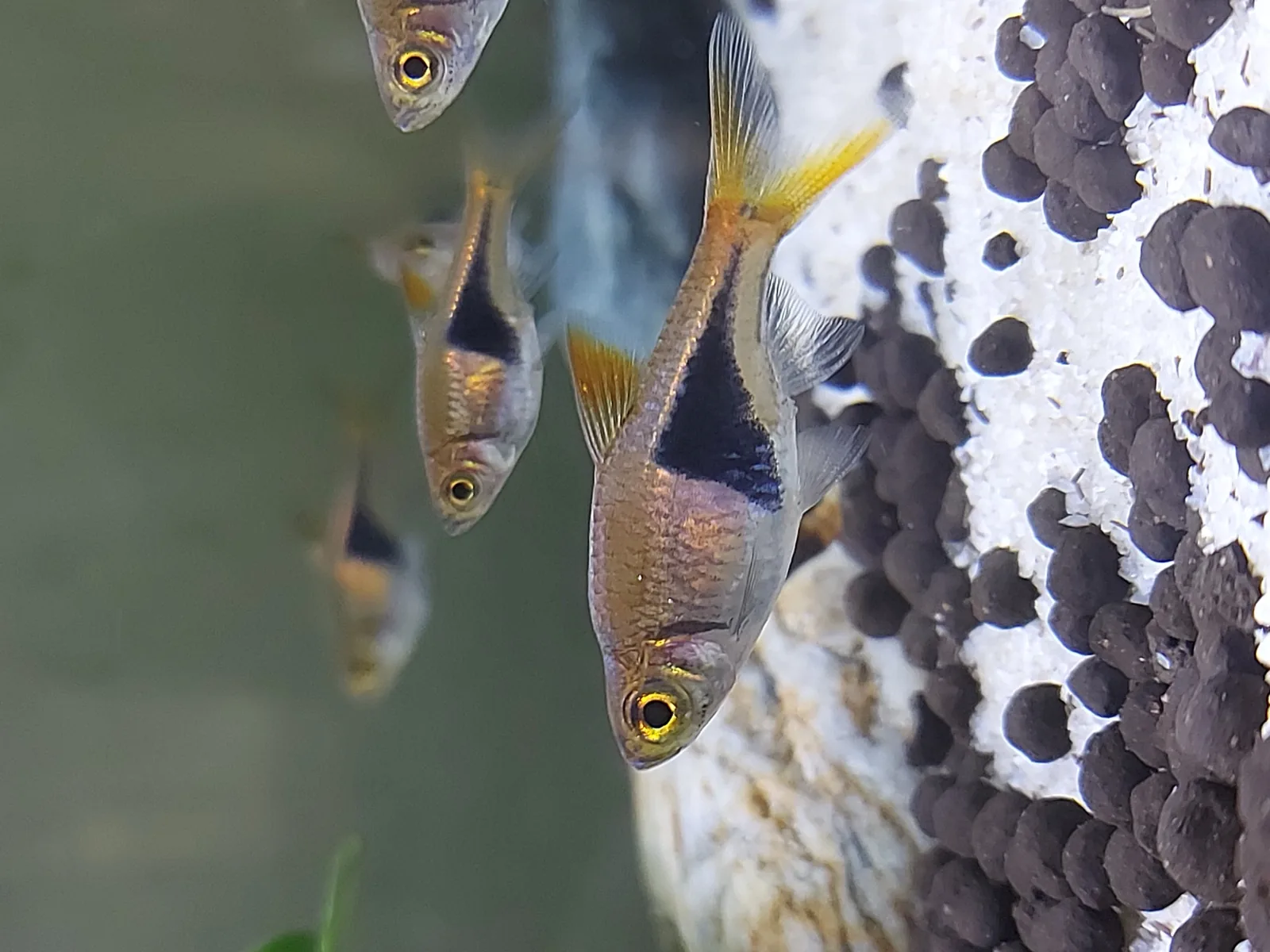
Harlequin Rasbora (Trigonostigma heteromorpha)
Roel Balingit · CC BY-SA 4.0Source
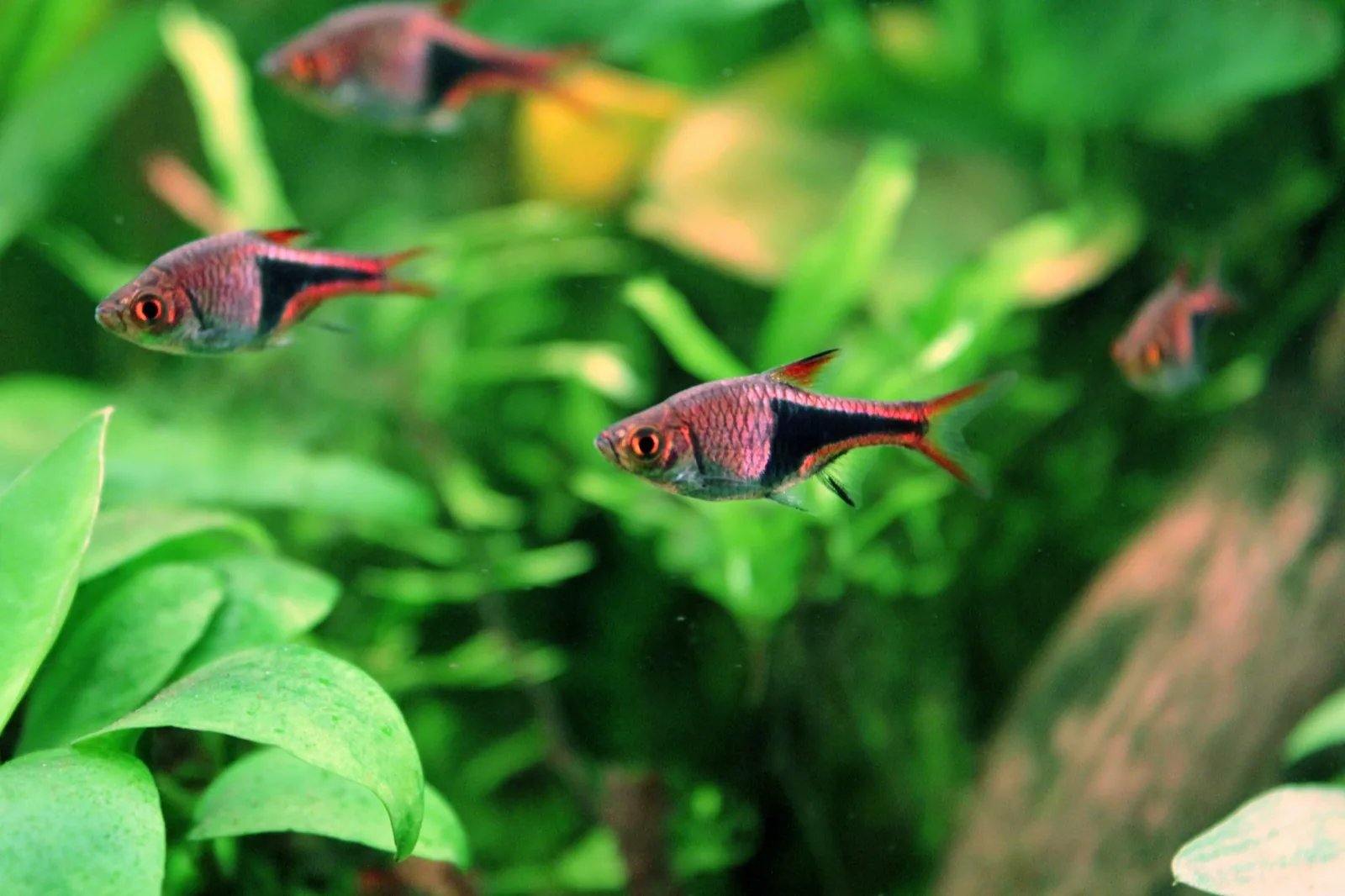
Harlequin Rasbora (Trigonostigma heteromorpha)
Juan R. Lascorz · CC BY-SA 3.0Source
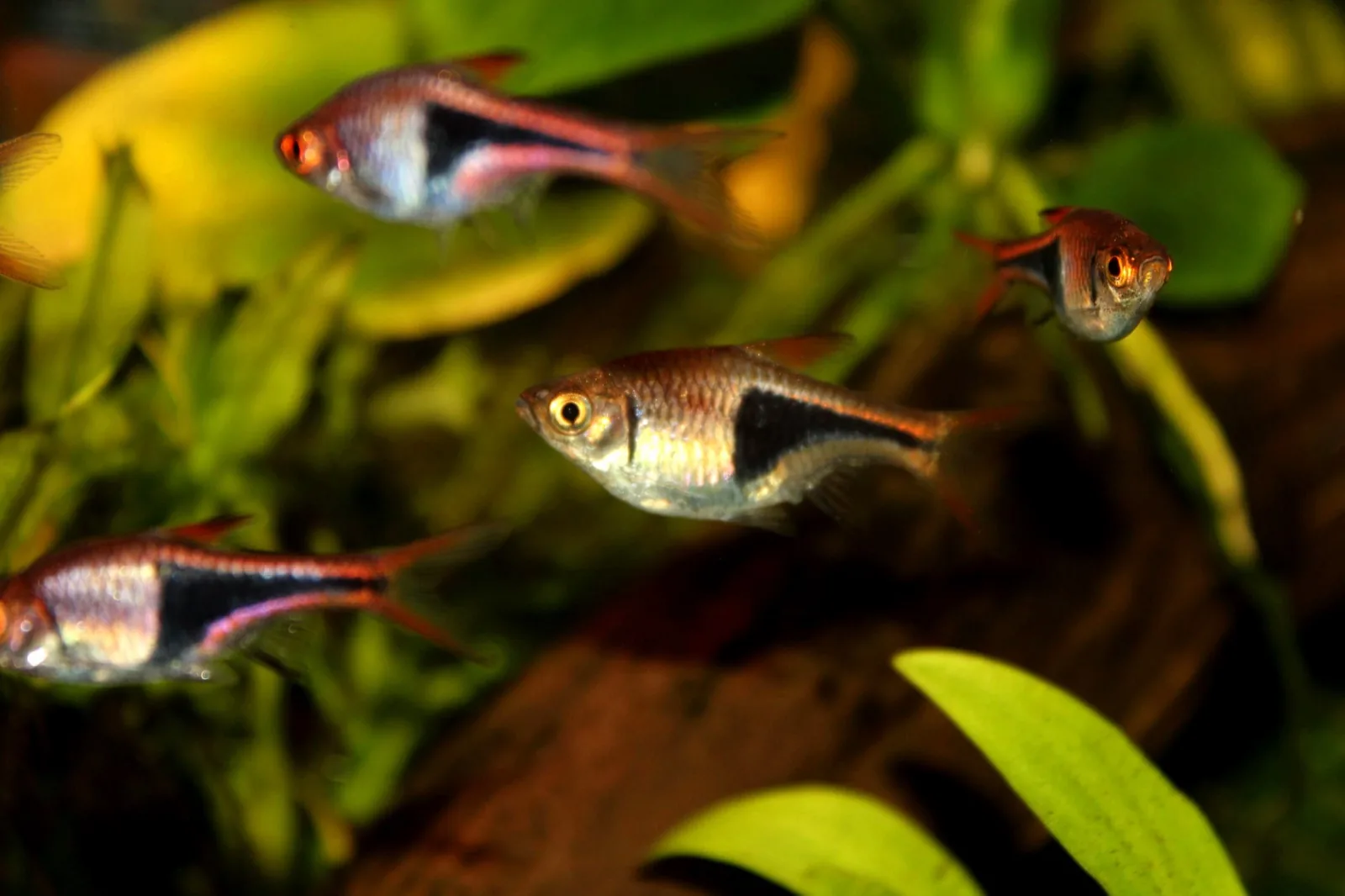
Harlequin Rasbora (Trigonostigma heteromorpha)
Juan R. Lascorz · CC BY-SA 3.0Source
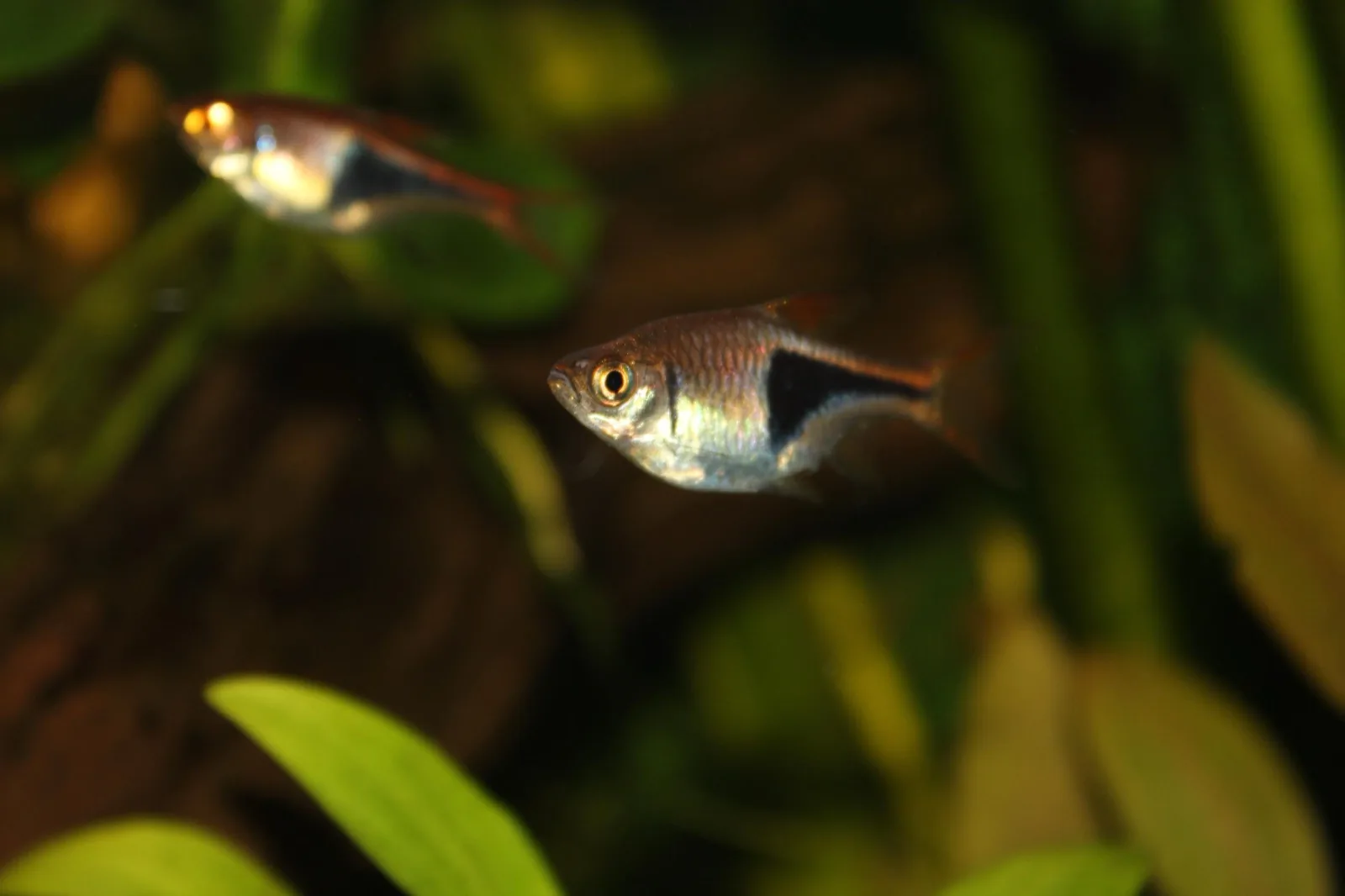
Harlequin Rasbora (Trigonostigma heteromorpha)
Juan R. Lascorz · CC BY-SA 3.0Source
Harlequin Rasbora (Trigonostigma heteromorpha)
Tucsouffle · CC BY 2.5Source

Hero photo by Roel Balingit · CC BY-SA 4.0 · Wikipedia

Tank fit

The parameters that decide whether harlequin rasbora fits in your tank.

Parameters

Temperature22–28 °C
15 °C20 °C25 °C30 °C
pH5.5–7.5
4.05.06.07.08.0
Hardness2–12 dGH
0 dGH5 dGH10 dGH15 dGH20 dGH25 dGH
Adult size4–5 cm
0481115
Water column

Mid

Schooling

Yes

Group of 8+

FlowLow to Medium
Still
Low
Medium
High
V. high

Profile

Family

Cyprinidae

Diet

Omnivore

Flake, micro pellets, frozen bloodworms, daphnia.

Lifespan

5–8 yrs

Breeding

Medium

Habitat

Slow tropical streams and peat swamps of Sumatra

Thailand, Malaysia, Sumatra

Who it lives with

Tank-mate safety and the species this one is documented to thrive (or fail) alongside.

Good tank mates

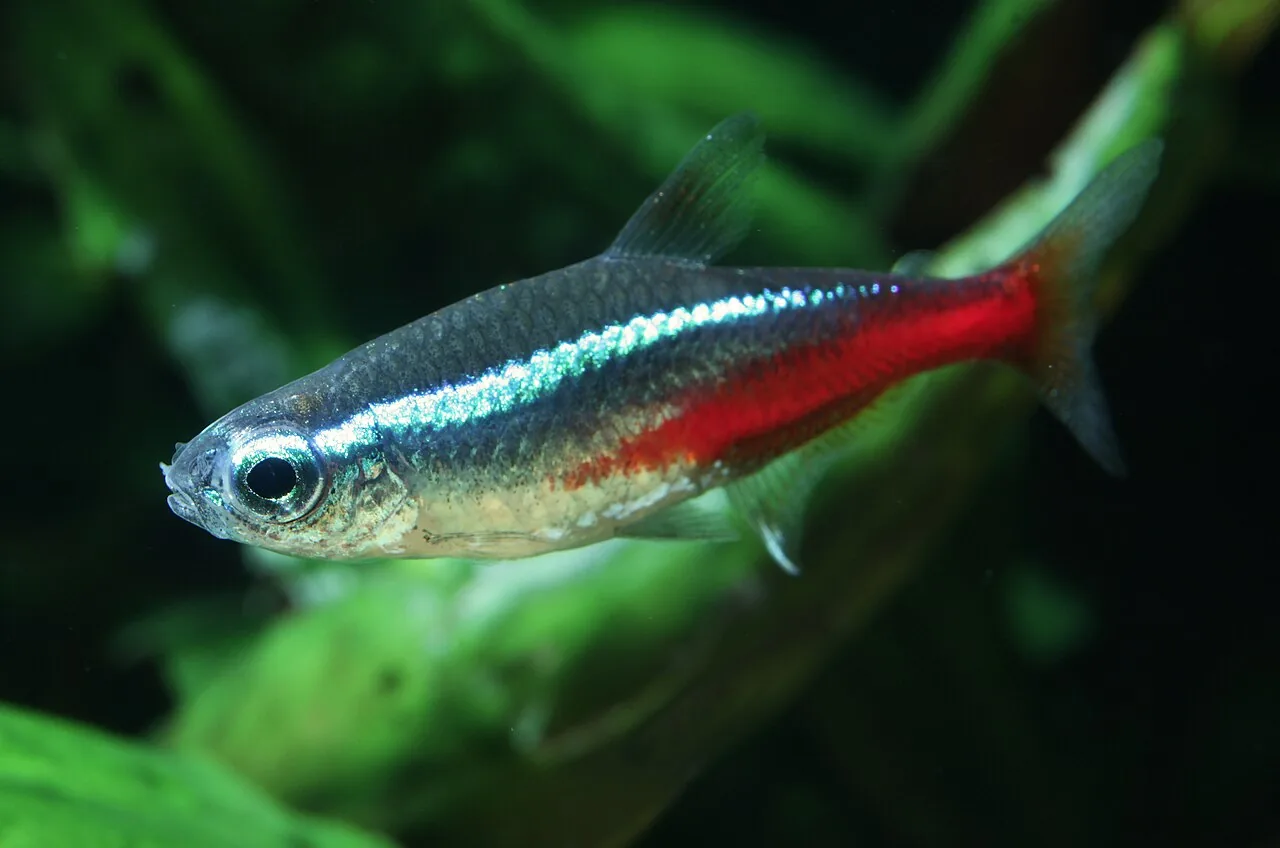
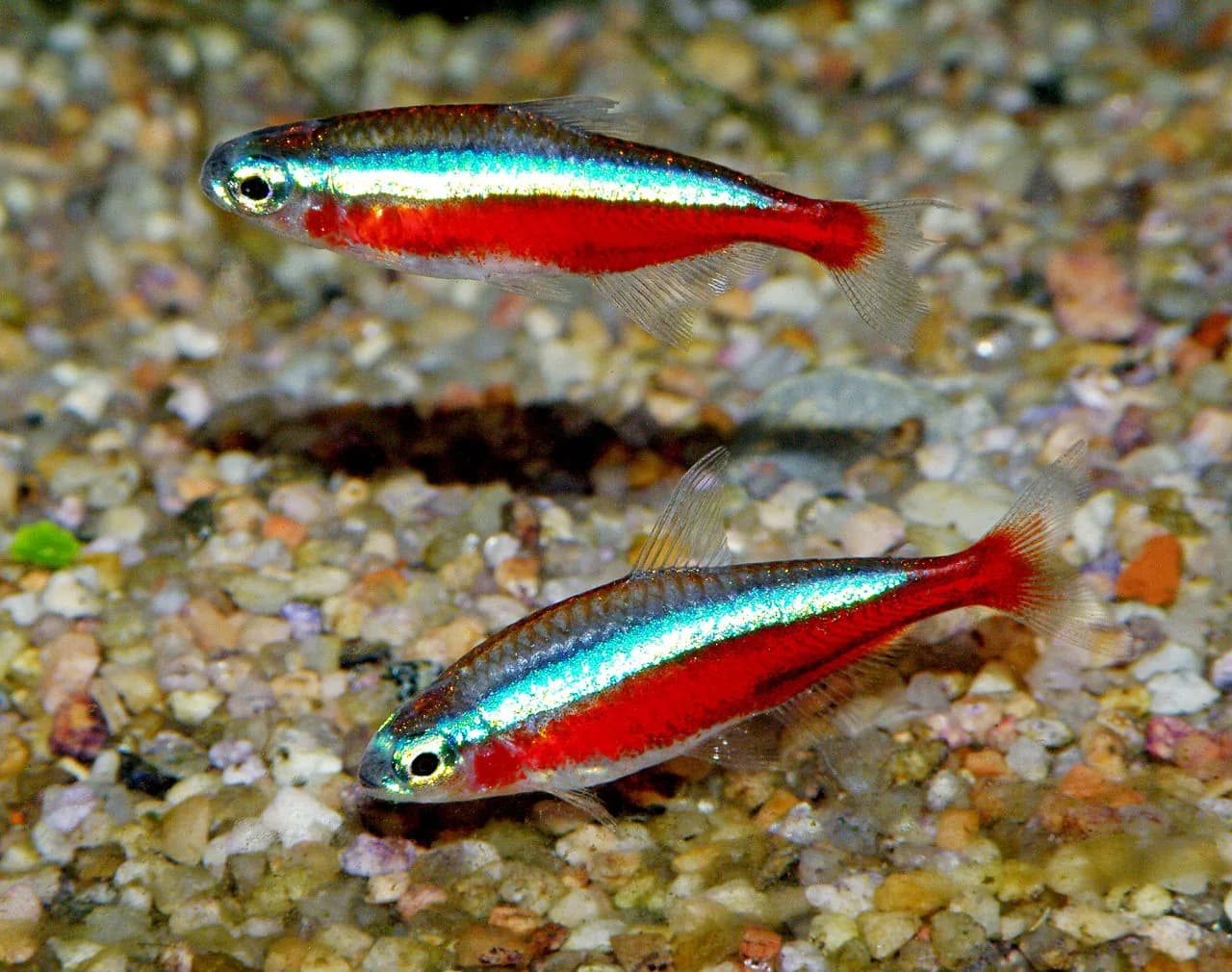
Cardinal and ember tetras, corydoras, otocinclus, sparkling gouramis, German blue rams (similar parameters), hillstream loaches (different layer).

Avoid

Aggressive cichlids, fin-nippers, very small nano fish (harlequins can intimidate chilis).

See full compatibility cross-reference

Pro tips

Hard-won lessons from the tank.

Bulletproof beginner schooler — but they truly shine in a soft-water blackwater tank where the wedge contrasts against dark surroundings. A 'community workhorse' that looks stunning when treated like a specialty fish.

Etymology

'Trigonostigma' = 'triangle mark'. 'Heteromorpha' = 'different form' (referring to its unusual deep body vs. other rasboras).

Things to watch for

What can go wrong and how to spot it.

Things to watch for

Failure modes, in order of how dramatic the fix is.

Health

Common diseases

Robust. Watch for parasites in wild-caught individuals; almost all stock is now captive-bred.

Often wrong

Misconceptions

Often confused with lambchop rasbora (T. espei) and porkchop rasbora (T. hengeli) — both have smaller wedges and are slimmer-bodied. Heteromorpha has the boldest, biggest wedge.

How to care for it

The practical routine, read top to bottom.

  1. Tank setup

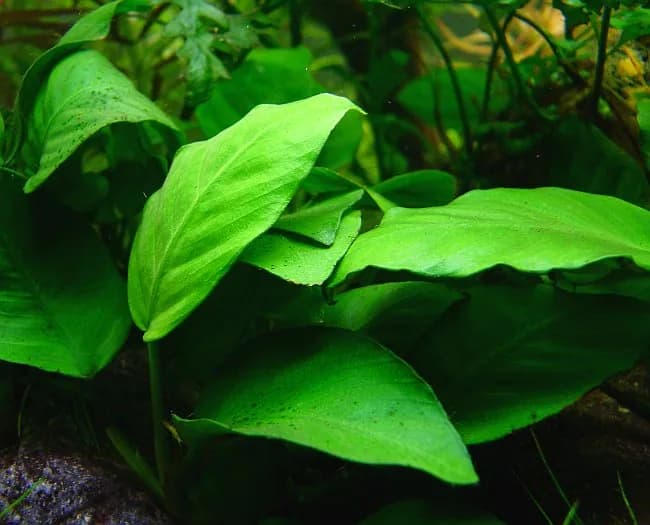
    60 L upwards. Planted with crypts and floating plants. Sand or fine gravel. Soft to moderate flow. Moderate lighting.

  2. Quarantine

    2–3 weeks standard.

Background

Where it comes from, how it behaves, and the variants you'll see at retail.

Show background

In the wild

Where it lived before it came home.

Native rangeThailandMalay PeninsulaSumatra
Origin · Thailand, Malaysia, Sumatra

Peat swamps and slow streams of Malay Peninsula, Sumatra, southern Thailand. Soft to moderately hard, neutral water; in the wild often very acidic blackwater.

Wild diet

Small worms, insects, larvae, plant matter.

Conservation status

Not threatened; captive-bred globally.

Behavior & breeding

How they pair, reproduce, and grow.

  1. Stage 1
    Telling them apart

    Sexing

    Males are slimmer with the black wedge having a slightly extended bottom edge. Females are rounder, wedge slightly shorter and rounded.

  2. Stage 2
    Pairing & spawning

    Breeding

    Unusual among rasboras — egg-layers that attach eggs to the underside of broad plant leaves (especially Cryptocoryne). Soft acidic water and 26–28 °C. Adults will not typically eat eggs but should be removed after spawning.

Variants & identification

The named cultivars and the lookalikes worth flagging.

Color forms

Wild type + a less common 'gold' variant (T. heteromorpha 'Gold').

Frequently asked questions

Direct answers to the questions search engines and AI assistants surface most often about this species.

What is the minimum tank size for Harlequin Rasbora?

Harlequin Rasbora (Trigonostigma heteromorpha) needs a minimum tank of 60 L. They live in the mid water column and should be kept in groups of 8+, so a longer footprint matters more than depth.

What water parameters do Harlequin Rasbora need?

Target 22–28 °C, pH 5.5–7.5, and 2–12 dGH hardness. Acclimate slowly when moving them between water sources.

Are Harlequin Rasbora safe with shrimp?

Shrimp safety: Mostly (may eat shrimplets). Plant safety: Yes.
What do Harlequin Rasbora eat?

Harlequin Rasbora are omnivore. Flake, micro pellets, frozen bloodworms, daphnia.

Are Harlequin Rasbora beginner-friendly?

On Fin & Stem's 1–5 difficulty scale this species rates 1/5. Almost unkillable, a solid first-tank choice. Breeding difficulty: medium.

How long do Harlequin Rasbora live?

Typical lifespan in a well-maintained tank is 5–8 years.

Sources & further reading

Cross-references

Build the rest of the tank.

A planted tank is a system. Pair this fish with one entry from each other pillar to plan the whole scape.