Fin & Stem logo
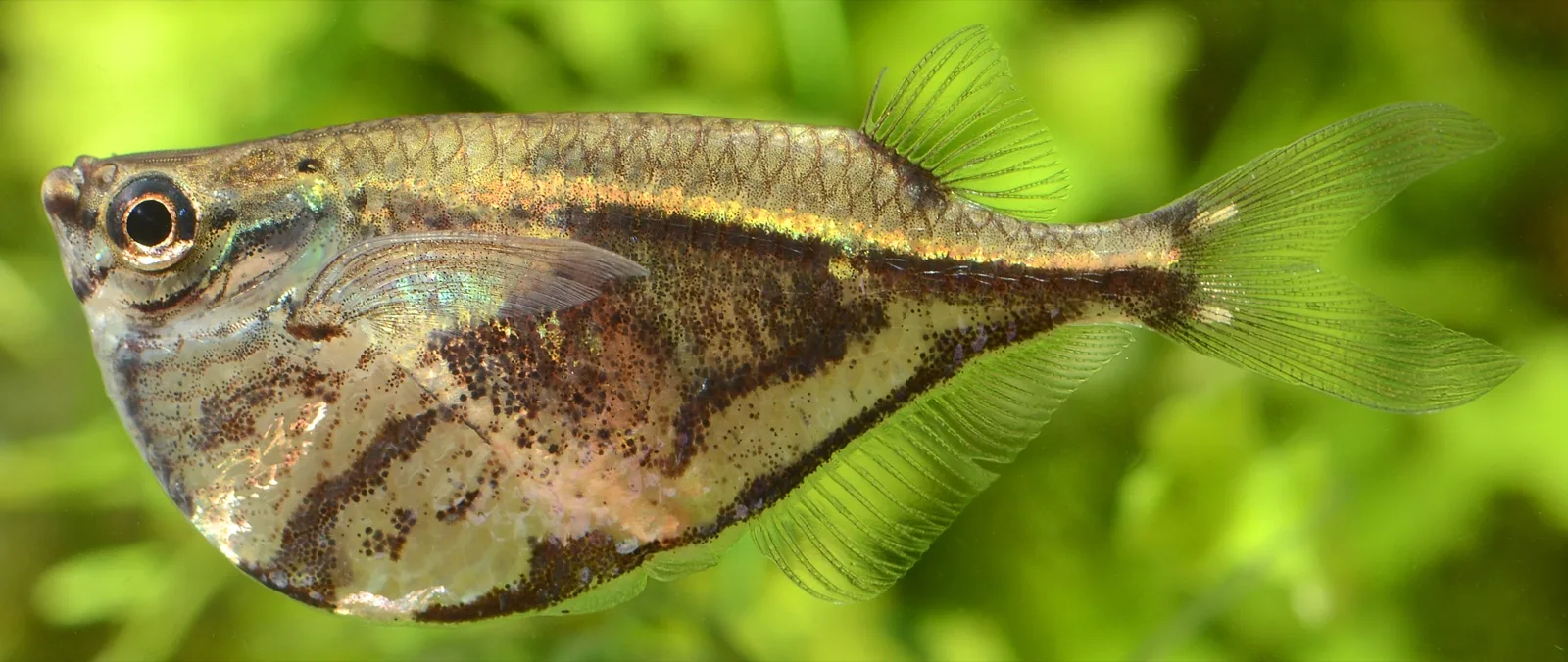
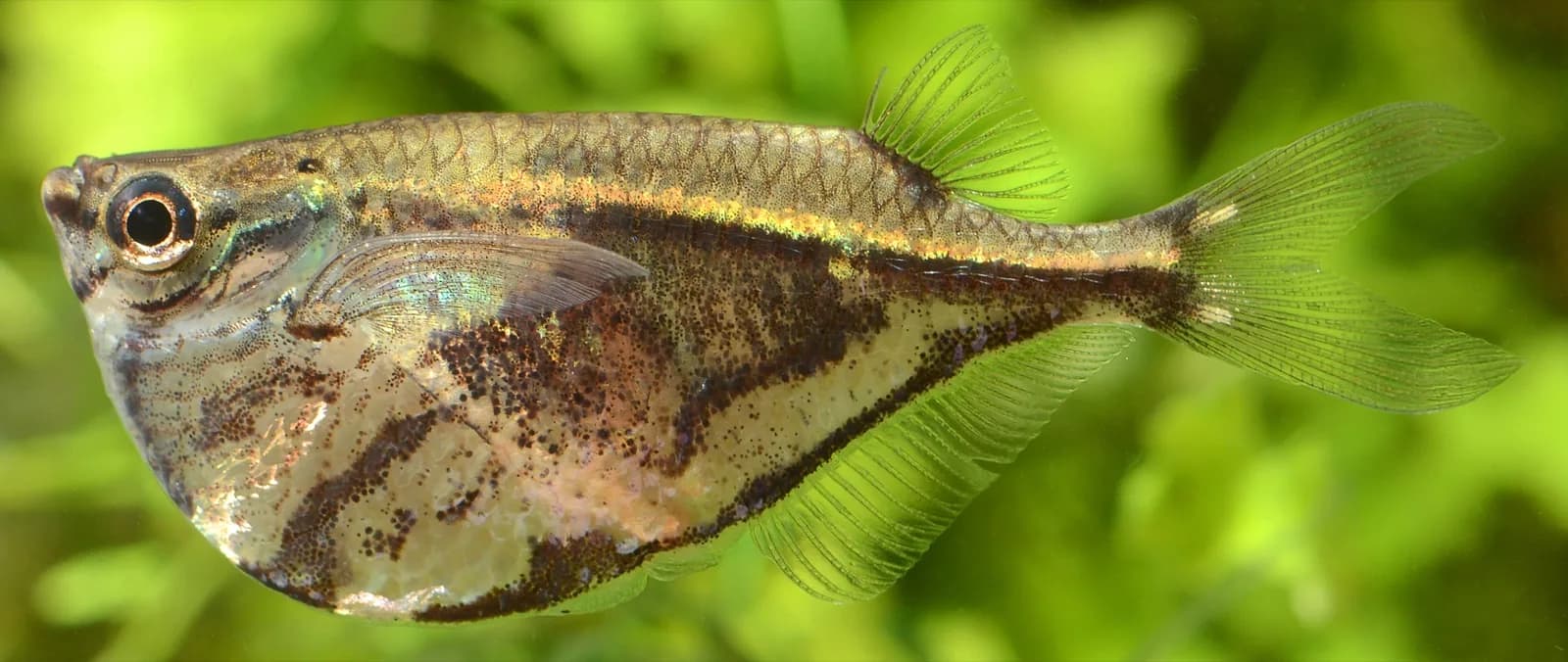
Marbled Hatchetfish (Carnegiella strigata)
Fish

Marbled Hatchetfish

Carnegiella strigata

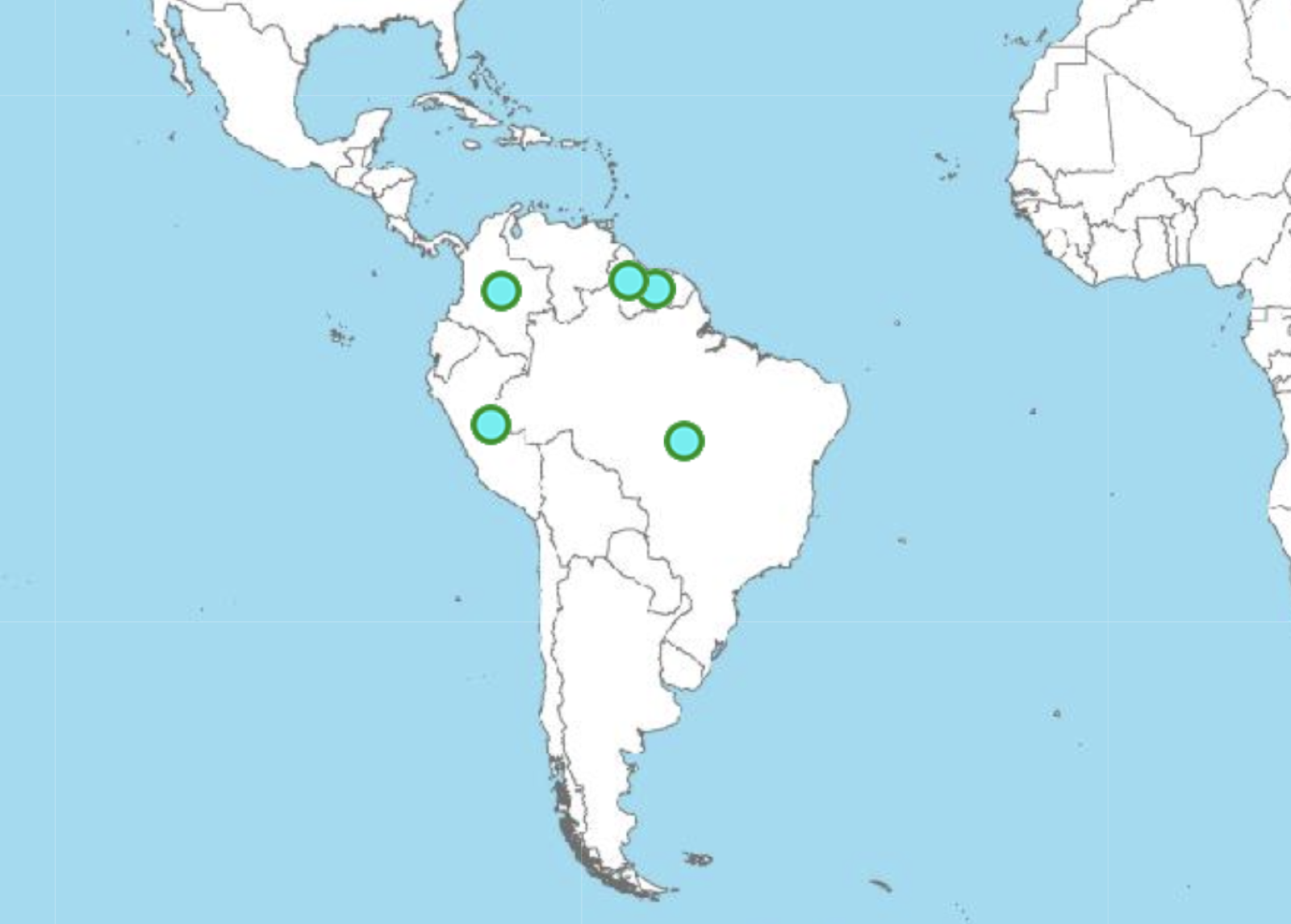
Amazon basin, Peru & BrazilIntermediate

TL;DR, Marbled Hatchetfish

True surface specialist, the keeled chest houses enlarged pectoral muscles that let them 'fly' over the water to escape predators. Tight lid is non-negotiable: any opening becomes an exit. Best in a heavily planted blackwater tank with floating plants for cover.

Marbled Hatchetfish (Carnegiella strigata) reaches 3.5–4.5 cm as an adult and needs a minimum tank of 75 L. Native to Amazon basin, Peru & Brazil, it lives in the top (strictly surface) water column with a peaceful temperament. Aim for 24–28 °C, pH 5.0–6.5, and 1–8 dGH hardness. Lifespan is 3–5 years with good care. Keep marbled hatchetfish in groups of 6+, yes schoolers need numbers to display natural behaviour. Diet: micropredator (insectivore), Floating micro pellets, flake, fruit flies, mosquito larvae. Will not feed off the bottom. Plant-safe: Yes. Shrimp-safe: Yes.

  • Min tank75 L
  • TemperamentPeaceful
  • Plant-safeYes
  • Shrimp-safeYes

Care at a glance

True surface specialist, the keeled chest houses enlarged pectoral muscles that let them 'fly' over the water to escape predators. Tight lid is non-negotiable: any opening becomes an exit. Best in a heavily planted blackwater tank with floating plants for cover.

By Updated 3 min read

Part of our complete guide to aquarium fish for the planted tank.

Marbled Hatchetfish (Carnegiella strigata)
SOK , Sven Kullander · CC BY-SA 4.0Source
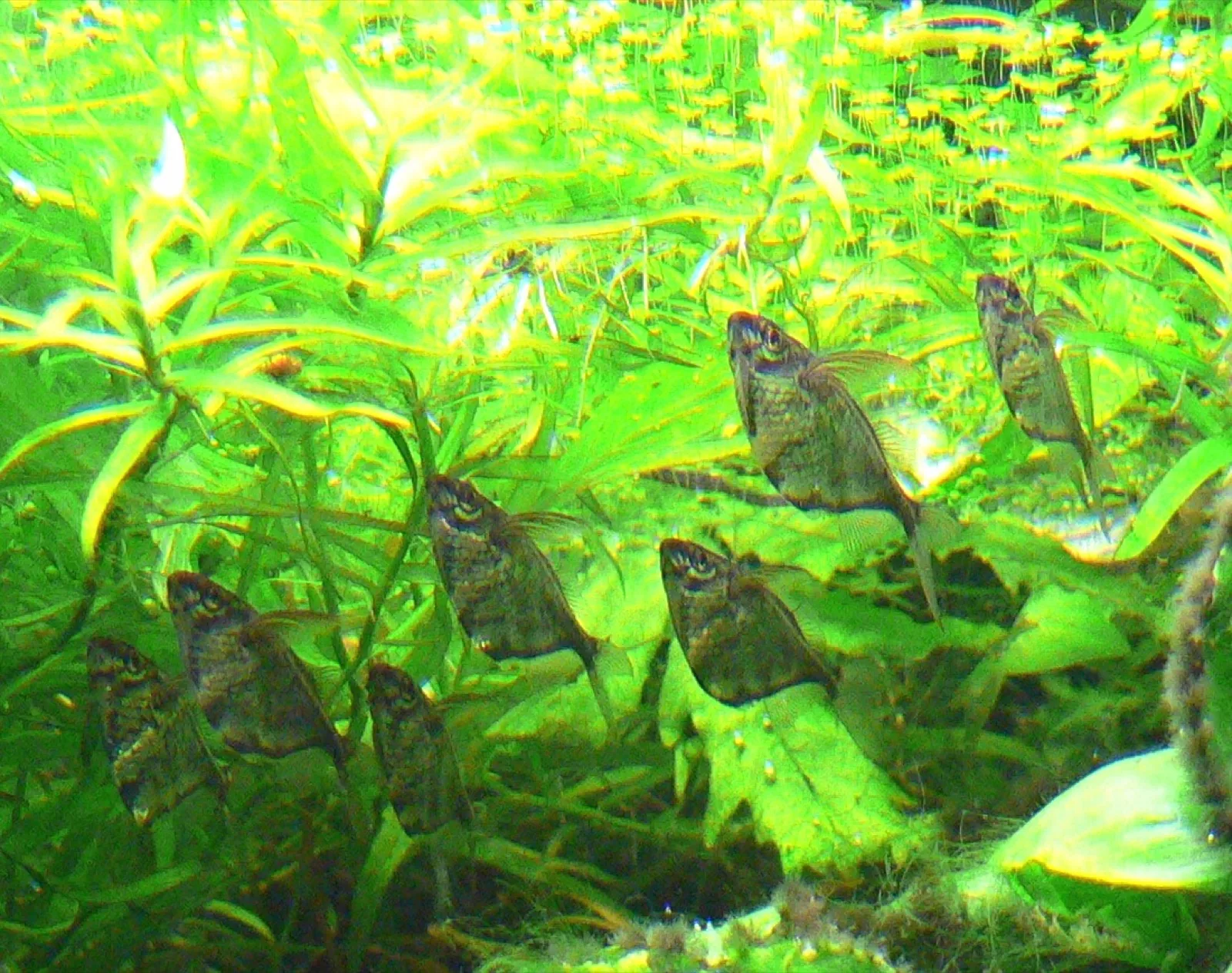
Marbled Hatchetfish (Carnegiella strigata)
Wikimedia · CC BY-SA 3.0Source
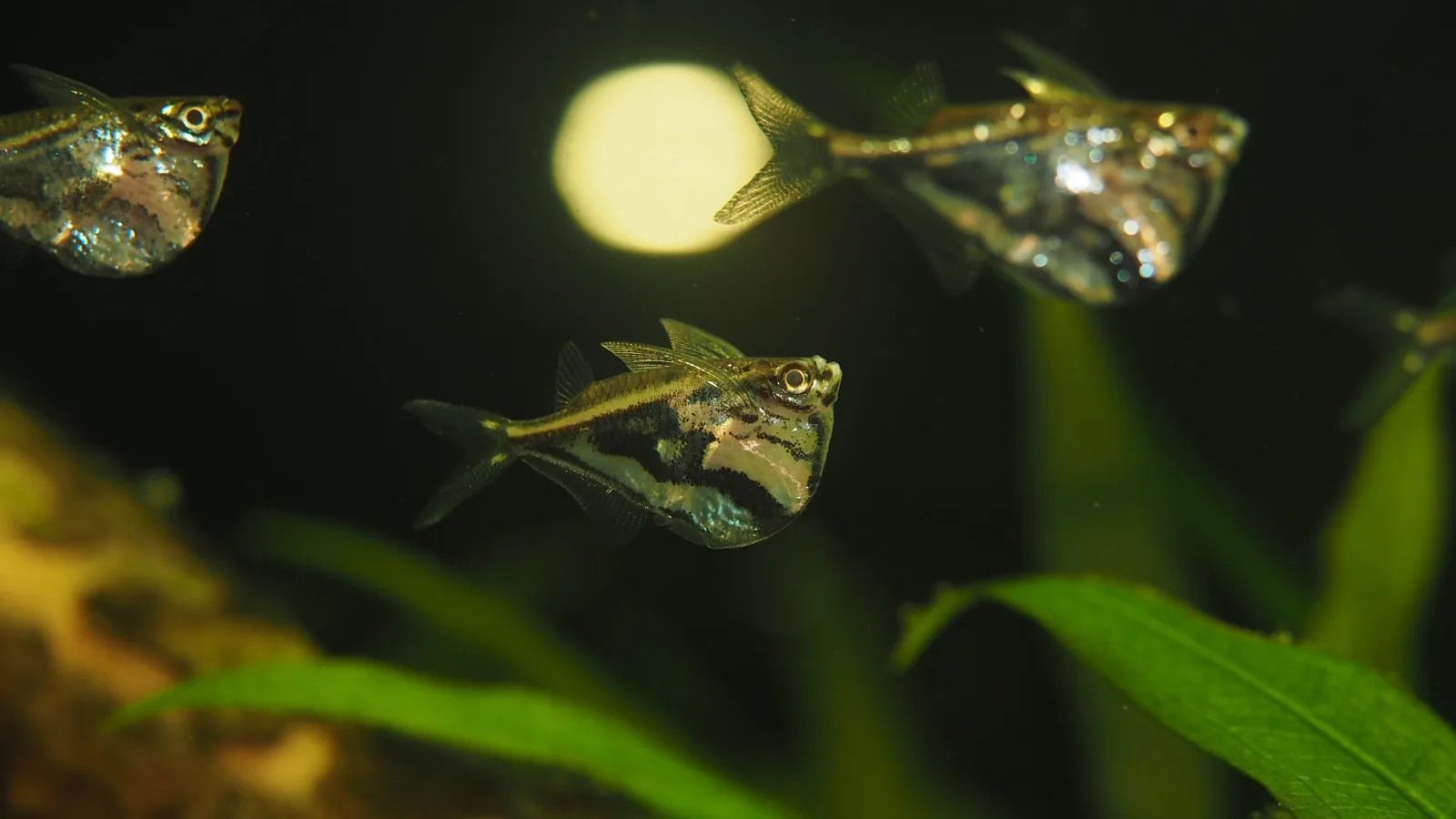
Marbled Hatchetfish (Carnegiella strigata)
Cwsbln · CC BY-SA 3.0Source
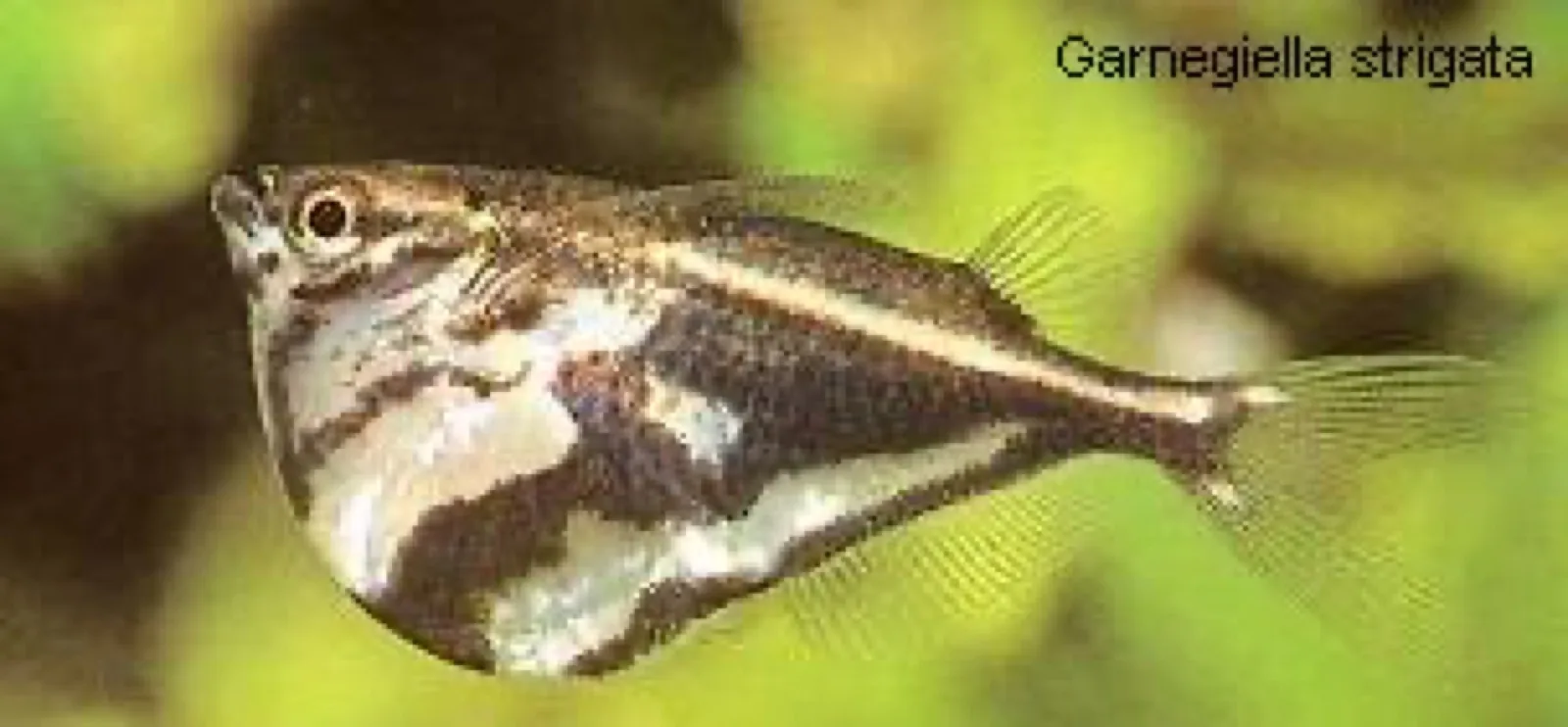
Marbled Hatchetfish (Carnegiella strigata)
Luukneele · Public domainSource
Marbled Hatchetfish (Carnegiella strigata)
Gunther · CC0Source

Hero photo by SOK , Sven Kullander · CC BY-SA 4.0 · Wikipedia

Tank fit

The parameters that decide whether marbled hatchetfish fits in your tank.

Parameters

Temperature24–28 °C
15 °C20 °C25 °C30 °C
pH5.0–6.5
4.05.06.07.08.0
Hardness1–8 dGH
0 dGH5 dGH10 dGH15 dGH20 dGH25 dGH
Adult size3.5–4.5 cm
0481115
Water column

Top (strictly surface)

Schooling

Yes

Group of 6+

FlowStill to Low
Still
Low
Medium
High
V. high

Profile

Family

Gasteropelecidae

Diet

Micropredator (insectivore)

Floating micro pellets, flake, fruit flies, mosquito larvae. Will not feed off the bottom.

Lifespan

3–5 yrs

Breeding

Very hard

Habitat

Surface of slow shaded Amazon tributaries

Amazon basin, Peru & Brazil

Who it lives with

Tank-mate safety and the species this one is documented to thrive (or fail) alongside.

Good tank mates

Anything peaceful that doesn't occupy the top water column: cardinals, rummynose tetras, corydoras, otocinclus, German blue rams. They essentially ignore mid- and bottom-level tank mates.

Avoid

Aggressive surface feeders (gouramis can intimidate them), large predatory fish, anything that startles them into jumping.

See full compatibility cross-reference

Pro tips

Hard-won lessons from the tank.

Feed at the surface — sinking food is wasted. Sprinkle fruit flies, mosquito larvae, or floating micro pellets across the surface. A group of 6+ in a heavily planted blackwater tank with extensive floating cover is a niche but stunning specialty display. Lid security is the difference between a thriving colony and finding crispy fish on the floor.

Etymology

Genus 'Carnegiella' honours Margaret Carnegie Miller, daughter of Andrew Carnegie and patron of natural history. Species 'strigata' = 'striped/grooved' for the marbled pattern.

Things to watch for

What can go wrong and how to spot it.

Things to watch for

Failure modes, in order of how dramatic the fix is.

Health

Common diseases

Sensitive to ich and bacterial infections during shipping stress. Their thin scales make them vulnerable to scrapes from rough netting. Once acclimated to good water they're hardy.

Often wrong

Misconceptions

Often described as 'flying fish' — they don't actually fly. They use enlarged pectoral muscles (the keeled chest is solid muscle, not air sacs) to vibrate the pectoral fins and propel themselves out of water in a short low arc to escape predators. They land within a metre.

How to care for it

The practical routine, read top to bottom.

  1. Tank setup

    75 L+ with the longest water surface area possible (low and wide is better than tall and narrow). Heavy floating plants — frogbit, dwarf water lettuce, salvinia. Tannins, soft acidic water (pH 5.5–6.5), gentle flow. TIGHT-FITTING LID with no gaps — they will jump through any opening, including filter inlets without covers.

  2. Quarantine

    4 weeks with absolute lid security. Watch for slow wasting — common in stressed shipped fish.

Background

Where it comes from, how it behaves, and the variants you'll see at retail.

Show background

In the wild

Where it lived before it came home.

Native rangeAmazon basinPeruBrazil
Origin · Amazon basin, Peru & Brazil

Slow tributaries and floodplain pools of the Amazon basin, especially Peru and Brazil. Tannin-stained soft acidic blackwater with dense surface vegetation. They occupy the top 5 cm of the water column exclusively.

Wild diet

Almost exclusively surface insects and falling terrestrial invertebrates. Fruit flies, mosquito larvae, ants, beetles.

Conservation status

Not threatened. Mostly wild-caught from Amazon tributaries; captive breeding remains uncommon.

Behavior & breeding

How they pair, reproduce, and grow.

  1. Stage 1
    Telling them apart

    Sexing

    Very difficult. Females may be marginally fuller-bodied. Most sexing requires breeding-condition observation.

  2. Stage 2
    Pairing & spawning

    Breeding

    Extremely rare in captivity. Egg scatterers among floating plant roots; eggs sink slowly. Soft very acidic water, dense floating mat (riccia, water sprite), absolute parameter stability. Most reports of successful breeding come from dedicated species-only tanks.

Variants & identification

The named cultivars and the lookalikes worth flagging.

Color forms

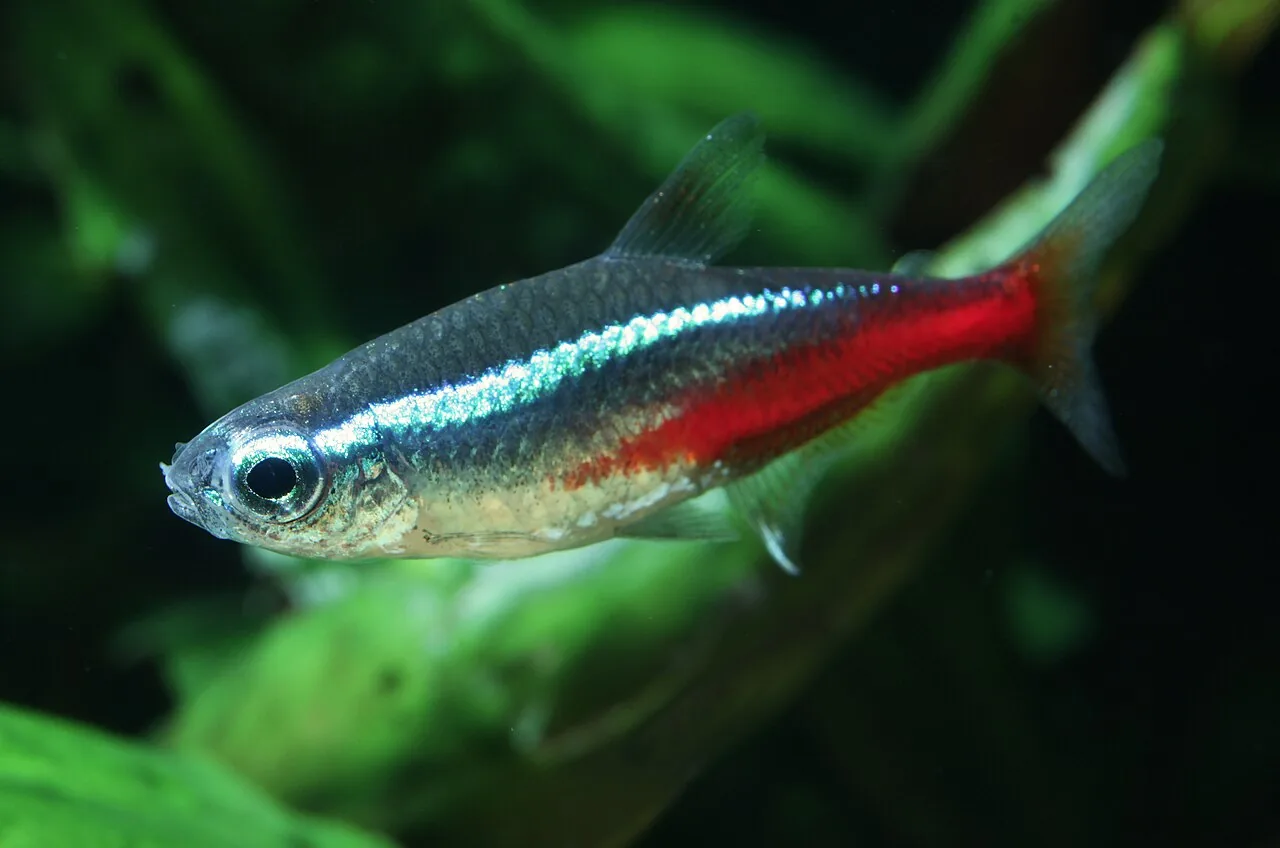
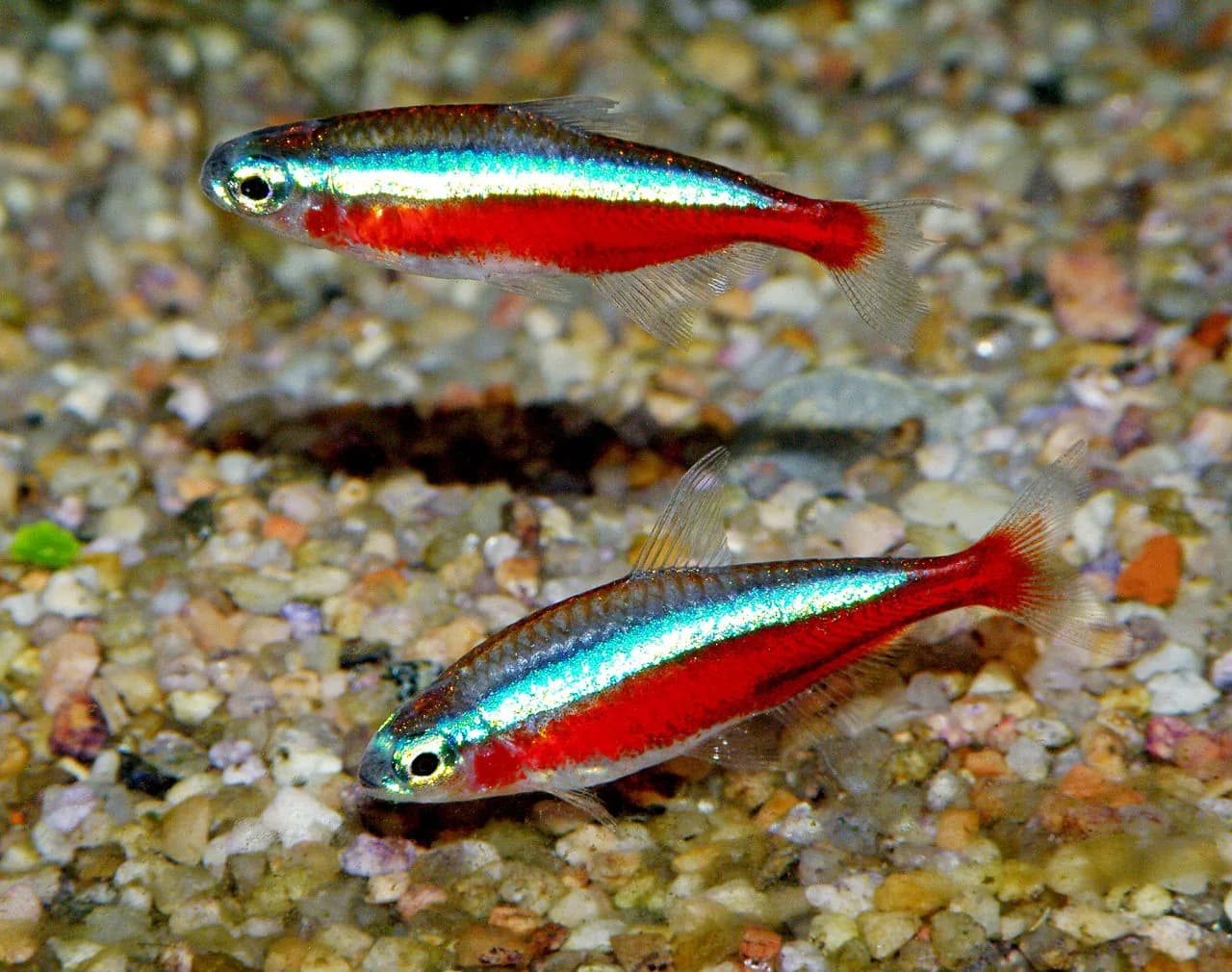
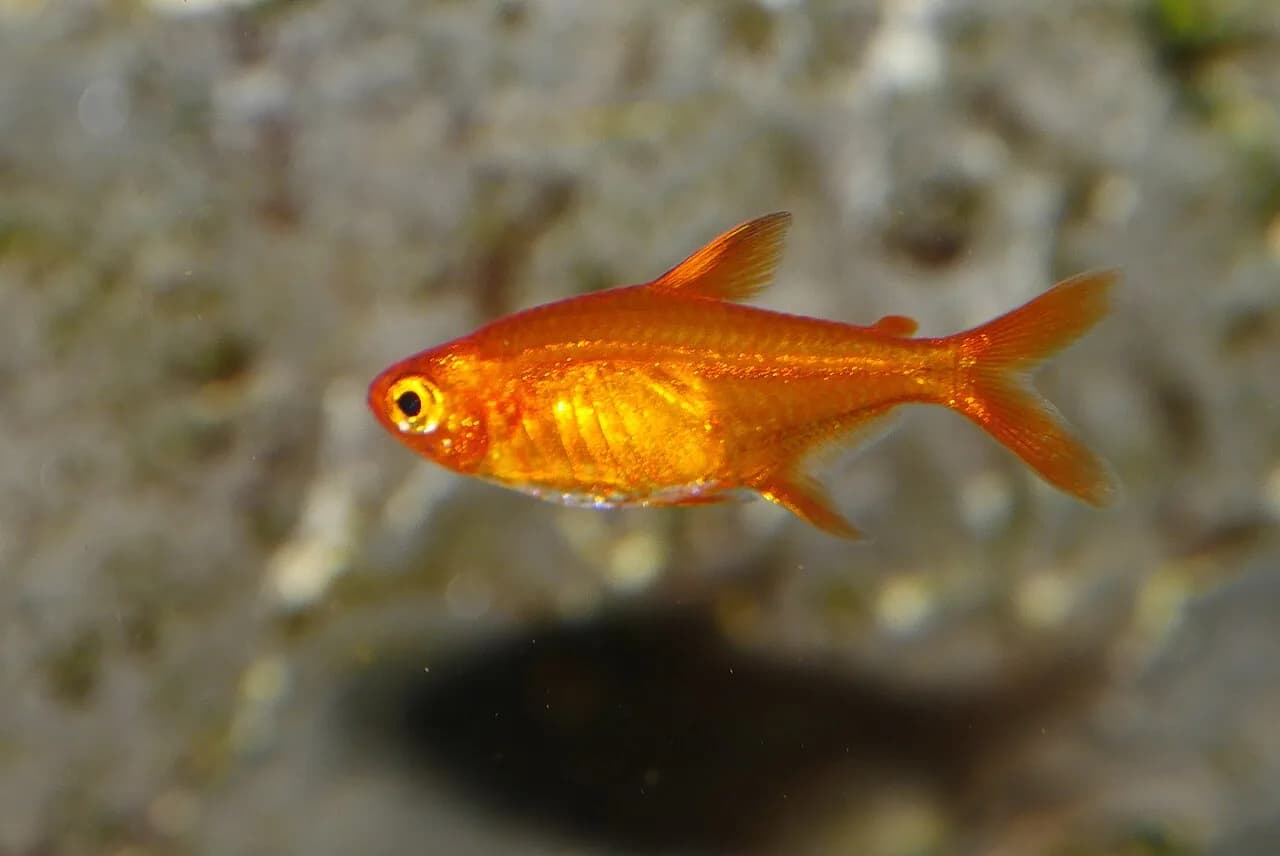
Wild type only. Often confused with silver hatchetfish (Gasteropelecus sternicla — larger and plainer) and pygmy hatchetfish (C. myersi — smaller, less common). Marbled hatchets have the most pronounced black-and-cream marbling pattern.

Frequently asked questions

Direct answers to the questions search engines and AI assistants surface most often about this species.

What is the minimum tank size for Marbled Hatchetfish?

Marbled Hatchetfish (Carnegiella strigata) needs a minimum tank of 75 L. They live in the top (strictly surface) water column and should be kept in groups of 6+, so a longer footprint matters more than depth.

What water parameters do Marbled Hatchetfish need?

Target 24–28 °C, pH 5.0–6.5, and 1–8 dGH hardness. Acclimate slowly when moving them between water sources.

Are Marbled Hatchetfish safe with shrimp?

Shrimp safety: Yes. Plant safety: Yes.

What do Marbled Hatchetfish eat?

Marbled Hatchetfish are micropredator (insectivore). Floating micro pellets, flake, fruit flies, mosquito larvae. Will not feed off the bottom.

Are Marbled Hatchetfish beginner-friendly?

On Fin & Stem's 1–5 difficulty scale this species rates 3/5. Intermediate, stable parameters and a mature tank matter. Breeding difficulty: very hard.

How long do Marbled Hatchetfish live?

Typical lifespan in a well-maintained tank is 3–5 years.

Sources & further reading

Cross-references

Build the rest of the tank.

A planted tank is a system. Pair this fish with one entry from each other pillar to plan the whole scape.