Fin & Stem logo
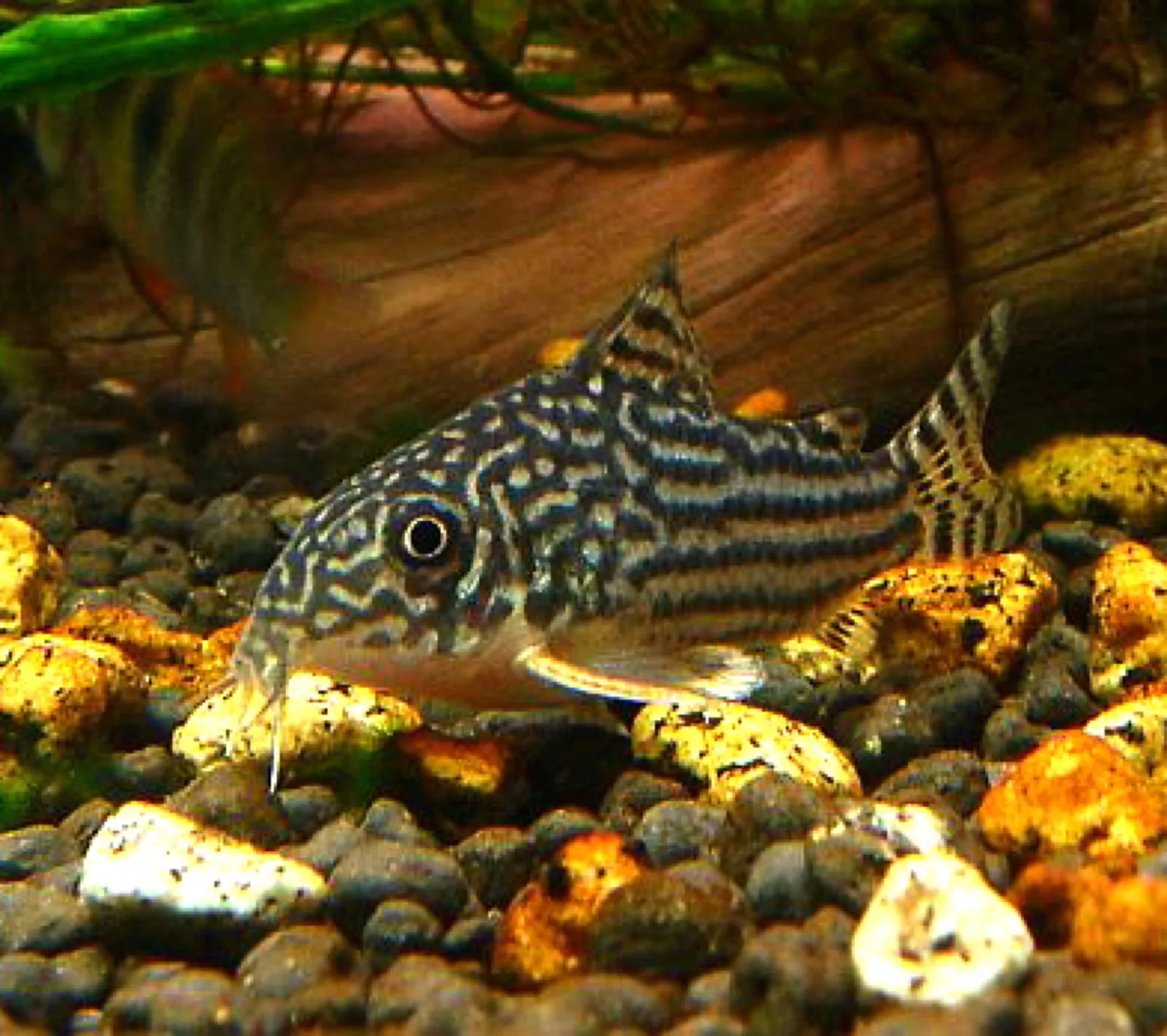
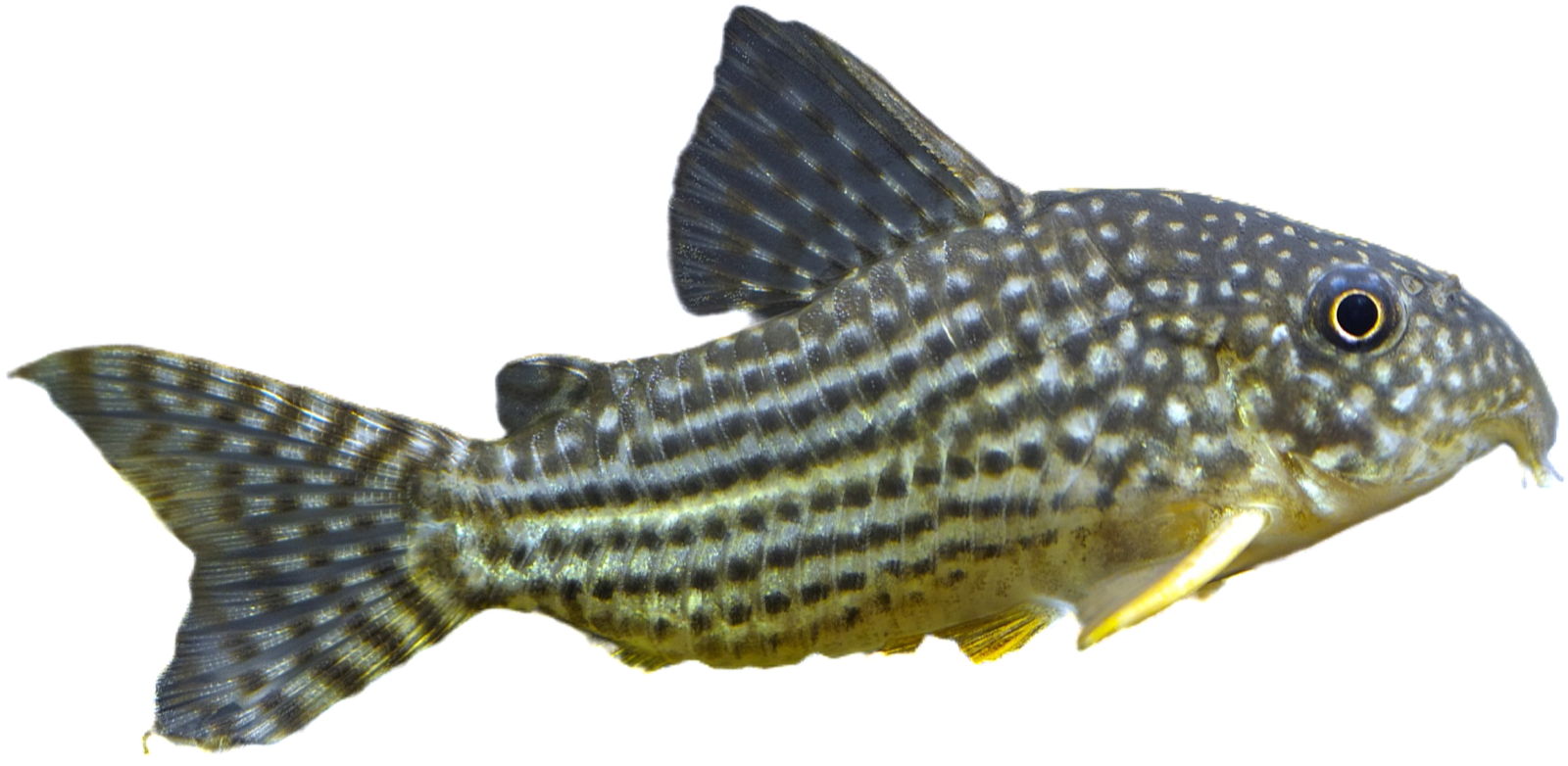
Sterbai Corydoras (Corydoras sterbai)
Fish

Sterbai Corydoras

Corydoras sterbai

Rio Guaporé basin, Brazil & BoliviaEasy

TL;DR, Sterbai Corydoras

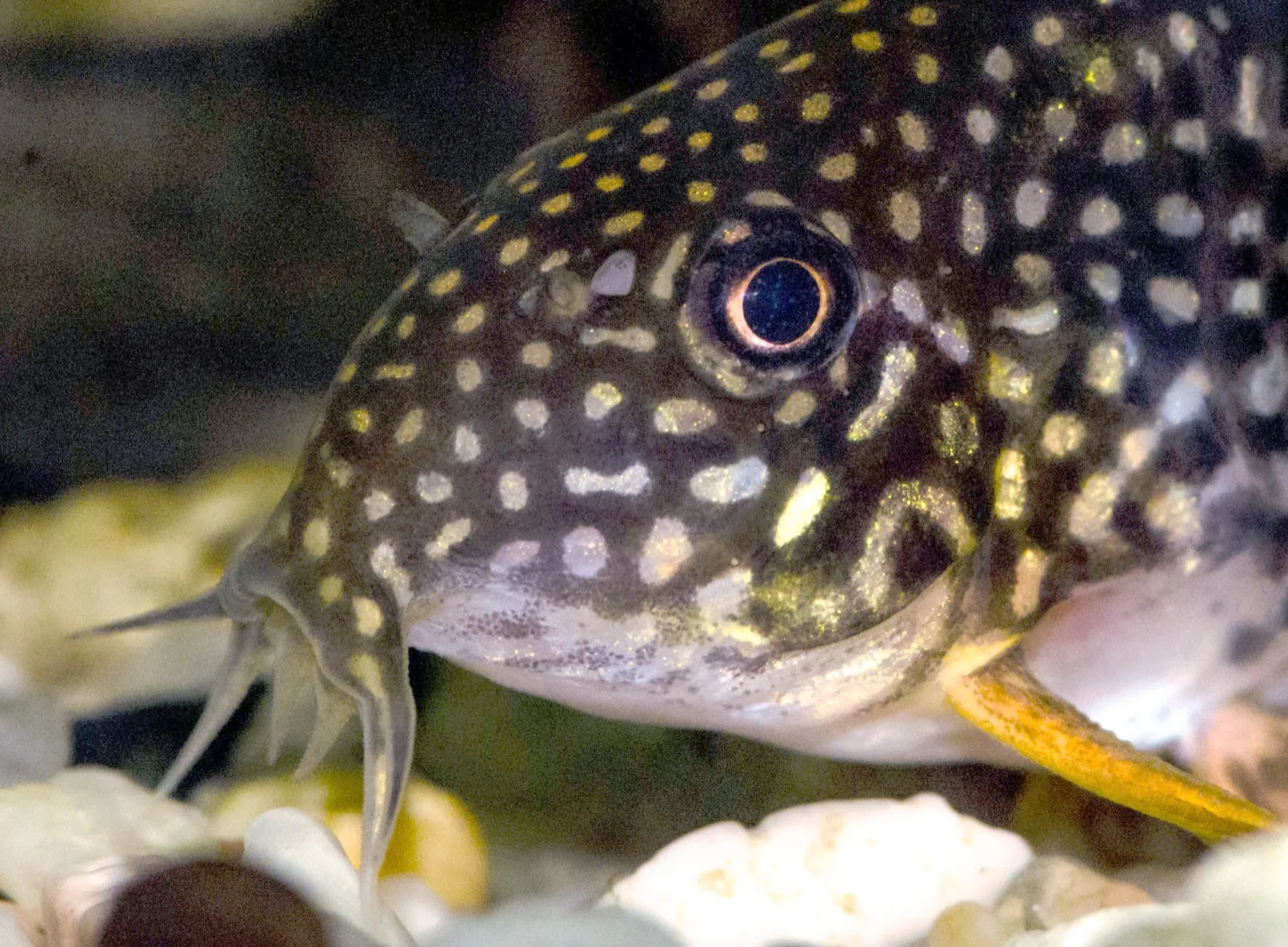
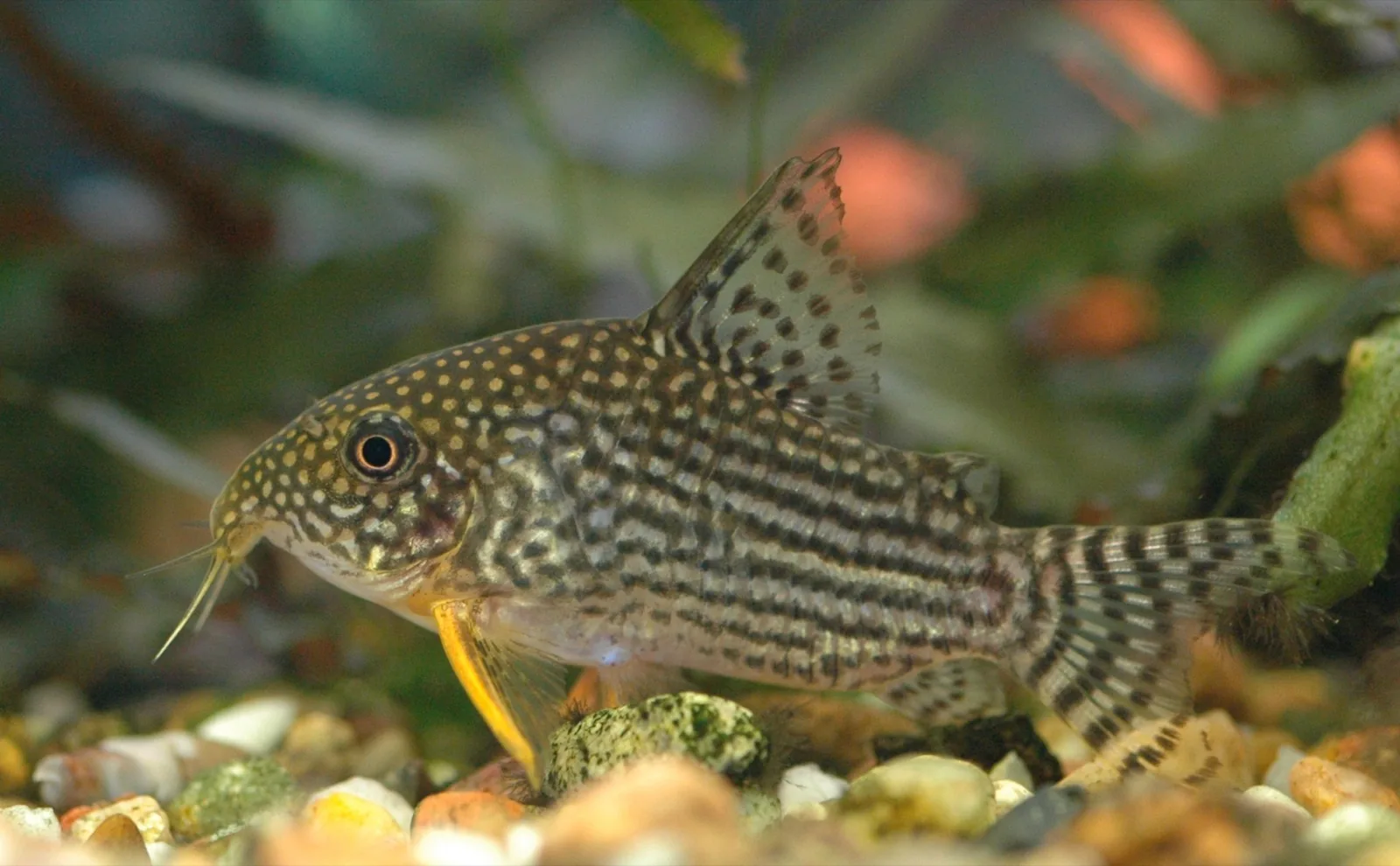
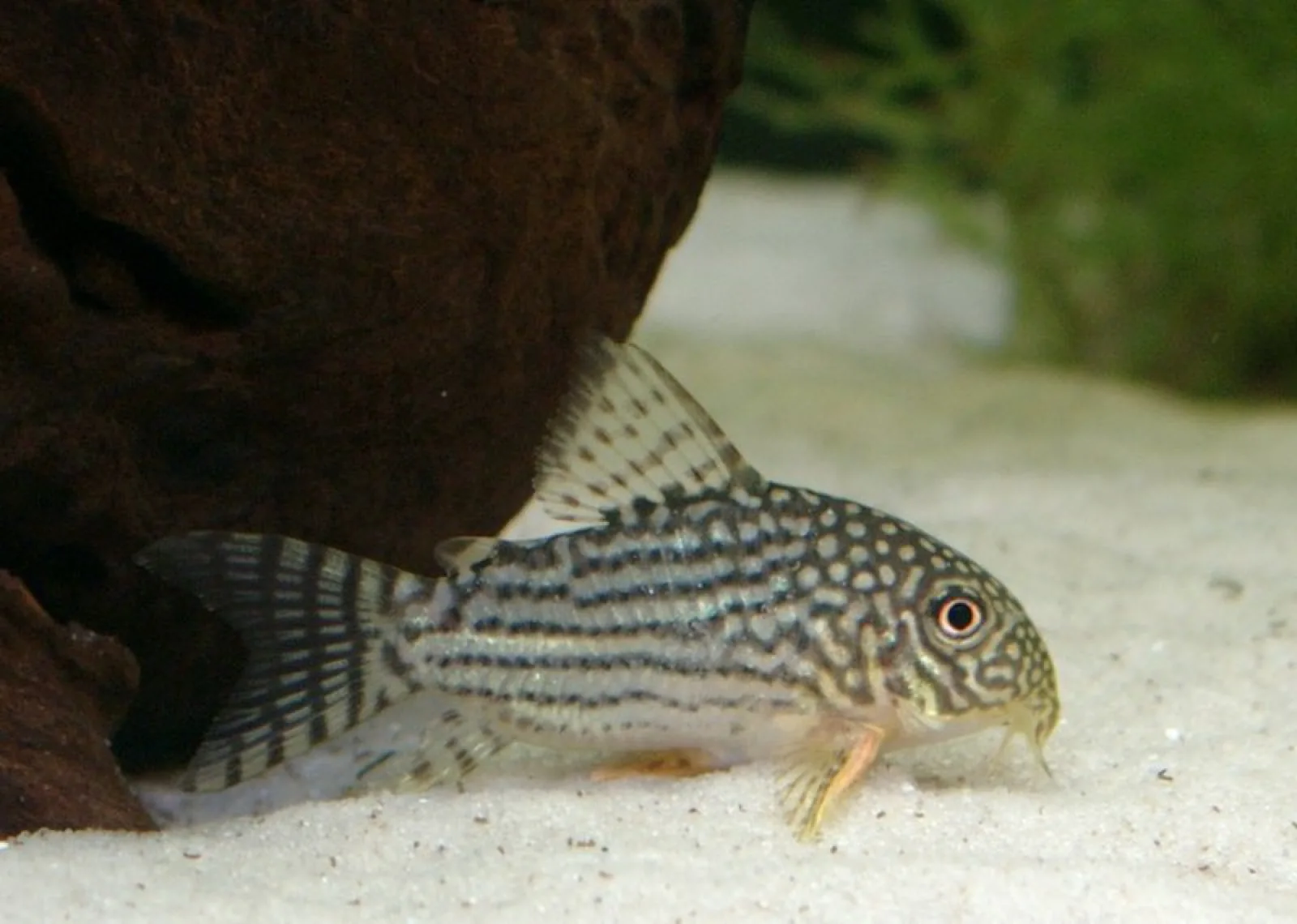
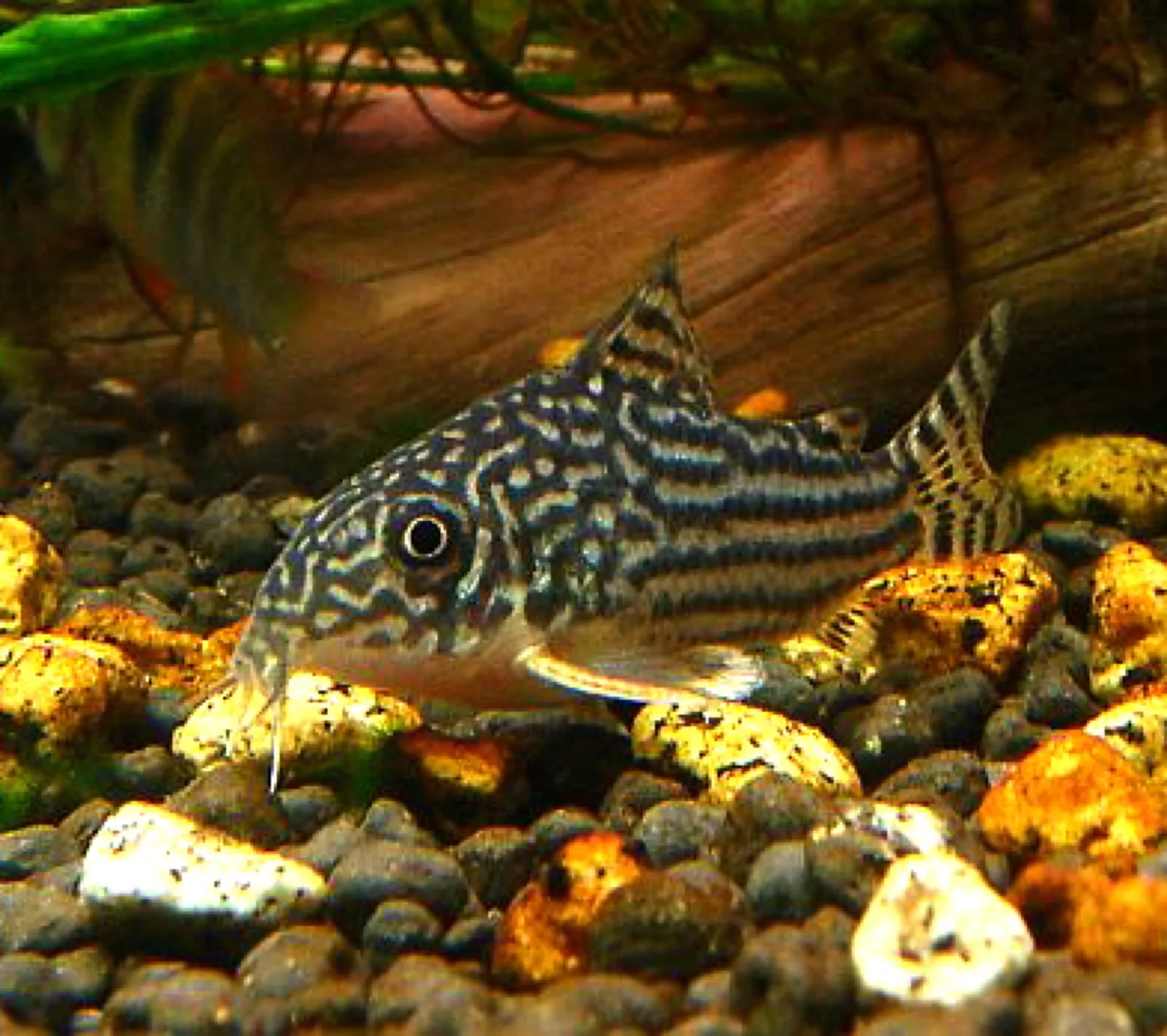
The heat-tolerant cory, the only one that genuinely thrives alongside discus and rams at 28 °C+. White spots on a dark body, orange pectoral spines. Soft sand substrate is essential.

Sterbai Corydoras (Corydoras sterbai) reaches 6–7 cm as an adult and needs a minimum tank of 75 L. Native to Rio Guaporé basin, Brazil & Bolivia, it lives in the bottom water column with a peaceful temperament. Aim for 24–30 °C, pH 6.0–7.5, and 3–15 dGH hardness. Lifespan is 5–10 years with good care. Keep sterbai corydoras in groups of 6+, yes schoolers need numbers to display natural behaviour. Diet: omnivore (sinking), Sinking pellets, catfish wafers, frozen bloodworms. Hugely enthusiastic eaters, feed enough. Plant-safe: Yes. Shrimp-safe: Yes (adult shrimp).

  • Min tank75 L
  • TemperamentPeaceful
  • Plant-safeYes
  • Shrimp-safeYes (adult shrimp)
Sterbai Corydoras (Corydoras sterbai)
Tsunamicarlos at English Wikipedia · Public domainSource
Sterbai Corydoras (Corydoras sterbai)
Matthew Mannell · Public domainSource
Sterbai Corydoras (Corydoras sterbai)
User:D.W. · CC0Source
Sterbai Corydoras (Corydoras sterbai)
Tino Strauss · CC BY-SA 3.0Source
Sterbai Corydoras (Corydoras sterbai)
Wikimedia · CC BY 2.5Source

Hero photo by Tsunamicarlos at English Wikipedia · Public domain · Wikipedia

Tank fit

The parameters that decide whether sterbai corydoras fits in your tank.

Parameters

Temperature24–30 °C
15 °C20 °C25 °C30 °C
pH6.0–7.5
4.05.06.07.08.0
Hardness3–15 dGH
0 dGH5 dGH10 dGH15 dGH20 dGH25 dGH
Adult size6–7 cm
0481115
Water column

Bottom

Schooling

Yes

Group of 6+

FlowLow to Medium
Still
Low
Medium
High
V. high

Profile

Family

Callichthyidae

Diet

Omnivore (sinking)

Sinking pellets, catfish wafers, frozen bloodworms. Hugely enthusiastic eaters, feed enough.

Lifespan

5–10 yrs

Breeding

Medium

Habitat

Shallow flooded forest of the Guaporé river basin

Rio Guaporé basin, Brazil & Bolivia

Who it lives with

Tank-mate safety and the species this one is documented to thrive (or fail) alongside.

Good tank mates

Discus (the classic pairing), German blue rams, angelfish (when small), cardinal tetras, rummynose tetras, plant-safe peaceful warm-water fish. They are perfect partners for fish that need 28+ °C tanks where other corys would struggle.

Avoid

Aggressive cichlids that bully bottom-dwellers, oscar-sized predators, fin-nippers, anything that competes aggressively for substrate.

See full compatibility cross-reference

Pro tips

Hard-won lessons from the tank.

A school of 6+ sterbais grubbing in fine sand under the silhouette of a discus pair is the platonic ideal of a soft-water Amazon biotope. Drop food directly on the substrate after lights dim — they feed best when not competing with mid-water fish. Watch for the 'wink' — they flick their eyes downward, a behaviour unique to corydoras and unmistakable once you spot it.

Etymology

Genus 'Corydoras' = 'helmet skin' (their bony body plates). Species 'sterbai' honours Czech ichthyologist Günther Sterba, author of the foundational Freshwater Fishes of the World.

Things to watch for

What can go wrong and how to spot it.

Things to watch for

Failure modes, in order of how dramatic the fix is.

Health

Common diseases

Robust if water quality is good. Watch for barbel erosion on coarse substrate — soft fine sand is essential. Sensitive to copper and high nitrate; sensitive to soil-based active substrates lowering pH abruptly.

Often wrong

Misconceptions

Often labelled 'good for heated discus tanks' as if heat is a tradeoff — actually 26–28 °C IS their preferred range, not a tolerance. Many keepers keep them too cool at 22–24 °C; they're more active and brighter at 27 °C.

How to care for it

The practical routine, read top to bottom.

  1. Tank setup

    75 L+ with FINE SAND substrate (gravel destroys barbels). Heavy planting, driftwood, leaf litter. Moderate flow — they like clean oxygenated water. Temperature 26–28 °C is the sweet spot; tolerates up to 30 °C unlike most corys.

  2. Quarantine

    3 weeks on soft sand. Observe barbels and fin condition — sterbai are sensitive to bad substrate even in QT.

Background

Where it comes from, how it behaves, and the variants you'll see at retail.

Show background

In the wild

Where it lived before it came home.

Native rangeRio GuaporéBoliviaBrazil
Origin · Rio Guaporé basin, Brazil & Bolivia

Rio Guaporé basin straddling Brazil and Bolivia. Warm, soft, slow-moving rivers with sandy substrate, leaf litter, and woody debris. Hotter than most cory habitats — daytime water often exceeds 28 °C in the dry season.

Wild diet

Insect larvae, micro-crustaceans, biofilm, detritus. Substrate-grubbing forager.

Conservation status

Not threatened. Captive-bred in large numbers, especially in Eastern Europe.

Behavior & breeding

How they pair, reproduce, and grow.

  1. Stage 1
    Telling them apart

    Sexing

    Females larger and rounder when conditioned; males slimmer. Both sexes show the same pattern of white spots and orange pectoral spines.

  2. Stage 2
    Pairing & spawning

    Breeding

    Classic T-position cory spawning. Soft slightly acidic water, drop temperature 2–3 °C with a large cool water change to trigger spawning, return to 26 °C. Eggs adhered to glass, broad plant leaves, or spawning mops. Move eggs to a separate hatching container or remove parents. Fry need microworms and crushed flake.

Variants & identification

The named cultivars and the lookalikes worth flagging.

Color forms

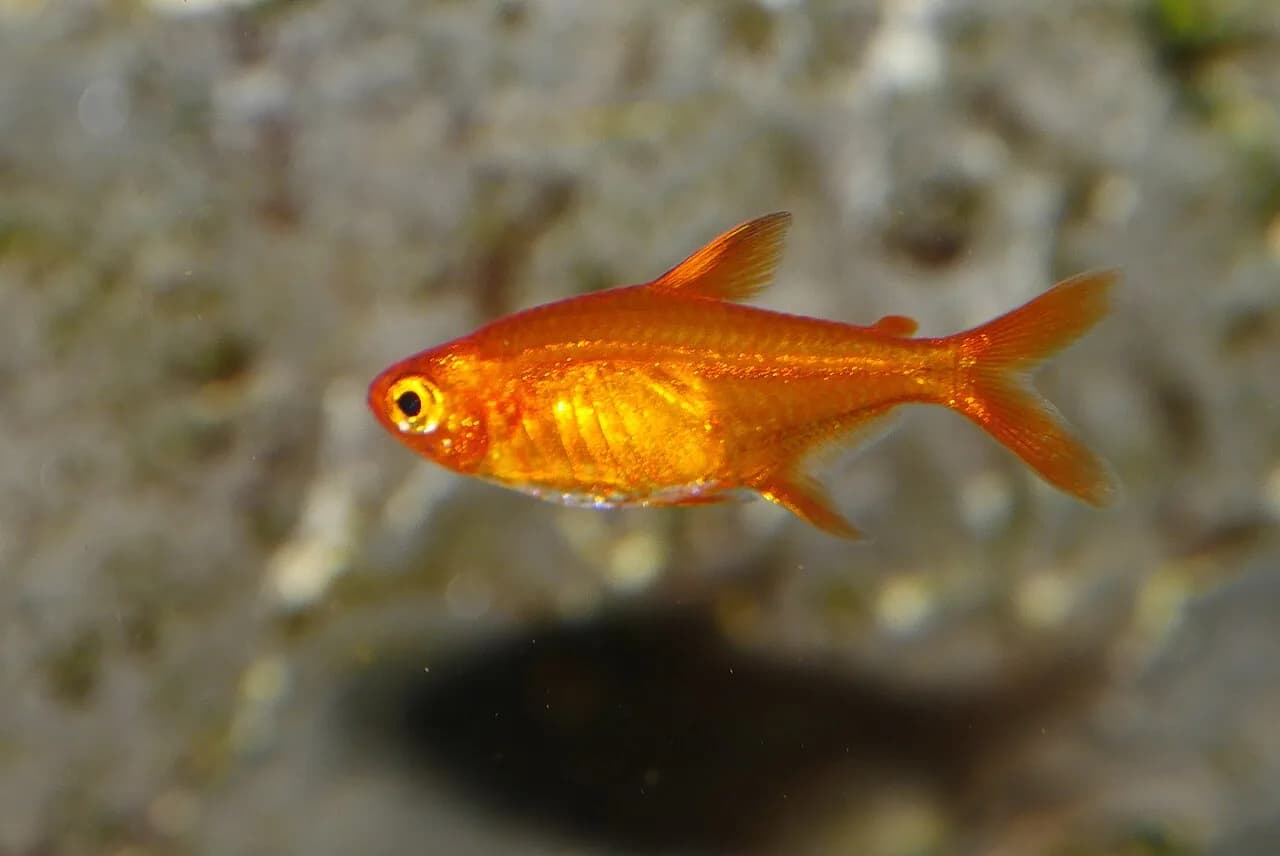
Wild type plus an 'albino sterbai' (orange-bodied with red eyes) commercially produced. Less commonly, a 'high-fin' variant with elongated dorsal rays.

Frequently asked questions

Direct answers to the questions search engines and AI assistants surface most often about this species.

What is the minimum tank size for Sterbai Corydoras?

Sterbai Corydoras (Corydoras sterbai) needs a minimum tank of 75 L. They live in the bottom water column and should be kept in groups of 6+, so a longer footprint matters more than depth.

What water parameters do Sterbai Corydoras need?

Target 24–30 °C, pH 6.0–7.5, and 3–15 dGH hardness. Acclimate slowly when moving them between water sources.

Are Sterbai Corydoras safe with shrimp?

Shrimp safety: Yes (adult shrimp). Plant safety: Yes.

What do Sterbai Corydoras eat?

Sterbai Corydoras are omnivore (sinking). Sinking pellets, catfish wafers, frozen bloodworms. Hugely enthusiastic eaters, feed enough.

Are Sterbai Corydoras beginner-friendly?

On Fin & Stem's 1–5 difficulty scale this species rates 2/5. Forgiving, beginner-friendly once the tank is cycled. Breeding difficulty: medium.

How long do Sterbai Corydoras live?

Typical lifespan in a well-maintained tank is 5–10 years.

Sources & further reading

Cross-references

Build the rest of the tank.

A planted tank is a system. Pair this fish with one entry from each other pillar to plan the whole scape.