Fin & Stem logo
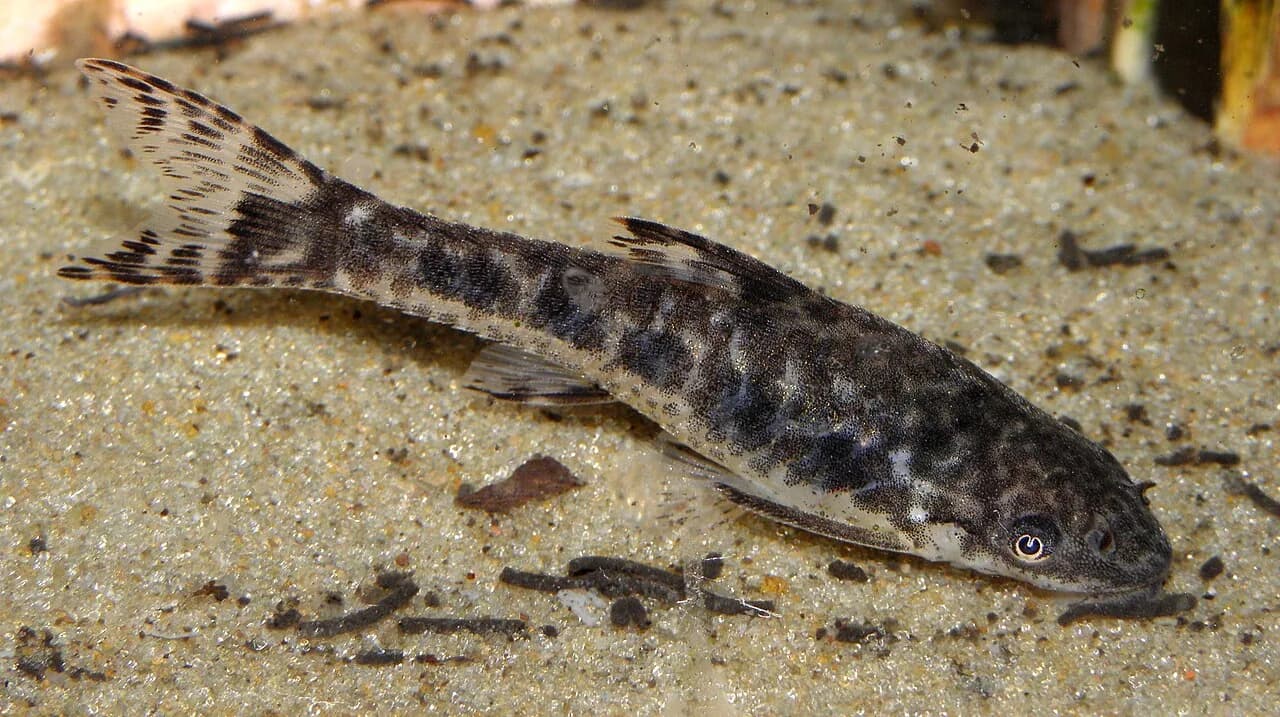
Otocinclus (Common) (Otocinclus vittatus)
Fish

Otocinclus (Common)

Otocinclus vittatus

Northern and central South AmericaIntermediate

TL;DR, Otocinclus (Common)

Best biofilm/algae eater for planted tanks. Only add to a tank with established biofilm and soft green algae. Sensitive to stress, acclimate slowly.

Otocinclus (Common) (Otocinclus vittatus) reaches 3.5–5 cm as an adult and needs a minimum tank of 60 L. Native to Northern and central South America, it lives in the bottom (grazes everywhere) water column with a peaceful temperament. Aim for 20–26 °C, pH 6.0–7.5, and 2–10 dGH hardness. Lifespan is 3–5 years with good care. Keep otocinclus (common) in groups of 6+, yes schoolers need numbers to display natural behaviour. Diet: herbivore (algae), Soft green algae, blanched zucchini, courgette, Repashy Soilent Green. Will starve in a clean new tank. Plant-safe: Yes. Shrimp-safe: Yes.

  • Min tank60 L
  • TemperamentPeaceful
  • Plant-safeYes
  • Shrimp-safeYes
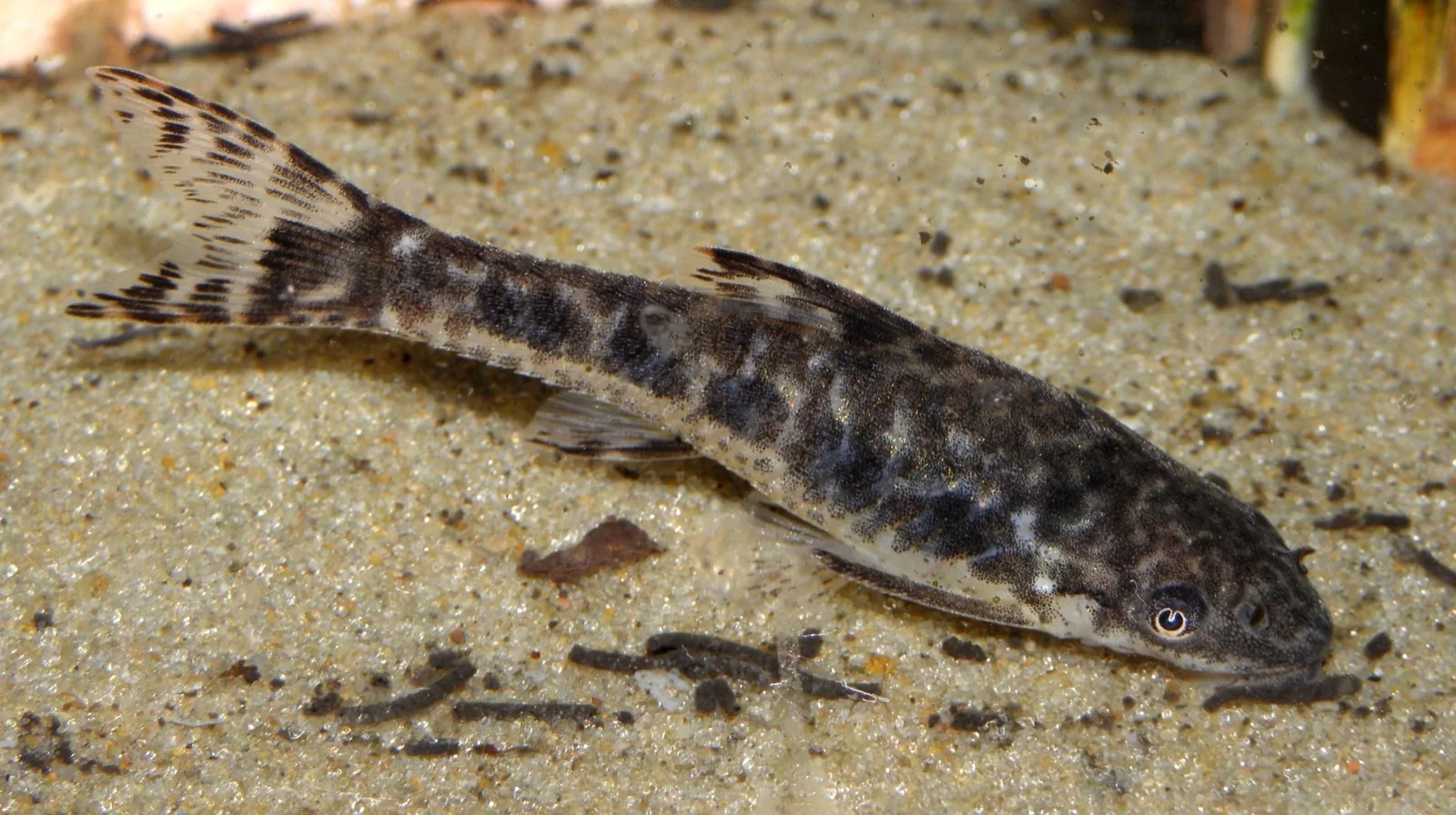
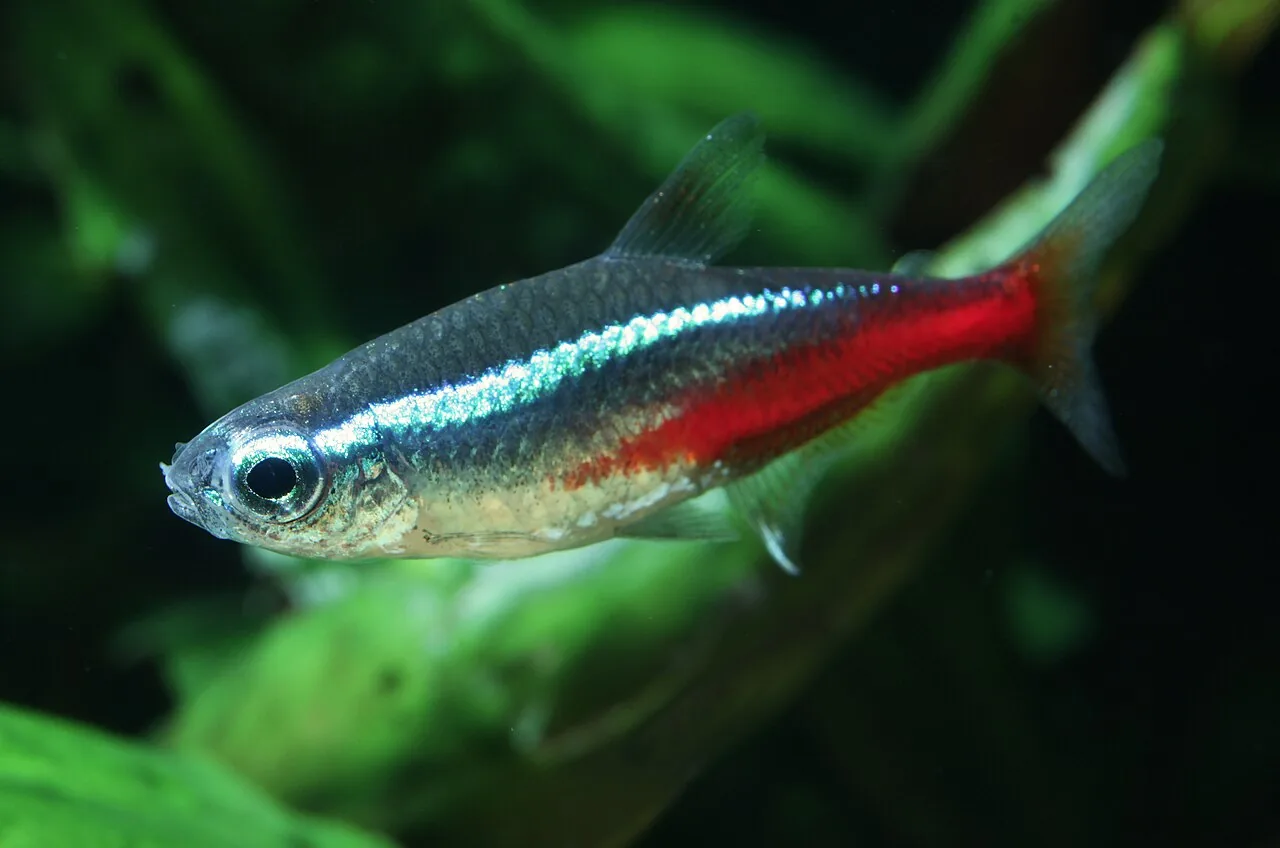
Otocinclus (Common) (Otocinclus vittatus)
CHUCAO · CC BY-SA 3.0Source
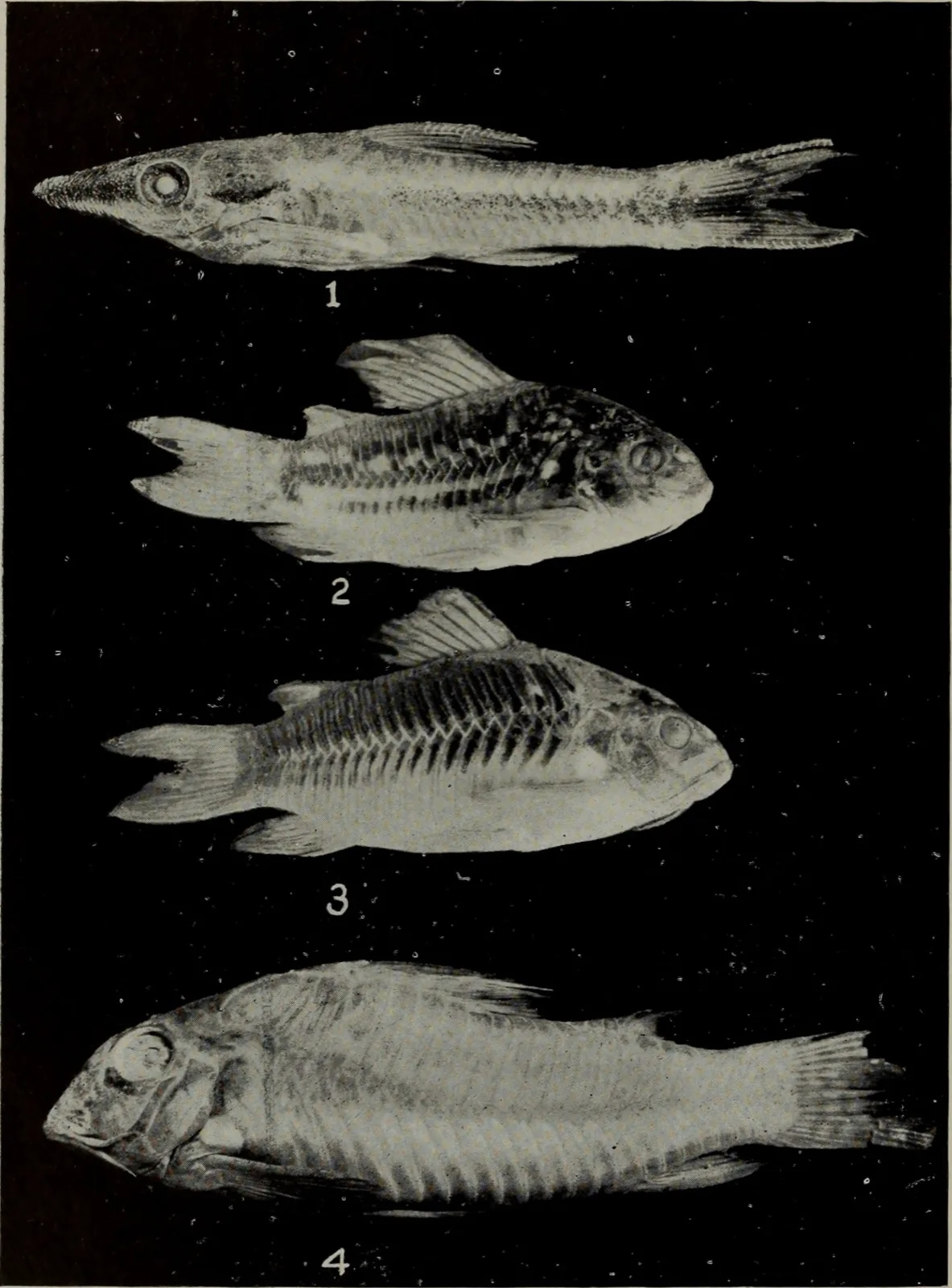
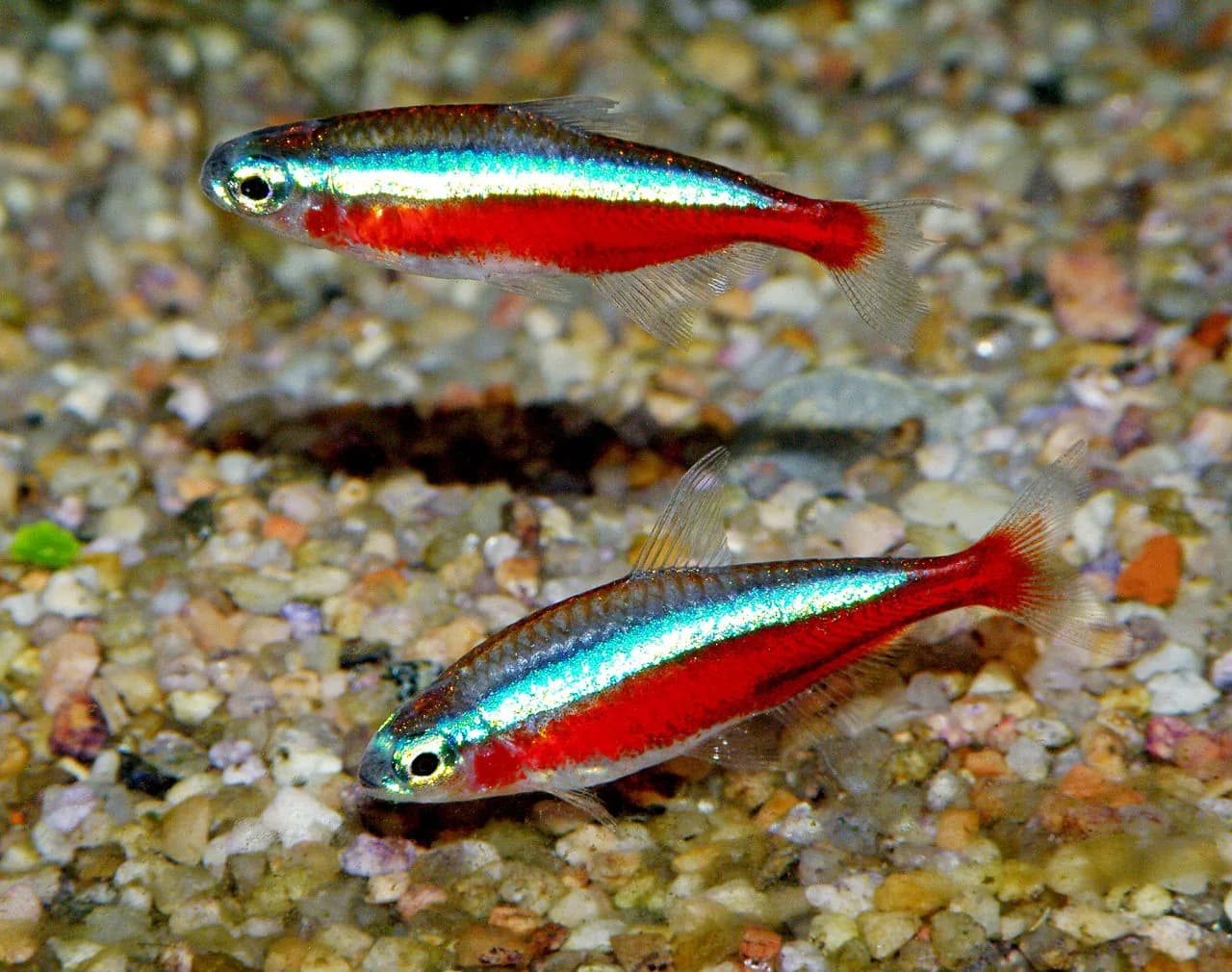
Otocinclus (Common) (Otocinclus vittatus)
Internet Archive Book Images · No restrictionsSource
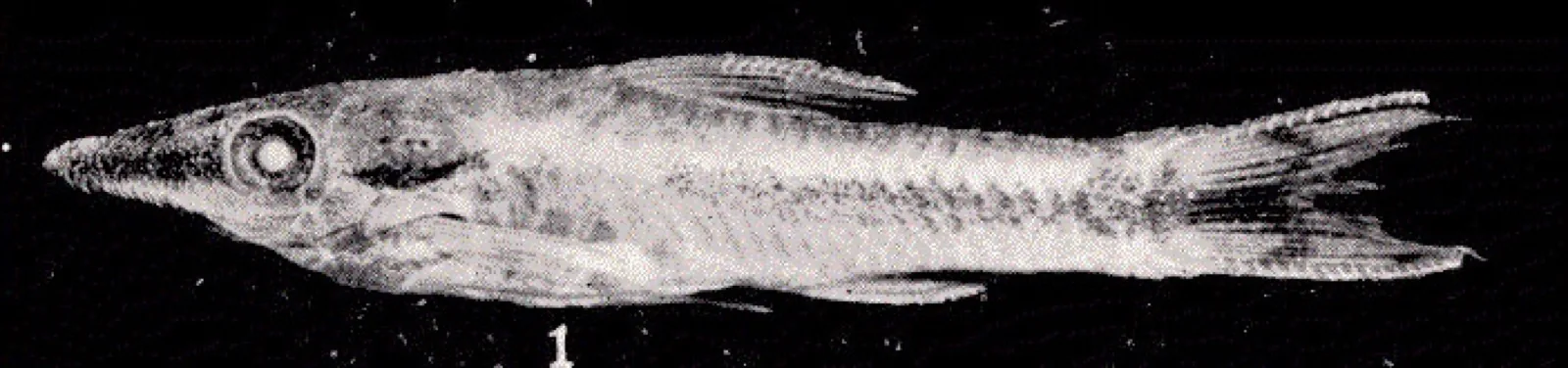
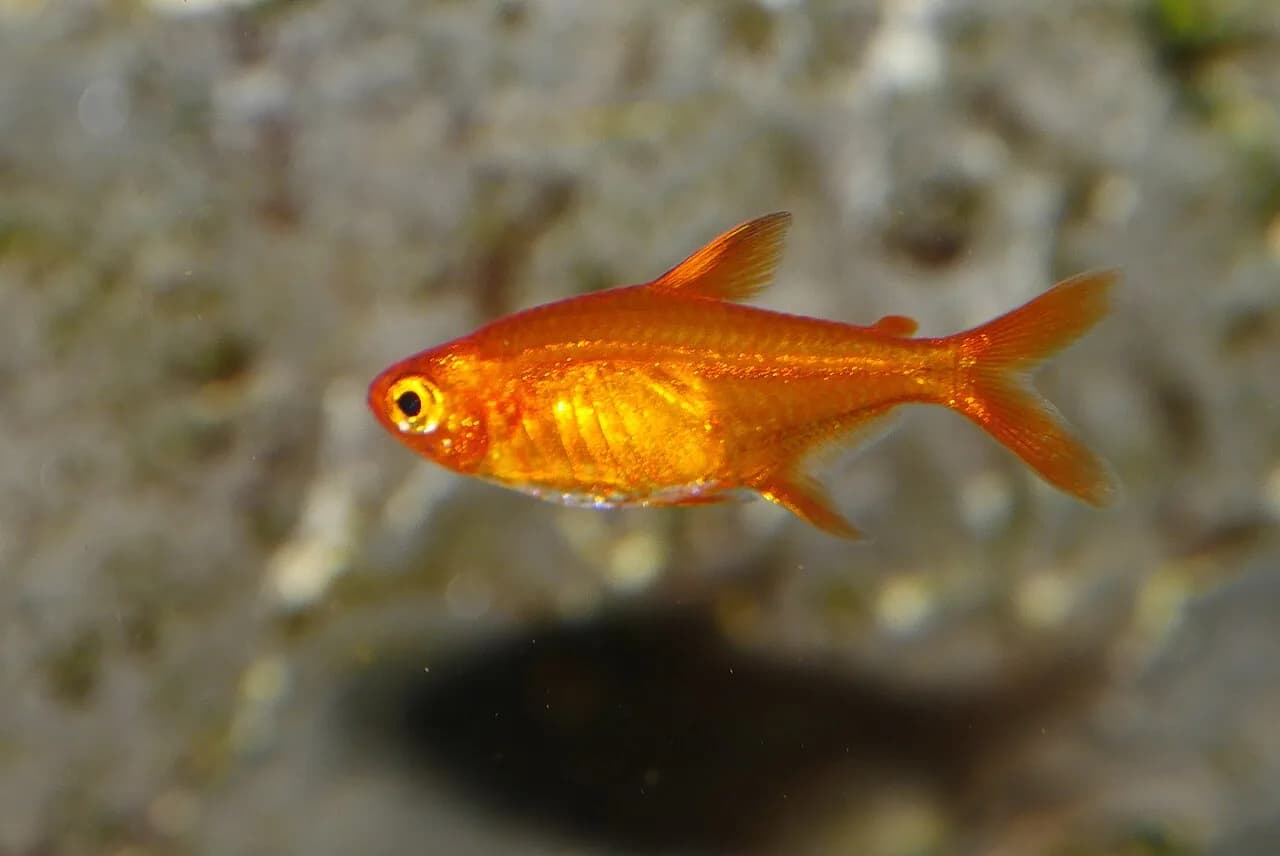
Otocinclus (Common) (Otocinclus vittatus)
Carl H. Eigenmann / Waldo Lee McAtee · Public domainSource
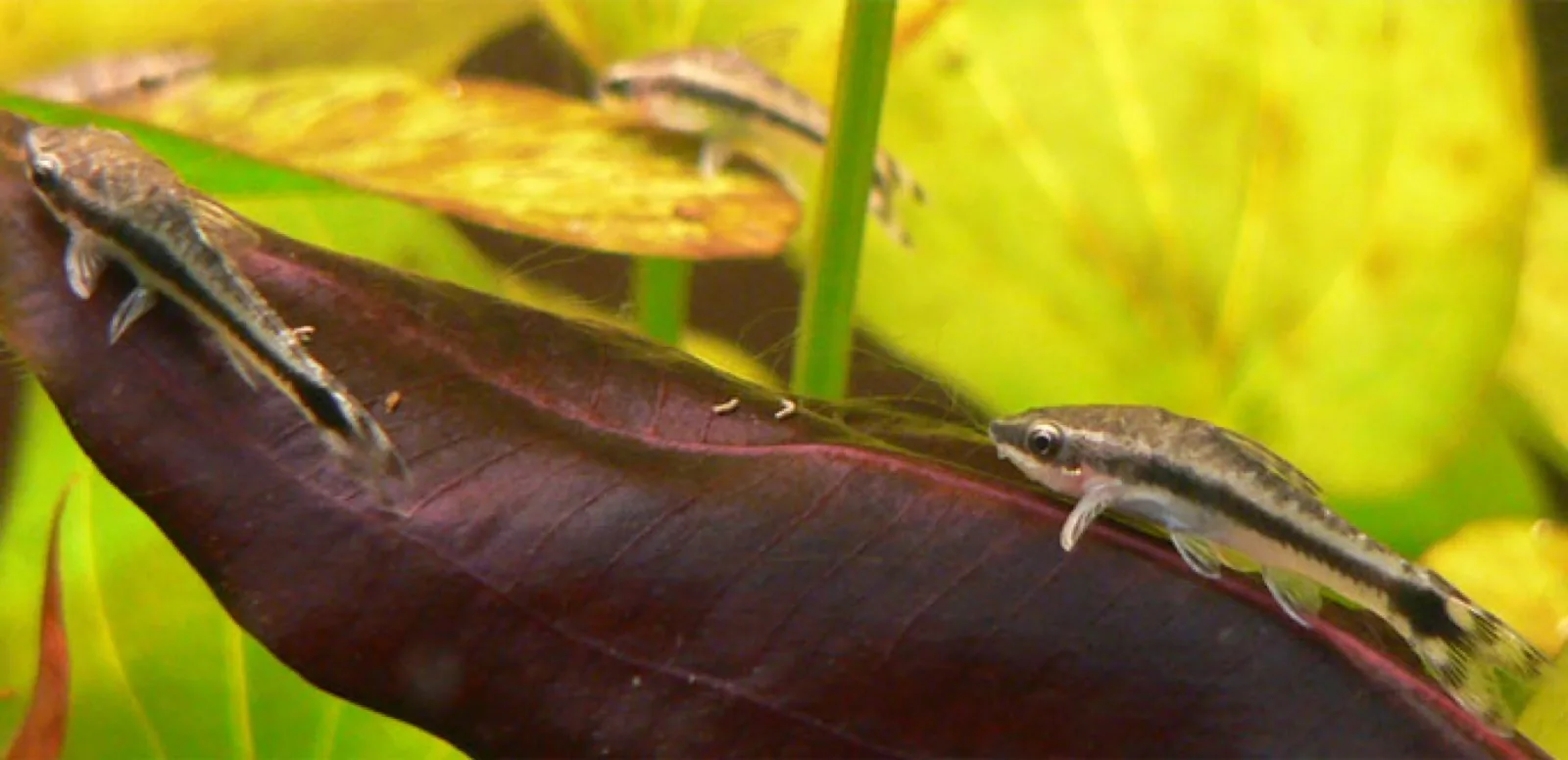
Otocinclus (Common) (Otocinclus vittatus)
No machine-readable author provided. Chle assumed (based on copyright claims). · CC BY-SA 3.0Source

Hero photo by CHUCAO · CC BY-SA 3.0 · Wikipedia

Tank fit

The parameters that decide whether otocinclus (common) fits in your tank.

Parameters

Temperature20–26 °C
15 °C20 °C25 °C30 °C
pH6.0–7.5
4.05.06.07.08.0
Hardness2–10 dGH
0 dGH5 dGH10 dGH15 dGH20 dGH25 dGH
Adult size3.5–5 cm
0481115
Water column

Bottom (grazes everywhere)

Schooling

Yes

Group of 6+

FlowMedium to High
Still
Low
Medium
High
V. high

Profile

Family

Loricariidae

Diet

Herbivore (algae)

Soft green algae, blanched zucchini, courgette, Repashy Soilent Green. Will starve in a clean new tank.

Lifespan

3–5 yrs

Breeding

Very hard (rarely bred in captivity)

Habitat

Slow vegetated streams of the Amazon basin

Northern and central South America

Who it lives with

Tank-mate safety and the species this one is documented to thrive (or fail) alongside.

Good tank mates

Every peaceful community fish in this list. They ignore everything and everything ignores them.

Avoid

Larger cichlids, aggressive bottom-dwellers, any predatory fish.

See full compatibility cross-reference

Pro tips

Hard-won lessons from the tank.

Add otos only after 8–10 weeks of tank maturity, when soft green film is visible on glass. Buy 6+ from a single store, observe them eating in the shop before purchase. Acclimate over 90+ minutes.

Etymology

'Otocinclus' = 'small mouthed', referring to the suckermouth.

Things to watch for

What can go wrong and how to spot it.

Things to watch for

Failure modes, in order of how dramatic the fix is.

Health

Common diseases

Notoriously fragile in transport. The 'oto wasted away' phenomenon is real — they often arrive starving and acclimation deaths in week 1–2 are common.

Often wrong

Misconceptions

Not a 'starter algae crew' fish — they need a tank with mature biofilm. New tanks kill them. Also: they don't eat hair algae or black beard algae. They eat diatoms (brown algae) and soft green film.

How to care for it

The practical routine, read top to bottom.

  1. Tank setup

    60 L+ planted tank that has been running for 2+ months (needs established biofilm). Soft to moderate flow. Sand substrate. Driftwood for grazing surface.

  2. Quarantine

    4 weeks in a planted, biofilm-rich QT — paradoxically a sterile bare QT can starve them. Offer Repashy Soilent Green and blanched zucchini immediately.

Background

Where it comes from, how it behaves, and the variants you'll see at retail.

Show background

In the wild

Where it lived before it came home.

Native rangeSouth America
Origin · Northern and central South America

Slow-moving streams across northern and central South America. Water tends to be soft to moderate, well-oxygenated, with abundant algae-covered submerged surfaces.

Wild diet

Soft green algae (especially diatoms), biofilm, occasional micro-invertebrates.

Conservation status

Population pressure exists from collection. Look for 'tank-bred' tags when available; pay the premium.

Behavior & breeding

How they pair, reproduce, and grow.

  1. Stage 1
    Telling them apart

    Sexing

    Females are noticeably larger and rounder than males. Otherwise nearly identical.

  2. Stage 2
    Pairing & spawning

    Breeding

    Captive-bred individuals exist but are rare. Eggs laid on smooth surfaces (broad leaves, glass). Most stock is wild-caught from Brazil.

Variants & identification

The named cultivars and the lookalikes worth flagging.

Color forms

Several Otocinclus species enter the trade often labelled simply 'oto' — O. vittatus is most common; O. cocama (zebra oto), O. macrospilus, O. vestitus also appear.

Frequently asked questions

Direct answers to the questions search engines and AI assistants surface most often about this species.

What is the minimum tank size for Otocinclus (Common)?

Otocinclus (Common) (Otocinclus vittatus) needs a minimum tank of 60 L. They live in the bottom (grazes everywhere) water column and should be kept in groups of 6+, so a longer footprint matters more than depth.

What water parameters do Otocinclus (Common) need?

Target 20–26 °C, pH 6.0–7.5, and 2–10 dGH hardness. Acclimate slowly when moving them between water sources.

Are Otocinclus (Common) safe with shrimp?

Shrimp safety: Yes. Plant safety: Yes.

What do Otocinclus (Common) eat?

Otocinclus (Common) are herbivore (algae). Soft green algae, blanched zucchini, courgette, Repashy Soilent Green. Will starve in a clean new tank.

Are Otocinclus (Common) beginner-friendly?

On Fin & Stem's 1–5 difficulty scale this species rates 3/5. Intermediate, stable parameters and a mature tank matter. Breeding difficulty: very hard (rarely bred in captivity).

How long do Otocinclus (Common) live?

Typical lifespan in a well-maintained tank is 3–5 years.

Sources & further reading

Cross-references

Build the rest of the tank.

A planted tank is a system. Pair this fish with one entry from each other pillar to plan the whole scape.