Fin & Stem logo
Clown Killifish (Epiplatys annulatus)
Fish

Clown Killifish

Epiplatys annulatus

Coastal Sierra Leone, Guinea, LiberiaIntermediate

TL;DR, Clown Killifish

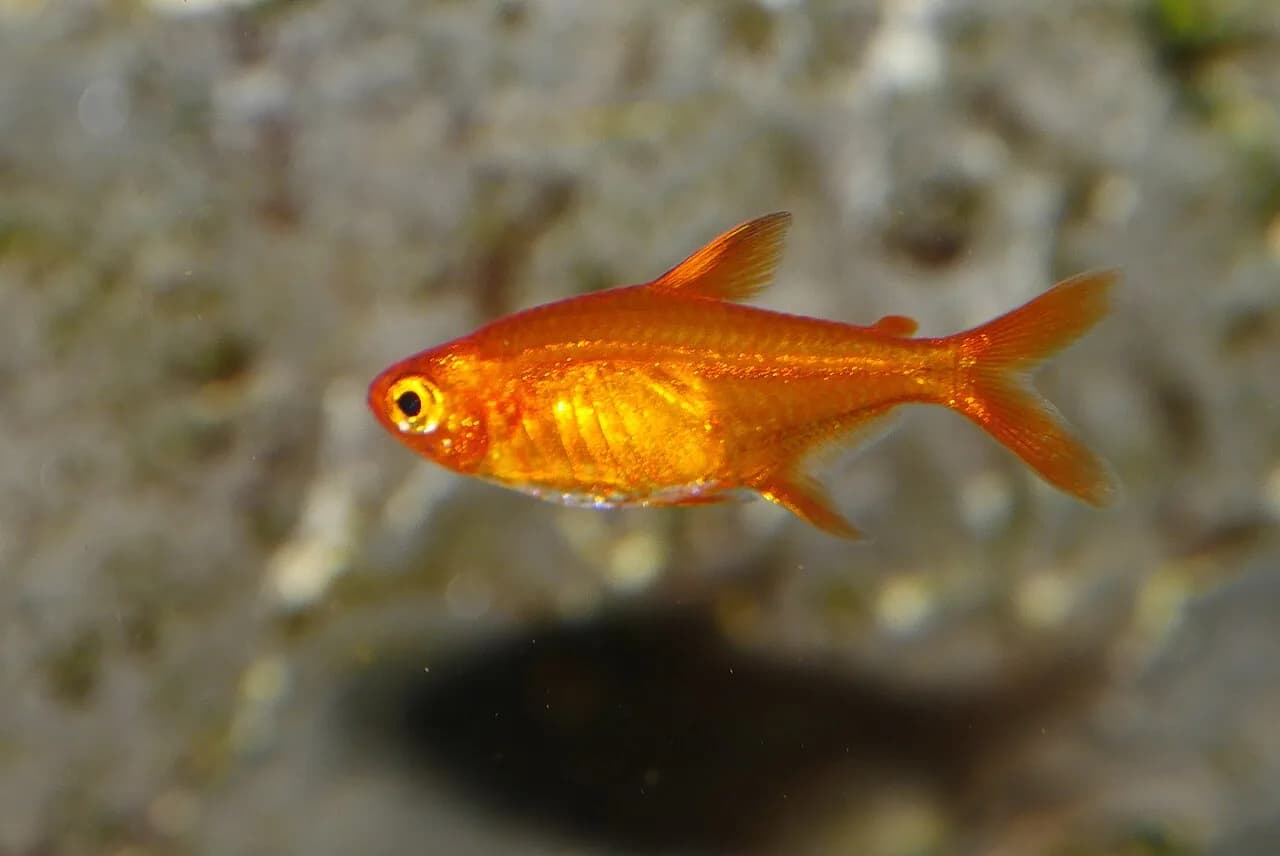
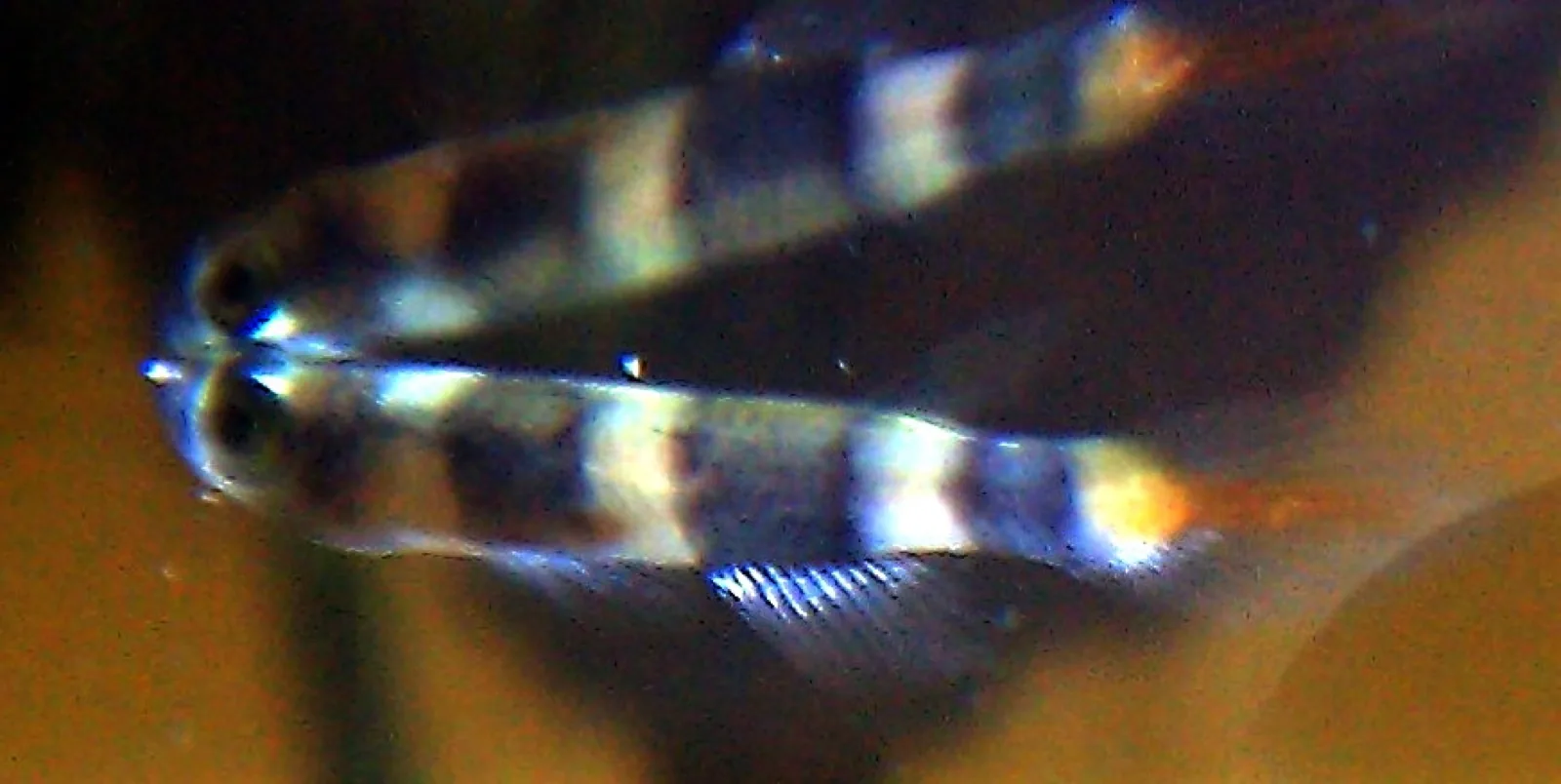
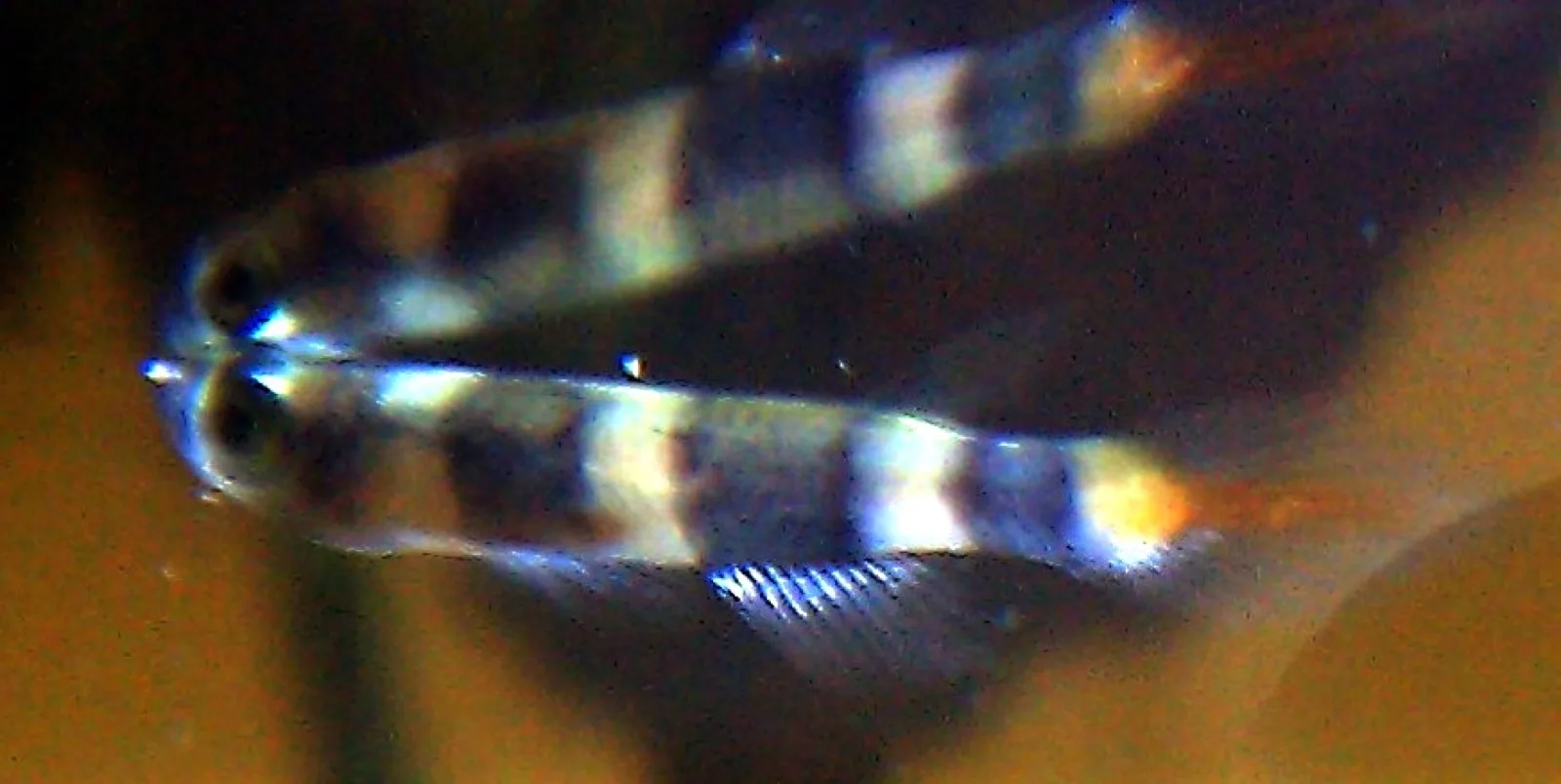
Tiny surface-dwelling killifish, black-and-cream barred body with a fan-shaped tail that glows orange in males. Strict surface dweller; needs dense floating plants and dim tannin-stained blackwater. Breed continuously among Java moss.

Clown Killifish (Epiplatys annulatus) reaches 3–3.5 cm as an adult and needs a minimum tank of 30 L. Native to Coastal Sierra Leone, Guinea, Liberia, it lives in the top water column with a peaceful temperament. Aim for 22–26 °C, pH 4.5–6.5, and 1–6 dGH hardness. Lifespan is 3–4 years with good care. Keep clown killifish in groups of 4+, loose group schoolers need numbers to display natural behaviour. Diet: micropredator, Microworms, baby brine shrimp, fruit flies, powder fry food. Will not pick from the substrate, feed at the surface. Plant-safe: Yes. Shrimp-safe: Yes (adults only, will hunt shrimplets).

  • Min tank30 L
  • TemperamentPeaceful
  • Plant-safeYes
  • Shrimp-safeYes (adults only, will hunt shrimplets)

Care at a glance

Tiny surface-dwelling killifish, black-and-cream barred body with a fan-shaped tail that glows orange in males. Strict surface dweller; needs dense floating plants and dim tannin-stained blackwater. Breed continuously among Java moss.

By Updated 2 min read

Part of our complete guide to aquarium fish for the planted tank.

Clown Killifish (Epiplatys annulatus)
ATuin-hek at English Wikipedia · CC0Source
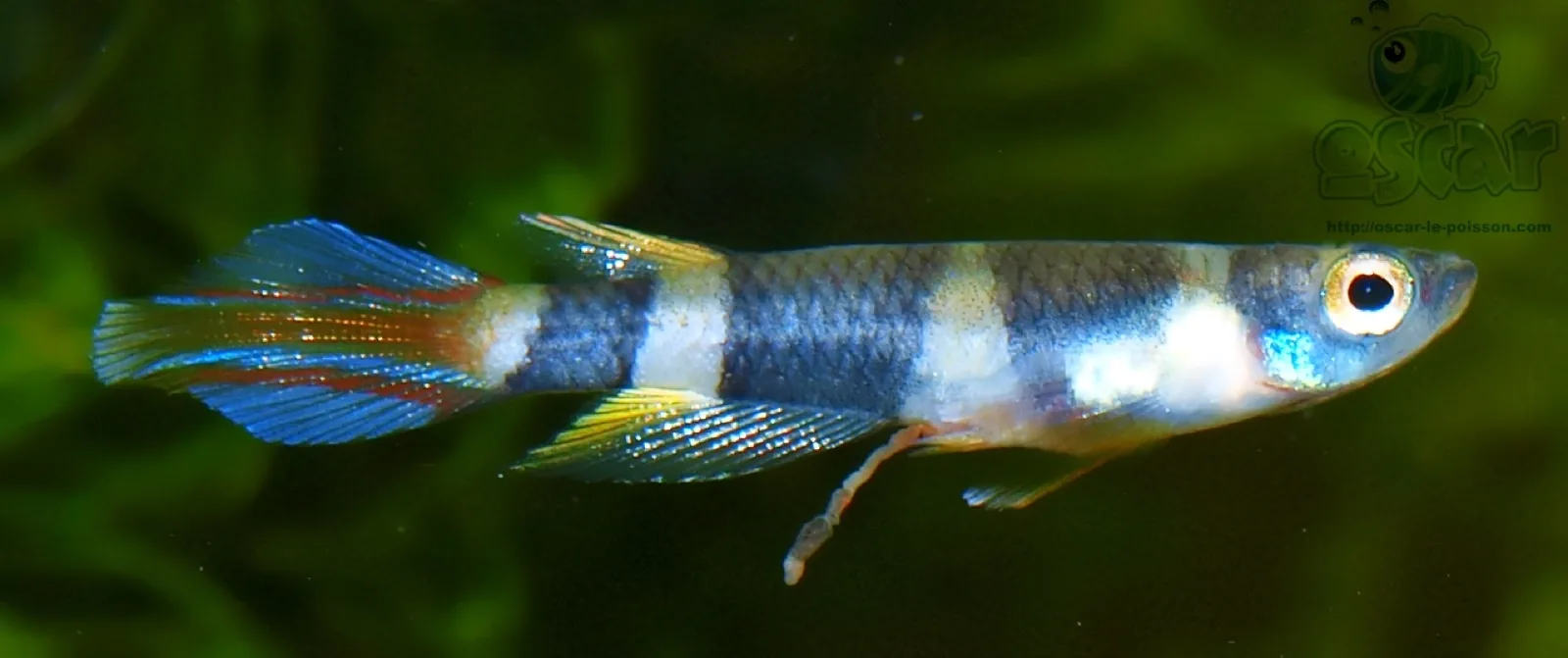
Clown Killifish (Epiplatys annulatus)
Oscar le poisson · CC BY-SA 3.0Source
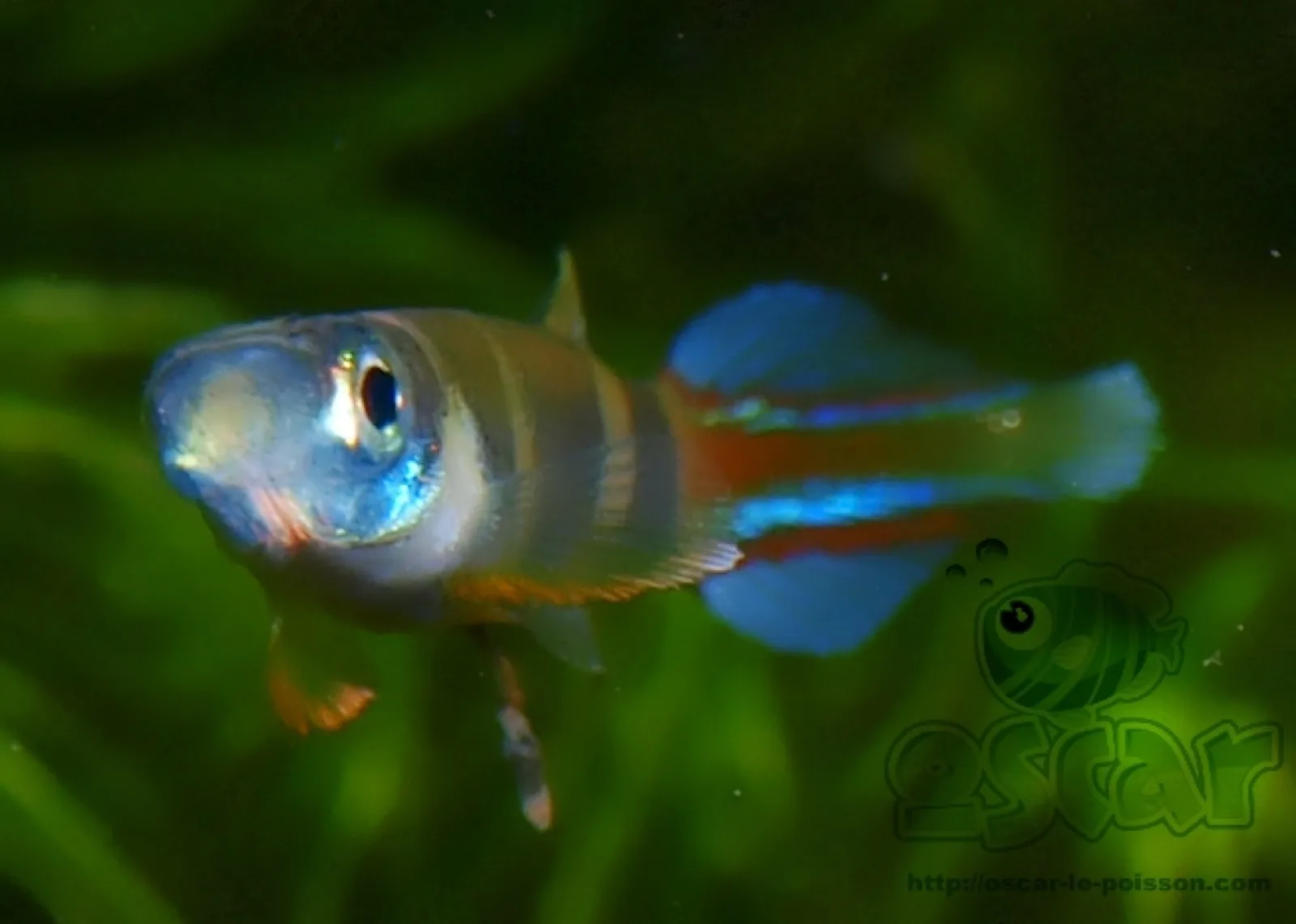
Clown Killifish (Epiplatys annulatus)
Oscar le poisson · CC BY-SA 3.0Source
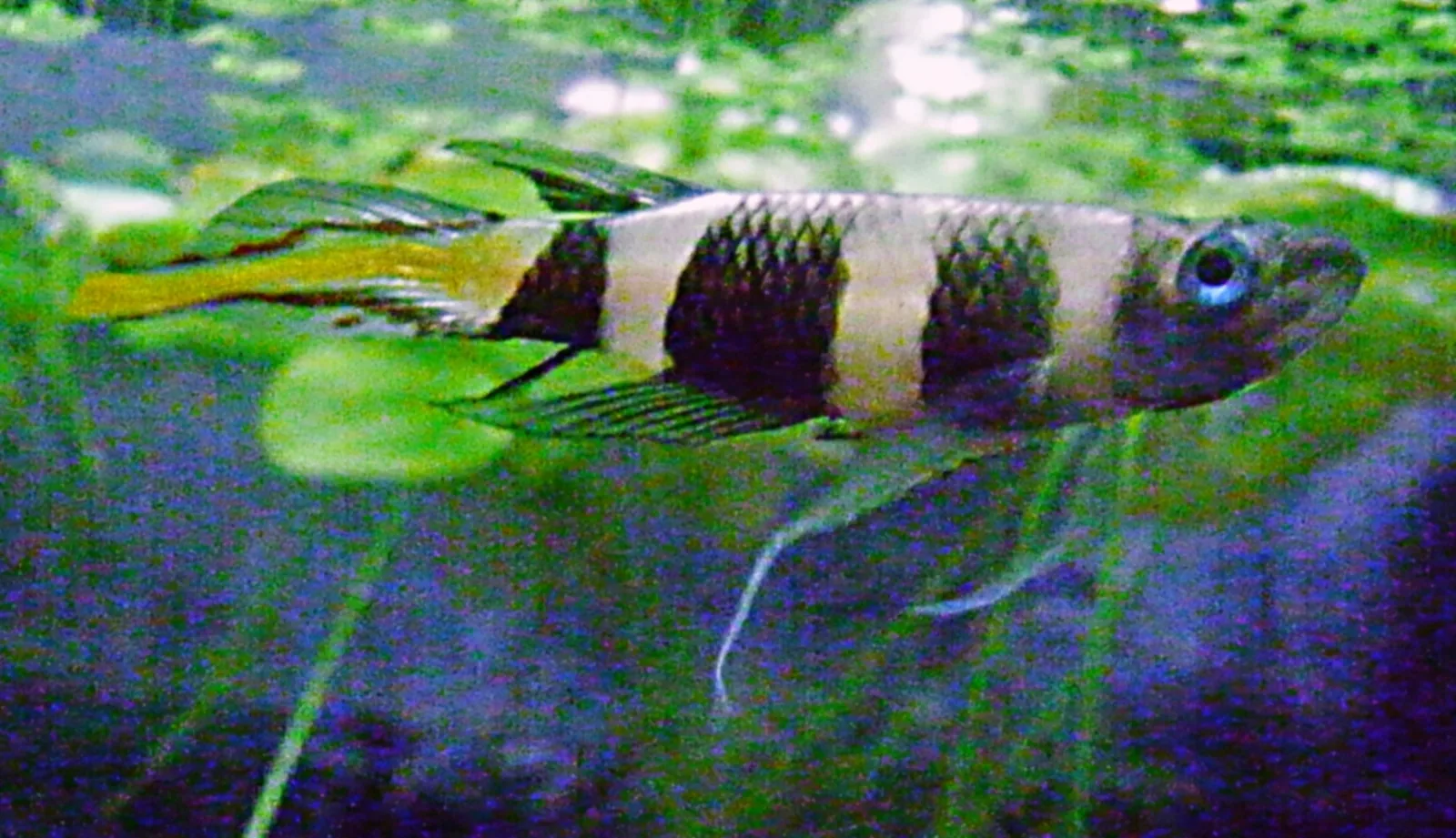
Clown Killifish (Epiplatys annulatus)
Andrew Bogott · CC BY-SA 3.0Source
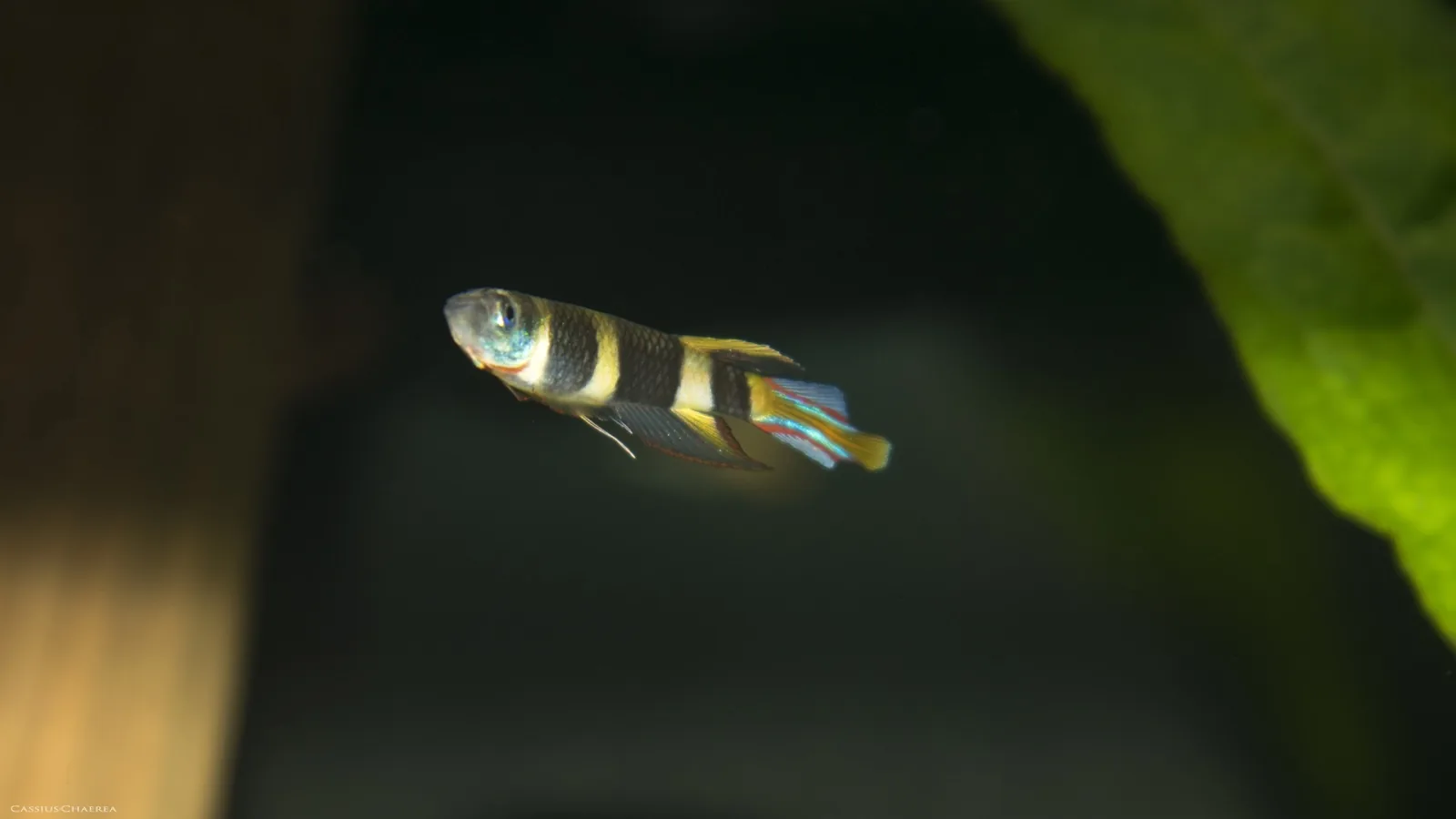
Clown Killifish (Epiplatys annulatus)
Cassius Chaerea · CC BY-SA 4.0Source

Hero photo by ATuin-hek at English Wikipedia · CC0 · Wikipedia

Tank fit

The parameters that decide whether clown killifish fits in your tank.

Parameters

Temperature22–26 °C
15 °C20 °C25 °C30 °C
pH4.5–6.5
4.05.06.07.08.0
Hardness1–6 dGH
0 dGH5 dGH10 dGH15 dGH20 dGH25 dGH
Adult size3–3.5 cm
0481115
Water column

Top

Schooling

No

Small group of 4+

FlowStill
Still
Low
Medium
High
V. high

Profile

Family

Nothobranchiidae

Diet

Micropredator

Microworms, baby brine shrimp, fruit flies, powder fry food. Will not pick from the substrate, feed at the surface.

Lifespan

3–4 yrs

Breeding

Easy

Habitat

Small forest pools and rivulets of West Africa

Coastal Sierra Leone, Guinea, Liberia

Who it lives with

Tank-mate safety and the species this one is documented to thrive (or fail) alongside.

Good tank mates

Best species-only. With caution: cherry shrimp adults (will hunt shrimplets), sparkling gouramis, ember tetras.

Avoid

Anything that occupies the upper water column (they'll be stressed). Larger fish (they're tiny). Fast feeders that outcompete them.

See full compatibility cross-reference

Pro tips

Hard-won lessons from the tank.

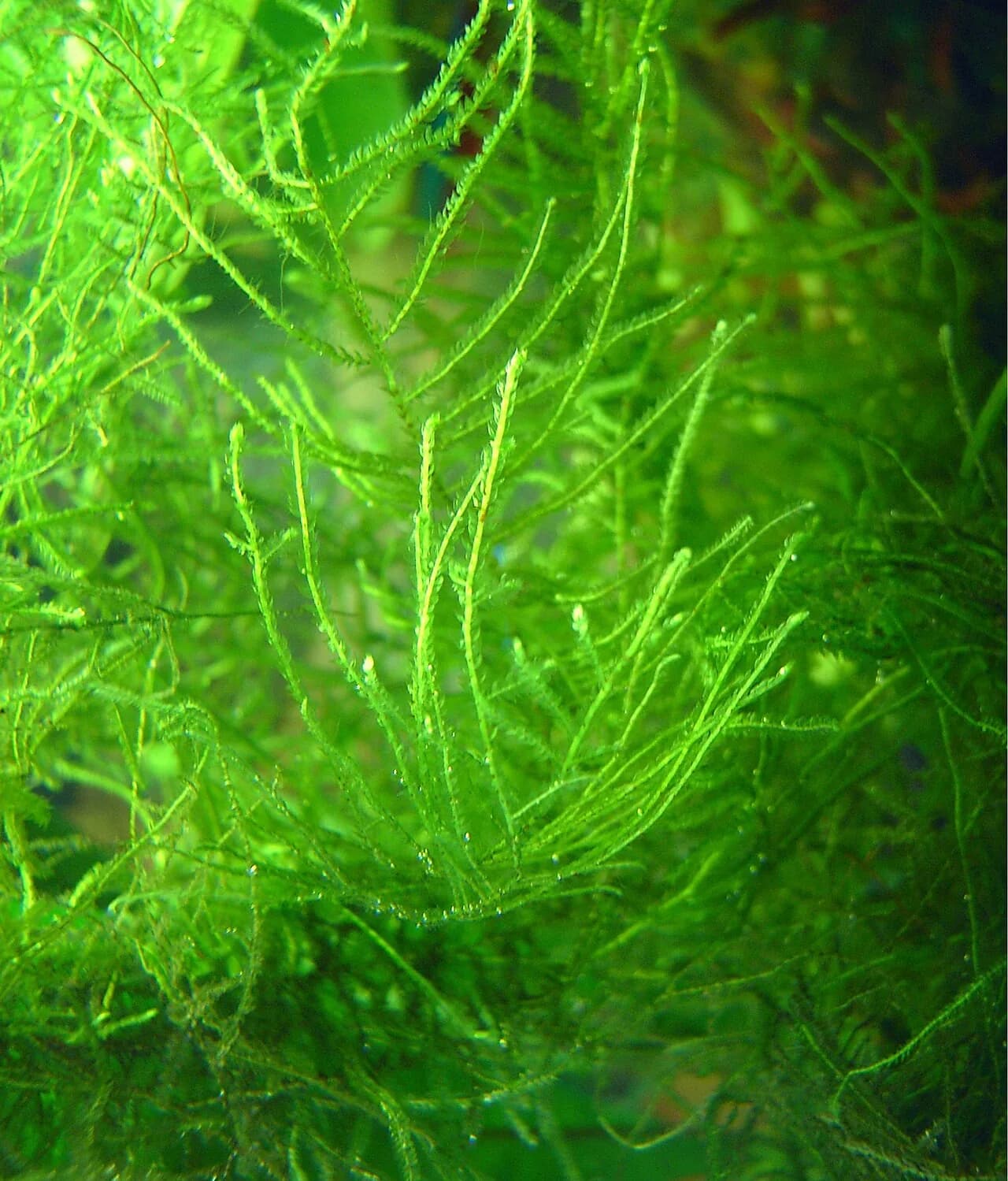
Set up a dedicated 30 L blackwater nano with RO + tannins + dense moss carpet + floating plants — this is essentially their dream habitat. Drop fruit flies or mosquito larvae at the surface and watch them attack from below. A breeding colony self-sustains in a properly-set tank, becoming a true ecosystem rather than a stocking decision.

Etymology

Genus 'Epiplatys' = 'flat above' (referring to the dorsal head shape). Species 'annulatus' = 'ringed' for the body bands.

Things to watch for

What can go wrong and how to spot it.

Things to watch for

Failure modes, in order of how dramatic the fix is.

Health

Common diseases

Sensitive to alkaline water and parameter swings. Most issues in trade come from being sold in too-hard tap water.

Often wrong

Misconceptions

Often sold as 'easy nano fish' — they're easy ONLY in proper soft-water blackwater setup. Standard community-tank conditions kill them within months.

How to care for it

The practical routine, read top to bottom.

  1. Tank setup

    30 L+ nano blackwater. RO water + tannins required for long-term health. Heavily planted with surface plants (frogbit, dwarf water lettuce) and Java moss throughout. Catappa leaves and alder cones. Sponge filter only — they cannot handle current. TIGHT LID — they jump.

  2. Quarantine

    3 weeks in a soft-water QT with tannins.

Background

Where it comes from, how it behaves, and the variants you'll see at retail.

Show background

In the wild

Where it lived before it came home.

Native rangeUpper Guinea coast
Origin · Coastal Sierra Leone, Guinea, Liberia

Coastal blackwater swamps and slow streams of Sierra Leone, Guinea, and Liberia. Very soft (~1 dGH), extremely acidic (pH 4.5–6.0) tannin-stained water with dense surface vegetation and leaf litter.

Wild diet

Surface insects, mosquito larvae, ant falls, micro-crustaceans.

Conservation status

Habitat in West Africa is reduced by deforestation and agricultural runoff. Captive breeding is common in hobbyist circles.

Behavior & breeding

How they pair, reproduce, and grow.

  1. Stage 1
    Telling them apart

    Sexing

    Males have an orange-yellow body with intense black bands, plus a fan-shaped tail with orange center and black-and-white edges. Females are paler with simpler tail patterns and rounder bodies.

  2. Stage 2
    Pairing & spawning

    Breeding

    Continuous spawners. Eggs deposited among Java moss or spawning mops. Soft acidic water, dim lighting, tannins. Fry hatch in 10–14 days and are tiny — need infusoria initially. In a planted blackwater colony tank, fry survive among the moss without intervention.

Variants & identification

The named cultivars and the lookalikes worth flagging.

Color forms

Wild type, occasionally 'super red' lines from selective breeding.

Frequently asked questions

Direct answers to the questions search engines and AI assistants surface most often about this species.

What is the minimum tank size for Clown Killifish?

Clown Killifish (Epiplatys annulatus) needs a minimum tank of 30 L. They live in the top water column and should be kept in groups of 4+, so a longer footprint matters more than depth.

What water parameters do Clown Killifish need?

Target 22–26 °C, pH 4.5–6.5, and 1–6 dGH hardness. Acclimate slowly when moving them between water sources.

Are Clown Killifish safe with shrimp?

Shrimp safety: Yes (adults only, will hunt shrimplets). Plant safety: Yes.
What do Clown Killifish eat?

Clown Killifish are micropredator. Microworms, baby brine shrimp, fruit flies, powder fry food. Will not pick from the substrate, feed at the surface.

Are Clown Killifish beginner-friendly?

On Fin & Stem's 1–5 difficulty scale this species rates 3/5. Intermediate, stable parameters and a mature tank matter. Breeding difficulty: easy.

How long do Clown Killifish live?

Typical lifespan in a well-maintained tank is 3–4 years.

Sources & further reading

Cross-references

Build the rest of the tank.

A planted tank is a system. Pair this fish with one entry from each other pillar to plan the whole scape.