Fin & Stem logo
Threadfin Rainbowfish (Iriatherina werneri)
Fish

Threadfin Rainbowfish

Iriatherina werneri

Northern Australia, southern New GuineaIntermediate

TL;DR, Threadfin Rainbowfish

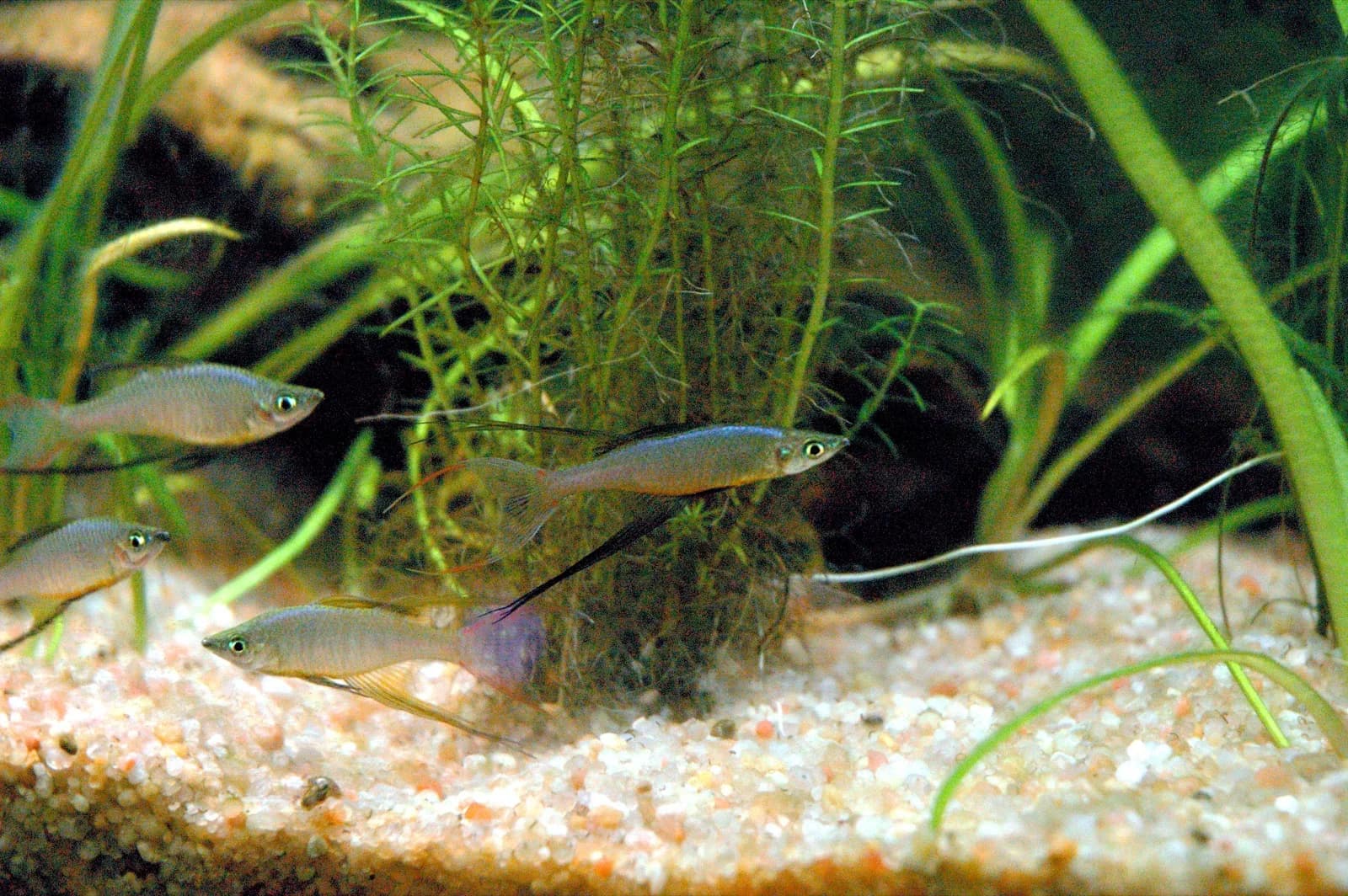
The peacock of nano rainbowfish. Males display extended threadlike dorsal and anal rays, fanned out in territorial display every few minutes. Wants warm tropical water and absolutely no boisterous tank mates, they retract and refuse to display.

Threadfin Rainbowfish (Iriatherina werneri) reaches 4–5 cm as an adult and needs a minimum tank of 60 L. Native to Northern Australia, southern New Guinea, it lives in the mid to top water column with a peaceful temperament. Aim for 24–30 °C, pH 6.5–7.5, and 5–15 dGH hardness. Lifespan is 3–4 years with good care. Keep threadfin rainbowfish in groups of 6+, yes schoolers need numbers to display natural behaviour. Diet: micropredator, Micro pellets, daphnia, baby brine shrimp, microworms. Tiny mouth, keep food fine. Plant-safe: Yes. Shrimp-safe: Yes (adult shrimp).

  • Min tank60 L
  • TemperamentPeaceful
  • Plant-safeYes
  • Shrimp-safeYes (adult shrimp)

Care at a glance

The peacock of nano rainbowfish. Males display extended threadlike dorsal and anal rays, fanned out in territorial display every few minutes. Wants warm tropical water and absolutely no boisterous tank mates, they retract and refuse to display.

By Updated 2 min read

Part of our complete guide to aquarium fish for the planted tank.

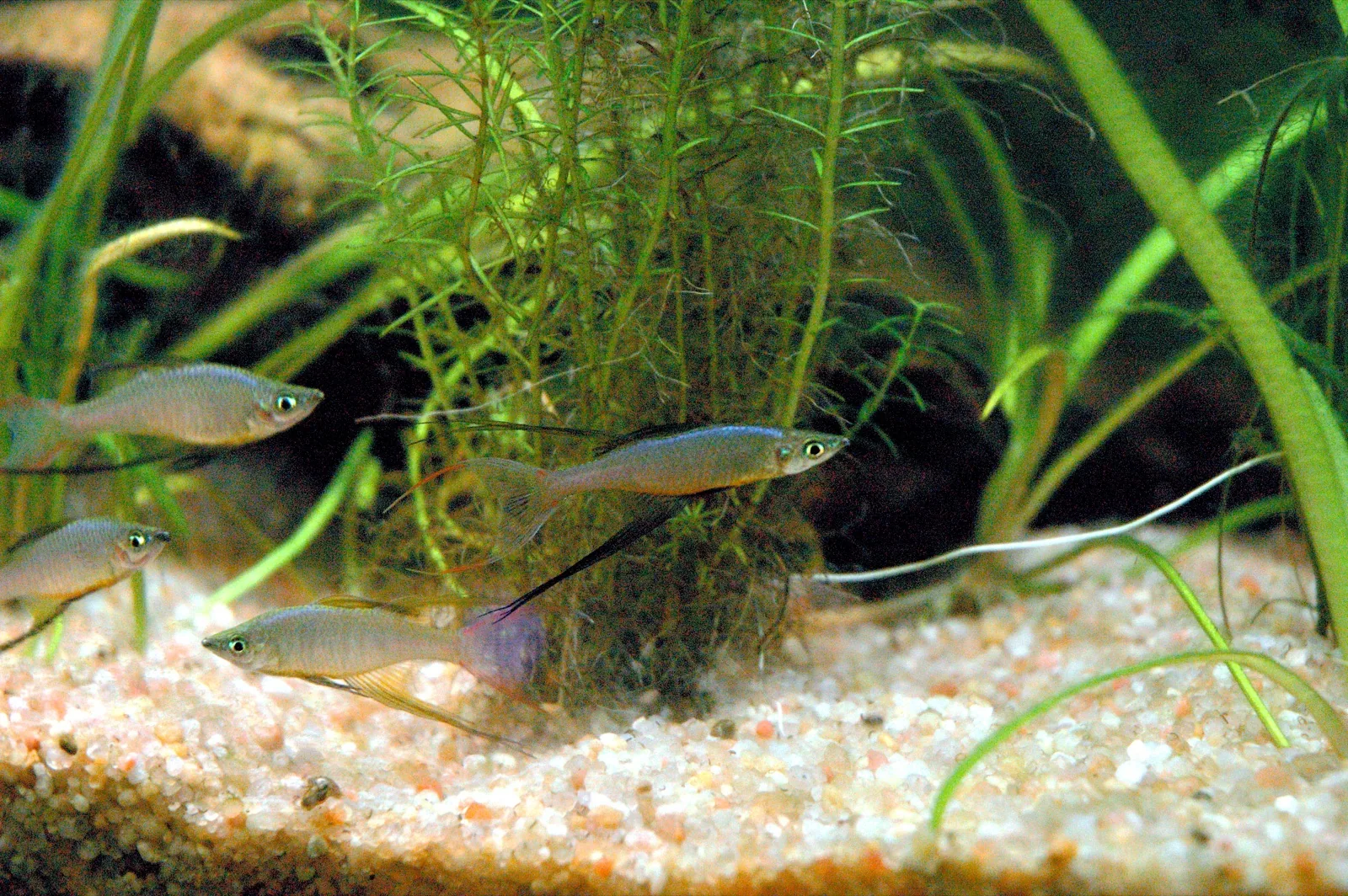
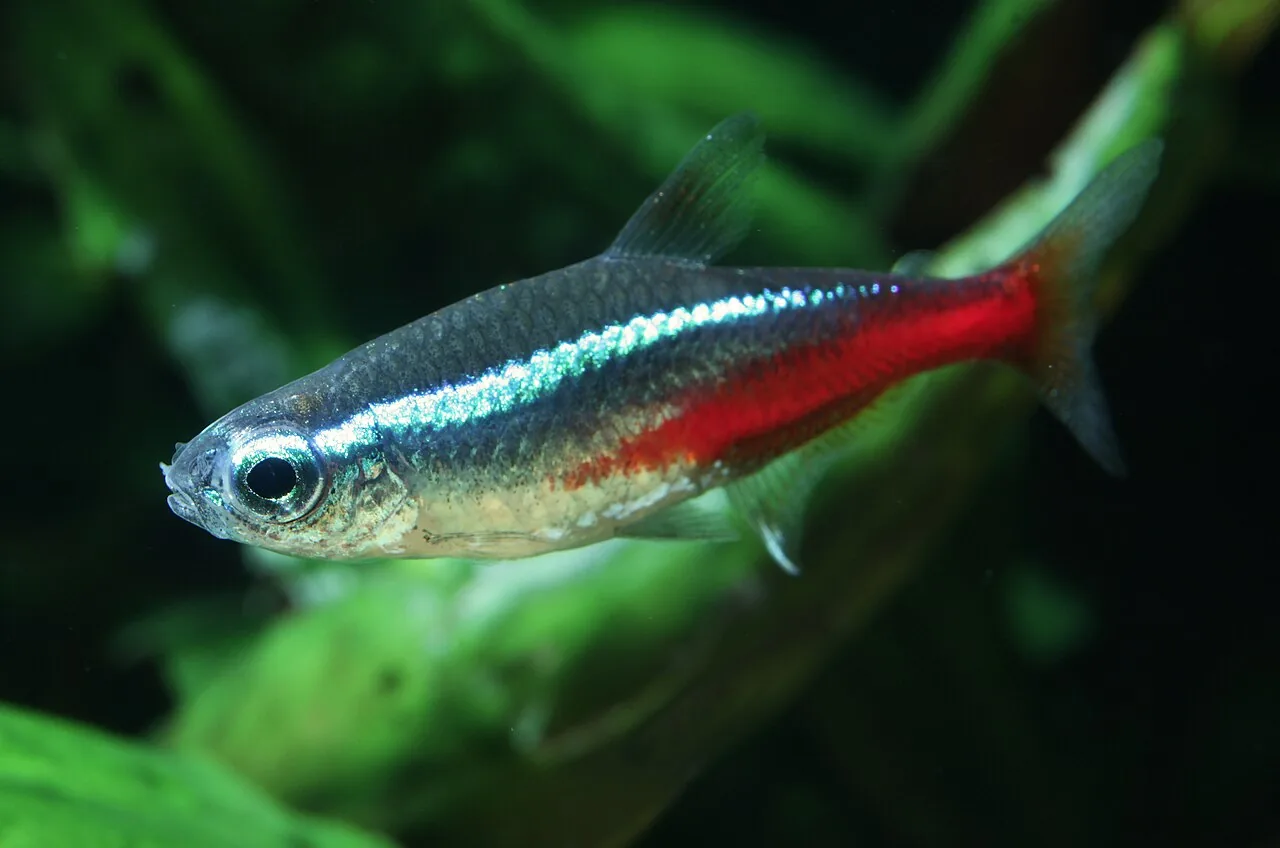
Threadfin Rainbowfish (Iriatherina werneri)
Wikimedia · CC BY-SA 2.5Source
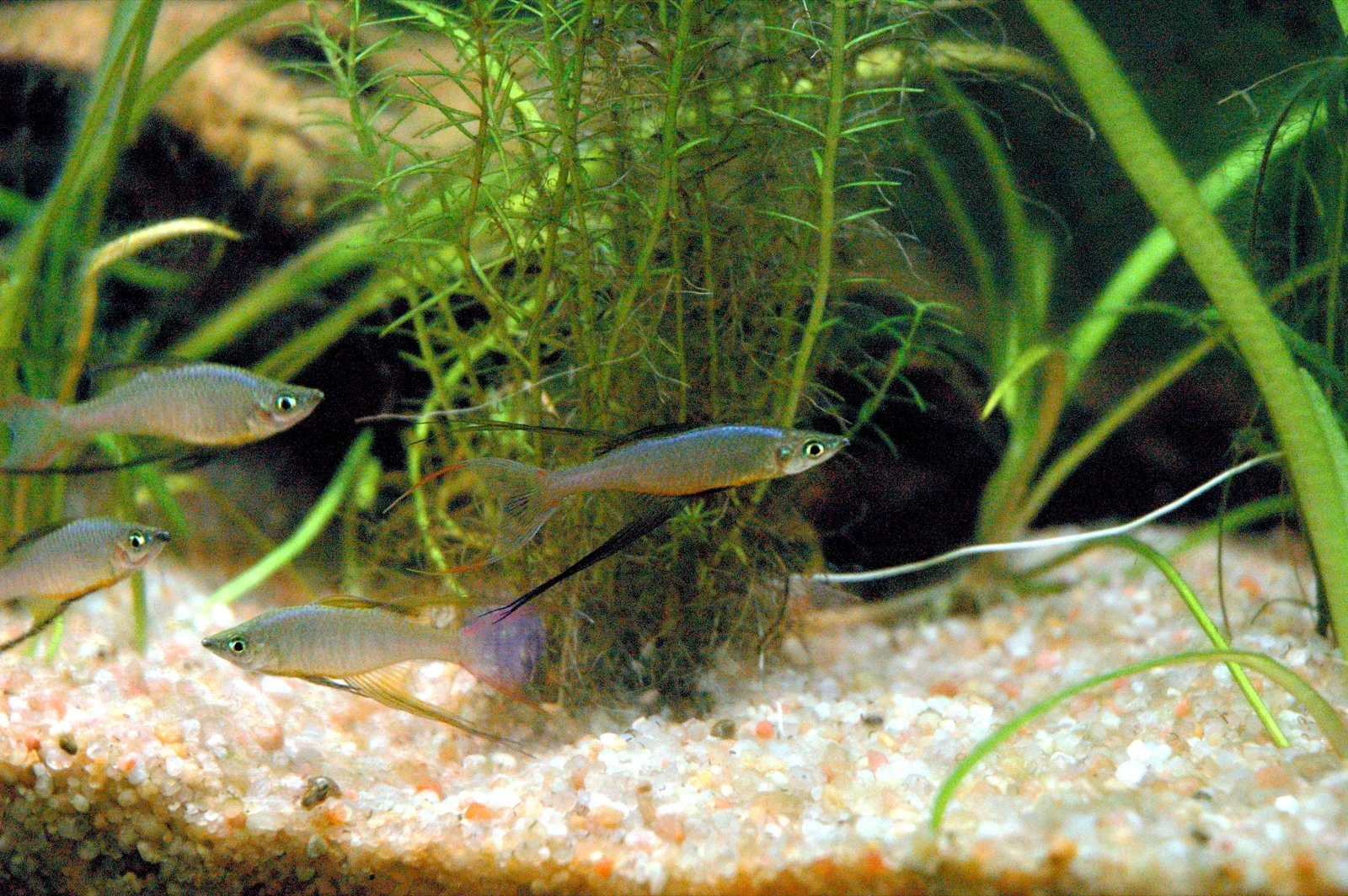
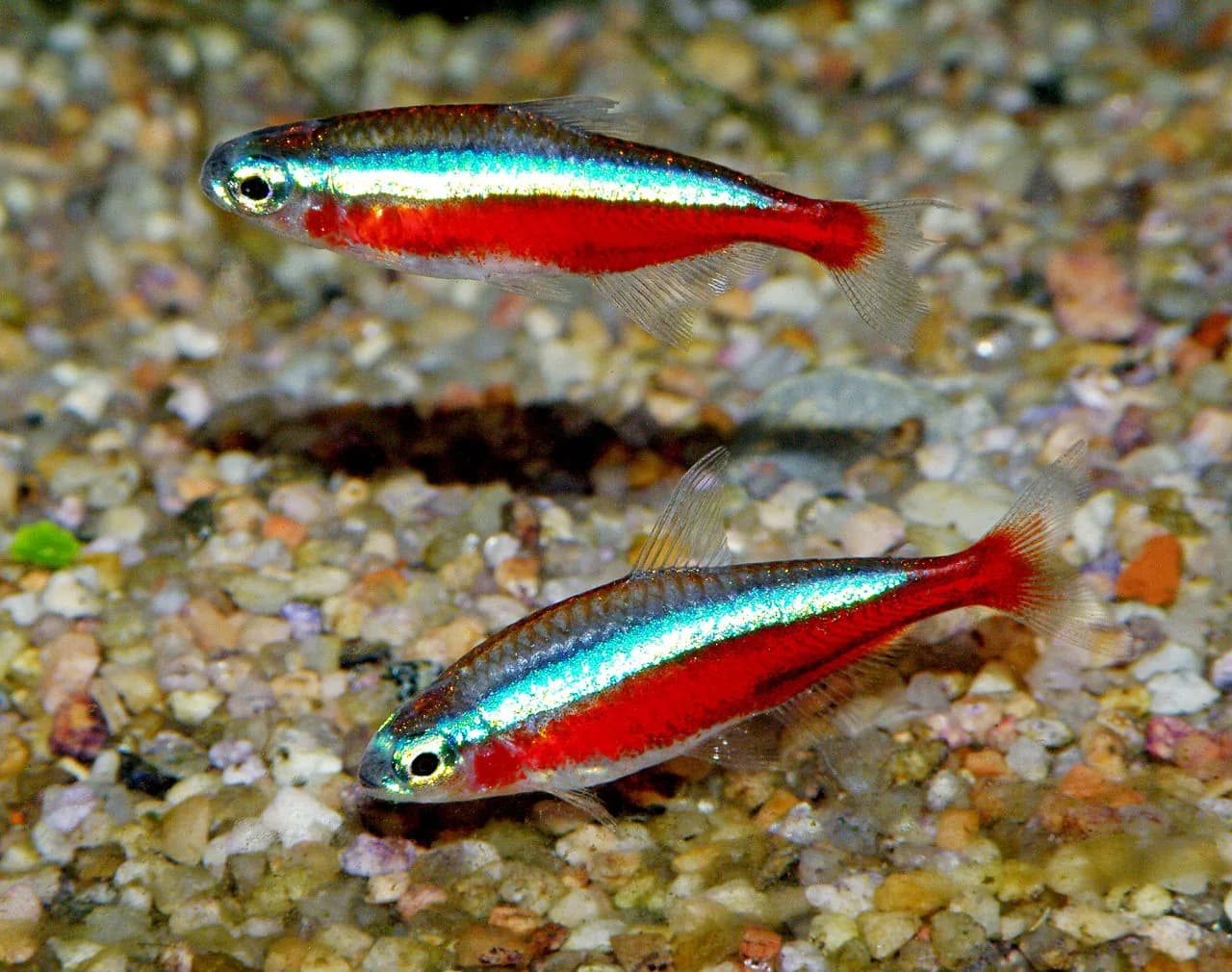
Threadfin Rainbowfish (Iriatherina werneri)
Wikimedia · CC BY-SA 2.5Source
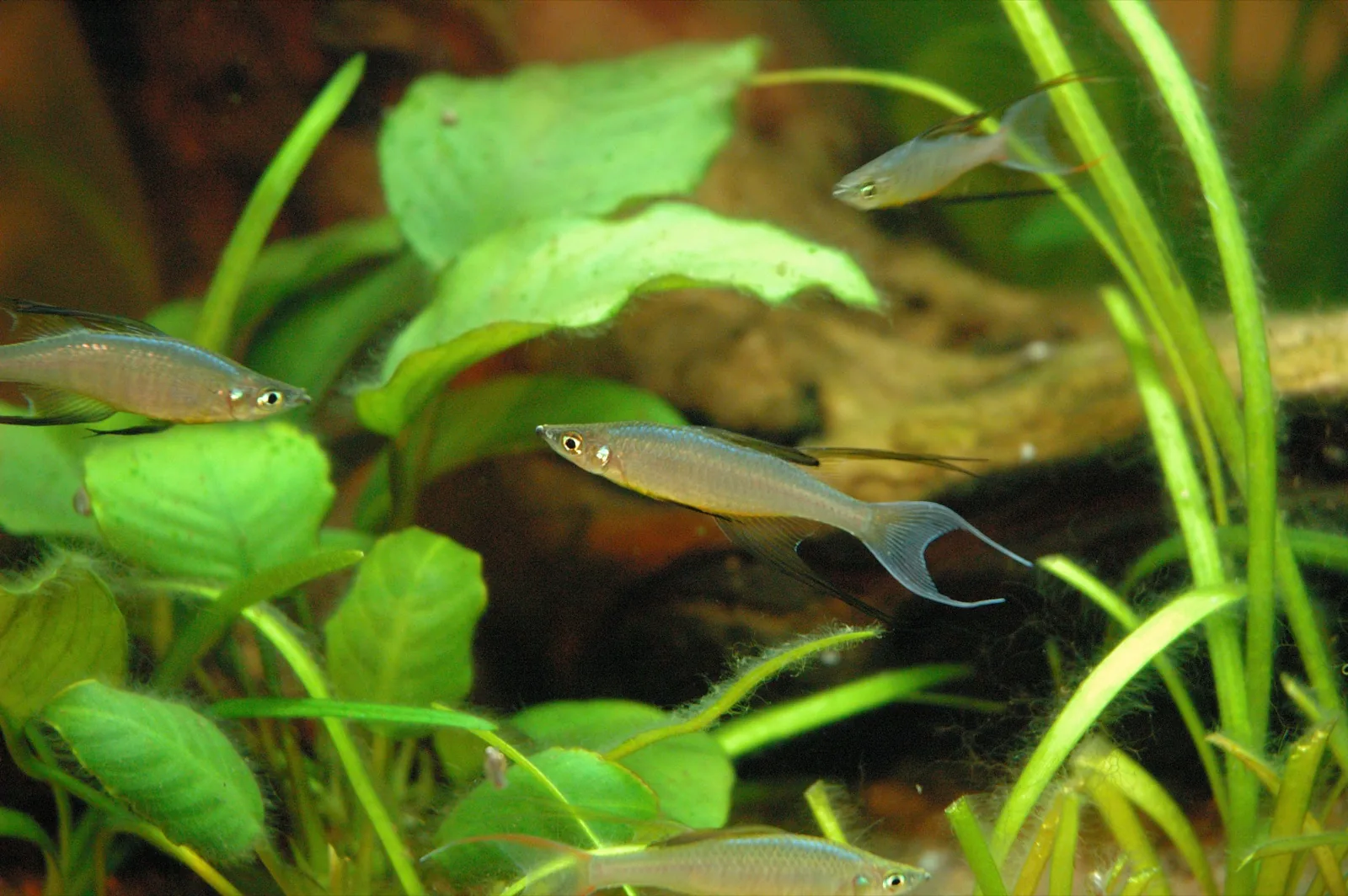
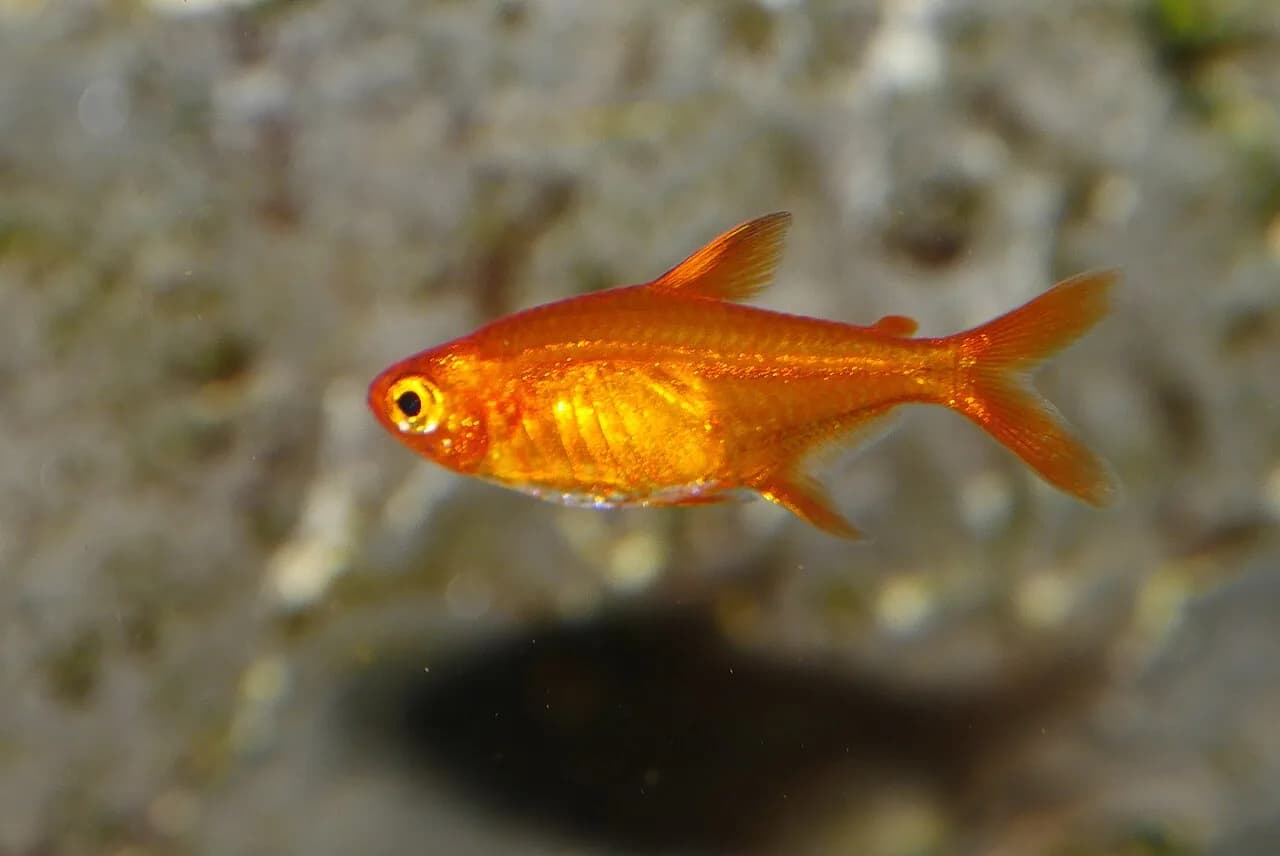
Threadfin Rainbowfish (Iriatherina werneri)
Wikimedia · CC BY-SA 2.5Source
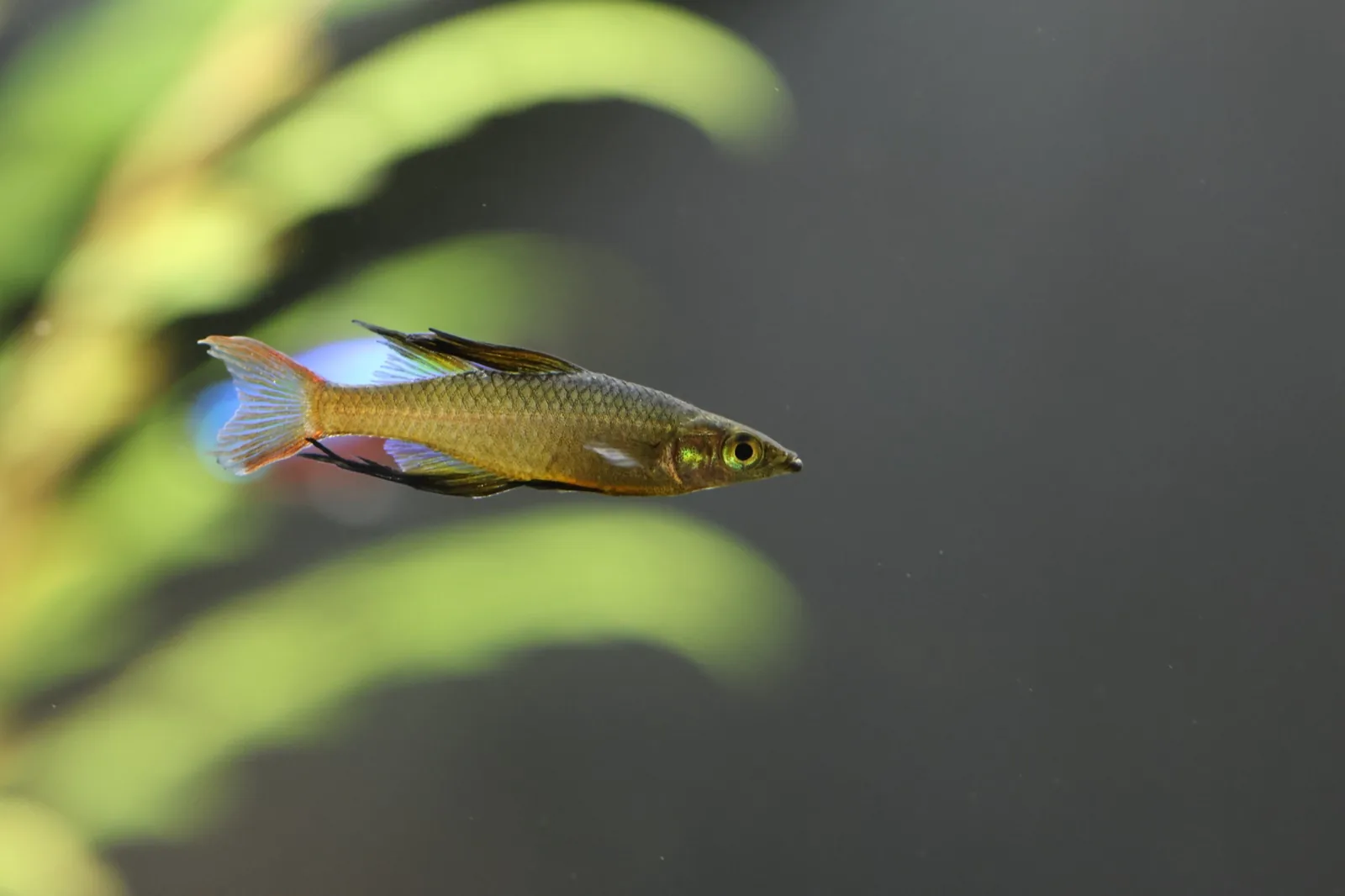
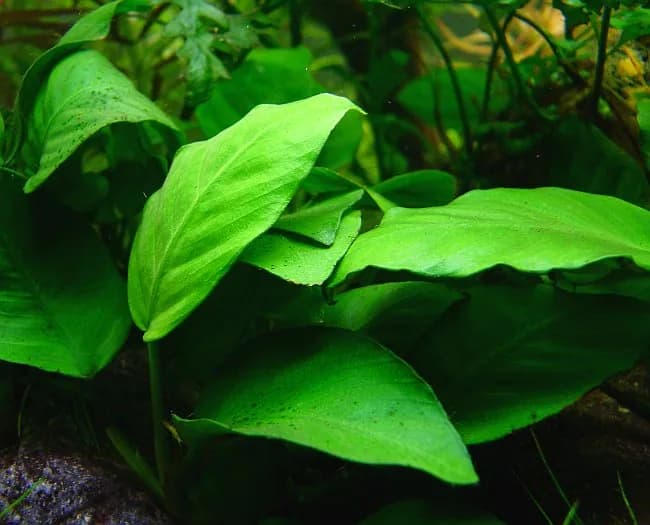
Threadfin Rainbowfish (Iriatherina werneri)
NRJMelvinT · CC BY-SA 4.0Source

Hero photo by unknown contributor · CC BY-SA 2.5 · Wikipedia

Tank fit

The parameters that decide whether threadfin rainbowfish fits in your tank.

Parameters

Temperature24–30 °C
15 °C20 °C25 °C30 °C
pH6.5–7.5
4.05.06.07.08.0
Hardness5–15 dGH
0 dGH5 dGH10 dGH15 dGH20 dGH25 dGH
Adult size4–5 cm
0481115
Water column

Mid to Top

Schooling

Yes

Group of 6+

FlowLow to Medium
Still
Low
Medium
High
V. high

Profile

Family

Melanotaeniidae

Diet

Micropredator

Micro pellets, daphnia, baby brine shrimp, microworms. Tiny mouth, keep food fine.

Lifespan

3–4 yrs

Breeding

Medium

Habitat

Calm tannin-stained creeks of Cape York, Australia

Northern Australia, southern New Guinea

Who it lives with

Tank-mate safety and the species this one is documented to thrive (or fail) alongside.

Good tank mates

Calm peaceful nano fish: ember tetras, chili rasboras, sparkling gouramis, otocinclus, cherry shrimp adults. Pseudomugil species (other blue-eyes).

Avoid

Aggressive species, fin-nippers (any), boisterous mid-water fish that startle males into hiding. Larger gouramis that intimidate them.

See full compatibility cross-reference

Pro tips

Hard-won lessons from the tank.

Two males in a 60 L tank with 4 females produces near-constant display sparring — males flare fins at each other every 30–60 seconds. The 'flag waving' is purely showy; no actual aggression. A single male alone displays less because there's no audience.

Etymology

Genus 'Iriatherina' = 'Iris of Athena' (the rainbow-eyed goddess). Species 'werneri' honours German fish collector Friedrich Werner.

Things to watch for

What can go wrong and how to spot it.

Things to watch for

Failure modes, in order of how dramatic the fix is.

Health

Common diseases

Sensitive to nitrate above 20 ppm and rapid temperature swings. Susceptible to fin damage from boisterous tank mates.

Often wrong

Misconceptions

Often kept too cool (22–24 °C) where they survive but lose display behaviour. They're tropical species — 27 °C is the sweet spot for male display intensity.

How to care for it

The practical routine, read top to bottom.

  1. Tank setup

    60 L+ with calm low-flow setup. Heavy planting with open mid-water swimming space for male display. Surface plants for shade. Warm temperature 26–28 °C, soft to moderately hard water. Sponge or low-flow canister filter.

  2. Quarantine

    3 weeks at appropriate temperature. Provide cover.

Background

Where it comes from, how it behaves, and the variants you'll see at retail.

Show background

In the wild

Where it lived before it came home.

Native rangeUpper Guinea coastNorthern Australia
Origin · Northern Australia, southern New Guinea

Slow tropical pools and swamps across northern Australia, southern New Guinea, and the Aru Islands. Soft to moderately hard, warm, vegetated water with abundant cover.

Wild diet

Insect larvae, small crustaceans, biofilm. Active surface feeders.

Conservation status

Not threatened. Wild-caught and captive-bred both common in trade.

Behavior & breeding

How they pair, reproduce, and grow.

  1. Stage 1
    Telling them apart

    Sexing

    Strong dimorphism. Males develop extended thread-like rays on dorsal and anal fins, plus a yellow-and-black fan-shaped tail. Females are smaller with rounded fins and pale silver-yellow colour.

  2. Stage 2
    Pairing & spawning

    Breeding

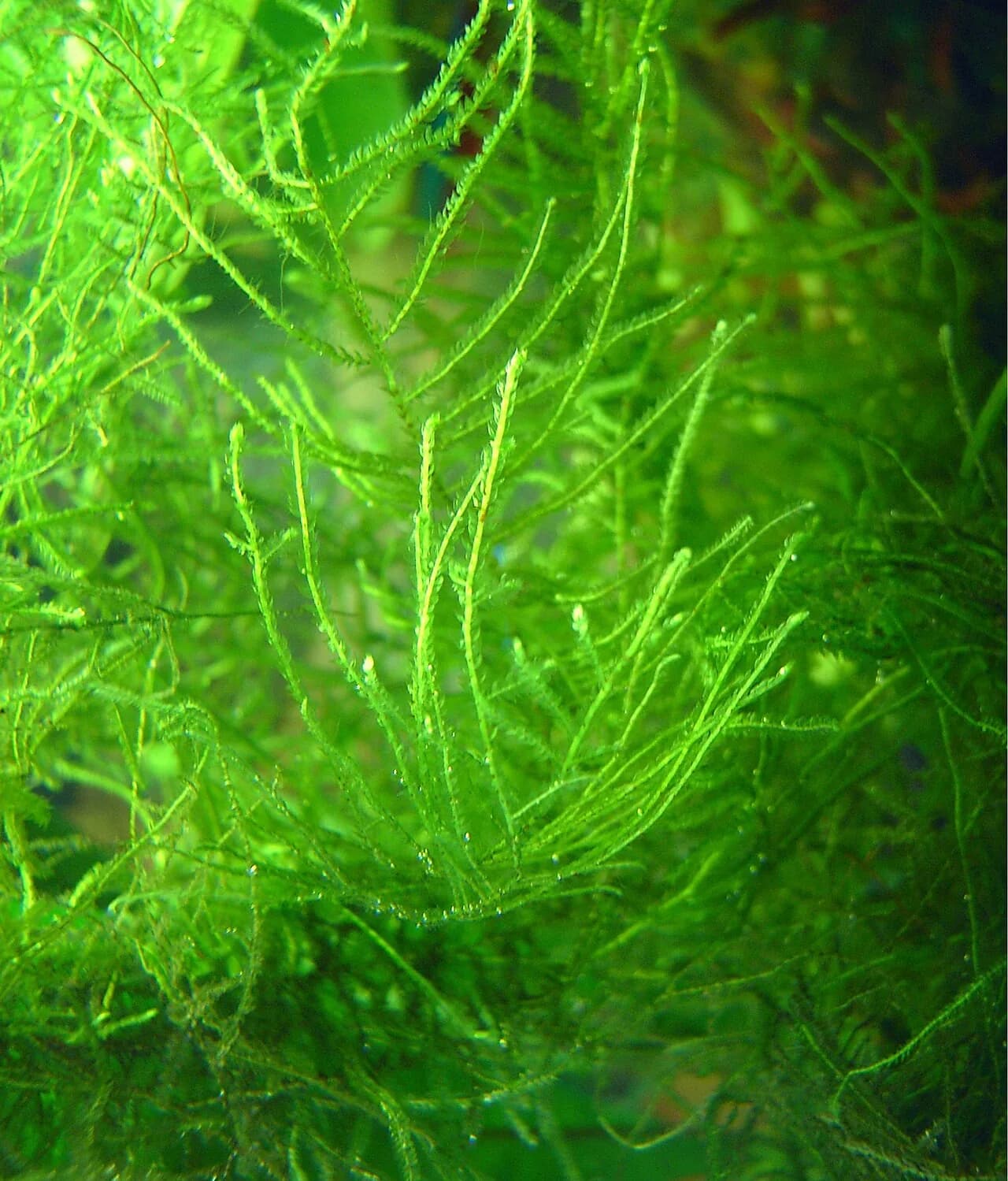
    Continuous egg scatterers. Soft to moderately hard water at 26–28 °C, dense moss or spawning mop. Eggs hatch in 7–10 days; fry are tiny and need infusoria for the first 10 days. Many fry survive in a heavily-planted display tank.

Variants & identification

The named cultivars and the lookalikes worth flagging.

Color forms

Wild type. No common cultivars; some breeders select for extra-long finnage males.

Frequently asked questions

Direct answers to the questions search engines and AI assistants surface most often about this species.

What is the minimum tank size for Threadfin Rainbowfish?

Threadfin Rainbowfish (Iriatherina werneri) needs a minimum tank of 60 L. They live in the mid to top water column and should be kept in groups of 6+, so a longer footprint matters more than depth.

What water parameters do Threadfin Rainbowfish need?

Target 24–30 °C, pH 6.5–7.5, and 5–15 dGH hardness. Acclimate slowly when moving them between water sources.

Are Threadfin Rainbowfish safe with shrimp?

Shrimp safety: Yes (adult shrimp). Plant safety: Yes.

What do Threadfin Rainbowfish eat?

Threadfin Rainbowfish are micropredator. Micro pellets, daphnia, baby brine shrimp, microworms. Tiny mouth, keep food fine.

Are Threadfin Rainbowfish beginner-friendly?

On Fin & Stem's 1–5 difficulty scale this species rates 3/5. Intermediate, stable parameters and a mature tank matter. Breeding difficulty: medium.

How long do Threadfin Rainbowfish live?

Typical lifespan in a well-maintained tank is 3–4 years.

Sources & further reading

Cross-references

Build the rest of the tank.

A planted tank is a system. Pair this fish with one entry from each other pillar to plan the whole scape.