Fin & Stem logo
Kuhli Loach (Pangio kuhlii)
Fish

Kuhli Loach

Pangio kuhlii

Java, Sumatra, Malay PeninsulaEasy

TL;DR, Kuhli Loach

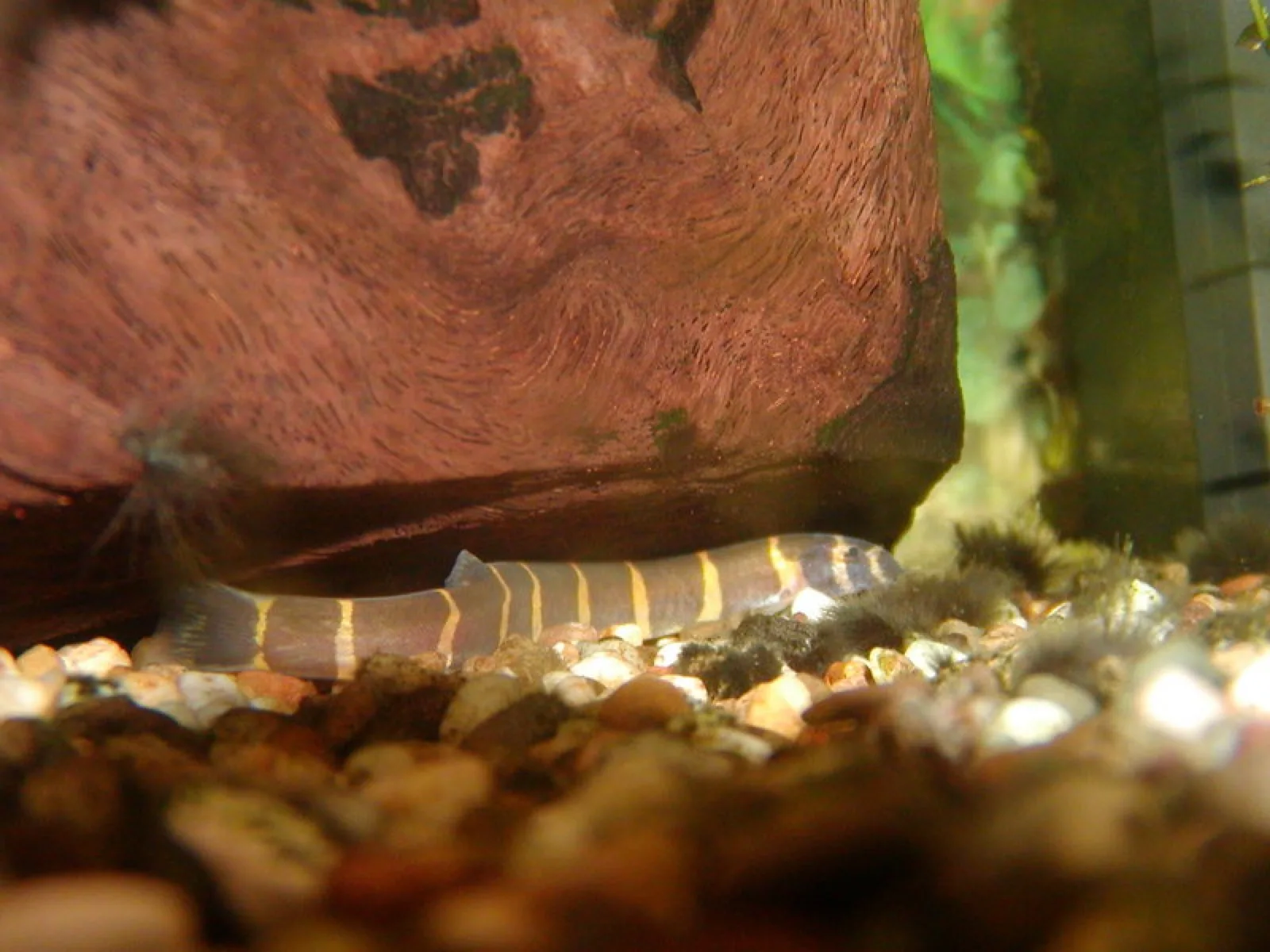
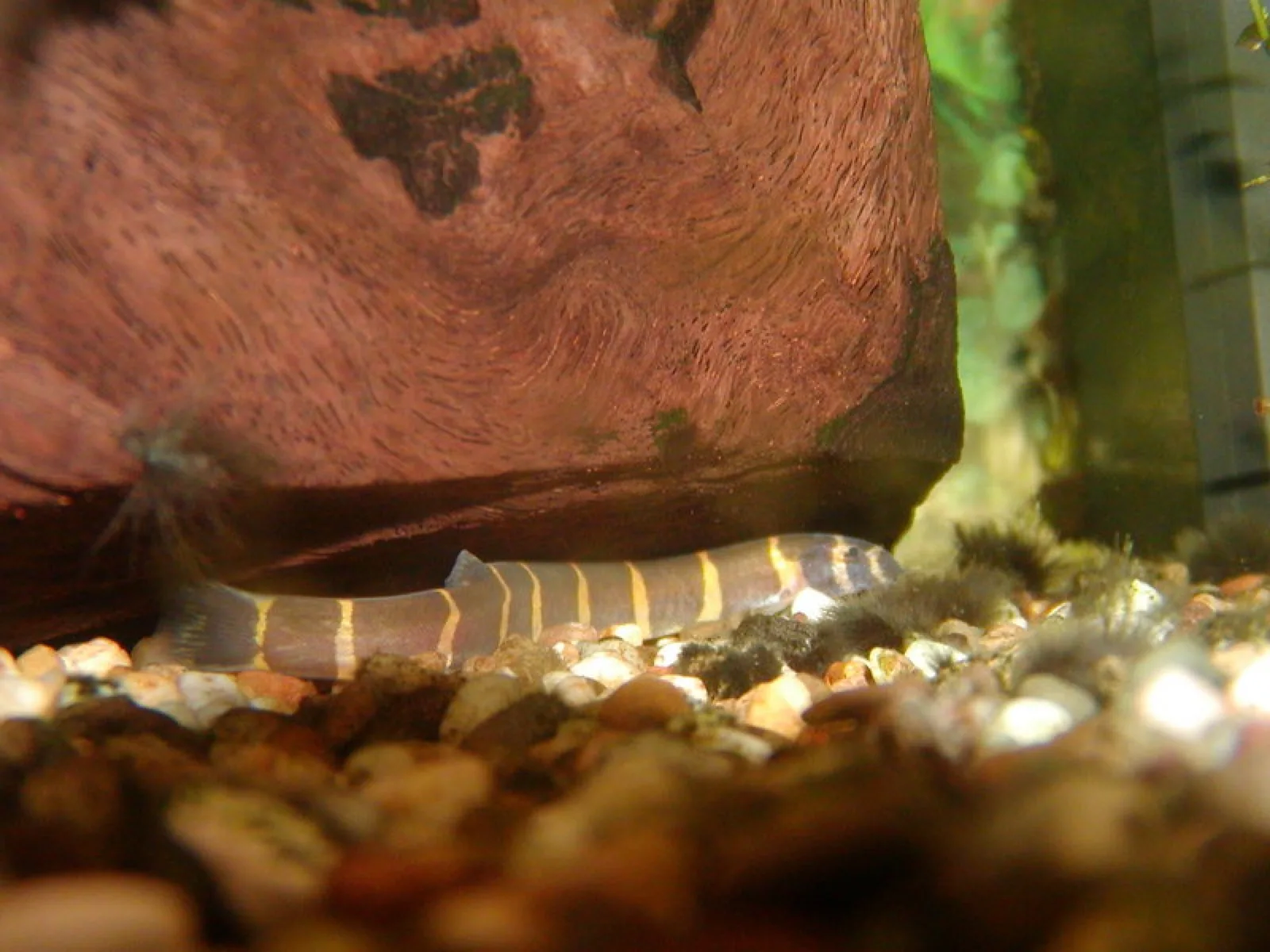
Tiny black-banded eels that hide all day and party all night. Soft fine sand is non-negotiable, they bury themselves into it. Tight-fit lid required: they will find any 2 mm gap and escape.

Kuhli Loach (Pangio kuhlii) reaches 8–10 cm as an adult and needs a minimum tank of 75 L. Native to Java, Sumatra, Malay Peninsula, it lives in the bottom water column with a peaceful temperament. Aim for 24–28 °C, pH 5.5–7.0, and 2–10 dGH hardness. Lifespan is 10+ years with good care. Keep kuhli loach in groups of 6+, yes (loose group) schoolers need numbers to display natural behaviour. Diet: omnivore (sinking, nocturnal), Sinking pellets after lights-out, frozen bloodworms, micro wafers. Outcompeted by upper-level feeders, drop food directly to the substrate. Plant-safe: Yes. Shrimp-safe: Yes (adults safe with adult shrimp).

  • Min tank75 L
  • TemperamentPeaceful
  • Plant-safeYes
  • Shrimp-safeYes (adults safe with adult shrimp)

Care at a glance

Tiny black-banded eels that hide all day and party all night. Soft fine sand is non-negotiable, they bury themselves into it. Tight-fit lid required: they will find any 2 mm gap and escape.

By Updated 3 min read

Part of our complete guide to aquarium fish for the planted tank.

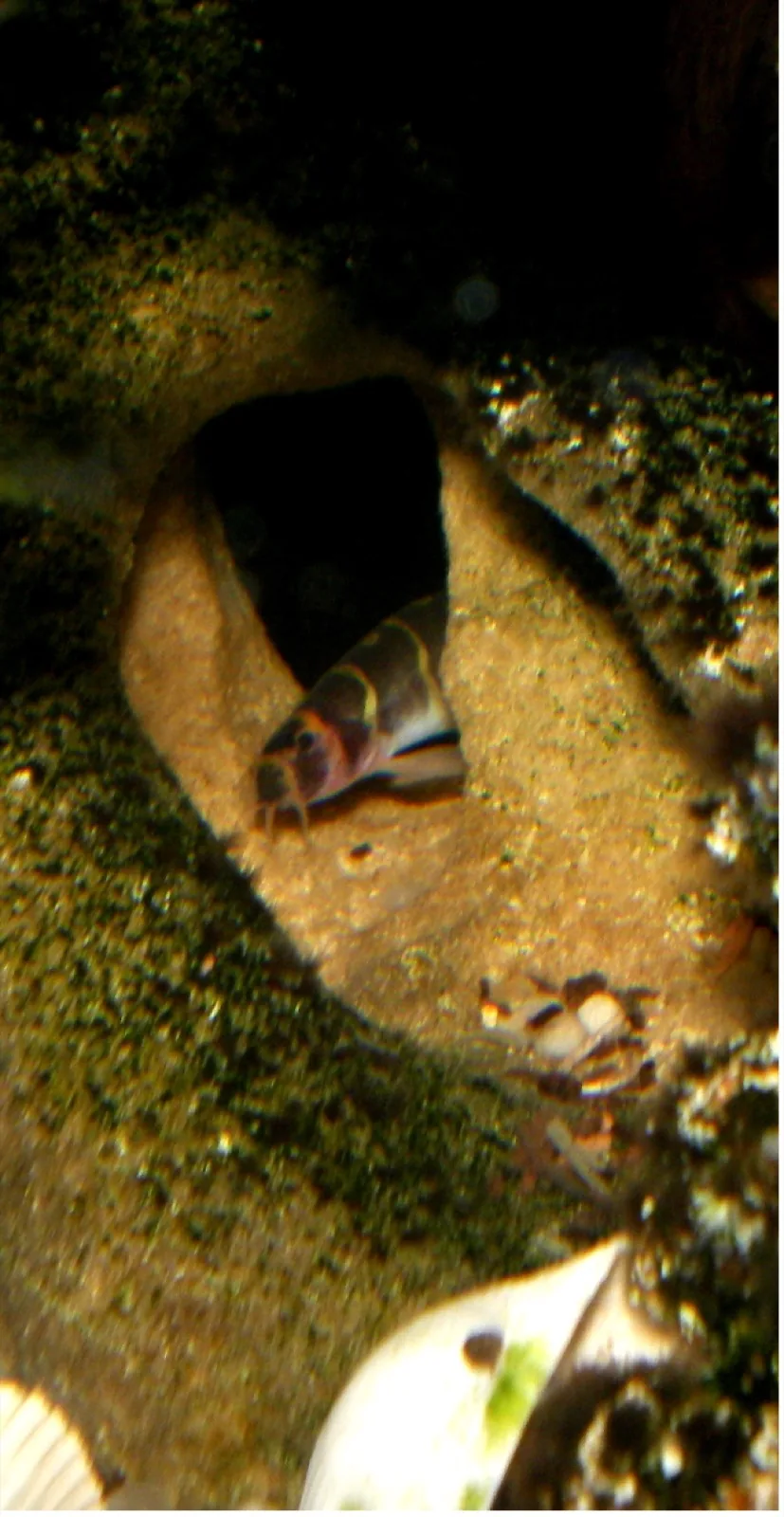
Kuhli Loach (Pangio kuhlii)
Original uploader was Guppy789 at fr.wikipedia · CC BY-SA 3.0Source
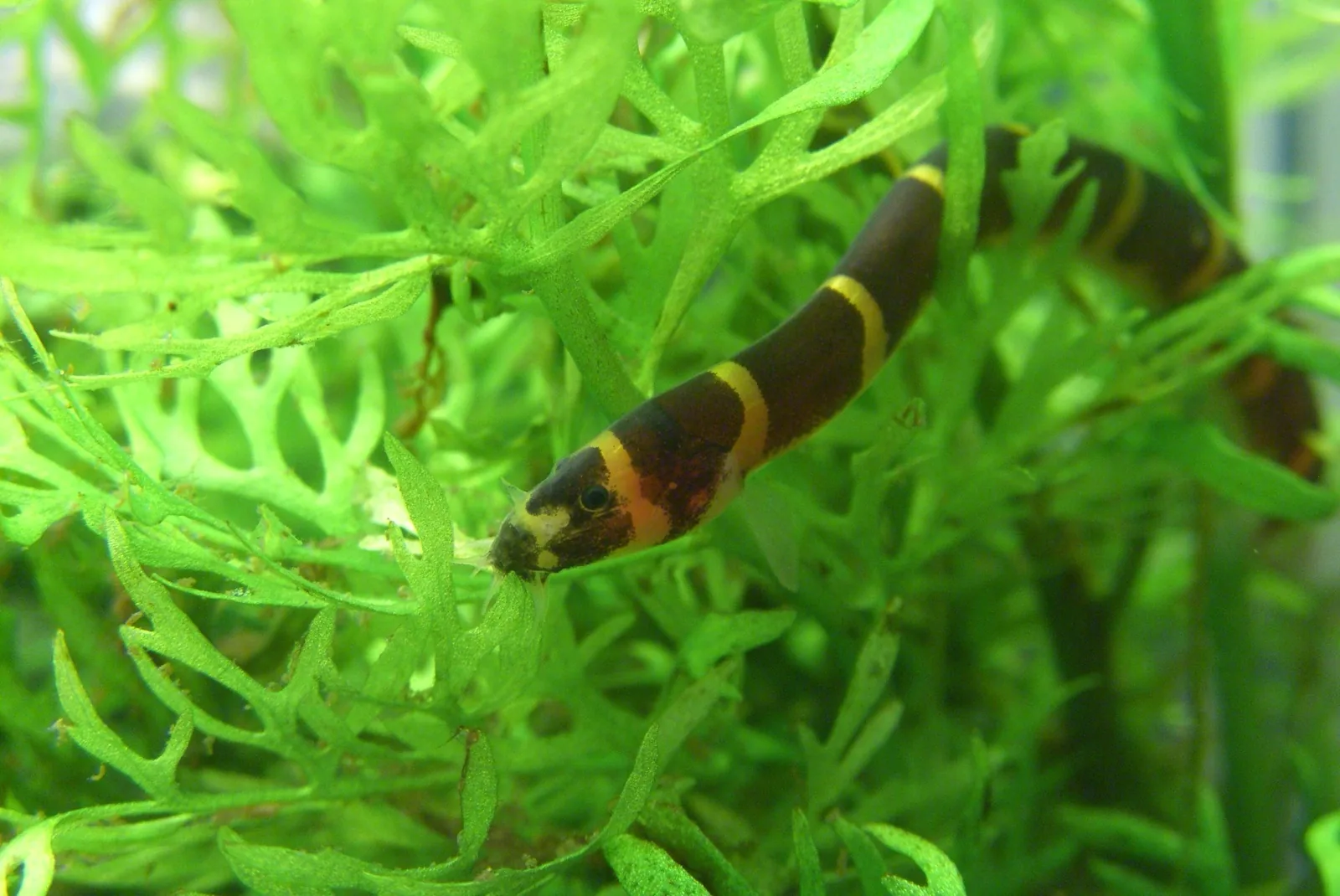
Kuhli Loach (Pangio kuhlii)
TomiUSM · Public domainSource
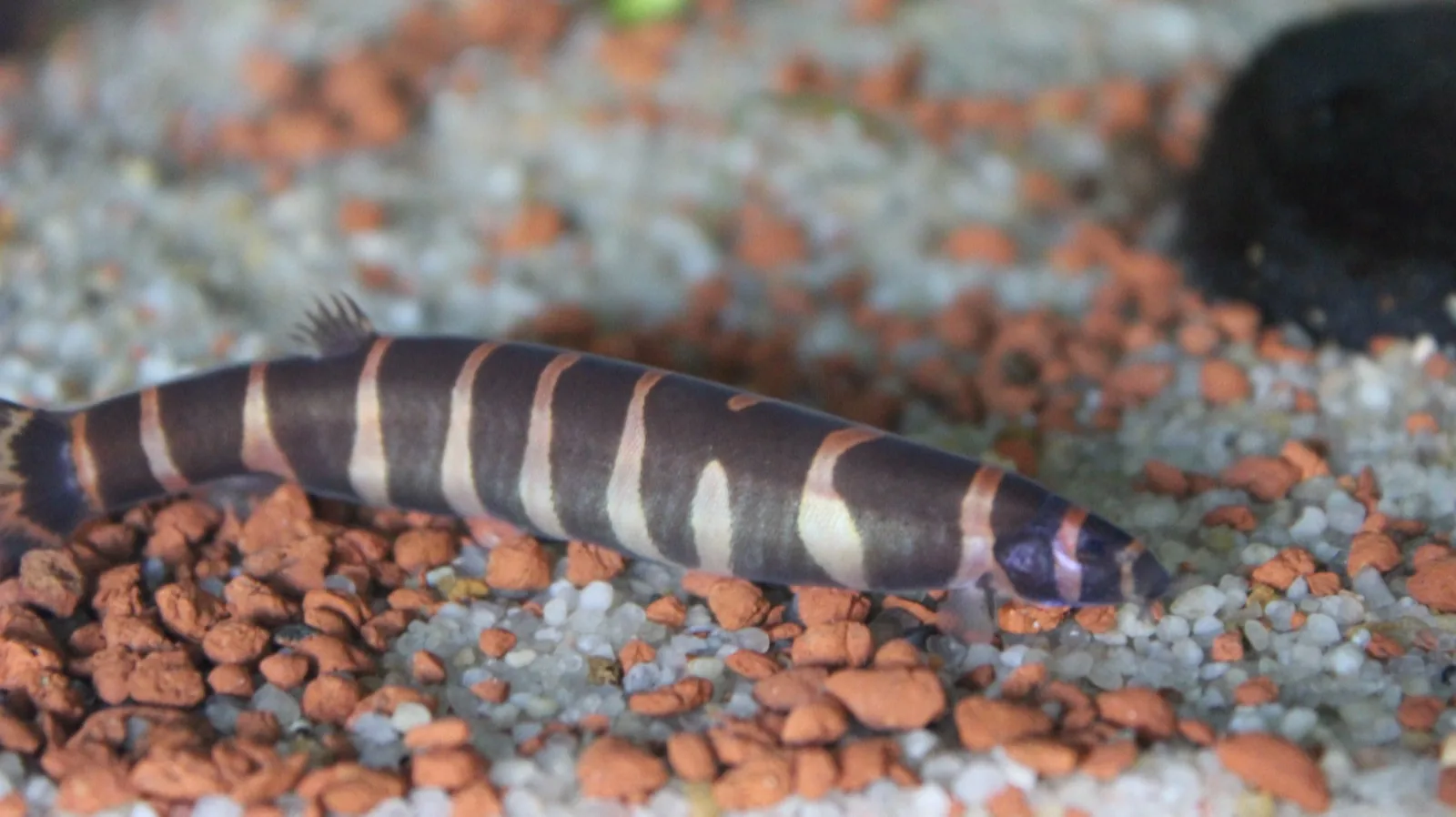
Kuhli Loach (Pangio kuhlii)
Robert Mollik · CC BY-SA 3.0Source
Kuhli Loach (Pangio kuhlii)
Iidkk · CC BY-SA 4.0Source
Kuhli Loach (Pangio kuhlii)
GatorSami · CC BY 4.0Source

Hero photo by Original uploader was Guppy789 at fr.wikipedia · CC BY-SA 3.0 · Wikipedia

Tank fit

The parameters that decide whether kuhli loach fits in your tank.

Parameters

Temperature24–28 °C
15 °C20 °C25 °C30 °C
pH5.5–7.0
4.05.06.07.08.0
Hardness2–10 dGH
0 dGH5 dGH10 dGH15 dGH20 dGH25 dGH
Adult size8–10 cm
0481115
Water column

Bottom

Schooling

Yes

Group of 6+

FlowLow to Medium
Still
Low
Medium
High
V. high

Profile

Family

Cobitidae

Diet

Omnivore (sinking, nocturnal)

Sinking pellets after lights-out, frozen bloodworms, micro wafers. Outcompeted by upper-level feeders, drop food directly to the substrate.

Lifespan

10+ yrs

Breeding

Very hard (rarely bred in captivity)

Habitat

Forest streams and peat-swamp creeks of Borneo

Java, Sumatra, Malay Peninsula

Who it lives with

Tank-mate safety and the species this one is documented to thrive (or fail) alongside.

Good tank mates

Mid- and upper-level peaceful fish: tetras, rasboras, gouramis, otocinclus. Other kuhli loaches in groups of 6+ (they cuddle in clumps).

Avoid

Aggressive bottom-dwellers (cichlids, larger plecos), fin-nippers, anything that competes for caves.

See full compatibility cross-reference

Pro tips

Hard-won lessons from the tank.

Feed after lights-out by dropping a sinking pellet in a dark corner — within minutes you'll see them emerge to feast. A colony of 6+ in a planted blackwater tank with leaf litter is one of the most rewarding 'hidden gem' aquarium experiences. Lifespans of 10+ years are normal in good care.

Etymology

Genus 'Pangio' is from an indigenous Malay name. Species 'kuhlii' honours German zoologist Heinrich Kuhl who collected the type specimens in the early 1800s.

Things to watch for

What can go wrong and how to spot it.

Things to watch for

Failure modes, in order of how dramatic the fix is.

Health

Common diseases

Sensitive to copper-based medications — never use them in a tank containing kuhli loaches. Susceptible to ich, but standard ich treatments (heat + salt at low dose, or low-dose ich meds) work if applied gently.

Often wrong

Misconceptions

Often thought to be 'invisible' or 'lost' for weeks at a time — they're not lost, they're buried in the substrate. Sand depth of 3 cm+ enables this behaviour. Many keepers panic and tear the tank apart looking for missing kuhlis that were under their substrate the whole time.

How to care for it

The practical routine, read top to bottom.

  1. Tank setup

    75 L+ with FINE SAND substrate. Heavily planted with multiple hiding spots — pots, caves, root tangles. Tight-fitting lid is non-negotiable (they're escape artists). Tannins improve confidence. Subdued lighting; they come out more in dim tanks. Sponge or low-flow canister filter — they get sucked into intakes without guards.

  2. Quarantine

    3 weeks. Use sand substrate even in QT — gravel scars the soft underside. Watch carefully because they hide and disease is easy to miss.

Background

Where it comes from, how it behaves, and the variants you'll see at retail.

Show background

In the wild

Where it lived before it came home.

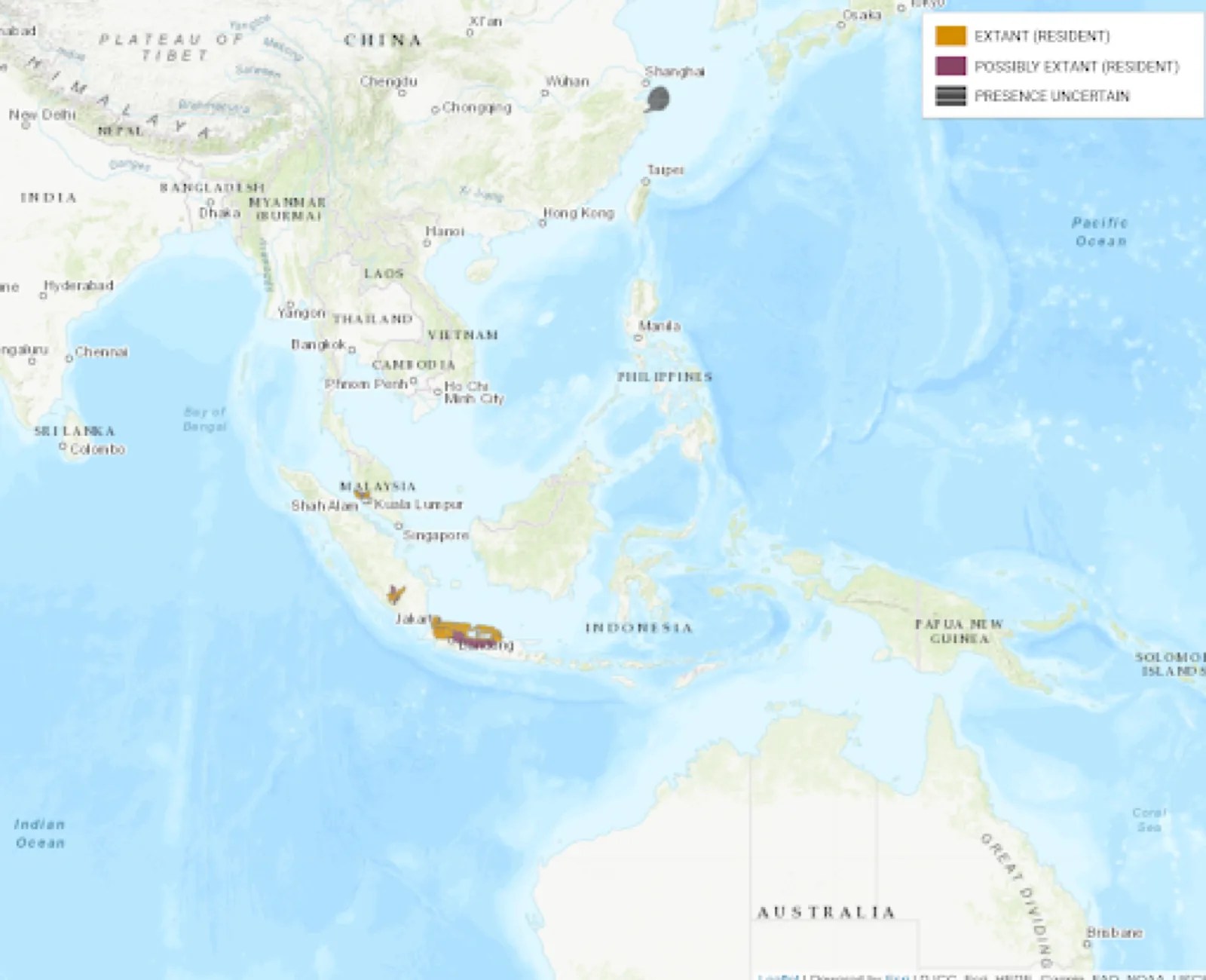
Native rangeMalay PeninsulaSumatraJava
Origin · Java, Sumatra, Malay Peninsula

Slow forest streams and floodplains across Java, Sumatra, and the Malay Peninsula. Soft, warm, tannin-stained water with thick leaf litter, sandy substrate, and dense submerged root tangles.

Wild diet

Insect larvae, worms, micro-crustaceans, detritus. Crepuscular and nocturnal — scavenges the leaf-litter substrate.

Conservation status

Not threatened. Wild populations are stable, captive breeding remains rare so most trade stock is wild-caught.

Behavior & breeding

How they pair, reproduce, and grow.

  1. Stage 1
    Telling them apart

    Sexing

    Very difficult. Females may be slightly fuller-bodied when carrying eggs. Otherwise nearly impossible to sex visually without surgery.

  2. Stage 2
    Pairing & spawning

    Breeding

    Almost never bred in home aquaria. The few reported successes used very soft tannin water, large groups (20+), and lowered water levels simulating dry season. Eggs are bright green and attached to floating plant roots. Most fry are unintentional discoveries from established colony tanks.

Variants & identification

The named cultivars and the lookalikes worth flagging.

Color forms

Several species enter the trade as 'kuhli loach' including P. kuhlii (most common), P. semicincta (broader bands), P. myersi (broader still), and P. anguillaris (no bands). All have similar care.

Frequently asked questions

Direct answers to the questions search engines and AI assistants surface most often about this species.

What is the minimum tank size for Kuhli Loach?

Kuhli Loach (Pangio kuhlii) needs a minimum tank of 75 L. They live in the bottom water column and should be kept in groups of 6+, so a longer footprint matters more than depth.

What water parameters do Kuhli Loach need?

Target 24–28 °C, pH 5.5–7.0, and 2–10 dGH hardness. Acclimate slowly when moving them between water sources.

Are Kuhli Loach safe with shrimp?

Shrimp safety: Yes (adults safe with adult shrimp). Plant safety: Yes.
What do Kuhli Loach eat?

Kuhli Loach are omnivore (sinking, nocturnal). Sinking pellets after lights-out, frozen bloodworms, micro wafers. Outcompeted by upper-level feeders, drop food directly to the substrate.

Are Kuhli Loach beginner-friendly?

On Fin & Stem's 1–5 difficulty scale this species rates 2/5. Forgiving, beginner-friendly once the tank is cycled. Breeding difficulty: very hard (rarely bred in captivity).

How long do Kuhli Loach live?

Typical lifespan in a well-maintained tank is 10+ years.

Sources & further reading

Cross-references

Build the rest of the tank.

A planted tank is a system. Pair this fish with one entry from each other pillar to plan the whole scape.