Fin & Stem logo
Lemon Tetra (Hyphessobrycon pulchripinnis)
Fish

Lemon Tetra

Hyphessobrycon pulchripinnis

Lower Amazon basin, BrazilBeginner

TL;DR, Lemon Tetra

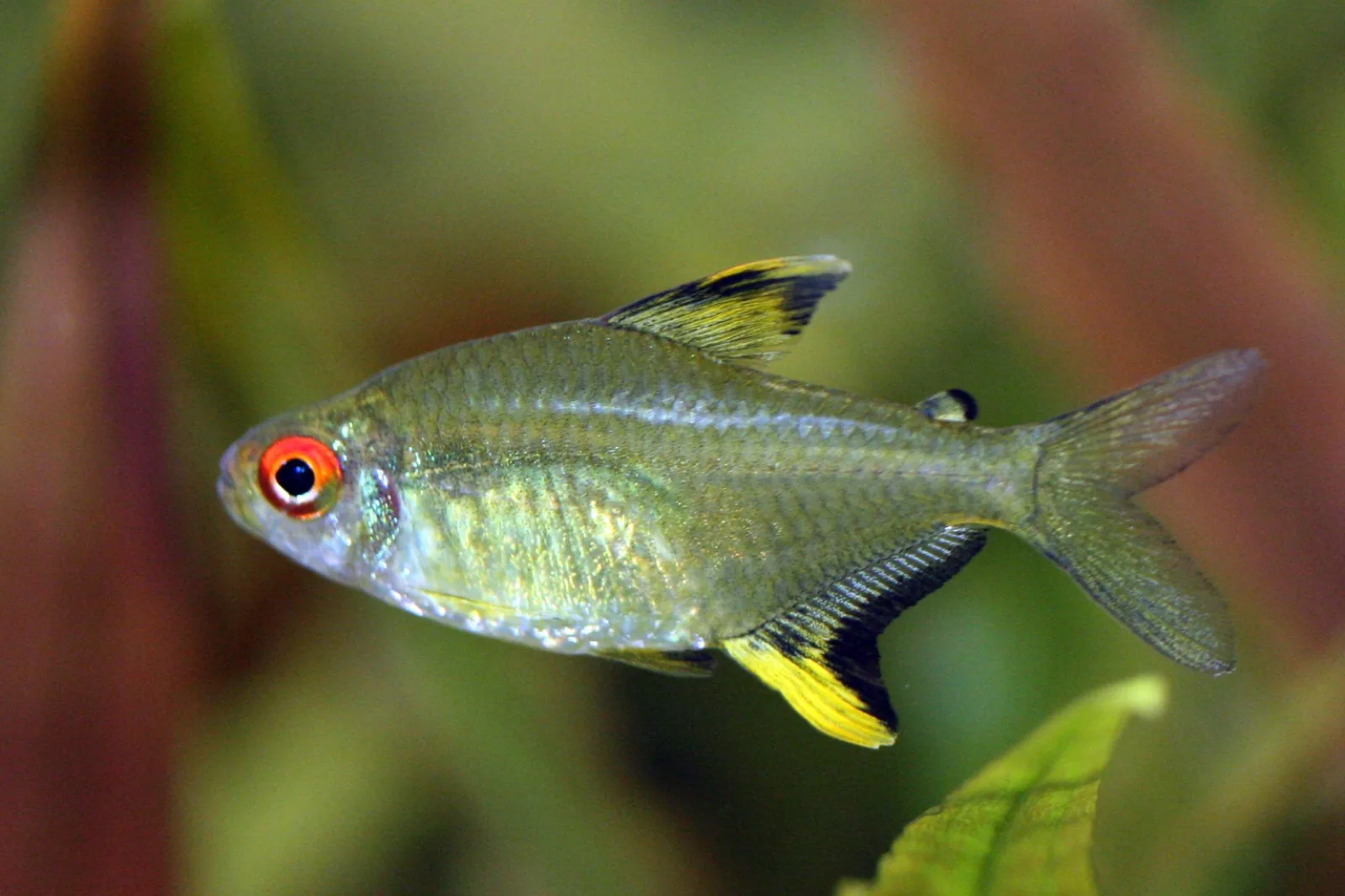
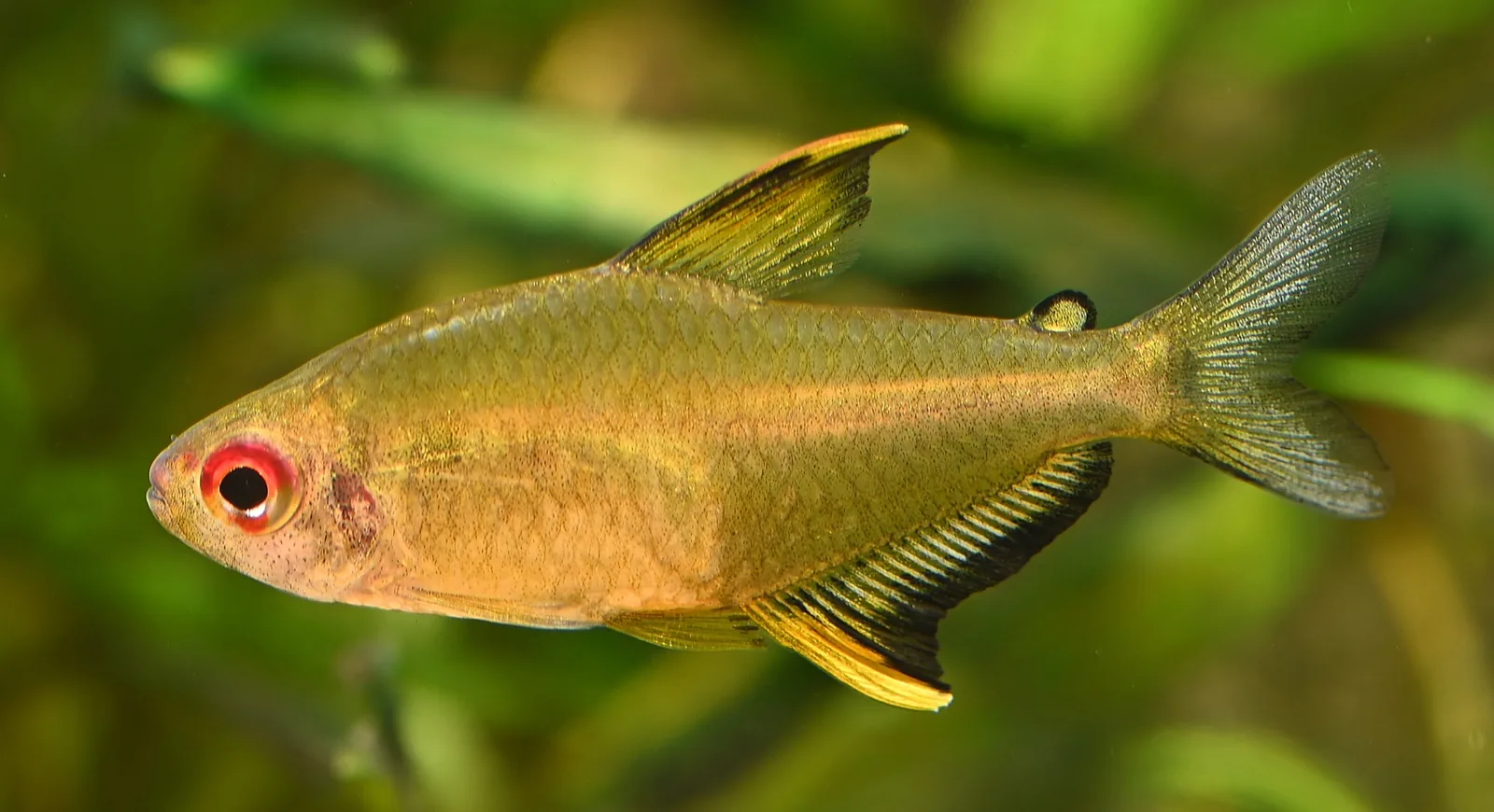
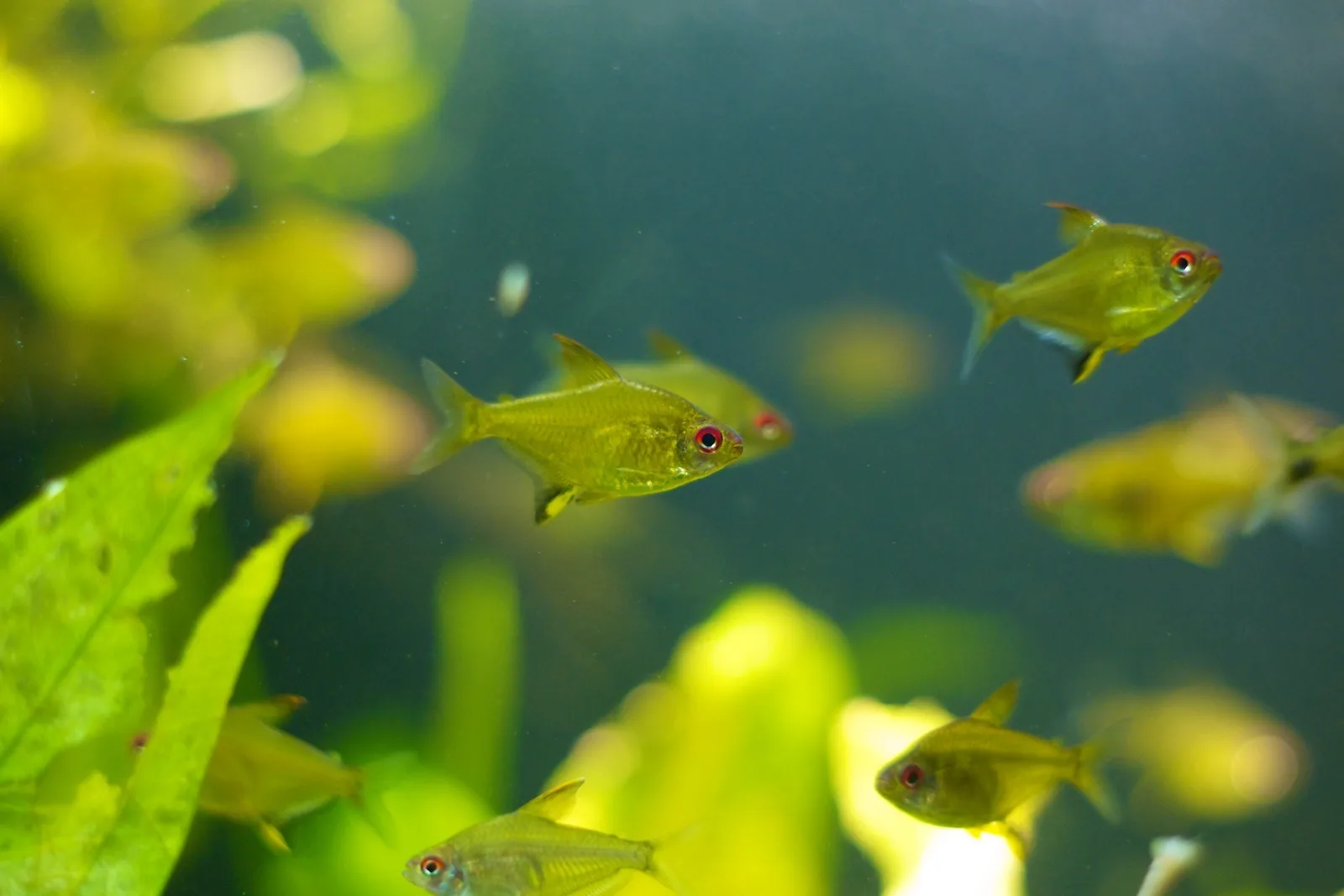
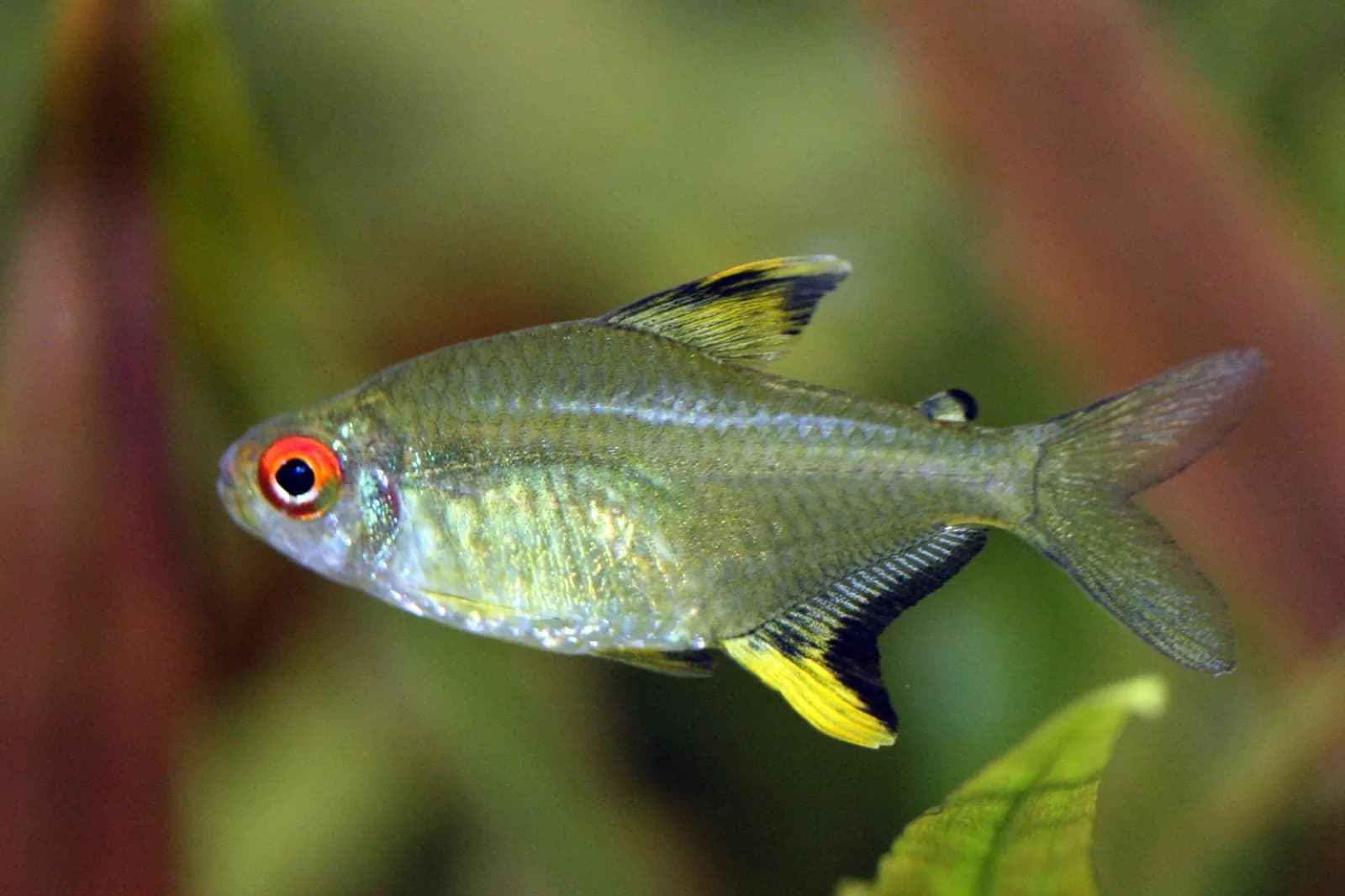
Buttery yellow body with black-and-yellow accented dorsal and anal fins. Brighter under dim lighting and dark substrate; washes out under bright lights. Long-lived and forgiving, a classic community starter tetra.

Lemon Tetra (Hyphessobrycon pulchripinnis) reaches 4–5 cm as an adult and needs a minimum tank of 75 L. Native to Lower Amazon basin, Brazil, it lives in the mid water column with a peaceful temperament. Aim for 23–28 °C, pH 5.5–7.5, and 2–15 dGH hardness. Lifespan is 5–8 years with good care. Keep lemon tetra in groups of 8+, yes schoolers need numbers to display natural behaviour. Diet: omnivore, Flake, micro pellets, frozen daphnia, bloodworms. Plant-safe: Yes. Shrimp-safe: Mostly (may eat shrimplets).

  • Min tank75 L
  • TemperamentPeaceful
  • Plant-safeYes
  • Shrimp-safeMostly (may eat shrimplets)

Care at a glance

Buttery yellow body with black-and-yellow accented dorsal and anal fins. Brighter under dim lighting and dark substrate; washes out under bright lights. Long-lived and forgiving, a classic community starter tetra.

By Updated 2 min read

Part of our complete guide to aquarium fish for the planted tank.

Lemon Tetra (Hyphessobrycon pulchripinnis)
Waugsberg · CC BY 2.5Source
Lemon Tetra (Hyphessobrycon pulchripinnis)
SOK · CC BY-SA 4.0Source
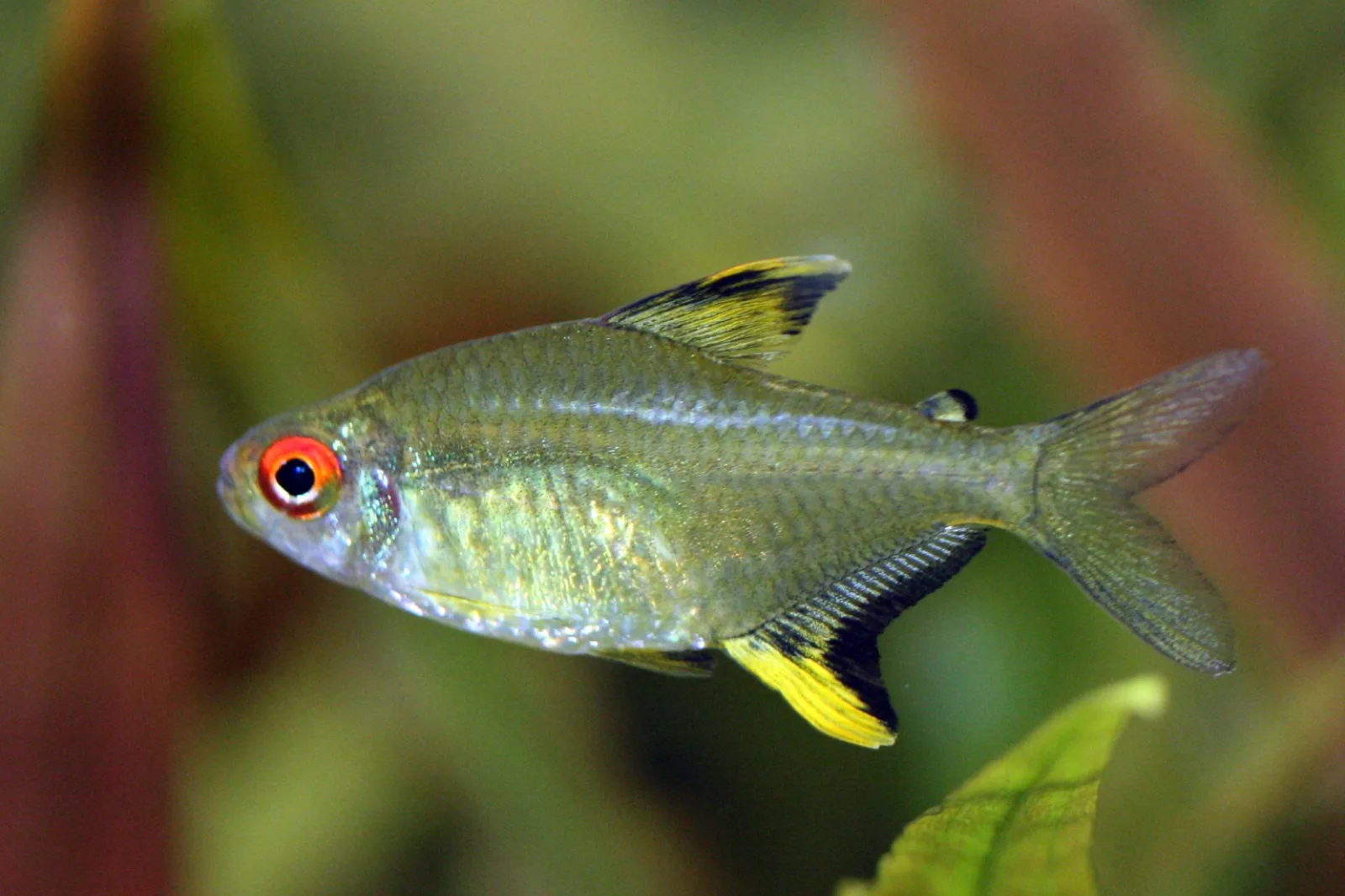
Lemon Tetra (Hyphessobrycon pulchripinnis)
Waugsberg · CC BY 2.5Source
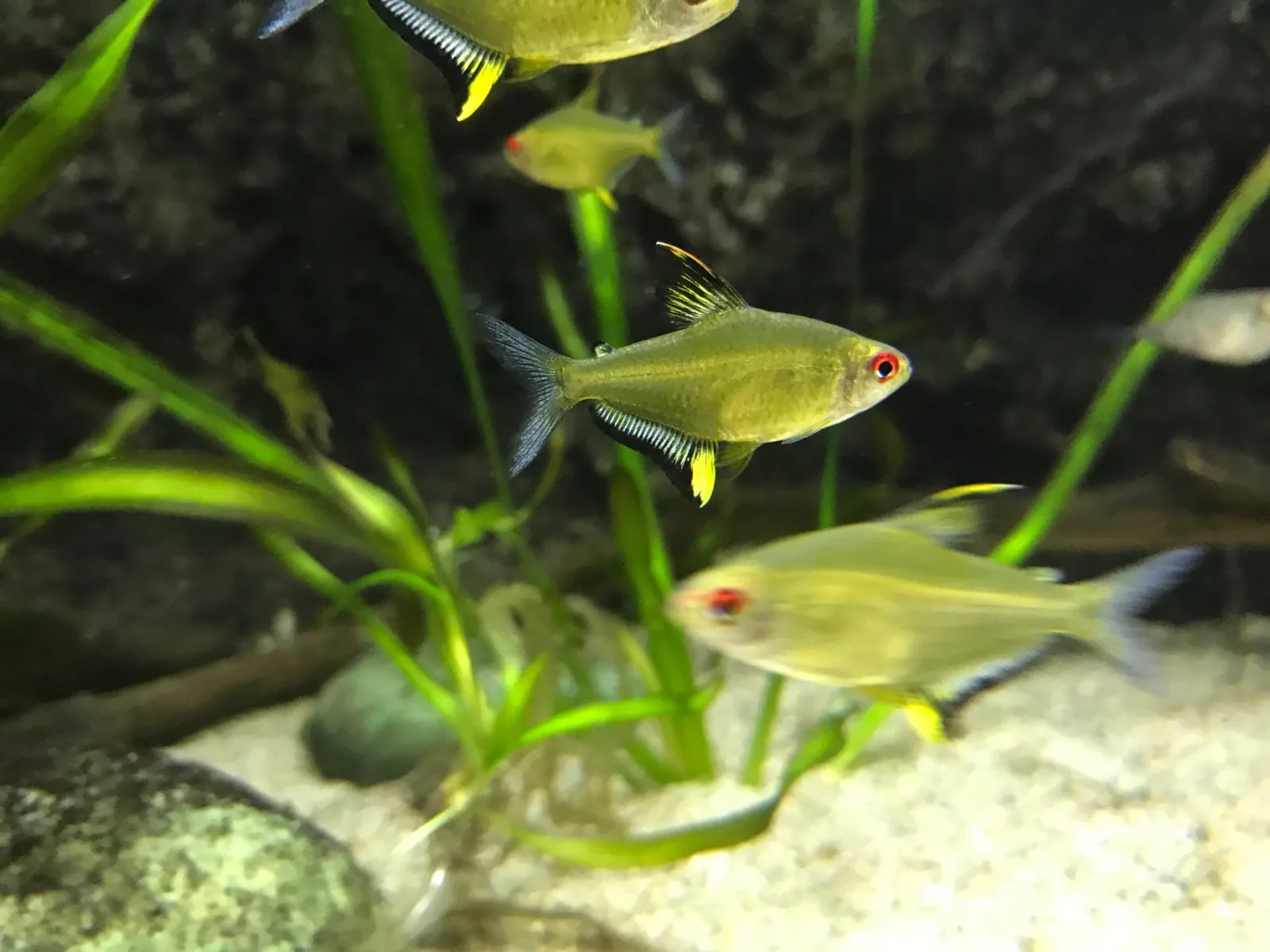
Lemon Tetra (Hyphessobrycon pulchripinnis)
Bloopityboop · CC BY-SA 4.0Source
Lemon Tetra (Hyphessobrycon pulchripinnis)
Paul from United Kingdom · CC BY 2.0Source

Hero photo by Waugsberg · CC BY 2.5 · Wikipedia

Tank fit

The parameters that decide whether lemon tetra fits in your tank.

Parameters

Temperature23–28 °C
15 °C20 °C25 °C30 °C
pH5.5–7.5
4.05.06.07.08.0
Hardness2–15 dGH
0 dGH5 dGH10 dGH15 dGH20 dGH25 dGH
Adult size4–5 cm
0481115
Water column

Mid

Schooling

Yes

Group of 8+

FlowLow to Medium
Still
Low
Medium
High
V. high

Profile

Family

Characidae

Diet

Omnivore

Flake, micro pellets, frozen daphnia, bloodworms.

Lifespan

5–8 yrs

Breeding

Medium

Habitat

Calm flooded forest of the Tapajós basin

Lower Amazon basin, Brazil

Who it lives with

Tank-mate safety and the species this one is documented to thrive (or fail) alongside.

Good tank mates

Other peaceful South American tetras, corydoras, otocinclus, rams, apistogramma. Classic community fish.

Avoid

Fin-nippers, aggressive cichlids, anything large and predatory.

See full compatibility cross-reference

Pro tips

Hard-won lessons from the tank.

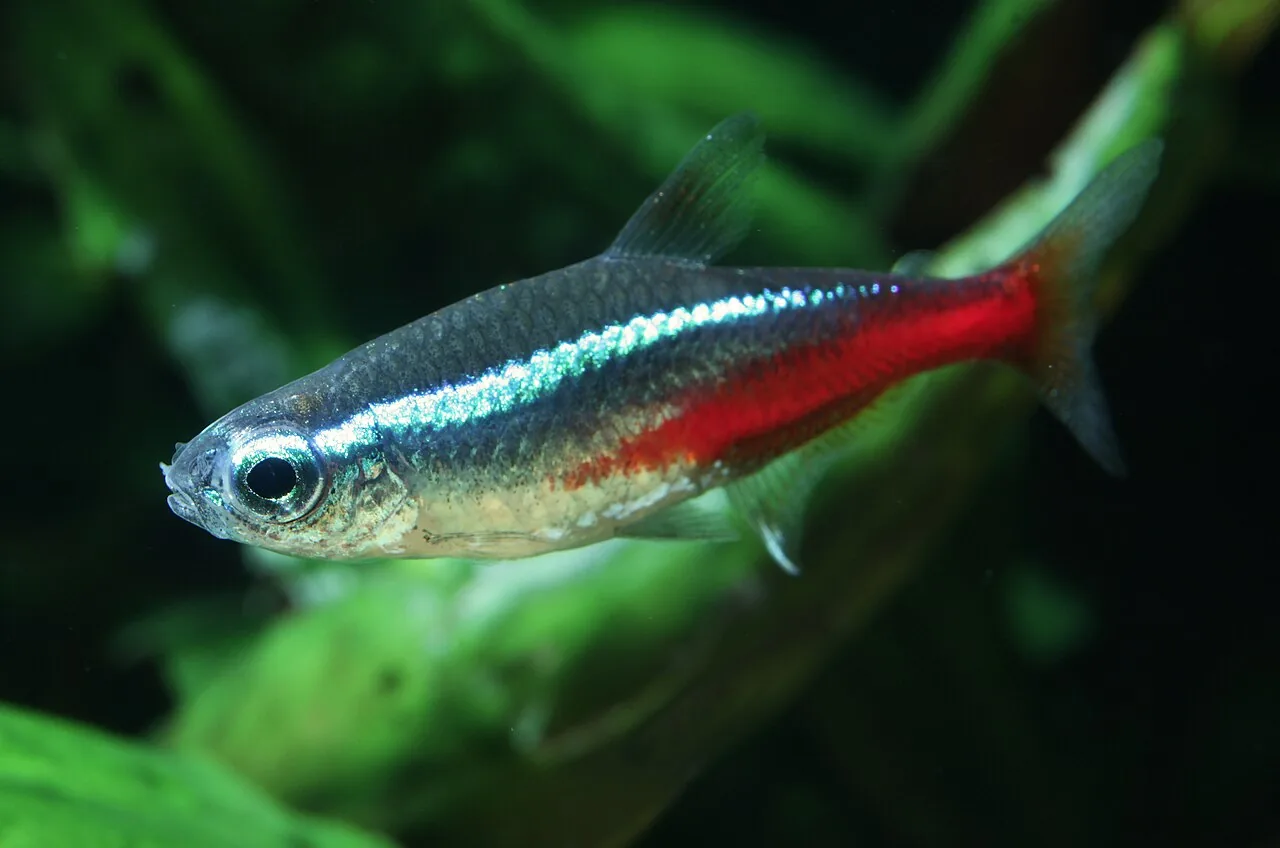
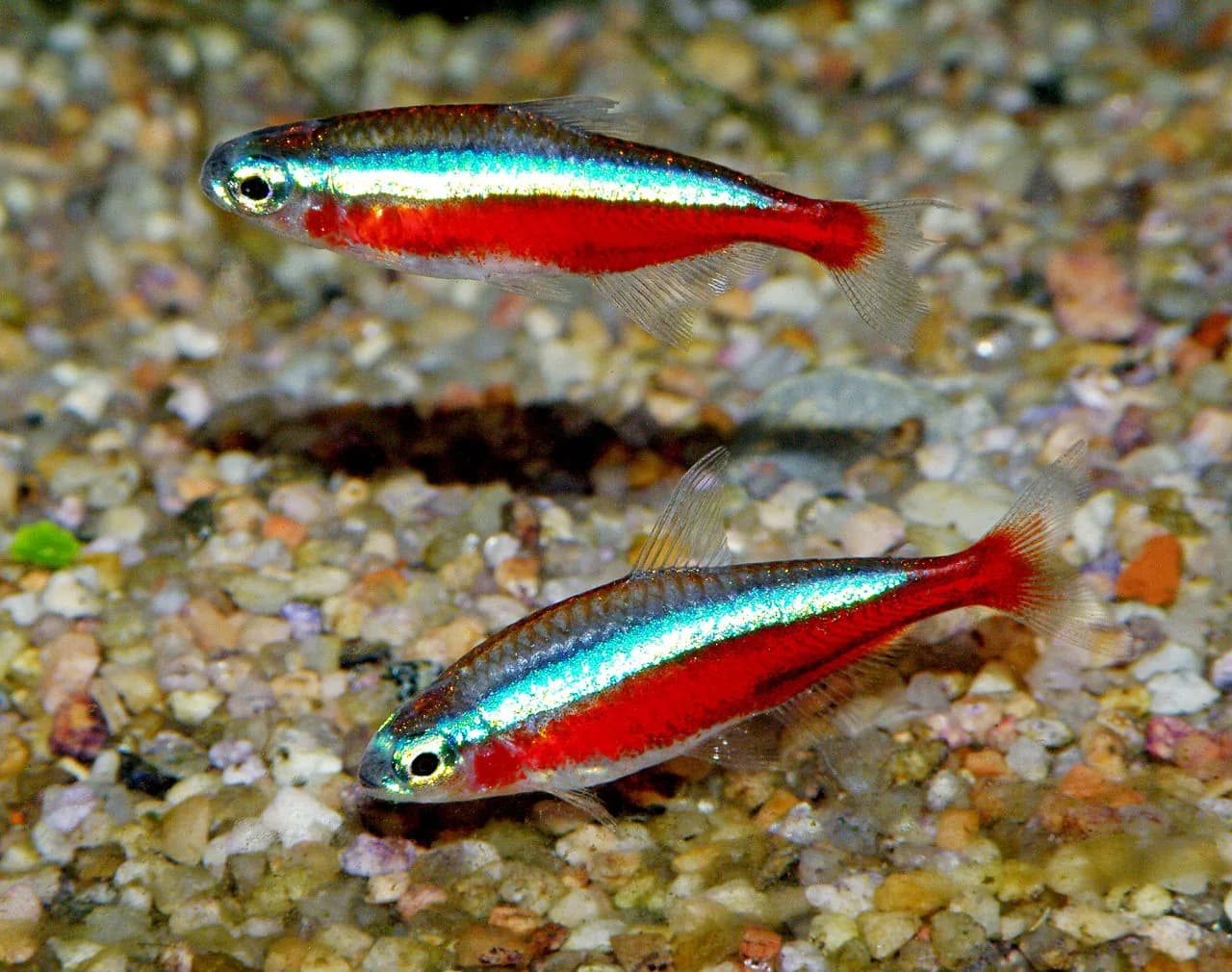
Pair with cardinal tetras in a long planted tank — the yellow body of the lemon next to the red-and-blue cardinal is one of the most striking colour combinations available. A shoal of 12+ lemons in a 100 L dimly lit blackwater tank with dark substrate is genuinely stunning.

Etymology

Genus 'Hyphessobrycon' = 'small Brycon' (referring to the related genus). Species 'pulchripinnis' = 'beautiful-finned' — the species name describes the most distinctive feature.

Things to watch for

What can go wrong and how to spot it.

Things to watch for

Failure modes, in order of how dramatic the fix is.

Health

Common diseases

Robust. Standard tetra care — watch for ich during transport.

Often wrong

Misconceptions

Often dismissed as 'plain' next to neons and cardinals — but lemon tetras display behavioral subtlety neons don't. Watch them in a calm planted tank and you'll see slow gliding swimming patterns and male display flaring that fast-moving neons skip.

How to care for it

The practical routine, read top to bottom.

  1. Tank setup

    75 L+. Heavily planted with open mid-water swimming. Dark substrate brings out the yellow body colour; light substrate washes them out. Tannins from catappa leaves intensify colour.

  2. Quarantine

    2–3 weeks.

Background

Where it comes from, how it behaves, and the variants you'll see at retail.

Show background

In the wild

Where it lived before it came home.

Native rangeAmazon basinBrazil
Origin · Lower Amazon basin, Brazil

Slow tributaries of the lower Amazon basin in Brazil. Soft to moderately hard slightly acidic water, often blackwater-stained but tolerant of clearer conditions than cardinals or chilis.

Wild diet

Insect larvae, small crustaceans, biofilm, occasional plant matter.

Conservation status

Not threatened. Captive-bred globally.

Behavior & breeding

How they pair, reproduce, and grow.

  1. Stage 1
    Telling them apart

    Sexing

    Males slimmer with deeper yellow dorsal and anal fins (the black-bordered edge is more pronounced). Females rounder with paler fins. Subtle but visible in mature fish.

  2. Stage 2
    Pairing & spawning

    Breeding

    Egg scatterers. Soft acidic water at 26 °C, dense moss. Adults eat eggs — remove after spawning. Fry need infusoria for the first week, then baby brine shrimp.

Variants & identification

The named cultivars and the lookalikes worth flagging.

Color forms

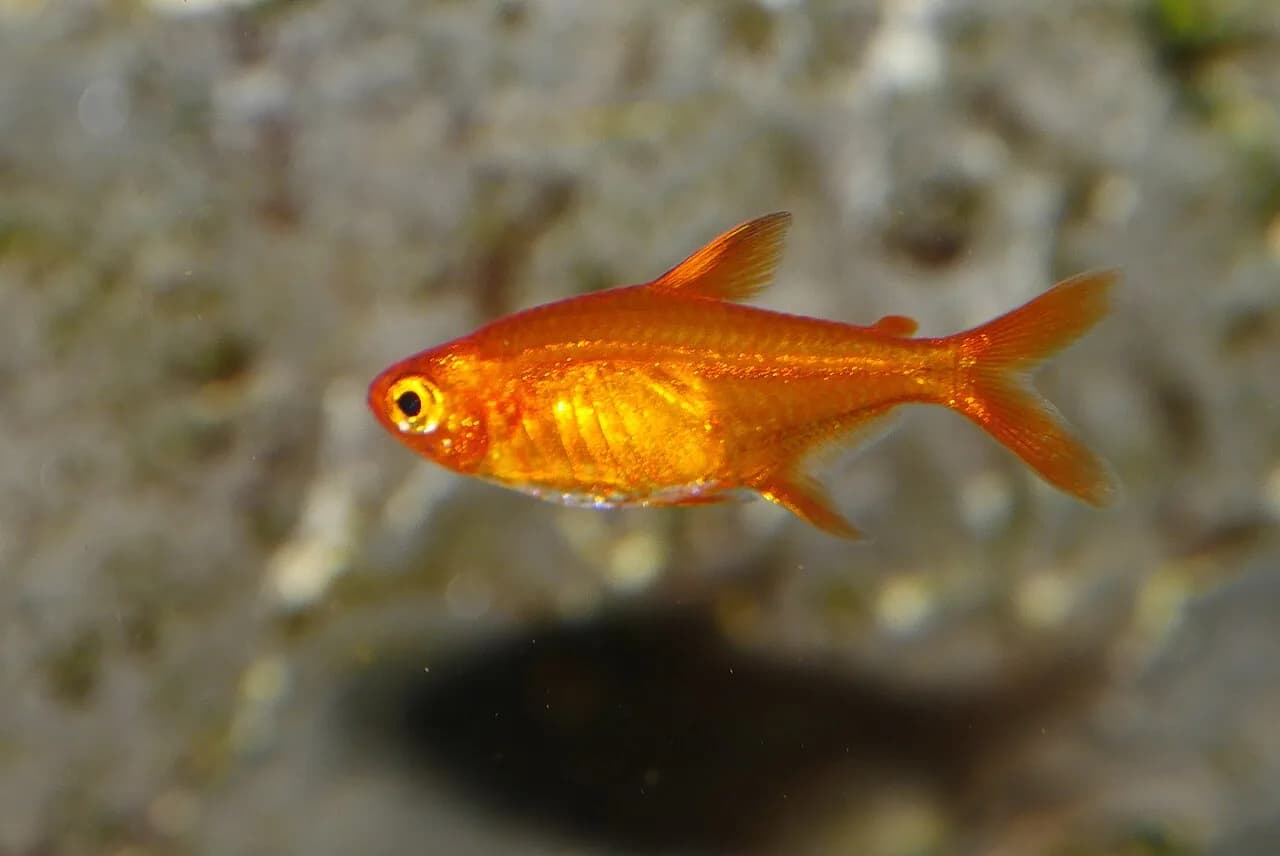
Wild type, occasionally 'long-fin' and 'gold' variants.

Frequently asked questions

Direct answers to the questions search engines and AI assistants surface most often about this species.

What is the minimum tank size for Lemon Tetra?

Lemon Tetra (Hyphessobrycon pulchripinnis) needs a minimum tank of 75 L. They live in the mid water column and should be kept in groups of 8+, so a longer footprint matters more than depth.

What water parameters do Lemon Tetra need?

Target 23–28 °C, pH 5.5–7.5, and 2–15 dGH hardness. Acclimate slowly when moving them between water sources.

Are Lemon Tetra safe with shrimp?

Shrimp safety: Mostly (may eat shrimplets). Plant safety: Yes.

What do Lemon Tetra eat?

Lemon Tetra are omnivore. Flake, micro pellets, frozen daphnia, bloodworms.

Are Lemon Tetra beginner-friendly?

On Fin & Stem's 1–5 difficulty scale this species rates 1/5. Almost unkillable, a solid first-tank choice. Breeding difficulty: medium.

How long do Lemon Tetra live?

Typical lifespan in a well-maintained tank is 5–8 years.

Sources & further reading

Cross-references

Build the rest of the tank.

A planted tank is a system. Pair this fish with one entry from each other pillar to plan the whole scape.