Fin & Stem logo
Siamese Algae Eater (Crossocheilus langei)
Fish

Siamese Algae Eater

Crossocheilus langei

Mainland Southeast Asia (Thailand, Malaysia, Indonesia)Easy

TL;DR, Siamese Algae Eater

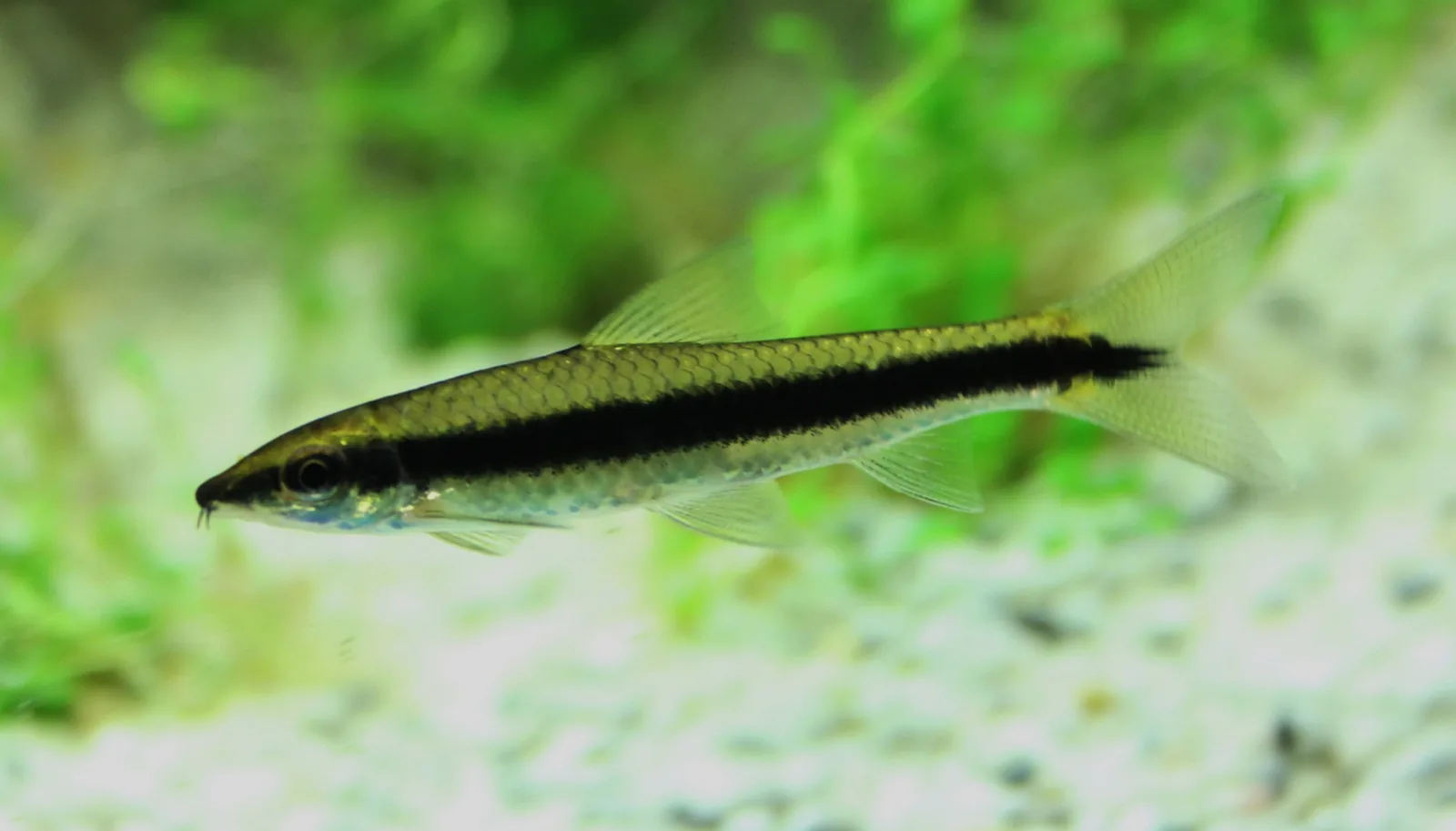
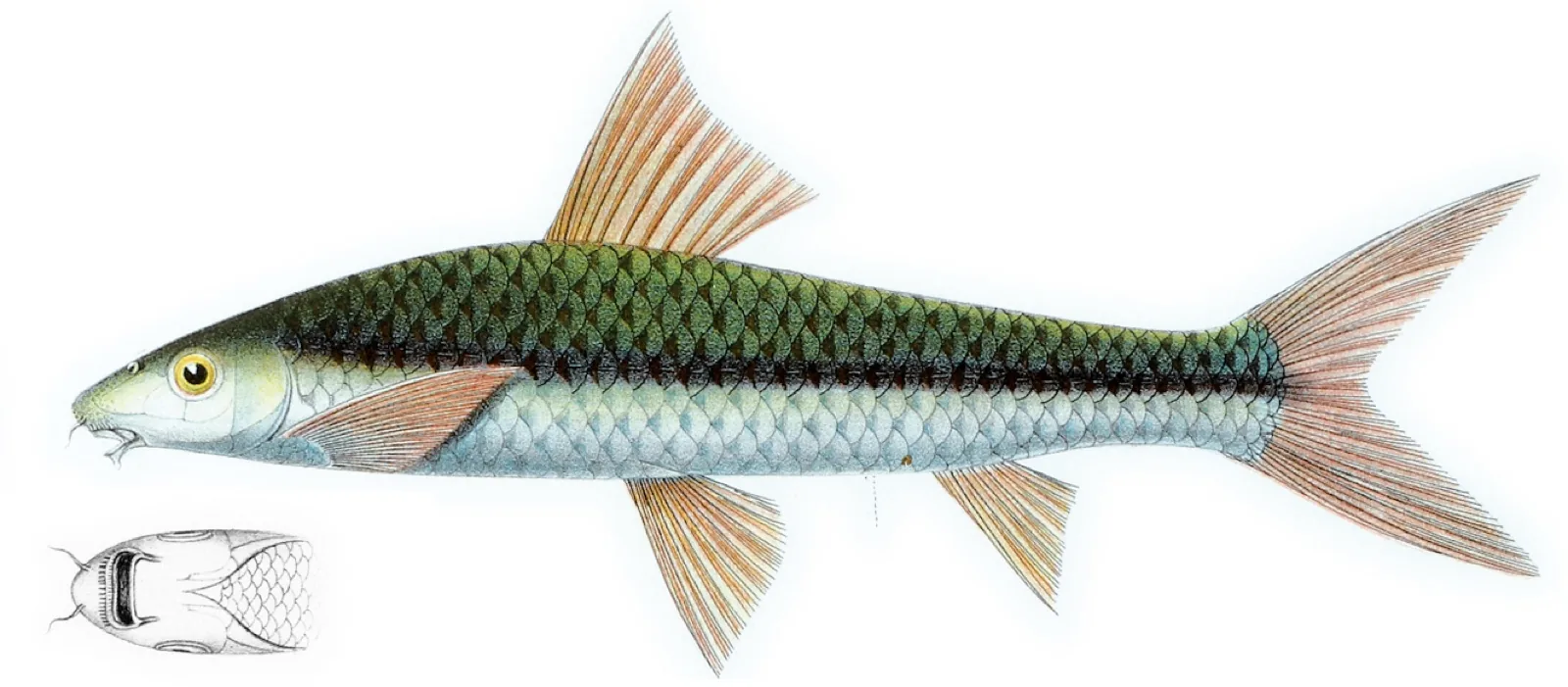
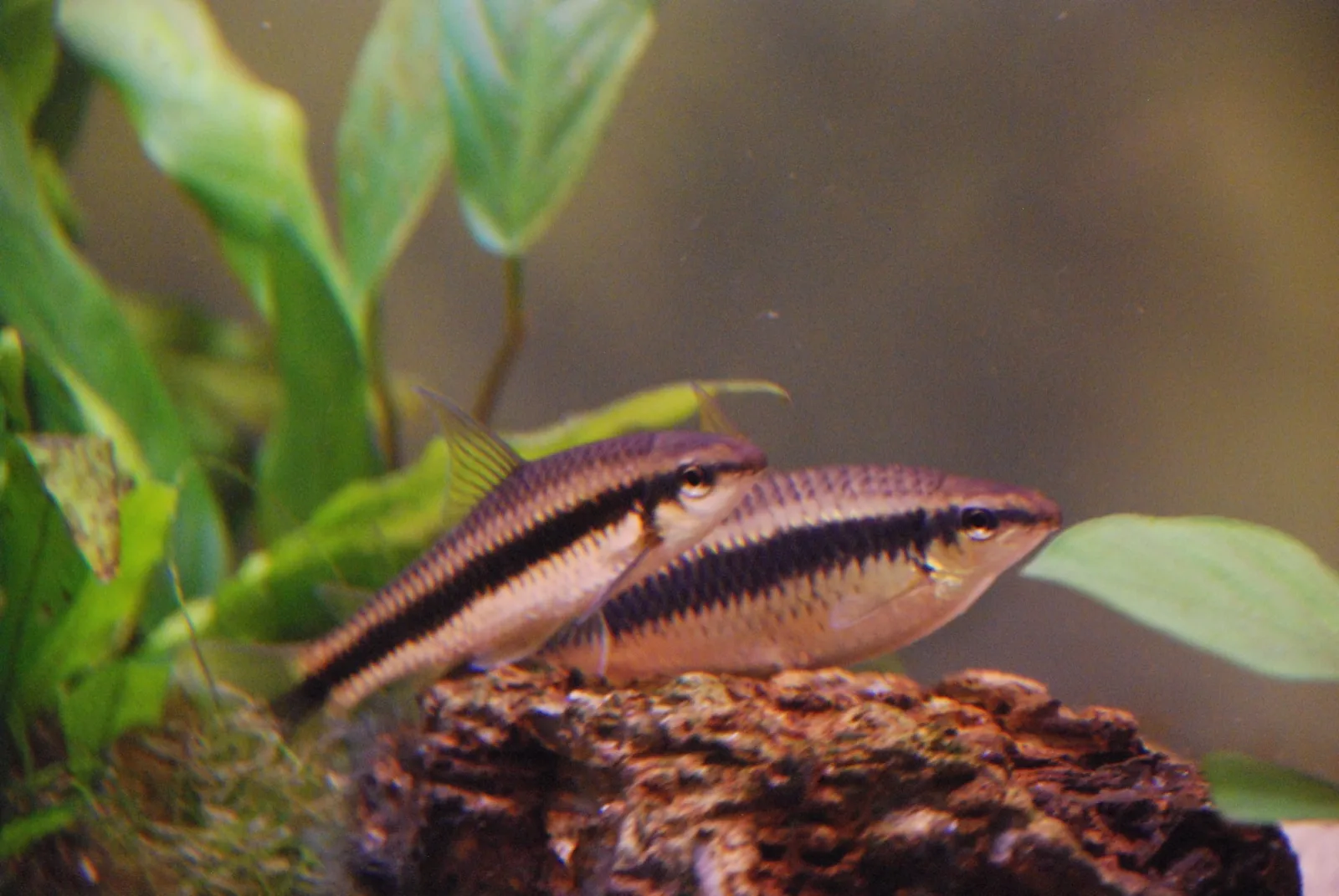
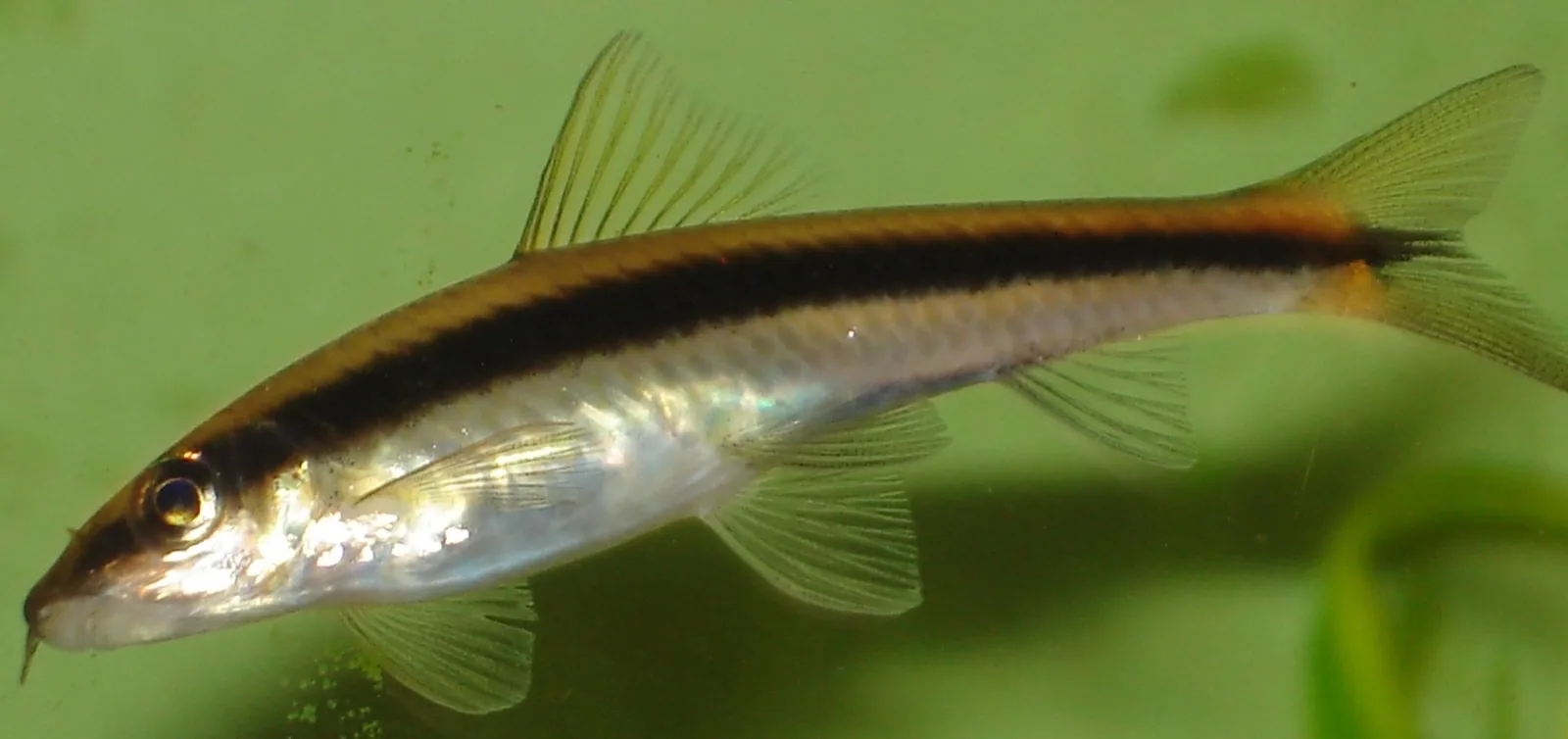
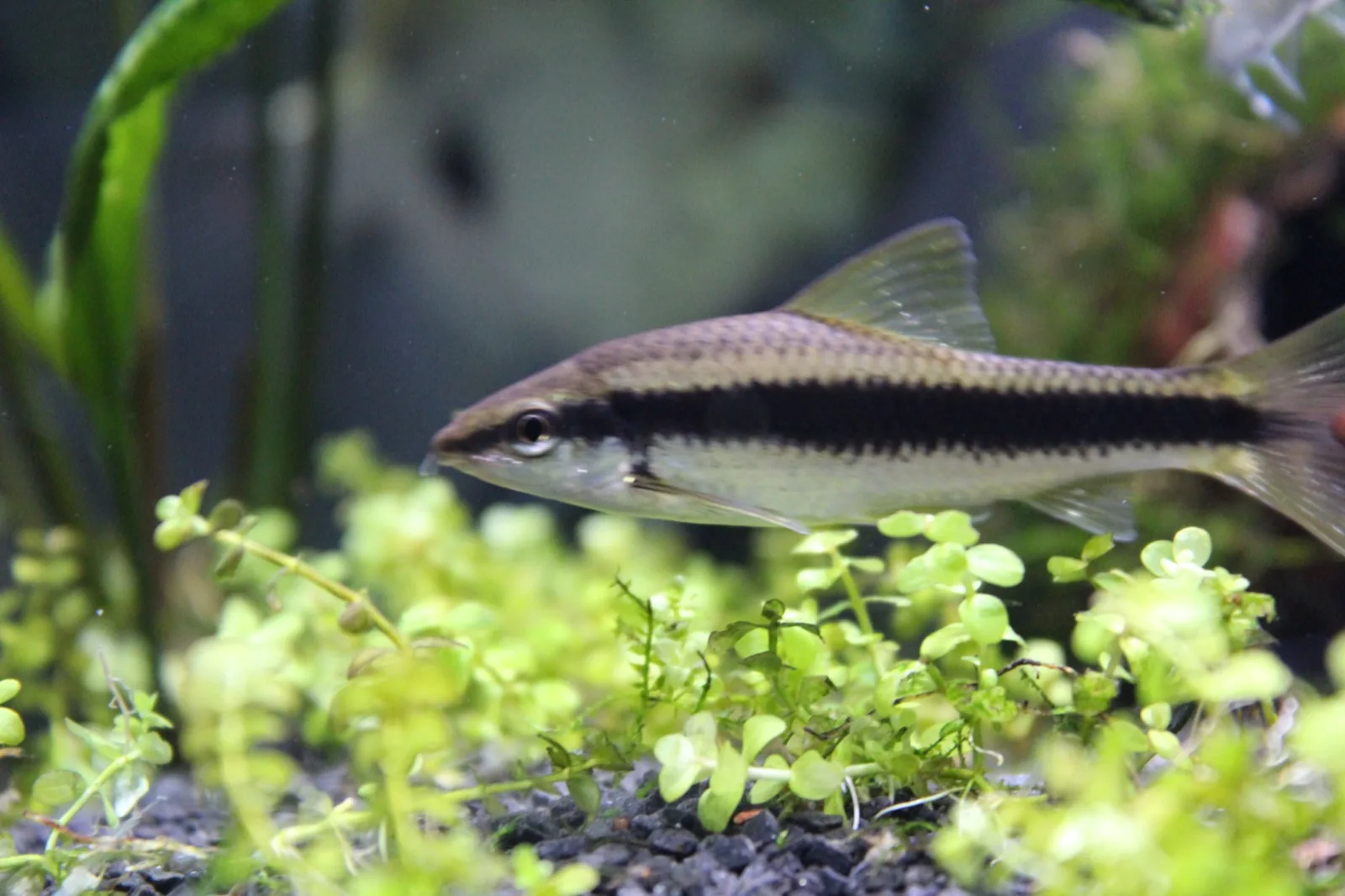
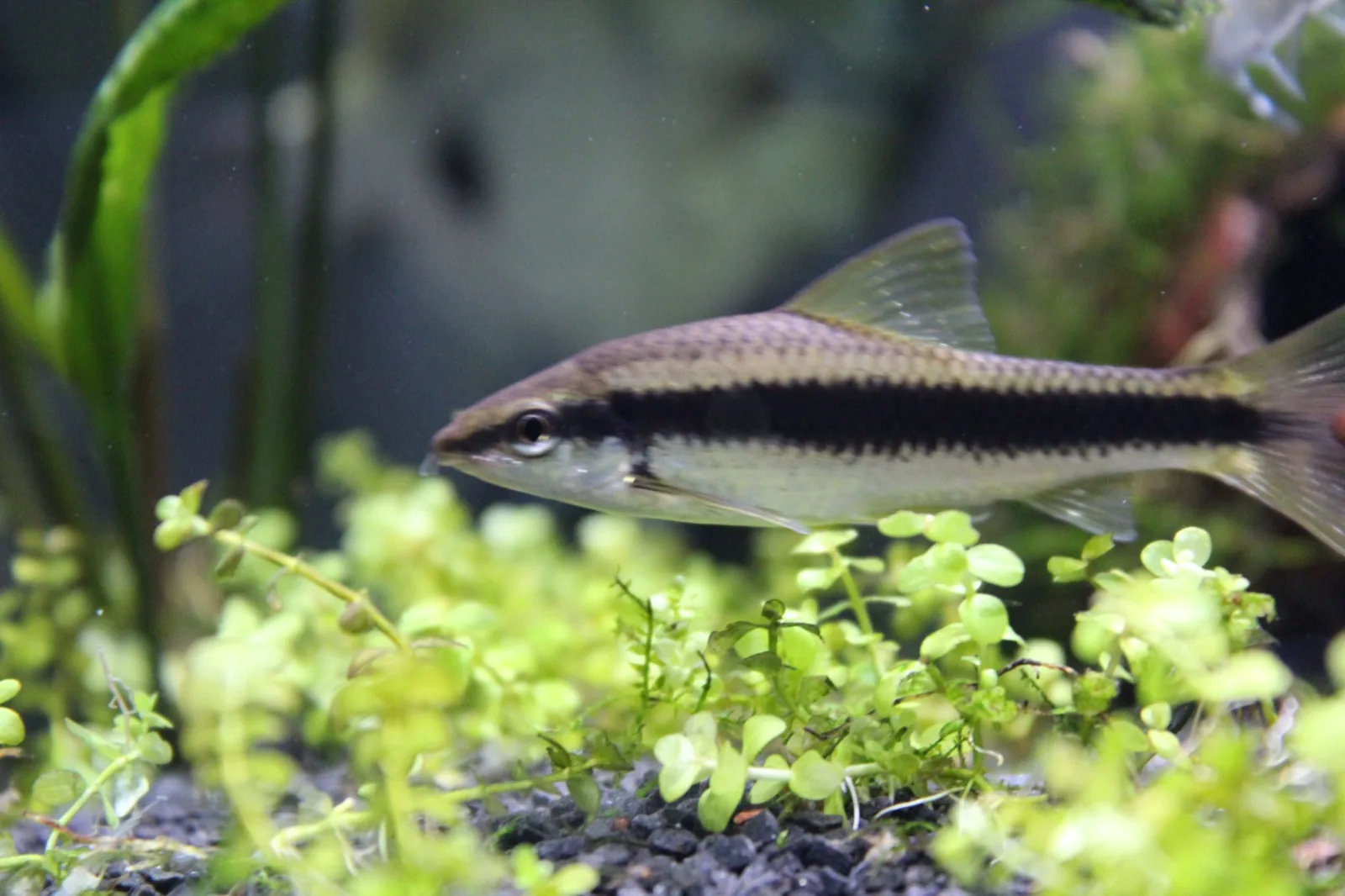
The legendary BBA eater. True Crossocheilus oblongus has a single solid black horizontal stripe extending into the tail; lookalikes (false SAEs, flying foxes) have either broken stripes or coloured fins. Buy from a knowledgeable source, misidentification is rampant in chain stores.

Siamese Algae Eater (Crossocheilus langei) reaches 12–15 cm as an adult and needs a minimum tank of 150 L. Native to Mainland Southeast Asia (Thailand, Malaysia, Indonesia), it lives in the bottom (grazes everywhere) water column with a peaceful (becomes mildly territorial as adult) temperament. Aim for 24–28 °C, pH 6.5–7.5, and 5–15 dGH hardness. Lifespan is 8–10 years with good care. Keep siamese algae eater in groups of 4+, loose group schoolers need numbers to display natural behaviour. Diet: omnivore (heavy algae grazer), Algae, biofilm, blanched veg, sinking pellets, occasional protein. Will eat dreaded black beard algae, one of very few fish that do. Plant-safe: Yes. Shrimp-safe: Yes (adults safe with adult shrimp).

  • Min tank150 L
  • TemperamentPeaceful (becomes mildly territorial as adult)
  • Plant-safeYes
  • Shrimp-safeYes (adults safe with adult shrimp)

Care at a glance

The legendary BBA eater. True Crossocheilus oblongus has a single solid black horizontal stripe extending into the tail; lookalikes (false SAEs, flying foxes) have either broken stripes or coloured fins. Buy from a knowledgeable source, misidentification is rampant in chain stores.

By Updated 2 min read

Part of our complete guide to aquarium fish for the planted tank.

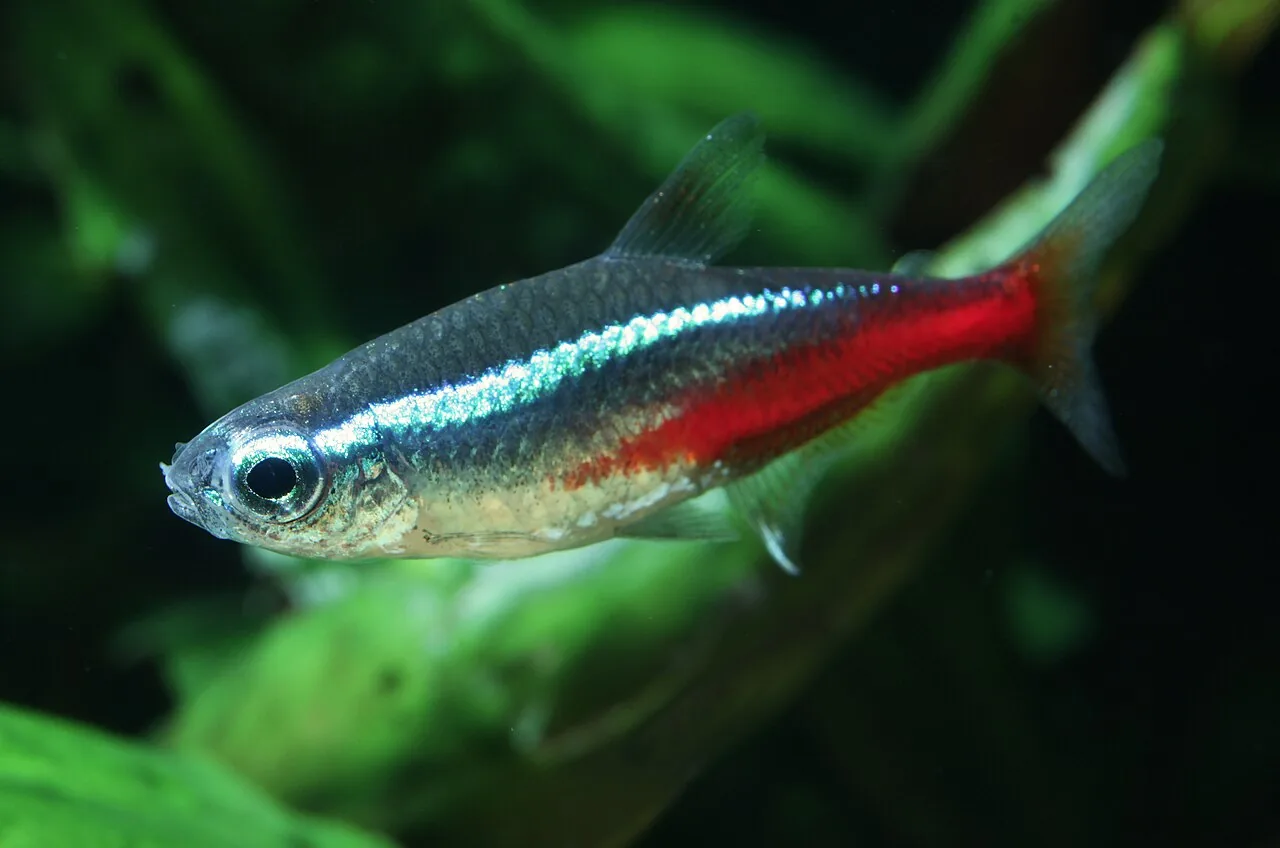
Siamese Algae Eater (Crossocheilus langei)
aleander2137 · CC BY-SA 4.0Source
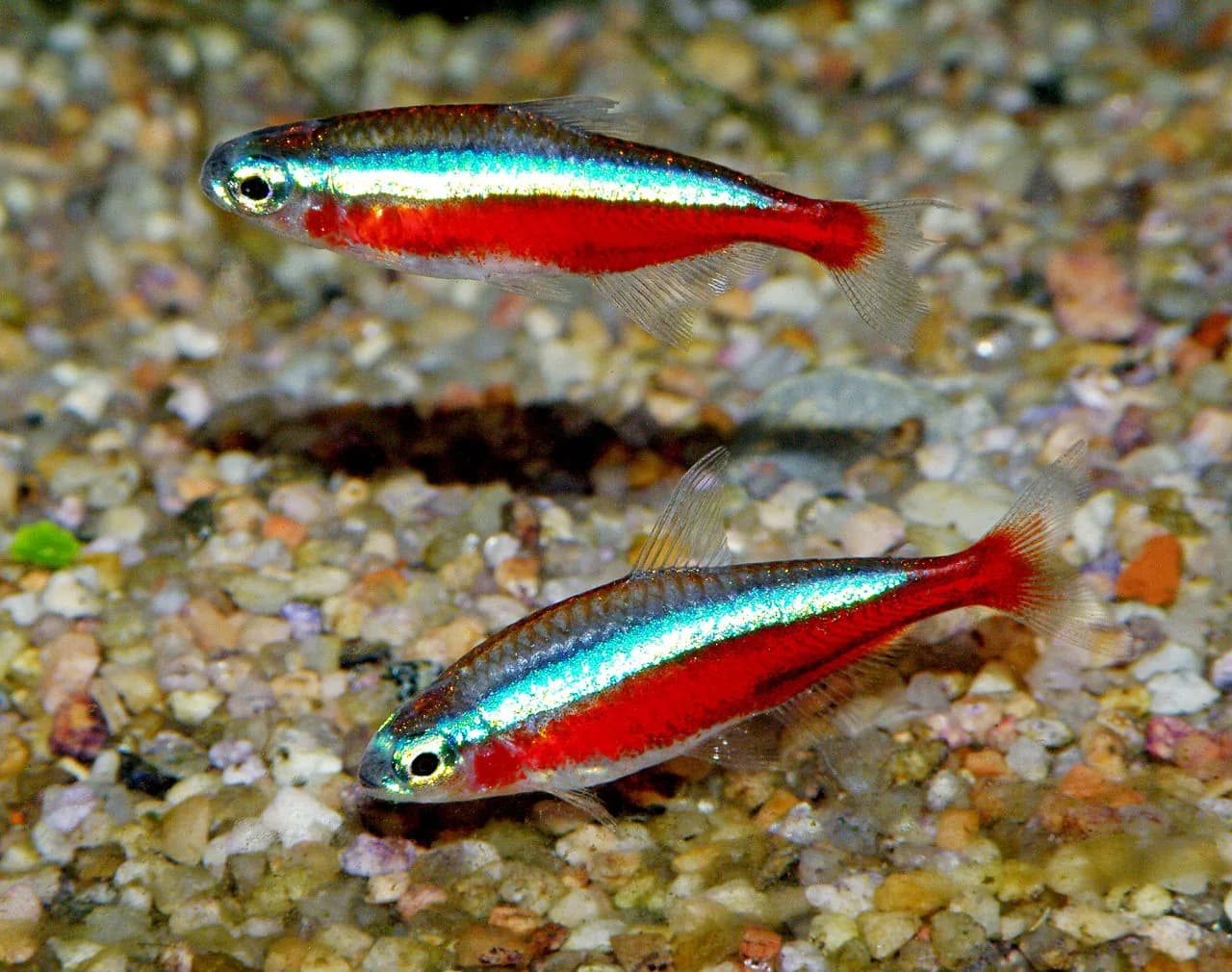
Siamese Algae Eater (Crossocheilus langei)
Usien · CC BY-SA 3.0Source
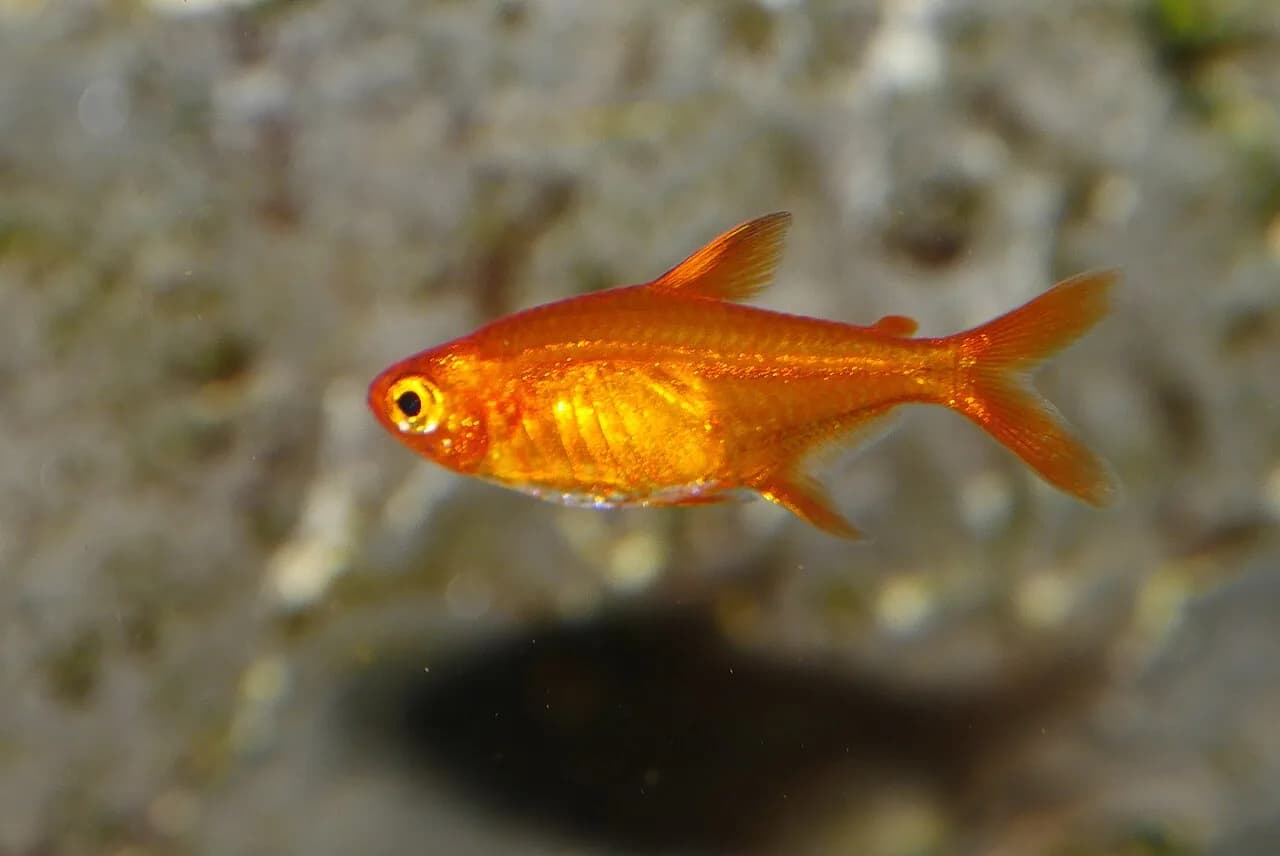
Siamese Algae Eater (Crossocheilus langei)
Published by Zoologische Mededelingen, at http://www.zoologischemededelingen.nl . Creative commons license published on main page. · CC BY 3.0Source
Siamese Algae Eater (Crossocheilus langei)
Chiroptera man · CC BY-SA 3.0Source
Siamese Algae Eater (Crossocheilus langei)
User:Ark pl wiki · CC BY 3.0Source

Hero photo by aleander2137 · CC BY-SA 4.0 · Wikipedia

Tank fit

The parameters that decide whether siamese algae eater fits in your tank.

Parameters

Temperature24–28 °C
15 °C20 °C25 °C30 °C
pH6.5–7.5
4.05.06.07.08.0
Hardness5–15 dGH
0 dGH5 dGH10 dGH15 dGH20 dGH25 dGH
Adult size12–15 cm
0481115
Water column

Bottom (grazes everywhere)

Schooling

No

Small group of 4+

FlowMedium to High
Still
Low
Medium
High
V. high

Profile

Family

Cyprinidae

Diet

Omnivore (heavy algae grazer)

Algae, biofilm, blanched veg, sinking pellets, occasional protein. Will eat dreaded black beard algae, one of very few fish that do.

Lifespan

8–10 yrs

Breeding

Very hard

Habitat

Fast-flowing forest streams across mainland Indochina

Mainland Southeast Asia (Thailand, Malaysia, Indonesia)

Who it lives with

Tank-mate safety and the species this one is documented to thrive (or fail) alongside.

Good tank mates

Most medium-sized community fish. Tetras, rasboras, gouramis, peaceful cichlids. They become mildly territorial with their own kind as adults — keep 4+ in a large tank to dilute aggression.

Avoid

Other 'algae eater' species (territorial overlap), very small nano fish (SAEs can be boisterous adults), shrimp colonies (they'll eat shrimplets and may chase adults).

See full compatibility cross-reference

Pro tips

Hard-won lessons from the tank.

The ONLY common community fish that reliably eats black beard algae. Add 1–2 young SAEs to a BBA-affected tank and within weeks the BBA is consumed. Once the tank is clean, SAEs may stop eating BBA and switch to easier foods — but the existing BBA is gone. Keep them well-fed with sinking veg wafers so they don't develop a taste for plant leaves.

Etymology

Genus 'Crossocheilus' = 'fringed lip' (referring to the unusual mouth structure). Species 'oblongus' = 'elongated'.

Things to watch for

What can go wrong and how to spot it.

Things to watch for

Failure modes, in order of how dramatic the fix is.

Health

Common diseases

Robust. Watch for ich during transport.

Often wrong

Misconceptions

ID disasters are everywhere in chain stores. The 'false SAE' (Garra cambodgiensis) doesn't eat BBA. The flying fox has red fin tips and a black-edged dorsal. The Chinese algae eater is a different family entirely and becomes aggressive as an adult.

How to care for it

The practical routine, read top to bottom.

  1. Tank setup

    150 L+ for adults. Open swimming space (they're active swimmers). Smooth rocks for grazing surfaces. Driftwood. Moderate flow with good oxygenation. They jump — tight-fit lid required.

  2. Quarantine

    3 weeks.

Background

Where it comes from, how it behaves, and the variants you'll see at retail.

Show background

In the wild

Where it lived before it came home.

Native rangeThailandMalay PeninsulaIndonesiaMainland Southeast Asia
Origin · Mainland Southeast Asia (Thailand, Malaysia, Indonesia)

Slow streams and rivers across mainland Southeast Asia. Sandy and rocky substrate with abundant submerged vegetation and biofilm-covered surfaces.

Wild diet

Algae (including hair algae and BBA), biofilm, fallen invertebrates, plant matter.

Conservation status

Habitat loss is a concern in some regions. Captive-bred stock dominates the trade.

Behavior & breeding

How they pair, reproduce, and grow.

  1. Stage 1
    Telling them apart

    Sexing

    Females slightly fuller-bodied when mature; males slimmer. Difficult to sex with confidence outside breeding condition.

  2. Stage 2
    Pairing & spawning

    Breeding

    Almost never bred in home tanks. Commercial stock is farmed via hormone induction in Southeast Asian fish farms.

Variants & identification

The named cultivars and the lookalikes worth flagging.

Color forms
false SAEflying foxChinese algae eater

True wild type only. Frequently confused with the 'false SAE' (Garra cambodgiensis), 'flying fox' (Epalzeorhynchos kalopterus), and 'Chinese algae eater' (Gyrinocheilus aymonieri). True C. oblongus has: a single solid black stripe extending through the caudal fin, transparent fins (no red/yellow tips), and a slightly forked tail.

Frequently asked questions

Direct answers to the questions search engines and AI assistants surface most often about this species.

What is the minimum tank size for Siamese Algae Eater?

Siamese Algae Eater (Crossocheilus langei) needs a minimum tank of 150 L. They live in the bottom (grazes everywhere) water column and should be kept in groups of 4+, so a longer footprint matters more than depth.

What water parameters do Siamese Algae Eater need?

Target 24–28 °C, pH 6.5–7.5, and 5–15 dGH hardness. Acclimate slowly when moving them between water sources.

Are Siamese Algae Eater safe with shrimp?

Shrimp safety: Yes (adults safe with adult shrimp). Plant safety: Yes.
What do Siamese Algae Eater eat?

Siamese Algae Eater are omnivore (heavy algae grazer). Algae, biofilm, blanched veg, sinking pellets, occasional protein. Will eat dreaded black beard algae, one of very few fish that do.

Are Siamese Algae Eater beginner-friendly?

On Fin & Stem's 1–5 difficulty scale this species rates 2/5. Forgiving, beginner-friendly once the tank is cycled. Breeding difficulty: very hard.

How long do Siamese Algae Eater live?

Typical lifespan in a well-maintained tank is 8–10 years.

Sources & further reading

Cross-references

Build the rest of the tank.

A planted tank is a system. Pair this fish with one entry from each other pillar to plan the whole scape.