Fin & Stem logo
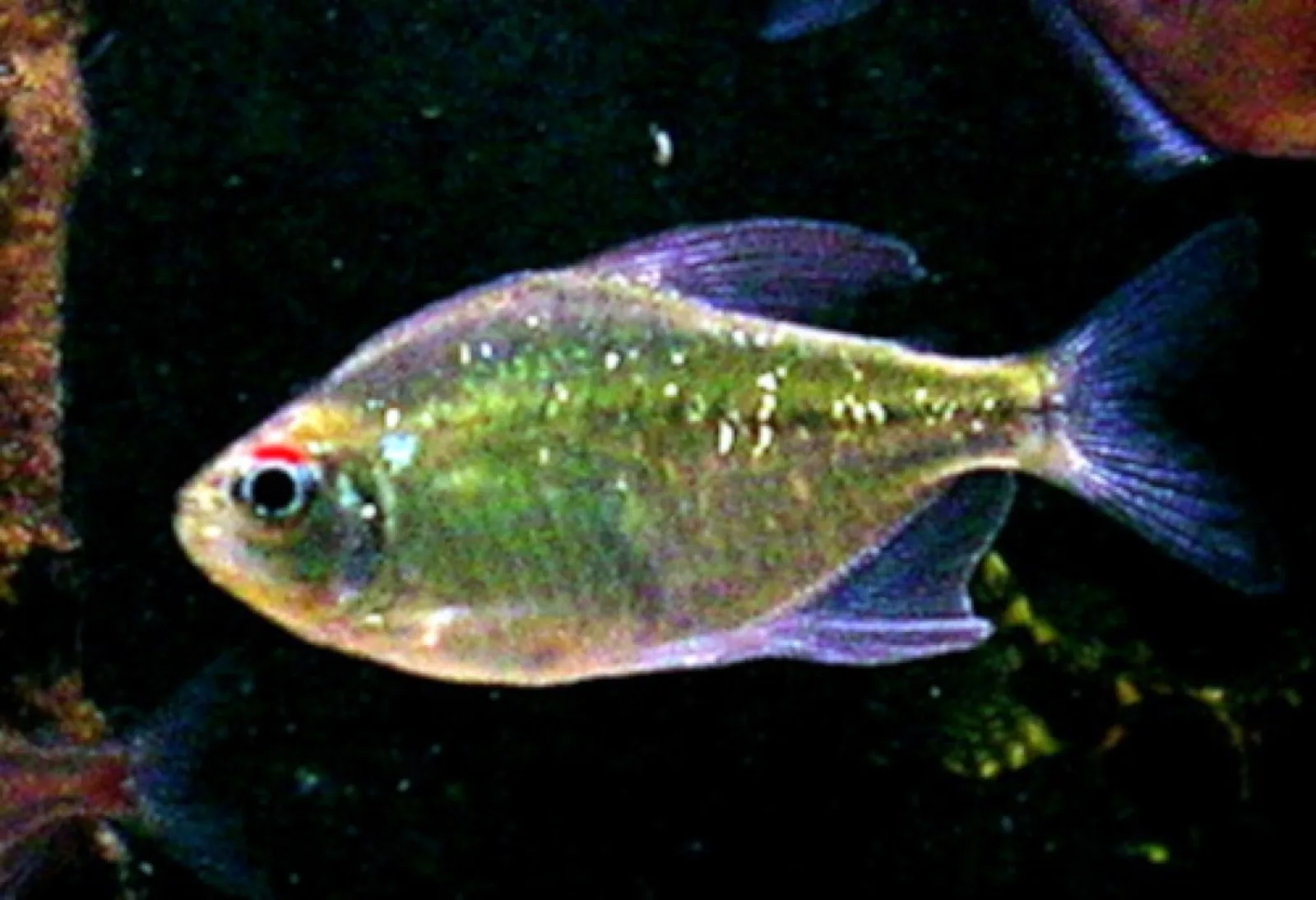
Diamond Tetra (Moenkhausia pittieri)
Fish

Diamond Tetra

Moenkhausia pittieri

Lake Valencia basin, VenezuelaEasy

TL;DR, Diamond Tetra

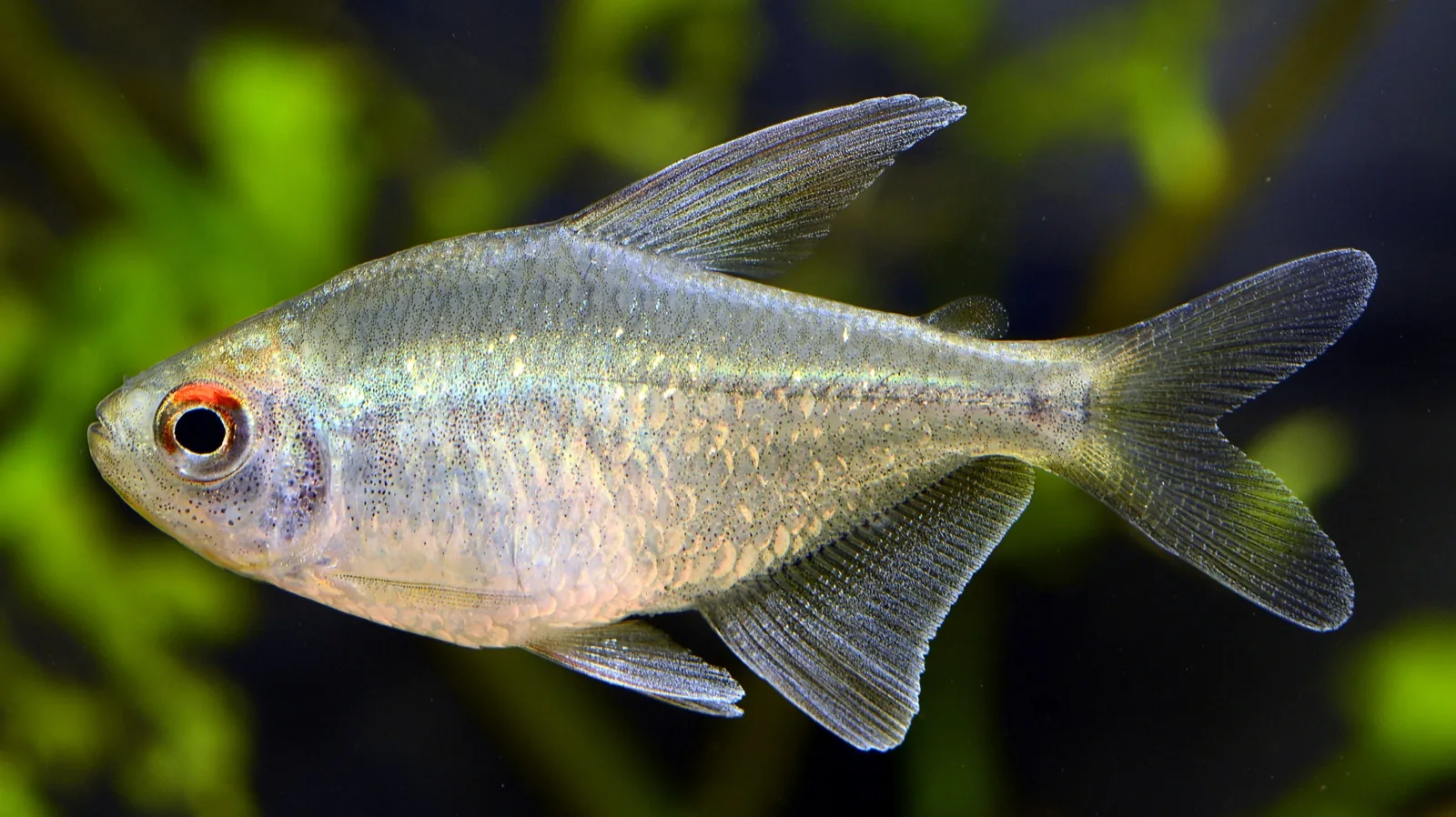
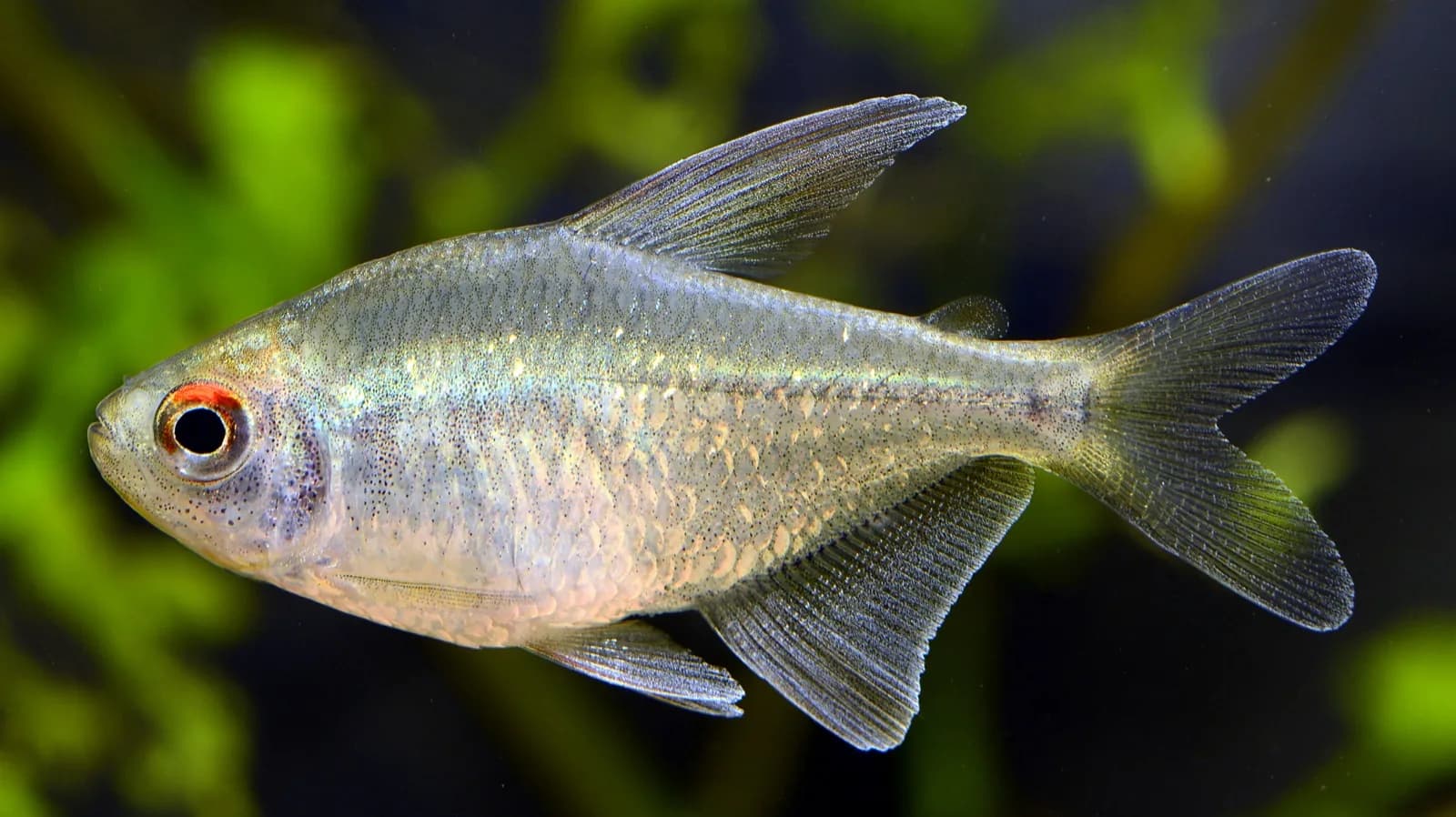
Iridescent silver-gold scales catch every angle of light. Plain juveniles transform into sparkling adults over 6–9 months. Males develop extended dorsal and anal rays. A planted-tank classic in the AGA showroom tradition.

Diamond Tetra (Moenkhausia pittieri) reaches 5–6 cm as an adult and needs a minimum tank of 100 L. Native to Lake Valencia basin, Venezuela, it lives in the mid water column with a peaceful temperament. Aim for 24–28 °C, pH 6.0–7.5, and 4–15 dGH hardness. Lifespan is 4–6 years with good care. Keep diamond tetra in groups of 6+, yes schoolers need numbers to display natural behaviour. Diet: omnivore, Flake, micro pellets, frozen daphnia, bloodworms, occasional plant matter. Plant-safe: Yes. Shrimp-safe: Mostly (may eat shrimplets).

  • Min tank100 L
  • TemperamentPeaceful
  • Plant-safeYes
  • Shrimp-safeMostly (may eat shrimplets)

Care at a glance

Iridescent silver-gold scales catch every angle of light. Plain juveniles transform into sparkling adults over 6–9 months. Males develop extended dorsal and anal rays. A planted-tank classic in the AGA showroom tradition.

By Updated 2 min read

Part of our complete guide to aquarium fish for the planted tank.

Diamond Tetra (Moenkhausia pittieri)
SOK · CC BY-SA 4.0Source
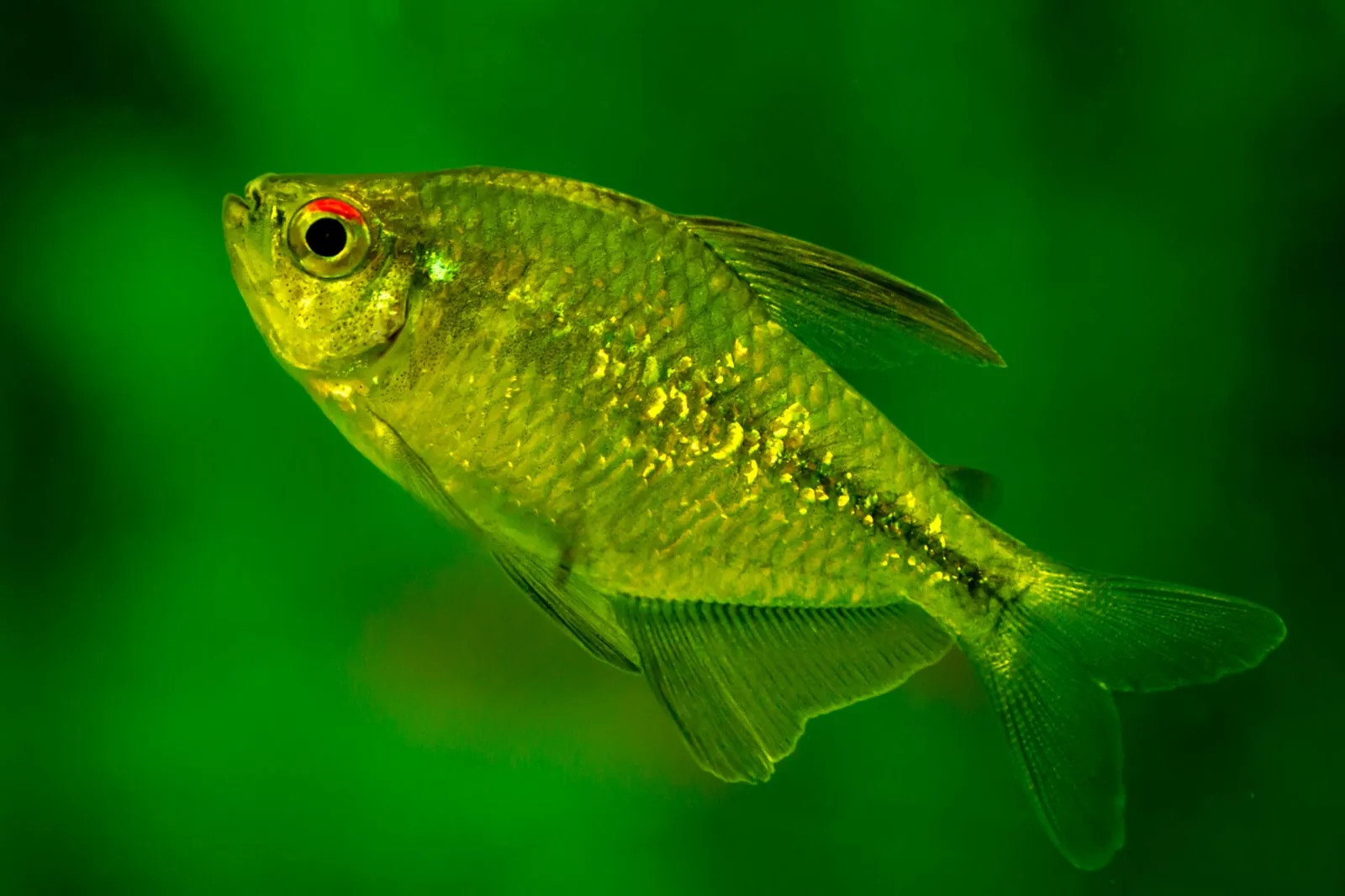
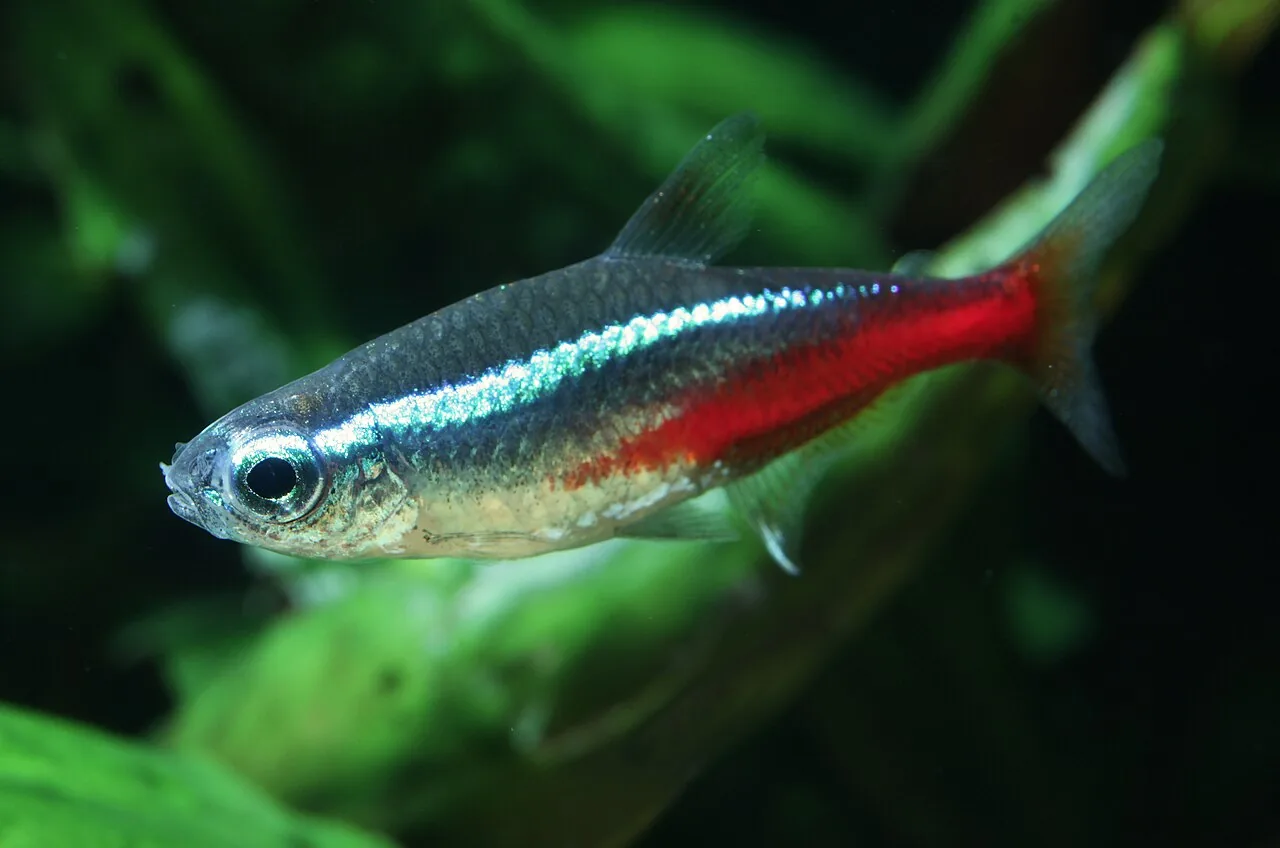
Diamond Tetra (Moenkhausia pittieri)
Michael Palmer · CC BY-SA 4.0Source
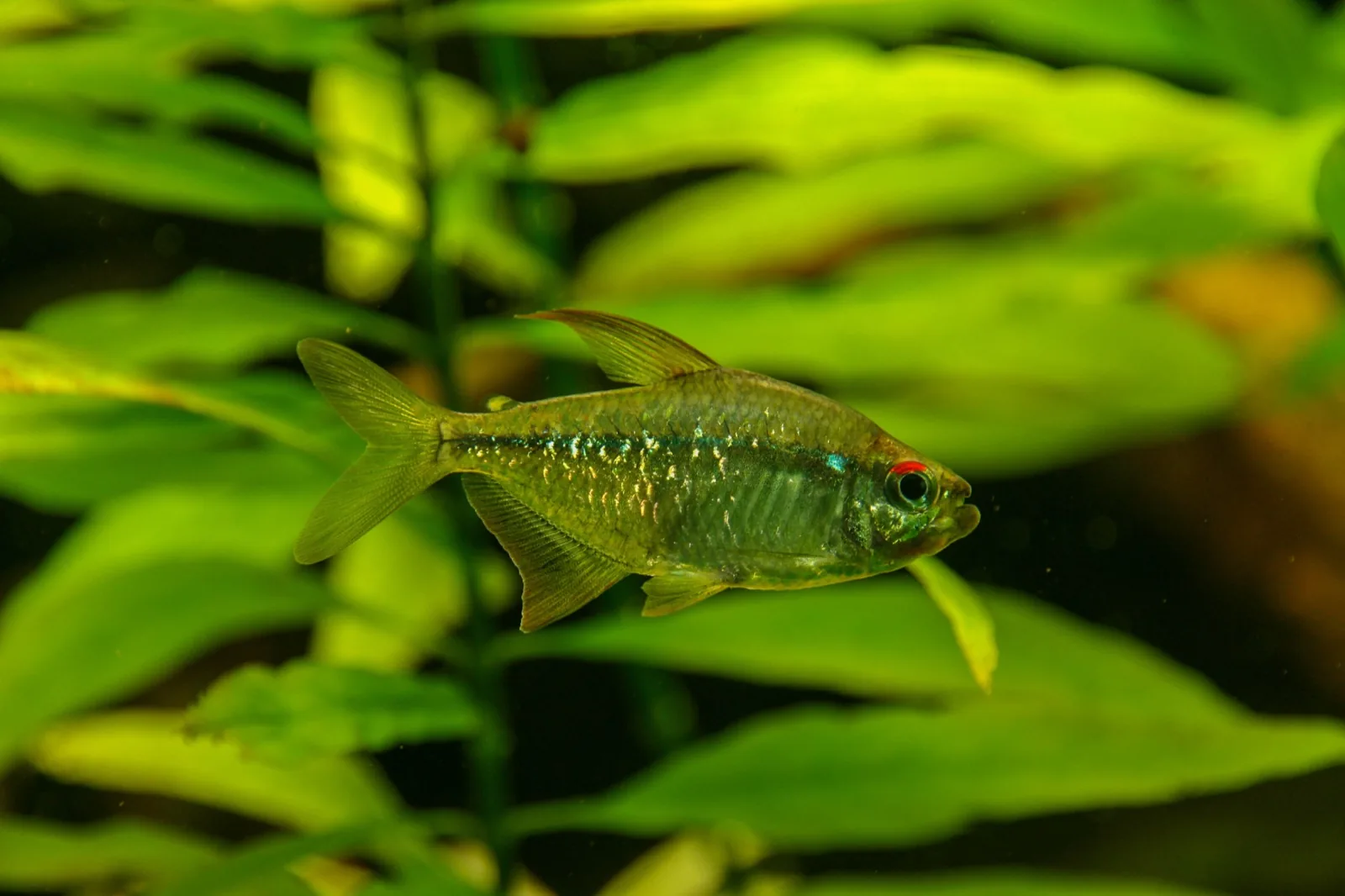
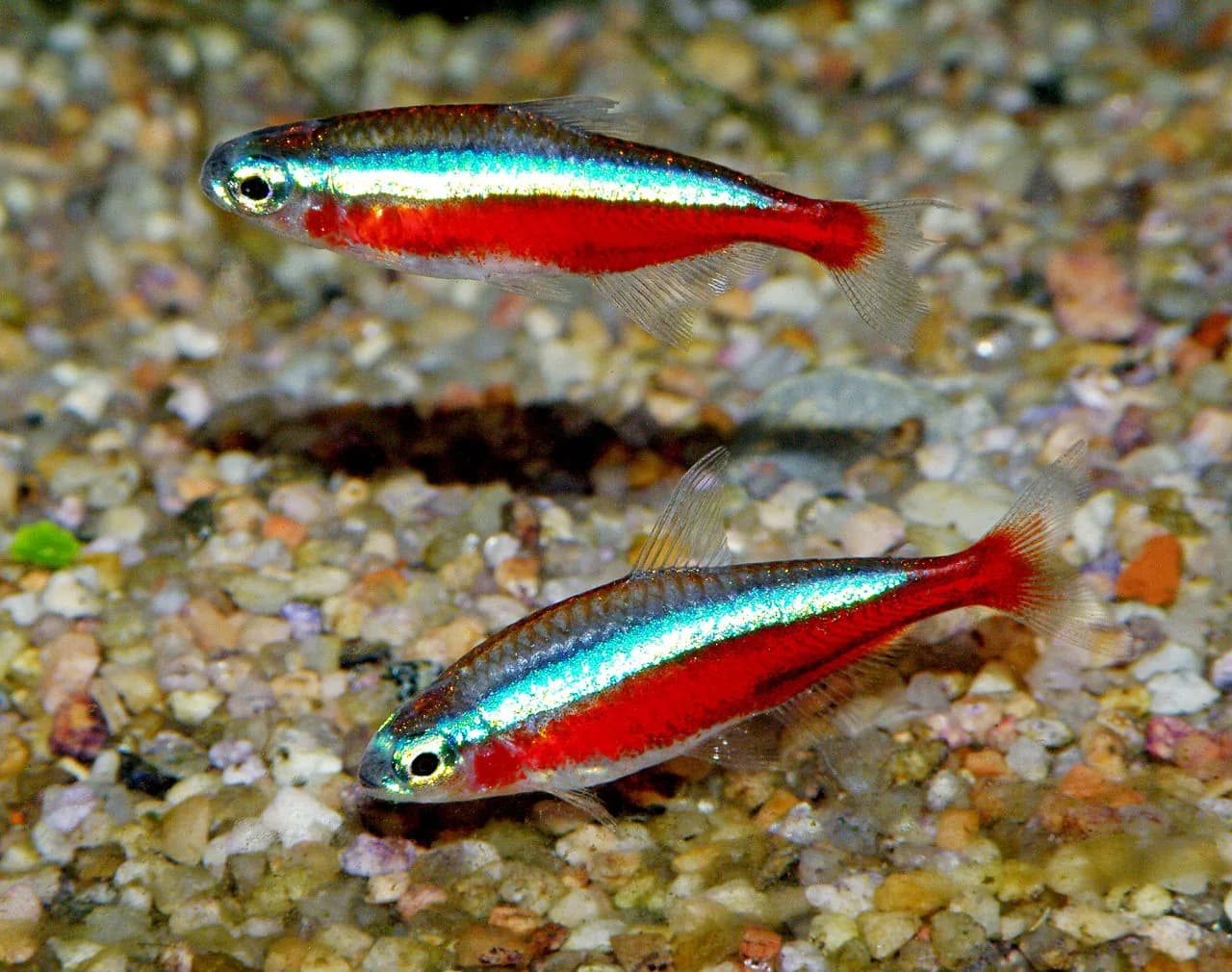
Diamond Tetra (Moenkhausia pittieri)
User:A,Ocram · CC0Source
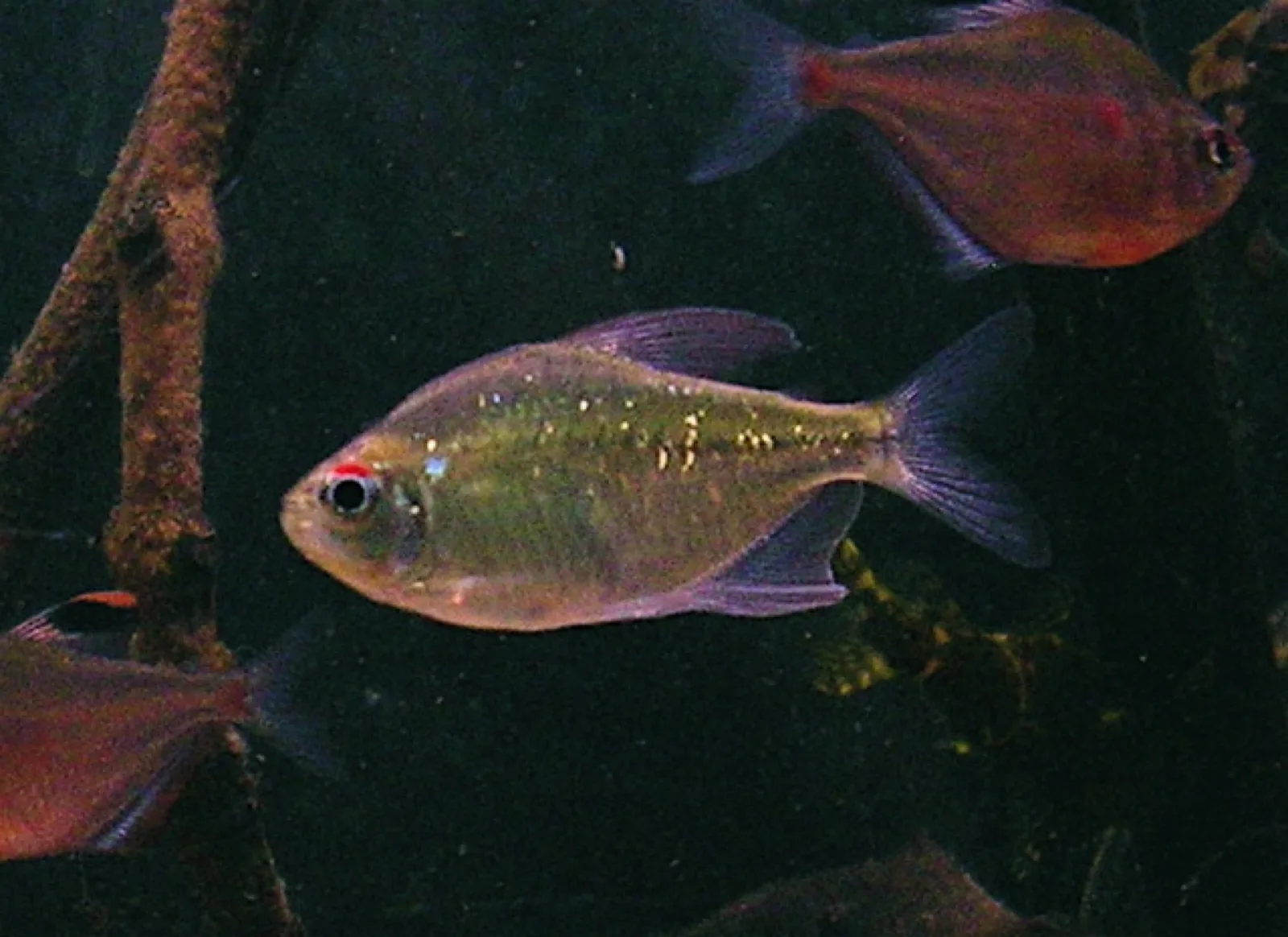
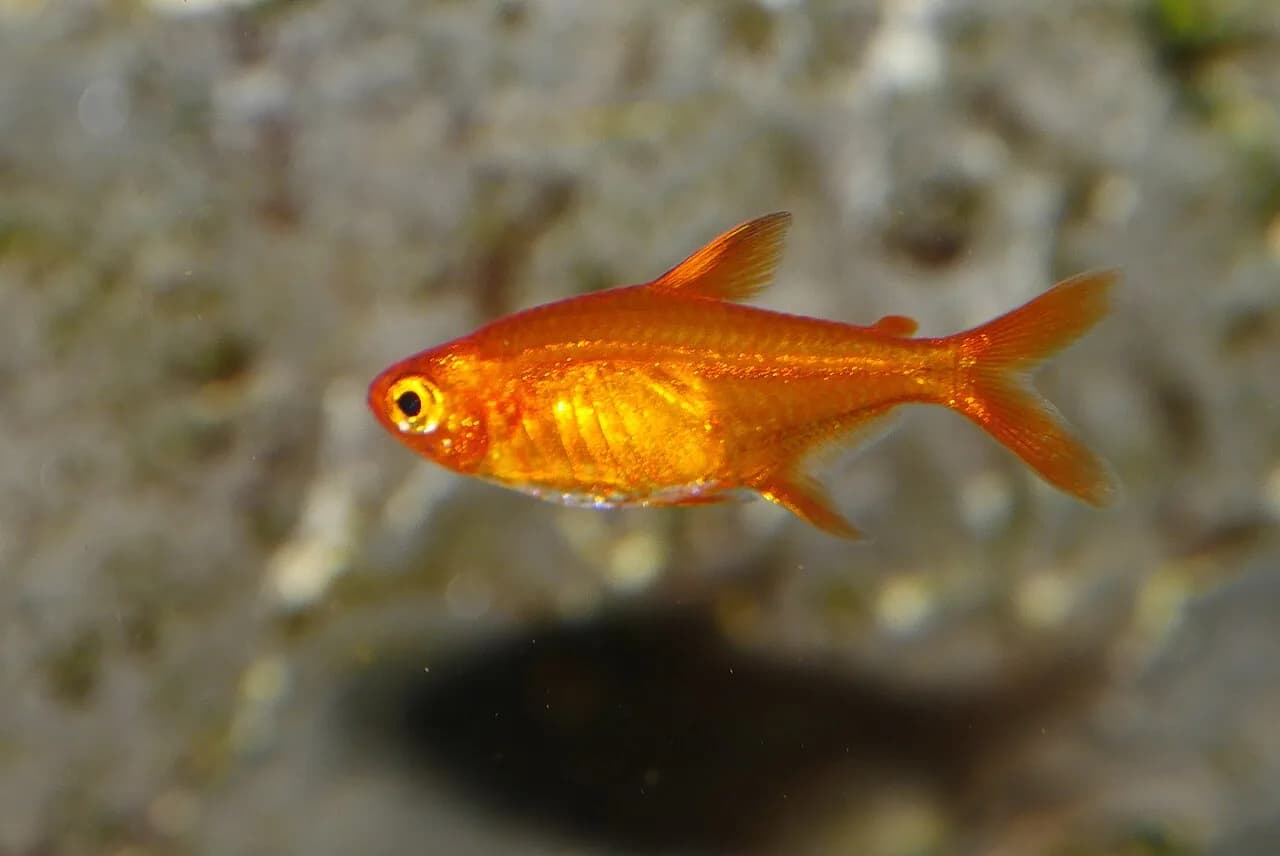
Diamond Tetra (Moenkhausia pittieri)
Neale Monks at English Wikipedia · CC BY-SA 3.0Source
Diamond Tetra (Moenkhausia pittieri)
Neale Monks at English Wikipedia · CC BY-SA 3.0Source

Hero photo by SOK · CC BY-SA 4.0 · Wikipedia

Tank fit

The parameters that decide whether diamond tetra fits in your tank.

Parameters

Temperature24–28 °C
15 °C20 °C25 °C30 °C
pH6.0–7.5
4.05.06.07.08.0
Hardness4–15 dGH
0 dGH5 dGH10 dGH15 dGH20 dGH25 dGH
Adult size5–6 cm
0481115
Water column

Mid

Schooling

Yes

Group of 6+

FlowLow to Medium
Still
Low
Medium
High
V. high

Profile

Family

Characidae

Diet

Omnivore

Flake, micro pellets, frozen daphnia, bloodworms, occasional plant matter.

Lifespan

4–6 yrs

Breeding

Medium

Habitat

Vegetated shore margins of Lake Valencia, Venezuela

Lake Valencia basin, Venezuela

Who it lives with

Tank-mate safety and the species this one is documented to thrive (or fail) alongside.

Good tank mates

Most peaceful South American community fish: cardinal tetras, rummynose tetras, corydoras, dwarf cichlids (apistogramma, ram). They're large enough not to be eaten by most predators.

Avoid

Fin-nippers (tiger barbs, serpae tetras), aggressive cichlids. Avoid mixing with smaller more delicate fish — diamonds out-compete at feeding.

See full compatibility cross-reference

Pro tips

Hard-won lessons from the tank.

Display group of 8+ in a long planted tank with dim warm lighting. The iridescence shifts colour based on viewing angle — silver, gold, blue, green flashes as they turn. Pair with a school of dark-coloured fish (like rummynose) for visual contrast. Buy from a single source to ensure consistent genetics and maximize finnage development.

Etymology

Genus 'Moenkhausia' honours German-American ichthyologist William J. Moenkhaus. Species 'pittieri' honours Swiss-born botanist Henri Pittier who explored Venezuela.

Things to watch for

What can go wrong and how to spot it.

Things to watch for

Failure modes, in order of how dramatic the fix is.

Health

Common diseases

Robust. Watch for fin damage if kept with fin-nippers — those flowing fins are tempting targets.

Often wrong

Misconceptions

Juvenile diamonds look plain and uninteresting — the iridescence develops over months. Many shoppers walk past them. Buy a group of young diamonds and watch them transform.

How to care for it

The practical routine, read top to bottom.

  1. Tank setup

    100 L+ for a meaningful group. Open swimming space with planted edges. Dim warm lighting brings out the iridescence; bright cool lighting washes them out. Sand or fine gravel.

  2. Quarantine

    3 weeks. Standard tetra care.

Background

Where it comes from, how it behaves, and the variants you'll see at retail.

Show background

In the wild

Where it lived before it came home.

Native rangeLake Valencia, VenezuelaVenezuela
Origin · Lake Valencia basin, Venezuela

Lake Valencia drainage in northern Venezuela. Moderately hard slightly alkaline water — softer than most South American characins. Vegetated lake margins with sandy substrate.

Wild diet

Insect larvae, small crustaceans, plant matter, biofilm. Genuinely omnivorous — they pick at soft algae and plants more than most tetras.

Conservation status

Lake Valencia habitat is heavily impacted by human activity — wild populations are reduced. Captive-bred stock is plentiful and stable.

Behavior & breeding

How they pair, reproduce, and grow.

  1. Stage 1
    Telling them apart

    Sexing

    Mature males develop dramatically extended dorsal and anal fin rays — like flowing ribbons. Females stay rounder with shorter fins. Juvenile males look identical to females; the difference emerges over 6–9 months.

  2. Stage 2
    Pairing & spawning

    Breeding

    Egg scatterers in soft acidic water. Drop pH to 6.0–6.5, temperature 26 °C, dense moss. Adults eat eggs aggressively — separate after spawning. Fry need infusoria for the first week.

Variants & identification

The named cultivars and the lookalikes worth flagging.

Color forms

Wild type only. Lake Valencia origin is sometimes called the 'Valencian diamond' but it's the same species.

Frequently asked questions

Direct answers to the questions search engines and AI assistants surface most often about this species.

What is the minimum tank size for Diamond Tetra?

Diamond Tetra (Moenkhausia pittieri) needs a minimum tank of 100 L. They live in the mid water column and should be kept in groups of 6+, so a longer footprint matters more than depth.

What water parameters do Diamond Tetra need?

Target 24–28 °C, pH 6.0–7.5, and 4–15 dGH hardness. Acclimate slowly when moving them between water sources.

Are Diamond Tetra safe with shrimp?

Shrimp safety: Mostly (may eat shrimplets). Plant safety: Yes.

What do Diamond Tetra eat?

Diamond Tetra are omnivore. Flake, micro pellets, frozen daphnia, bloodworms, occasional plant matter.

Are Diamond Tetra beginner-friendly?

On Fin & Stem's 1–5 difficulty scale this species rates 2/5. Forgiving, beginner-friendly once the tank is cycled. Breeding difficulty: medium.

How long do Diamond Tetra live?

Typical lifespan in a well-maintained tank is 4–6 years.

Sources & further reading

Cross-references

Build the rest of the tank.

A planted tank is a system. Pair this fish with one entry from each other pillar to plan the whole scape.