
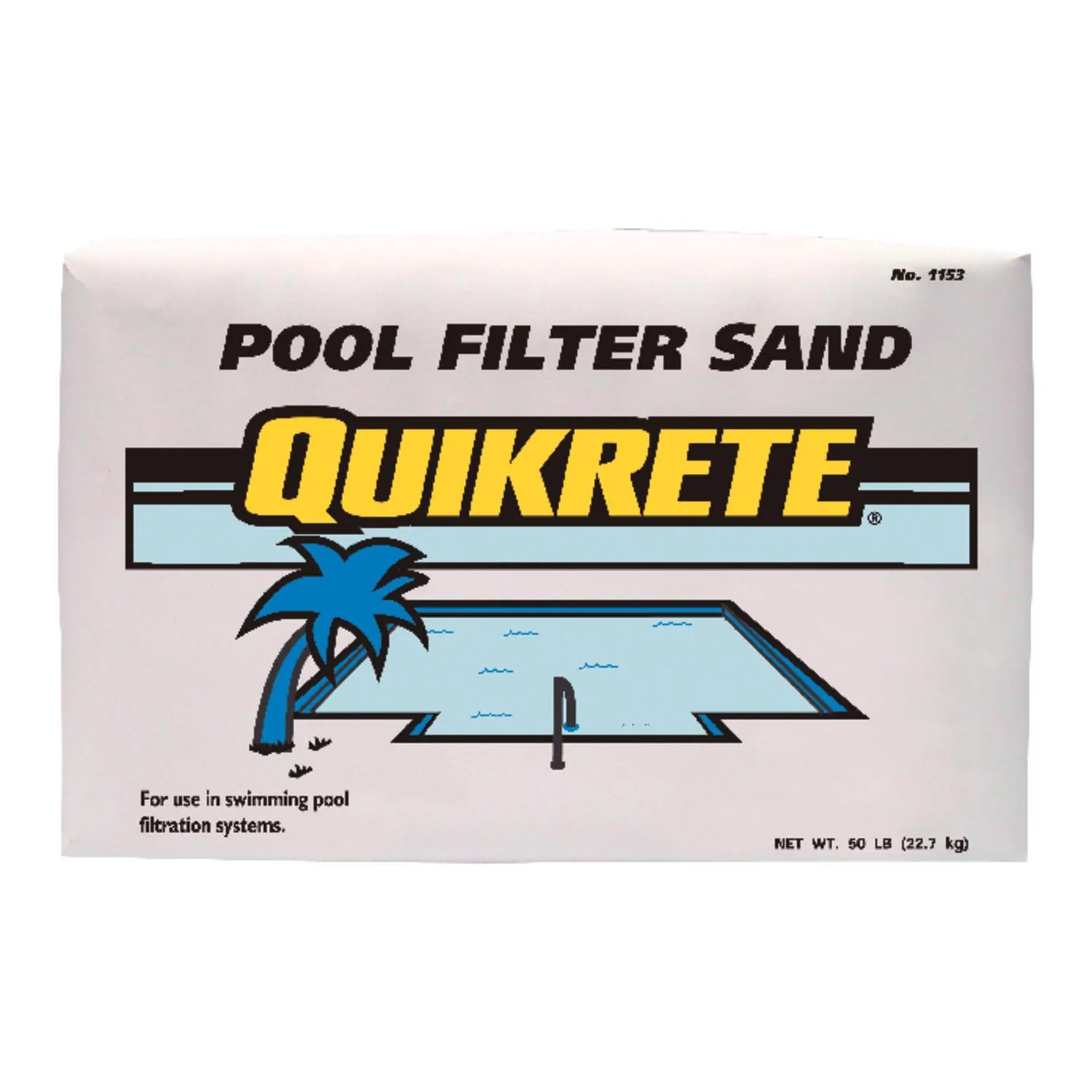
Various (HTH, Pavestone, generic pool supply) · Inert sand & gravel
Pool filter sand (PFS)
Various · Tan to pale brown · grain 0.4 to 0.6 mm
External link to aquariumcoop.com, opens in a new tab.
TL;DR, Pool filter sand (PFS)
Pool filter sand is silica sand sold for swimming pool filtration. Budget planted tanks, especially with root tabs supplementing the nutrient delivery.
Full specs
- Brand
- Various (HTH, Pavestone, generic pool supply)
- Country of origin
- Various
- Category
- Inert sand & gravel
- Colour
- Tan to pale brown
- Grain size
- 0.4 to 0.6 mm
- pH target
- Neutral
- pH effect
- Neutral
- KH effect
- Neutral
- Ammonia release
- None
- Nutrient content
- None
- Buffering longevity
- Permanent
- Recommended water
- Any
- Difficulty
- 1 / 5
- Shrimp-safe
- Yes
- Best for
- Budget-conscious builds, corydoras tanks, natural-look scapes
How it works
Pool filter sand is silica sand sold for swimming pool filtration. The grain is uniformly sized (around 0.45 mm), pre-washed for clarity, and chemically inert. The cost per kilogram is roughly one tenth that of aquarium-branded sand.
Best use cases
Budget planted tanks, especially with root tabs supplementing the nutrient delivery. Corydoras tanks where the soft fine grain protects barbels. Naturalistic scapes that benefit from a pale substrate.
Common mistakes
Some pool filter sand is treated with anti-algal chemicals (especially older stock) and is unsafe for aquarium use. Always check the bag and source from pool supply stores where the sand is sold as "filter sand" rather than "pool sand with algaecide".
Pro tips
Pre-rinse the sand thoroughly even though it is sold pre-washed. The first water column will still be cloudy for a few hours but clears within a day. Plants need root tabs every three to four months because the substrate provides no nutrients.
Plants that thrive in this substrate
Hand-curated pairings based on the substrate category, not a relational query.
- Anubias Barteri NanaAnubias barteri var. nanaRhizome plant attached to hardscape, never touches the substrate so sand is perfect.
- Java FernMicrosorum pteropusAnother epiphyte, ties to wood or stone above the substrate.
- Vallisneria SpiralisVallisneria spiralisTolerates pure sand if root tabs are dosed near each crown every couple of months.
- Amazon SwordEchinodorus grisebachiiHeavy root feeder, needs root tabs every 2 to 3 months to thrive in plain sand.
Sources & further reading
Compare against another substrate.
Line up to four substrates side by side. Spec table, pH effect, ammonia release, nutrient content, shrimp safety.
Open the compare tool