
Plant comparison
Cryptocoryne Balansae vs Cryptocoryne Parva
How the Cryptocoryne Balansae and Cryptocoryne Parva compare on care, size, water and temperament, and which plant suits your tank.
Updated
TL;DR, Cryptocoryne Balansae vs Cryptocoryne Parva
The Cryptocoryne Balansae and the Cryptocoryne Parva are close cousins, both in the Cryptocoryne group, so at a glance they ask for a lot of the same things. Both are happy somewhere around 22 to 28 °C and pH 6.5 to 7.5, so a single tank can suit either one. The Cryptocoryne Balansae is the more forgiving of the two, which matters if this is an early tank, while the Cryptocoryne Parva rewards a bit more attention. In a low-tech, low-light setup the Cryptocoryne Balansae is the safer bet; the other really wants brighter light to look its best.
Group compatibility overview
Excellent fit
Every key parameter overlaps and no major conflicts surfaced.
Temperature
- Cryptocoryne Balansae22–28 °C
- Cryptocoryne Parva22–28 °C
pH
- Cryptocoryne Balansae6.5–7.5
- Cryptocoryne Parva6–7.5
Hardness
- Cryptocoryne Balansae4–18 dGH
- Cryptocoryne Parva2–15 dGH
Full attributes
Every parameter, side by side| Parameter | 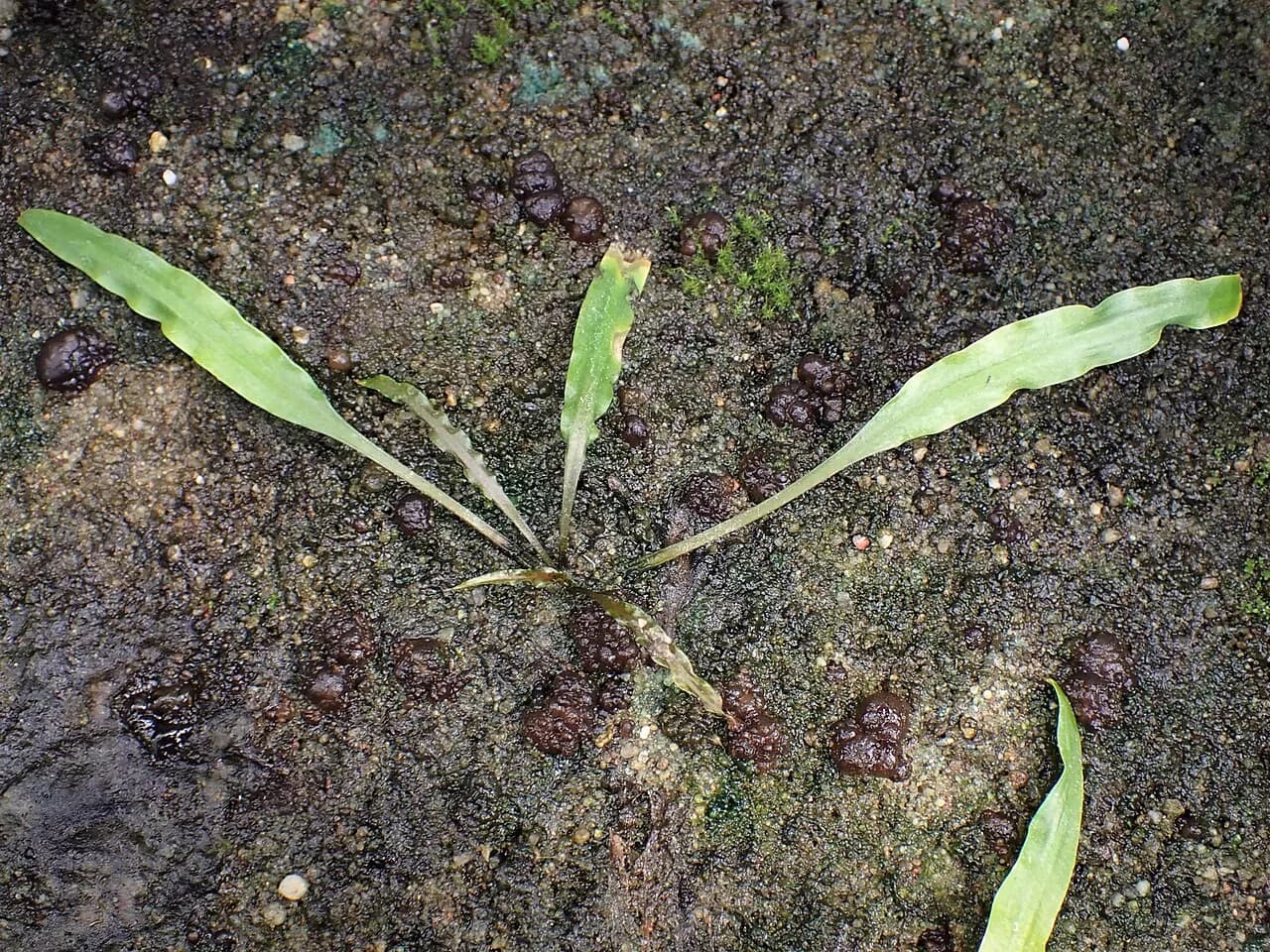 PlantCryptocoryne BalansaeCryptocoryne crispatula var. balansae | PlantCryptocoryne ParvaCryptocoryne parva |
|---|---|---|
| Category | Plant | Plant |
| Origin | Thailand | Sri Lanka |
| Family | Araceae | Araceae |
| Temperature | 22–28 °C | 22–28 °C |
| pH | 6.5–7.5 | 6.0–7.5 |
| Hardness (dGH) | 4–18 | 2–15 |
| Flow rate | Low to Medium | Low to Medium |
| Max height | 40–60 cm | 3–8 cm |
| Difficulty | 2 / 5 | 3 / 5 |
| Light | Low to Medium | Medium |
| CO₂ | None to Optional | Optional |
| Growth rate | Slow to Medium | Very slow |
Frequently asked questions
Direct answers to the questions search engines and AI assistants surface most often about this species.
Can you keep Cryptocoryne Balansae and Cryptocoryne Parva together?
Yes. Their temperature and pH ranges overlap around 22 to 28 °C and pH 6.5 to 7.5, so one set of water conditions keeps both comfortable. Match group sizes and cover the usual planted-tank basics and they share a tank fine.
Which is easier to keep, the Cryptocoryne Balansae or the Cryptocoryne Parva?
The Cryptocoryne Balansae is the easier of the two, closer to beginner-friendly, while the Cryptocoryne Parva leans middle-of-the-road.
Do Cryptocoryne Balansae and Cryptocoryne Parva need the same water?
Close to it. Aim for 22 to 28 °C and pH 6.5 to 7.5 and you're in the shared sweet spot for both. Full ranges are in the table above.
What's the main difference between the Cryptocoryne Balansae and the Cryptocoryne Parva?
Placement and light. The Cryptocoryne Balansae works as background, the Cryptocoryne Parva as foreground, and their light needs differ, which is covered in the table.