
Algae ID
What algae have you got?
Green fuzz, black tufts, brown dust, a slimy sheet, they all mean different things and want different fixes. Tell us the colour, the texture and where it's growing, and we'll narrow it down, then give you the fix that works and the clean-up crew that helps.
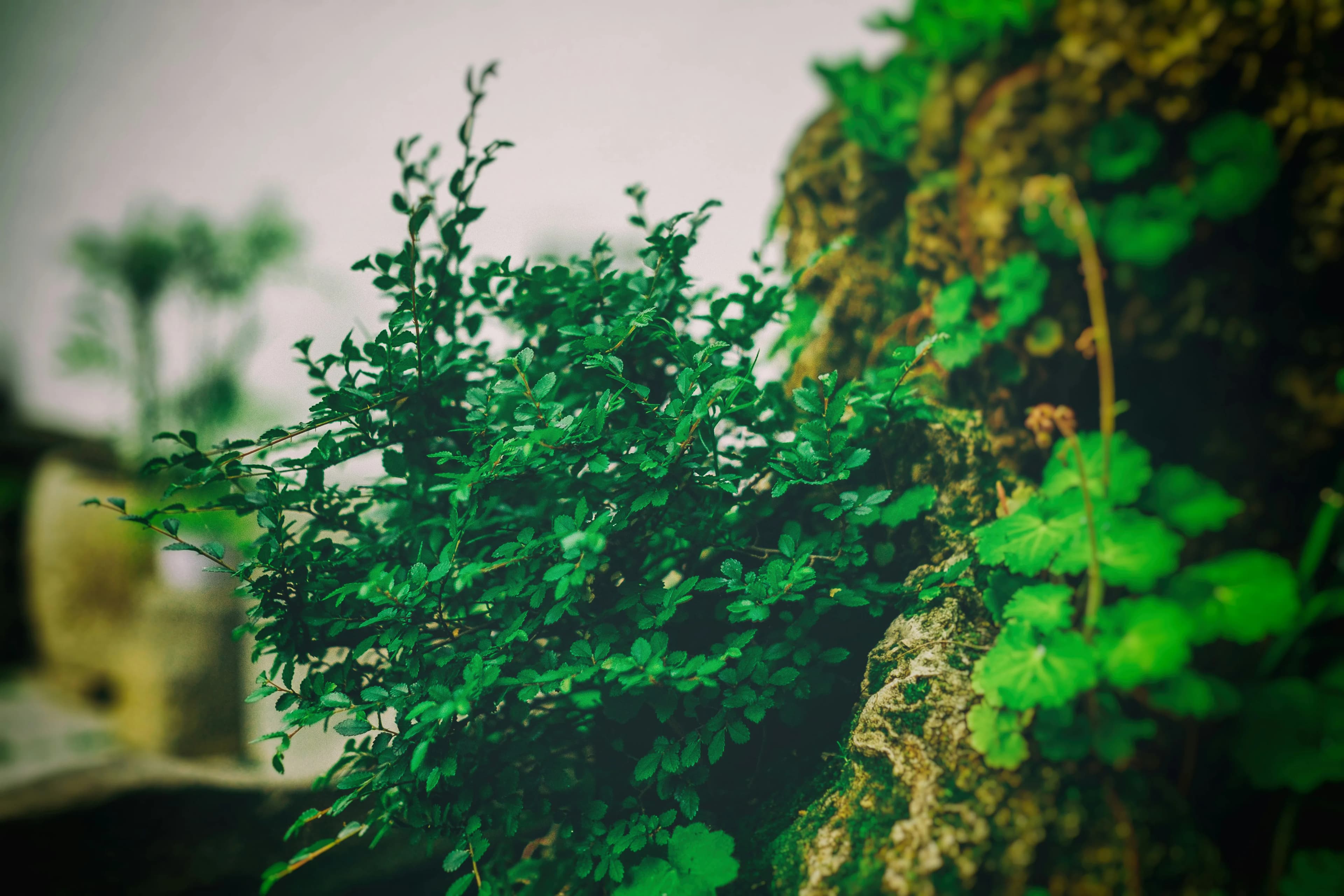
Photo: Jerry Wang· Unsplash
What colour is it?
What does it look like?
Where is it growing?
11 common types
- Green Spot AlgaeNuisance
Hard little green dots on the glass and on old, slow-growing leaves.
How to fix it - Green Dust AlgaeNuisance
A fine green haze on the glass that wipes off, then comes back within days.
How to fix it 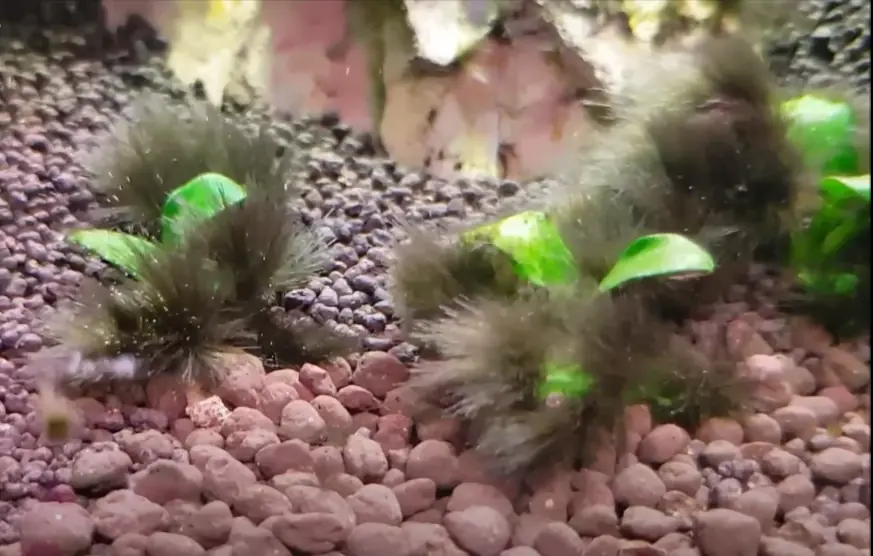 Black Beard AlgaeStubborn
Dark grey to black tufts on leaf edges, hardscape and equipment, worst where flow hits.
How to fix it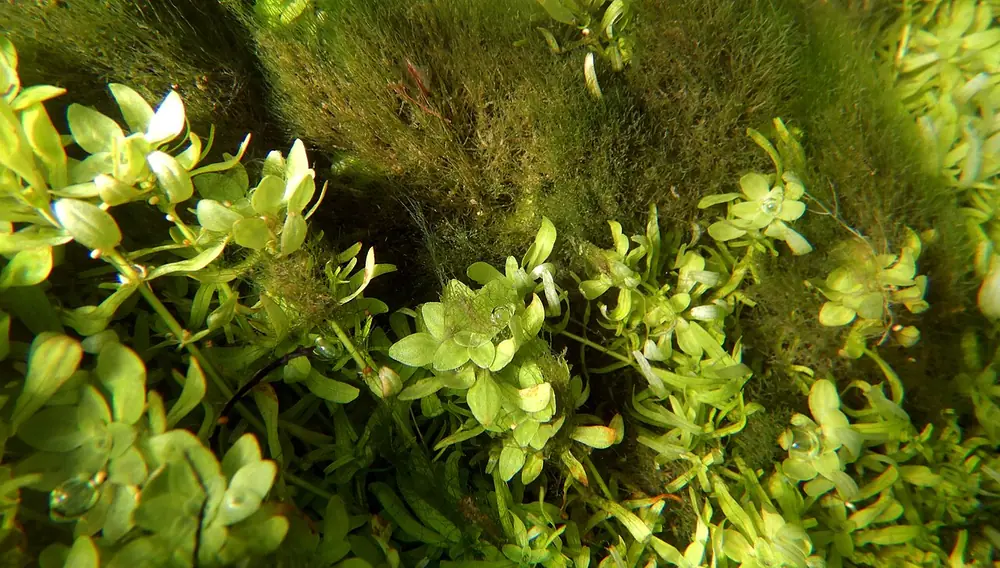 Hair AlgaeNuisance
Long soft green strands you can twirl around a toothbrush.
How to fix it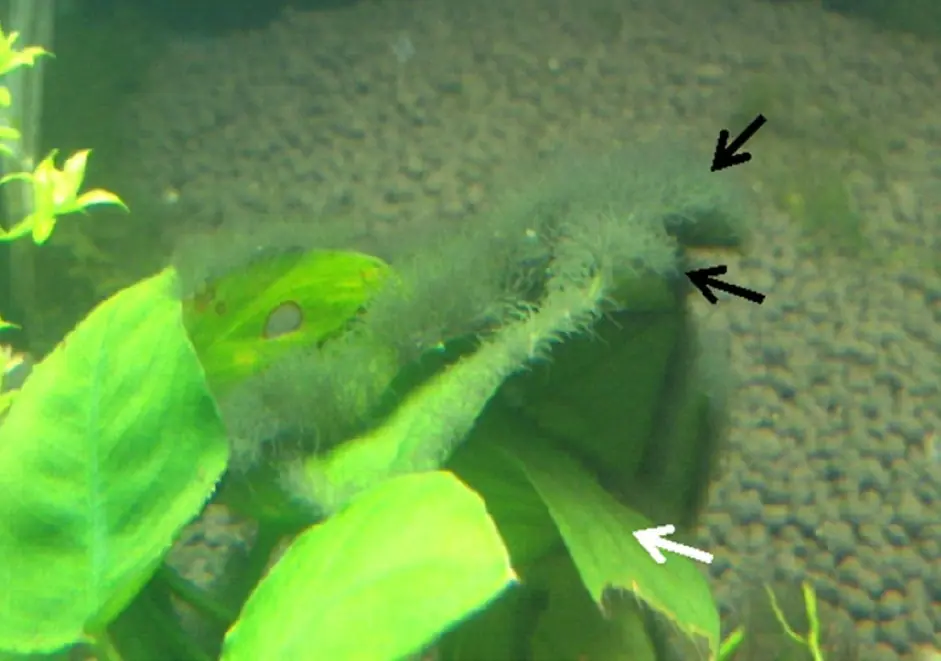 Staghorn AlgaeStubborn
Stiff grey-green strands that branch like tiny antlers and feel tough.
How to fix it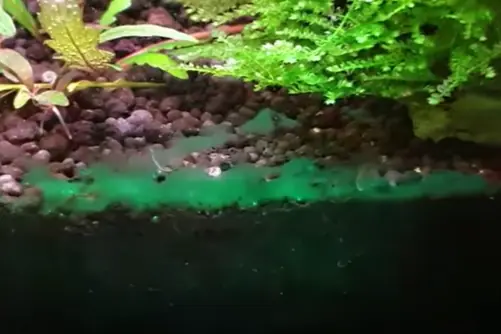 Blue-Green AlgaeStubborn
A slimy blue-green sheet that peels off in one piece and smells musty.
How to fix it- Brown Algae (Diatoms)Harmless
A brown dusty coating on a new tank that wipes off with a finger.
How to fix it 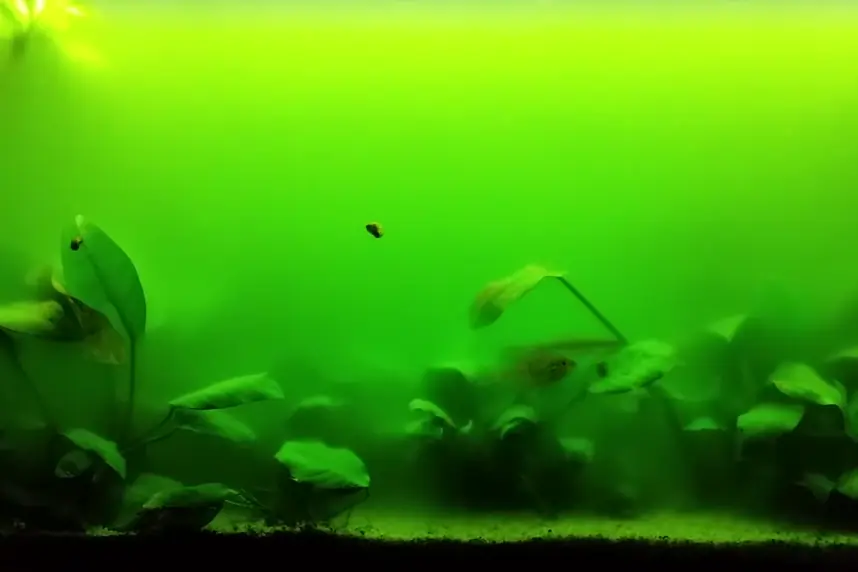 Green WaterStubborn
The whole tank turns cloudy green, like pea soup, and you can't see the back glass.
How to fix it- Fuzz AlgaeNuisance
Short soft green fuzz, a few millimetres long, on leaf edges and wood.
How to fix it 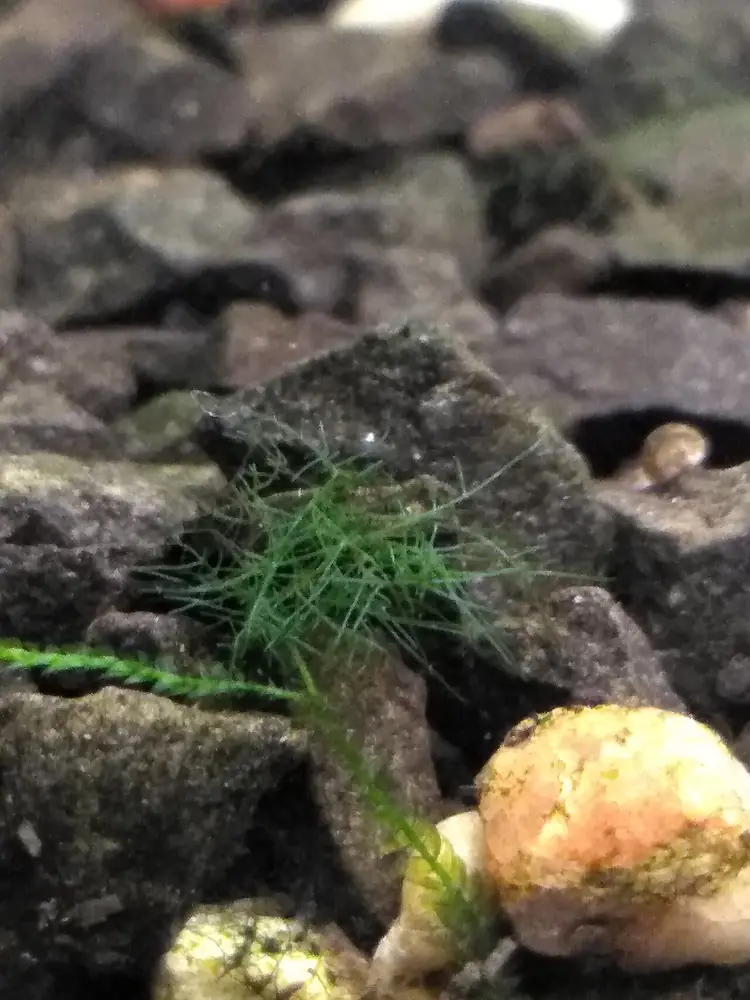 Cladophora AlgaeStubborn
Coarse, branching green threads that feel rough and can smell musty, often in tangled clumps.
How to fix it- Surface FilmHarmless
An oily, slightly rainbow film sitting still on the water surface.
How to fix it
Most algae is a symptom, not a disease. It shows up when light, CO2and nutrients fall out of step, or when a new tank is still settling. Fixing the balance matters more than scrubbing, and a good clean-up crew keeps the last of it in check. Each type above links to a full fix, including what causes it and which fish, shrimp or snails graze it. If it’s the plants themselves that look wrong, yellowing, pitting or pale new growth, rather than something growing on them, that is usually a nutrient shortage. See plant deficiency ID.