
Algae fix guide
Hair Algae
Also called thread algae, green hair algae
Long soft green strands you can twirl around a toothbrush.
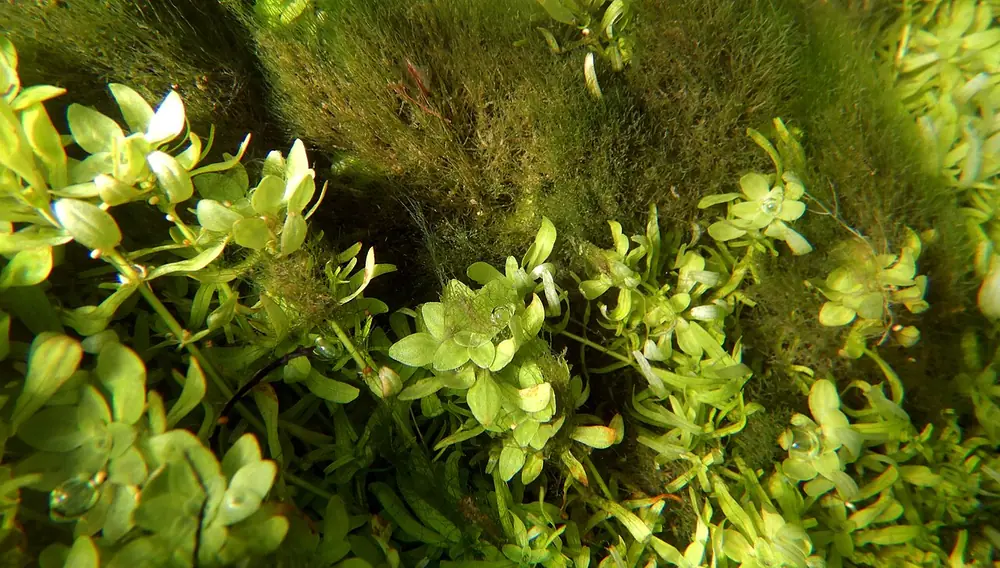
TL;DR, Hair Algae
Hair algae is the long green strands that drape off plants and hardscape and wrap around a toothbrush when you twirl it. It usually means too much light for the amount of CO2 and nutrients the plants can use, and a spike of ammonia from a new tank or a disturbed substrate often kicks it off. Pull out what you can by hand, dial the light back, keep dosing steady, and let amano shrimp finish it. They are the best hair algae crew there is.
How to spot it
Fine to coarse green threads, sometimes several centimetres long, hanging off leaf tips, moss and wood. Soft enough to wind around a stick.
What causes it
- Too much light for the CO2 and nutrients on offer
- An ammonia spike from a new tank, a big trim, or a disturbed substrate
- Nutrient imbalance, often after skipping water changes
How to fix it
- Twirl and pull out as much as you can by hand, a toothbrush makes quick work of it.
- Cut the photoperiod back to around six hours and lower the intensity if you can.
- Get back on steady dosing and weekly water changes to even out nutrients.
- Add amano shrimp, they graze hair algae harder than almost anything; young cherry shrimp help too.
Keep it from coming back
Match light to what your plants can actually use, keep dosing and water changes regular, and avoid stirring up the substrate. A stable, moderately lit tank rarely gets a hair algae outbreak.
What eats it
A clean-up crew won’t fix the cause, but these species graze it and keep the last of it down:
Spot treatments
From our gear catalogue
Frequently asked questions
Direct answers to the questions search engines and AI assistants surface most often about this species.
What eats hair algae?
Amano shrimp are the best by a distance, they will strip a tank of it. Siamese algae eaters help, and a colony of cherry shrimp will graze the softer strands.
Why did hair algae appear suddenly?
Usually an ammonia spike, from a new tank, a heavy trim, or a substrate that got stirred up. Combine that with strong light and it takes off fast. Manual removal plus less light and steady dosing turns it around.