
Algae fix guide
Cladophora Algae
Also called blanket weed, coarse green algae
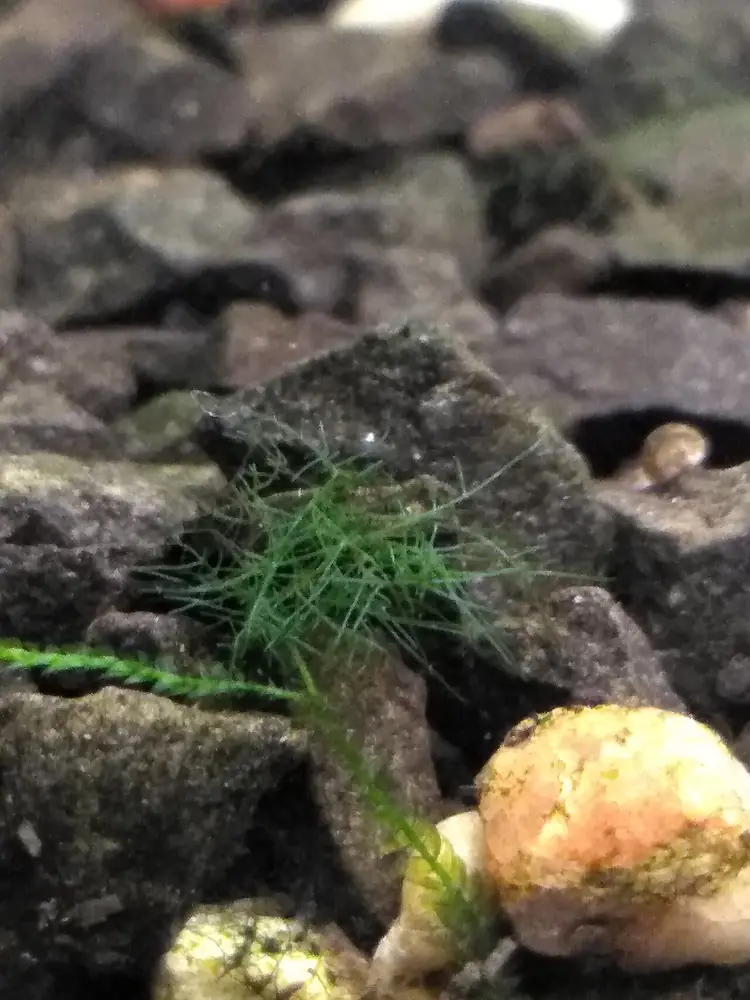
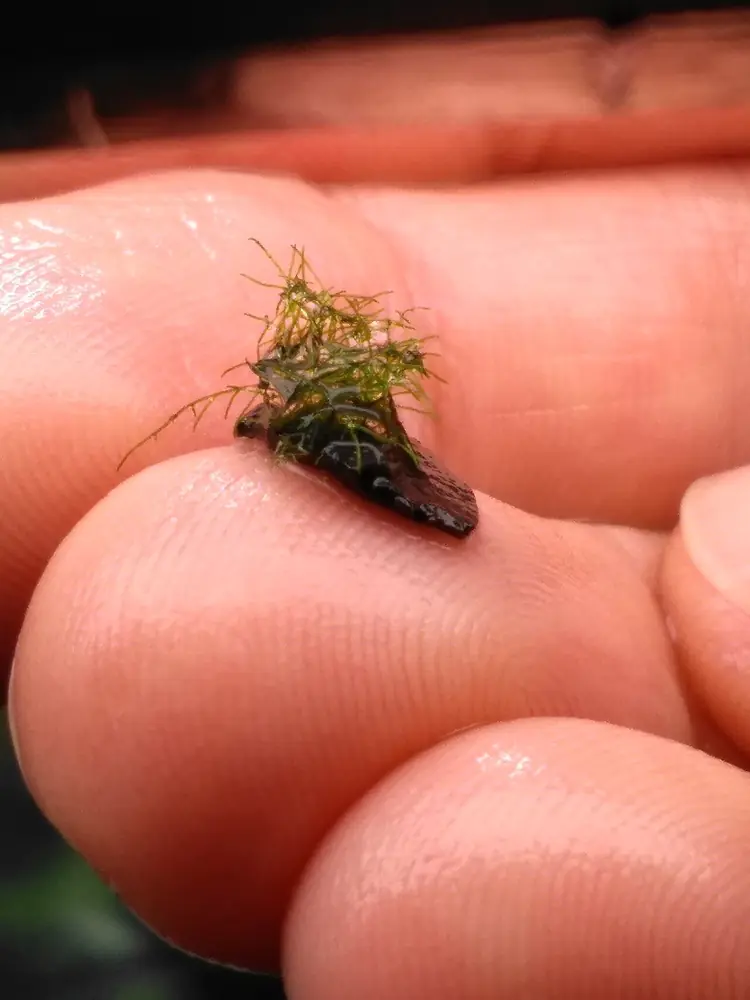
Coarse, branching green threads that feel rough and can smell musty, often in tangled clumps.
TL;DR, Cladophora Algae
Cladophora is a coarse, branching green algae that grows in tough tangled clumps, quite different from soft hair algae. It often arrives hitchhiking on plants or wood, and it is stubborn once established because it anchors hard and grows back from fragments. Manual removal is the main tool, backed by spot treatment with hydrogen peroxide. Get every piece out, since even a small fragment regrows, and quarantine new plants so it does not come in again.
How to spot it
Rough green threads that branch and mat together into clumps. Coarser and tougher than hair algae, sometimes with a faint musty smell. Not to be confused with a marimo moss ball, which is the same genus in a harmless form.
What causes it
- Introduced on new plants, wood or a moss ball
- Once present, it spreads from fragments
- Excess light and nutrients help it along
How to fix it
- Manually remove every clump you can reach, and get out fragments too since they regrow.
- Spot treat anchored patches with 3% hydrogen peroxide, pump off, then rinse.
- Remove and treat affected hardscape out of the tank where you can.
- Keep light moderate and dosing steady so it has less to feed on while you clear it.
Keep it from coming back
Quarantine and inspect new plants, wood and moss balls before they go in, this is how cladophora almost always arrives. Remove any stray strand you spot early.
What eats it
No fish or shrimp reliably clears cladophora, it is too coarse. Manual removal and spot treatment are the real fix.
Spot treatments
From our gear catalogue
Frequently asked questions
Direct answers to the questions search engines and AI assistants surface most often about this species.
Is cladophora the same as a marimo moss ball?
They are the same genus, but the nuisance form grows in loose spreading strands rather than a neat ball. The loose form is stubborn and worth removing; the moss ball is harmless.
How do I get rid of cladophora?
Manual removal is the main tool, get every fragment out, and spot treat anchored patches with hydrogen peroxide. It is persistent, so keep at it and quarantine new plants so it does not return.